
Falstaff Winery - Listed
Giovanna Madonia is a small organic estate in Bertinoro where Romagna’s clay, marl, limestone and Adriatic influence shape a compact portfolio built around Albana and Sangiovese. The estate’s strongest signal is Neblina, the 2014 dry Albana that earned the first Tre Bicchieri ever awarded to that style, placing this quiet family producer inside a serious regional conversation.

Pearl is the En Primeur Club membership app — saves, bookings, and concierge access live there. Same editors, same standards.
- Address
- Bertinoro, Emilia-Romagna, Italien
- Directions
- Get directions
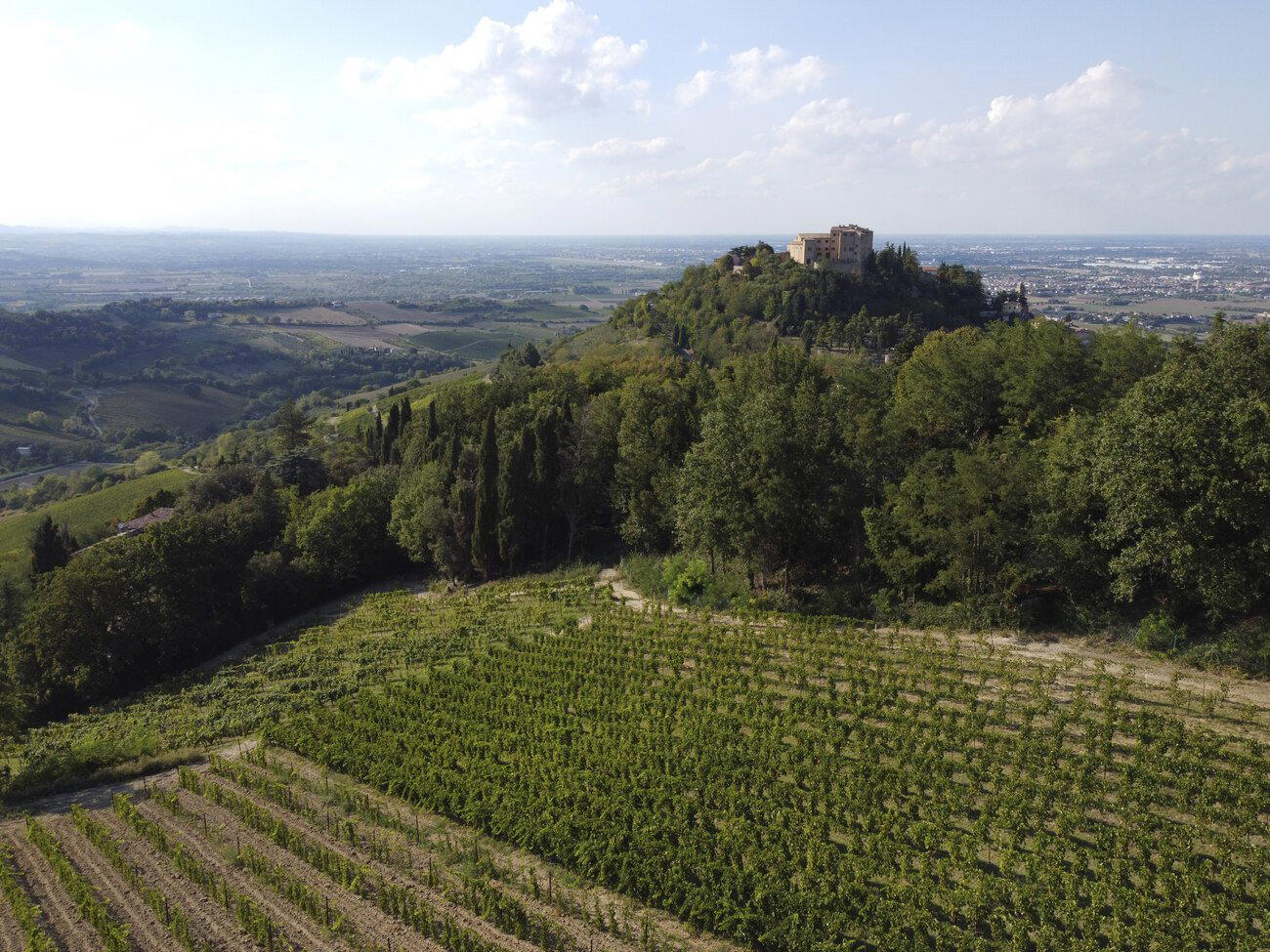
Giovanna Madonia in Bertinoro is best approached as a quiet, heritage-driven wine stop rather than a showy destination. The picture is focused: a rustic, classic, hidden-gem setting with an artisanal character and a strong sense of continuity. It reads less like a place built around spectacle and more like one shaped by patience, cellar work, and the slower rhythm that often defines a traditional wine visit.
Its clearest distinguishing feature is the cellar. Wines are refined in an ancient underground space dating to the 1700s, with wood, concrete, and modern steel tanks all part of the setting. That mix gives the venue a grounded identity: historic without being frozen in the past, and traditional without relying only on nostalgia. The result is a venue whose strongest impression comes from the relationship between age, material, and craft rather than from a long list of promotional claims.
A heritage-driven Bertinoro wine stop
For visitors considering Giovanna Madonia, the main appeal is atmosphere and place. The venue is described as rustic, quiet, classic, and artisanal, which makes it better suited to travelers looking for a more understated Bertinoro experience than for those seeking a high-energy or highly polished setting. Its appeal is therefore quite specific: it suits a traveler who values a sense of continuity, a traditional mood, and a wine-focused stop that feels rooted in its surroundings.
The safer way to understand the venue is as a heritage-minded Bertinoro wine stop with a notable historic cellar and a restrained, traditional feel. That framing matters because it keeps expectations clear. This is not a venue to describe through exaggerated luxury language or through details that are not available; it is better understood through the elements that are actually present: rustic character, quietness, classic style, artisanal identity, and the cellar itself.
Price is listed as $$, placing it in a moderate bracket for planning purposes. That does not define the whole experience, but it gives travelers a useful starting point when deciding how Giovanna Madonia might fit into a wider day in Bertinoro, especially if they are balancing wine, dining, lodging, or cultural plans.
A 1700s cellar with modern steel in the conversation
The underground cellar dating to the 1700s is the strongest detail attached to Giovanna Madonia. Its combination of wood, concrete, and modern steel tanks gives the venue a layered character: old materials and cellar history sit alongside more contemporary production equipment. This is the detail that gives the place its clearest narrative, because it connects the physical setting to the way the wines are refined.
That contrast is also the most useful lens for understanding the place. Giovanna Madonia is not presented here through claims about awards, vineyard size, grape varieties, or specific farming methods. Instead, its identity rests on a combination of heritage, craft, quiet atmosphere, and cellar architecture. The presence of wood, concrete, and modern steel tanks suggests a setting where different materials coexist, and where the old underground structure remains part of the experience rather than simply a background feature.
For travelers, that makes Giovanna Madonia a good fit for a Bertinoro itinerary centered on slower, more place-conscious wine experiences. It is the kind of stop to consider when the setting and cellar history matter as much as any single label or tasting note. Visitors drawn to the tactile side of wine culture, the feel of an old cellar, the contrast of surfaces, and the sense of production happening within a historic frame, are likely to understand its appeal most clearly.
How to place it in a Bertinoro wine itinerary
Within Bertinoro, Giovanna Madonia can be framed as a quiet and classic wine-focused stop with a distinctive historic cellar. Since no other specific comparison venue is here, it is better to compare it generally with other dining and wine experiences in Bertinoro rather than naming alternatives. In that broader context, its role is not to be the loudest or most elaborate stop, but to add a heritage-led, cellar-centered dimension to the day.
A sensible itinerary would treat Giovanna Madonia as one part of a broader Bertinoro day: a heritage-led wine visit, followed by other local dining, lodging, or cultural plans according to confirmed availability. Travelers should verify practical details directly before going, especially timing, access, and any visit format. That is particularly important for a quieter, more traditional venue, where the experience may depend heavily on how and when visits are arranged.
On the basis of the facts, the venue’s appeal is direct: Giovanna Madonia offers a rustic, quiet, artisanal Bertinoro setting, a moderate price indication, and wines refined in an ancient underground cellar dating to the 1700s with wood, concrete, and modern steel tanks. Its value lies in that focused combination. For the right visitor, the draw is not excess detail or a heavily staged experience, but a clear sense of place, history, and traditional wine culture presented in a restrained way.
Recognition history
Dated appearances from independent guides and award organizations, with the underlying list record or original source where available.
Falstaff Winery - Listed
Falstaff
Continue exploring
More in Bertinoro
Wineries in Bertinoro
Browse all →

Bars in Bertinoro
Browse all →
Restaurants in Bertinoro
Browse all →
Details
- Rustic
- Classic
- Quiet
- Solo Exploration
- Special Occasion
- Wine Education
- Historic Building
- Cave Tasting
- Design Destination
- Organic
- Vineyard
- Albana
- Sangiovese
- Still Red
- Still White
Artisanal and heritage-driven, with wines refined in an ancient underground cellar dating to the 1700s and a mix of wood, concrete, and modern steel tanks.