
Falstaff Winery - 2 Stars
Celli is a family-owned organic winery in Bertinoro, rooted in Romagna’s hill-country tradition rather than polished tasting-room theater. Its interest lies in estate-grown Sangiovese, Albana and local white varieties shaped by Spungone limestone soils, with a small-scale, rustic atmosphere that suits visitors who want regional character over design gloss.

Pearl is the En Primeur Club membership app — saves, bookings, and concierge access live there. Same editors, same standards.
- Address
- Bertinoro, Emilia-Romagna, Italien
- Directions
- Get directions
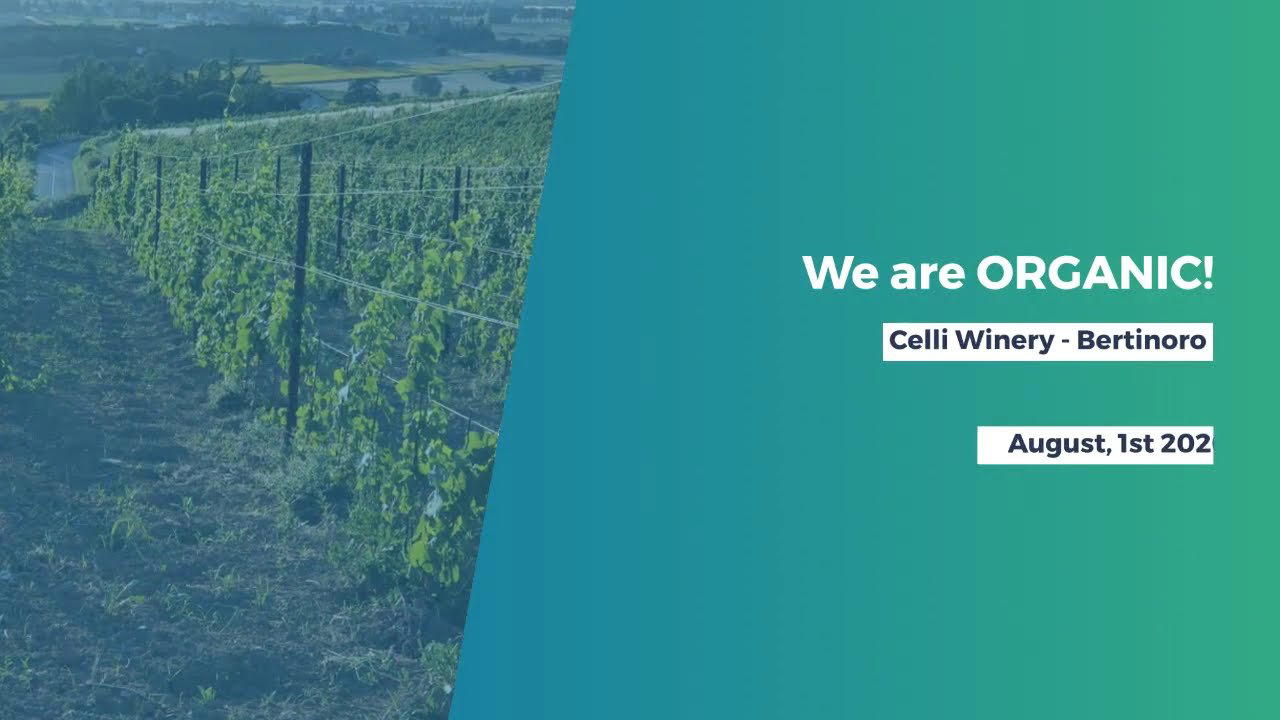
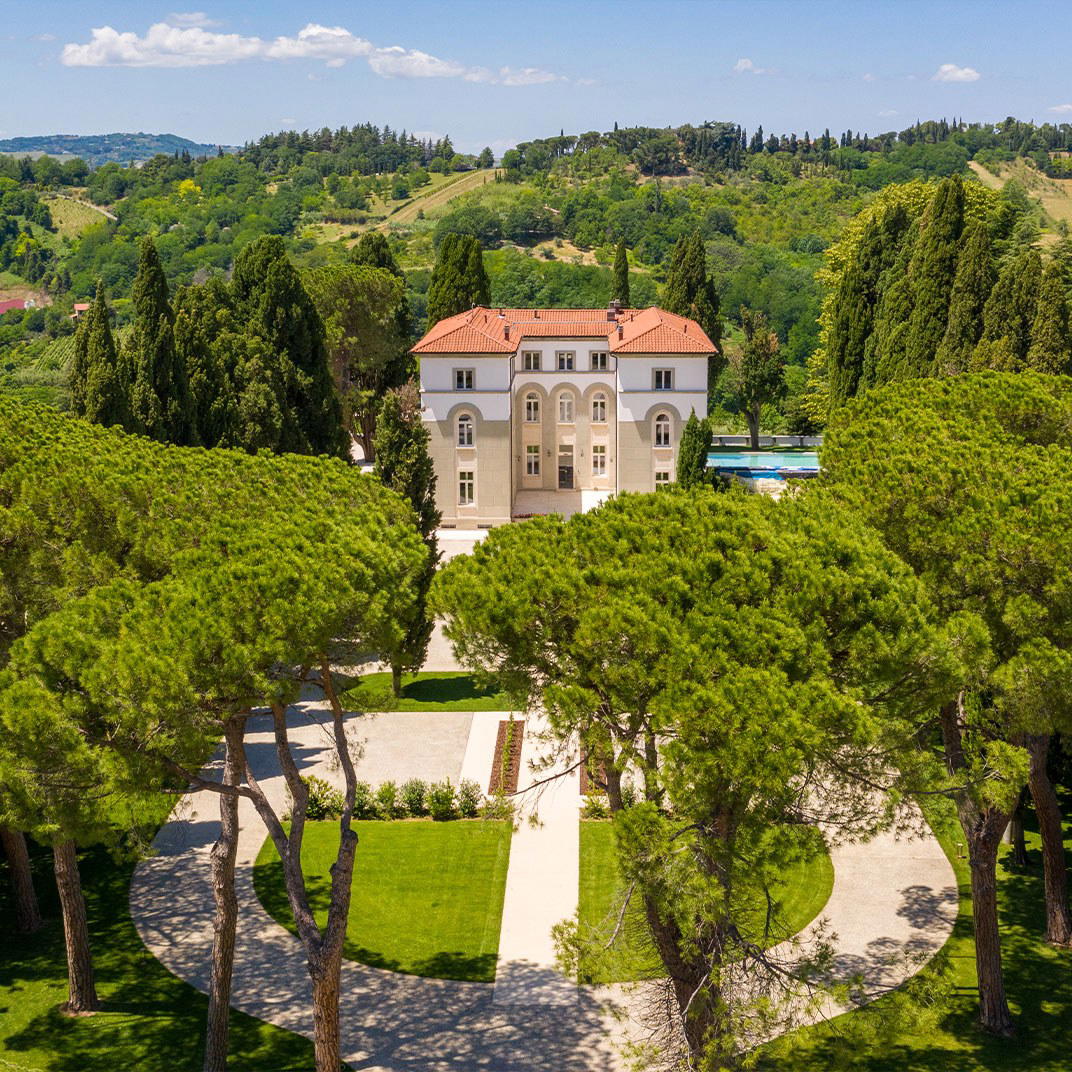
The approach to Celli belongs to inland Romagna: hills around Bertinoro, a quieter tempo, and a scenic, rustic feel. This is not a winery framed around design-driven spectacle or an experience built to overwhelm the visit with polish. The draw is a family-owned organic winery with a classic Romagna feel and a focus on territorial wines, so the mood is more about place, landscape and continuity than about a highly staged presentation.
That distinction matters for how to plan a visit. Celli is best understood as a scenic, rustic Bertinoro winery rather than a polished lifestyle destination. The appeal is the setting, the family-owned character, the organic identity, and the emphasis on wines tied to the territory around Bertinoro. In practical terms, that means the visit should be approached with the expectations you would bring to a grounded local estate: attentive to context, interested in the hills and the wine culture around them, and not primarily looking for a glossy hospitality set piece.
Celli gives Bertinoro a classic Romagna wine stop
The strongest reason to understand Celli through place is its position on the hills around the medieval town of Bertinoro. The experience is rooted in landscape and local wine culture rather than in a heavily designed hospitality concept. Bertinoro matters here not merely as a location on a map, but as the frame for the visit: inland, hilly, slower in rhythm, and closely associated with a Romagna sense of wine, food and countryside.
For travelers comparing winery options, Celli’s profile is direct: a family-owned organic winery with a scenic, rustic mood and a focus on territorial wines. That directness is part of the point. It gives the estate a clear identity for visitors who want a wine stop that feels tied to the surrounding hills rather than separated from them by a layer of design language or lifestyle branding.
Celli’s value lies in that restrained clarity. It offers a classic Romagna feel in Bertinoro, with the hills and the local context doing much of the work. The experience reads as local and grounded rather than theatrical. For some travelers, that will be precisely the attraction: the sense that the winery is best appreciated as part of the landscape and the broader Bertinoro atmosphere, not as a standalone performance engineered to compete with more elaborate destination wineries.
A rustic estate visit, not a design-led tasting performance
The atmosphere is scenic and unfussy. Expect a classic Romagna mood connected to the Bertinoro hills rather than a lounge-like or architecture-led hospitality format. The character is rustic and territorial, not luxury-driven. That does not make the visit lesser; it simply places the emphasis somewhere different. The interest is in the estate’s family-owned and organic identity, the rural setting, and the way the wines are presented as part of their territory.
Because only limited public-facing details are here, it is safest to avoid assuming a specific tasting structure, menu format, seating setup, service style, opening schedule or walk-in policy. Confirm practical arrangements directly with Celli before visiting. This is especially important for travelers building a day around Bertinoro, since the strength of a visit like this is often in how smoothly it fits with the pace of the hills, the town and the surrounding countryside rather than in a rigid, self-contained attraction model.
Celli is also a useful counterweight to the idea that winery visits in Italy need grand cellars or heavily staged hospitality to justify the trip. Here, the grounded appeal is narrower and clearer: a family-owned organic winery in Bertinoro with a classic, scenic Romagna character. The lack of a design-led frame should not be read as absence of identity. Instead, the identity is simply expressed through quieter materials: place, family ownership, organic farming, local wine culture and the rustic feel of the Bertinoro hills.
How to place Celli within a wider Italian wine itinerary
Bertinoro works well for travelers who want wine without detaching it from the town’s slower hill-country rhythm. A visit to Celli can fit naturally into a day built around the medieval town, the surrounding hills and other dining in Bertinoro. It is the kind of stop that makes most sense when the itinerary leaves room for the landscape itself, rather than treating the winery as an isolated appointment with no connection to the rest of the day.
Within a broader Italian wine itinerary, Celli’s role is clear: it is a Bertinoro winery with a family-owned organic identity, a rustic scenic setting and a focus on territorial wines rather than design-led experiences. Place it accordingly. It is not the option to choose for a highly polished lifestyle format, but it is a strong fit for travelers seeking a classic Romagna wine stop that feels local, modest in tone and anchored in the hills around Bertinoro.
Recognition history
Dated appearances from independent guides and award organizations, with the underlying list record or original source where available.
Falstaff Winery - 2 Stars
Falstaff
Continue exploring
More in Bertinoro
Wineries in Bertinoro
Browse all →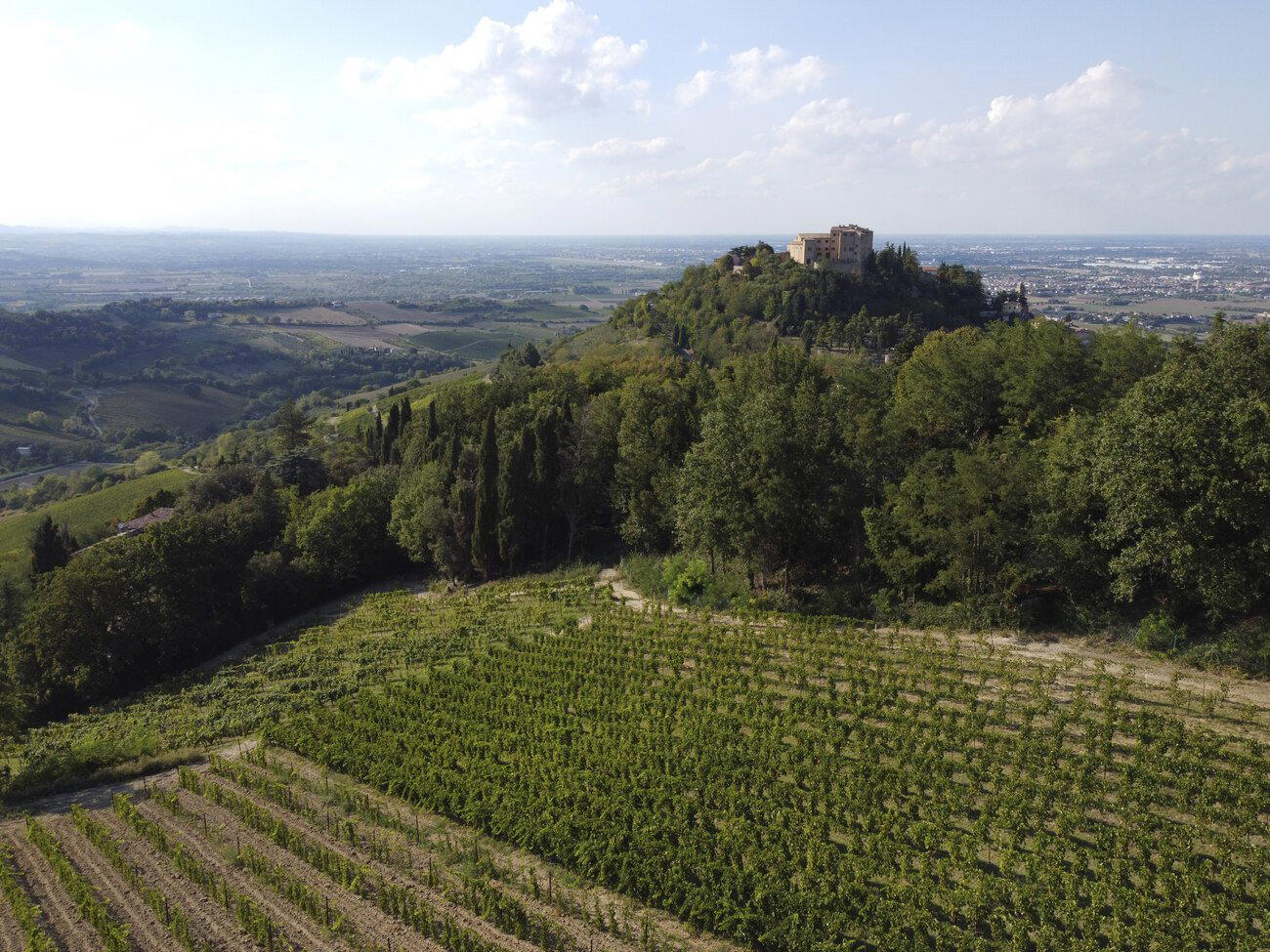
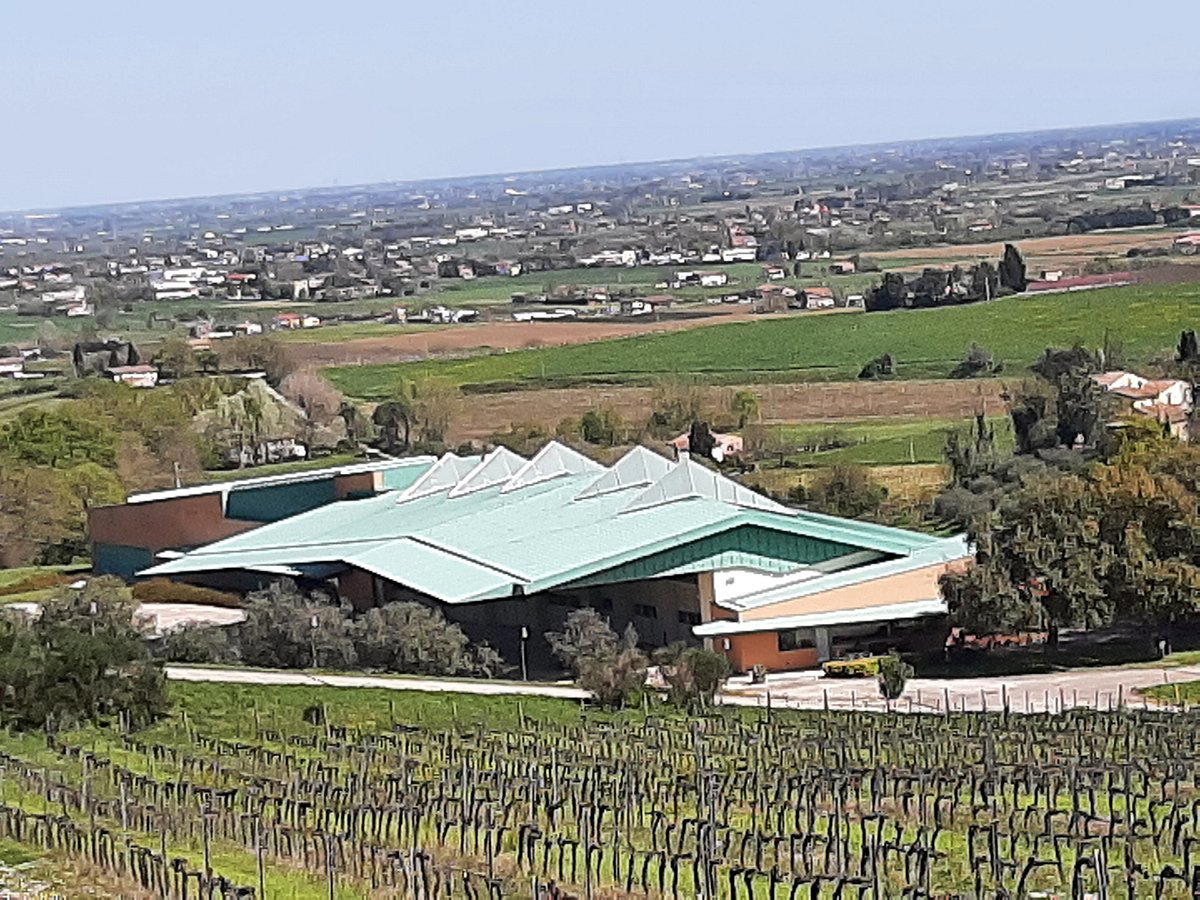

Bars in Bertinoro
Browse all →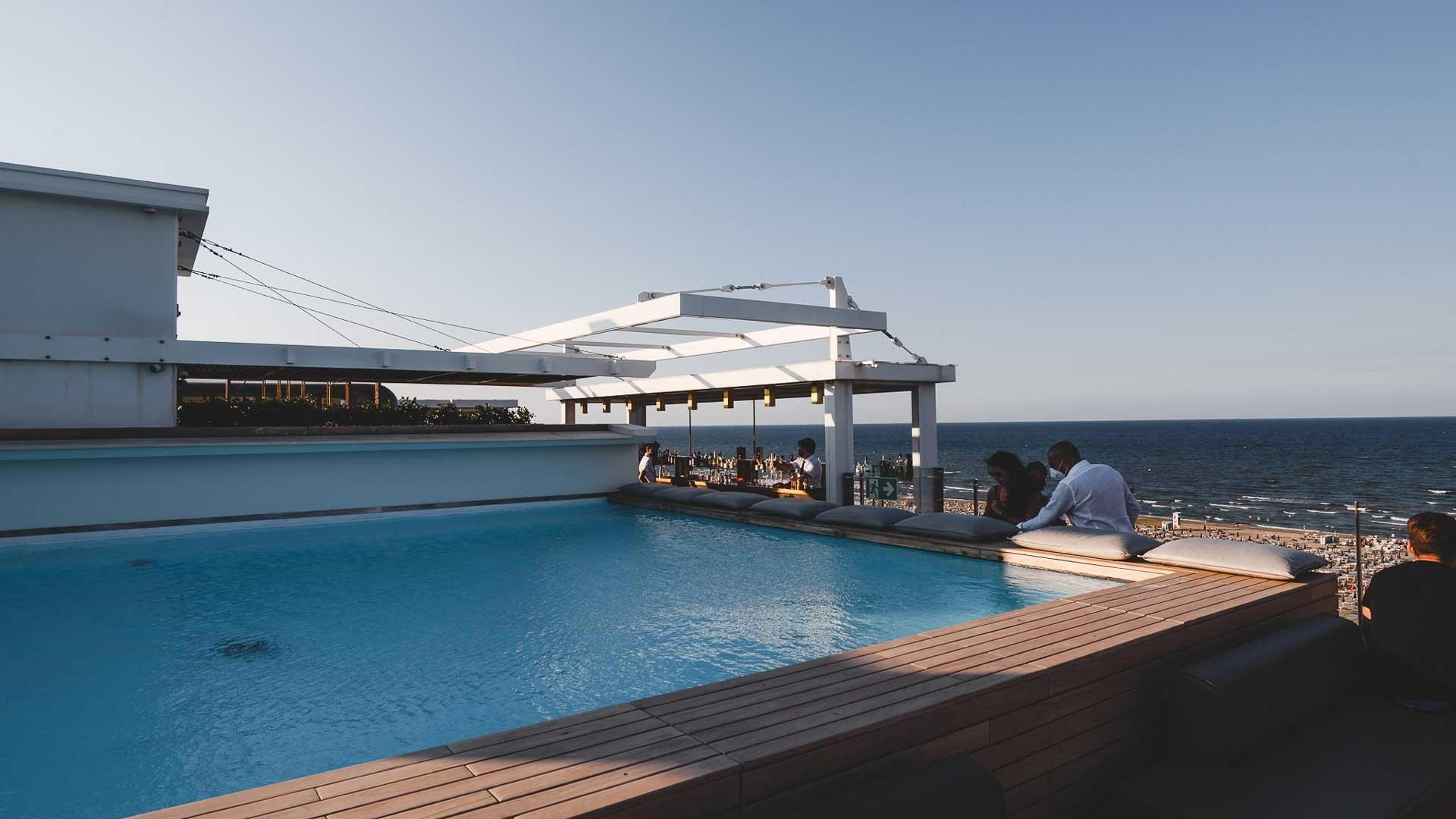
Restaurants in Bertinoro
Browse all →
Details
- Classic
- Scenic
- Rustic
- Group Outing
- Wine Education
- Solo Exploration
- Estate Grounds
- Vineyard Tour
- Panoramic View
- Organic
- Vineyard
- Mountain
- Sangiovese
- Albana
- Pagadebit
- Trebbiano
- Chardonnay
- Cabernet Sauvignon
- Still Red
- Still White
- Sparkling
- Bar Tasting
- Vineyard Visit
Family-owned organic winery on the hills around the medieval town of Bertinoro, with a classic Romagna feel focused on territorial wines rather than design-driven experiences.