Domaine Royal de Jarras

Falstaff Winery - Listed
Domaine Royal de Jarras gives Aigues-Mortes a Camargue wine experience built around sandy soils, rosé, gris de gris and protected natural habitats. The draw is not cellar-room ceremony but scale, terrain and context: an estate founded in 1883, with more than 800 hectares of vines and a visitor format that ties wine to wetlands, manades and Sable de Camargue AOP identity.

Pearl is the En Primeur Club membership app — saves, bookings, and concierge access live there. Same editors, same standards.
- Address
- Aigues-Mortes, Occitanie, Frankreich
- Directions
- Get directions
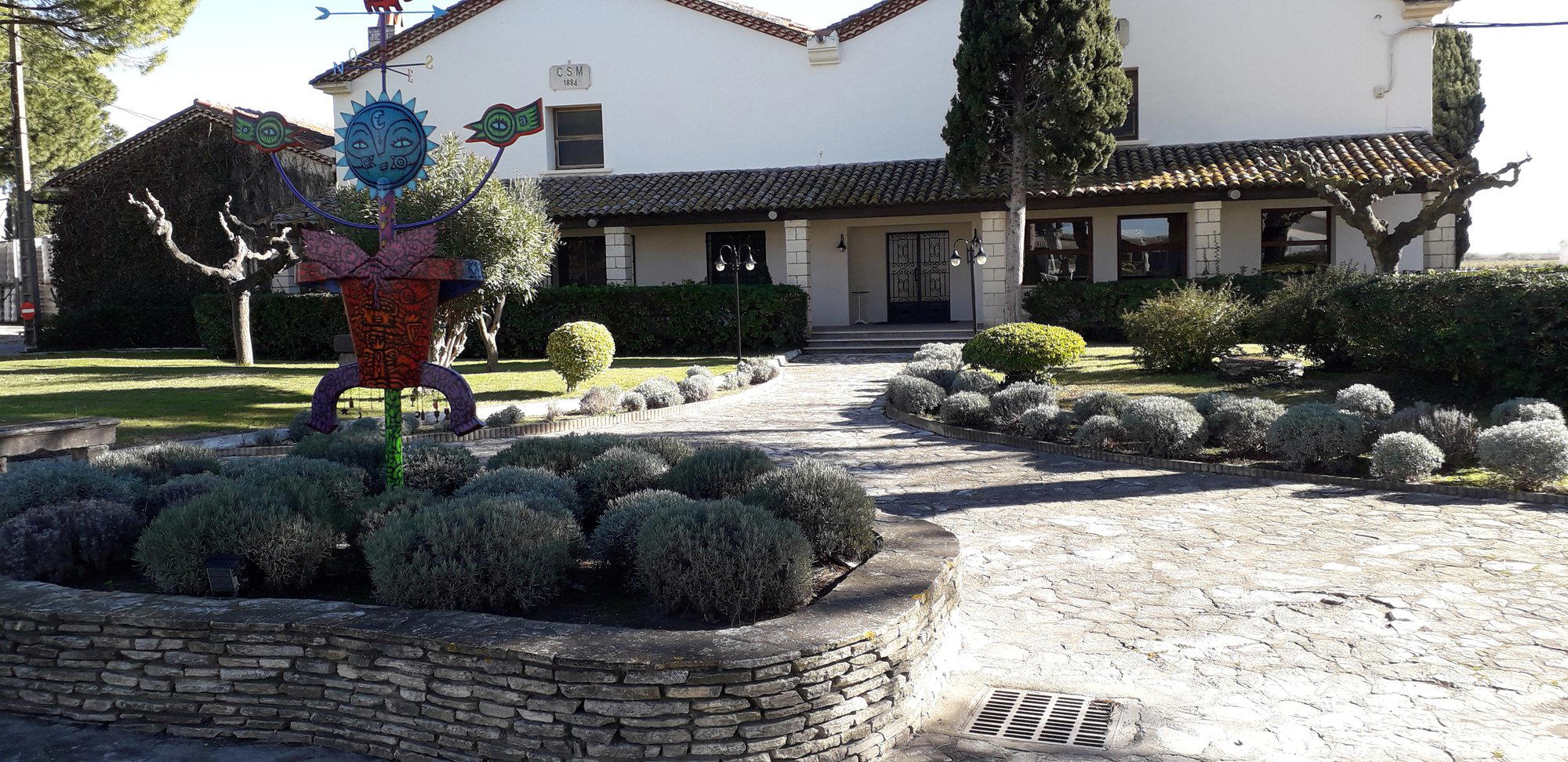
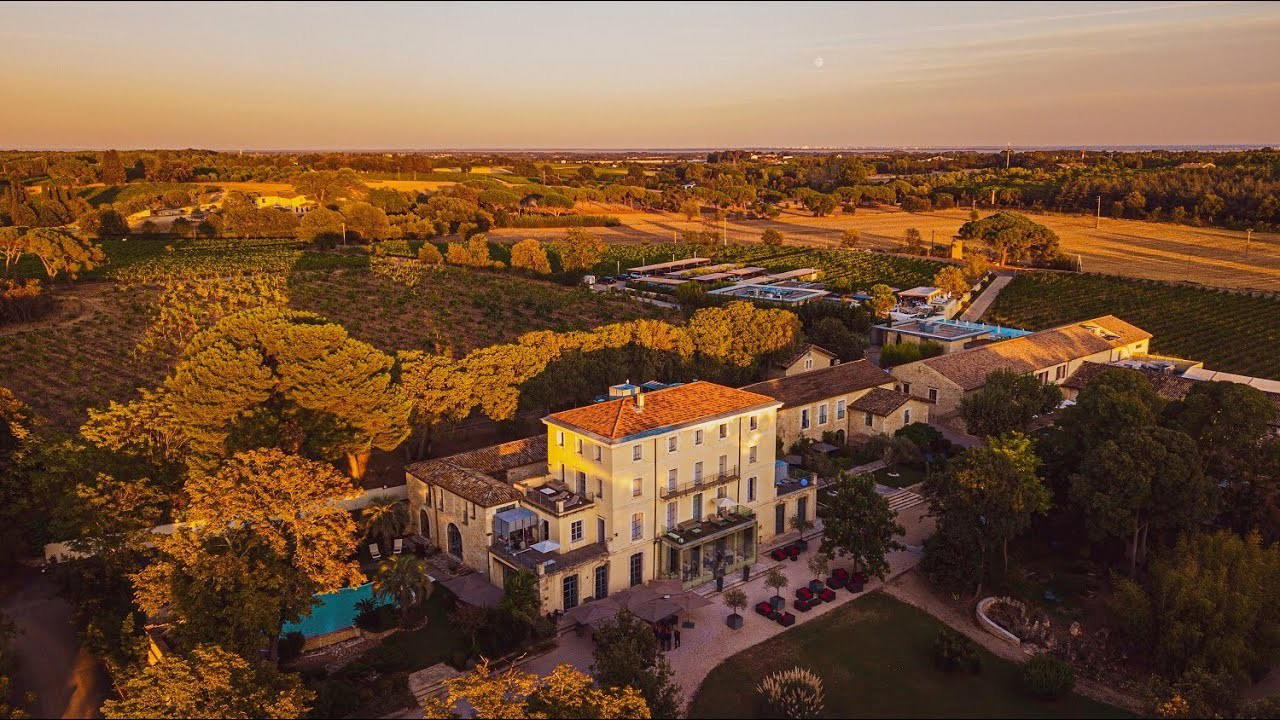
Domaine Royal de Jarras is best understood as a Camargue estate rather than a polished urban wine stop. In Aigues-Mortes, its appeal rests on sandy-soil vineyard scenery, wide open natural spaces, preserved wetlands and a relaxed, educational atmosphere focused on rosé, biodiversity and nature discovery. For readers mapping the city’s broader food and drink scene, it can be considered alongside other Aigues-Mortes dining and travel options in general, but it occupies a different lane from the more conventional places to eat or drink. The value here is less about sitting down to a defined meal or working through a tightly specified program, and more about seeing how wine, soil and wetland scenery fit together in this part of the Camargue.
Sandy soils make the Camargue argument
The serious reason to come here is the setting. Domaine Royal de Jarras is presented as a historic sandy-soil estate in the Camargue, where vineyards and wetland landscapes shape the visit. The draw is not a highly specific restaurant-style service model or a confirmed accolade, but the chance to connect rosé, open countryside and the natural character of Aigues-Mortes in one place. That connection is what gives the estate its clearest purpose: it turns a glass of rosé into part of a wider landscape story rather than treating it as an isolated drink.
The estate’s identity is scenic, rustic and educational. Its strengths are broad rather than technical: sandy ground, vineyard views, preserved wetlands and a nature-forward atmosphere. That makes it useful for visitors who want a relaxed introduction to the Camargue landscape without relying on claims about exact production scale, founding dates, named cuvées or formal tasting formats. The language around the estate works well when it stays close to what can be seen and understood on-site: open land, vines, water-edged natural spaces and the sense that the vineyard belongs to a larger ecosystem.
Rosé is central to the way the estate is described, but the most grounded way to frame the visit is through place rather than a detailed wine list. Domaine Royal de Jarras offers a Camargue argument about landscape, biodiversity and vineyard culture in Aigues-Mortes, with the experience anchored in scenery and nature discovery. The rosé focus gives the visit a clear theme, while the sandy soils and preserved wetlands keep that theme connected to the specific environment around the estate.
The visit works as nature interpretation with wine attached
The atmosphere is relaxed, scenic and educational. Wide open natural spaces, preserved wetlands and vineyards give the estate its shape, making it feel closer to a landscape visit than a conventional city venue. The emphasis is on rosé, biodiversity and nature discovery rather than on a documented chef, menu, service format or drinks program. That distinction matters, because expectations should be calibrated around the outdoorsy, interpretive quality of the place rather than around the usual measures of a restaurant or bar.
That nature-led character is the point. Domaine Royal de Jarras gives visitors a way to read the Camargue through sandy soils, vineyard scenery and wetland context. It is especially compelling when approached as an outdoor, place-based experience in Aigues-Mortes, not as a venue defined by amenities or highly specific hospitality claims. The estate’s appeal is therefore cumulative: the wine interest, the open space and the environmental setting reinforce one another, creating a visit that is more about orientation and atmosphere than about a single headline feature.
Compared with other dining or drinking options in Aigues-Mortes, Domaine Royal de Jarras stands apart because its appeal is tied to the estate landscape itself. It is better read as a broad Camargue introduction: scenic, rustic, focused on rosé and attentive to biodiversity. Visitors looking for a neatly packaged urban stop may find the framing too expansive, but those curious about how local wine culture is embedded in natural surroundings will find the premise more coherent.
Who should plan around it
The strongest use case is for visitors who want an easygoing, educational experience rooted in nature and wine country rather than a formal restaurant meal. The setting suits travellers drawn to open space, vineyards, wetlands and the distinctive atmosphere of the Camargue around Aigues-Mortes. It also suits anyone who prefers context over polish: the point is to spend time with the landscape, to understand why sandy soils and preserved natural spaces are part of the estate’s identity, and to let the rosé theme sit within that broader frame.
At $13 per person, Domaine Royal de Jarras is positioned as an accessible stop for those who want a scenic estate experience. The reason to plan around it is specific: Aigues-Mortes gives rosé a landscape, and this estate frames that landscape through sandy soils, biodiversity and natural discovery. Treat it as a calm Camargue interlude rather than a destination built around culinary detail, and its strengths become much clearer.
Recognition history
Dated appearances from independent guides and award organizations, with the underlying list record or original source where available.
Falstaff Winery - Listed
Falstaff
Continue exploring
More in Aigues-Mortes
Wineries in Aigues-Mortes
Browse all →
Bars in Aigues-Mortes
Browse all →
Restaurants in Aigues-Mortes
Browse all →
Details
- Scenic
- Well Known
- Rustic
- Classic
- Energetic
- Group Outing
- Family
- Wine Education
- Romantic Getaway
- Solo Exploration
- Corporate Event
- Vineyard Tour
- Estate Grounds
- Waterfront
- Panoramic View
- Historic Building
- Private Tasting
- Sustainable
- Vineyard
- Waterfront
- Still Rosé
- Still White
- Estate Tasting
- Train Tour Plus Tasting
- Group Tasting
- Private Tasting
- French
- English
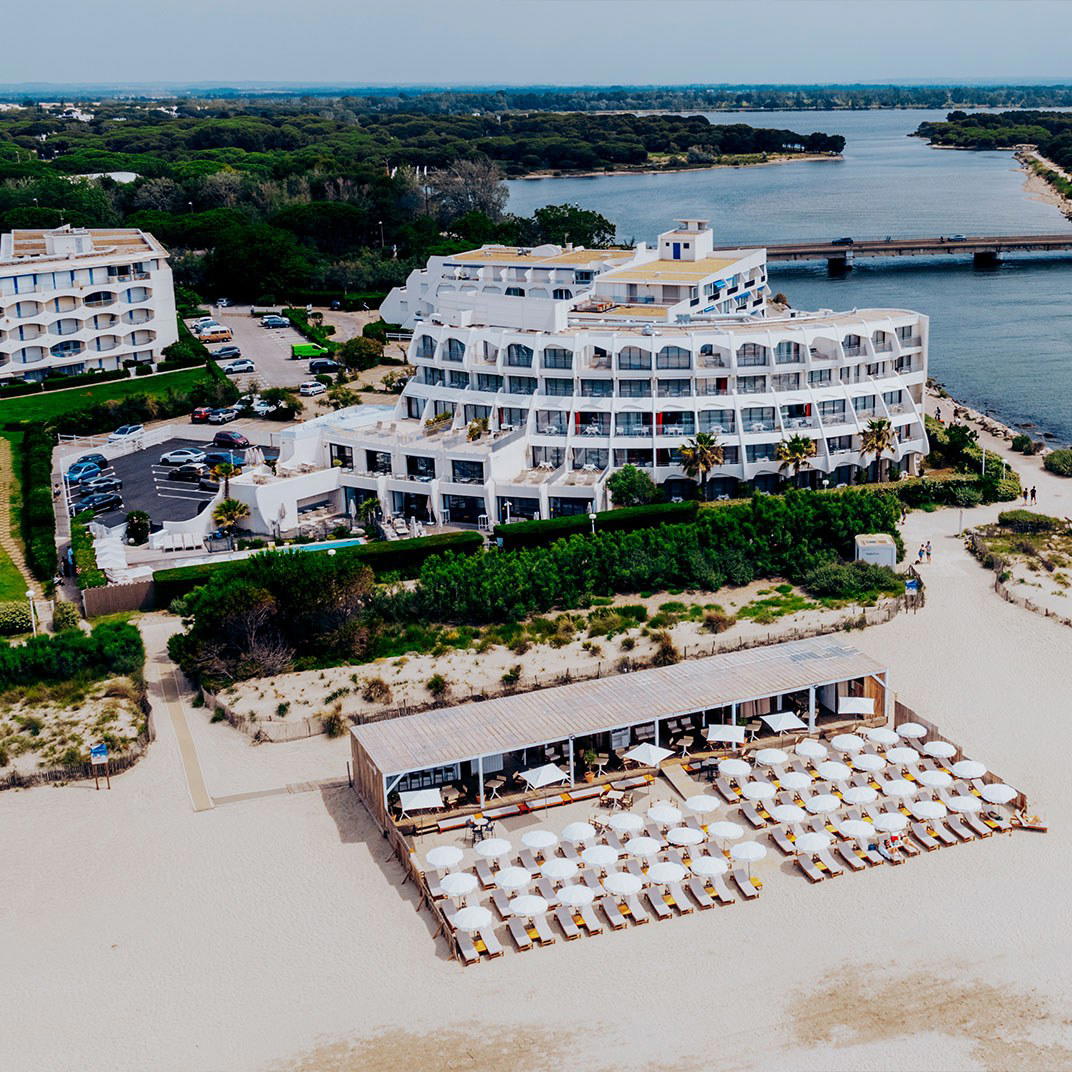
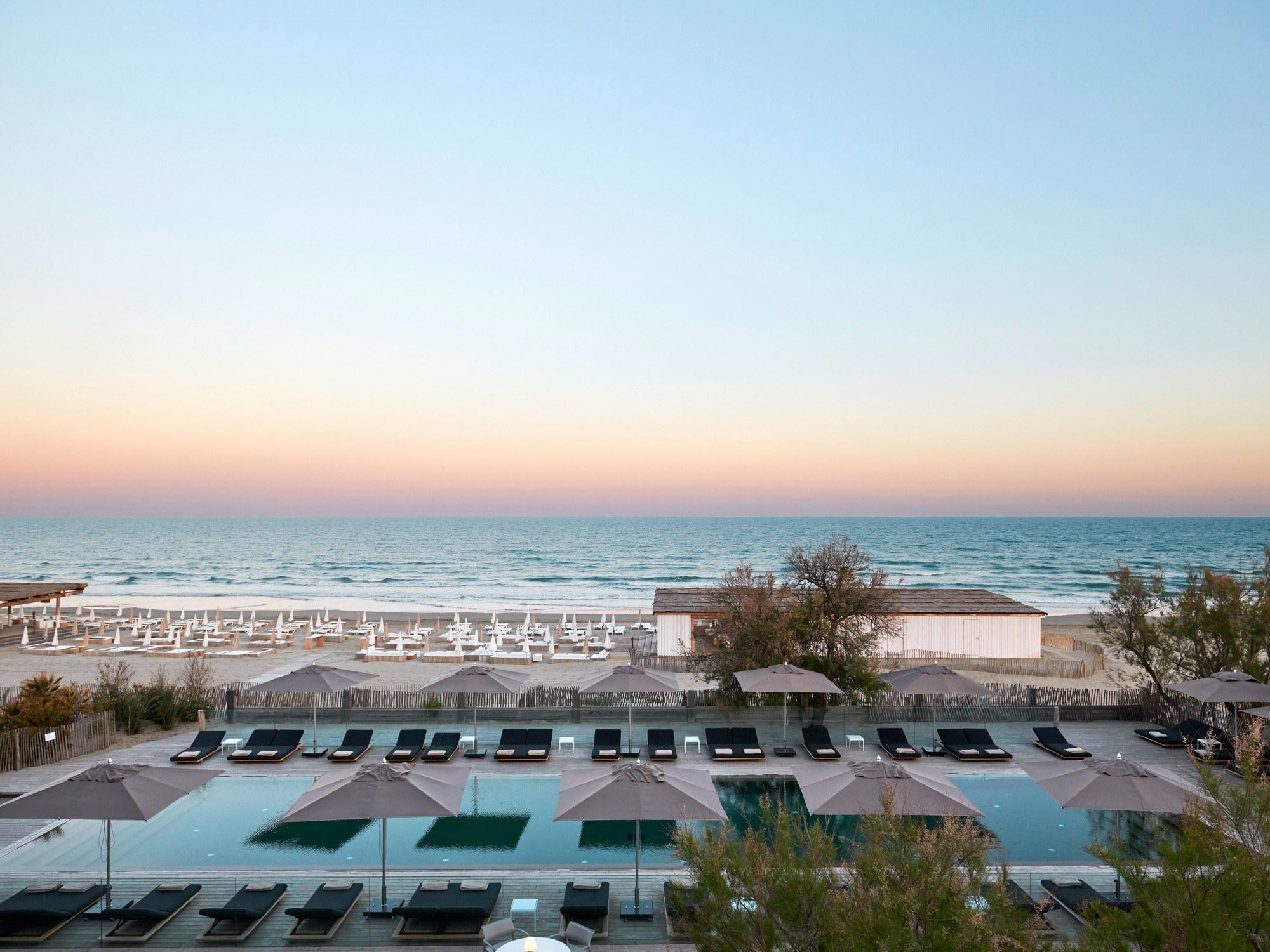
Historic sandy-soil estate in the Camargue with wide open natural spaces, preserved wetlands and vineyards, offering a relaxed, scenic and educational atmosphere focused on rosé, biodiversity and nature discovery.