
Falstaff Winery - Listed
Clos Marie is a small Pic Saint-Loup estate in Lauret where the point is not cellar-door theatre but biodynamic farming, limestone terraces and low-intervention winemaking. Established in 1995 by Christophe Peyrus and Françoise Julien, the domaine works roughly 20–22 hectares and has become a reference name for terroir-led Languedoc wine.

Pearl is the En Primeur Club membership app — saves, bookings, and concierge access live there. Same editors, same standards.
- Address
- Lauret, Occitanie, Frankreich
- Directions
- Get directions

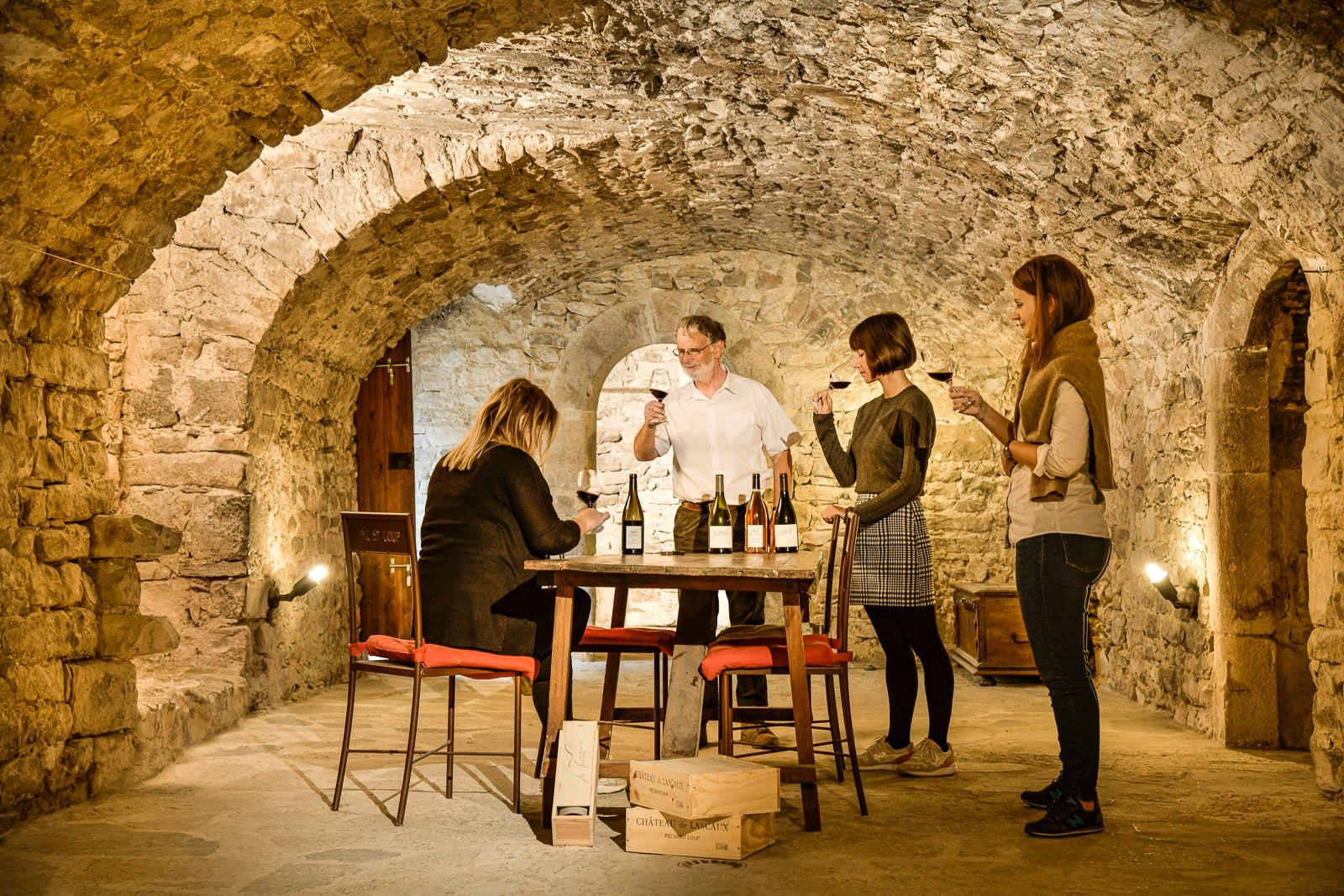
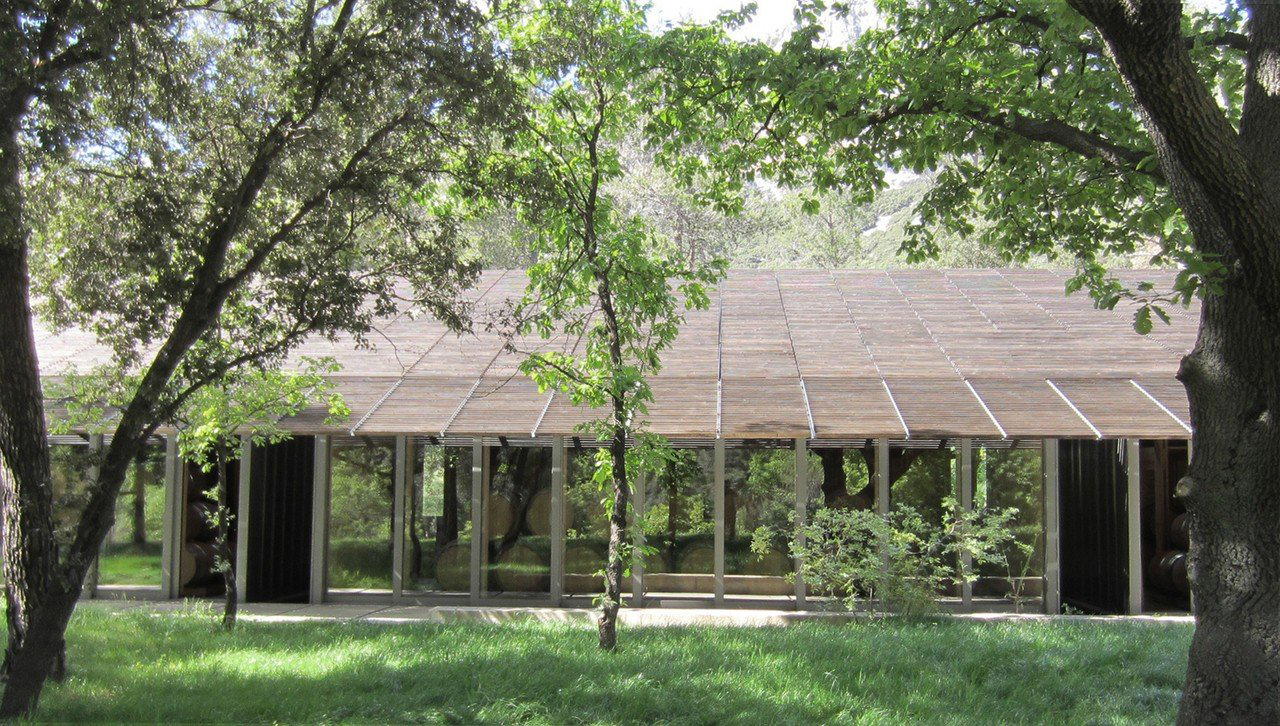
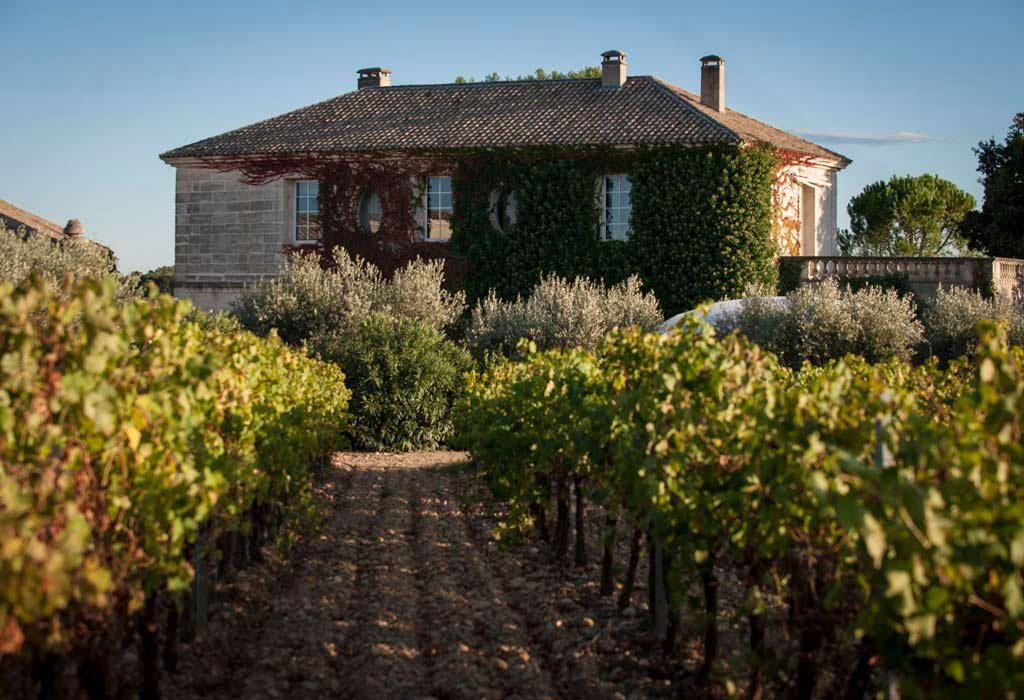
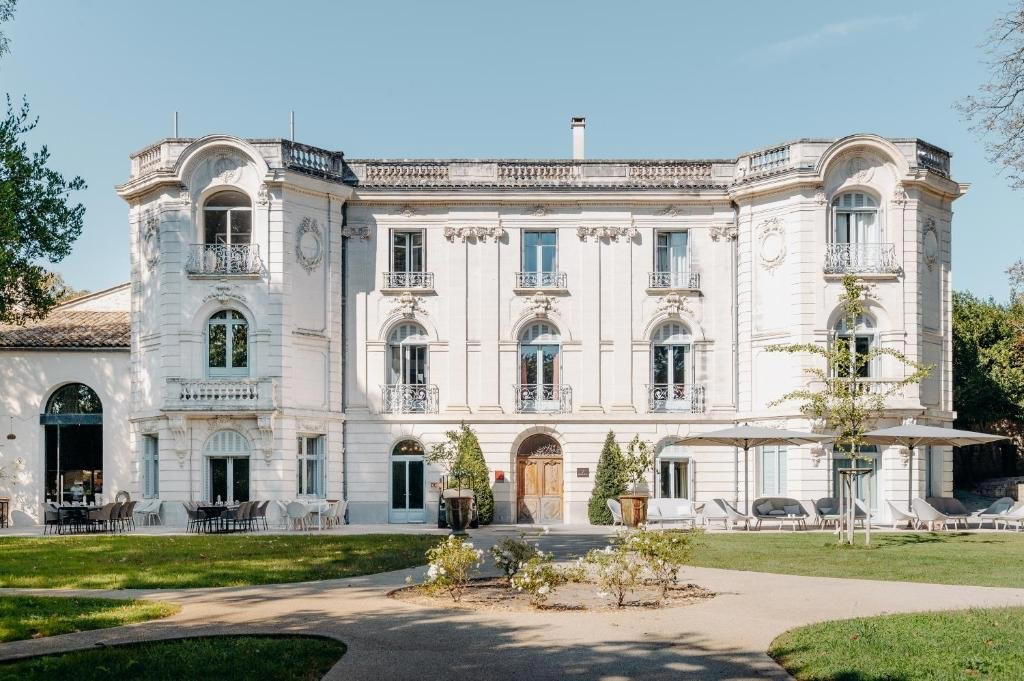
Clos Marie in Lauret is best understood as a small, artisanal Pic Saint-Loup estate rather than a conventional hospitality venue. The picture is narrow but useful: this is a place defined by meticulous biodynamic farming, low-intervention cellar work and a rustic, scenic atmosphere. The draw is not a broad list of amenities or a documented restaurant-style service format; it is the serious, terroir-driven craftsmanship associated with the estate.
It should not be presented through claims about exact vineyard holdings, founding dates, named cuvées, grape varieties, tasting procedures, cellar vessels, yields, visitor access, food service or awards. What can be said with confidence is that Clos Marie belongs to the Pic Saint-Loup context and is recognized here as a biodynamic, low-intervention estate in Lauret with an artisanal character.
For a wider look at the area, start with Our full Lauret wineries guide. Travellers building a broader stay can also cross-reference Our full Lauret restaurants guide, Our full Lauret hotels guide, Our full Lauret bars guide and Our full Lauret experiences guide.
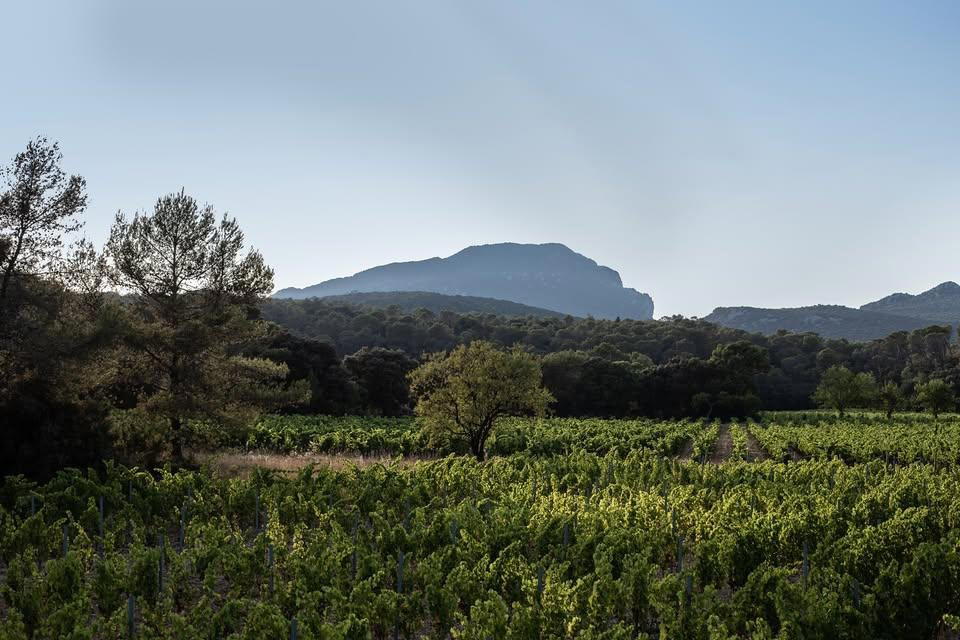
Limestone, mountain air and the Pic Saint-Loup argument
Pic Saint-Loup gives Clos Marie its essential frame. Even without relying on technical detail, the estate’s identity is tied to a more exacting reading of place than a generic southern wine stop. The emphasis is on farming, terroir and cellar restraint, with biodynamics and low-intervention work forming the core of the profile.
That makes Clos Marie a useful name for travellers who want Lauret to feel specific rather than interchangeable. The estate’s atmosphere is rustic and scenic, but the tone is serious. It is not best described through luxury signals, entertainment features or tourism-led amenities. Its appeal lies in a craft-focused idea of Pic Saint-Loup: careful work in the vineyard, limited interference in the cellar and a desire to keep the site at the center of the experience.
With only the facts in view, it is also important not to overstate the public record. There is no confirmed detail here for exact acreage, planting material, yields, cellar equipment, named bottles, scores or awards. The reliable editorial point is simpler: Clos Marie is a small biodynamic Pic Saint-Loup estate in Lauret with a terroir-driven, low-intervention orientation.
The cellar work keeps the place in view
The phrase low-intervention can be used too loosely, but for Clos Marie it is part of the identity. The confirmed claim is not a detailed winemaking recipe; it is that the estate’s cellar work is low-intervention and aligned with the broader emphasis on meticulous biodynamic farming.
That distinction matters. A venue page can easily become overloaded with attractive but unsupported specifics: exact fermentation vessels, aging periods, cuvée names, grape percentages or release timing. Clos Marie is presented as a producer where the work aims to express Pic Saint-Loup through careful farming and restrained cellar decisions.
The result is a profile that is craft-led rather than amenity-led. The price indicator is listed as $$, but beyond that the guide should avoid implying a known tasting fee, bottle price, menu structure or service package. For readers, that means Clos Marie should be approached as a wine estate whose confirmed interest is its biodynamic and low-intervention identity, not as a multi-service dining or leisure venue.
Where it fits in a serious Languedoc itinerary
Clos Marie makes the most sense for travellers using Lauret as a lens on Pic Saint-Loup. It is not necessary to dress it up with unconfirmed accolades or comparisons to named estates elsewhere. The information already gives it a clear role: a small, artisanal, scenic estate with serious attention to biodynamic farming and low-intervention cellar work.
That role is especially useful in a region where broad labels can blur important differences. Keeping the description disciplined protects the usefulness of the recommendation.
For planning, the safest guidance is to treat Clos Marie as a focused wine stop in Lauret and verify practical arrangements directly before making the trip. The atmosphere is described as rustic and scenic, and the editorial interest is the estate’s serious, terroir-driven craftsmanship. If travellers want other food, drink or lodging options, they should consult broader Lauret guides rather than assume those services are attached to Clos Marie.
In short, Clos Marie is not a page that needs embellishment. Its confirmed strengths are enough: Pic Saint-Loup, Lauret, biodynamic farming, low-intervention cellar work, a small artisanal scale and a rustic scenic feel. For readers interested in terroir rather than spectacle, that is the honest reason to pay attention.
Recognition history
Dated appearances from independent guides and award organizations, with the underlying list record or original source where available.
Falstaff Winery - Listed
Falstaff
Details
- Rustic
- Scenic
- Classic
- Intimate
- Solo Exploration
- Wine Education
- Special Occasion
- Biodynamic
- Mountain
- Vineyard
- Carignan
- Syrah
- Grenache
- Cinsault
- Still Red
- Still White
- Still Rosé
A small, artisanal Pic Saint-Loup estate with a focus on meticulous biodynamic farming and low-intervention cellar work, giving an atmosphere of serious, terroir-driven craftsmanship rather than tourism-oriented hospitality.