
Falstaff Winery - Listed
A small biodynamic estate in Fitou, Domaine les Enfants Sauvages works eight hectares of garrigue-fringed vines into IGP Côtes Catalanes wines rather than AOC Fitou. The interest is terroir first: clay-limestone soils, Mediterranean influence, native yeasts, hand harvests, and a low-intervention cellar run by Carolin and Nikolaus Bantlin.

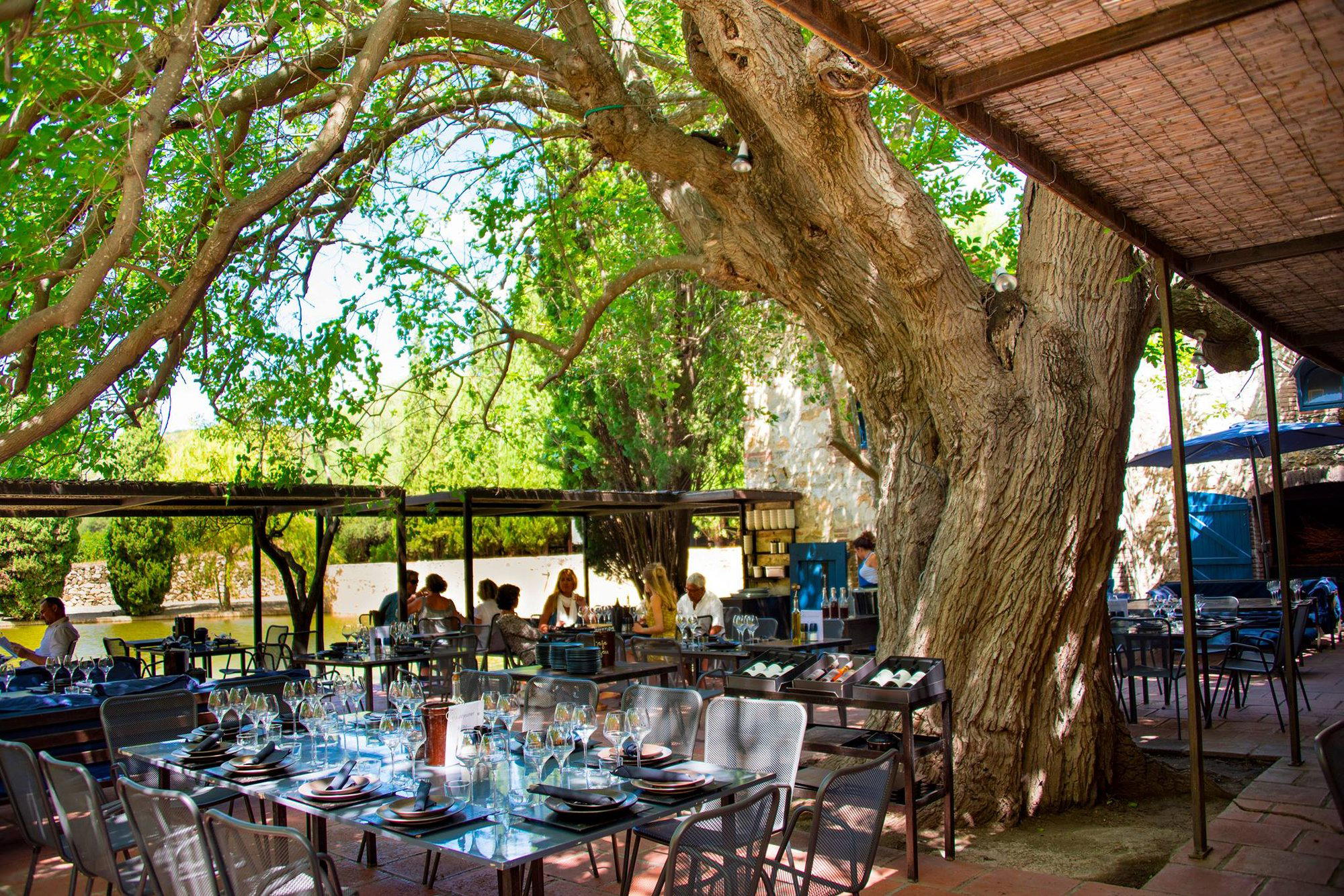
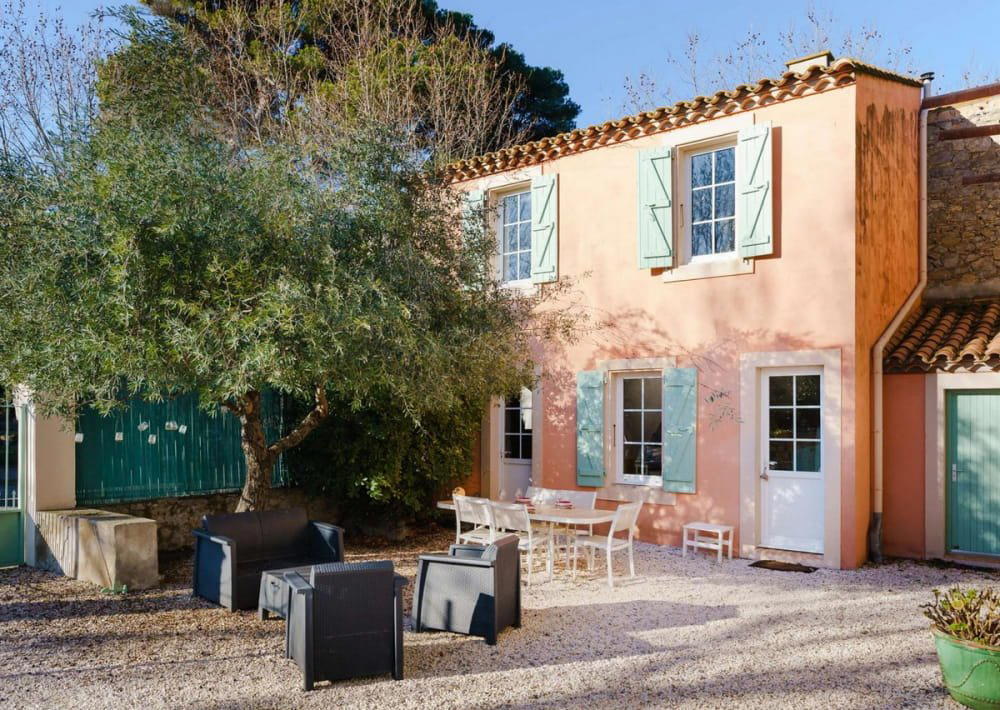
Approach Domaine les Enfants Sauvages in Fitou through the feel of the garrigue rather than through a grand-estate version of southern French wine country. The picture is a remote, quietly rustic Roussillon estate surrounded by scrubland, with a small, hands-on cellar operation focused on natural, sincere wines made with minimal intervention and close attention to lunar cycles. It is the kind of place whose identity is carried as much by setting and sensibility as by any formal visitor proposition.
That is the useful frame for understanding the place: rustic, scenic and hidden, with the emphasis on atmosphere and cellar philosophy rather than on polished hospitality claims or a long list of visitor services. Read it less as a highly packaged destination and more as a wine estate whose appeal comes from restraint, remoteness and a close relationship between the cellar and the surrounding landscape.
Garrigue, rustic setting and a hidden Roussillon feel
Domaine les Enfants Sauvages is best read as a Fitou estate shaped by its remote setting. The surrounding garrigue gives the venue its quiet, scrubland character, and the overall impression is more rural and hands-on than formal or showy. That matters, because it sets expectations: the point is not grandeur, gloss or an urban-style wine-bar experience, but a more grounded sense of being in a tucked-away corner of Roussillon wine country.
The description does not support specific claims about vineyard size, grape varieties, individual cuvées, soil types, tasting formats, tours, opening arrangements or visitor facilities. What can be said with confidence is that the estate’s identity is closely tied to natural, sincere wines and a small-cellar approach. In practical editorial terms, that means the venue should be described through its confirmed atmosphere and philosophy, not stretched into a fuller hospitality profile than the available information allows.
For readers planning around Fitou more broadly, it is safest to treat Domaine les Enfants Sauvages as a hidden, scenic wine estate rather than as a conventional restaurant, bar or large-scale visitor attraction. Other dining in Fitou can be considered separately depending on the rest of the itinerary. Here, the value is in the rural Roussillon mood: scrubland around the estate, a quiet rusticity, and the sense of a cellar working close to its own rhythm rather than presenting itself as a polished tourist stop.
Why the cellar work keeps the wines close to the vineyard
The cellar emphasis is minimal intervention. Domaine les Enfants Sauvages is described as a small, hands-on operation, with close attention to lunar cycles and a focus on wines that feel natural and sincere rather than heavily manipulated. That language points to a philosophy of restraint: the cellar is not being framed as a place of excessive correction or display, but as part of a broader attempt to keep the wines connected to their origin and to the estate’s quieter, more rustic character.
Beyond that, specific technical details should not be assumed. Claims about fermentation vessels, sulphur levels, named wines, vintages, prices by bottle, ageing times, alcohol levels or production methods are not part of the public record here and should be checked directly with the estate if they matter to a visit or purchase. This caution is important because natural-wine language can easily invite overstatement; in this case, the reliable description stops at minimal intervention, lunar attention, sincerity and a small, hands-on cellar.
The stronger, grounded point is the estate’s character: remote, rustic, scenic and rooted in the Roussillon landscape around Fitou. Its appeal is less about spectacle and more about a quiet sense of place. The wines are presented through that same lens, as part of an estate identity that favors natural expression and modest scale over theatrical presentation or a heavily marketed visitor experience.
How to read Domaine les Enfants Sauvages in a wider wine itinerary
This is not presented here as a grand-château experience or a full-service tasting-room programme. It should therefore not be judged by those expectations. The more accurate comparison is with low-key rural wine addresses where the surroundings, cellar philosophy and overall feel are the main reasons to pay attention.
For a wider Fitou itinerary, compare it naturally with other local options by mood rather than by invented specifics: this is the hidden, scenic, rural-feeling stop for travelers drawn to a restrained, hands-on wine estate atmosphere. If the day is being built around contrast, Domaine les Enfants Sauvages sits on the quieter, more atmospheric end of the spectrum, with the garrigue and the small-cellar sensibility doing much of the work.
The verdict is simple: Domaine les Enfants Sauvages is strongest for visitors who value a remote Roussillon setting, garrigue surroundings and a sincere, minimal-intervention approach to wine. Its confirmed price marker is $$. Approach it with those expectations, and the estate reads clearly: not as a broad hospitality complex, but as a rustic Fitou address defined by landscape, restraint and a natural-wine frame.
Frequently asked questions
What should I expect atmosphere-wise at Domaine les Enfants Sauvages?
Expect a quiet, remote estate in Fitou, surrounded by garrigue scrubland. The tone is rustic, scenic and hands-on rather than polished or formal.
How pricey is Domaine les Enfants Sauvages?
Pricing at Domaine les Enfants Sauvages is listed as $$.
Where exactly is Domaine les Enfants Sauvages?
Domaine les Enfants Sauvages is in Fitou.
What should I know about Domaine les Enfants Sauvages before I go?
It is a quietly rustic Roussillon estate with a small, hands-on cellar operation focused on natural, sincere wines made with minimal intervention and close attention to lunar cycles.
Do they take walk-ins at Domaine les Enfants Sauvages?
Check directly before making the trip to Fitou.
Who tends to like Domaine les Enfants Sauvages most?
It suits travelers drawn to remote, rustic and scenic wine settings, especially those interested in small-cellar work and minimal-intervention wines.
What should I know before visiting Domaine les Enfants Sauvages?
Plan around a hidden, rural-feeling estate in Fitou rather than assuming restaurant-style service, tours, tastings, parking or other specific visitor facilities. Confirm practical details directly before visiting.
Recognition history
Dated appearances from independent guides and award organizations, with the underlying list record or original source where available.
Falstaff Winery - Listed
Falstaff
Request a visit to Domaine les Enfants Sauvages
Tell us when you would like to go and how many people, and we put the request to the estate and reply to you by email.
Continue exploring
More in Fitou
Wineries in Fitou
All wineries in Fitou →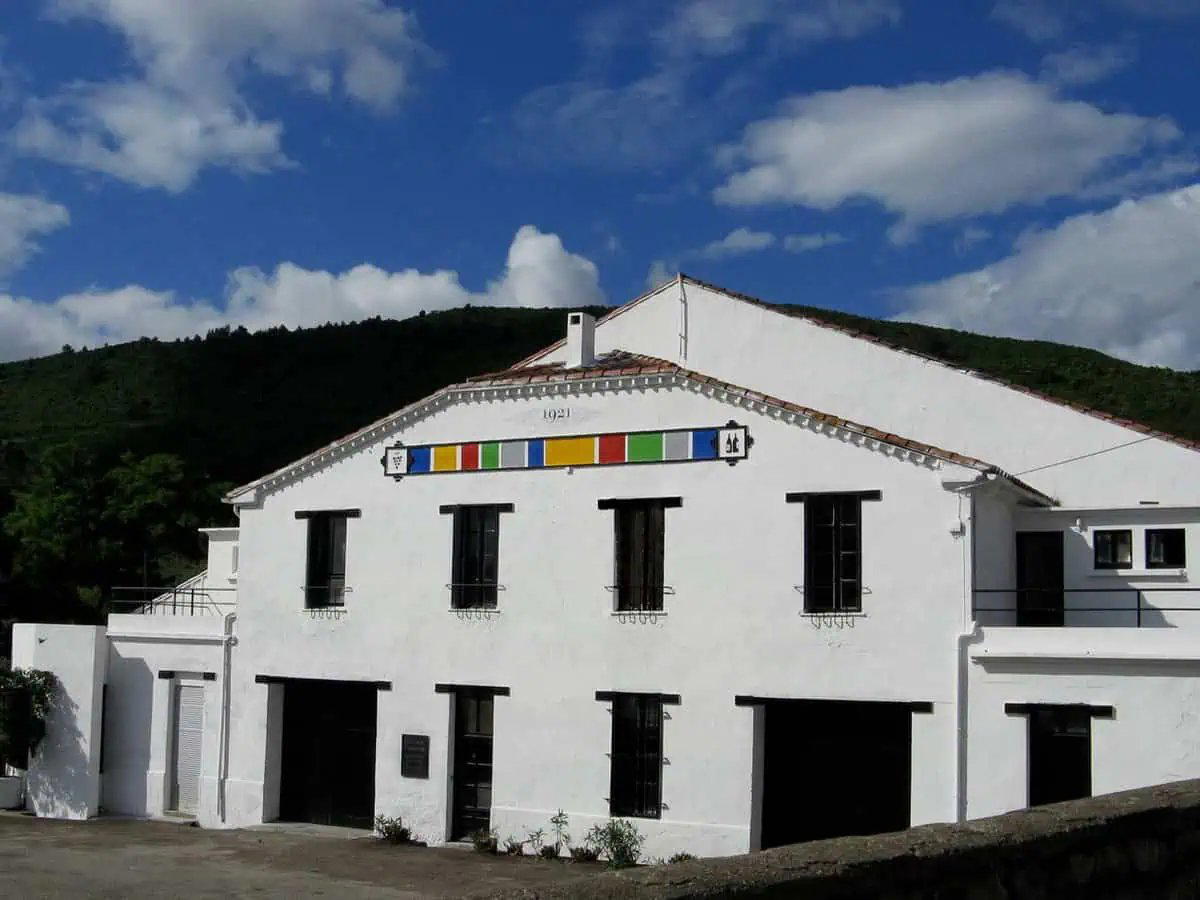

Details
- Rustic
- Scenic
- Intimate
- Bohemian
- Romantic Getaway
- Solo Exploration
- Wine Education
- Estate Grounds
- Vineyard Tour
- Biodynamic
- Vineyard
- Garden
- Carignan
- Grenache Noir
- Mourvèdre
- Syrah
- Grenache Blanc
- Muscat
- Still Red
- Still White
- Orange
- Still Rosé
- Estate Tasting
- Vineyard Tour
- French
- German
Remote, quietly rustic Roussillon estate surrounded by garrigue scrubland, with a small, hands-on cellar operation focused on natural, sincere wines made with minimal intervention and close attention to lunar cycles.