Château Beau-Site

Falstaff Winery - Listed
Château Beau-Site is a traditional Saint-Estèphe estate shaped by gravel slopes, Cabernet-led blends, and a hilltop position overlooking the Gironde. Its appeal sits less in spectacle than in classic Médoc structure: old-vine material, a 70% Cabernet Sauvignon blend, French oak aging, and a cellar-tasting format suited to travelers who want terroir explained through wine rather than theatre.
Approaching Saint-Estèphe, the Médoc becomes quieter and more geological. Gravel rises out of the Gironde’s left bank, vineyards take the slope, and the estuary begins to matter as much as the château façades. Château Beau-Site belongs to that older, more rural register of Bordeaux: a hilltop estate, classic red-wine country, and a setting where Cabernet Sauvignon is not a branding exercise but a response to drainage, exposure, and the cooling influence of water.
Saint-Estèphe has always spoken in a firmer accent than the communes farther south. Its gravel is often mixed with more clay and iron, which gives the wines a frame that can feel broader and more tensile in youth. The point here is not polish for its own sake. The commune’s better bottles reward patience because structure comes first, fruit follows, and the wine’s eventual grace depends on how those two elements settle with time.
Gravel, estuary air, and the Saint-Estèphe frame
Château Beau-Site works from a familiar left-bank grammar: Cabernet Sauvignon leads the blend at 70%, supported by 25% Merlot, 3% Petit Verdot, and 2% Cabernet Franc. That composition places the estate firmly inside the Cabernet-driven Saint-Estèphe tradition, where tannin, acidity, and aromatic restraint matter more than immediate generosity. The vineyards cover about 22 hectares across roughly twenty parcels, a spread that gives the final assemblage more than a single-soil reading of the commune.
The estate’s hilltop position is not incidental. In a region where small differences in drainage and exposure can change the rhythm of ripening, the combination of gravel slopes and Gironde proximity is the central fact. Cabernet Sauvignon needs warmth, drainage, and time; Saint-Estèphe gives it all three, but with a cooler edge than the southern Médoc. That cooler edge is why the wines are usually better understood as structured rather than plush.
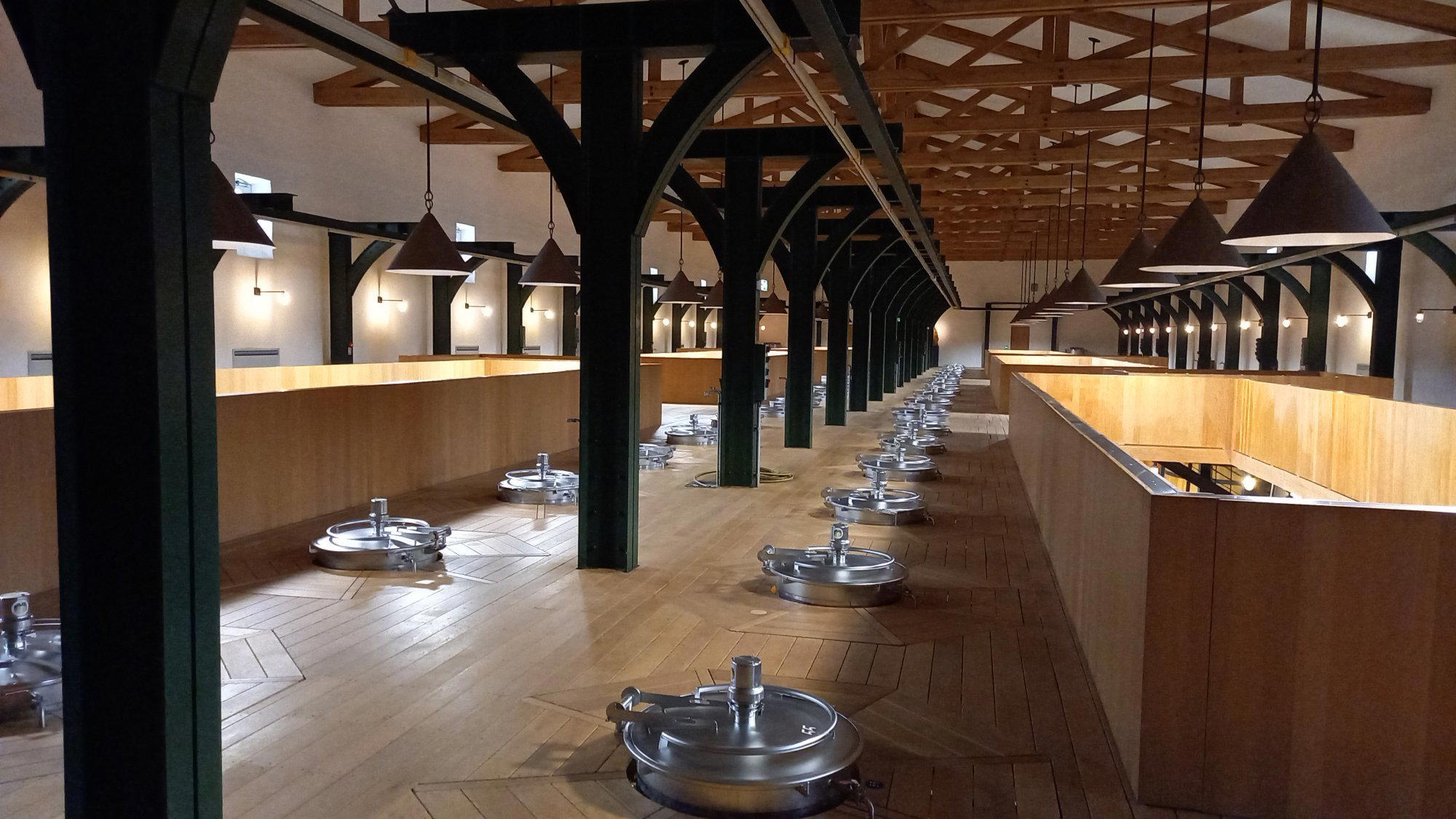
In the cellar, the regime stays within the classical Médoc lane. Fermentation uses stainless steel vats, part of a broader modernization of the estate’s infrastructure, and aging runs 12 to 14 months in French oak barriques, with about 30% new oak. That level of oak reads as support rather than domination: enough seasoning and oxygen exchange to help the blend cohere, not so much that the commune’s firmness disappears under barrel gloss.
The estate produces about 200,000 bottles annually and carries Cru Bourgeois status, a useful signal for where it sits in Bordeaux’s hierarchy. This is not the classified-growth conversation of trophy pricing and global allocation pressure. It is the more practical, often more drinkable tier of the Médoc: estates with history, scale, and serious terroir, but with a value proposition that still matters to collectors who actually open bottles.
A Bordeaux address shaped by history, not nostalgia
The property’s history is deep enough to resist a single origin story. Some accounts trace the estate’s roots to the 18th century, while the formal establishment of the farm and estate is associated with 1861. That Second Empire timing matters because it places the property inside the era when the Médoc’s modern château identity, trade networks, and agricultural systems were hardening into the Bordeaux model recognizable today.
Castéja family acquired the vineyard in 1955, linking Château Beau-Site to one of Bordeaux’s long-running wine families. That ownership detail is useful not as biography, but as context: Saint-Estèphe rewards continuity because vineyard knowledge accumulates slowly, parcel by parcel and vintage by vintage. Jean-Louis Braquessac and Pierre Braquessac now direct the château, and the estate’s recent renovation work, including stainless steel vat investment, reflects a broader Médoc pattern: old sites using more precise cellar tools without abandoning traditional blends.
Recent vintages underline the estate’s practical drinking window. The wines are often approachable after 3 to 6 years of bottle age, with a broader peak commonly framed around 5 to 12 years depending on vintage conditions. Young bottles benefit from air; older bottles need a gentler hand, mainly for sediment. That is classic Saint-Estèphe logic. The wine is not built around instant charm, and treating it like a soft, early-drinking claret misses the point.
For travelers building a Saint-Estèphe itinerary, Beau-Site is a useful counterweight to grander labels because it makes the commune’s structure legible without requiring a luxury-production lens. Nearby estate context matters in this part of the Médoc, and readers planning wider tastings can map the area through Château Calon Ségur, Château Cos d'Estournel, Château Capbern Gasqueton, Château Andron Blanquet, and Château Clauzet.
How to read the visit
The experience is cellar-led rather than hospitality-heavy. Tastings are built around the estate’s wine education value: vineyard setting, production choices, and the way a Cabernet-dominant blend behaves when grown on Saint-Estèphe gravel. The format suits visitors who want to connect the glass to the ground, not those looking for food-pairing theatre or resort-style amenities.
The wider planning frame should stay Médoc-specific. Saint-Estèphe is a wine commune first, so the strongest day pairs château visits with a disciplined restaurant or hotel plan rather than expecting the vineyards to provide every layer of the trip. EP Club’s local guides can help structure the rest of the route: Our full Saint-Estèphe wineries guide, Our full Saint-Estèphe restaurants guide, Our full Saint-Estèphe hotels guide, Our full Saint-Estèphe bars guide, and Our full Saint-Estèphe experiences guide.
Seen within France’s broader wine map, the estate offers a different kind of pleasure from Champagne, Languedoc, or small European producers beyond Bordeaux. For contrast after the Médoc, compare the regional logic with A. Margaine in Villers-Marmery, Abbaye de Fontfroide in Narbonne, Abbotts & Delaunay in Marseillette, »der Steiner« Hans Steiner in Podersdorf am See, and & Handwein in Mannheim. Beau-Site’s case remains specific: gravel, estuary, Cabernet, and time in bottle do the heavy lifting.
Frequently asked questions
What's the atmosphere like at Château Beau-Site?
The setting is a traditional left-bank Bordeaux estate in Saint-Estèphe, with gravel slopes, vineyards, and a calm rural feel. The hilltop position near the Gironde estuary gives it a more territorial, wine-focused character than a hospitality-driven one.
What's the cost level for Château Beau-Site?
Pricing at Château Beau-Site is listed as $$$.
What's Château Beau-Site's location?
Château Beau-Site is located at Saint-Estèphe, Nouvelle-Aquitaine, Frankreich, Saint-Estèphe.
What's Château Beau-Site best at?
It is set up for cellar tasting and wine education, especially for readers who want to understand Saint-Estèphe AOC through the estate itself. The main draw is the Cabernet-led red-wine profile, shaped by gravel soils and the hilltop location near the Gironde.
What's the best way to book Château Beau-Site?
For a cellar tasting at a Saint-Estèphe estate, advance planning is the sensible approach.
What kind of traveler is Château Beau-Site a good fit for?
It suits wine-focused travelers, solo visitors, and small groups looking for estate grounds and a vineyard tour in Saint-Estèphe. The $$/$$$ price level and classic Médoc setting make it a better fit for people interested in place and production than in a full dining program.
What's a smart way to approach Château Beau-Site?
Treat it as a stop for Bordeaux context: the hilltop estate, gravel terroir, and cellar tasting matter more than theatrics. Arrive expecting a structured look at Saint-Estèphe AOC and the estate's red-wine style, not a restaurant-style visit.
Recognition history
Dated appearances from independent guides and award organizations, with the underlying list record or original source where available.
Falstaff Winery - Listed
Falstaff
Request a visit to Château Beau-Site
Tell us when you would like to go and how many people, and we put the request to the estate and reply to you by email.
Continue exploring
More in Saint-Estèphe
Wineries in Saint-Estèphe
All wineries in Saint-Estèphe →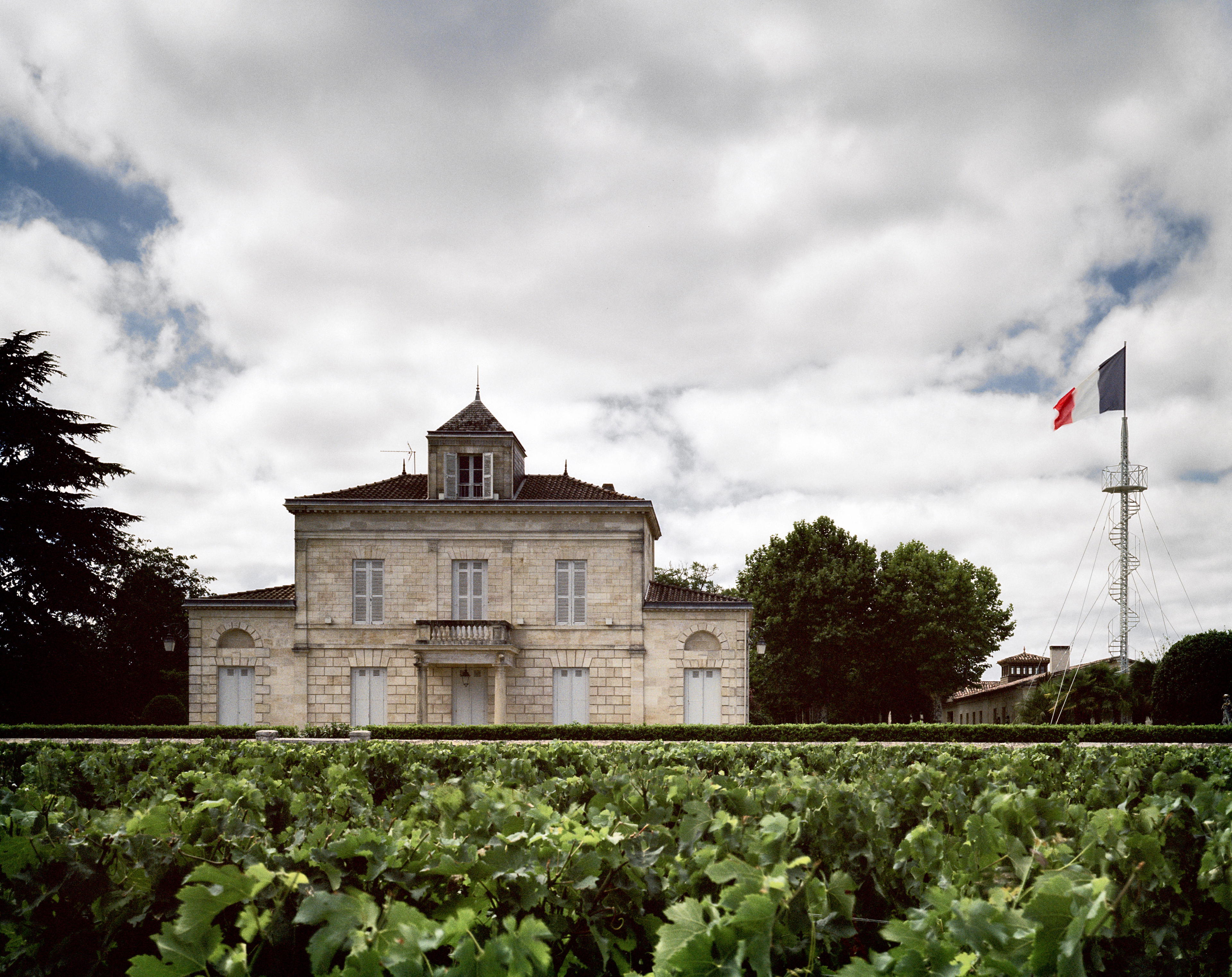
Restaurants in Saint-Estèphe
All restaurants in Saint-Estèphe →
Hotels in Saint-Estèphe
All hotels in Saint-Estèphe →
Details
- Classic
- Scenic
- Wine Education
- Solo Exploration
- Group Outing
- Estate Grounds
- Vineyard Tour
- Vineyard
- Waterfront
- Cabernet Sauvignon
- Merlot
- Petit Verdot
- Cabernet Franc
- Still Red
- Cellar Tasting
Traditional left-bank Bordeaux estate atmosphere with classic Médoc vineyards on gravel slopes and a calm, rural setting overlooking the Gironde, producing structured yet elegant red wines.