
Falstaff Winery - Listed
Bodegas Campos Reales is a La Mancha cooperative with a Tempranillo-led identity, founded in 1950 and built around estate fruit from 4,000 hectares of vineyards. Its appeal is not boutique scarcity but agricultural scale, old-vine material, barrel-aged reds, and a visitor experience geared toward wine education rather than spectacle.

Pearl is the En Primeur Club membership app — saves, bookings, and concierge access live there. Same editors, same standards.
- Address
- Madrid, Comunidad de, Spanien
- Directions
- Get directions
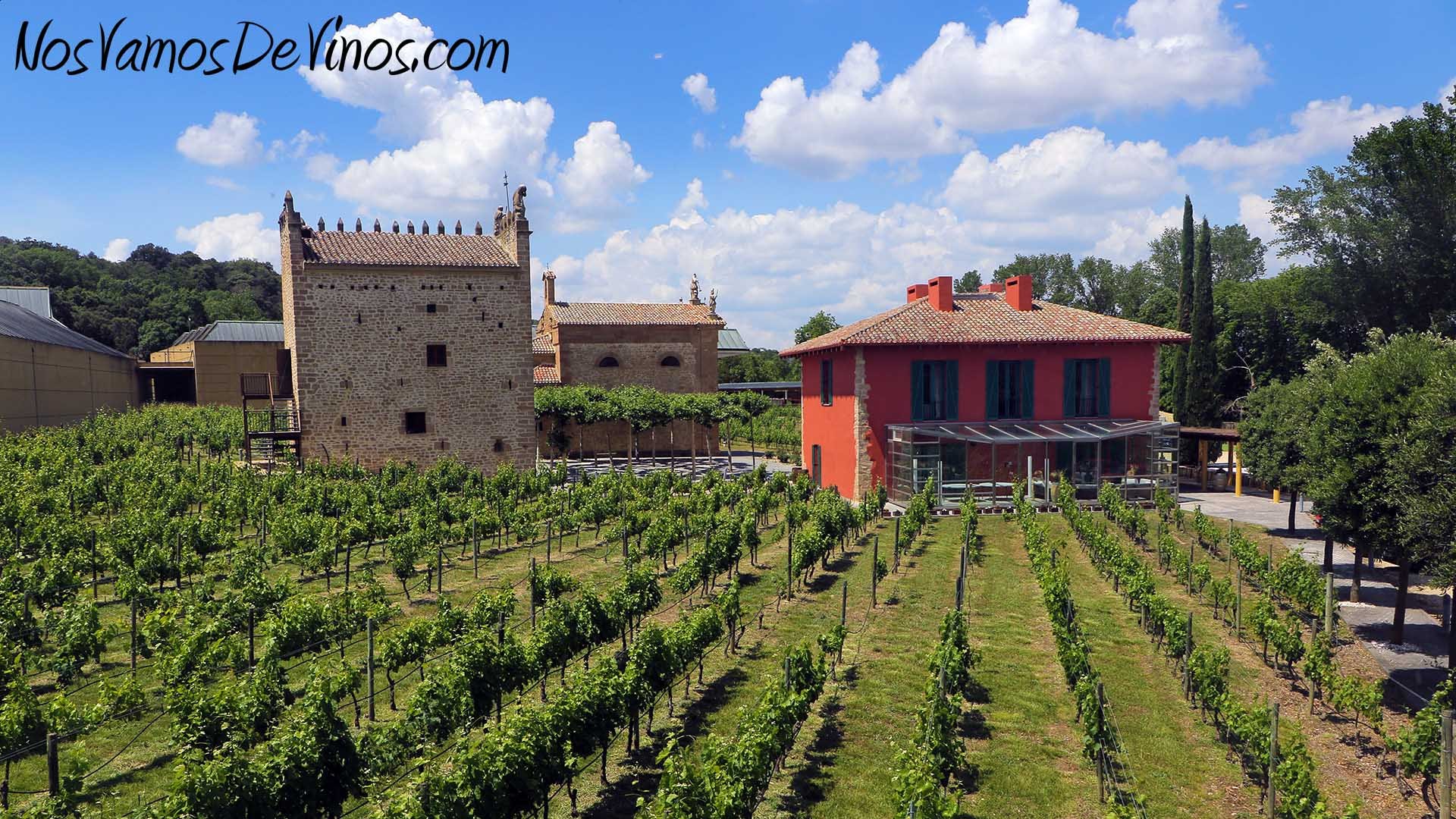
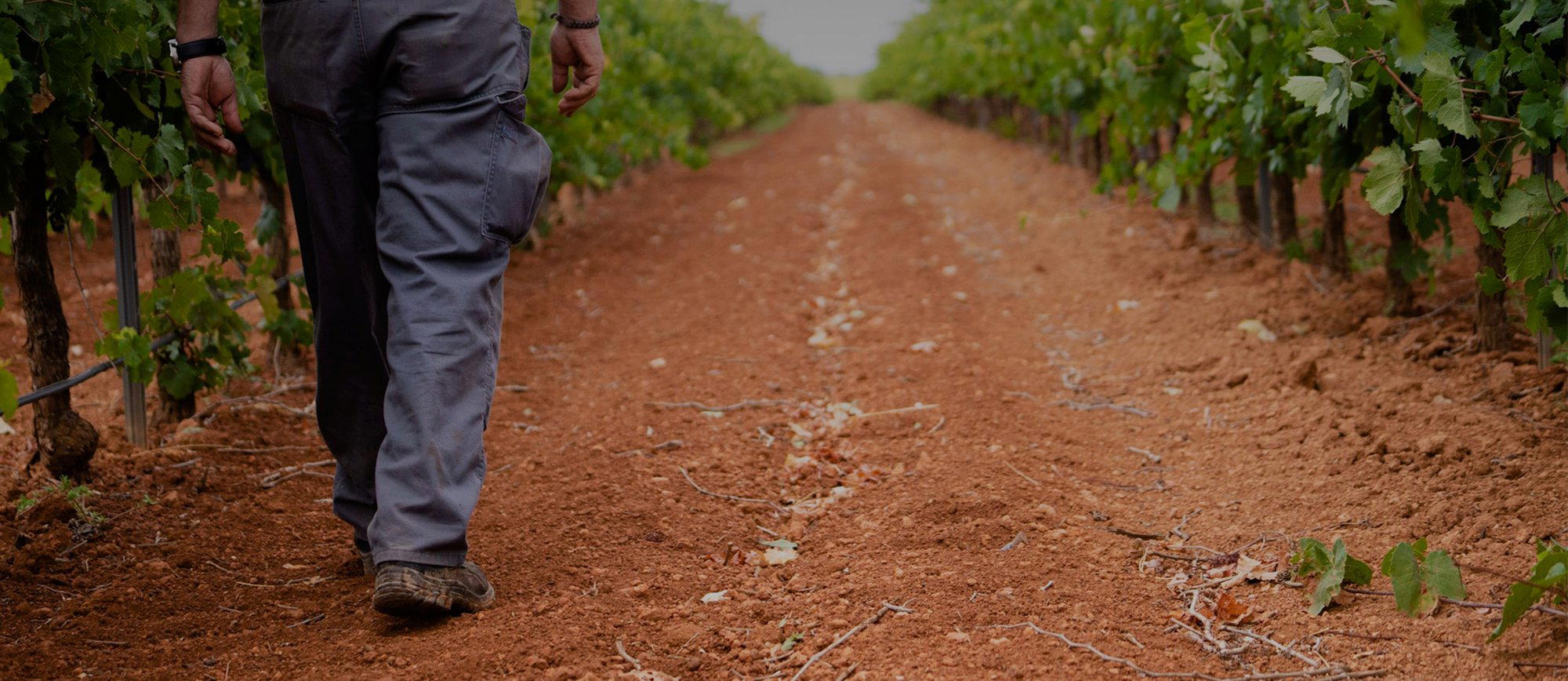
The approach here is rural rather than urban: a traditional La Mancha wine estate with a nature-oriented atmosphere and a focus on Tempranillo. Bodegas Campos Reales is best framed through its cooperative heritage, respect for the land, hand-harvested fruit, and barrel-aged wine rather than through a city-dining lens. That distinction matters because it sets the tone for the visit before any glass is considered. The venue is not being positioned as a sleek metropolitan stop or a restaurant-led experience, but as a place whose appeal comes from landscape, continuity, and a more grounded understanding of wine culture.
La Mancha character, Tempranillo focus
Bodegas Campos Reales sits within a La Mancha wine tradition and presents itself as a rustic, classic, and scenic estate. The through-line is Tempranillo: the venue is focused on hand-harvested, barrel-aged Tempranillo, with an identity rooted in cooperative culture and the surrounding landscape. In this context, Tempranillo is not simply a grape variety mentioned in passing; it is the clearest way to understand the estate’s personality. The emphasis on hand harvesting and barrel aging points toward patience, craft, and a traditional rhythm, all of which fit naturally with the broader La Mancha character described here.
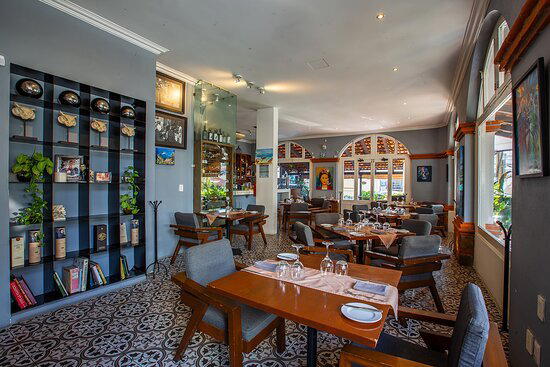
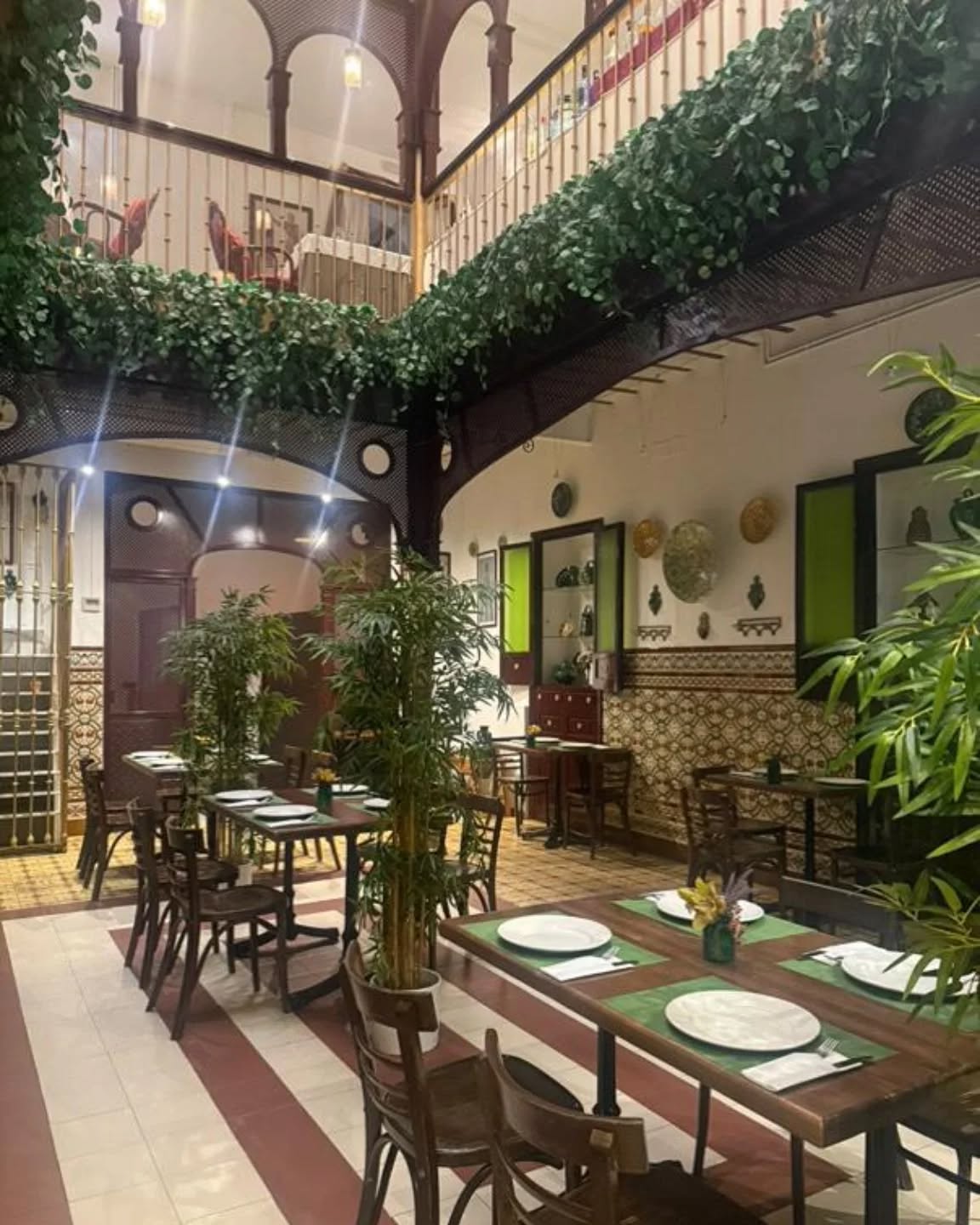
That makes the venue feel different from a typical Madrid dining or drinking address. The appeal is not a highly designed urban format, but a cozy, romantic, hidden-gem atmosphere tied to rural wine country and a traditional estate sensibility. It is useful to read that atmosphere as part of the experience rather than as background decoration. Rustic, scenic, and classic are not incidental qualities in this case; they shape the way the venue should be approached, especially by readers looking for something quieter and more wine-led than a central-city bar or restaurant.
What the style says about the land
The most grounded way to understand Bodegas Campos Reales is through its relationship to the land. The description emphasizes a rural, nature-oriented setting, cooperative heritage, and respect for agricultural work. Those details support a wine-first identity without needing to add claims about vineyard size, grape range, specific bottlings, awards, tours, or production figures. The language around the venue is deliberately anchored in place and practice: land, fruit, harvest, barrel, and tradition. Taken together, those elements create a portrait of an estate whose meaning comes from agricultural continuity rather than from spectacle.
Within that identity, Tempranillo is the anchor. The available information points to hand harvesting and barrel aging as core parts of the estate’s character, so the experience should be read as traditional and land-connected rather than trend-led. Hand-harvested fruit suggests attention at the point where vineyard work becomes wine, while barrel aging adds to the sense of a slower, more classic approach. Nothing in the description asks the reader to focus on novelty or fashion. Instead, the emphasis is on a familiar Spanish red-wine vocabulary interpreted through a cooperative and rural setting.
The cooperative heritage is also central to the tone. It gives the estate a sense of shared agricultural purpose and helps explain why the land is described with such importance. Rather than presenting wine as an isolated luxury object, the venue’s identity connects wine to people, work, and countryside. That does not require additional detail to be meaningful. Even in broad terms, the cooperative reference reinforces the idea of a place built around continuity, local commitment, and the practical realities of winegrowing.
A wine-first visit, not a resort performance
Bodegas Campos Reales is best understood as a traditional La Mancha wine estate in Madrid with a rustic, scenic, and cozy feel. The mood is more rural and classic than polished or urban, with a romantic hidden-gem quality for readers seeking a quieter wine-focused setting. This is an important distinction for expectations. The venue’s strengths lie in atmosphere, wine identity, and a sense of place, not in being framed as a resort-style performance or a city hospitality concept. Its appeal is more restrained, and that restraint is part of what makes the description coherent.
For readers, the right lens is therefore one of simplicity and focus. Bodegas Campos Reales is not described through a long list of services, claims, or embellishments, and that absence should not be treated as a gap. The available picture is intentionally clearer than that: a La Mancha estate, a Tempranillo focus, cooperative roots, respect for the land, hand-harvested fruit, barrel-aged wine, and a rustic atmosphere. Those are enough to define the venue without pushing it into a category it has not claimed for itself.
Readers comparing Spanish wine settings should treat Bodegas Campos Reales as its own reference point: a traditional La Mancha estate focused on Tempranillo, cooperative heritage, and a grounded relationship with the land. Its value comes from that combination of rural character and wine-first identity. For anyone drawn to classic estate atmosphere rather than urban polish, the description points to a place whose personality is quiet, scenic, and deeply tied to the agricultural world behind the glass.
Recognition history
Dated appearances from independent guides and award organizations, with the underlying list record or original source where available.
Falstaff Winery - Listed
Falstaff
Continue exploring
More in Madrid
Wineries in Madrid
Browse all →

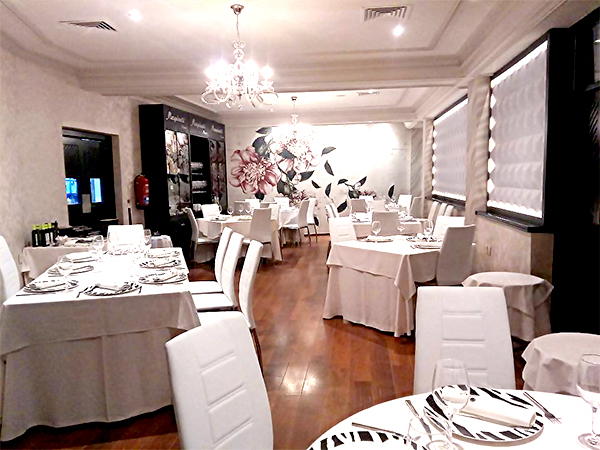
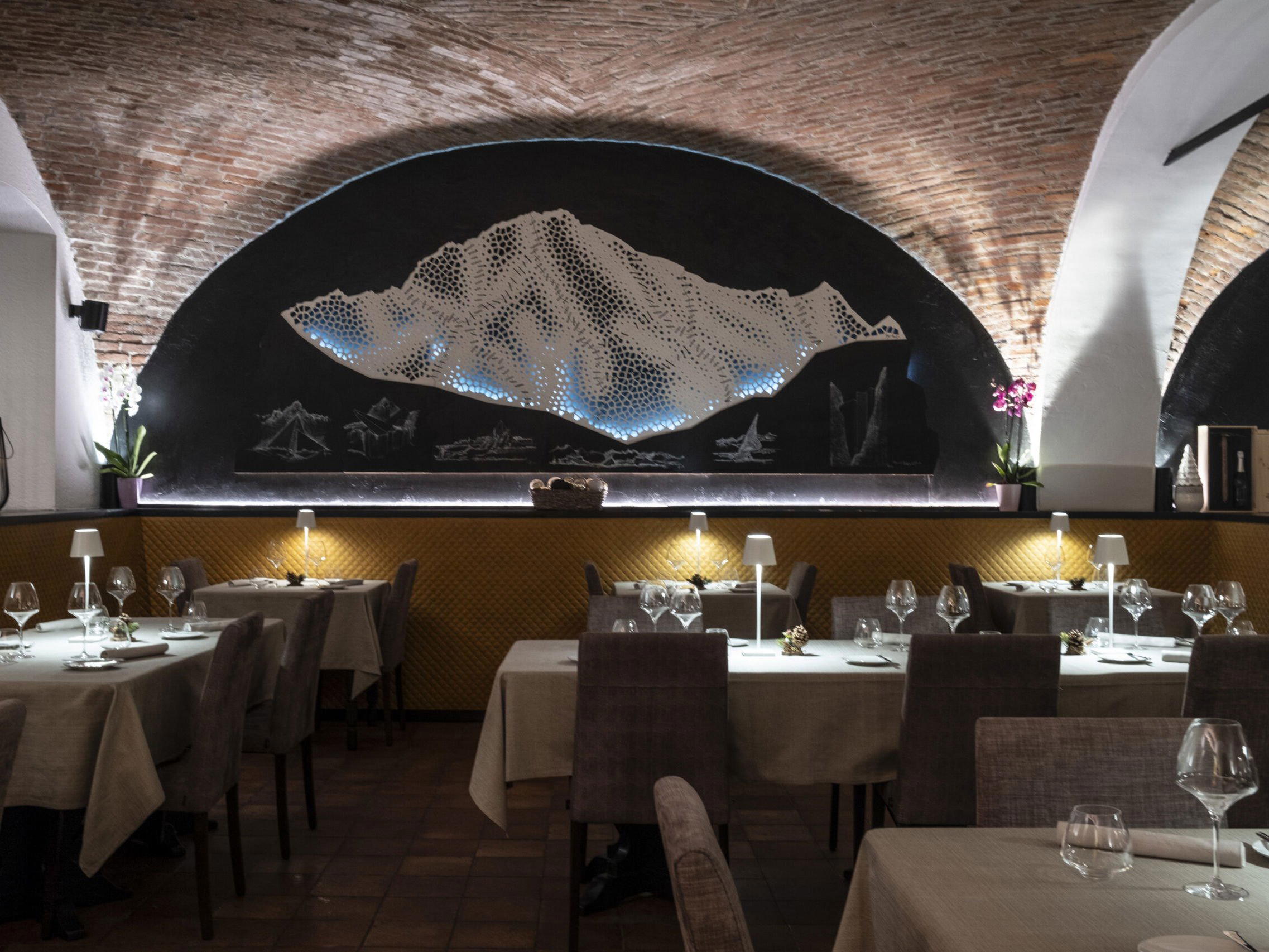
Details
- Rustic
- Classic
- Scenic
- Cozy
- Romantic
- Group Outing
- Wine Education
- Special Occasion
- Solo Exploration
- Romantic Getaway
- Family
- Vineyard Tour
- Estate Grounds
- Private Tasting
- Sustainable
- Organic
- Vineyard
- Tempranillo
- Garnacha
- Cabernet Sauvignon
- Syrah
- Monastrell
- Moravia
- Merlot
- Bobal
- Airén
- Macabeo
- Verdejo
- Chardonnay
- Sauvignon Blanc
- Still Red
- Still Rosé
- Still White
- Standard Tasting
- Guided Tasting
- Private Tasting
- Vineyard & Cellar Tour
- Spanish
- English
Traditional La Mancha wine estate focused on hand-harvested, barrel-aged Tempranillo, with a rural, nature-oriented atmosphere rooted in cooperative heritage and respect for the land.