
Falstaff Winery - 1 Stars
Bodegas Parra Jiménez gives La Mancha a quieter, more soil-led reading than the region’s bulk-wine reputation suggests. The Las Mesas estate works with certified organic and biodynamic vineyards, native and international varieties, and a low-intervention cellar approach shaped around the heat, alluvial ground, chalky clay, and dry plateau air.
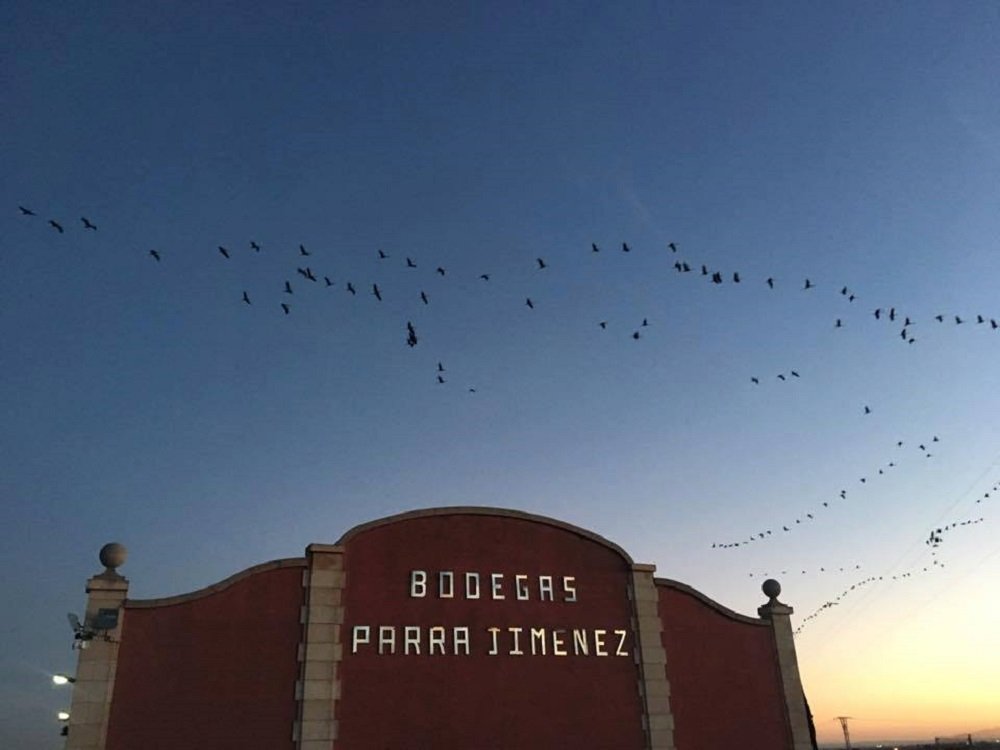
Approaching wine in Las Mesas means dealing first with space: open plateau, hard light, dry air, and soils that hold heat long after the sun has moved. La Mancha is often discussed through scale, but the more interesting story here is how a large, hot wine region can produce bottles that feel less industrial and more agricultural in the old sense of the word. Bodegas Parra Jiménez belongs to that argument. Its identity is tied to certified organic and biodynamic farming, a rural estate setting, and a cellar language that favors low-intervention wines over oak-heavy polish.
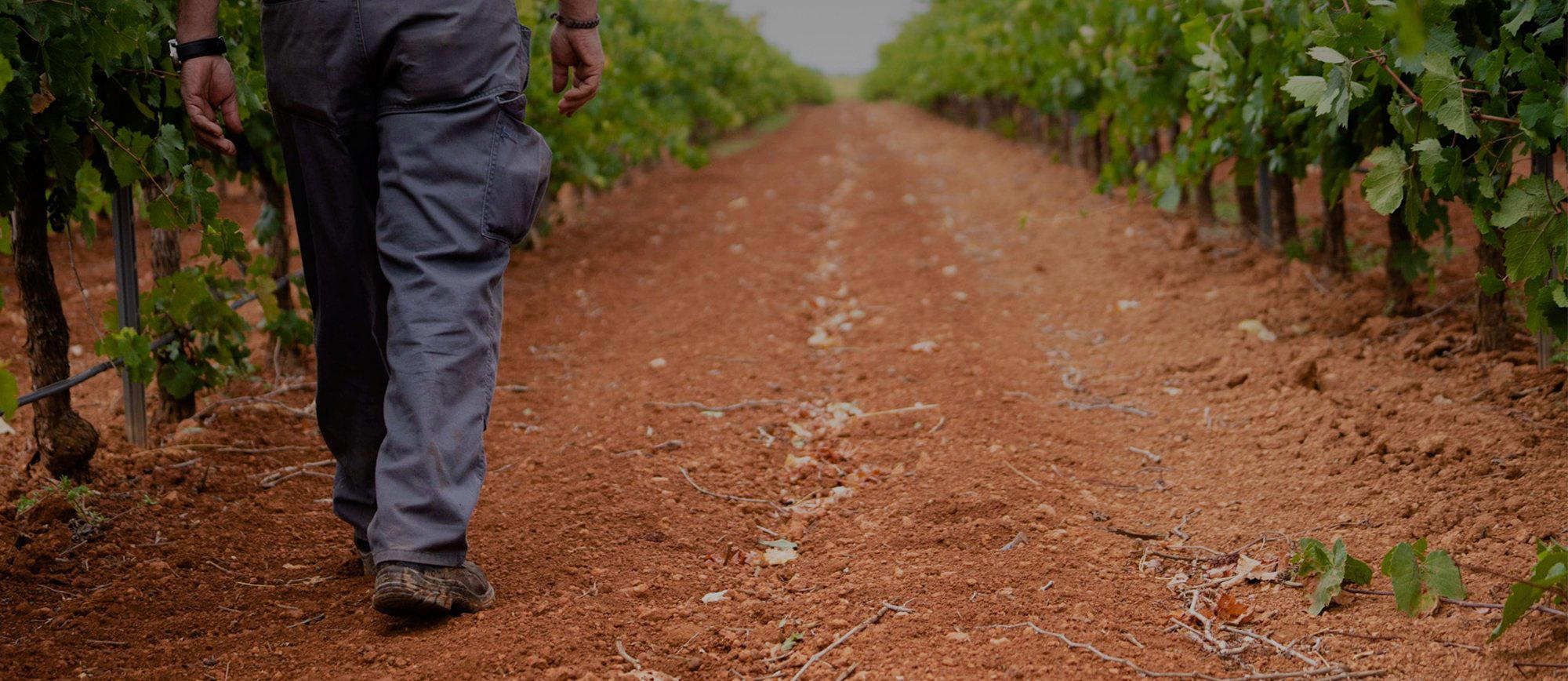
The estate’s significance is not that it rejects La Mancha’s breadth, but that it works inside it with a different set of priorities. The vineyards sit around Las Mesas, with sites including a former riverbed and a slope known as Olla del Monte or Cuesta Colorá. That contrast matters: alluvial ground gives drainage and reflected heat, while chalky clay and surface pebbles help moderate the temperature swings of a dry inland climate. For drinkers used to reading Spanish wine through coastal freshness or northern structure, this is a useful correction. The plateau can speak clearly when farming and cellar work are disciplined enough to let it.
La Mancha through organic and biodynamic farming
Spain’s central plateau has long been associated with volume, sun, and dependable ripeness. In that context, certified organic and biodynamic viticulture carries more weight than it would in a smaller, prestige-driven appellation. The estate farms 180 hectares and works with varieties including Verdejo, Tempranillo, Garnacha Tinta, Syrah, Airén, and Macabeo. That mix reads like a practical map of the region: native grapes anchor the wines in local habit, while Syrah and other plantings add flexibility without turning the project into an international-style exercise.
The biodynamic framework is not decorative here. The estate is associated with Demeter biodynamic certification and Sohiscert organic certification, and its agricultural model extends beyond vines into livestock and other crops. That matters because La Mancha’s heat and dryness expose lazy sustainability language quickly. Cover crops, compost, and mixed farming are not lifestyle signals; they are tools for keeping vineyard soils alive in a demanding climate.
The founding arc also belongs to a broader shift in Spanish wine. The Parra family established the modern winery in the 1990s, and the estate expanded at Cuesta Colorá in the 2000s. Those dates place it before the current natural-wine boom made low-intervention language commercially fashionable. The more persuasive credential is the practical one: decades of farming on this plateau, with certification and scale substantial enough to make the work more than a micro-project.
Still wines, orange wines, and blends built for heat
Portfolio is strongest when read as a response to climate. Stainless steel fermentation, limited oak influence across much of the range, and relatively short ageing for several wines keep the emphasis on fruit shape, acidity, and texture rather than cellar ornament. The Gulp/Hablo line, made in collaboration with Juan Antonio Ponce, has become a shorthand for this approach: fresh-release wines that draw on the older Spanish habit of co-planting and co-fermenting red and white grapes.
Gulp Hablo Fresco is the clearest example, with a blend of 50% Garnacha Tinta, 15% Syrah, and 35% Verdejo, Airén, and Macabeo. That composition says more than a tasting note could. Red grapes provide color and frame; white grapes pull the wine toward brightness and lift. In a hot inland region, that kind of blend is not a novelty act. It is a rational answer to ripeness.
Orange wine also fits the estate’s logic. Skin-contact whites can become heavy when handled as fashion objects, but in La Mancha they offer another way to give white grapes grip and breadth without relying on barrel weight. The estate’s work with Verdejo, Airén, and Macabeo sits well within that conversation. Tempranillo and Garnacha remain central to the red side, while Syrah adds a warmer, darker register where the wine style calls for it.
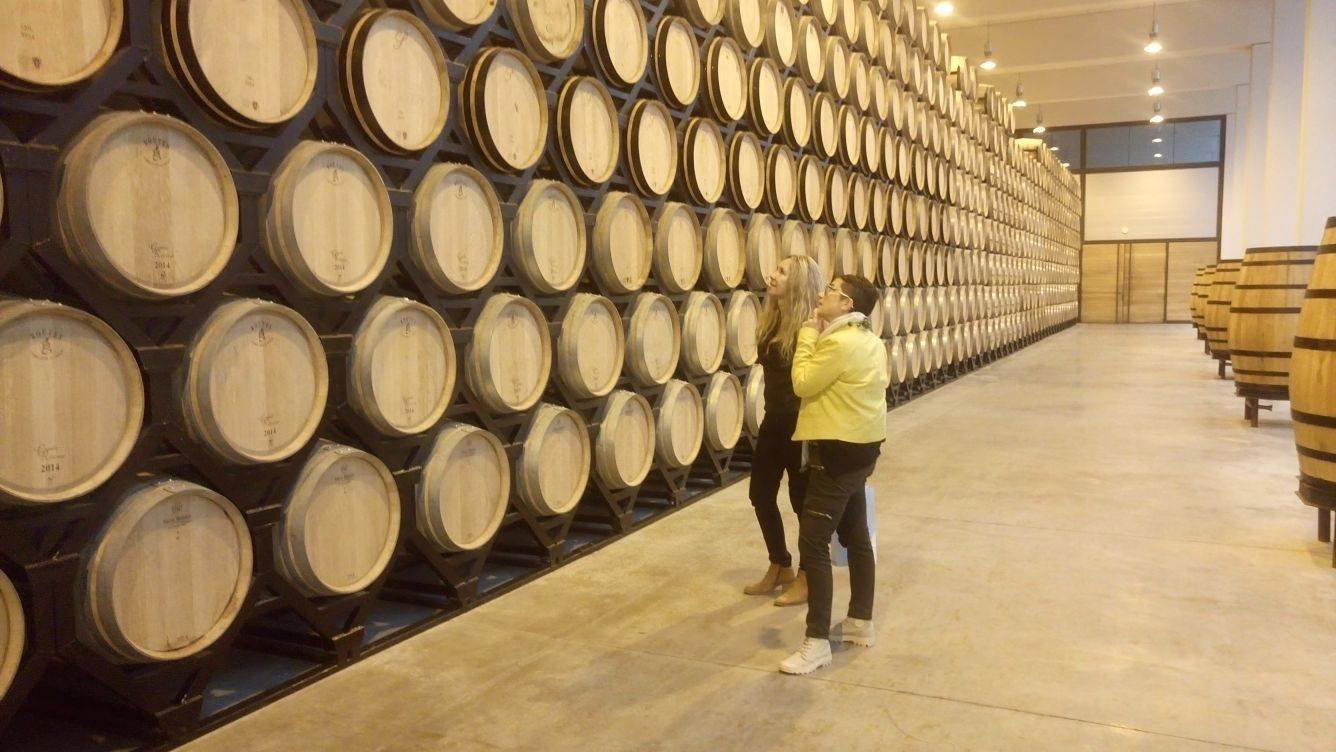
The cellar’s low-intervention emphasis should be read with precision rather than romance. Stainless steel, light filtration, and avoidance of unnecessary additions are technical choices, not slogans. The result is a range aimed less at monumentality than at clarity, drinkability, and a candid expression of a hot, dry plateau. That is a useful distinction for travelers who arrive in central Spain expecting only weight and alcohol.
How to place it in a Las Mesas wine day
Las Mesas is not a dense urban tasting circuit, so winery visits here work better when treated as agricultural travel rather than a crawl. The reward is context: seeing how vines, grain, livestock, and dry-country farming sit together makes the wines easier to understand. Bodegas Parra Jiménez is a strong choice for visitors who want the vineyard story behind Spain’s organic and biodynamic movement, especially where that story intersects with a region better known for output than small-scale polish.
For a broader Las Mesas itinerary, pair the estate with the wider local wine map rather than forcing restaurant-style comparisons. EP Club’s full Las Mesas wineries guide is the natural starting point, with Finca Inanna adding another local reference point. Planning around the rest of the town is easier through the Las Mesas restaurants guide, Las Mesas hotels guide, Las Mesas bars guide, and Las Mesas experiences guide.
Travelers building a wider Iberian wine route can widen the lens through other EP Club winery pages, including 3 Ases Bodegas y Viñedos in Quintanilla De Arriba, 4Kilos Vinícola in Felanitx, Aalto Bodegas y Vinedos in Quintanilla De Onesimo Valladolid, Abadia de Aribayos in Moraleja Del Vino, Abadía Retuerta in Sardón de Duero, Abel Mendoza Monge in San Vicente de la Sonsierra, Acústic Celler in Els Guiamets, »der Steiner« Hans Steiner in Podersdorf am See, and & Handwein in Mannheim.
Frequently asked questions
How would you describe the overall feel of Bodegas Parra Jiménez?
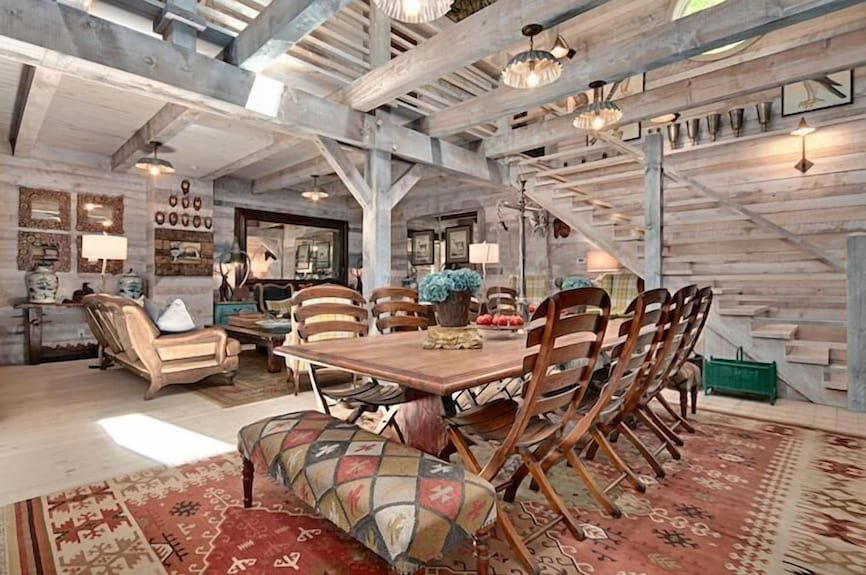
It has a quiet, rural feel shaped by the high-desert plateau setting in Las Mesas, Castilla-La Mancha. The winery’s organic and biodynamic vineyards give the visit an agricultural, not urban, character.
Where is Bodegas Parra Jiménez in Las Mesas?
Bodegas Parra Jiménez is located at Las Mesas, Castilla-La Mancha, Spanien, Las Mesas.
What's the price range for Bodegas Parra Jiménez?
Pricing at Bodegas Parra Jiménez is listed as $$.
Why do people go to Bodegas Parra Jiménez?
Visitors come for guided tastings, vineyard tours, and a look at a family-run La Mancha estate founded in 1995. The draw is the winery’s low-intervention approach and its range of still red, still white, and orange wines.
Do I need a reservation for Bodegas Parra Jiménez?
Yes. The visit type is appointment only, so the winery is not set up for casual walk-ins in Las Mesas.
What's Bodegas Parra Jiménez a strong choice for?
It suits wine education, group outings, and special occasions, especially for visitors who want a guided tasting in La Mancha. The price level is $$, which places it in an accessible middle tier for an estate visit.
What should I know before visiting Bodegas Parra Jiménez?
Expect a 60-90 minute visit at a casual, quiet estate rather than a polished urban tasting room. The address is Las Mesas, Castilla-La Mancha, Spanien, and the winery focuses on organic production with native and international grapes such as Verdejo, Tempranillo, and Syrah.
Recognition history
Dated appearances from independent guides and award organizations, with the underlying list record or original source where available.
Falstaff Winery - 1 Stars
Falstaff
Request a visit to Bodegas Parra Jiménez
Tell us when you would like to go and how many people, and we put the request to the estate and reply to you by email.
Continue exploring
More in Las Mesas
Details
- Rustic
- Quiet
- Scenic
- Wine Education
- Group Outing
- Special Occasion
- Vineyard Tour
- Estate Grounds
- Design Destination
- Organic
- Biodynamic
- Verdejo
- Tempranillo
- Garnacha Tinta
- Syrah
- Airén
- Macabeo
- Still Red
- Still White
- Orange
- Tasting Room
- Guided Tasting
High-desert, organic-winery atmosphere with a natural, low-intervention production ethos; the venue is associated with certified organic and biodynamic vineyards near Las Mesas.