
Tabelog 100 #71
Our verdict
Unagi Kappou Yamada belongs to Katori’s serious eel circuit: a house-style restaurant near Sawara Station, selected for Tabelog 100 Unagi in 2018, 2019, and 2024. The draw is not ceremony for its own sake, but ingredient focus, a compact Japanese format, and a price band that places it beside the city’s other dedicated unagi addresses rather than casual lunch rooms.

Pearl is the En Primeur Club membership app, where members save venues, book tables and use the concierge.
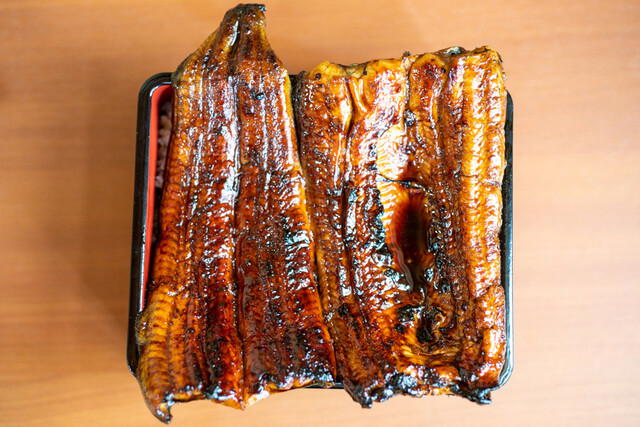
The menu
What to order
- Unagi donburi (grilled eel over rice)
- Unaju (eel in lacquered box)
- Tokujo or overhanging eel box
- Rolled eel omelet
- Tenju (tempura rice box alternative)
Approaching Katori, the dining mood shifts from metropolitan choice to regional specificity. Unagi houses in a city like this tend to trade less on spectacle than repetition: fish, grill discipline, rice, sauce, and the confidence of a room built around a narrow brief. Unagi Kappou Yamada fits that tradition in the verifiable sense that its listed categories are Unagi (Eel) and Japanese Cuisine, rather than a broad, catch-all dining identity.
That matters because unagi is supply-led before it is a restaurant category. In Japan, the difference between a casual eel stop and a more serious specialist address is rarely decoration alone. It is how firmly the kitchen commits to fish as the meal’s centre, how little it dilutes the proposition, and whether the restaurant can make a focused eel meal feel complete. The public signals align: Unagi (Eel) and Japanese Cuisine as listed categories, a Tabelog score of 3.64, and recognition in the 2024 Tabelog Hyakumeiten unagi selection.
Katori's eel tradition, judged through sourcing rather than show
Katori is not Tokyo, and that is the point. Its restaurant culture sits closer to regional pacing, day-trip rhythms, and local repeat use than to the capital’s reservation economy. A dedicated unagi meal therefore means something different: less chef-counter performance, more a test of whether a narrow specialty can hold value across lunch, dinner, family use, and travellers looking for one defining meal.
Unagi Kappou Yamada’s category standing is reinforced by Tabelog’s unagi recognition, but comparison is more useful. In Katori, Unasen sits in the same JPY 4,000 to JPY 4,999 band, framing the city’s serious eel meals as a defined price tier rather than a luxury outlier. Against lower-priced casual addresses in the wider set, this is a specialist spend: not extravagant by destination-dining standards, but high enough that fish quality and kitchen handling must carry the experience.
The ingredient angle is decisive. Eel is unforgiving: sourcing affects fat, texture, and yield; preparation decides whether the meal feels generous or heavy; sauce and rice can support the fish or flatten it. Available details do not name a supplier or farm, so the assessment should stay verifiable: the restaurant is categorized around unagi and Japanese cuisine, carries a 3.64 Tabelog score, and appears in a 2024 Tabelog Hyakumeiten unagi selection. For travellers building a Katori food day, those signals matter more than generic claims of craftsmanship.
A focused Katori room for eel and practical regional dining
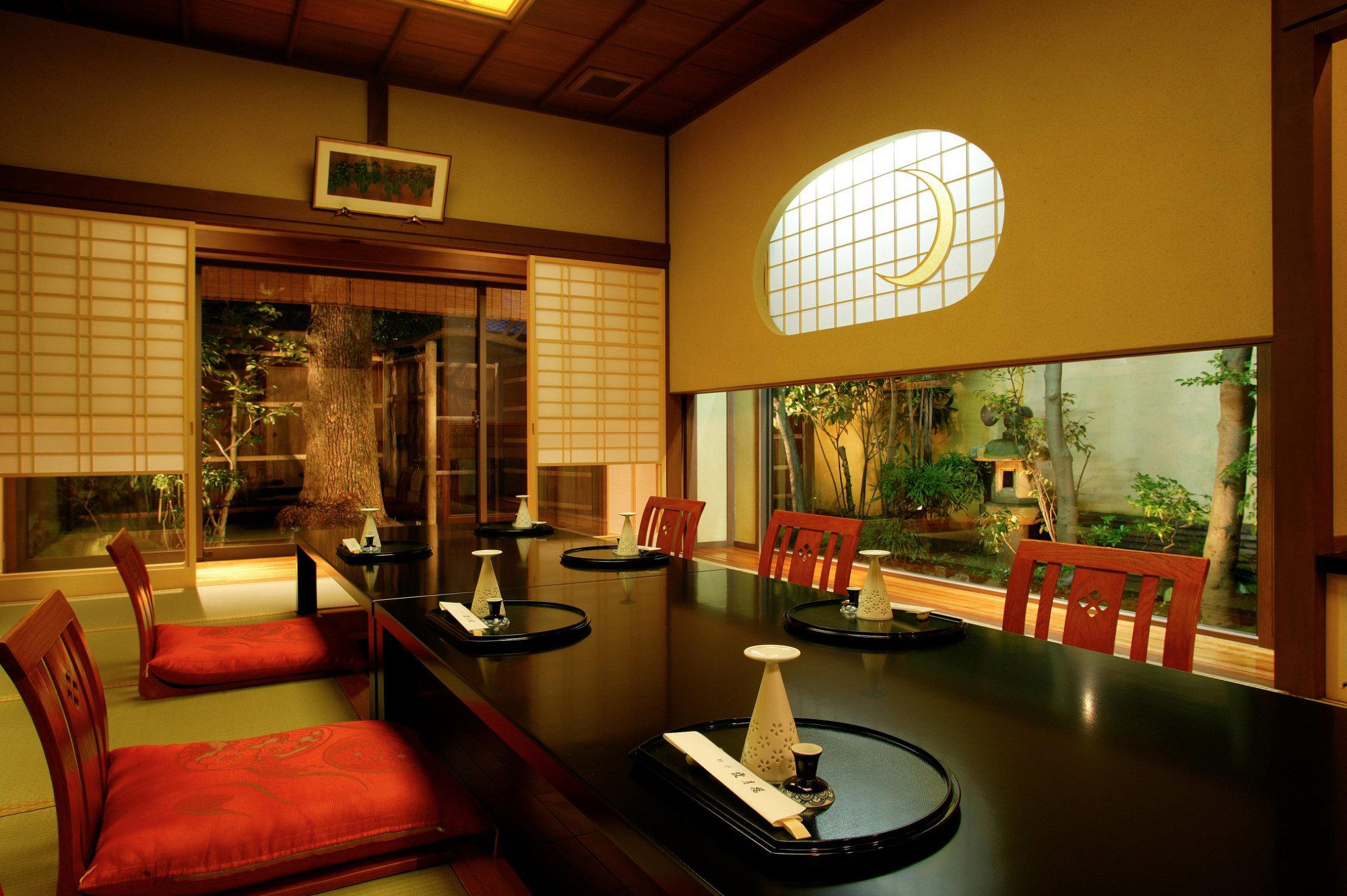
The appeal reads focused rather than grand: a Katori restaurant whose public identity is built around eel, with Japanese cuisine as the broader category. That mix matters in a city where a specialist meal may be used by locals, families, and visitors in different ways.
Format has limits worth knowing before the trip. Publicly provided details establish the category, price band, phone number, and recognition, but they do not support a detailed claim about reservation rules, seating policy, or day-by-day service style here. Treat the meal as a focused stop, not a flexible all-afternoon plan, and confirm practical arrangements directly with the restaurant if timing, group size, or access matters.
Drinks and service specifics should also be handled carefully. The available record supports Unagi (Eel), Japanese Cuisine, the JPY 4,000 to JPY 4,999 budget for both lunch and dinner, and the phone number +81-478-52-4375; it does not provide a verified bottle list, payment matrix, parking setup, or nearest-station note. For planning, the essential point is simpler: this is a Katori eel specialist operating in a clear mid-range price tier.
How to place it in a Katori itinerary
For travellers, the decision is less about chasing one famous dish than choosing what kind of Katori meal should define the day. Katori rewards slower scheduling, and eel fits that cadence better than a quick snack crawl. Lunch and dinner budgets are both listed at JPY 4,000 to JPY 4,999, which makes the restaurant easy to place as the anchor meal of a Katori visit rather than a casual add-on.
City planning matters because Katori is not a dense urban dining grid. Use Our full Katori restaurants guide to compare the local food set, then match the meal with Our full Katori hotels guide, Our full Katori bars guide, Our full Katori wineries guide, and Our full Katori experiences guide if the trip extends beyond a single lunch. Travellers comparing Japanese regional dining more broadly can set this specialist eel format against other dining in Katori and beyond in generic terms: grill-led rooms, casual counters, cafe formats, snack stops, and drinking-led venues all offer different rhythms from a focused regional eel house.
The editorial case is clear: Unagi Kappou Yamada is for diners who want Katori through a local specialty, not a long tasting menu or chef biography. Its 2024 Tabelog Hyakumeiten recognition, 3.64 score, price tier, and eel-led identity point to a restaurant where value lies in focus. Plan around the operating rhythm by confirming details directly, and treat the meal as a precise regional choice rather than a general Japanese restaurant stop.
Frequently asked questions
Is Unagi Kappou Yamada okay with children?
The provided public details do not verify a specific children policy. The venue is in Katori, and the listed budget is Dinner: JPY 4,000 - JPY 4,999; Lunch: JPY 4,000 - JPY 4,999, so families should confirm practical suitability directly before visiting.
How would you describe the vibe at Unagi Kappou Yamada?
It reads as a focused Katori eel restaurant rather than a broad dining room. The listed categories are Unagi (Eel) and Japanese Cuisine, with Tabelog Hyakumeiten 2024 recognition anchoring its standing.
What's the price range at Unagi Kappou Yamada?
Pricing at Unagi Kappou Yamada is listed as JPY 4,000 - JPY 4,999 JPY 4,000 - JPY 4,999 View spending breakdown.
When can I go to Unagi Kappou Yamada?
Specific opening hours are not provided in the verified venue details here. Confirm current hours directly with Unagi Kappou Yamada before planning a visit.
Quick Comparison
Comparable venues by cuisine and price in the same metro.
| Venue | Cuisine | Price | Awards | Notes |
|---|---|---|---|---|
| Unagi Kappou YamadaThis venue (the venue you are viewing) | Traditional Unagi (Grilled Eel) Restaurant | $30–50 | Tabelog 100 #71 | Not listed |
| Unasen | Traditional Unagi (Grilled Eel) Restaurant | $30–50 | Tabelog 100 #66 | Omigawa |
| Iruka Tokyo Roppongi | Modern Ramen | $20–30 | Michelin Bib Gourmand · Tabelog 100 #94 | Roppongi |
| Takano Fruit Parlour | Japanese Fruit Parlor | $30–50 | Not listed | Shinjuku |
| 天ぷら はやし | Traditional Tempura | Not listed | Not listed | 経堂 |
| 李朝苑 | Premium Wagyu Yakiniku | Not listed | Not listed | 安比高原 |
Recognition history
Dated appearances from independent guides and award organizations, with the underlying list record or original source where available.
Tabelog 100 #71 · No. 71
Tabelog · Tabelog 100 - Unagi - 2024
Continue exploring
More in Katori
Details
- Classic
- Cozy
- Rustic
- Well Known
- Family
- Casual Hangout
- Group Dining
- Solo
- Historic Building
- Standalone
- Private Dining
- Sake Program
- A La Carte
- Set Menu
- Sake
- Shochu
- Beer
- Pescatarian Friendly
Current opening hours
- Monday
- Closed
- Tuesday
- Closed
- Wednesday
- 11 AM–2:30 PM, 4:30–6 PM
- Thursday
- 11 AM–2:30 PM, 4:30–6 PM
- Friday
- 11 AM–2:30 PM, 4:30–6 PM
- Saturday
- 10:30 AM–2 PM, 4:30–6 PM
- Sunday
- 10:30 AM–2 PM
Hours can change for holidays and private events. Last verified .
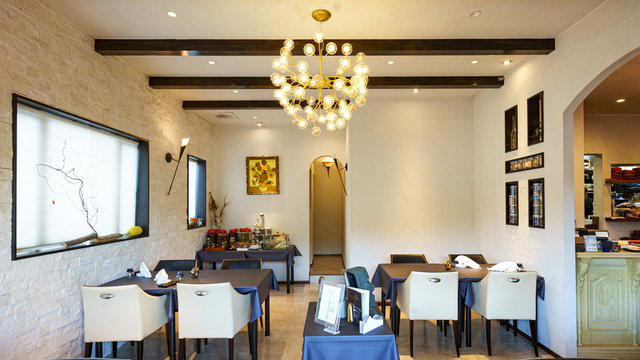
A classic house-style unagi restaurant with tatami rooms and simple table seating, creating a cozy, traditional atmosphere that feels rooted in old Sawara rather than polished or modern.