Trastámara

Relais Chateaux Award
Our verdict
A Spanish tapas address in rural Cantabria, Trastámara earns an Expression of the Terroir distinction for its rootedness in local produce and tradition. Chef Renzo Orbegoso Hinojosa brings a precise hand to the format, working from a remote setting in Las Presillas that rewards the detour.

Pearl is the En Primeur Club membership app, where members save venues, book tables and use the concierge.
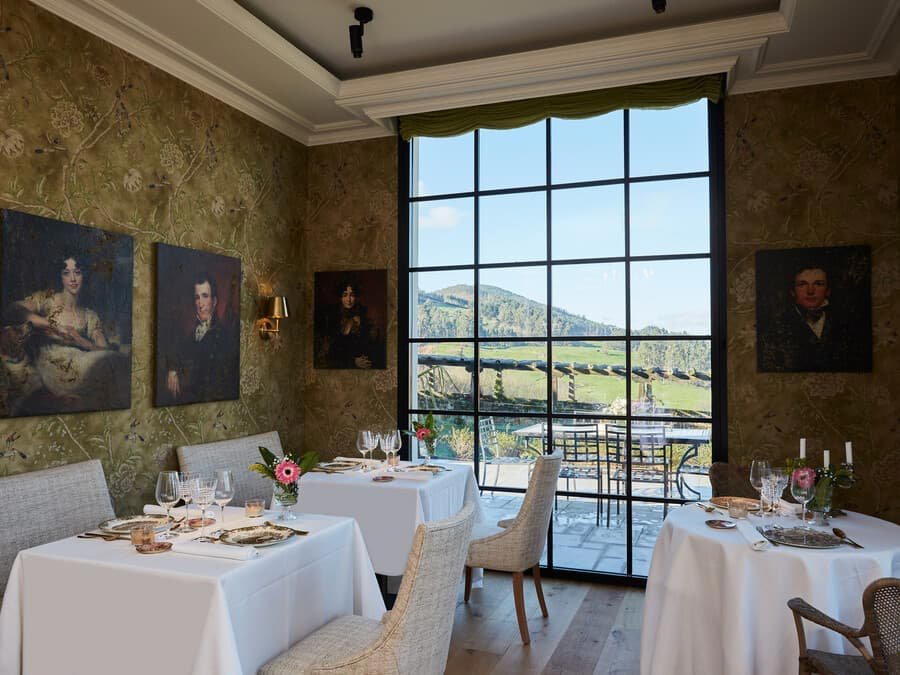
Where Cantabrian Country Roads Meet the Tapa Tradition
There is a particular category of Spanish dining that never makes it onto the international circuit: the rural tapas house, rooted in a specific valley, drawing on the products of its immediate surroundings, and operating without any ambition beyond getting those products onto a plate with honesty and care. Trastámara, set in Las Presillas in the hills of Cantabria, belongs squarely to that tradition. The address, Diseminado Presillas 104, places it outside the village proper, reached by the kind of road that requires commitment. That physical remoteness is not incidental, it is part of the premise.
Cantabria as a dining region sits in a productive tension between its coastal identity (anchovies, bonito, merluza) and its inland character (aged cheeses, cured meats, beans slow-cooked with chorizo). Las Presillas sits inland, in the foothills of the Cantabrian mountains, which means the kitchen here tilts toward the latter tradition. This is ham-and-cured-meat country in the fullest sense: households in this part of Spain still maintain the rhythms of the matanza, the annual pig slaughter, and the curing calendar shapes how a cook thinks about flavour, time, and patience in ways that no amount of formal training can replicate.
The Jamón Frame: Curing Craft as Editorial Lens
To understand what Trastámara represents within Spanish tapas culture, it helps to understand the weight that cured pork carries in the national tradition. Jamón Ibérico de Bellota, the category at the apex of Spanish ham production, requires a minimum of 24 months of cave or cellar curing, a pig breed with at least 50 percent Iberian genetics, and a finishing period on acorns in the dehesa oak forest. The result is a fat-streaked, mahogany-coloured product that functions less like a snack and more like a statement about terroir, the landscape, the pig's diet, and the microclimate of the bodega all register in the finished slice.
Serrano ham, the more widely produced alternative, works from a different logic: white pig breeds, shorter cure windows (typically nine to fifteen months), and a focus on clean, saline flavour rather than the nutty complexity of Ibérico. Both styles appear on tapas menus across Spain, but the way a kitchen handles them, the thickness of the slice, the temperature at which they are served, what they are paired with, says something meaningful about the kitchen's priorities. In the mountain towns of Cantabria, ham arrives as a working ingredient and a standalone pleasure in equal measure, with no flourish required.
Trastámara's Expression of the Terroir award signals that the kitchen is operating with this kind of specificity. The distinction, rare at the rural end of the tapas format, indicates a deliberate sourcing approach and a menu that reflects the particular character of this corner of northern Spain rather than a generic pan-Spanish tapa selection. For a visitor arriving from the coast or from Santander, some 60 kilometres to the north, that distinction is the difference between a stop and a destination.
Chef Renzo Orbegoso Hinojosa and the Tapas Counter
Within the broader pattern of Spanish regional dining, the arrival of chefs with South American training or heritage at rural Spanish kitchens has become a recurring story over the past two decades. Chef Renzo Orbegoso Hinojosa fits that pattern at Trastámara, bringing a perspective shaped outside the Iberian peninsula to a format that is entirely local in its ingredients and logic. What that combination tends to produce, when it works, is a kitchen fluent in the canon but unbound by its conservatism, capable of serving a perfectly traditional plate of cured meat alongside something that shows a different kind of technical intelligence.
The tapas format itself rewards this kind of precision. Unlike a tasting menu, where a single conceptual thread must carry across twelve courses, a tapas sequence allows the kitchen to move between registers, testing a single technique or ingredient in a concentrated form before moving on. In the context of restaurants where reputation travels entirely by word of mouth, that consistency is harder to maintain than any single impressive plate.
Las Presillas in the Cantabrian Dining Picture
Las Presillas does not function as a dining destination in the way that San Sebastián or Bilbao draws visitors specifically for their restaurant scenes. The comparison is instructive rather than dismissive: those cities have built institutions of international standing, from Arzak in San Sebastián to Azurmendi in Larrabetzu and Mugaritz in Errenteria, drawing guests who plan entire trips around a single reservation. Las Presillas operates on a different axis entirely, one where the draw is the region's agricultural character rather than any individual chef's celebrity. Trastámara shares something of that same rural-destination logic with places like Helguera Palacio Boutique & Antique, the other address in Las Presillas that EP Club tracks, both are premises that require the visitor to commit to the area rather than pass through it.
The wider Spanish tapas tradition, from Casa de Tapas Cañota in Barcelona to Coqueta in San Francisco, tends to translate the format into urban or export contexts. Trastámara runs in the opposite direction: this is the format as it exists before it gets translated, shaped entirely by the produce and habits of the immediate geography. For a comparison point on what Spanish creative cooking looks like at the far end of the ambition spectrum, DiverXO in Madrid, El Celler de Can Roca in Girona, and Disfrutar in Barcelona define a different tier entirely. Trastámara's interest lies elsewhere.
Planning a Visit
Reaching Las Presillas requires a car; the village is not served by rail and public transport connections are limited. From Santander, the drive runs south into the Pas valley, with journey times in the range of an hour depending on the route. Those combining the visit with a wider Cantabrian stay will find Las Presillas a logical stop on a circuit through the inland mountain villages, with accommodation options in the area covered in our full Las Presillas hotels guide. Booking ahead is advisable; with a small local clientele and no walk-in tourist traffic, the kitchen does not operate on large-volume assumptions. Further context on eating and drinking in the area is available through our full Las Presillas restaurants guide, our full Las Presillas bars guide, our full Las Presillas wineries guide, and our full Las Presillas experiences guide.
Frequently asked questions
What kind of recognition has Trastámara received?
Trastámara has received recognition including:
How hard is it to get a table at Trastámara?
Trastámara draws a small, loyal audience, the review count sits in the low dozens, which points to a local and word-of-mouth crowd rather than a broad visitor base. There is no online booking portal listed, and the village of Las Presillas requires a car to reach from Santander. Calling ahead or arriving early on a weekend is advisable; a rural Cantabrian tapas room does not have the floor space to absorb walk-in groups.
What's the standout thing about Trastámara?
The Expression of the Terroir distinction sets it apart within its format. Award recognition for terroir in Spanish dining typically flows toward urban fine-dining addresses or established wine-country tables, securing that credential as a rural tapas house in Las Presillas is the specific credential worth noting. Chef Renzo Orbegoso Hinojosa brings a cross-continental culinary background to a kitchen operating squarely within Cantabrian regional tradition.
Price and Recognition
Comparable venues nearby, for context on price, style, and recognition.
| Venue | Cuisine | Price | Awards | Notes |
|---|---|---|---|---|
| TrastámaraThis venue (the venue you are viewing) | Modern Cantabrian with Peruvian Fusion | $150–200 | Relais Chateaux Award | Not listed |
| Helguera Palacio Boutique & Antique | Cantabrian Fine Dining | Not listed | Relais Chateaux Award | Las Presillas, Cantabrian Fine Dining |
| Sobretaula | Authentic Spanish Tapas | Not listed | Not listed | Punta Negra, Authentic Spanish Tapas |
| Zortziko | Abando, Modern Basque Cuisine | Not listed | Not listed | Not listed |
| Asador Taskas | Basque Grilled Seafood & Steakhouse | $100–150 | Not listed | Parque Empresarial Aeropuerto de Bilbao, Derio, Basque Grilled Seafood & Steakhouse |
| Hotel & Restaurant Mendigoikoa Bekoa | Not listed | Not listed | Not listed | Atxondo Valley, Axpe Achondo, Traditional Basque Cuisine |
Recognition history
Dated appearances from independent guides and award organizations, with the underlying list record or original source where available.
Relais Chateaux Award
Relais Chateaux
Full recognition history (2 entries)
Relais Chateaux Award
Relais Chateaux
Continue exploring
More in Las Presillas
Restaurants in Las Presillas
All restaurants in Las Presillas →
Hotels in Las Presillas
Browse all →
Details
- Romantic
- Elegant
- Intimate
- Sophisticated
- Cozy
- Date Night
- Special Occasion
- Hotel Restaurant
- Historic Building
- Extensive Wine List
- Local Sourcing
- Tasting Menu
Current opening hours
- Monday
- 1–2:30 PM, 8–9:30 PM
- Tuesday
- 1–2:30 PM, 8–9:30 PM
- Wednesday
- 1–2:30 PM, 8–9:30 PM
- Thursday
- 1–2:30 PM, 8–9:30 PM
- Friday
- 1–2:30 PM, 8–9:30 PM
- Saturday
- 1–2:30 PM, 8–9:30 PM
- Sunday
- 1–2:30 PM, 8–9:30 PM
Hours can change for holidays and private events. Hours as of .
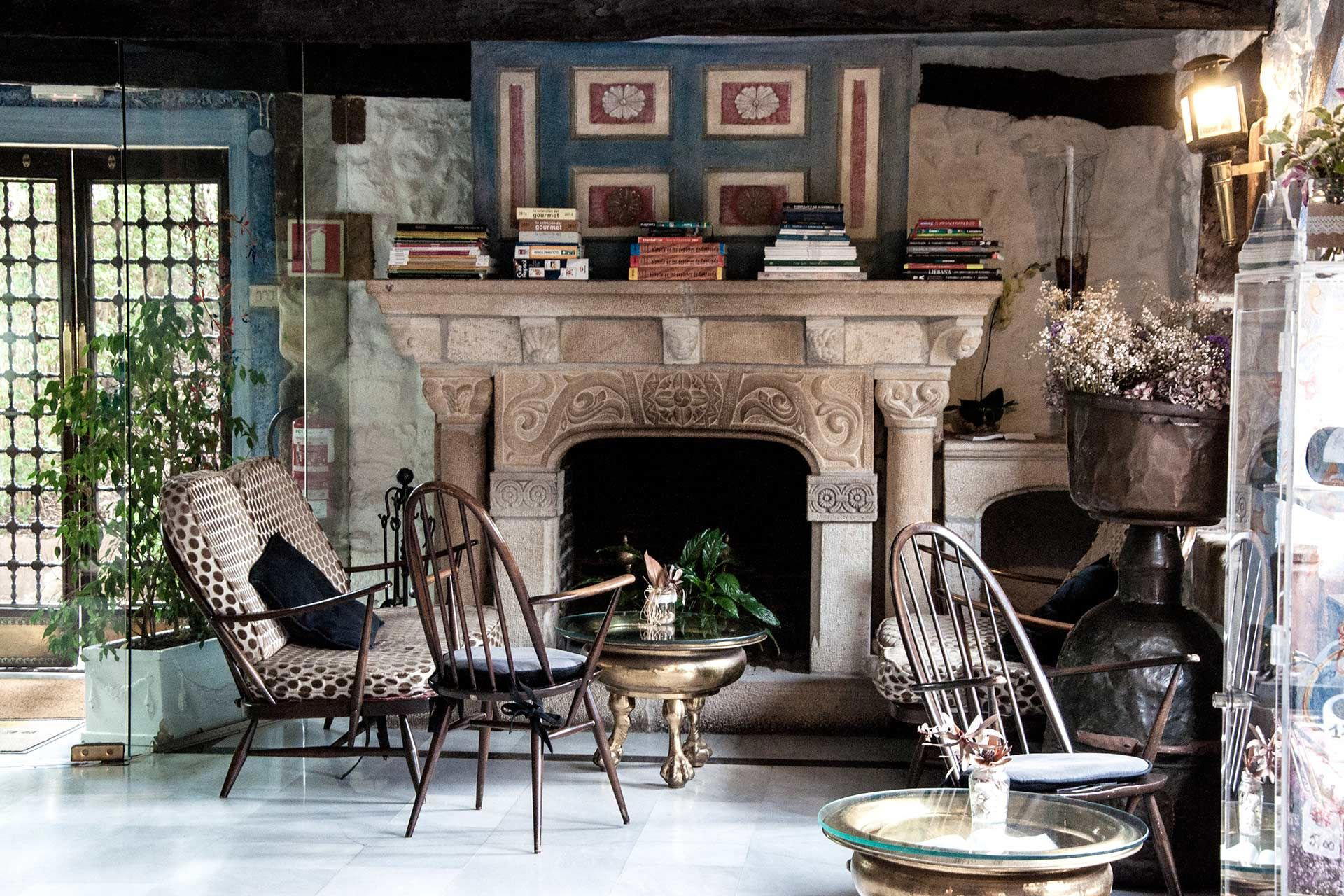
Noble and cozy atmosphere with utmost attention to detail, stylish design, 17th-century fireplace, and dramatic wall panels.