The Fig Tree Restaurant
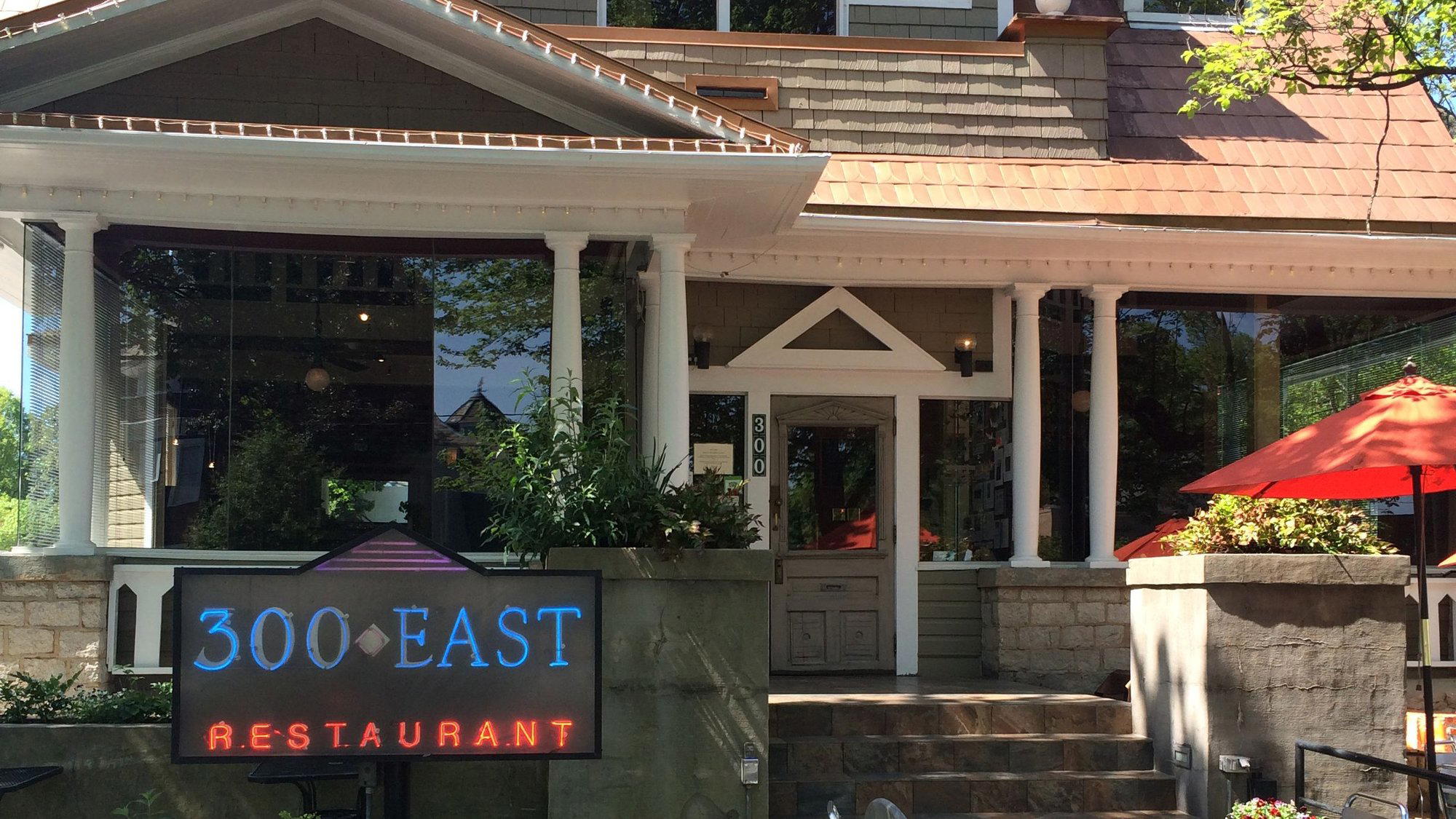
The Fig Tree Restaurant on East 7th Street has occupied a place in Charlotte's fine dining conversation long enough to watch the city's restaurant scene grow up around it. Housed in a restored craftsman bungalow, it represents a style of American fine dining that predates the city's current wave of chef-driven concepts, making it a reference point for understanding how Charlotte's palate has shifted.
Pearl is the En Primeur Club membership app — saves, bookings, and concierge access live there. Same editors, same standards.
- Address
- 1601 E 7th St, Charlotte, NC 28204
- Phone
- +17043323322
- Website
- charlottefigtree.com
- Directions
- Get directions
 Saves & bookings on Pearl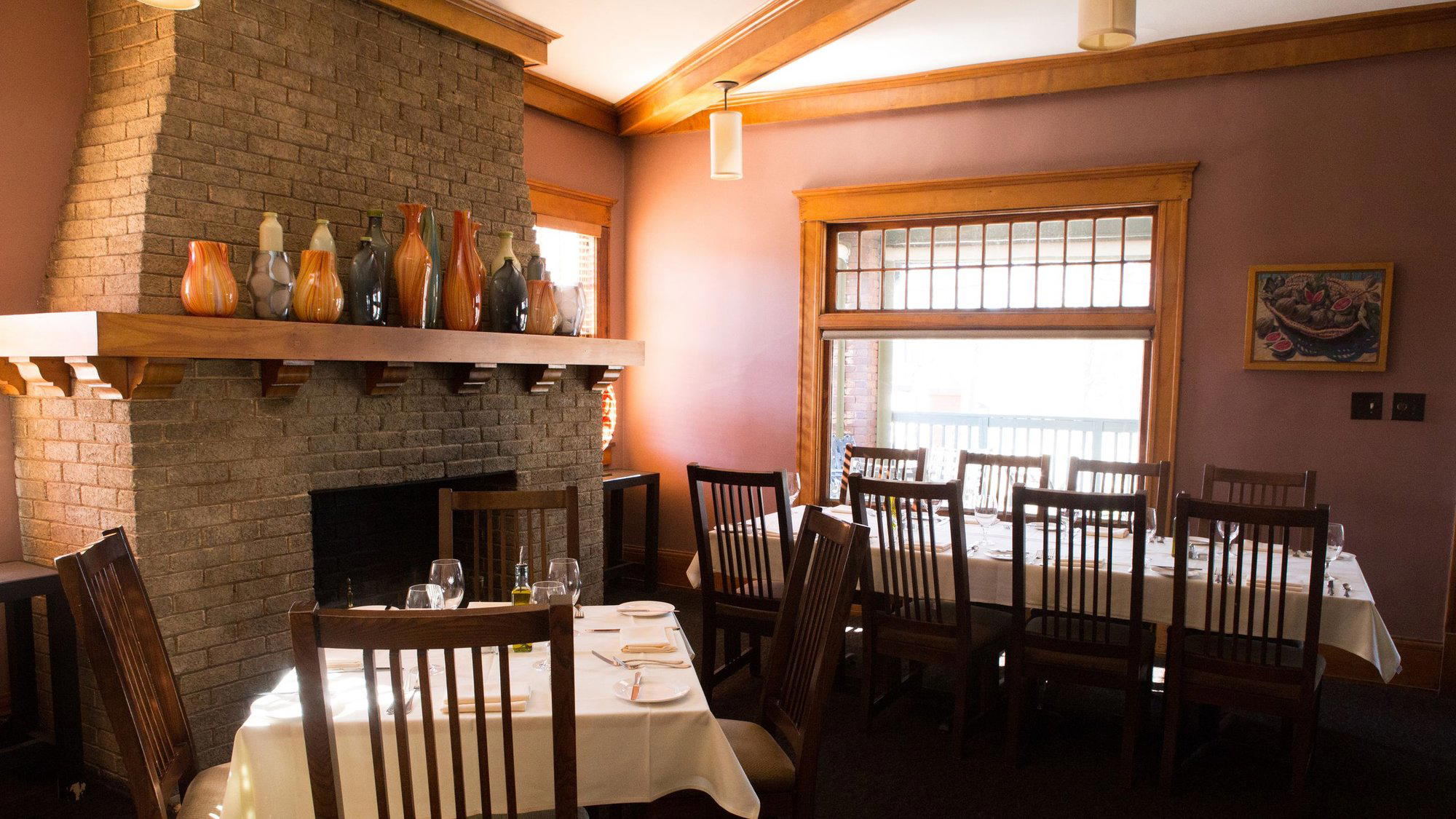
A Bungalow in the Orbit of a Changing City
Charlotte's dining scene has undergone a substantial structural shift over the past two decades. The city that once measured fine dining almost exclusively by white tablecloths and European-leaning menus now hosts a competitive tier of chef-driven American restaurants, from the New American precision of 204 North Kitchen & Cocktails to the Southern register of Angeline's. Against that backdrop, The Fig Tree Restaurant on East 7th Street reads differently depending on what era of Charlotte dining you're mapping from. For diners who found it in the early 2000s, it's an anchor. For those arriving now, it's a building in a craftsman bungalow that sits slightly apart from the current wave of open-kitchen, produce-forward rooms that dominate the city's premium tier today.
That position, slightly outside the dominant current, is not a weakness. It reflects a different set of ambitions: a formal American dining experience in an intimate residential structure, at a time when Charlotte was still building the infrastructure of a serious restaurant city. Understanding The Fig Tree means understanding where that ambition came from, and what it looks like now that the city has caught up and, in some respects, moved past it.
The Craftsman Frame and What It Signals
Converted residential structures carry a particular message in American fine dining. When a restaurant occupies a house rather than a commercial shell, it signals intimacy over volume, deliberate seating capacity over throughput, and a specific kind of occasion dining that positions itself against hotel dining rooms and large-format tasting menus alike. The Fig Tree's setting on East 7th Street places it in a part of Charlotte that has itself evolved, shifting from a transitional corridor to a more established dining and residential neighborhood as the city's urban core has densified.
That physical context matters for the experience. A craftsman bungalow imposes natural limits on seat count, acoustic separation between tables, and the pace of service. These are constraints that the leading American fine dining rooms in the country treat as advantages. Places like The Inn at Little Washington and Blue Hill at Stone Barns have built their identities partly around the specificity of their physical containers. The residential format at The Fig Tree puts it in a comparable conceptual category at the local level, even if the culinary ambition operates at a different scale.
Charlotte's Fine Dining Evolution and Where This Fits
To understand The Fig Tree's current position, it helps to trace the arc of Charlotte fine dining. In the early 2000s, the city's premium restaurant options were sparse and largely defined by Continental and American cuisine in formal settings. The Fig Tree entered that moment as a serious address. Over the following decade, Charlotte's food infrastructure expanded: more trained chefs, a more travelled dining public, and increasing competition from nationally recognized formats.
By the mid-2010s, the conversation had shifted toward contemporary American concepts with explicit regional sourcing narratives and a more casual physical register. Restaurants like 1897 Market and Aura Rooftop represent Charlotte's more recent appetite for setting and experience alongside food. The city now competes in a national conversation where references run from Lazy Bear in San Francisco to Atomix in New York City to Providence in Los Angeles. A restaurant that opened as a standard-bearer in 2004 has to answer a different question in 2025: has it evolved with that conversation, or does it occupy a distinct and defensible niche within it?
The answer at The Fig Tree appears to be the latter. Its model, formal occasion dining in a residential setting with American menu construction, does not map neatly onto the contemporary chef-driven formats that now define Charlotte's most-discussed rooms. That is a kind of distinction. The question any visitor should bring is whether the execution still justifies the format's premium positioning.
American Fine Dining in a National Frame
The style of American fine dining that The Fig Tree represents has a specific genealogy. It draws from the Continental tradition, reinterpreted through American ingredients and hospitality codes that emphasize warmth over formality. This is a different line than the French-inflected precision of Le Bernardin in New York City or the farm-to-table ideology of Single Thread Farm in Healdsburg, and different again from the modernist ambition of Alinea in Chicago. It sits closer to the tradition that places like Emeril's in New Orleans and Addison in San Diego occupy: American fine dining with clear technique and a commitment to occasion.
Within Charlotte specifically, that style has fewer direct competitors than it once did. Contemporary rooms have moved toward open kitchens, counter formats, and tasting menus that blur the line between experience and meal. The Fig Tree's more traditional format, separate dining rooms, full table service, a menu structured around courses with clear protein anchors, positions it as a specific kind of answer to the question of where to take a client dinner or mark a significant occasion.
Planning a Visit
The Fig Tree Restaurant is located at 1601 East 7th Street in Charlotte's Plaza Midwood-adjacent corridor, where its converted bungalow setting has long defined the room's appeal. The craftsman structure means limited total seating, which in practice translates to booking ahead for weekend evenings and for any party larger than four. The residential setting and format signal occasion dining rather than casual drop-in, so the experience is calibrated for longer meals with table pacing that reflects the room's capacity. For visitors comparing options at the contemporary American end of Charlotte's market, the contrast with formats like Customshop and Ever Andalo is instructive: The Fig Tree sits in a more traditional register, which will be the right answer for some occasions and the wrong one for others.
Where It Fits
Comparable venues nearby, for context on price, style, and recognition.
| Venue | Cuisine | Price | Notes |
|---|---|---|---|
| The Fig Tree RestaurantThis venue — the venue you are viewing | Seasonal Country European with French and Italian influences | $$$$ | Not listed |
| Steak 48 | Contemporary American Steakhouse | $$$$ | SouthPark |
| BAKU | Modern Japanese Robata and Sushi | $$$ | SouthPark |
| Afternoon Tea at Ballantyne | British Afternoon Tea | $$$$ | Ballantyne |
| Dressler's | Contemporary American Steakhouse | $$$ | Cherry |
Continue exploring
More in Charlotte
Restaurants in Charlotte
Browse all →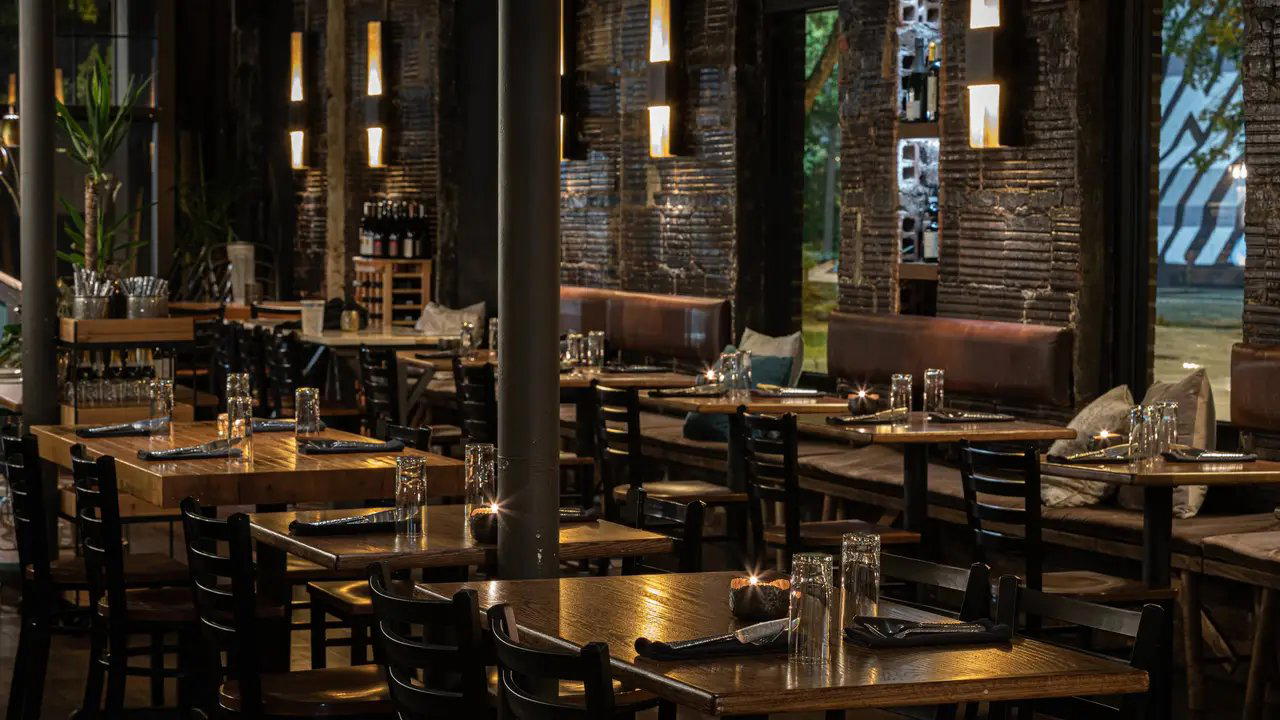
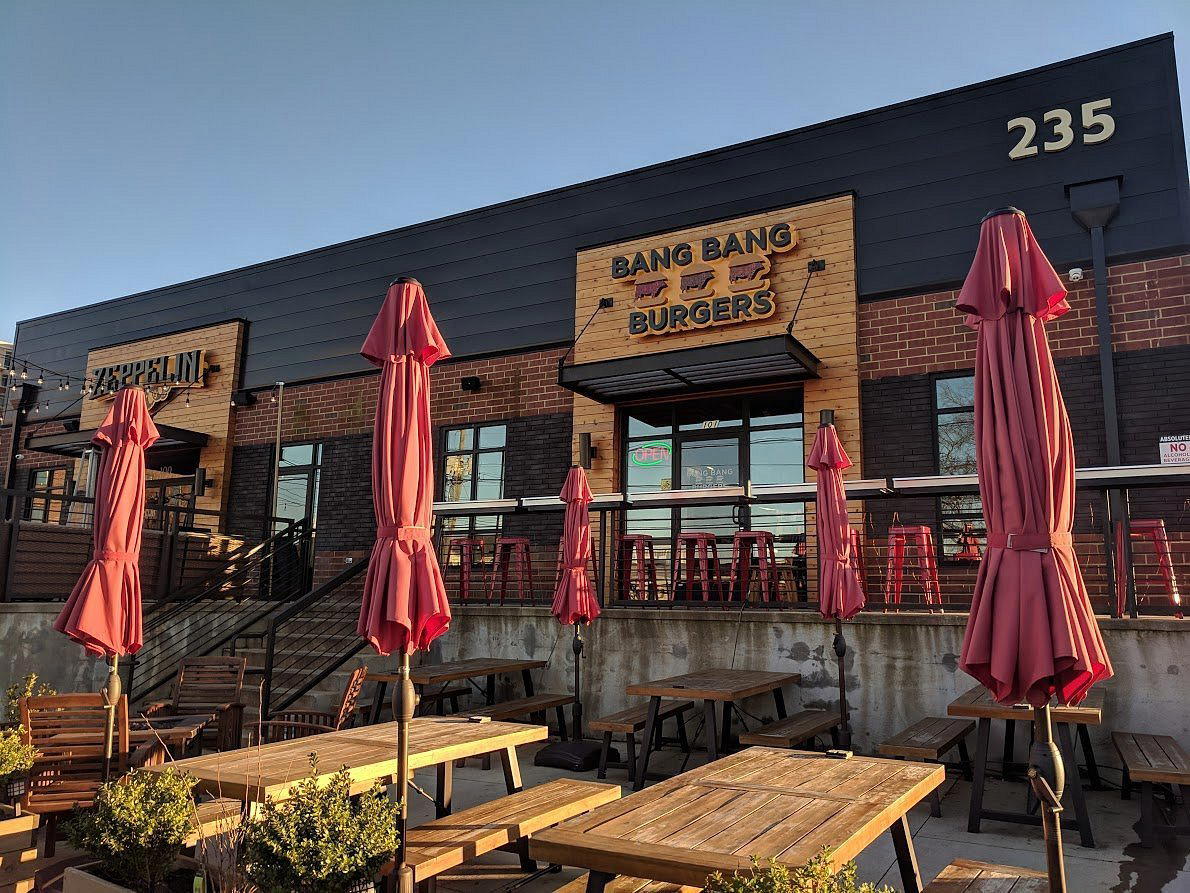
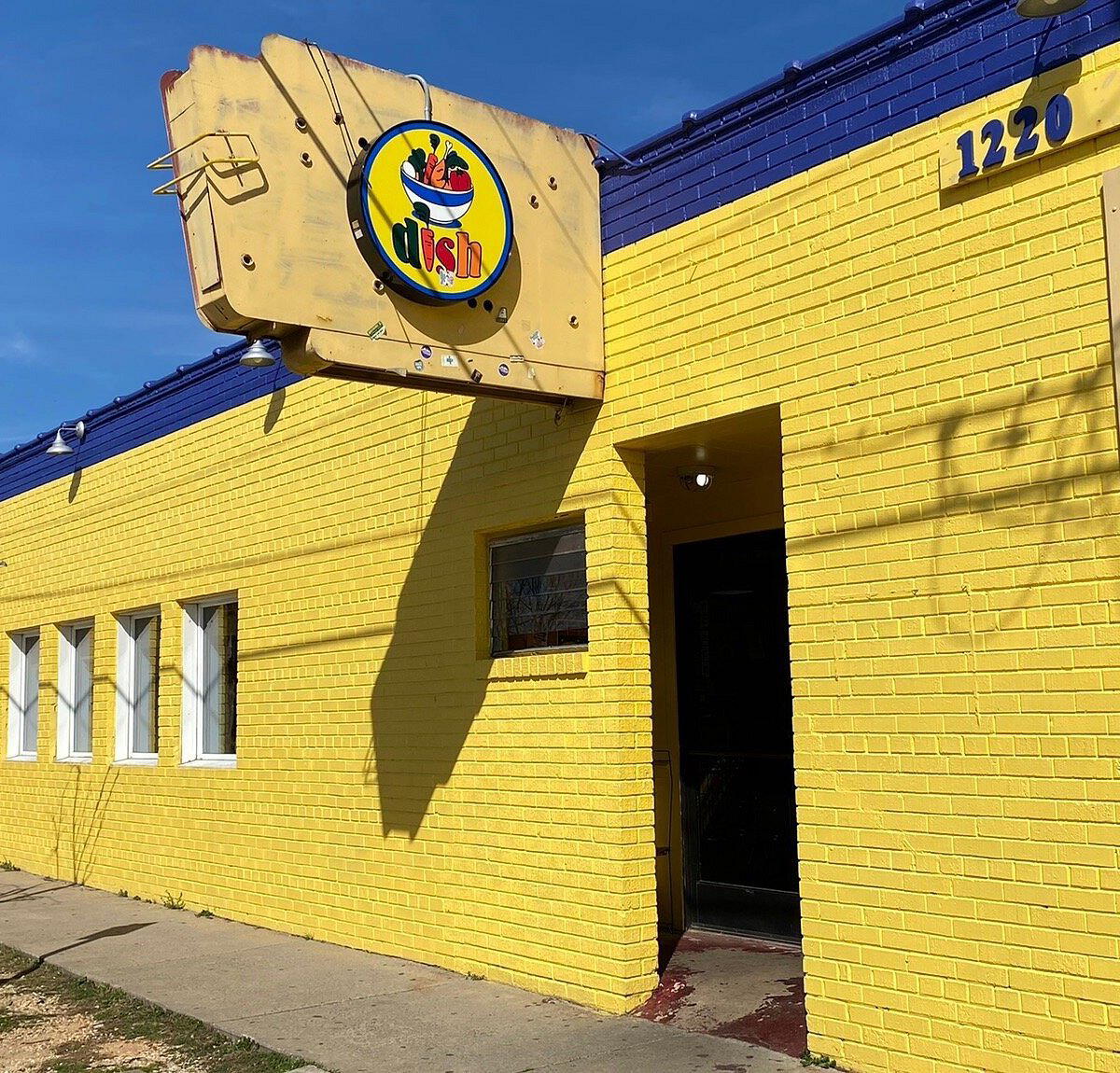
Bars in Charlotte
Browse all →
At a Glance
- Romantic
- Elegant
- Intimate
- Classic
- Cozy
- Date Night
- Special Occasion
- Celebration
- Historic Building
- Private Dining
- Extensive Wine List
- Local Sourcing
Current opening hours
- Monday
- 5:30–10 PM
- Tuesday
- 5:30–10 PM
- Wednesday
- 5:30–10 PM
- Thursday
- 5:30–10 PM
- Friday
- 5:30–10 PM
- Saturday
- 5–10 PM
- Sunday
- 5–9 PM
Hours can change for holidays and private events. Last verified .
Warm and elegant atmosphere in a restored historic home with original woodwork, multiple fireplaces, and veranda seating.