
Tabelog 100 #70
Our verdict
Takeo Gohan brings Sosa’s rural cafeteria culture into sharper focus: modest pricing, small scale, and a sourcing-led sensibility rather than urban tasting-menu performance. Its 2026 Tabelog 100 Diner selection places a 16-seat Chiba café-cafeteria in a national conversation usually dominated by larger city dining rooms.

Pearl is the En Primeur Club membership app, where members save venues, book tables and use the concierge.
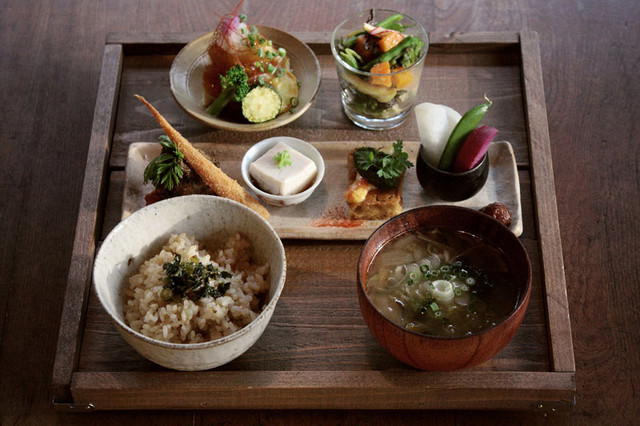
The approach to a rural Japanese cafeteria changes the tempo before the meal begins. Sosa is not a city of grand dining entrances; its food culture sits closer to everyday errands, local roads, and places where a modest meal can be the main event rather than a prelude to evening service. In that setting, Takeo Gohan reads as part of a broader Chiba tradition: approachable rooms, cafeteria-café rhythm, and cooking presented without theatrical formality.
That matters because Japan’s diner category is often misunderstood by visitors chasing counter sushi or kaiseki. The stronger examples are not trying to imitate fine dining. They compress regional habits into an accessible format: cafeteria, café, set-meal logic, and a room scaled for regular use as much as destination diners. Takeo Gohan’s inclusion in the 2026 Tabelog 100 Diner list gives that genre a measurable signal, especially for a Sosa setting outside the usual Tokyo-Kyoto travel corridor.
A Chiba cafeteria where everyday value carries the argument
The serious thread here is the format itself. Chiba’s food identity has always been broader than the Tokyo-facing seafood shorthand suggests, and its smaller cities support dining rooms that work at a scale where everyday meals still matter. A cafeteria-café format makes sense in this environment: it can present a relaxed lunch without the ceremony or cost structure of a formal dégustation.
The price band reinforces the point. At JPY 1,000 to JPY 1,999, this is not luxury dining disguised as rural minimalism. It sits in a category where value is judged by clarity, portion logic, and consistency. Compared with out-of-metro peers such as Imakyu Honten or Unagi Kappou Yamada, both commonly framed as more occasion-led choices, this address occupies a lighter, lunch-driven lane. HOME OF MOTHERS and unagi specialists such as Unasen operate in different traditions. Those comparisons help define the decision: this is for a relaxed Sosa meal with café-cafeteria structure, not a splurge around a single prestige ingredient.
The Tabelog score of 3.55 is useful context but not the whole story. Japanese user-rating culture tends to be conservative, and regional restaurants outside major tourist flows often accrue attention slowly. The stronger trust signal is the 2026 Tabelog 100 Diner selection, because the category narrows the field to restaurants that represent everyday Japanese dining at a high level of consistency. For travelers mapping serious casual food beyond the capital, that distinction is more revealing than a generic popularity metric.
The room favors daytime regularity over urban performance
Format is important enough to affect the meal. The experience belongs to Japan’s casual dining tradition rather than the high-volume destination model. That scale also explains why the meal is better understood as a planned stop within Sosa, not a casual add-on after sightseeing. The cafeteria-café identity points to a restaurant that fits naturally into the daily-life side of the city rather than a special-occasion stage.
There is an editorial lesson in that ordinariness. Premium travel coverage often overcorrects toward rarity, but Japan’s diner culture rewards attention to places that make lunch feel grounded without demanding ceremony. A cafeteria in Sosa can teach a visitor about local eating patterns in a way that a more polished city-center reservation may not. Here the interest is not spectacle; it is the way a modestly priced operation can carry confidence with discipline.
That also changes who should prioritize it. A diner building a Chiba itinerary around markets, coastal drives, or countryside towns will understand the logic immediately. A traveler staying in Tokyo with one free lunch and no interest in regional detours should be more selective. Takeo Gohan belongs in a Sosa plan, not as a trophy commute. For broader planning, Our full Sosa restaurants guide places it alongside other local dining options, while Our full Sosa hotels guide, Our full Sosa bars guide, Our full Sosa wineries guide, and Our full Sosa experiences guide help turn the meal into a fuller city plan.
How it fits into Japan's casual-dining map
The useful comparison is not with Tokyo’s high-end counters but with Japan’s broader casual spectrum. A diner can move from regional meals to café addresses and local specialists across the country. The point is not sameness; it is how Japan’s casual category absorbs local habits, imported formats, and neighborhood demand without needing a single national template.
Other entries sharpen that map further: focused cooking, design-conscious rooms, simple meal formats, and dining shaped by city or countryside settings all show how casual restaurants can take different forms. Even Japanese food abroad underlines the same truth: simple formats become serious when scale, consistency, and purpose align.
Takeo Gohan’s appeal is therefore precise. It is a compact Sosa cafeteria-café with national diner recognition, modest spend, and a local-use feel that makes sense in Chiba. The editorial reason to go is not novelty. It is to see how Japan’s everyday dining category can carry confidence at lunch, without borrowing the visual language of luxury restaurants.
Frequently asked questions
Does Takeo Gohan work for a family meal?
Yes. Takeo Gohan’s cafeteria-café format and modest price level make it a practical choice for a relaxed meal in Sosa.
How would you describe the vibe at Takeo Gohan?
It reads as a daytime cafeteria-cafe rather than a formal dining room, with a calm, local rhythm in Sosa.
What price level is Takeo Gohan?
Pricing at Takeo Gohan is listed as JPY 1,000 - JPY 1,999.
Where exactly is Takeo Gohan?
Sosa.
Should I book Takeo Gohan in advance?
Planning ahead is sensible for a place selected for Tabelog 100 Diner 2026 in Sosa, especially if the meal anchors a wider Chiba itinerary.
Fast Comparison
Comparable venues by cuisine and price in the same metro.
| Venue | Cuisine | Price | Awards | Notes |
|---|---|---|---|---|
| Takeo GohanThis venue (the venue you are viewing) | Japanese cafeteria & café | $20–30 | Tabelog 100 #70 | Not listed |
| たんたん亭 本店 | Classic Tokyo Shina Soba & Wonton Ramen | $10–20 | Tabelog 100 #84 | Hamadayama |
| らぁめん家 69'N' ROLL ONE 赤坂本店 | Chicken Clear Soy Ramen | Not listed | Not listed | Akasaka |
| 千畳敷センター | Japanese Seaside Seafood | Not listed | Not listed | 深浦町 |
| Kuroyuri (黒百合) | Traditional Kanazawa Oden Izakaya | $20–30 | Not listed | Kanazawa Station |
| Kumo | Hokkaido Izakaya | Not listed | Not listed | Niseko Hirafu |
Recognition history
Dated appearances from independent guides and award organizations, with the underlying list record or original source where available.
Tabelog 100 #70 · No. 70
Tabelog · Tabelog 100 - Diner - 2026
Continue exploring
More in Sosa
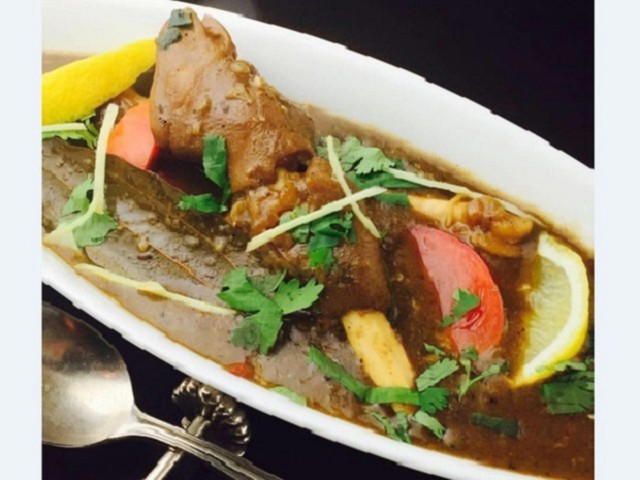
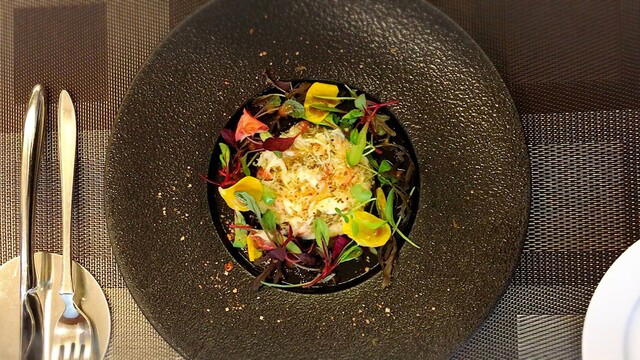
Details
- Cozy
- Quiet
- Rustic
- Family
- Solo
- Casual Hangout
- Standalone
- A La Carte
Small and homely with a relaxed, quiet atmosphere; reviews and photos depict a simple rustic interior typical of a local cafeteria, giving a cozy, neighborhood hidden-gem feel rather than a polished modern café.