
Tabelog 100 #75
Our verdict
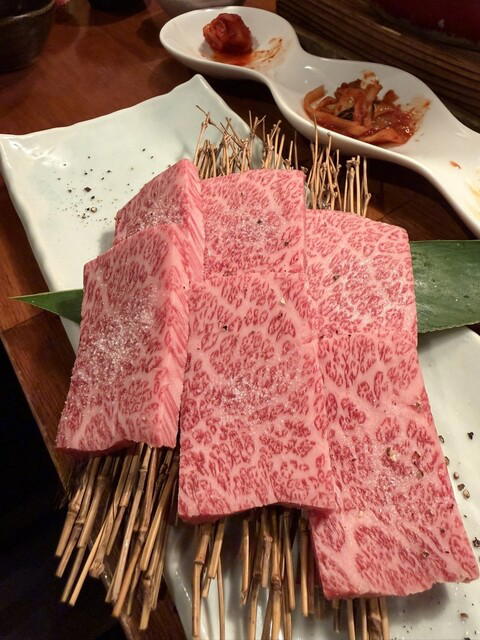
Ishigaki’s beef culture is not only steakhouse territory; charcoal yakiniku gives the island’s cattle a more social, cut-by-cut reading. Sumibi Yakiniku Yamamoto sits in that lane with Tabelog 100 Yakiniku WEST 2025 recognition, a JPY 6,000–7,999 dinner range, and a format built around grilling, tripe, shochu, and wine rather than resort polish.

Pearl is the En Primeur Club membership app, where members save venues, book tables and use the concierge.
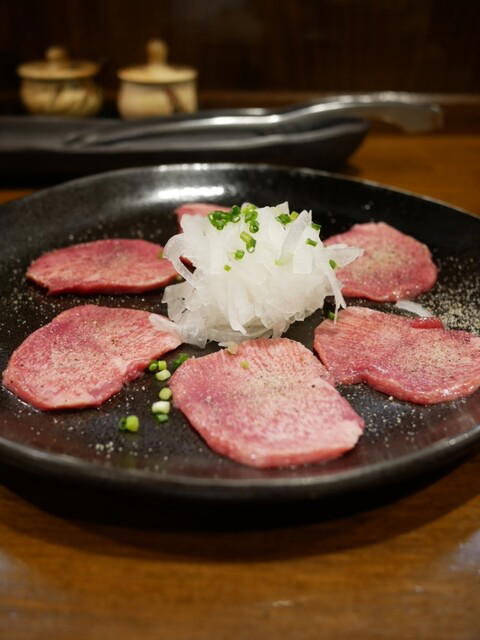
The menu
What to order
- Ishigaki beef yakiniku
- Grilled shabu-shabu
- Upper cuts and harami
- Agu pork platter
- Totori cold noodles
Approaching a yakiniku room in Ishigaki changes the scale of dinner. The island’s beef reputation is often sold through steak counters and resort dining rooms, but grilling puts the conversation closer to the table: smoke, shared plates, and the rhythm of cuts arriving in a sequence controlled by appetite rather than ceremony. Sumibi Yakiniku Yamamoto belongs to that more local, more tactical side of Ishigaki dining, where the value of the meal depends on sourcing, trimming, heat, and how quickly popular cuts leave the kitchen.
Ishigaki sits at an unusual intersection in Japanese beef culture. The island is associated with beef, while Okinawan dining also has a long comfort with offal, pork, awamori, and grill-driven informality. Yakiniku on the island therefore reads differently from a polished urban wagyu room in Tokyo or Osaka. The point is not hushed luxury; it is access to beef in a place where cattle are part of the local food economy. That is why the restaurant’s Tabelog 100 Yakiniku WEST 2025 selection matters: it places an Ishigaki address inside a western Japan list beyond the country’s densest dining cities.
Grilled beef, tripe, and the Ishigaki sourcing question
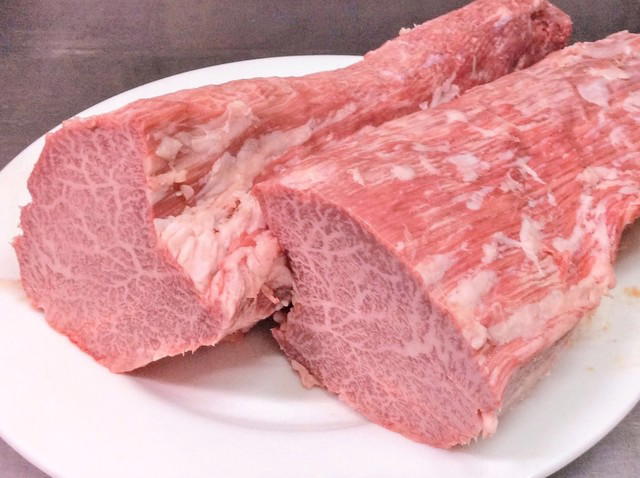
Yakiniku is a cuisine of procurement as much as cooking. The grill is deliberately simple, so the restaurant’s judgement is exposed in the buying, slicing, portioning, and timing. Here, the listed categories are yakiniku and tripe, a pairing that signals a broader view of beef than tender cuts alone. In Japan, a serious yakiniku table often treats offal as part of the measure of the house: it demands freshness, careful cleaning, and confidence from diners who understand texture as much as marbling.
The island context sharpens that point. Visitors tend to arrive in Ishigaki primed for seafood, Yaeyama soba, tropical fruit, and beef, but the stronger meals usually avoid treating those ingredients as souvenirs. A grill house can be more revealing than a steakhouse because it breaks beef into decisions: leaner cuts, richer cuts, organ meats, and the pace of ordering. That makes the meal feel less like a single plate of island beef and more like a sequence of choices around texture, richness, and appetite.
The price range also frames expectations. At JPY 6,000–7,999 for dinner, this sits above the island’s most casual options without turning the evening into a formal tasting format. Among named local comparisons, Corners Grill, Steak Restaurant Papoiya, and Hitoshi Honten occupy different roles in the Ishigaki dining conversation. That leaves Sumibi Yakiniku Yamamoto in a middle-premium band: not cheap, not ceremonial, and better judged by ingredient access than by formality.
The room favours groups, families, and quick decisions
Format is more functional than theatrical. The appeal is the table itself: diners order, grill, adjust the pace, and decide whether to lean into richer cuts, tripe, or a broader spread. That configuration matters in Ishigaki, where many visitors dine in pairs after day trips, while local meals often run through families and friend groups. The best approach is to make decisions quickly, because yakiniku rewards momentum as much as contemplation.
The room should be read as a planned dinner rather than a casual snack stop. The listed spend is meaningful for Ishigaki, but the format remains more flexible than a tasting-menu restaurant or a counter with rigid pacing. Drinks, side dishes, and repeat orders can change the shape of the evening, so the smartest way to use the restaurant is to decide in advance whether the goal is a focused beef meal or a broader, more social grill session.
Recognition adds discipline to the reading. The restaurant is selected for Tabelog’s Yakiniku WEST 2025 list. Tabelog scores should never be read as universal truth, but a 3.63 score and a 2025 list selection indicate clear local and traveller attention. In a tourism-heavy island market, that kind of recognition carries weight.
Where it fits in an Ishigaki eating plan
Ishigaki rewards a sequence rather than a single headline meal. Beef, tuna, soba, sweets, island cafés, and casual stops all play different roles. For a broader map, Our full Ishigaki restaurants guide is the stronger starting point, with nearby dining references such as Hitoshi Honten and other Ishigaki dining rooms showing how varied the island’s dining circuit can be.
The decision is simple: choose this meal when beef is the point and yakiniku is preferable to a plated steak format. Choose elsewhere when the night calls for tuna, noodles, or a lower spend. Its Ishigaki setting suits the style: this is island beef without the resort narrative, and that is its advantage.
Travellers building a fuller itinerary can pair the restaurant plan with Our full Ishigaki hotels guide, Our full Ishigaki bars guide, Our full Ishigaki wineries guide, and Our full Ishigaki experiences guide. For broader Japan and overseas dining context, EP Club also tracks many other dining formats, but Sumibi Yakiniku Yamamoto is best understood first within Ishigaki’s own grill-and-beef conversation.
Frequently asked questions
Is Sumibi Yakiniku Yamamoto okay with children?
It can work for family dining, but the most useful way to think about the restaurant is as a planned yakiniku meal in Ishigaki rather than a quick low-cost stop.
How would you describe the vibe at Sumibi Yakiniku Yamamoto?
It is a yakiniku restaurant in Ishigaki, so the mood is practical and grill-focused rather than formal. The setup suits diners who want beef, tripe, and a table-driven meal.
How much does it cost to eat at Sumibi Yakiniku Yamamoto?
Pricing at Sumibi Yakiniku Yamamoto is listed as JPY 6,000 - JPY 7,999.
What part of town is Sumibi Yakiniku Yamamoto in?
Ishigaki.
Is Sumibi Yakiniku Yamamoto reservation-only?
Reservations may be useful because the restaurant is a recognized Ishigaki yakiniku address, but the key confirmed details here are its Tabelog Yakiniku WEST 2025 selection, 3.63 score, and listed dinner budget.
What's Sumibi Yakiniku Yamamoto best at?
The restaurant is selected for Tabelog Yakiniku WEST "Tabelog 100" 2025, which is the clearest signal here. Its focus is yakiniku and tripe in Ishigaki, with a price range of JPY 6,000–7,999.
Comparable Spots, Quickly
Comparable venues by cuisine and price in the same metro.
| Venue | Cuisine | Price | Awards | Notes |
|---|---|---|---|---|
| Sumibi Yakiniku YamamotoThis venue (the venue you are viewing) | Charcoal-grilled Ishigaki beef yakiniku | $50–100 | Tabelog 100 #75 | Not listed |
| Akaishi Shokudou | Okinawan Yaeyama Soba | $10–20 | Not listed | Ibaruma |
| Nakayoshi Shokudo (なかよし食堂) | Okinawan Cuisine | Not listed | Not listed | Shin-eicho |
| Hau Tree Gelato | Ishigaki Island Fruit Gelato | $1–10 | Tabelog 100 #11 | Okawa |
| Corners Grill | Ishigaki beef steak & burger grill | $20–30 | Tabelog 100 #52 | Okawa |
| Shunya Ban Chan | Island Japanese set meals & breakfast | $20–30 | Tabelog 100 #67 | Shiraho |
Recognition history
Dated appearances from independent guides and award organizations, with the underlying list record or original source where available.
Tabelog 100 #75 · No. 75
Tabelog · Tabelog 100 - Yakiniku - WEST - 2025
Continue exploring
More in Ishigaki
Restaurants in Ishigaki
All restaurants in Ishigaki →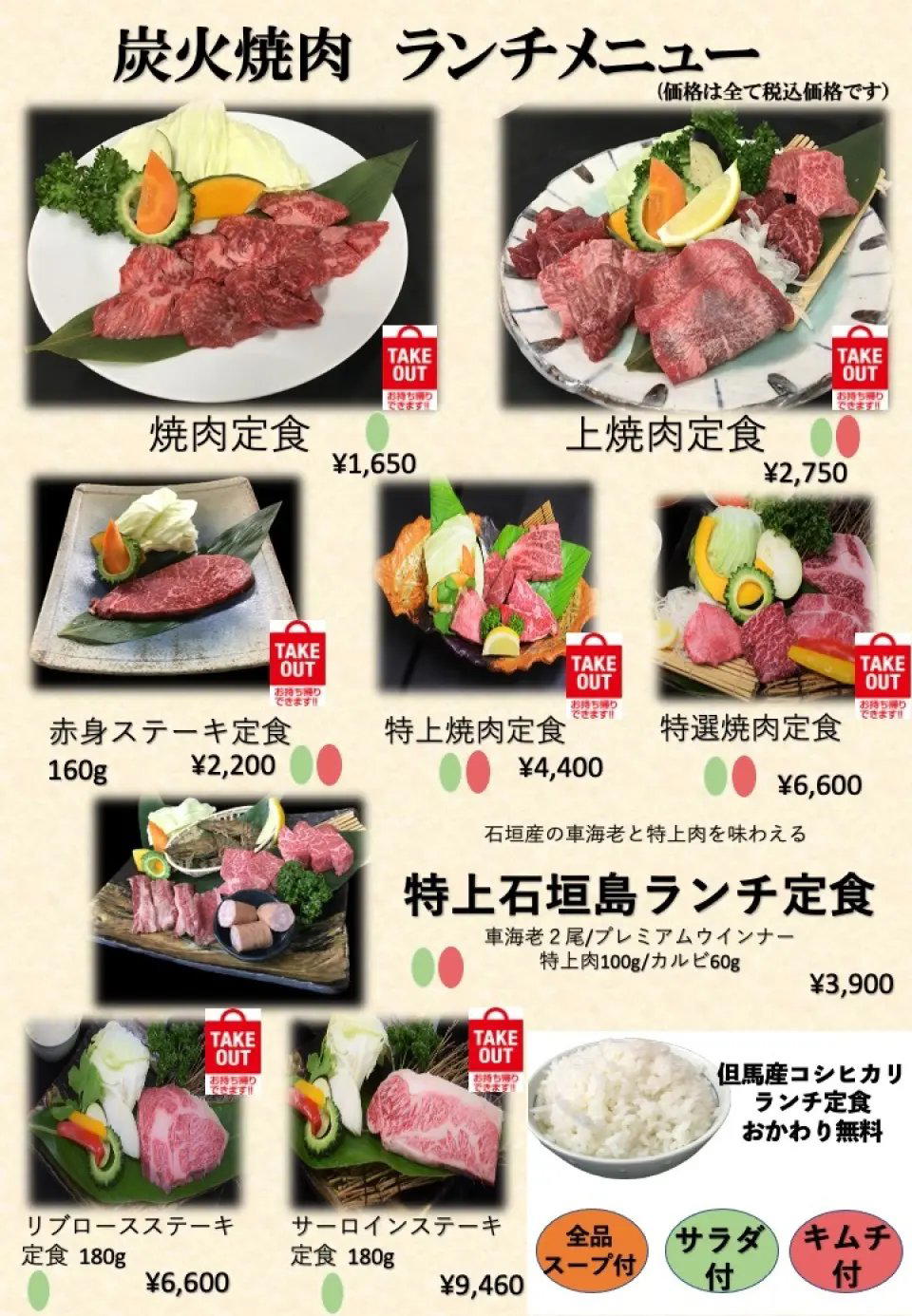
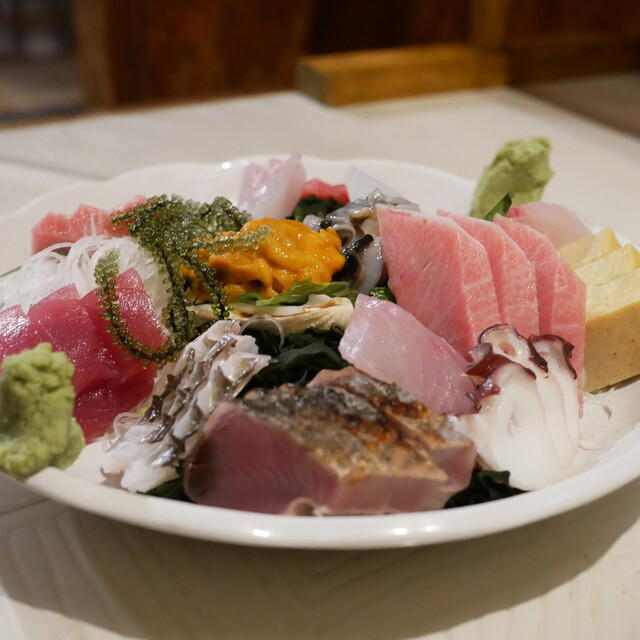
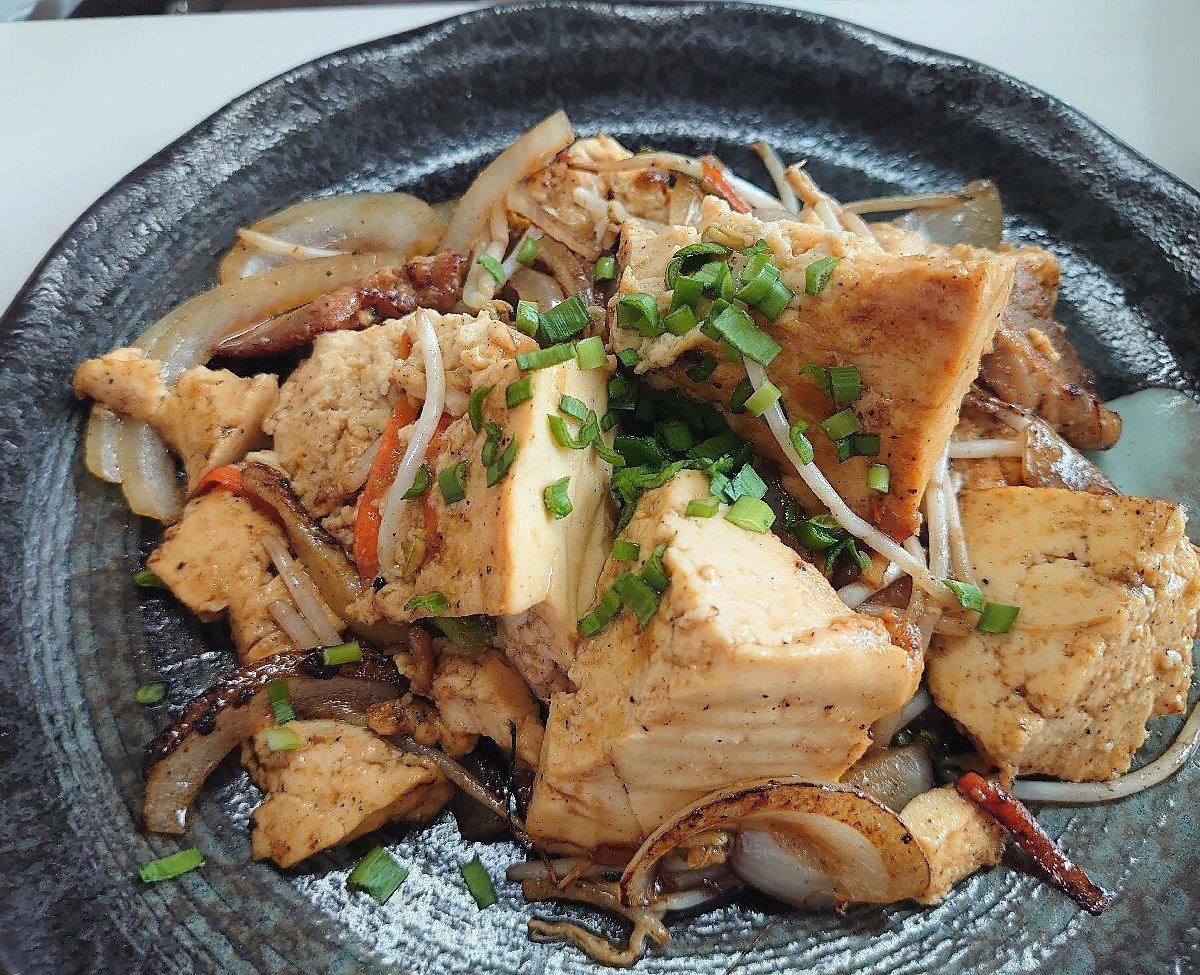
Bars in Ishigaki
All bars in Ishigaki →
Details
- Lively
- Cozy
- Classic
- Well Known
- Energetic
- Group Dining
- Family
- Casual Hangout
- Celebration
- Date Night
- Private Dining
- Standalone
- Local Sourcing
- A La Carte
- Family Style
- Counter Dining
- Shochu
- Wine
Bustling, down-to-earth yakiniku house inside a standalone residence, with counter seats and tatami raised seating creating a warm, cozy atmosphere that feels energetic and casual rather than formal.