
Black Pearl 1 Diamond
Our verdict
Shenzhen’s high-end Chinese dining scene increasingly rewards restaurants that can make sourcing feel disciplined rather than decorative. Shan Hai Zuo · Chinese Cuisine sits in that conversation with a Black Pearl Restaurant Guide 2026 one-diamond distinction, a useful signal for diners tracking Chinese restaurants through a local critical lens rather than imported fine-dining categories.

Pearl is the En Primeur Club membership app, where members save venues, book tables and use the concierge.
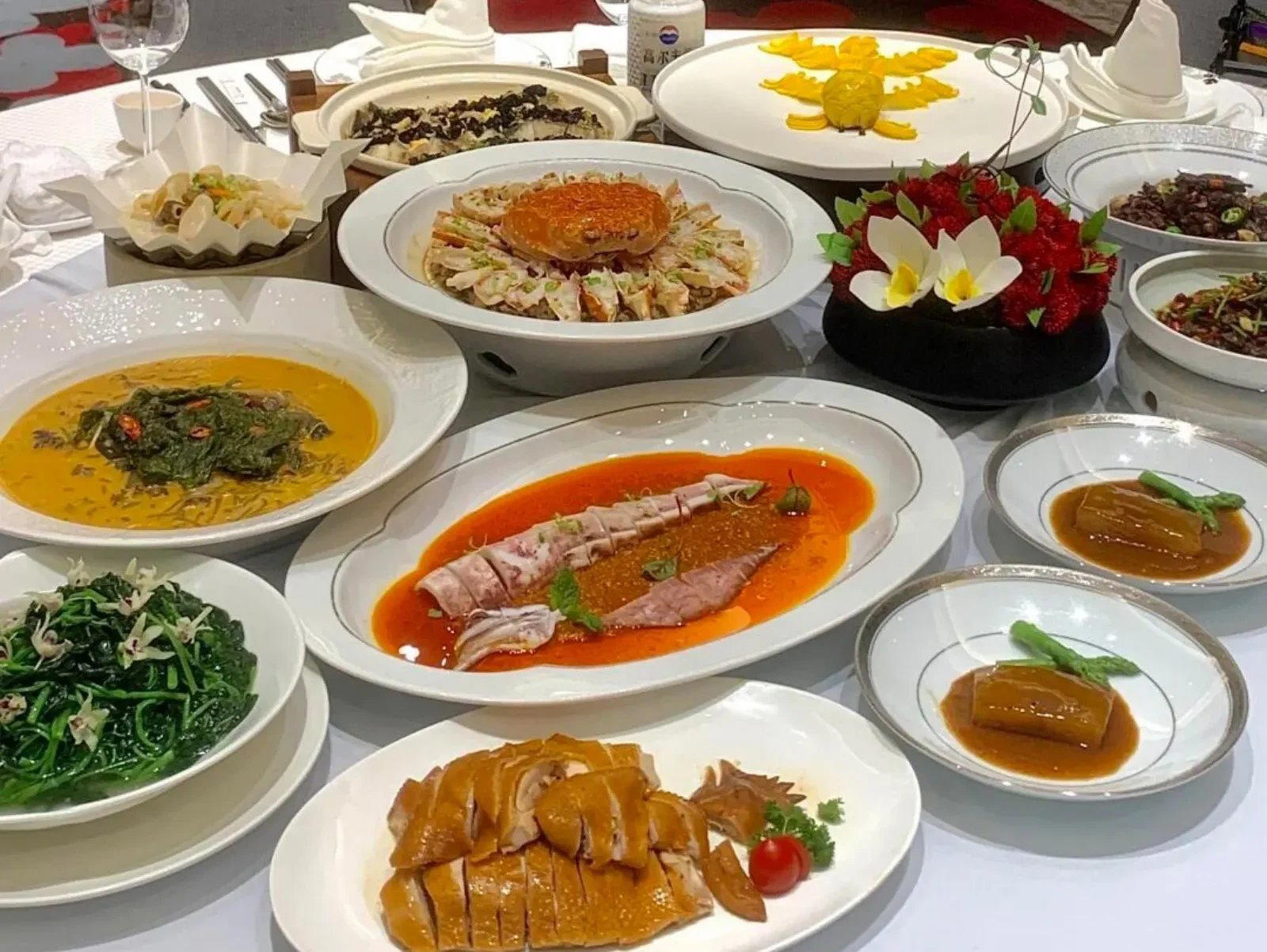
The menu
What to order
- Handcrafted dim sum
Approach the restaurant as a recognised Chinese dining address in Shenzhen rather than as a casual city stop. In Shenzhen, that matters. The city’s luxury dining identity is still young compared with longer-established Chinese dining capitals, so restaurants earning national recognition have to do more than look expensive. They need enough clarity, consistency, and sense of occasion to hold attention in a fast-moving commercial city.
Shan Hai Zuo · Chinese Cuisine enters that field with Black Pearl 2026 one-diamond recognition. Black Pearl is especially relevant here because it evaluates Chinese restaurants in a framework built around the expectations of Chinese dining. For diners used to other guide shorthand, the distinction is different but useful: it points toward a restaurant operating above casual city dining, with enough consistency to register in a national Chinese guide.
Ingredient discipline is the useful way to read the table
The name gestures toward mountain and sea, and that framing suits the way contemporary Chinese dining is often judged at the higher end: not by novelty alone, but by how carefully a restaurant presents its point of view. In a major Chinese dining city, the serious end of the category is often read through product, balance, pacing, and restraint rather than constant embellishment. A recognised Chinese restaurant does not need to announce luxury through spectacle; it can show ambition through confidence and control.
That angle is particularly relevant in Shenzhen. The city serves a clientele fluent in both business-dining formality and newer guide-aware habits. The result is a restaurant scene where Chinese cuisine has to speak several dialects at once: familiar enough for multigenerational tables, polished enough for hosting, and precise enough for diners who now compare Chinese restaurants across the country.
Within that context, Black Pearl recognition functions as more than a badge. It suggests that the restaurant is being read inside China’s own luxury dining conversation, where consistency and a clearly handled dining experience carry as much weight as room design. Diners planning broader meals in the city can place it alongside the wider Shenzhen restaurant circuit through Our full Shenzhen restaurants guide, while nearby luxury planning may also involve Our full Shenzhen hotels guide, Our full Shenzhen bars guide, Our full Shenzhen wineries guide, and Our full Shenzhen experiences guide.
Shenzhen's Chinese dining scene is no longer only Cantonese shorthand
Shenzhen diners have long been influenced by nearby established dining cultures and by the status codes of Chinese hospitality. That grammar remains influential, but the city’s restaurant map is broader now. Contemporary rooms trade in regional reference points, private-dining polish, and guide-facing consistency, with awards helping visitors sort signal from surface.
For a useful sense of the city’s range, Shenzhen’s dining guide now runs from concise formats to modern restaurant rooms, while Chinese dining also spans more traditional and regional registers. Those references are not interchangeable with Shan Hai Zuo · Chinese Cuisine; they show how quickly the city has moved beyond a single definition of an expensive Chinese meal.
The wider national context matters as well. Chinese luxury dining is increasingly judged across cities, not only within them. A diner who tracks regional restaurants across China will recognise the pattern: identity, credibility, and service discipline now define the serious end of the category. Even beyond formal dining rooms, focused dining formats show how product and format can build authority without relying on scale alone.
Who should book it, and what to expect
This is a restaurant for diners who want Chinese cuisine treated as a high-information category. The draw is not an unsupported celebrity-chef narrative or a list of theatrical signatures; the stronger reason to go is the Black Pearl 2026 one-diamond recognition, which identifies Shan Hai Zuo · Chinese Cuisine as part of a recognised tier. In Shenzhen, that makes it better suited to a planned Chinese dining occasion than to an improvised casual stop.
The practical read is simple: plan as for a recognised restaurant in a major Chinese business city. Awarded dining rooms can be more in demand around peak dinner hours, weekends, and holiday periods, so advance planning is the safer approach. For visitors building a Shenzhen itinerary, this works as the Chinese-dining anchor rather than a quick add-on between appointments. The editorial value lies in how it reflects the city’s current direction: Shenzhen is no longer merely importing prestige from older dining capitals; it is developing its own guide-recognised Chinese restaurants, with consistency as the measure that matters.
Frequently asked questions
Is Shan Hai Zuo · Chinese Cuisine child-friendly?
Those details are not published. Check the venue's official channels for the latest details.
What's the vibe at Shan Hai Zuo · Chinese Cuisine?
The mood reads as a recognised Chinese dining room rather than a broad-appeal casual format, anchored by its Black Pearl 2026 one-diamond recognition.
Is Shan Hai Zuo · Chinese Cuisine Michelin-listed?
Michelin status is not provided here. The published recognition provided for Shan Hai Zuo · Chinese Cuisine is Black Pearl 2026 one-diamond.
Is Shan Hai Zuo · Chinese Cuisine reservation-only?
Those details are not published. A Black Pearl 2026 one-diamond restaurant in Shenzhen is the sort of room that rewards advance planning. Check the venue's official channels for the latest details.
What's the standout thing about Shan Hai Zuo · Chinese Cuisine?
Its clearest credential is the Black Pearl 2026 one-diamond award. That places Shan Hai Zuo · Chinese Cuisine in a recognised tier in Shenzhen without relying on hype.
Is Shan Hai Zuo · Chinese Cuisine good for vegetarians?
Those details are not published. Calling ahead about vegetable-led dishes is the sensible move. Check the venue's official channels for the latest details.
Comparable Venues Nearby
Comparable venues nearby, for context on price, style, and recognition.
| Venue | Cuisine | Price | Awards | Notes |
|---|---|---|---|---|
| Shan Hai Zuo · Chinese CuisineThis venue (the venue you are viewing) | Classic Cantonese Dim Sum | Not listed | Black Pearl 1 Diamond | Not listed |
| Yi Pavilion | Regional Cantonese with Lingnan influences | Not listed | Star Wine List | Futian District |
| Gem Garden | Modern Chaoshan Cuisine | Not listed | SCMP 100 Top Tables Restaurants · Black Pearl 1 Diamond | Futian |
| Yun Jing Chinese Restaurant | Modern Cantonese | $100–150 | Black Pearl 1 Diamond | Nanshan District |
| CHI CHING CHIU CHOI | Teochew Cuisine | $50–100 | Black Pearl 1 Diamond | OCT Loft |
| GreenSide | Modern Cantonese | Not listed | Black Pearl 1 Diamond | Qianhai |
Recognition history
Dated appearances from independent guides and award organizations, with the underlying list record or original source where available.
Black Pearl 1 Diamond
Black Pearl
Continue exploring
More in Shenzhen
Restaurants in Shenzhen
All restaurants in Shenzhen →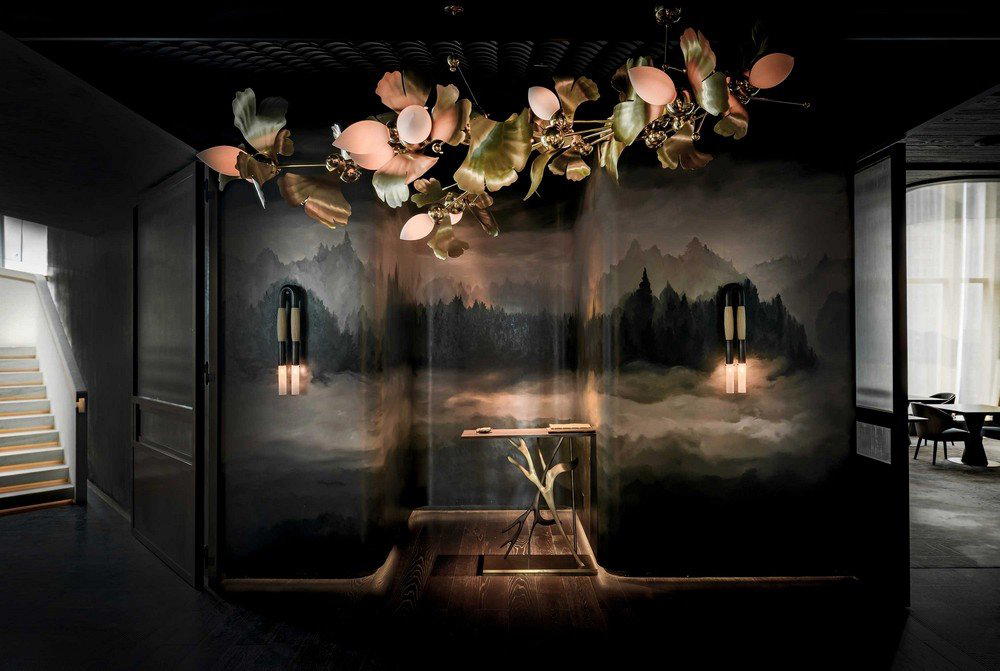
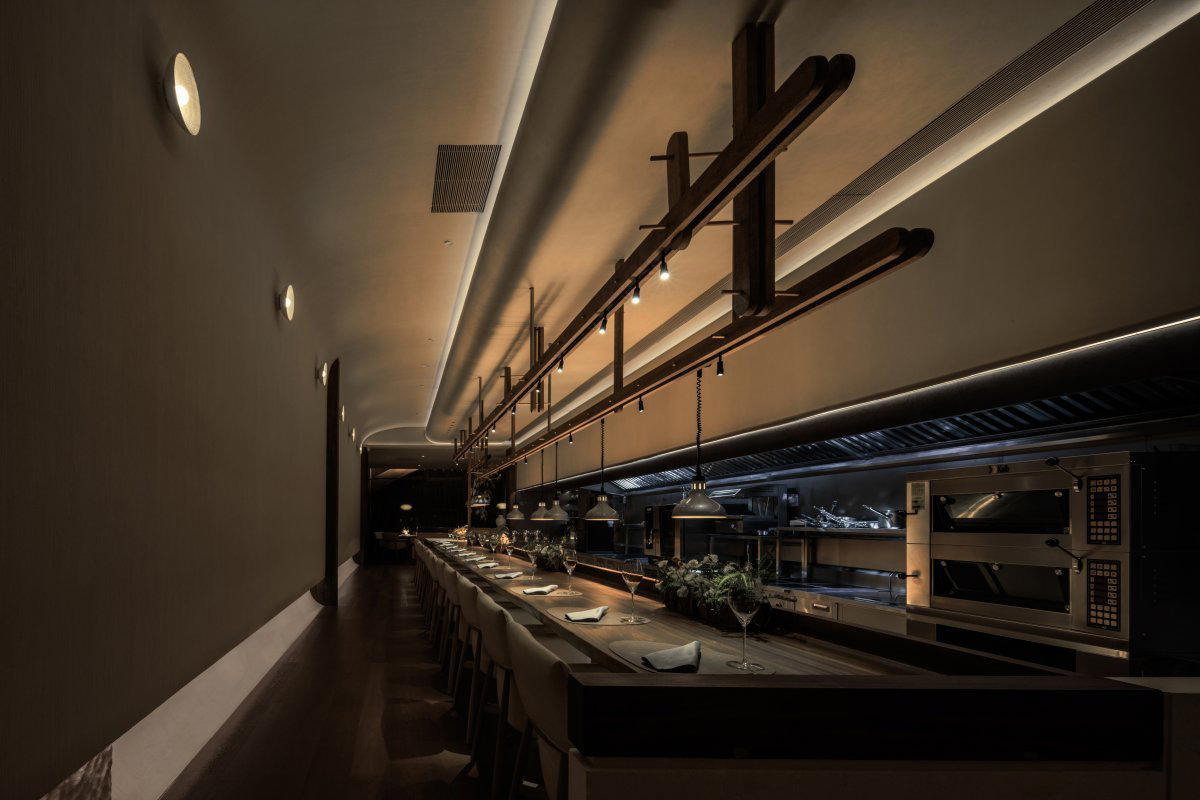
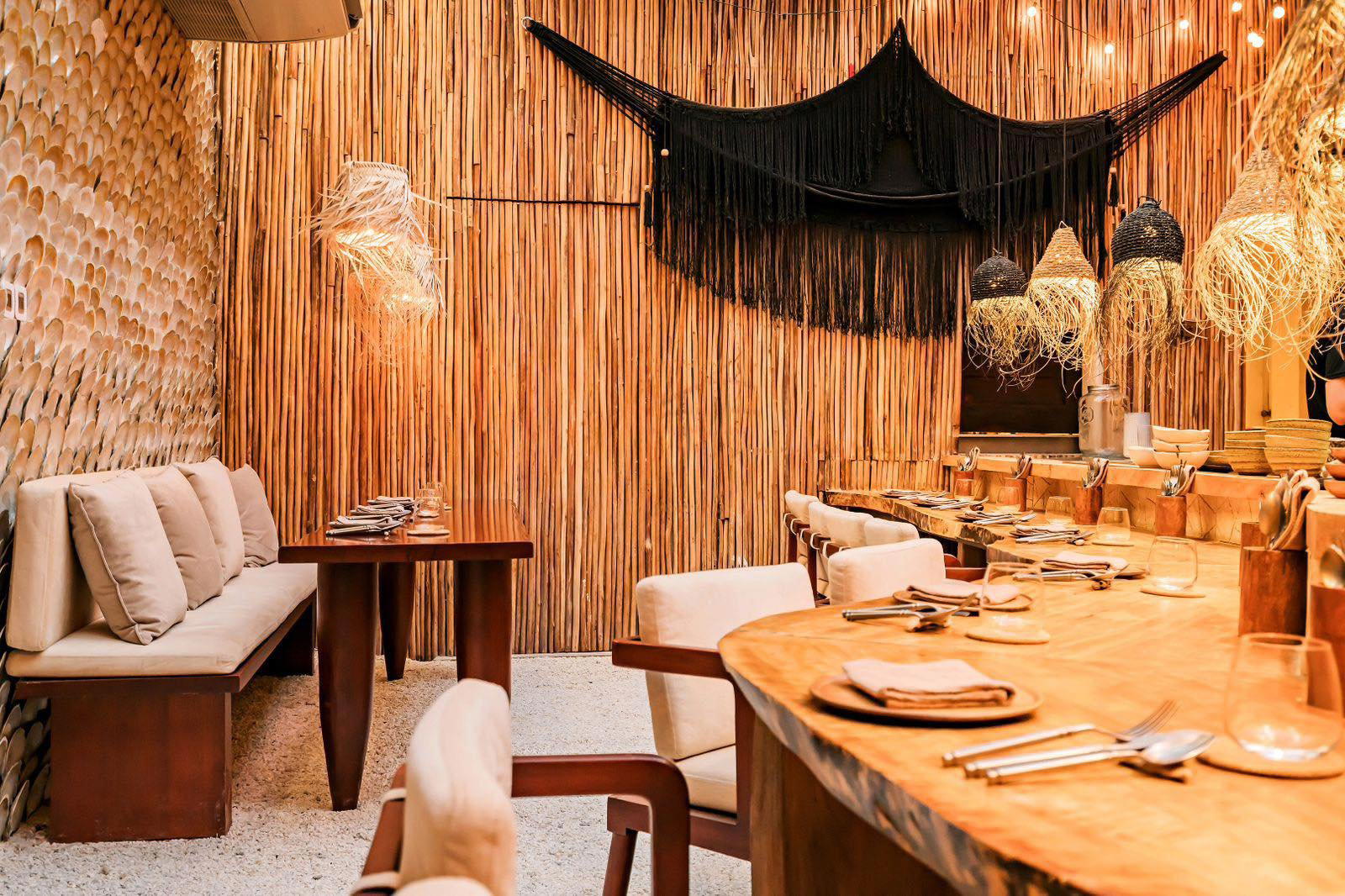
Bars in Shenzhen
All bars in Shenzhen →

Details
- Sophisticated
- Elegant
- Modern
- Business Dinner
- Group Dining
- Celebration
- Special Occasion
- Private Dining
- Standalone
- A La Carte
- Set Menu
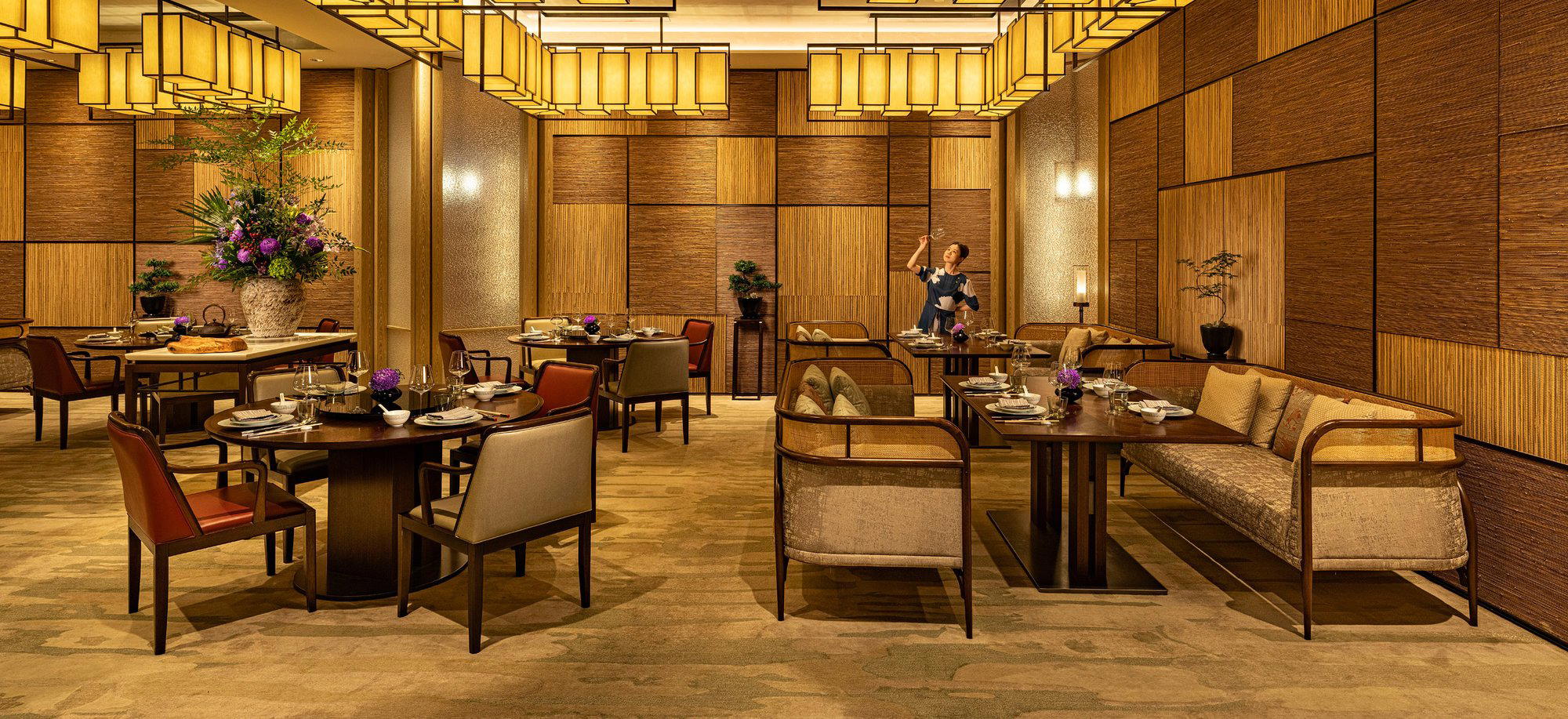
Refined and polished, with a special-events feel suited to upscale Chinese dining and private gatherings.