Schlosshotel Tangermünde
Our verdict
Schlosshotel Tangermünde occupies a historic castle complex in one of the Altmark region's most intact medieval towns, placing guests directly inside a built environment that most German cities long ago demolished or converted. For travellers tracing the Elbe corridor between Magdeburg and Hamburg, it represents a deliberate detour into a slower, architecturally coherent Germany that the country's better-known hotel circuits rarely provide.

Pearl is the En Primeur Club membership app, where members save venues, book tables and use the concierge.
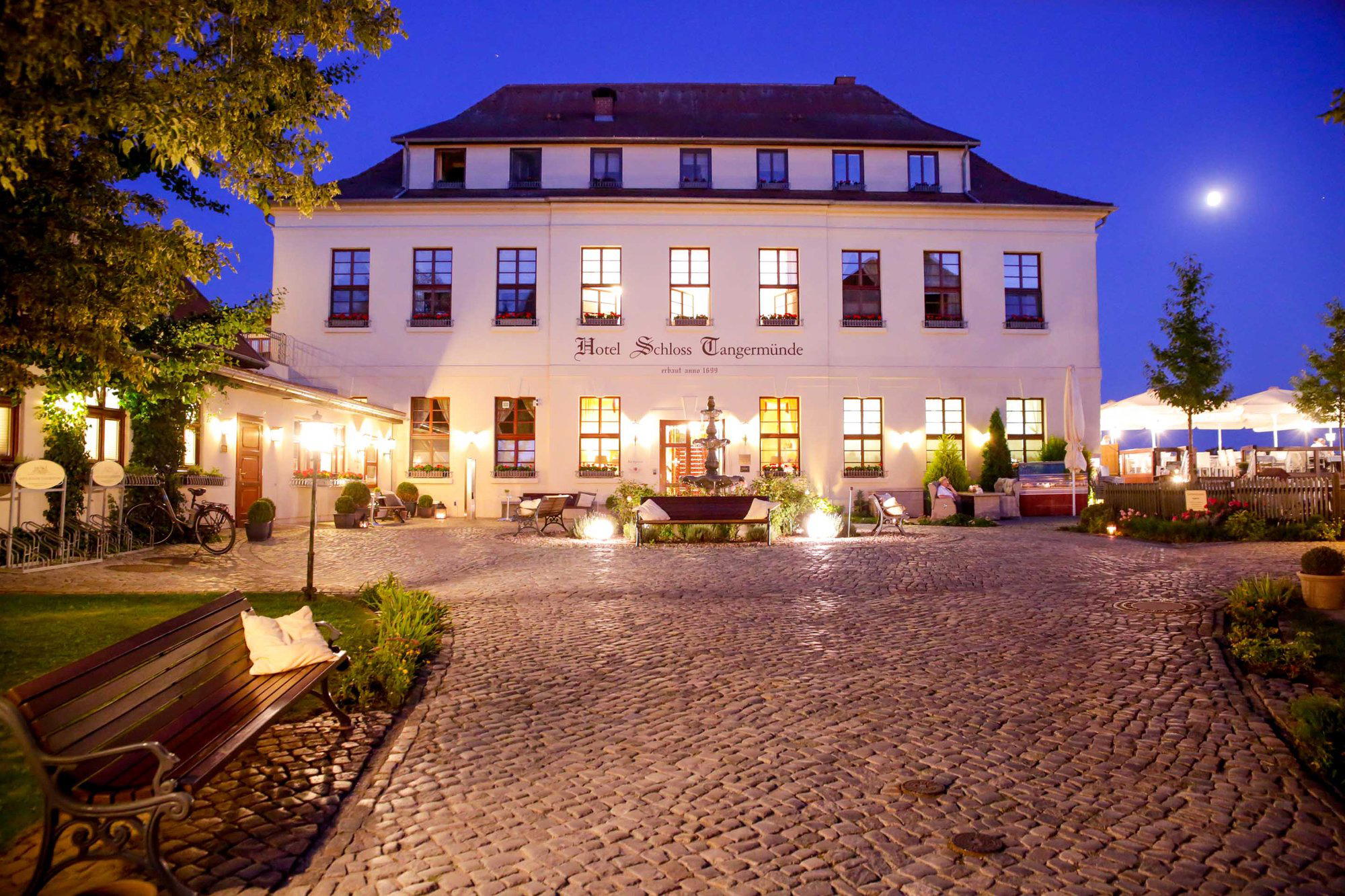
A Castle in the Altmark, Not a Theme
Medieval castle hotels in Germany tend to fall into one of two categories: the fully restored conference property dressed in heraldic wallpaper, or the atmospheric ruin that trades on candlelight and cold corridors. Schlosshotel Tangermünde, occupying the historic fortified complex at Amt 1 in the Altmark town of Tangermünde, exists in a different register. The town itself does much of the contextualising work. Tangermünde is one of the few settlements in Saxony-Anhalt where the medieval street plan, half-timbered facades, and fortified gateways have survived largely intact, meaning the hotel does not have to manufacture a sense of place. It inherits one. Approaching along the old town lanes, the castle's brick towers appear as a continuation of the streetscape rather than a set piece dropped into it.
For travellers on the Elbe cycling route or using the ferry crossing between Tangermünde and the Prignitz bank, the town functions as a logical overnight point between Magdeburg, roughly 45 kilometres to the south, and Wittenberge further north. That geography makes the hotel a practical base as much as a destination. The regional rail connection via Stendal brings the property within reach of visitors arriving from Berlin without a car, though road access from the A14 motorway corridor is direct for drivers.
What the Altmark Produces, and Why It Matters at the Table
The Altmark is an agricultural region with a specific identity that rarely gets discussed in the same breath as Germany's more celebrated food-producing areas. It sits west of the Elbe between the Lüneburger Heide and the Fläming plateau, and its character is defined by low population density, sandy soils suited to rye and root vegetables, and livestock farming traditions that have not been subject to the same intensification pressures as more urbanised German regions. That agricultural identity shapes what a hotel kitchen in this location has access to by default, before any deliberate sourcing decisions are made.
German hotel dining in castle properties has historically defaulted to a generic Central European menu, Brandenburg duck or Elbe fish on the card but sourced from suppliers indistinguishable from those used by a business hotel in any mid-sized German city. The more interesting direction, and one being taken by a cohort of property-restaurant combinations across the German countryside, is to treat regional proximity as the primary curatorial logic. When the Altmark is treated as a sourcing radius rather than a postcode, the table reflects rye bread traditions, freshwater fish from the Elbe system, lamb from heathland flocks, and game from the region's extensive forests.
For comparison, the kitchen programmes at properties like Waldhotel Sonnora in Dreis or ES:SENZ in Grassau demonstrate how German rural hotel dining can operate at serious creative levels when the kitchen is given both sourcing discipline and technical ambition. The broader German fine dining circuit, from Aqua in Wolfsburg to Schwarzwaldstube in Baiersbronn and Vendôme in Bergisch Gladbach, shows that regional anchoring and kitchen rigour are not mutually exclusive with a rural address. Tangermünde's relative obscurity on the German hotel circuit is precisely what creates the opportunity for a property operating here to own a category before the area becomes competitive.
Tangermünde as a Context, Not a Backdrop
The town's historical weight is specific and documented. Tangermünde served as a secondary imperial residence under Emperor Charles IV in the fourteenth century, which is the origin of the castle complex itself. The Altstadt retains its Romanesque church, the Stephanskirche, its medieval town walls with the Neustädter Tor gatehouse, and a density of pre-industrial architecture that gives visitors an unusually legible reading of how a prosperous Hanseatic river town actually functioned. This is not preserved-in-amber museum tourism. People live and work in these buildings, which gives the town a different quality from the fully pedestrianised heritage zones that German tourism has learned to produce efficiently.
For guests staying at the Schlosshotel, that urban fabric is navigable on foot. The Elbe riverbank, a few minutes from the old town centre, provides the kind of flat, wide-horizoned walking that the Altmark landscape is defined by. The region's wider cycling infrastructure connects to the Elbe-Radweg, one of Germany's most used long-distance cycling routes, making the town a logical stop for cycle-touring travellers who want a hotel-grade overnight rather than a pension or campsite.
Placing the Hotel in the German Castle Property Set
Germany has a substantial inventory of castle and manor-house hotels operating across a wide range of quality and price tiers. At the top of that set, properties with spa infrastructure, Michelin-adjacent kitchens, and international hotel group affiliations compete for the same guest as urban luxury hotels. Schlosshotel Tangermünde, based on its location and the structure of the Altmark market, sits in a more specialist tier: travellers who are specifically seeking a historic property in a non-touristed region, rather than those choosing between a castle hotel and a city luxury option.
For readers whose reference point for German hotel dining is the multi-starred restaurant circuit, venues like JAN in Munich, CODA Dessert Dining in Berlin, Restaurant Haerlin in Hamburg, or Schanz in Piesport set a benchmark that a regional Altmark castle hotel is not competing against directly. The relevant comparison is the quality of the built environment, the coherence of the surrounding town, and the availability of the regional supply base, all of which position Tangermünde favourably against better-known Schloss hotel locations in more touristed German regions. See our full Tangermunde restaurants guide for a wider picture of what the town offers beyond the hotel itself.
Practical Considerations for Planning a Stay
Tangermünde is accessible by regional rail via Stendal, which sits on the Berlin-Hanover main line, making the town reachable without a car from both cities. The Altmark region follows an agricultural seasonal rhythm, with late summer and early autumn bringing the most favourable conditions for both cycling and regional produce. Winter stays in a brick castle environment carry a specific atmospheric quality, though visitors should verify heating infrastructure and seasonal opening before booking.
Frequently asked questions
Is Schlosshotel Tangermünde okay with children?
The hotel occupies a genuine medieval castle at Amt 1 in Tangermünde, which tends to appeal to children with an interest in history and architecture. The town itself is compact and walkable, with the Elbe riverfront adding outdoor space.
How would you describe the vibe at Schlosshotel Tangermünde?
The setting does most of the work: Tangermünde served as a secondary imperial residence under Emperor Charles IV in the fourteenth century, and the castle sits within that documented historical fabric rather than beside it. The atmosphere is more scholarly than theatrical, a property for guests who want the genuine article, not a costumed approximation of one. It reads closer to a Relais & Châteaux-style manor sensibility than a conference-resort castle.
What makes Schlosshotel Tangermünde different from other castle hotels in Germany?
Germany carries a substantial inventory of castle and manor-house hotels, but Tangermünde's specific imperial pedigree, the town functioned as a seat of Charles IV's court in the fourteenth century, gives Schlosshotel Tangermünde a documented historical context that many comparable properties cannot claim. Its location in the Altmark, a region largely bypassed by mainstream German tourism, also means the surrounding town and landscape remain comparatively uncommercialized. The address at Amt 1 places the hotel at the civic heart of Tangermünde, not on its periphery.
What do people recommend at Schlosshotel Tangermünde?
Given the Altmark's identity as an agricultural region with specific local produce, the dining offer is worth attention for guests interested in regional German food traditions, the Altmark is noted for its distinct meat and grain products rarely discussed outside specialist circles. The castle's position in Tangermünde also makes it a base for exploring the town's preserved medieval streetscape and the Elbe waterfront. Specific dish recommendations should be sought from current guests or the hotel directly.
Where exactly is Schlosshotel Tangermünde?
Schlosshotel Tangermünde is located at Amt 1, 39590 Tangermünde, Germany, Tangermunde.
Should I book Schlosshotel Tangermünde in advance?
Tangermünde is a small town with limited accommodation inventory overall, which means Schlosshotel Tangermünde, as the most historically significant property in the area, is likely to fill during peak summer and autumn weekends. The hotel is accessible via regional rail from Stendal, which sits on the Berlin-Hanover main line, making it a viable destination for travellers from both cities. Booking several weeks ahead for weekend stays in the warmer months is advisable.
How It Stacks Up
| Venue | Cuisine | Price | Awards | Notes |
|---|---|---|---|---|
| Schlosshotel TangermündeThis venue (the venue you are viewing) | Seasonal German Castle Cuisine | Not listed | Not listed | Not listed |
| Aqua | Contemporary German, Italian/Japanese, Creative | Not listed | Michelin 3 Star | Not listed |
| Schwarzwaldstube | Modern French Fine Dining | $150–200 | 3 Michelin Stars · World's 50 Best #47 | French, Classic French |
| CODA Dessert Dining | Dessert-Inspired Fine Dining | $200–300 | 2 Michelin Stars · World's 50 Best #79 | Creative |
| Vendôme | Modern German Haute Cuisine | $200–300 | 2 Michelin Stars · World's 50 Best #47 | Modern European, Creative |
| Tantris | Modern French Fine Dining | $300–500 | 2 Michelin Stars · World's 50 Best #73 | Modern French, French Contemporary |
Continue exploring
More in Tangermunde
Restaurants in Tangermunde
All restaurants in Tangermunde →
Hotels in Tangermunde
Browse all →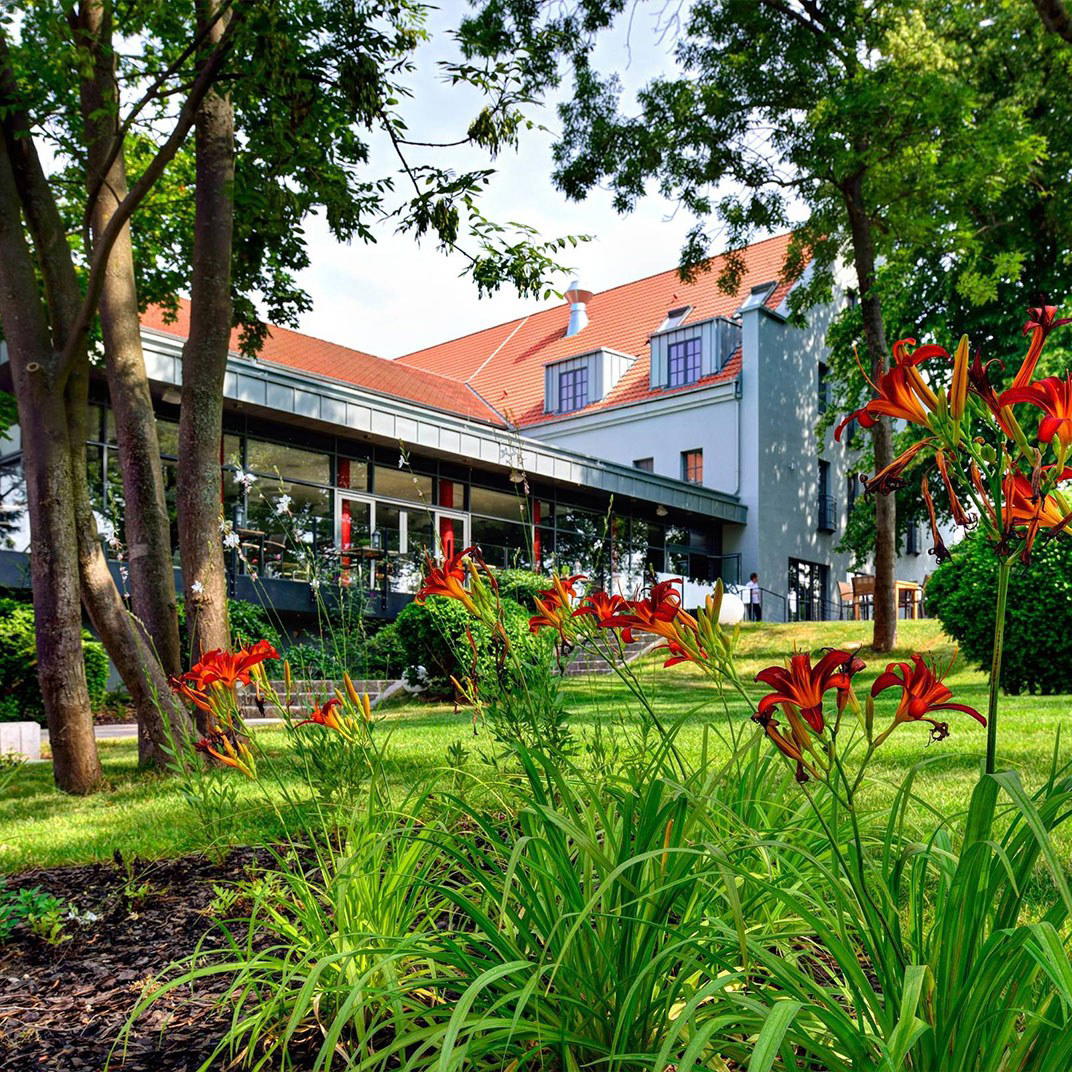
Details
- Elegant
- Classic
- Scenic
- Cozy
- Special Occasion
- Date Night
- Historic Building
- Hotel Restaurant
- Terrace
- Extensive Wine List
- Local Sourcing
- Waterfront
- A La Carte
- Vegetarian Friendly
- Gluten Free Options
Stately and pleasant atmosphere in a historic castle setting with views over the Elbe and floodplains.