Our verdict
Savana brings Bamako's dining culture into focus at a moment when West African cuisine is drawing serious international attention. Situated in Mali's capital, the restaurant operates within a city whose food traditions run deep — rooted in Sahelian pantry staples, French colonial influence, and the rhythms of river trade.

Pearl is the En Primeur Club membership app — saves, bookings, and concierge access live there. Same editors, same standards.
The menu
What to order
- Brochettes de capitaine
- Pizza sicilienne
- Pizza fermière
Bamako at the Table: What Eating in Mali's Capital Actually Means
West African dining rarely gets the contextual framing it deserves in international food writing. The tendency has been to flatten it — to treat the entire region as a single culinary note when in fact the differences between coastal Senegalese cooking, Ghanaian market food, and the landlocked Sahelian traditions of Mali are as pronounced as those between, say, Basque cuisine at Arzak in San Sebastián and the butter-and-cream register of classical French kitchens. Bamako sits inside that more complex picture. The city's food culture is shaped by the Niger River, by trans-Saharan trade routes, by French colonial administrative presence, and by a Mande culinary tradition that has its own internal grammar — specific fermented condiments, specific grain hierarchies, specific ways of building a sauce that have nothing to do with the continent-wide generalizations typically applied to African cooking.
It is inside that context that Savana operates. The venue is located in Bamako, Mali's sprawling riverside capital, a city of several million that has historically received less food-travel coverage than its Francophone West African peers in Dakar or Abidjan. That relative obscurity in international editorial coverage does not reflect the city's dining depth, it reflects the coverage gap. Restaurants in Bamako have been doing serious work without the benefit of Michelin inspectors, the 50 Best list, or the kind of anglophone food media attention that tends to drive global awareness. Savana is one address within that underreported scene.
The Culinary Grammar of the Sahelian Kitchen
To understand what any serious Bamako restaurant draws from, it helps to understand what the Malian pantry actually contains. Fonio, one of the world's oldest cultivated grains, grows across the Sahel and appears in everything from porridges to side dishes, it is gluten-free, fast-cooking, and nutritionally dense, and it has been attracting attention from chefs working in ingredient-led formats, including some operating at the level of Atelier Crenn in San Francisco and Lazy Bear, where sourcing specificity and lesser-known grains have become genuine editorial subjects. Malian cooking also leans heavily on groundnut-based sauces, dried fish, shea butter, tamarind, and leafy greens cooked down in ways that concentrate rather than dilute flavor. The French colonial period introduced baguette culture and certain preparation habits, but the underlying Mande culinary tradition was never displaced, it absorbed and continued.
This is a kitchen built around fermentation and patience. Soumbala, a fermented locust bean condiment sometimes compared loosely to miso in its umami depth, functions as a foundational flavoring in Malian cooking in much the way that dashi functions in Japanese cuisine or a good fond functions in French kitchens. It is the kind of ingredient that serious cooks at places like Arpège in Paris or Aponiente in El Puerto de Santa María would recognize immediately as a building block, something that does structural work in a dish rather than decorative work.
Where Savana Sits in Bamako's Restaurant Picture
Bamako's restaurant scene divides roughly along familiar lines: hotel dining aimed at expatriate and business travelers, family-run spots serving traditional Malian food at neighborhood scale, and a smaller tier of more formal independent restaurants serving a mix of local and visiting clientele. Savana belongs to that city's dining landscape as one named reference point within a scene that has few internationally documented entries. For context on peer restaurants in the city, Resto Bafing represents another Bamako address that has attracted attention, and our full Bamako restaurants guide maps the broader picture for travelers planning time in the city.
This is not unusual for serious restaurants in cities that sit outside the standard food-media circuit. Some of the most technically accomplished cooking in the world happens in places that have never been reviewed in a named anglophone publication. The absence of a Michelin star or a 50 Best entry does not indicate anything about quality; it indicates geography and the coverage infrastructure that tends to follow major tourism and business travel corridors. Venues like 8½ Otto e Mezzo Bombana in Hong Kong or Amber in Hong Kong operate in cities where that infrastructure is dense. Bamako does not yet have that layer, which means the work of finding and vetting individual restaurants requires on-the-ground sourcing that international editorial platforms are still building.
Planning a Visit: What to Know Before You Go
Travelers approaching Bamako for the first time should frame their dining expectations around a city that functions primarily for its residents, not for international food tourists. This is not a drawback, it means the restaurants that operate successfully here do so on the basis of local relevance and repeat clientele rather than on the basis of guidebook positioning.
In terms of timing, Bamako's climate divides between a dry season running roughly from November through May and a wet season from June through October. The dry season months tend to see higher volumes of business travel and NGO activity in the city, which can affect restaurant availability at the more established addresses. Visiting during shoulder periods, early November or late April, typically means easier access and a more local-skewing dining room. Practical travel infrastructure in Bamako centers on the Modibo Keïta International Airport, and the city's main commercial and dining districts are concentrated on the south bank of the Niger.
For travelers who use fine dining internationally as a reference framework, it is worth noting that the price register and format conventions at a Bamako restaurant like Savana will differ substantially from what you encounter at, say, Le Bernardin in New York City, Alain Ducasse at Louis XV in Monte Carlo, or Alinea in Chicago. The value proposition in Bamako is different, and so is the definition of formality. Approach with calibrated expectations and an interest in what the local culinary tradition actually offers, rather than measuring against the benchmarks set by Alléno Paris au Pavillon Ledoyen or Atomix in New York.
Frequently asked questions
Where is Savana in Bamako?
Savana is located at Bamako, Bamako.
Does Savana represent a good introduction to Malian cuisine for first-time visitors to Bamako?
For travelers arriving in Bamako without prior exposure to Sahelian cooking, a restaurant with local standing is a more grounded entry point than hotel dining, which tends to soften regional flavors for an international audience. Savana is located in Bamako, Mali's capital, where the strongest versions of the country's culinary grammar — millet, fonio, dried fish, leafy sauces — are more likely to appear on local-facing menus than in tourist-oriented venues. The absence of a globally documented awards profile for Savana is consistent with how Bamako's restaurant scene operates: critical infrastructure is thin, and reputation travels by word of mouth.
What's the best thing to order at Savana?
That said, any serious kitchen in this city draws from the Malian pantry — fonio, millet-based dishes, groundnut-forward sauces, and river fish feature heavily across the better local addresses. Visiting with an open approach and asking what's freshest that day is the standard tactic in Bamako dining.
Should I book Savana in advance?
Bamako restaurants at the mid-to-upper tier do fill up, particularly on weekends and during business-travel peaks.
What makes Savana worth seeking out?
Bamako's restaurant picture is divided between hotel dining aimed at expatriates and neighborhood spots serving Malian households — Savana occupies a position that international food writing rarely covers in granular terms. That gap itself is the point: finding a Bamako address with some continuity and local standing takes more groundwork than in cities with established critical infrastructure, and that research effort tends to pay off in authenticity.
Is Savana good for vegetarians?
Malian cooking is not structurally vegetarian, but the regional pantry — fonio, black-eyed peas, okra, baobab leaf sauces, and groundnut preparations — gives kitchens plenty to work with for plant-based plates.
Price Lens
| Venue | Cuisine | Price |
|---|---|---|
| SavanaThis venue — the venue you are viewing | Italian, French & Grill | Not listed |
| Resto Bafing | Authentic Malian & West African | $1–10 |
Continue exploring
More in Bamako
Restaurants in Bamako
All restaurants in Bamako →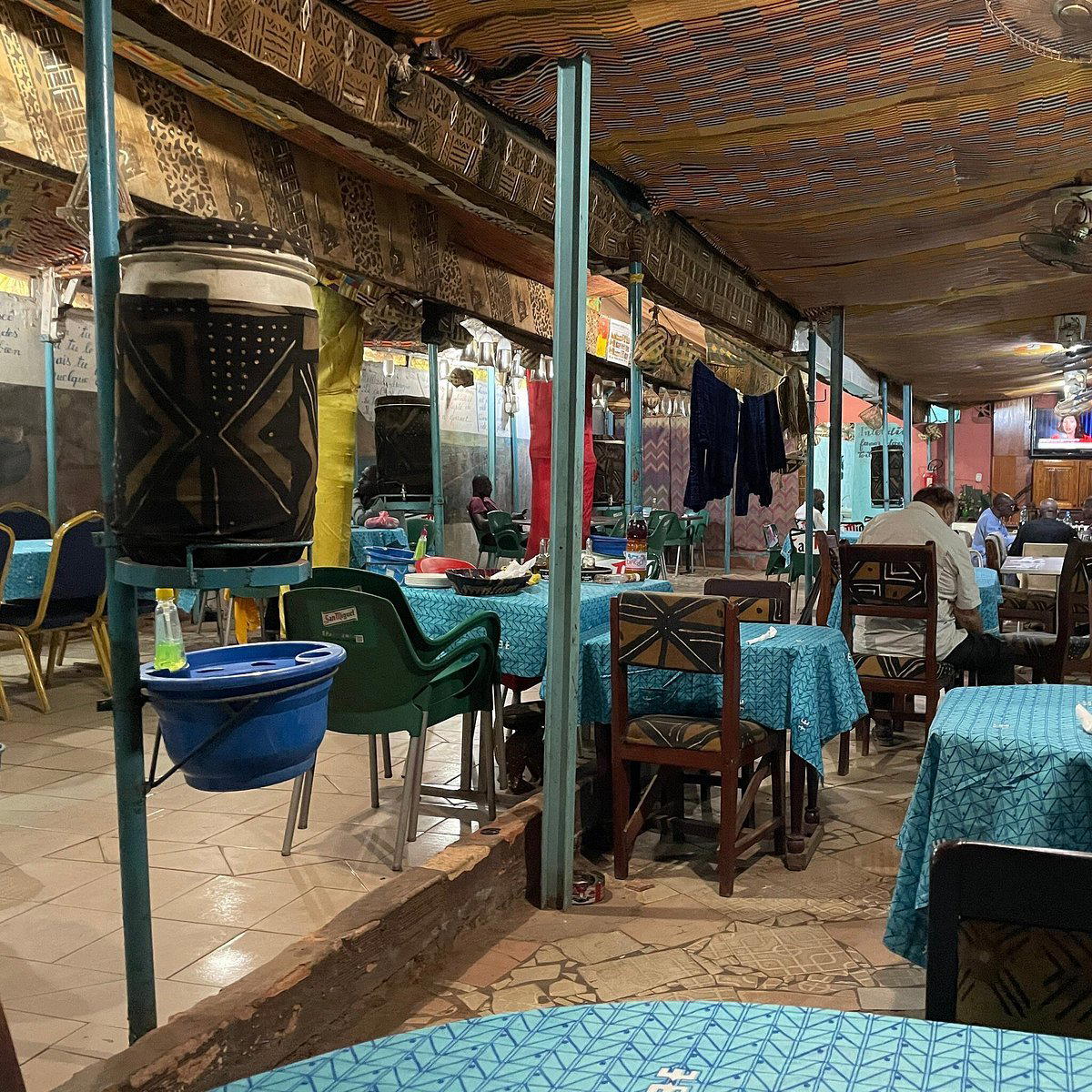
Details
- Cozy
- Lively
- Group Dining
- Casual Hangout
- Live Music
- Open Kitchen
- Terrace
- Craft Cocktails
- A La Carte
- Vegetarian Friendly
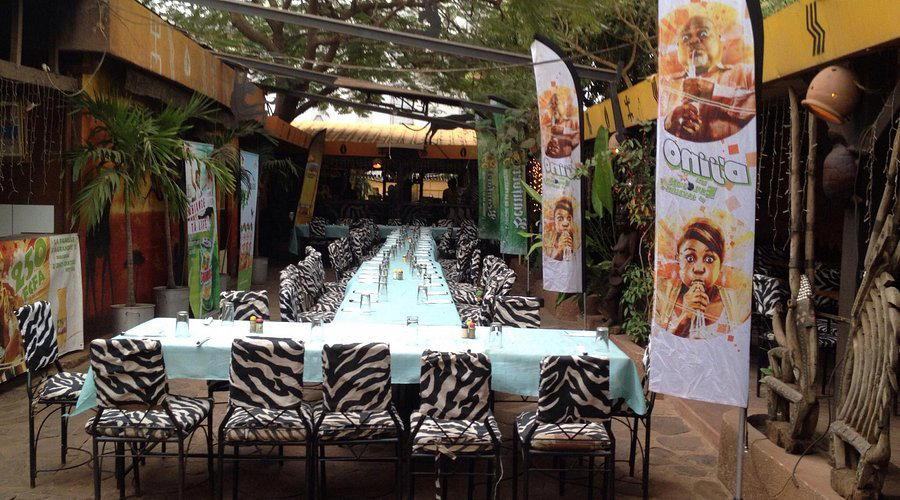
Chilled out open-air ambiance with indirect lighting, green plants, African-style decor, and lively atmosphere enhanced by live music on Thursdays and Saturdays.