Our verdict
On Rue 309 in Bamako, Resto Bafing occupies a space in the city's neighbourhood dining circuit that international guides rarely reach. The address alone places it within a local food culture shaped by the Niger River basin's produce, Malian culinary tradition, and the everyday rhythms of a city that eats seriously without ceremony. For travellers moving beyond the obvious, it represents that tier of Bamako dining worth investigating firsthand.

Pearl is the En Primeur Club membership app — saves, bookings, and concierge access live there. Same editors, same standards.
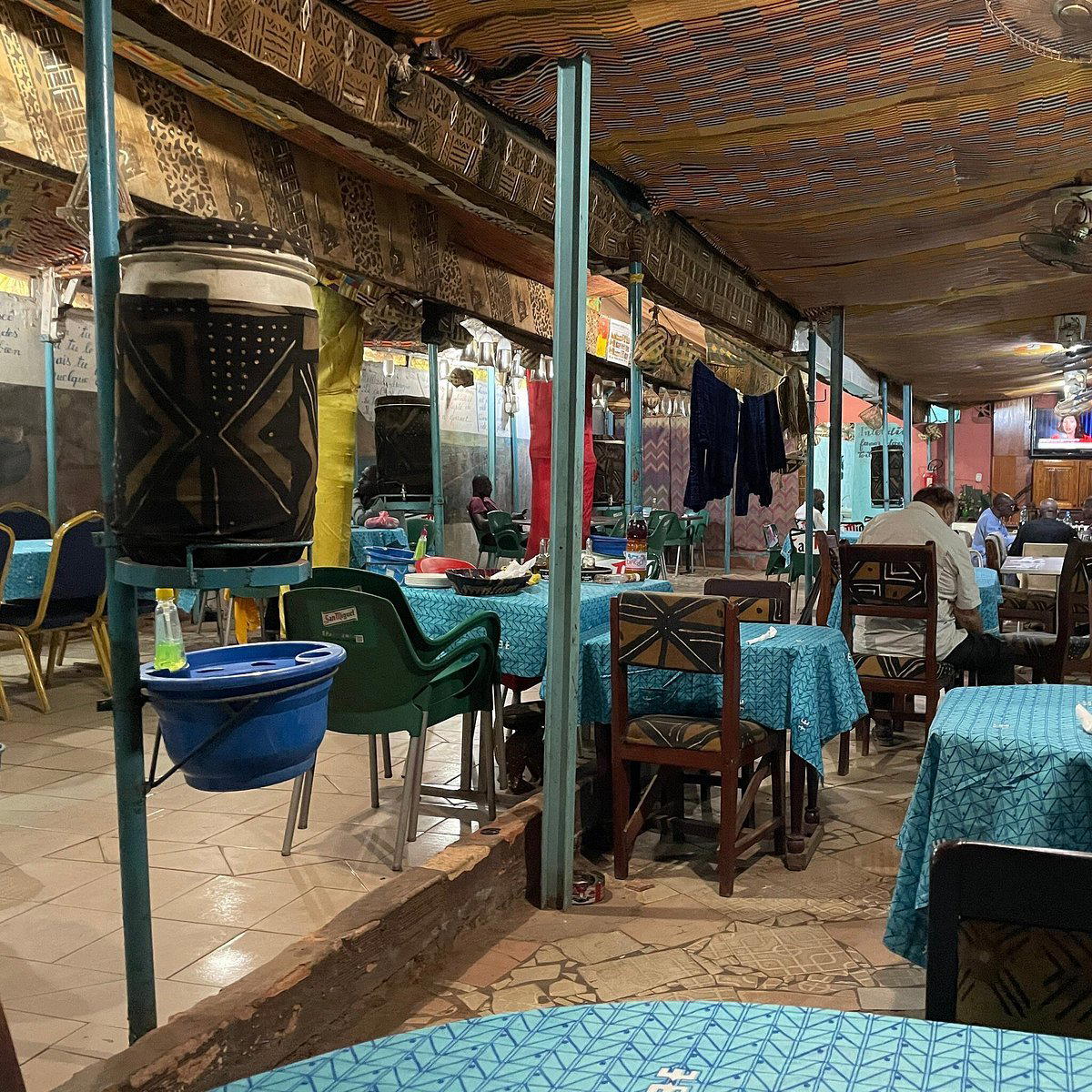
The menu
What to order
- Poisson à la Bamakoise
- Moroccan chicken couscous
- Brochettes
- Beef steak
Where Bamako Eats Without an Audience
Approach Rue 309 at the right hour and the sensory register is immediate: charcoal smoke threading through warm air, the ambient percussion of a neighbourhood in full domestic swing, the particular kind of noise that comes from a place eating on its own terms rather than performing for visitors. This is the register in which Resto Bafing operates. It is not a restaurant designed to be discovered by outsiders; it is a restaurant that exists because people nearby need to eat well, and the local demand for that is enough.
That distinction matters in Bamako more than in many cities. The dining scene here splits into a small cluster of internationally legible restaurants drawing expatriates and business travellers, and a far larger, less visible tier of neighbourhood addresses where the cooking is grounded in what the market offers that morning. Resto Bafing sits on Rue 309, which places it firmly in the second category. See our full Bamako restaurants guide for how this neighbourhood tier maps across the city.
The Logic of Ingredient-Led Cooking in the Sahel
West African cooking at the neighbourhood level is, almost by definition, ingredient-led in a way that high-end restaurants elsewhere spend significant effort trying to recreate. In Bamako, the connection between what grows or moves through the Niger River corridor and what ends up on the table is not a marketing position; it is simply how things work. Markets like Marché Médine and the riverside vendors who supply much of the city's protein operate on short supply chains that would be the envy of farm-to-table programmes in Paris or San Francisco.
This matters when reading a restaurant like Resto Bafing. Malian cuisine builds around a core of millet, sorghum, rice grown along the Niger's inland delta, dried fish from the river's abundant catch, and the fats and aromatics that define the Sahelian palate: shea butter, fermented locust bean (soumbala), ground peanut, and the slow-cooked onion base that underlies dishes from Ségou to the capital. Restaurants at this tier do not import or substitute; the menu reflects what exists locally, which means it reflects the season, the catch, and the market price of staple grains in any given week. Compare that relationship with sourcing to what a venue like Arpège in Paris has spent decades building into a fine dining concept, and the irony is clear: the ingredient-first logic that Passard turned into a three-Michelin-star statement is simply how Bamako's neighbourhood restaurants have always functioned.
The Bafing River, from which this restaurant likely draws its name, runs through western Mali before joining the Bakoye to form the Senegal River. It is a region associated with fishing communities and agricultural production, and names drawn from rivers in this part of Mali carry a specific cultural weight tied to water, food supply, and trade.
Bamako's Neighbourhood Dining Tier in Context
To understand where Resto Bafing sits in competitive terms, it helps to understand how Bamako's restaurant categories stratify. At the upper end, a small number of restaurants in the ACI 2000 business district and around the Hamdallaye corridor serve international clientele with menus that blend West African ingredients with French-influenced technique, priced accordingly. Below that, a mid-tier of established addresses serves the city's professional class. Then there is the neighbourhood tier: restaurants anchored to a specific quartier, priced for regular local use, and evaluated by repeat customers rather than review platforms.
Venue like Savana in Bamako represents the more internationally visible end of the city's dining circuit. Resto Bafing, on the evidence of its address and the absence of a digital footprint that would indicate a tourist-facing operation, belongs to the neighbourhood tier. That positioning is neither a criticism nor a limitation; it is simply a different kind of value proposition, one that requires a different set of expectations from the visitor.
Across the global dining circuit, the restaurants that critics return to as reference points often share this quality: they are not trying to be anything other than what they are. Lazy Bear in San Francisco built a following through format discipline and sourcing specificity. Aponiente in El Puerto de Santa María built its reputation on marine ingredients that most kitchens ignored. The scale and recognition differ enormously from a Bamako neighbourhood address, but the underlying logic of cooking from available local material, without apology, connects them across that distance.
What the Absence of Data Tells You
For certain restaurants in certain cities, that absence is a red flag. In Bamako's neighbourhood dining tier, it is largely unremarkable. The review infrastructure that catalogues restaurants in New York or Hong Kong has not mapped this part of the world at equivalent depth. Venues like Atomix in New York City or Amber in Hong Kong operate in cities where every serious address has a documented digital presence; Bamako's neighbourhood tier does not require that infrastructure to function.
The practical consequence for a visitor is direct: arriving in person, during standard meal hours, is the most reliable approach. Bamako restaurants at this tier typically operate on walk-in custom rather than advance reservation systems. Lunch service tends to be the main event in West African cities, where the midday meal carries the weight that dinner holds in European dining culture.
Planning Your Visit
Resto Bafing is located on Rue 309 in Bamako. Given the absence of a published phone number or booking platform, visiting directly is the practical approach; enquire locally or through your accommodation about current hours, as these can shift seasonally. Bamako's neighbourhood restaurants typically serve their strongest cooking at midday, when market sourcing is freshest and the kitchen is at full capacity for the day's main meal. Dress is informal. Payment in cash is standard across this tier of the city's dining circuit. For broader orientation on where Resto Bafing sits relative to Bamako's wider food offer, the EP Club Bamako guide provides neighbourhood-level context.
Frequently asked questions
Is Resto Bafing suitable for children?
Resto Bafing's position as a neighbourhood restaurant on Rue 309 in Bamako puts it in the category of informal, community-facing dining — the kind of setting where families eat regularly. There is no evidence of a children's menu, but neighbourhood spots at this level in Bamako typically operate without age restrictions or formal seating arrangements that would make families unwelcome.
What is the atmosphere like at Resto Bafing?
Rue 309 is a working Bamako street, and Resto Bafing operates within that register — charcoal smoke, ambient street noise, and the rhythms of a neighbourhood that isn't performing for visitors. This is not a designed atmosphere; it's an incidental one, which makes it more accurate to the way most of Bamako actually eats.
How does Resto Bafing compare to other places to eat in Bamako's Rue 309 area?
Bamako's restaurant categories run from expatriate-facing hotel dining at the upper end to street-level neighbourhood spots that serve the city's daily workforce. Resto Bafing on Rue 309 sits firmly in the latter tier — cooking shaped by Sahel ingredient availability rather than imported technique or international positioning. For travellers whose Bamako itinerary skews toward understanding how the city actually eats, that distinction matters more than star counts or chef credentials.
What's the signature dish at Resto Bafing?
West African neighbourhood cooking in Bamako at this level typically anchors around grain- and legume-based preparations with whatever protein the market supplies that day — rice dishes, stews, and grilled cuts are common across this dining tier in Mali. Visiting directly is the only reliable way to know what's on.
Where do I go for Resto Bafing?
Resto Bafing is located at Rue 309, Bamako, Mali, Bamako.
Do I need a reservation for Resto Bafing?
The practical approach is to arrive directly at Rue 309 in Bamako. For neighbourhood restaurants at this level in Mali, walk-in is the norm rather than the exception.
What do critics highlight about Resto Bafing?
That absence is itself informative: this is a restaurant sustained by the neighbourhood it feeds, not external validation. Its credibility is purely local, which in Bamako carries its own weight.
Continue exploring
More in Bamako
Restaurants in Bamako
All restaurants in Bamako →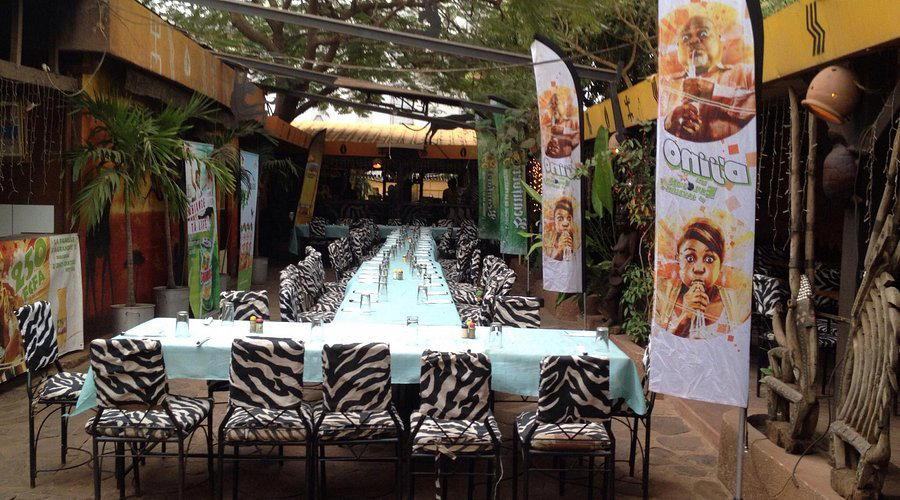
Details
- Cozy
- Rustic
- Bohemian
- Casual Hangout
- Group Dining
- Solo
- After Work
- Garden
- Standalone
- Beer Program
- Local Sourcing
- A La Carte
- Fresh Fruit Juices
- Ginger Juice
- Cold Drinks
- Vegetarian Friendly
Current opening hours
- Monday
- 8 AM–11 PM
- Tuesday
- 8 AM–11 PM
- Wednesday
- 8 AM–11 PM
- Thursday
- 8 AM–11 PM
- Friday
- 8 AM–11 PM
- Saturday
- 8 AM–11 PM
- Sunday
- 8 AM–11 PM
Hours can change for holidays and private events. Last verified .
Dimly lit tent-style dining area with draped ceiling and natural tree elements creating a cool escape from the bright sun; relaxed, conversational atmosphere that encourages lingering for hours.