


Michelin Plate · Tabelog 100 #90
Our verdict
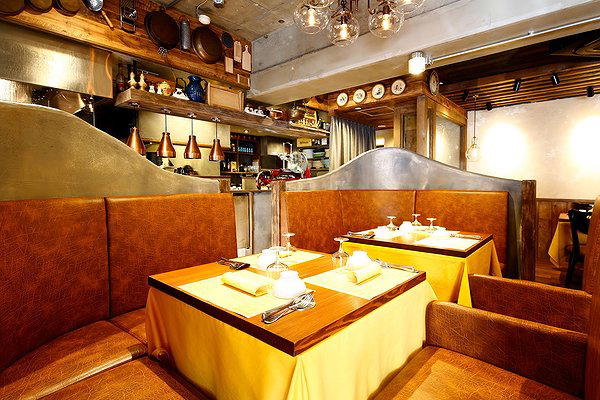
Ristorante HONDA in Kita-Aoyama positions itself inside Tokyo's quietly competitive Italian scene by running seasonal Japanese ingredients through a classical Italian structure. The restaurant operates Tuesday through Sunday with both lunch and dinner service.

Pearl is the En Primeur Club membership app, where members save venues, book tables and use the concierge.
The menu
What to order
- Tagliolini with Hokkaido sea urchin
- Handmade pasta
Italian Cooking in Tokyo, and What the Seasonal Approach Actually Means
Tokyo's Italian restaurant scene has matured considerably over the past two decades. What began as faithful replication of regional Italian forms has, in many kitchens, evolved into something more considered: a genuine dialogue between Italian structure and Japanese ingredient culture. The question is no longer whether Japanese chefs can execute Italian technique, but whether the synthesis produces cooking that neither cuisine would generate independently.
Minato's Kita-Aoyama neighbourhood provides a fitting context. The area supports a density of considered, mid-to-upper-range restaurants that serve a local professional clientele rather than tourist traffic. Italian addresses here tend to attract repeat visitors rather than one-time diners, and the format at Ristorante HONDA reflects that reality. Lunch runs from noon to 3:30 pm; dinner from 6 to 11 pm, Tuesday through Sunday, with Monday reserved as a rest day. The hours suit a regular more than a visitor building an itinerary around a single meal.
What Keeps the Regulars Returning
Among Tokyo's Italian restaurants, the ones with durable local followings tend to share a structural trait: the menu moves with the market rather than anchoring to a fixed identity. At Ristorante HONDA, the organizing principle is seasonal Japanese produce routed through Italian forms. For a regular who visits across multiple seasons, this creates a continuously updated menu tied to ingredients that behave differently month to month. The autumn mushroom cycle, the spring vegetable harvest, the shifting availability of domestic seafood, each shift in the Japanese agricultural and fishing calendar produces a different plate from the same kitchen logic.
The dish that functions as a reference point for what the kitchen does well is the sea urchin tagliolini. The preparation forgoes cream, relying on sea urchin volume alone to achieve a coating texture and depth of flavour that cream would provide more mechanically. This is a technique that exposes ingredient quality directly, which means it only works when the sea urchin is correct. For regulars, it serves as a calibration point across seasons and supply cycles, the kind of dish that tells you whether the kitchen is performing at its standard on a given night. It is the sort of plate that builds a following not through novelty but through consistency and the occasional outstanding execution when the ingredient is exceptional.
At ¥¥¥ pricing, Ristorante HONDA occupies a tier below Tokyo's top-end Italian counters but sits above the neighbourhood trattoria category. This middle position is strategically significant for a regular clientele: accessible enough for frequent visits, serious enough in execution that it functions as a special-occasion restaurant for a wider audience.
Where HONDA Sits in Tokyo's Italian Field
Tokyo's Italian scene has several distinct tiers. At the highest end, restaurants like Aroma Fresca and Gucci Osteria da Massimo Bottura Tokyo carry Michelin stars and the pricing that accompanies them. PRISMA and Principio represent the creative-contemporary register, while AlCeppo anchors a more classically Italian approach. Ristorante HONDA, with its Michelin Plate recognition in both 2024 and 2025 and consecutive Opinionated About Dining appearances (Recommended 2023, Ranked #418 in 2024, Ranked #457 in 2025), occupies a position of sustained recognition without the starred tier's pricing ceiling.
The Opinionated About Dining rankings are a useful coordinate. OAD draws on frequent-diner data from a globally distributed network of experienced restaurant-goers rather than anonymous inspectors, which means the recognition pattern at HONDA reflects genuine repeat engagement from a knowledgeable audience. That the restaurant has appeared across three consecutive years in OAD's Japan rankings signals a stable kitchen rather than a single-season peak.
For comparison with Japan's broader Italian scene: cenci in Kyoto operates a similar Japanese-Italian synthesis with local ingredient sourcing, while internationally, 8½ Otto e Mezzo Bombana in Hong Kong represents the three-star end of Italian cooking in Asia. HONDA's position is deliberately narrower: a Kita-Aoyama address, a specific seasonal commitment, and a price point designed for frequency rather than occasion dining.
Planning a Visit
The table below positions Ristorante HONDA against a selection of Tokyo restaurants across cuisine categories and price tiers, to assist in sequencing a dining itinerary.
| Venue | Cuisine | Price Tier | Recognition | Lunch Service |
|---|---|---|---|---|
| Ristorante HONDA | Italian (seasonal) | ¥¥¥ | Michelin Plate 2025, OAD 2025 | Yes, noon–3:30 pm |
| Harutaka | Sushi | ¥¥¥¥ | Higher tier | Limited |
| RyuGin | Kaiseki | ¥¥¥¥ | Higher tier | No |
| L'Effervescence | French | ¥¥¥¥ | Higher tier | No |
| MAZ | Innovative | ¥¥¥¥ | Higher tier | No |
Ristorante HONDA's lunch service makes it accessible for a midday visit without the full commitment of an evening dinner reservation. For visitors building a Tokyo itinerary around multiple restaurant categories, this is a practical consideration: the ¥¥¥ price point and noon opening allow for a serious Italian lunch before an evening at a kaiseki or sushi counter at a higher tier. See our full Tokyo restaurants guide for sequencing options across all categories, alongside our full Tokyo hotels guide, our full Tokyo bars guide, our full Tokyo wineries guide, and our full Tokyo experiences guide.
The address is in Kita-Aoyama, Minato City, accessible from Omotesando Station. The Aoyama area supports easy movement between restaurants, galleries, and hotels, making the neighbourhood a logical base for a focused Tokyo visit.
Italian Across Japan: Context for Wider Itineraries
For travellers moving across Japan, Italian cooking appears at different registers in different cities. In Osaka, HAJIME operates at a starred level in a creative-cuisine register that extends beyond national category. In Kyoto, cenci applies a comparable Japanese-seasonal lens to Italian structure. Gion Sasaki in Kyoto, akordu in Nara, Goh in Fukuoka, 1000 in Yokohama, and 6 in Okinawa each represent regional approaches to creative dining that reward comparison against HONDA's Aoyama address.
Frequently asked questions
What is the atmosphere like at Ristorante HONDA?
Kita-Aoyama Italian restaurants at the ¥¥¥ tier tend toward quiet, considered rooms rather than lively social dining. The neighbourhood draws a professional local clientele, and the Tuesday-to-Sunday format with clear lunch and dinner splits suggests a kitchen oriented around regular visitors rather than walk-in trade. Within Tokyo's broader Italian field, where Michelin-starred addresses like Aroma Fresca and Gucci Osteria da Massimo Bottura Tokyo occupy a more formal register, HONDA sits at a price point that allows for a relaxed but attentive dining environment.
at Ristorante HONDA?
The sea urchin tagliolini is the dish referenced directly in Michelin's recognition of the kitchen. It is built without cream, using sea urchin as both coating and flavour source, which makes the result dependent on ingredient quality rather than technique as cover. Chef Tetsuya Honda's approach across the menu prioritises eliciting flavour from each ingredient rather than constructing complexity from combination, which means the seasonal dishes shift in character throughout the year. The tagliolini functions as the consistent reference point; the seasonal specials are where the kitchen's Italian-Japanese synthesis is most visible. OAD recognition across three years suggests that the kitchen's output across the menu is reliable enough to justify trust in the full service rather than ordering defensively around a single dish.
Is Ristorante HONDA child-friendly?
Tokyo Italian restaurants at the ¥¥¥ price tier are generally oriented toward adult diners, and the Kita-Aoyama neighbourhood context reinforces this. There is no specific child menu or family accommodation noted in available data. For families in Tokyo, the price point and format suggest this is better suited to adult visits, particularly given the lunch service format of 12 to 3:30 pm which aligns with a more structured sit-down experience rather than casual dining. If visiting Tokyo with children and seeking flexibility, our full Tokyo restaurants guide covers a wider range of formats and price tiers.
A Lean Comparison
| Venue | Cuisine | Price | Awards | Notes |
|---|---|---|---|---|
| Ristorante HONDAThis venue (the venue you are viewing) | Modern Italian with Japanese Seasonal Ingredients | $150–200 | Michelin Plate · Tabelog 100 #90 | Not listed |
| Harutaka | Edo-Style Omakase Sushi | $200–300 | 3 Michelin Stars · World's 50 Best #76 | Sushi |
| RyuGin | Modern Kaiseki | $500+ | 3 Michelin Stars · World's 50 Best #41 | Kaiseki, Japanese |
| L'Effervescence | Modern French with Japanese Influences | $200–300 | 3 Michelin Stars · World's 50 Best #69 | French |
| HOMMAGE | Modern French with Japanese Influences | $150–200 | 2 Michelin Stars · World's 50 Best #78 | Innovtive French, French |
| MAZ | Innovative Peruvian-Japanese Fusion | $150–200 | 2 Michelin Stars · World's 50 Best #28 | Innovative |
Recognition history
Dated appearances from independent guides and award organizations, with the underlying list record or original source where available.
Michelin Plate
Michelin
Opinionated About Dining Top Restaurants in Japan Recommended
Opinionated About Dining
Tabelog 100 #90 · No. 90
Tabelog · Tabelog 100 - Italian - TOKYO - 2025
Full recognition history (8 entries)
Michelin Plate
Michelin
Opinionated About Dining Top Restaurants in Japan Ranked #457
Opinionated About Dining
Michelin Plate
Michelin
Opinionated About Dining Top Restaurants in Japan Ranked #418
Opinionated About Dining
Opinionated About Dining Top Restaurants in Japan Recommended
Opinionated About Dining
Continue exploring
More in Tokyo
Restaurants in Tokyo
All restaurants in Tokyo →


Bars in Tokyo
All bars in Tokyo →





Ristorante HONDA
The wine
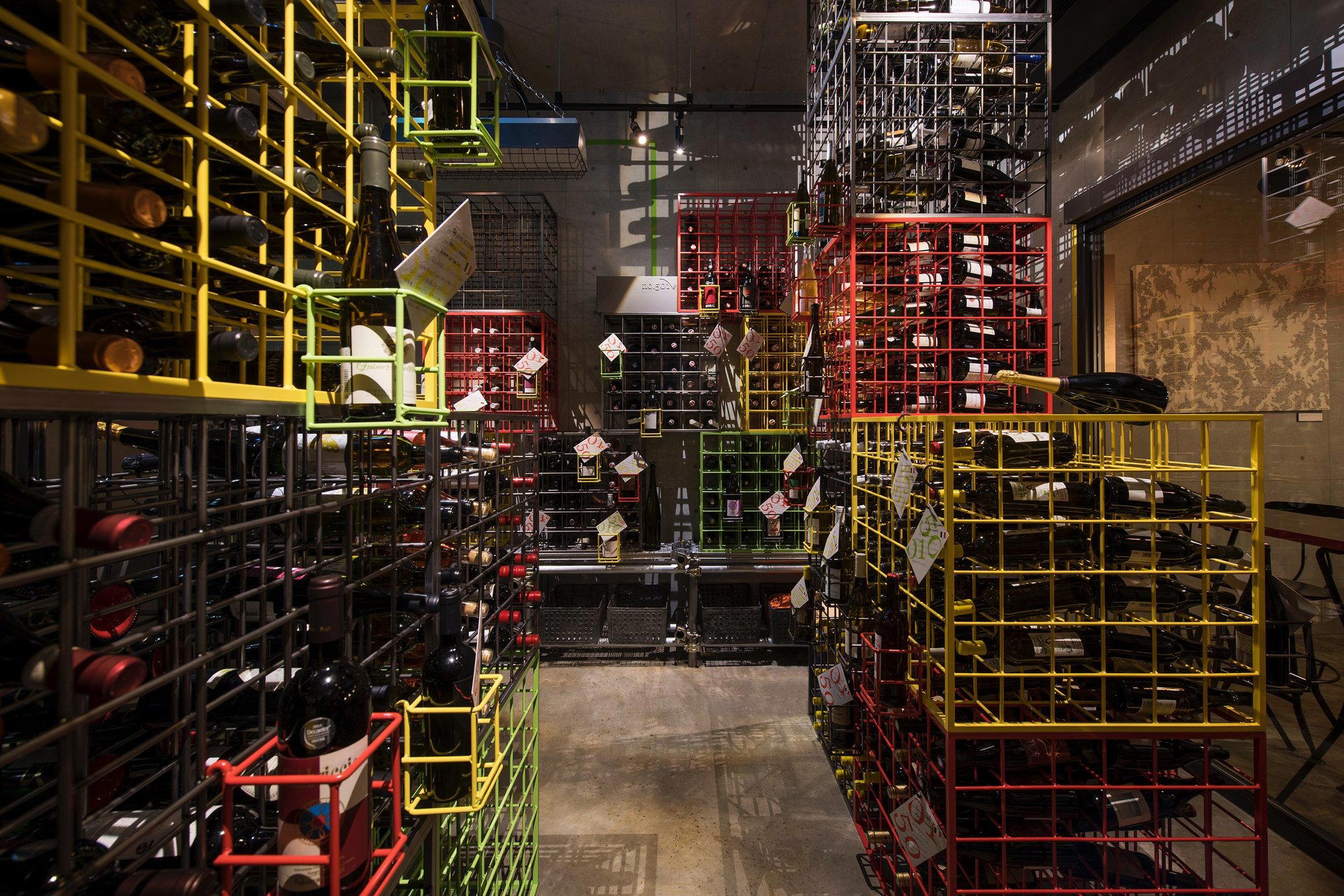
- Extensive wine list
- Sommelier-led
- Sake program
Details
- Elegant
- Sophisticated
- Cozy
- Intimate
- Classic
- Date Night
- Special Occasion
- Business Dinner
- Extensive Wine List
- Sommelier Led
- Sake Program
- A La Carte
- Wine
- Vegetarian Friendly
Current opening hours
- Monday
- Closed
- Tuesday
- 12–3:30 PM, 6–11 PM
- Wednesday
- 12–3:30 PM, 6–11 PM
- Thursday
- 12–3:30 PM, 6–11 PM
- Friday
- 12–3:30 PM, 6–11 PM
- Saturday
- 12–3:30 PM, 6–11 PM
- Sunday
- 12–3:30 PM, 6–11 PM
Hours can change for holidays and private events. Hours as of .
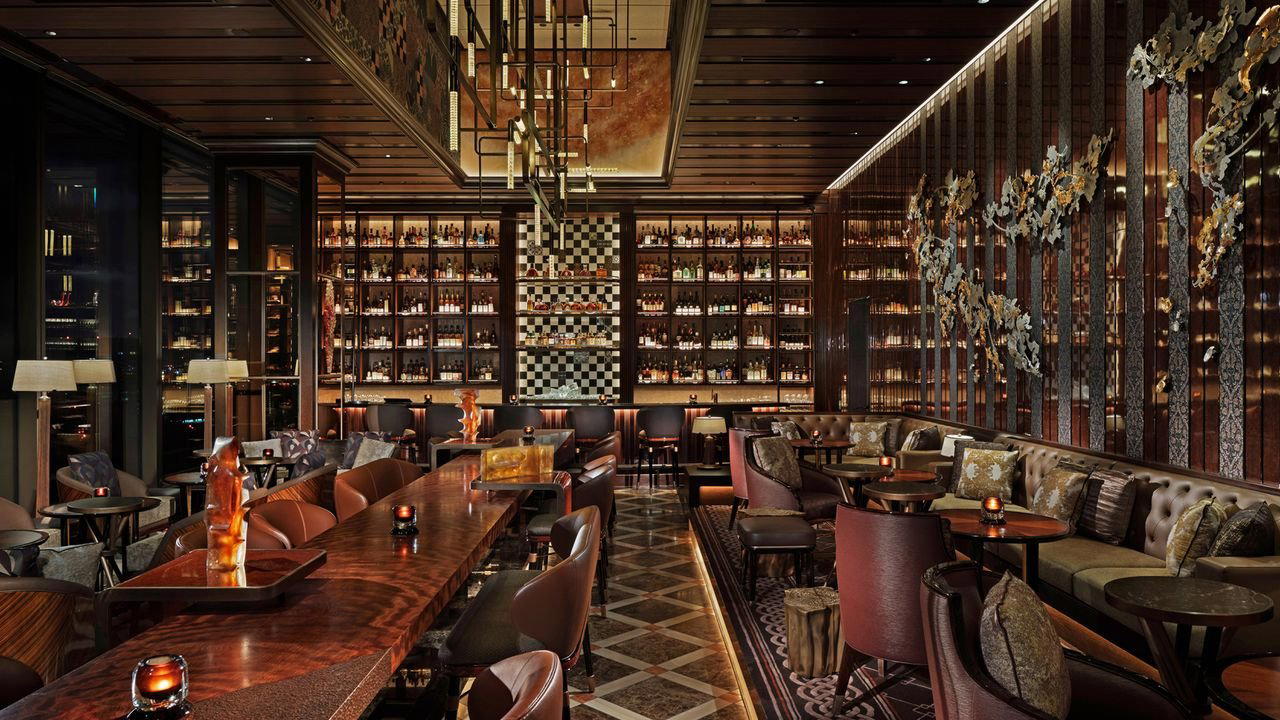
Stylish, calm, and cozy interior with beautifully presented artistic dishes in a small, intimate setting.