
Michelin Plate
Our verdict
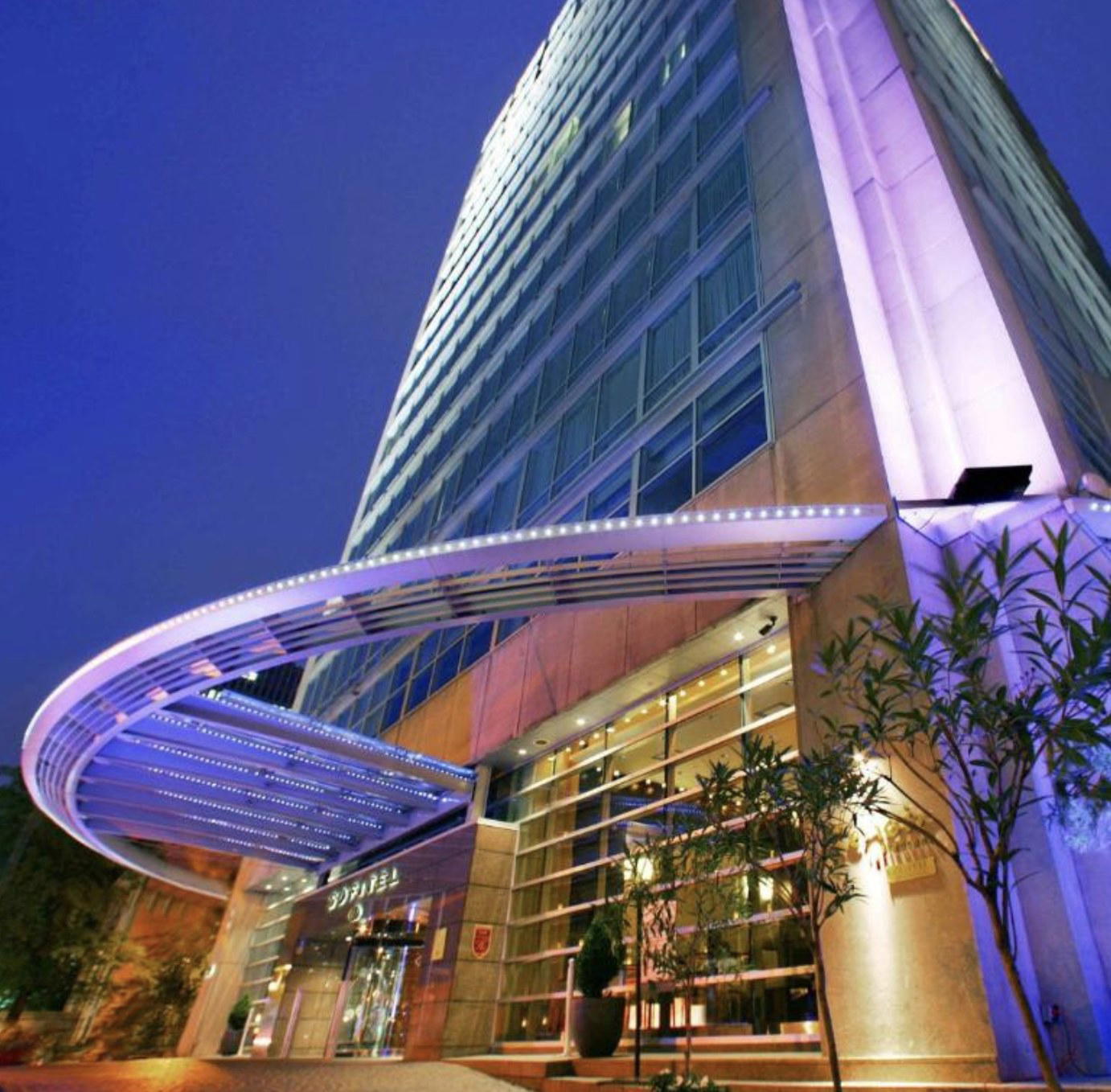
Chef Olivier Perret's Burgundy-trained approach anchors this hotel dining room in the Sofitel Le Carré Doré, where French technique meets Québécois ingredients at a counter and table format. The kitchen draws on regional salmon, Arctic char, and duck, delivering classics—pike quenelle, duck à l'orange—with maple and citrus accents that reflect provincial sourcing.

Pearl is the En Primeur Club membership app, where members save venues, book tables and use the concierge.
The menu
What to order
- Quebec rack of lamb with potato millefeuille
- Market-driven seafood dishes
- Seasonal French‑Quebec tasting plates
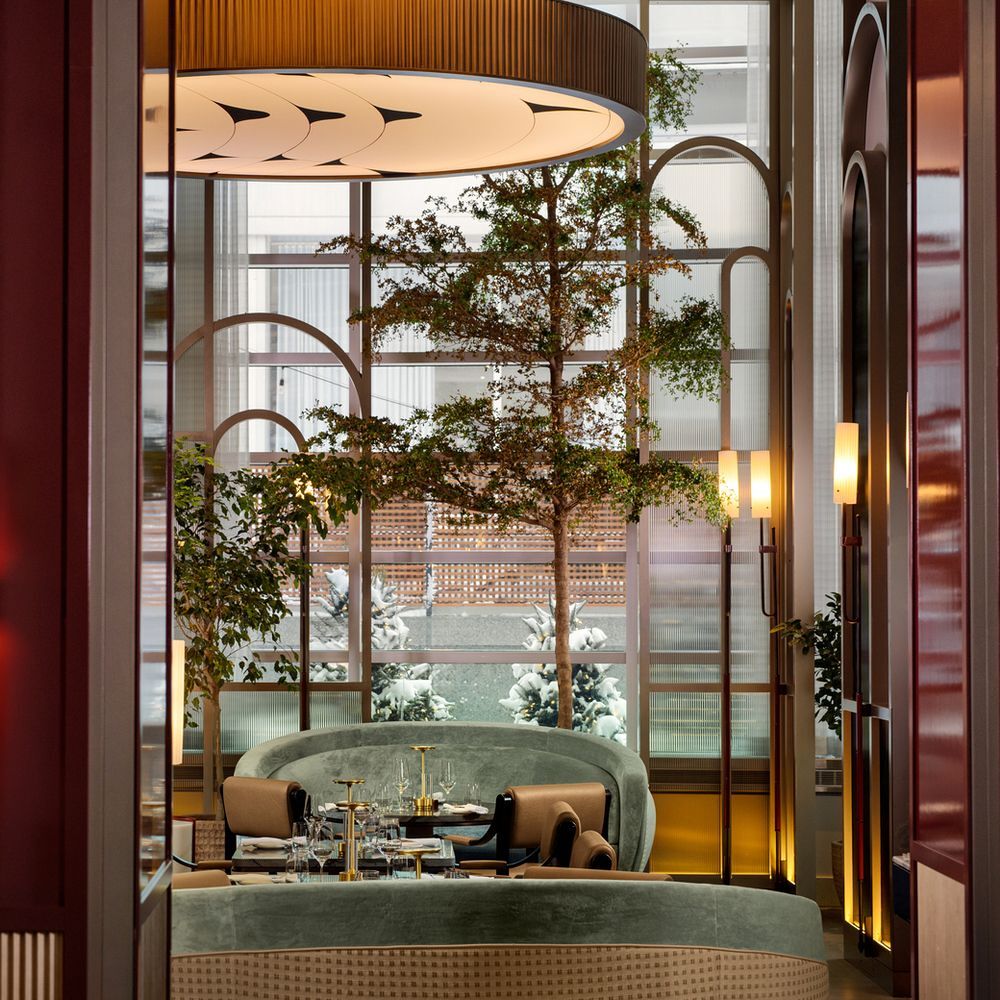
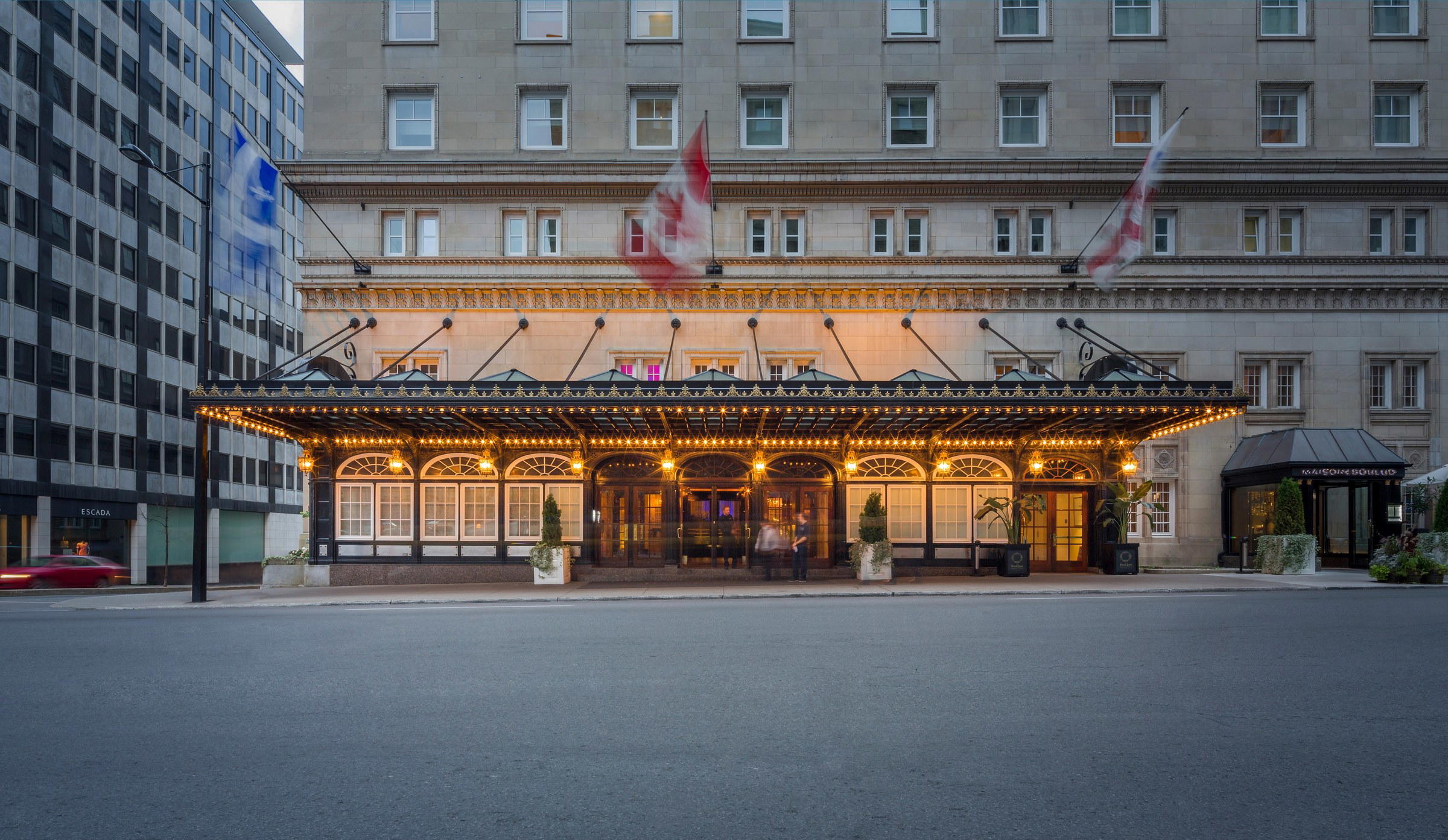
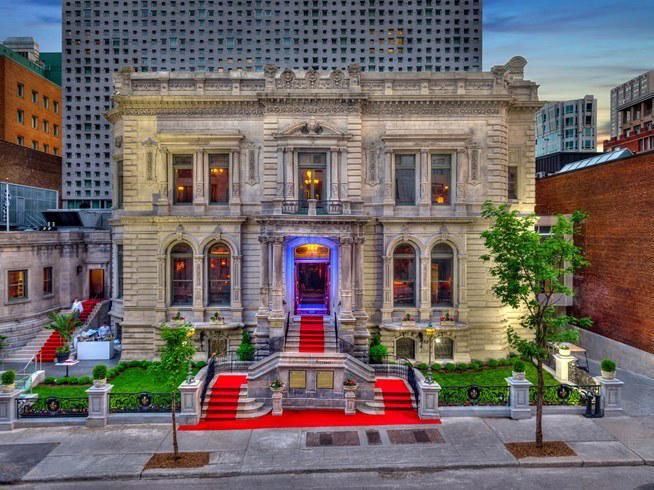
The dining room at Sofitel Le Carré Doré occupies a ground-floor space on rue Sherbrooke Ouest, a stretch that runs through the downtown core and hosts a cluster of corporate hotels. The room itself leans formal: high ceilings, white tablecloths, and a small chef's counter where a handful of seats face the brigade. It's the kind of setting that hotel restaurants in Montréal have used for decades to signal seriousness, and Renoir fits that mold without apology.
The kitchen is led by Olivier Perret, who trained in Burgundy and brings the technical habits of that region, clarified stocks, butter-mounted sauces, multi-stage preparation, to a menu built around Québécois proteins. That pairing of French method and Canadian ingredients is common in the city, but the execution here skews traditional rather than inventive. The menu lists gravlax salmon with maple salmon caviar, bluefin tuna tartare, Arctic char with citrus sabayon and Grand Marnier, and a Canadian pike quenelle served with lobster bisque. The approach is disciplined: clean plating, careful seasoning, and a reliance on technique that expects diners to appreciate what restraint delivers.
Where the Food Comes From and Why It Matters
Montréal's high-end dining scene has always drawn on the province's cold-water fish, game, and maple products, and Renoir leans into that supply chain with clarity. The Arctic char comes from northern Québec waters, where the species thrives in cold, clean lakes and rivers. The kitchen serves it with a citrus sabayon that borrows from French fish cookery, then finishes the dish with Grand Marnier, a nod to the orange-scented preparations common in Lyon and Burgundy. The salmon, also sourced locally, appears as gravlax cured in-house and topped with maple salmon caviar, a product that uses roe from Québec rivers and combines it with the province's signature sweetener. The pike quenelle, a classic Lyonnaise preparation, uses Canadian pike and pairs it with lobster bisque, replacing the crayfish that would appear in a French version.
This ingredient sourcing is deliberate. Québec'sfish economy, particularly in the Gaspésie and northern regions, supplies restaurants across Montréal with species that don't travel well and therefore stay regional. Arctic char, walleye, and pike are less common on menus outside eastern Canada, and their presence here signals a kitchen that works directly with provincial fishmongers rather than importing from broader North American networks. The same logic applies to the duck, which is raised in the province and appears in the kitchen's take on duck à l'orange, a dish that Perret has made a fixture on the menu. The preparation is textbook: the breast is cooked to medium, the sauce is built from pan drippings, orange juice, and stock, and the presentation is direct. It's a dish that tests a kitchen's fundamentals, and the version here reflects Burgundian training in its clarity and balance.
The broader Montréal fine-dining scene includes several French-trained chefs who anchor their menus around Québécois products. Our full Montréal restaurants guide covers the city's range of approaches, from nouvelle-leaning bistros to tasting-menu formats. Renoir operates in the traditional segment of that spectrum, where the emphasis is on technique and ingredient quality rather than conceptual innovation. The menu doesn't change often, and the dishes listed in the awards text, gravlax, tuna tartare, pike quenelle, duck à l'orange, remain year-round anchors. That consistency is part of the hotel-restaurant model, where repeat business travelers expect the same dishes on each visit.
The Chef's Counter and What It Offers
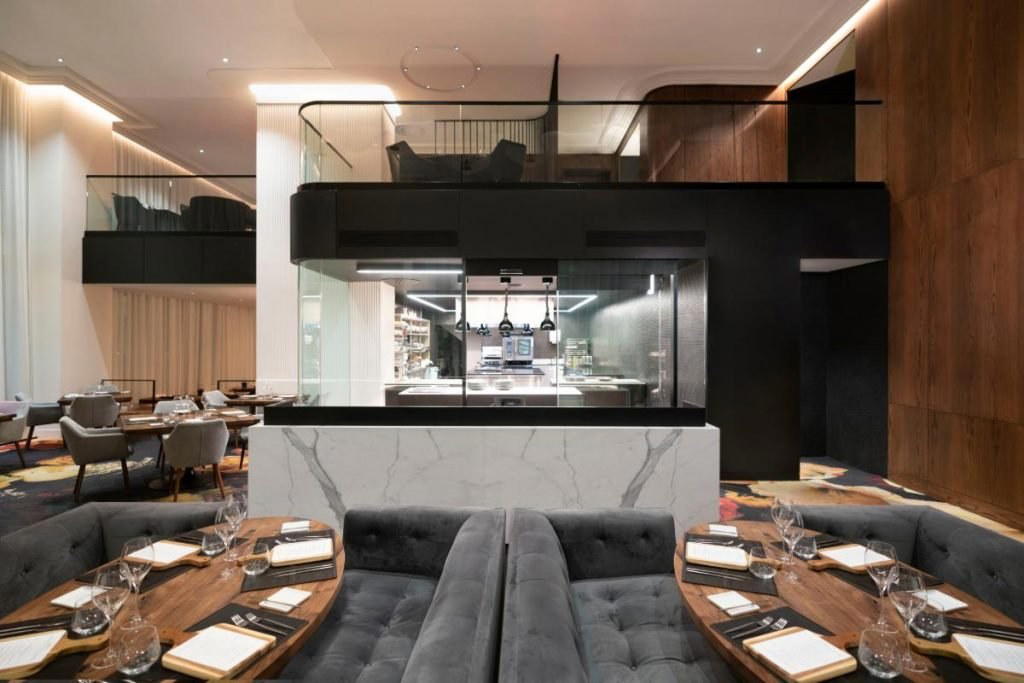
The chef's counter seats a small number of diners, typically four to six, and offers a direct view of the line. It's not a dedicated omakase or tasting-menu format; guests order from the same menu as the dining room, but the proximity to the kitchen adds a layer of engagement that the table service doesn't provide. The counter is positioned near the hot line, so diners can watch sauce reductions, plating, and final adjustments before dishes leave the pass. This setup is more common in European hotel restaurants than in North American ones, where chef's tables are often sequestered in private rooms or wine cellars. The counter at Renoir is integrated into the dining room, which makes it feel less theatrical and more functional.
Format appeals to solo diners and couples who prefer to eat at a bar rather than a table. The kitchen doesn't alter the menu for counter guests, and there's no interactive element where the chef narrates each dish. Instead, the counter offers a quieter, more observational experience, watching a Burgundy-trained brigade work through service with the kind of rhythm that only comes from repetition. It's a low-key version of the chef's-table concept, and it suits the room's tone.
Other hotel dining rooms in Montréal, including Maison Boulud, operate at a higher price point and with more elaborate tasting formats. Renoir sits a tier below in both cost and ambition, positioning itself as a reliable option for hotel guests and downtown professionals rather than a destination for food-focused travelers. That positioning is reflected in the awards text, which emphasizes elegance and tradition without claiming innovation or rarity.
For visitors exploring the city's dining options, Renoir offers a window into how French technique adapts to Canadian ingredients without rewriting the rulebook. The kitchen's approach, clarified, butter-rich, and ingredient-focused, parallels what you'll find at 3 Pierres 1 Feu and Alma Montreal, two other French-leaning restaurants in the city. Each of those venues works with the same provincial supply chain, and each interprets it through a slightly different lens. Renoir's lens is conservative, which makes it a useful point of comparison for diners who want to understand the technical baseline that other kitchens build on or depart from.
The location on rue Sherbrooke Ouest places the restaurant within walking distance of the Musée des Beaux-Arts and the downtown shopping district. Our full Montréal hotels guide covers the Sofitel and its peers in the area. For those staying in the hotel or dining before a performance at Place des Arts, the proximity is convenient. For others, the dining room is one option among many in a city with deep French culinary roots and a competitive fine-dining scene. Renoir doesn't chase novelty or acclaim; it delivers competent, ingredient-driven French cooking in a setting that prioritizes comfort and tradition over surprise.
Frequently asked questions
Is Renoir good for families?
Renoir's chef's counter seats four to six, and the dining room maintains a formal French service style. The menu, Arctic char with citrus sabayon, pike quenelle, duck à l'orange, is technique-driven rather than child-focused. Families seeking a quieter, more adaptable setting may prefer a brasserie format elsewhere in the city.
What's the vibe at Renoir?
The dining room sits inside Sofitel Le Carré Doré on rue Sherbrooke Ouest and follows a classic French service tempo. The chef's counter offers sightlines to the line but no omakase-style narration. Olivier Perret's menu splits evenly between Burgundian classics, duck à l'orange, and Quebec-forward dishes like maple salmon caviar and Canadian pike quenelle.
Is Renoir award-winning?
Renoir has received recognition including: This city-centre hotel-restaurant is an elegant location with a chef's counter for a few lucky diners. With his cuisine, Olivier Perret, a French chef from Burgundy, navigates his way between traditional and modern influences, drawing on th….
Where exactly is Renoir?
Renoir is located at Sofitel Le Carré Doré, 1155 rue Sherbrooke Ouest, Montréal, Quebec, H3A 2N3, CAN, Montréal.
Do I need a reservation for Renoir?
The chef's counter seats four to six and books ahead, particularly on weekends. The main dining room typically accommodates walk-ins midweek, though calling the Sofitel switchboard confirms same-day availability. Olivier Perret's duck à l'orange and pike quenelle with lobster bisque are menu anchors worth planning around.
What has Renoir built its reputation on?
Chef Olivier Perret, trained in Burgundy, anchors the menu in Quebec cold-water fish, Arctic char, bluefin tuna, gravlax salmon, and traditional French technique. His duck à l'orange is noted for its execution, and the pike quenelle with lobster bisque signals the kitchen's commitment to regional ingredients within a classical framework. The chef's counter adds direct access to the line.
Is Renoir allergy-friendly?
Olivier Perret's menu draws heavily on fish (Arctic char, pike, tuna, salmon) and shellfish (lobster bisque), so cross-contact risk is high. The classical French preparations, sabayon, Grand Marnier reductions, bisques, rely on butter, cream, and alcohol. Guests with shellfish, dairy, or alcohol sensitivities should contact the Sofitel kitchen directly to confirm ingredient substitutions before booking.
At-a-Glance Comparison
Comparable venues by cuisine and price in the same metro.
| Venue | Cuisine | Price | Awards |
|---|---|---|---|
| Renoir | Classic French Bistro | Not listed | Michelin Plate |
| La Cantina | Modern Mexican Taqueria | $20–30 | Not listed |
| Zante | Traditional Greek Seafood | Not listed | Not listed |
| Le Pois Penche | French Brasserie | $50–100 | Not listed |
| Maison Boulud | Modern French Fine Dining | $100–150 | Michelin Plate · Forbes Recommended |
Recognition history
Dated appearances from independent guides and award organizations, with the underlying list record or original source where available.
Michelin Plate
Michelin
Continue exploring
More in Montréal
Restaurants in Montréal
All restaurants in Montréal →
Bars in Montréal
All bars in Montréal →

Details
- Elegant
- Sophisticated
- Modern
- Romantic
- Date Night
- Business Dinner
- Celebration
- Special Occasion
- Brunch
- After Work
- Terrace
- Hotel Restaurant
- Design Destination
- Craft Cocktails
- Extensive Wine List
- Local Sourcing
- A La Carte
- Buffet
- Wine
- Craft Cocktails
- Champagne
- Vegetarian Friendly
- Gluten Free Options
- Allergy Accommodating
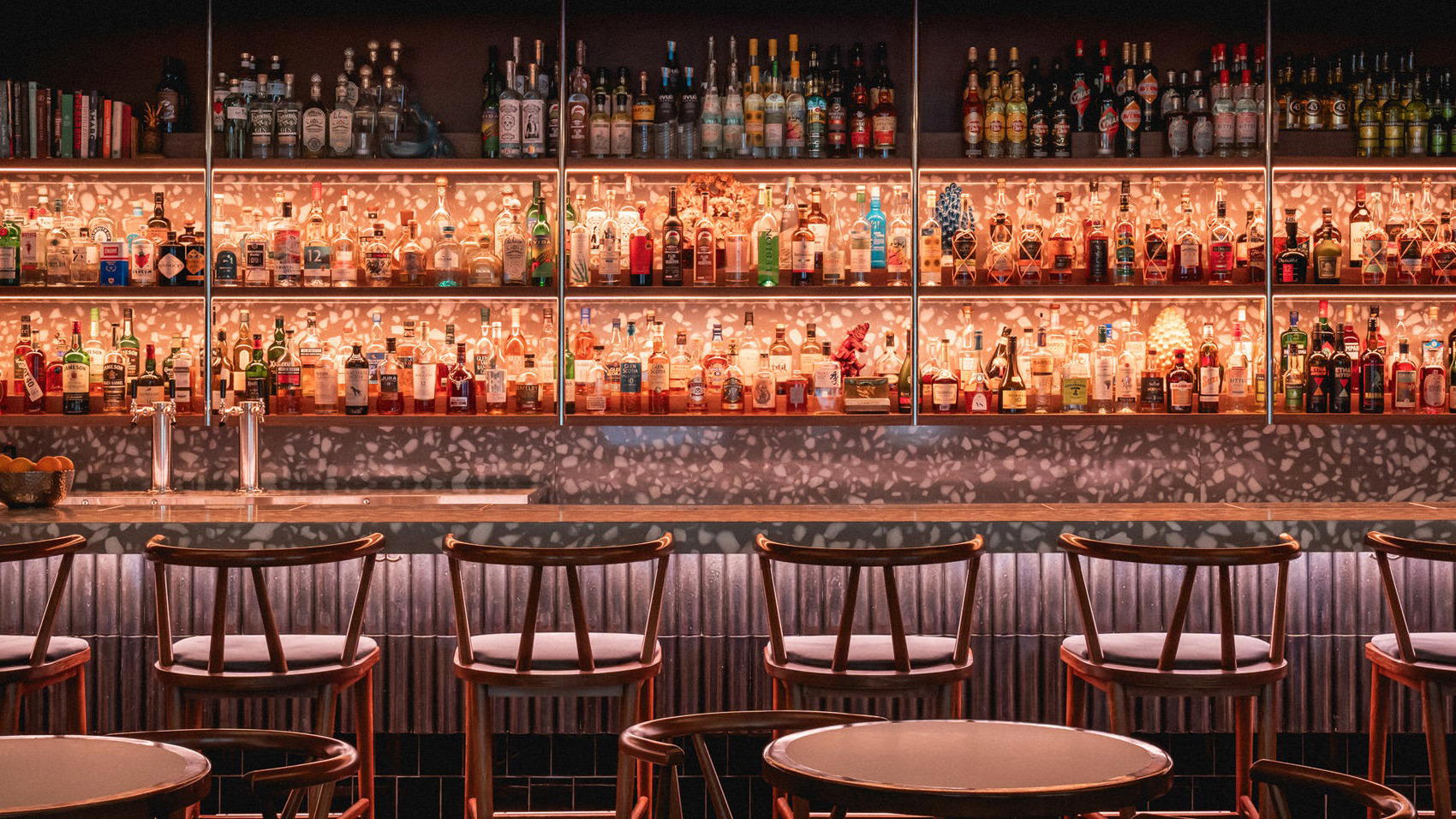
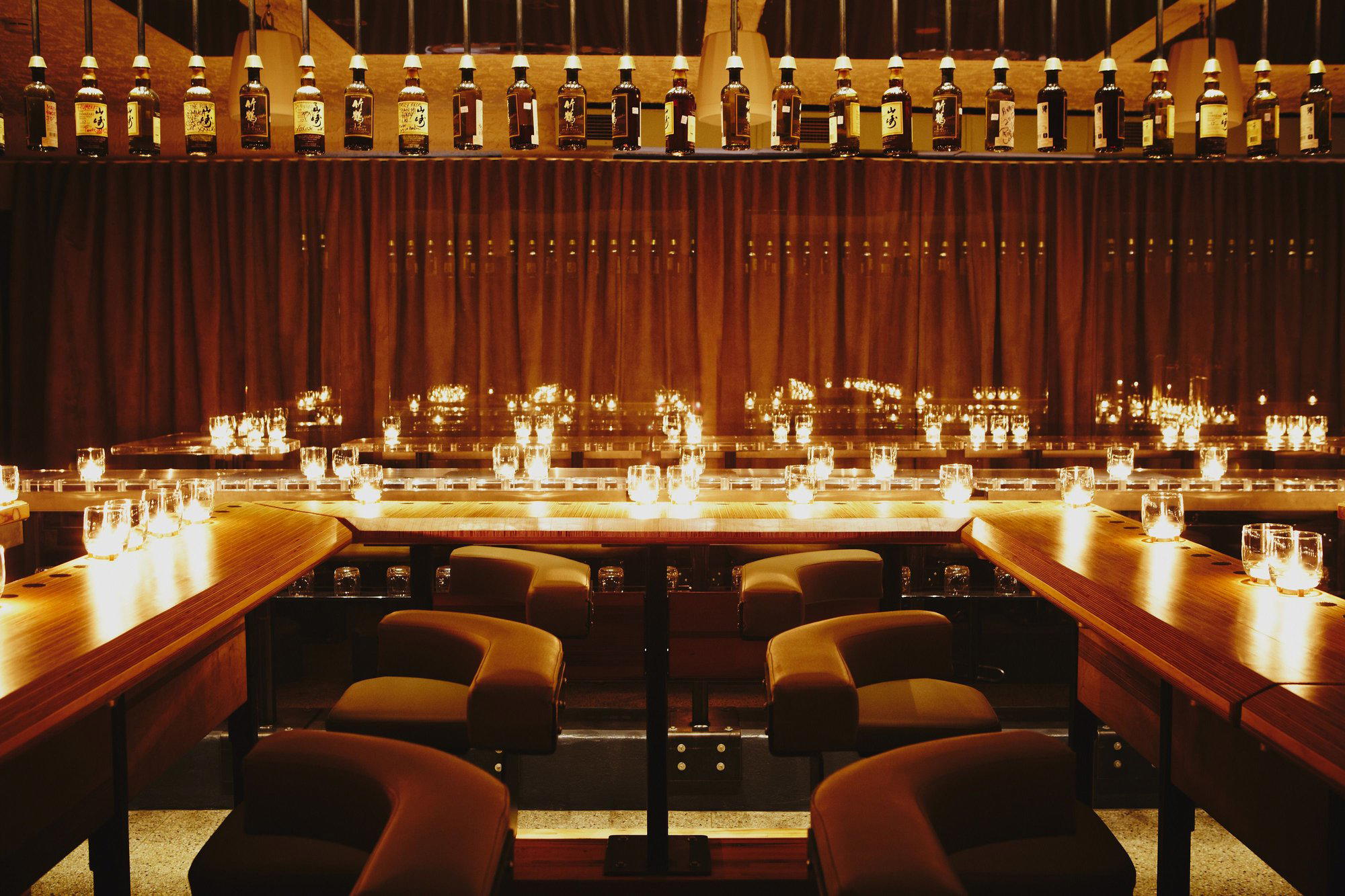
Refined and ultra‑chic hotel dining room with modern design, soft lighting and polished service, blending classic French luxury with a relaxed, contemporary Montreal feel.