Randis
Our verdict
Randis sits inside that tradition, drawing visitors who make the journey specifically for what this corner of the Italian northeast produces.

Pearl is the En Primeur Club membership app — saves, bookings, and concierge access live there. Same editors, same standards.
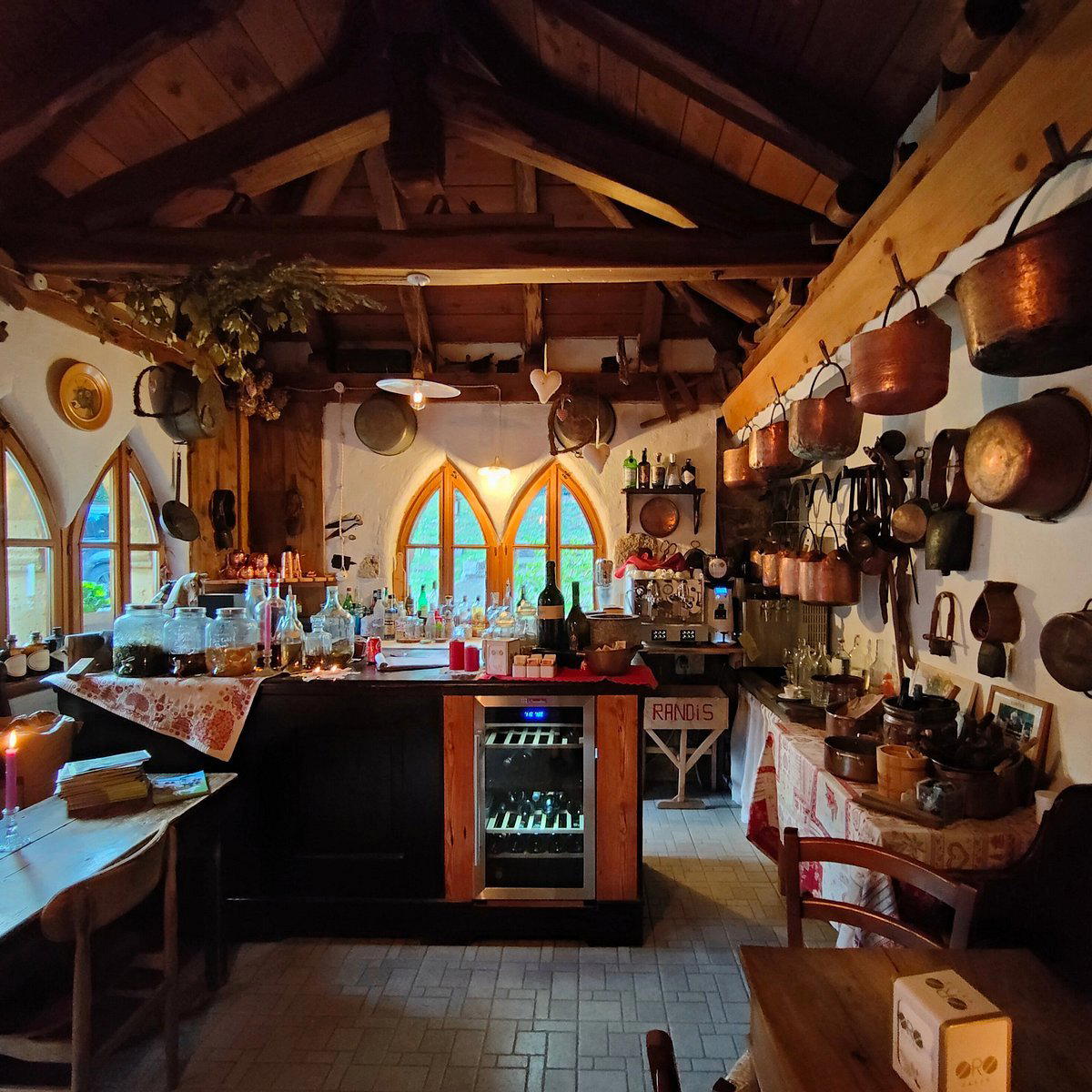
Where Friuli's Ingredient Culture Comes Into Focus
Approaching Arta Terme from the valley road, the shift is gradual: the Po plain gives way to the Carnic foothills, the air changes, and the towns become smaller and more deliberate. That relative obscurity is part of the point. Restaurants here tend to be read by locals and by the narrow category of traveler who follows ingredient provenance rather than restaurant rankings.
The broader culinary context matters here. Friuli-Venezia Giulia sits at the junction of Italian, Austro-Hungarian, and Slavic food cultures, which means its larder is genuinely distinct from anywhere else in the country. For our complete overview of where to eat in the area, see our full Arta Terme restaurants guide.
The Carnic Alps as a Kitchen Supply Chain
The ingredient sourcing question is the right frame for understanding what dining in this micro-region means.enprimeurclub.com/restaurants/osteria-francescana">Osteria Francescana in Modena, Enoteca Pinchiorri in Florence, Le Calandre in Rubano — draw on regional identity as a philosophical position, often sourcing ingredients from across a wide catchment to serve a tasting menu narrative. Up in the Carnic Alps, the relationship between kitchen and territory is less curated and more constrained in a productive sense: what the mountains and valleys yield in a given season is what ends up on the plate, not because of a sourcing philosophy statement but because the supply chains are short and local by necessity.enprimeurclub.com/restaurants/atelier-moessmer-norbert-niederkofler-brunico-restaurant">Atelier Moessmer Norbert Niederkofler in Brunico, the kitchen has built an entire culinary identity around the strict boundary of what the South Tyrolean mountains produce across four seasons. The discipline that comes from working within geographic limits tends to produce cooking that is spare and precise rather than abundant and demonstrative. Randis operates in a neighboring cultural zone, where the Carnic Alps impose a similar discipline on what is available and when. That visitor profile supports a certain kind of restaurant: one that values consistency and ingredient quality over spectacle, and that can sustain a regular clientele over a season.enprimeurclub.com/restaurants/piazza-duomo-alba-restaurant">Piazza Duomo in Alba or Dal Pescatore in Runate.
The comparison set is not Enrico Bartolini in Milan or La Pergola in Rome but rather the small, serious regional kitchens that have sustained local food culture across decades without significant media amplification. That is a different kind of quality signal, and arguably a more durable one. The town's spa character means accommodation and dining tend to be oriented around midweek stays as much as weekends, which can make logistics more flexible than at destination restaurants that run full covers only on Friday and Saturday nights. Given the limited public record available for Randis specifically, no phone number, website, or confirmed hours are in circulation, the practical approach is to contact the restaurant through the venue directly on arrival in the area or through local accommodation concierge services. Visiting the area in late spring or early autumn aligns with the strongest seasonal produce windows in the Carnic zone.enprimeurclub.com/restaurants/casa-perbellini-12-apostoli-verona-restaurant">Casa Perbellini 12 Apostoli in Verona and Villa Crespi in Orta San Giulio offer useful reference points on how alpine-influenced Italian kitchens translate regional identity into a formal dining register. Further afield, Uliassi in Senigallia, Quattro Passi in Marina del Cantone, Reale in Castel di Sangro, Da Vittorio in Brusaporto, and Le Bernardin in New York City and Atomix in New York City demonstrate how ingredient-led kitchens operate at the other end of the scale and documentation spectrum.
Frequently asked questions
Does Randis work for a family meal?
Arta Terme draws a quieter, longer-stay visitor than Italy's urban dining destinations, and restaurants in this thermal spa town tend to reflect that pace. Randis sits in Piano d'Arta, within the Province of Udine, a setting more attuned to unhurried tables than fast covers. For families planning a meal around a spa stay or a drive through the Carnic foothills, the town's rhythm suits that format well.
What should I expect atmosphere-wise at Randis?
Piano d'Arta, where Randis is addressed, sits in the Carnic foothills north of Udine, which sets the tone before you arrive: small-town northern Friuli, not the polished urbanism of Trieste or the tourist circuit of Collio. Expect a room shaped by the regional culture of the area rather than any metropolitan design agenda. The Carnic Alps as a backdrop tends to produce dining rooms that are spare, grounded, and focused on what's local.
Where exactly is Randis located, and how do I get there from Udine?
Randis is addressed at Piano d'Arta, within the Province of Udine, in the Carnic foothills of Friuli-Venezia Giulia. The standard route from Udine follows the A23 autostrada north before branching into Carnia, covering roughly 60 kilometres into the mountain valley. A car is effectively required: public connections to this part of the province are limited, and the drive through the foothills is the practical means of arrival.
What do people recommend at Randis?
What the region around Arta Terme reliably produces are ingredients tied to the Carnic Alps: mountain herbs, cured meats from Friuli's long salumeria tradition, and freshwater fish from the Tagliamento valley. A kitchen in Piano d'Arta drawing from that supply chain has a clear identity even before the menu is read.
What part of town is Randis in?
Randis is located at 33022 Piano d'Arta, Province of Udine, Italy, Arta Terme.
Is Randis reservation-only?
For a town like Arta Terme, which operates on a slower, longer-stay visitor pattern, securing a table in advance is the practical approach regardless of formal policy. Contacting the venue directly or enquiring through your accommodation in the area is the most reliable route.
| Venue | Cuisine | Price | Awards | Notes |
|---|---|---|---|---|
| RandisThis venue — the venue you are viewing | Traditional Friulian Agriturismo | $20–30 | Not listed | Not listed |
| Atelier Moessmer Norbert Niederkofler | Modern Alpine Fine Dining | $300–500 | 3 Michelin Stars · World's 50 Best #20 | Italian, Creative |
| Dal Pescatore | Classic Italian Fine Dining | $200–300 | 3 Michelin Stars · World's 50 Best #38 | Italian, Italian Contemporary |
| Enoteca Pinchiorri | Contemporary Italian Fine Dining | $200–300 | 3 Michelin Stars · World's 50 Best #32 | Italian - French, Italian Contemporary |
| Enrico Bartolini | Modern Italian Fine Dining | $300–500 | 3 Michelin Stars · World's 50 Best #85 | Creative |
| Le Calandre | Modern Italian Fine Dining | $200–300 | 3 Michelin Stars · World's 50 Best #31 | Progressive Italian, Creative |
Continue exploring
More in Arta Terme
Restaurants in Arta Terme
All restaurants in Arta Terme →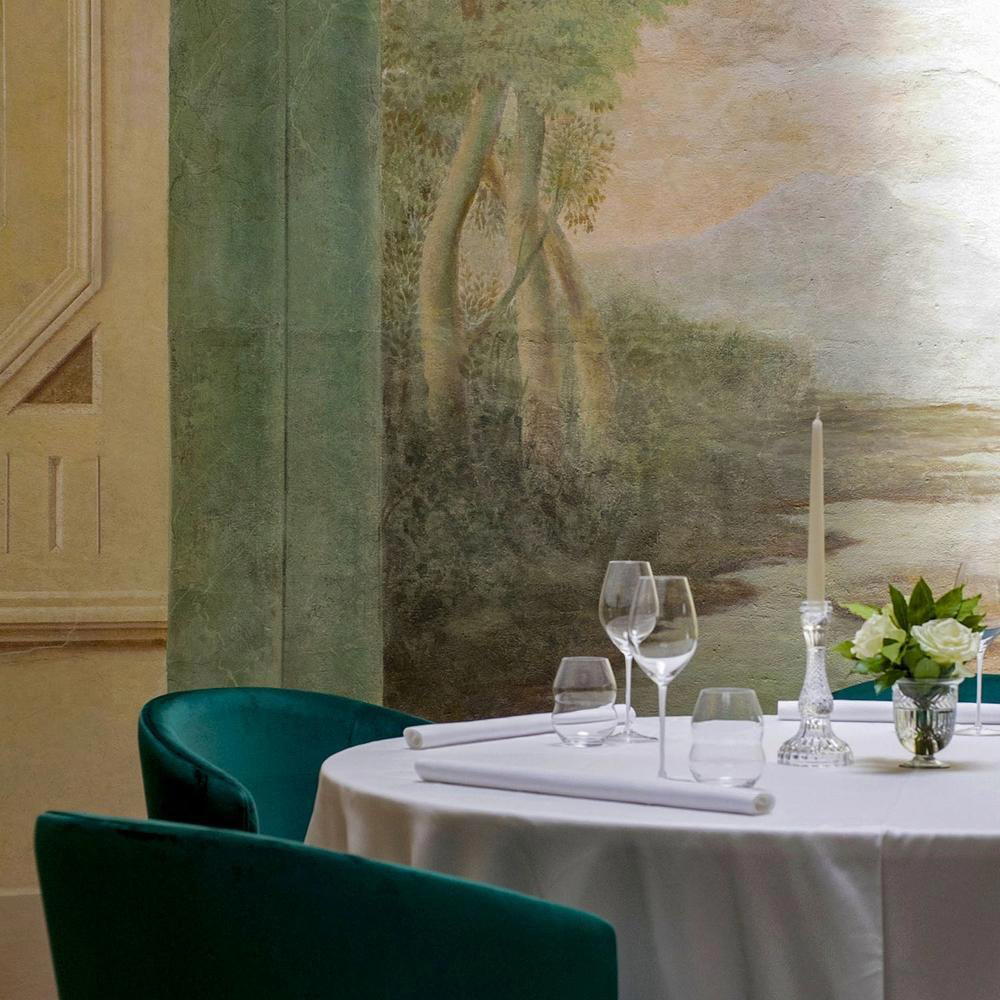
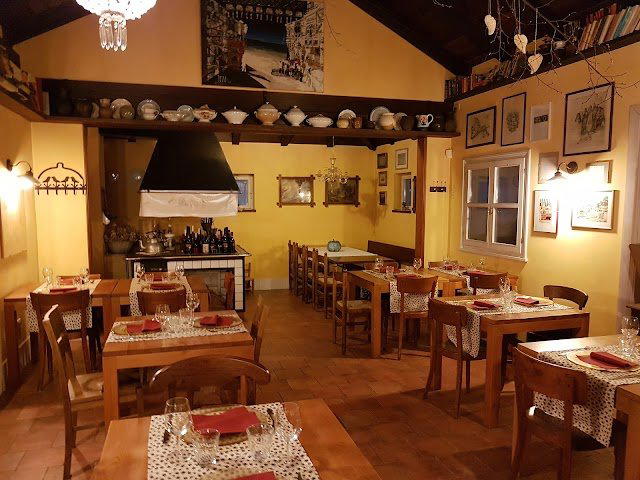
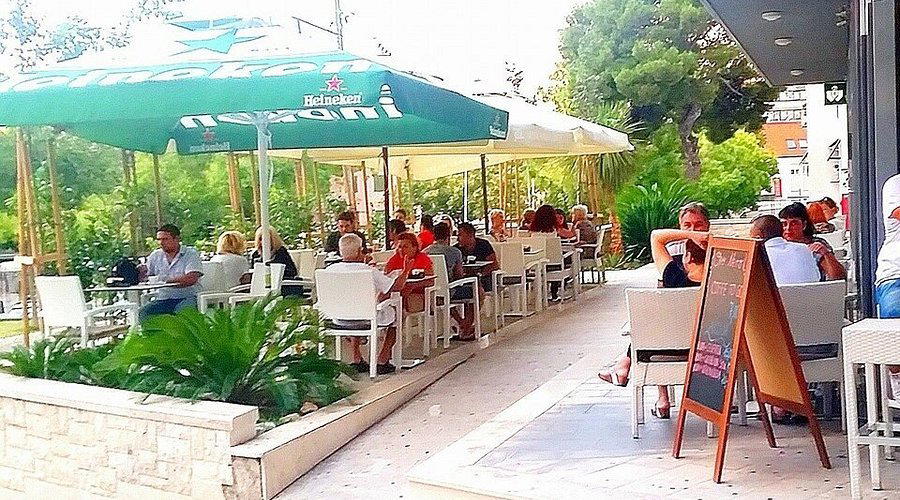
Bars in Arta Terme
Browse all →
Hotels in Arta Terme
Browse all →

Details
- Rustic
- Cozy
- Scenic
- Family
- Casual Hangout
- Garden
- Open Kitchen
- Local Sourcing
- Garden
- Mountain
- A La Carte
- Vegetarian Friendly
- Gluten Free Options
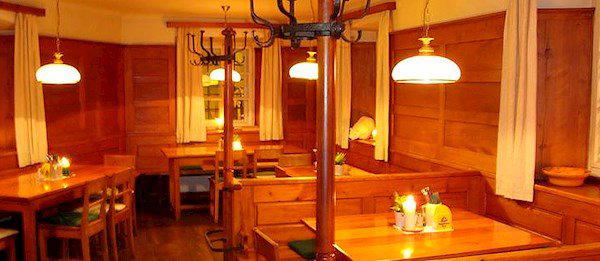
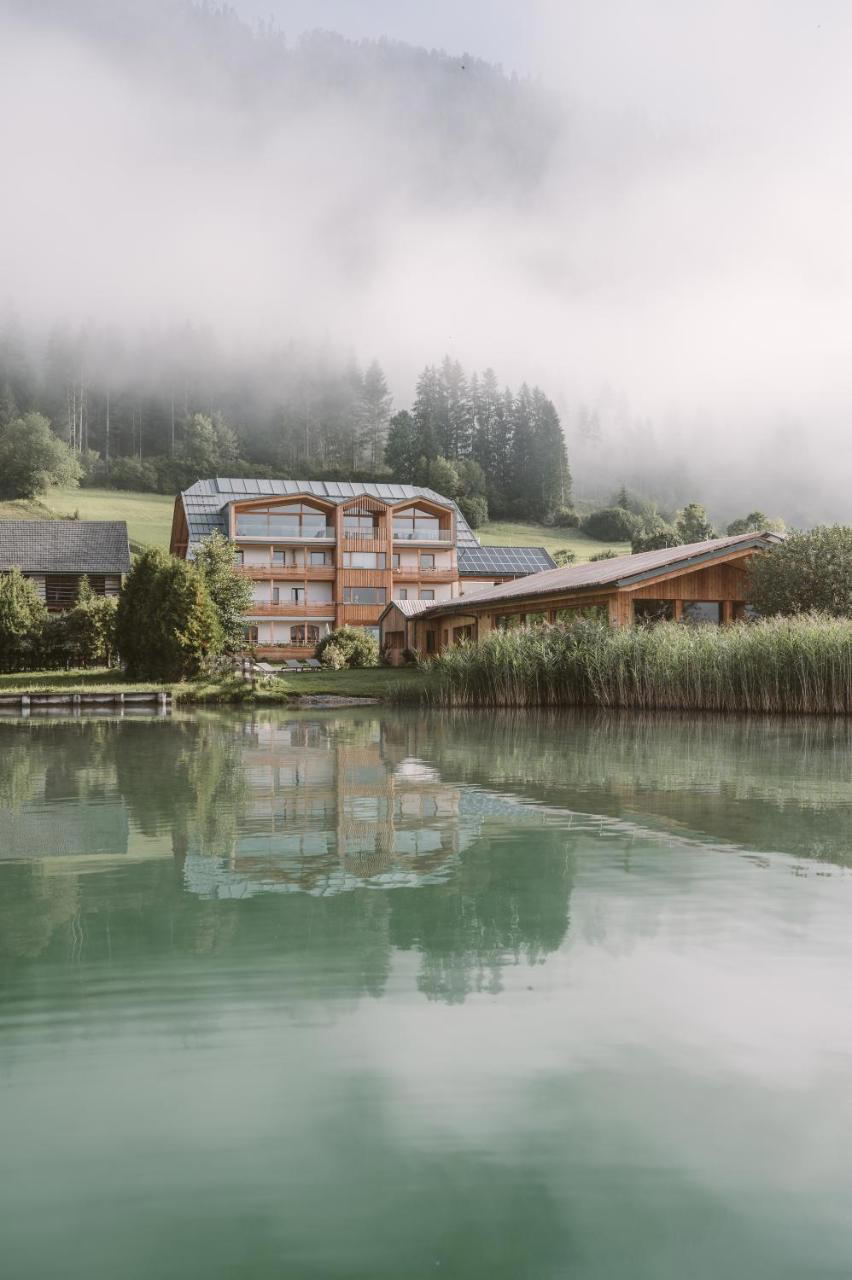
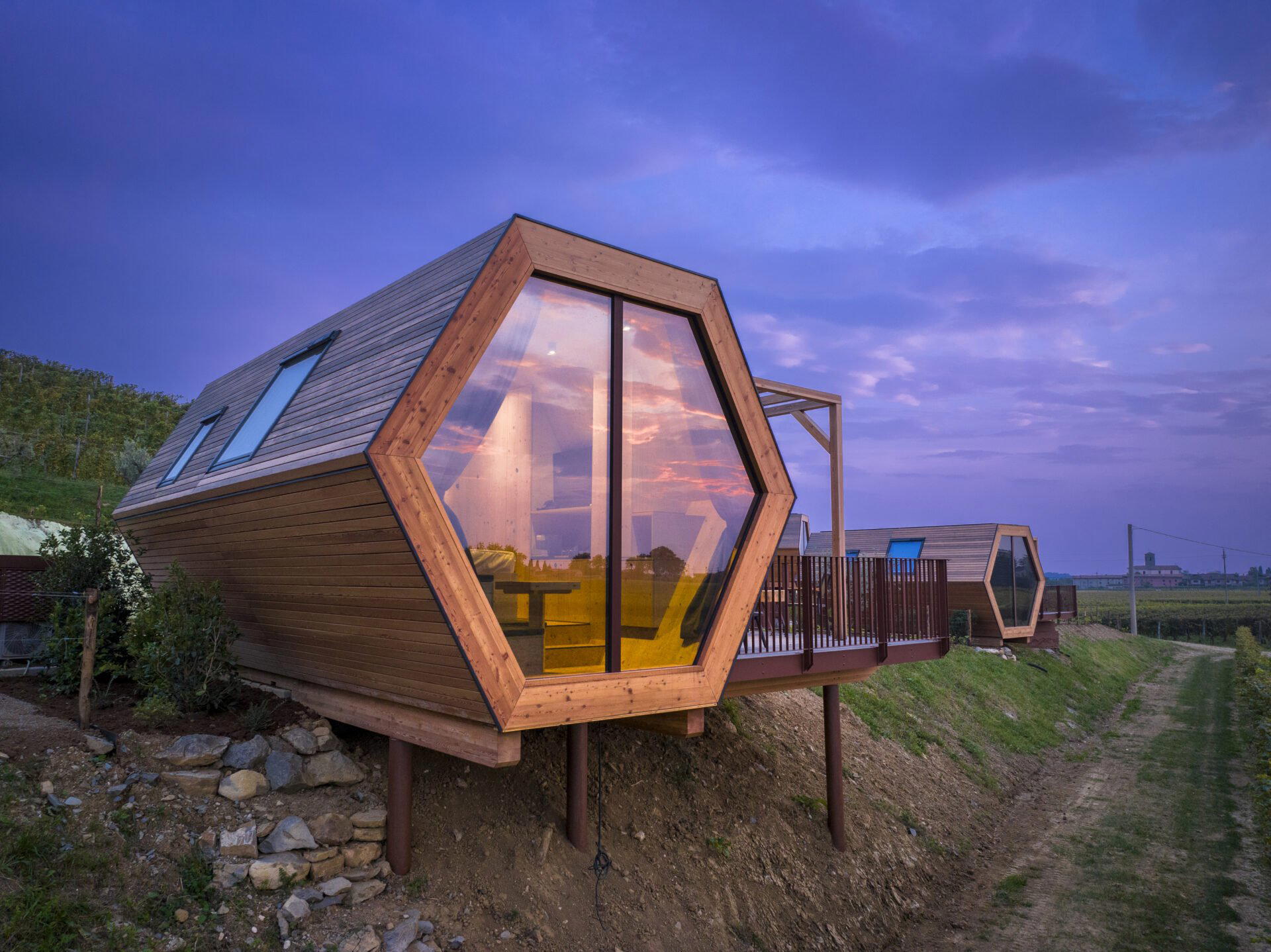
Warm, welcoming rustic atmosphere with fireplace, pergola-shaded outdoor seating, and natural surroundings.