
Guía Repsol 1 Sol
Our verdict
Quintaforca belongs to rural Tarragona’s ingredient-led dining culture rather than the metropolitan tasting-menu circuit. Its 1 Sol recognition in the Guía Repsol Soles 2026 places it in a Spanish category where product, restraint, and regional coherence carry more weight than spectacle.

Pearl is the En Primeur Club membership app, where members save venues, book tables and use the concierge.
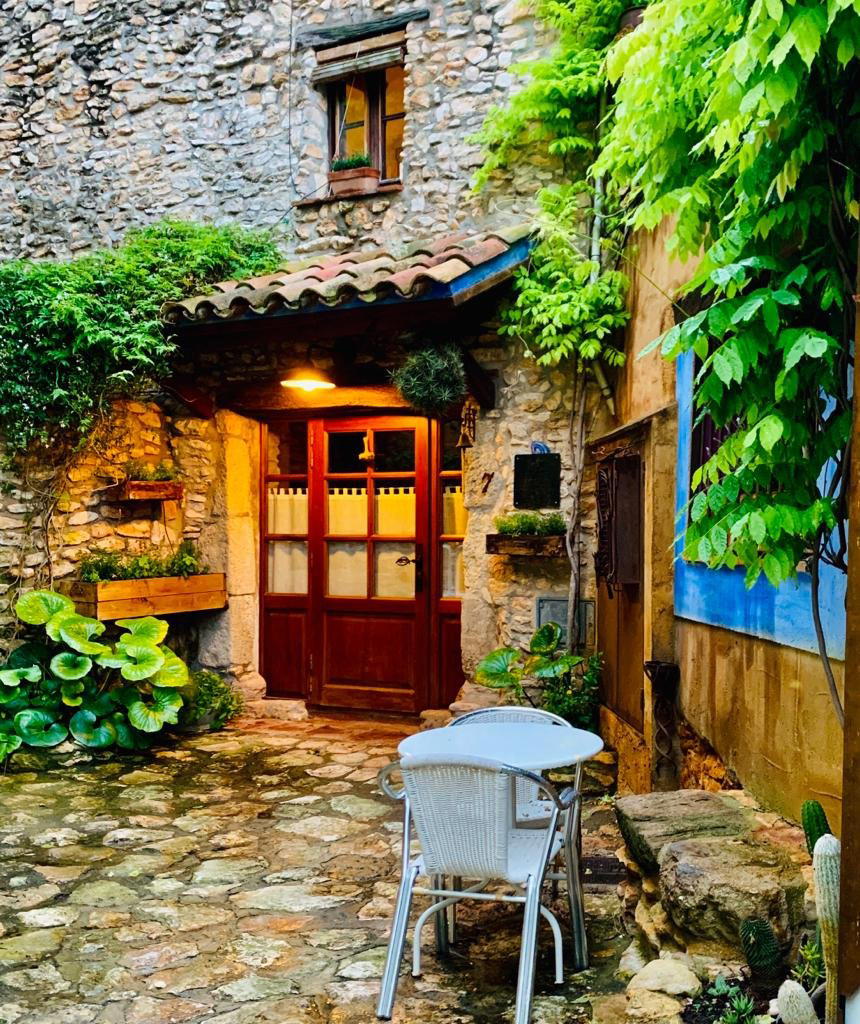
Approaching dining in Nulles means leaving the usual city grammar behind. The relevant cues are quieter and more deliberate than urban: a small-place setting, a slower pace, and a meal that benefits from being planned rather than squeezed between city errands. In that context, Quintaforca reads less as a casual fallback than as a destination dining room whose appeal depends on how clearly the restaurant makes its setting feel relevant.
That matters because a meal in Nulles is not trying to mimic the tempo of a larger restaurant circuit. The better argument for eating here begins with focus: a kitchen with enough regional confidence to justify the trip, and a setting that gives the visit a different rhythm from a dense city itinerary. Quintaforca’s 1 Sol in the Guía Repsol Soles 2026 puts it inside Spain’s recognised dining conversation, a useful signal for travellers deciding whether a detour outside the larger urban circuits is warranted.
Ingredient-led Tarragona cooking, away from the city circuit
The editorial case for Quintaforca is strongest when viewed through place rather than celebrity. Nulles gives the restaurant a different set of pressures from city dining rooms. The competition is not only other kitchens; it is whether the meal feels worth the intentional journey. A restaurant in this setting has less room to hide behind noise or novelty if the overall experience does not feel grounded.
Guía Repsol’s Sol system tends to reward Spanish restaurants that express place with clarity. A 1 Sol does not place a dining room in the same bracket as the country’s most decorated destinations, but it does identify a kitchen worth serious attention within its region. For a Nulles address, that distinction is meaningful: it suggests the meal is being judged against a national Spanish framework, not only local affection.
Compared with out-of-metro peers such as Gaudium, Quintaforca sits in the same broad conversation about regional Spanish dining outside the capital-city spotlight. Nearby names in the wider traveller orbit, including AQ, El Cup Vell, Aromatic, and Restaurante Braseria la catedral, point to the range visitors can encounter: some rooms feel more contemporary, others stay closer to familiar formats. The useful distinction is not which one sounds grander, but which format fits the trip. Quintaforca is the choice for a slower Nulles meal where the setting is part of the argument.
For readers mapping Spain more broadly, the Nulles address also sits at a different rhythm from larger-city dining rooms. Those comparisons are not about hierarchy; they show how Spanish dining changes when audience, setting, and travel intent change. Nulles gives the restaurant a narrower stage, and that can sharpen the connection between the meal and the place.
A weekend dining rhythm built around destination intent
The restaurant’s Nulles rhythm reinforces the point: this is not a casual fallback between errands in a large city. The meal feels planned, and that planning suits the setting. In small Spanish places, serious restaurants often work more like anchors for a day trip than background infrastructure. The meal becomes part of a route built around time, attention, and a quieter dining cadence.
That makes expectation management useful. Travellers who want a quick table, extended daily hours, or a dense choice of nearby alternatives may be happier building a meal around a larger city. Travellers who value regional context should read the Nulles setting differently: it concentrates the experience and gives the kitchen a defined sense of place. In this tier, discipline often matters more than breadth.
For travellers turning the visit into a fuller stay, the relevant planning rails are Our full Nulles hotels guide, Our full Nulles bars guide, and Our full Nulles experiences guide.
How to place it within Spain's regional restaurant map
Spain’s strongest regional meals are often misread by visitors trained to chase only Michelin stars or big-city tasting menus. Repsol recognition is particularly useful outside major metropolitan dining centres because it captures restaurants that function as serious local references without necessarily fitting the international luxury script. Quintaforca’s signal is exactly that: a Nulles address with national Spanish recognition attached.
The comparison becomes clearer when set against the spread of Spanish dining formats. Across Spain, informal counters, destination dining rooms tied to a specific place, and regional tables all show how geography changes the meal. Quintaforca belongs in that same national pattern: restaurants where setting is not décor, but part of the operating system.
For contrast beyond Spain, urban dining rooms abroad can show a different kind of ingredient conversation, one shaped by diaspora, import channels, and metropolitan specialization. In Nulles, the question is more local: how closely can a kitchen make its setting legible without turning the meal into a tourist lesson?
The concise verdict: Quintaforca is for travellers who want a slower Spanish dining stop with restraint and structure. The Guía Repsol 1 Sol recognition gives the detour credibility; the Nulles setting gives it context. Treat it as a planned regional meal, not an improvised stop, and it makes sense within a Spain itinerary that values quieter dining rooms as much as capital-city polish.
Frequently asked questions
Is Quintaforca a family-friendly restaurant?
Quintaforca can work for families planning a daytime meal in Nulles, especially for groups treating it as a regional dining stop rather than an everyday fallback. Its Guía Repsol 1 Sol recognition points to a more serious dining room than an ordinary casual stop.
What should I expect atmosphere-wise at Quintaforca?
Expect a destination-leaning setting in Nulles. The Guía Repsol 1 Sol award suggests a measured dining pace rather than a casual walk-in room.
What days is Quintaforca closed?
Check Quintaforca’s current opening days directly before travelling, as the meal is best treated as a planned visit to Nulles rather than an improvised stop.
What's Quintaforca's location?
Nulles.
In Context: Similar Options
Comparable venues by cuisine and price in the same metro.
| Venue | Cuisine | Price | Awards | Notes |
|---|---|---|---|---|
| QuintaforcaThis venue (the venue you are viewing) | Organic, seasonal Catalan-Spanish fine dining | $50–100 | Guía Repsol 1 Sol | Not listed |
| Gaudium | Modern Catalan Fine Dining | Not listed | Michelin Plate | Traditional Cuisine |
| Aromatic | Modern French Bistronomie | $50–100 | Michelin Plate | Not listed |
| El Cup Vell | Contemporary Mediterranean Tasting | $50–100 | Not listed | Not listed |
Recognition history
Dated appearances from independent guides and award organizations, with the underlying list record or original source where available.
Guía Repsol 1 Sol
Guía Repsol
Continue exploring
More in Nulles
Restaurants in Nulles
All restaurants in Nulles →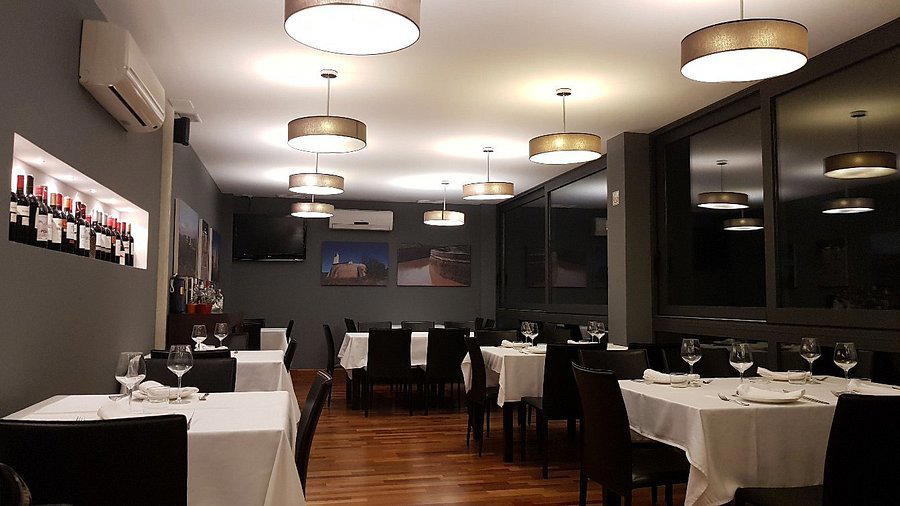
Hotels in Nulles
Browse all →

Details
- Rustic
- Cozy
- Romantic
- Intimate
- Date Night
- Special Occasion
- Celebration
- Group Dining
- Business Dinner
- Wine Cellar
- Historic Building
- Standalone
- Design Destination
- Extensive Wine List
- Farm To Table
- Organic
- Local Sourcing
- Sustainable Seafood
- A La Carte
- Tasting Menu
- Wine
- Organic Focus
Current opening hours
- Monday
- Closed
- Tuesday
- Closed
- Wednesday
- Closed
- Thursday
- Closed
- Friday
- Closed
- Saturday
- 2–7 PM
- Sunday
- 2–7 PM
Hours can change for holidays and private events. Hours as of .
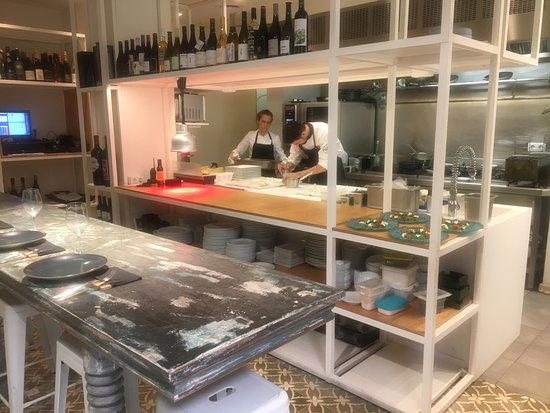
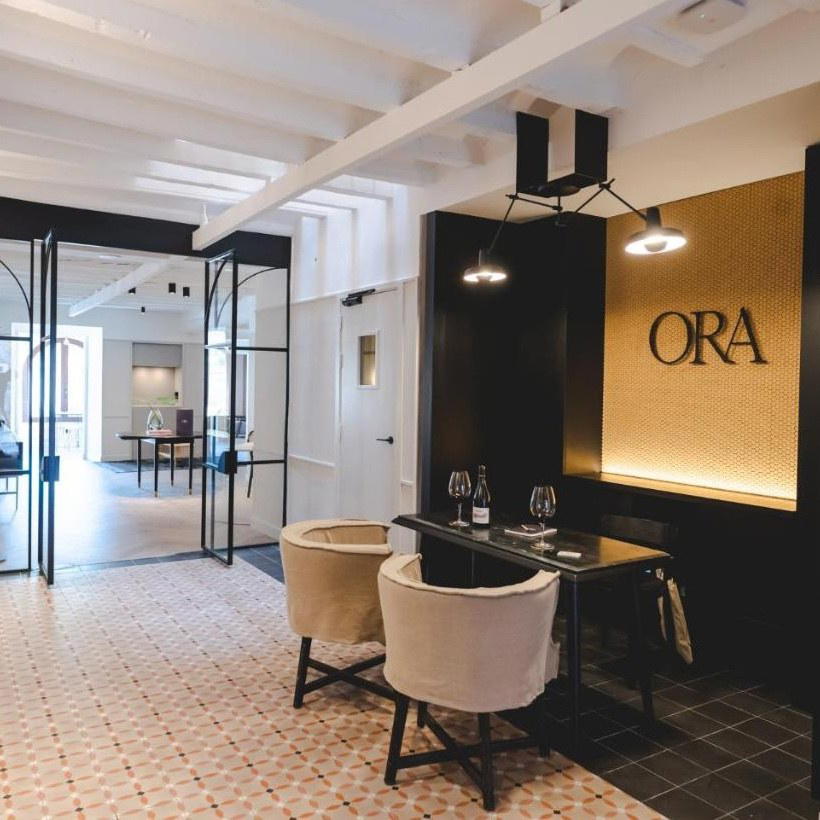
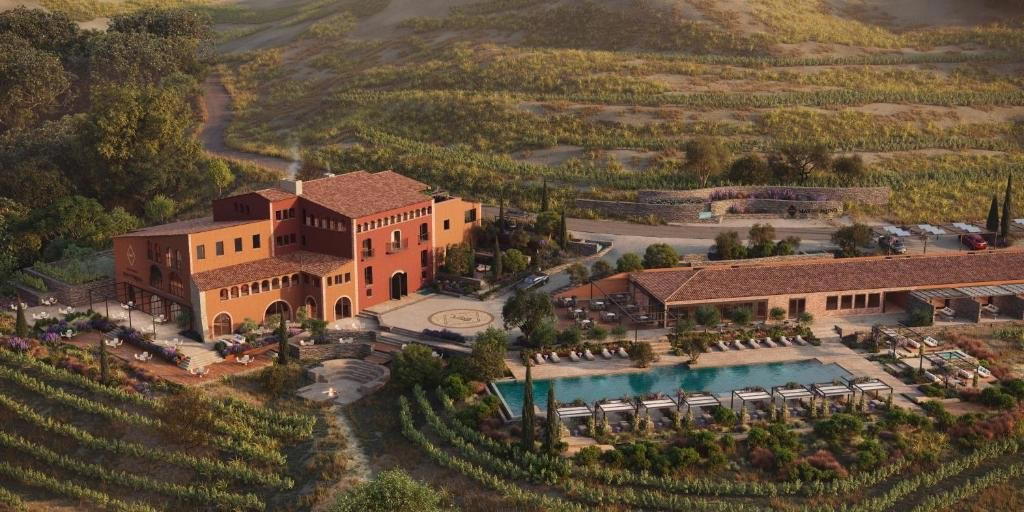
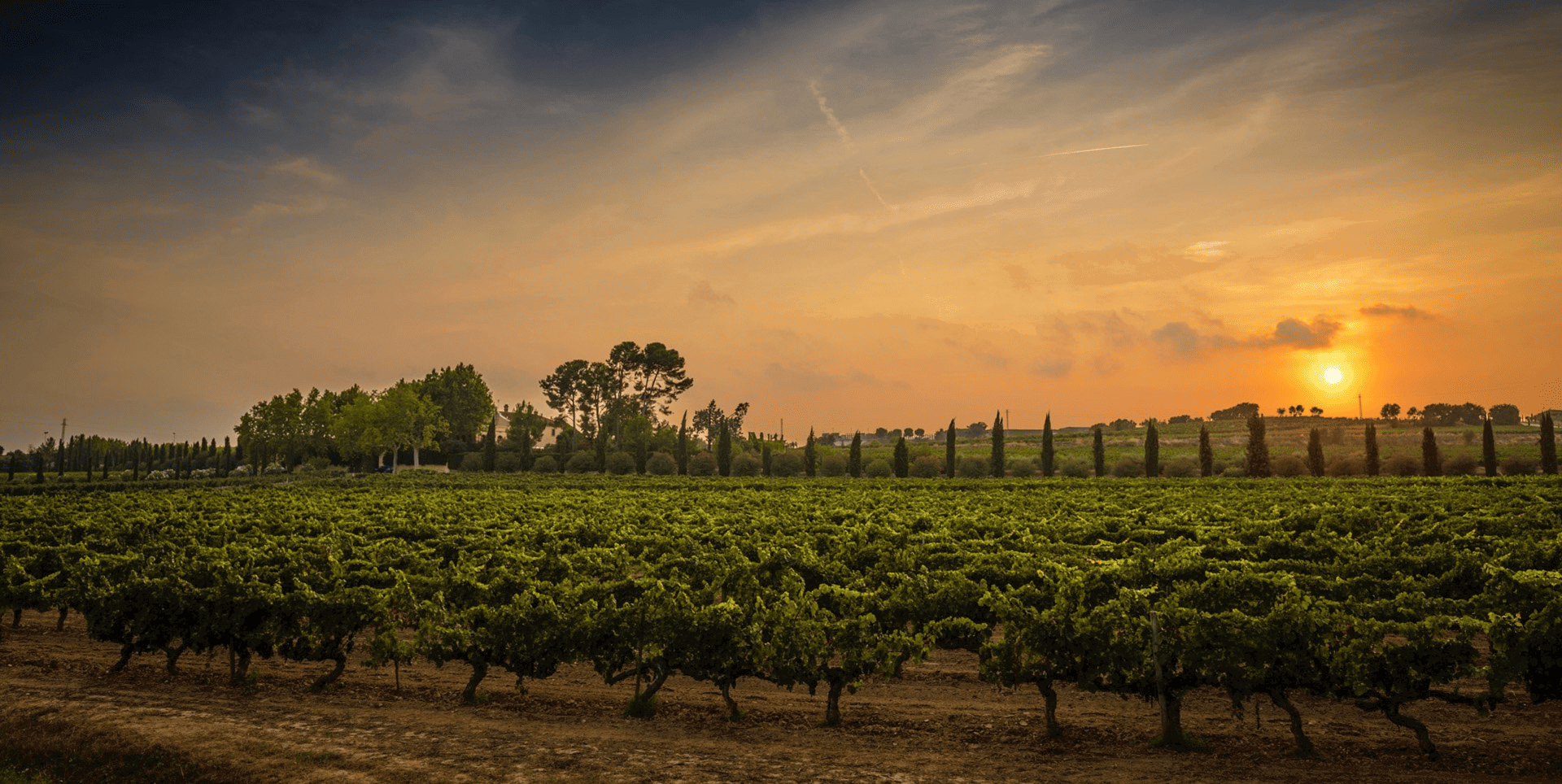
Warm and rustic farmhouse-style space in the small village of Casafort, with simple decor, soft lighting and a quiet, unhurried atmosphere that suits leisurely, ingredient-focused meals.