Queen Restaurant operates in Nyaung Oo, the township adjacent to the Bagan archaeological zone in Myanmar's Mandalay Region. Set within one of Southeast Asia's most historically dense destinations, it draws visitors exploring the temple plains alongside locals seeking familiar regional cooking. Specific menu, pricing, and booking details are limited, so direct contact on arrival is the practical approach.
Pearl is the En Primeur Club membership app — saves, bookings, and concierge access live there. Same editors, same standards.
- Address
- Nyaung Oo
- Directions
- Get directions
 Saves & bookings on Pearl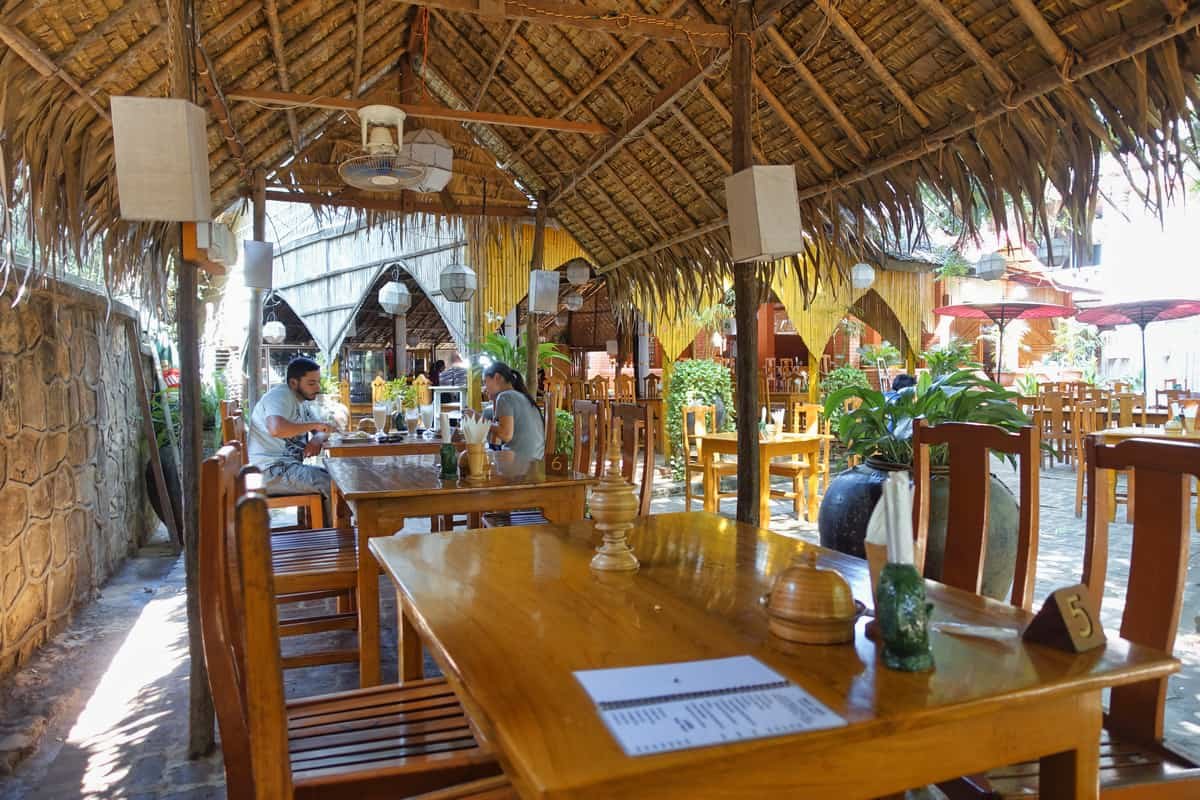
Dining in the Shadow of Bagan's Temples
Nyaung Oo sits at the northern edge of the Bagan archaeological zone, a township that functions as the practical hub for one of Southeast Asia's most visited historical sites. The restaurant trade here has a particular character: it serves an audience that arrives exhausted from sunrise balloon flights or long days cycling between pagodas, and it competes less on refinement than on grounding. The cooking that tends to endure in towns like this is the kind that connects the traveller to the place rather than insulating them from it. Queen Restaurant operates within that context, in a town where the surrounding landscape does much of the atmospheric work before a single dish arrives.
Bagan's dining scene has never developed the concentrated critical mass of Yangon or Mandalay. What it offers instead is a more immediate relationship between food and place. Myanmar cuisine in this region leans on Bamar cooking traditions: fermented tea leaf salads (lahpet thoke), mohinga variations, and a rotating cast of curries built around slow-cooked proteins, fried shallots, and turmeric-forward oils that settle into deep, rounded flavours over hours of preparation. These are not dishes designed for quick assembly; they reflect a culinary logic shaped by the Irrawaddy corridor's agricultural rhythms and Buddhist dietary patterns. For visitors whose Myanmar eating has been limited to hotel buffets or tourist-facing approximations, a local restaurant in Nyaung Oo represents the more direct version.
The Culinary Tradition Behind the Setting
Understanding what Nyaung Oo restaurants offer requires some sense of what Bamar cooking actually is. Myanmar's central cuisine draws from a distinct position in Southeast Asian food history: it shares the fermented-paste foundations of its neighbours but follows a different oil and spice logic, closer in some respects to Bengali cooking than to Thai or Lao traditions. Dishes here are less aromatic in the lemongrass-and-kaffir-lime sense, and more rooted in depth built through long cooking, dried seafood pastes (ngapi), and the slow caramelisation of onion and garlic in considerable quantities of oil. That oil layer, often misread by first-time visitors as excess, is in fact a preservation mechanism and a flavour carrier that is central to the cuisine's identity.
The tea leaf salad deserves particular attention as a point of cultural orientation. Lahpet thoke is one of the few dishes that functions simultaneously as a snack, a ceremony, and a symbol of Burmese hospitality with documented historical significance. Fermented green tea leaves are dressed with lime juice, fish sauce, garlic, dried shrimp, fried beans, and sesame, then assembled at the table. The result is texturally complex and intensely savoury, unlike anything in the surrounding regional cuisines. Restaurants across the Bagan zone, including those around Nyaung Oo, typically include it as a matter of course. Whether Queen Restaurant presents it in a traditional or adapted form is something a visit will answer more reliably than any published source.
For broader regional comparison, visitors to Myanmar's dining scene across cities might reference Kaung Myat Restaurant in Yangon, which operates in the country's commercial capital where the full range of Myanmar regional cooking styles converges. The contrast between Yangon's more cosmopolitan restaurant environment and Nyaung Oo's temple-town practicality is itself instructive. Similarly, Nanda Restaurant, also in Nyaung Oo, represents the kind of peer-set context worth understanding before settling on a table: both restaurants serve visitors in the same township, and the choice between them will likely come down to proximity, recommendation on the ground, or what the kitchen is doing that evening.
Placing Nyaung Oo in a Wider Dining Frame
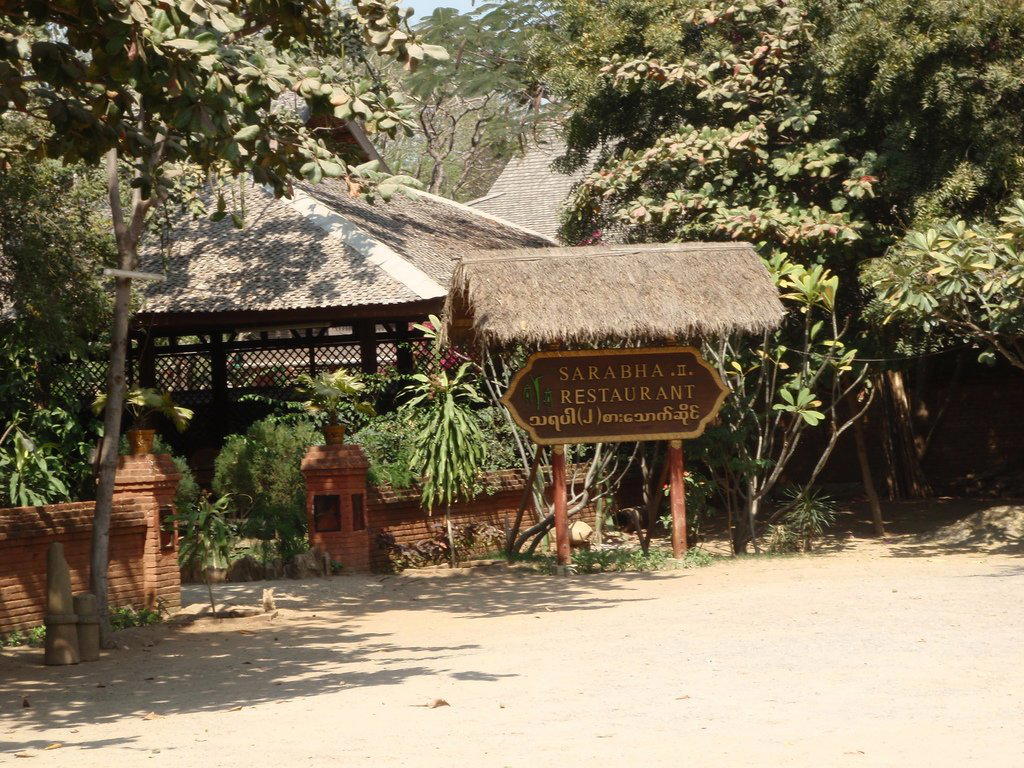
For travellers whose reference points are the more formally structured restaurant experiences of other Asian cities, the Bagan zone represents a deliberate step away from that mode. Venues like 8 1/2 Otto e Mezzo Bombana (Hong Kong) or Amber in Hong Kong sit at the far end of a spectrum that Nyaung Oo doesn't attempt to occupy. Even within Southeast Asia, the comparison with tightly curated experiences in other countries clarifies what makes eating in Myanmar's archaeological heartland distinctive: the absence of the international fine-dining apparatus is precisely the point. Sarabha 2 Restaurant in Nyaung U provides another nearby data point for visitors mapping the local restaurant geography before arrival.
The broader Nyaung Oo dining picture also benefits from understanding what the township is not. It is not a food-destination city in the way that regional capitals attract culinary tourism. The restaurants here exist within a tourism economy driven almost entirely by the temples, and the best of them understand that the food should complement the experience of the site rather than compete with it. Myanmar cooking, at its most direct, does this naturally. The emphasis on shared plates, rice as a structural anchor, and the unhurried pace of a multi-dish spread maps well onto the rhythm of a Bagan afternoon.
For visitors who have eaten widely across the region, the Golden Duck Restaurant in မန္တလေးမြို့ and Roha Korean Restaurant in Kalaw offer comparative data points for understanding how different Myanmar townships handle the tension between local cooking and international visitor expectations. Kalaw, a hill station with a different culinary history, makes an interesting contrast with the plains-based Bamar cooking of the Bagan zone.
Planning a Visit
In Nyaung Oo, the practical reality is that most restaurants at this level operate on a walk-in basis, and the most reliable booking method is direct inquiry at the venue or through the front desk of nearby accommodation. The township's restaurant strip is compact enough that a short reconnaissance walk will identify what is open and what the kitchen is running on a given day. Seasonal visitor patterns in Bagan peak between November and February, when the cooler dry season draws the largest concentration of international travellers; dining during this window may mean earlier arrival at popular local spots. The shoulder months of October and March carry thinner crowds and potentially more relaxed service conditions, though heat becomes a factor for outdoor seating. For a fuller orientation to what Nyaung Oo's restaurants offer across the range of price points and cuisine types, our full Nyaung Oo restaurants guide maps the local scene in more detail.
Visitors seeking the kind of structured, formally reviewed restaurant experience that venues like Le Bernardin in New York City, Alinea in Chicago, or Arpège in Paris represent will find Nyaung Oo operates in a fundamentally different register. That is not a limitation; it is the condition of eating well in a place where the culinary culture has not been shaped by international critical infrastructure. The value of a restaurant like Queen in this context is its position within the town's daily life, not its distance from it.
Price Lens
| Venue | Price |
|---|---|
| Queen RestaurantThis venue — the venue you are viewing | This venue |
Continue exploring
More in Nyaung Oo
Restaurants in Nyaung Oo
Browse all →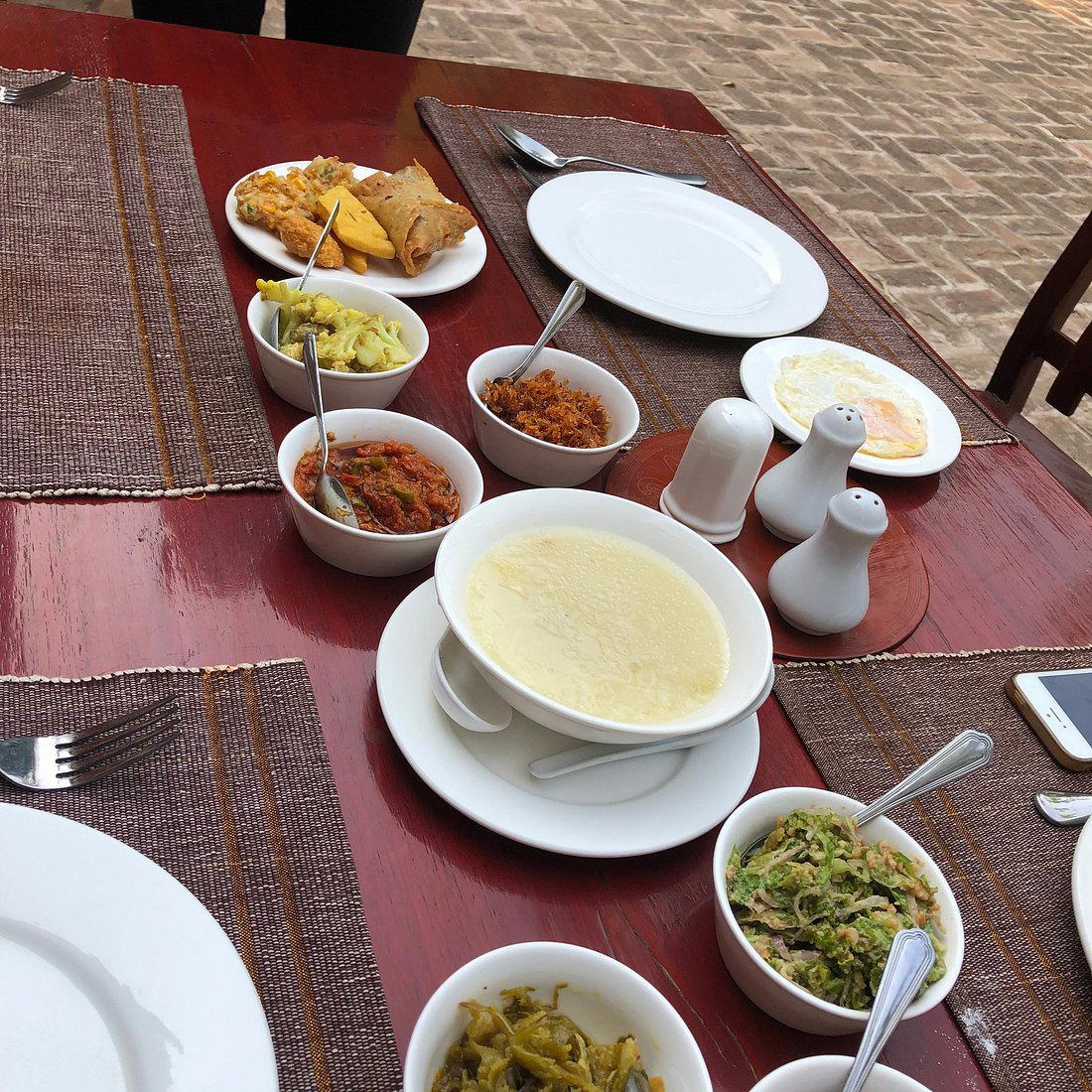
At a Glance
- Lively
- Casual Hangout
- Street Scene
Inviting open-air atmosphere with lanterns creating an attractive night-time ambiance.
Know Before You Go
- Getting there
- Nyaung Oo