
Tabelog 100 #29
Our verdict
Naochan places Nobeoka’s everyday shokudo cooking in a national conversation: regional food, chicken dishes, and cafeteria-format dining recognised by Tabelog 100 - Diner - 2026. The appeal is not ceremony but clarity, with a compact house-restaurant setting, counter and tatami seating, take-out, and a price tier that keeps the focus on local eating rather than destination dining theatre.

Pearl is the En Primeur Club membership app, where members save venues, book tables and use the concierge.
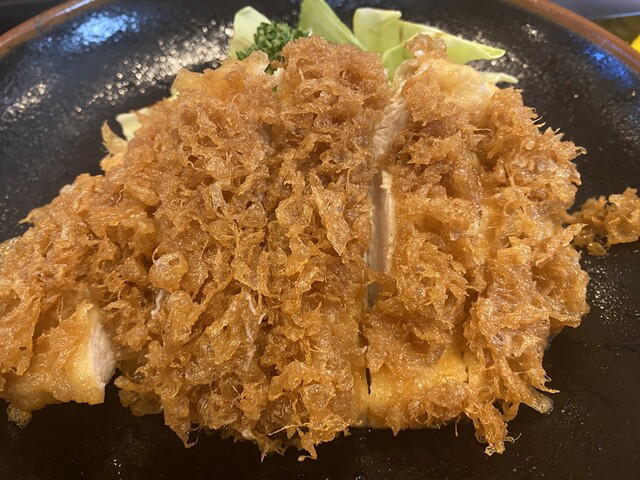
The menu
What to order
- Original Chicken Nanban
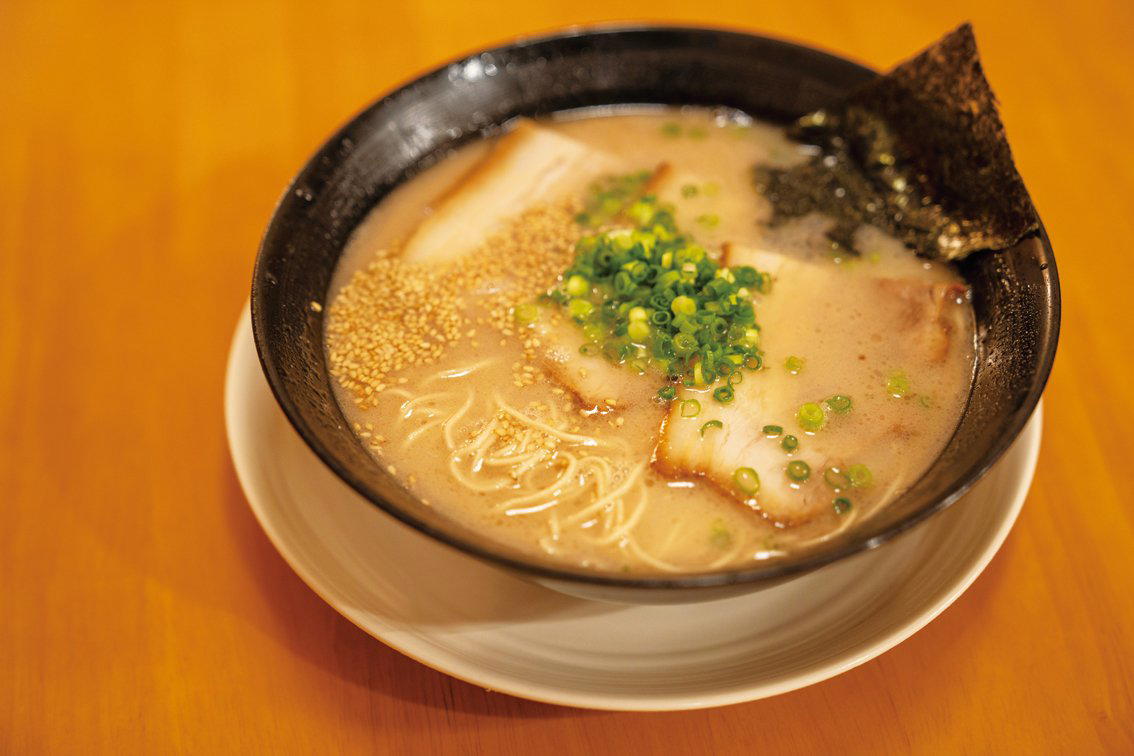
- Hyuga-style chicken tataki
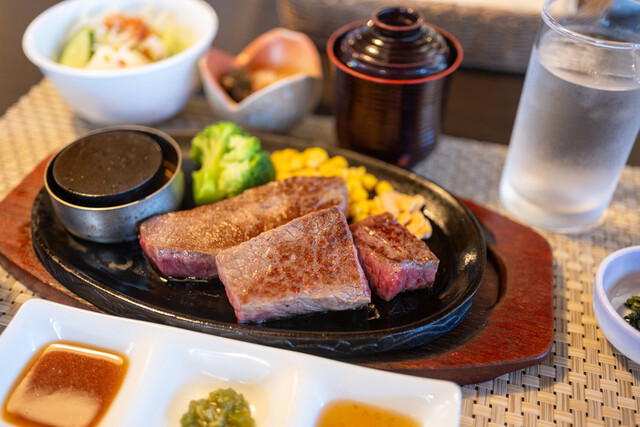
- Grilled chicken thigh
Approaching an everyday restaurant in Nobeoka changes the terms of the meal before anything reaches the table. This is not the polished counter culture associated with metropolitan tasting menus, and that is the point. In Nobeoka, the more revealing meals often sit closer to the rhythms of workers, families, everyday traffic, and regional cooking than to the export-ready language of luxury Japanese dining.
Naochan belongs to that shokudo lineage: cafeteria, chicken dishes, and regional cuisine rather than chef-led spectacle. Its inclusion in Tabelog 100 - Diner - 2026 gives the restaurant a national marker, but the more interesting signal is category fit. Japan’s diner and teishoku traditions reward consistency, portion logic, and a strong local identity. Here, the editorial argument is simple: Nobeoka’s food culture is easier to understand through an everyday table than through a formal room designed for visitors.
Regional chicken cooking carries the weight here, not fine-dining choreography
Naochan’s listed categories point toward a grounded local register, with chicken dishes presented as part of a regional-cuisine framework rather than as a luxury performance. That matters because cafeteria-style cooking is unforgiving in a different way from tasting-menu cooking. The test is not novelty. It is whether the kitchen can make a familiar format feel specific to place, with the cooking style doing more work than decoration.
The Tabelog category language around Naochan is useful because it avoids overstatement: cafeteria, chicken dishes, regional cuisine. Those three words describe a Japanese dining form that international travellers often undervalue. A cafeteria-format meal can be more revealing than a reservation-only counter because it shows what a city repeats, pays for, and brings people back to. Recognition in the 2026 Tabelog 100 Diner list places the restaurant within a national set of everyday Japanese dining rooms that have earned attention without changing their basic function.
That distinction is important in Nobeoka, where the restaurant conversation is not built around a single dominant genre. For a broader read on the city, compare this shokudo register with local dining at CERCA TROVA and チェルカ トローヴァ, or with the different local pull of Kurobee and Zenryomaru. Naochan sits in a different lane: lower ceremony, stronger daily-use logic, and a tighter connection to the kind of regional cooking that does not need translation into luxury cues.
The room explains the restaurant's place in Nobeoka's dining hierarchy
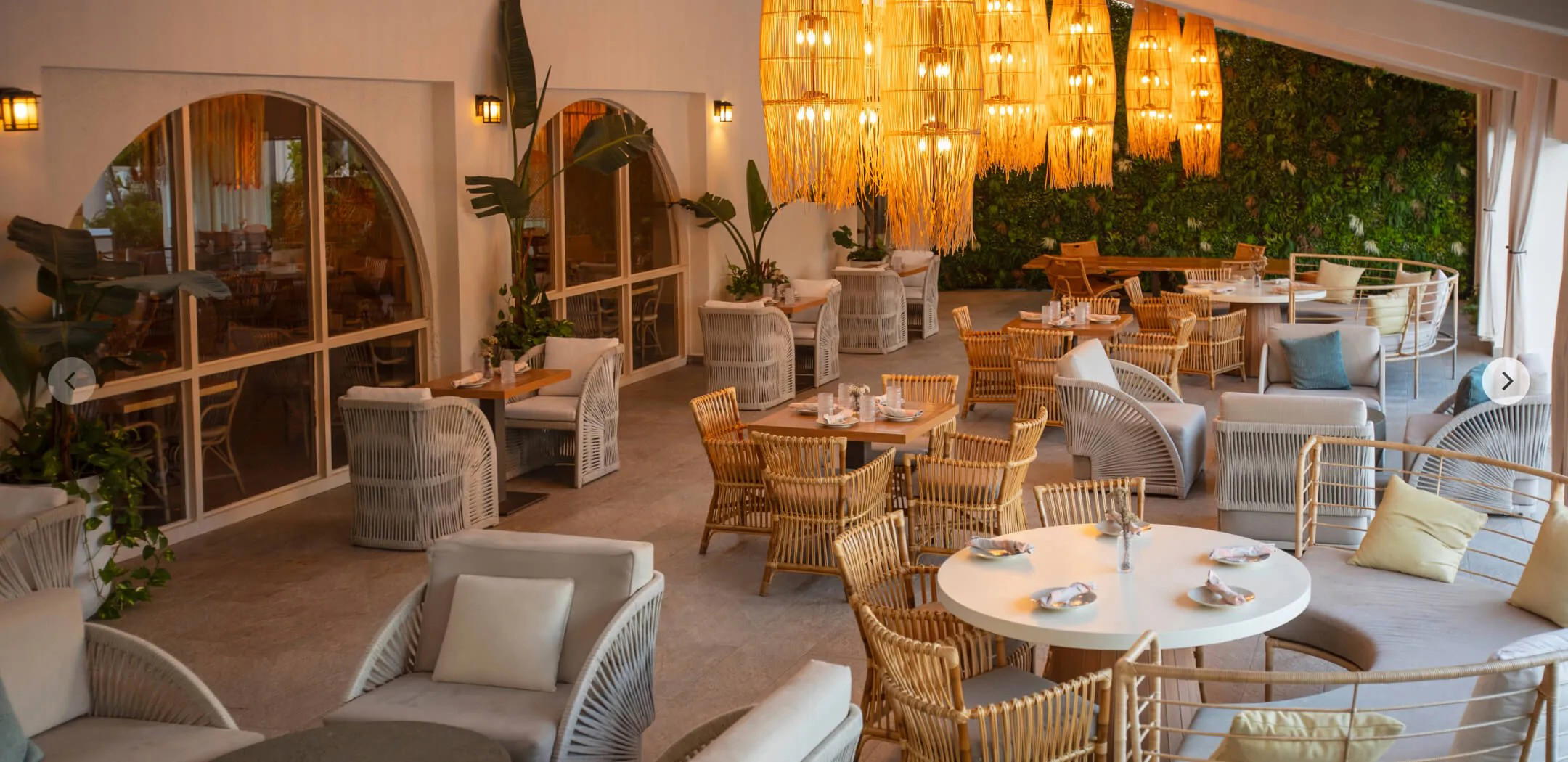
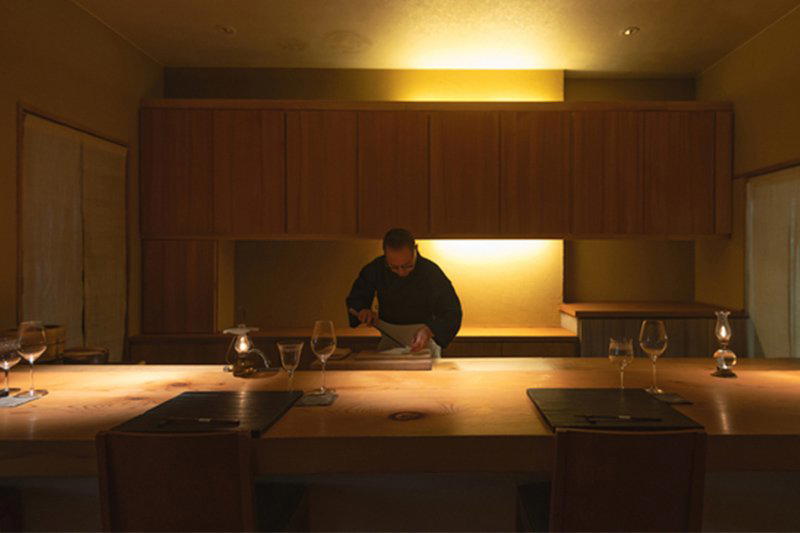
The setting reads as practical rather than performative. That says a great deal about the intended audience. This is the kind of restaurant where the format can serve solo diners, regular meals, and informal local use without turning itself into a private-room restaurant. The restaurant’s public profile aligns with the low-budget range and the cafeteria category rather than feeling like an add-on.
For travellers accustomed to Tokyo or Kyoto reservation culture, the absence of ceremony can be clarifying. The restaurant does not need a long chef biography to make its case. Its credibility comes from selection by a national diner award, a Tabelog score of 3.67, and a format built for ordinary use. Those are not glamorous signals, but they are the signals that matter in this tier of Japanese dining.
The city context is also worth weighing. Nobeoka is not trying to imitate larger Japanese dining capitals or their dense specialist scenes. Its better meals tend to reward readers who understand regional specificity: everyday dining, local cooking, and shokudo formats that serve residents before visitors. For travellers building a wider Kyushu itinerary, this kind of address gives a more grounded counterpoint to higher-spend destinations in other Japanese cities. The comparison is not about cuisine equivalence; it is about how Japanese cities express value through different formats.
How to read Naochan against the wider city
Naochan is strongest as a lens on local dining rather than as a trophy booking. Its value lies in the intersection of regional chicken cooking, shokudo accessibility, and national recognition in a category that often gets less attention from inbound travellers than sushi, wagyu, or kaiseki. The practical profile reinforces that reading: a listed budget of Dinner: - JPY 999; Lunch: - JPY 999 and a Nobeoka location point to a restaurant designed around local patterns of use.
That makes it a sensible anchor for readers mapping Nobeoka beyond a single meal. Use Our full Nobeoka restaurants guide to place it among the city’s dining options, then widen the trip through Our full Nobeoka hotels guide, Our full Nobeoka bars guide, Our full Nobeoka wineries guide, and Our full Nobeoka experiences guide. For readers interested in how Japanese comfort formats compare with other dining cultures, unnamed examples elsewhere can offer contrast, but Nobeoka’s lesson is more direct: regional identity often appears with everyday practicality, not theatrical polish.
Frequently asked questions
Would Naochan be comfortable with kids?
Naochan is categorized as a cafeteria, chicken dishes, and regional cuisine venue in Nobeoka. Check the venue's official channels for the latest details.
What kind of setting is Naochan?
Naochan is described in the practical register of cafeteria, chicken dishes, and regional cuisine in Nobeoka. It also carries Tabelog 100 Diner 2026 recognition, so the setting is practical rather than formal.
Is Naochan more mid-range or high-end?
Pricing at Naochan is listed as - JPY 999 - JPY 999.
When can I go to Naochan?
Check the venue's official channels for current opening hours before visiting Naochan.
Where is Naochan in Nobeoka?
Nobeoka.
Side-by-Side Snapshot
Comparable venues by cuisine and price in the same metro.
| Venue | Cuisine | Price | Awards | Notes |
|---|---|---|---|---|
| NaochanThis venue (the venue you are viewing) | Traditional Chicken Nanban & Japanese set meals | $10–20 | Tabelog 100 #29 | Not listed |
| Kurobee | Japanese Dumpling House | $1–10 | Tabelog 100 #46 | Shinmachi |
| Zenryomaru | Japanese Traditional Fine Dining | $100–150 | Tabelog Bronze #535 | Hommachi |
| CERCA TROVA | Modern Italian with Local Miyazaki Ingredients | $100–150 | Tabelog Silver #12 | Bakuro-cho |
| チェルカ トローヴァ | Modern Italian with Local Miyazaki Ingredients | $100–150 | Tabelog Silver #12 | Nobeoka |
| つけめん 頑者 新横浜ラーメン博物館店 | Tsukemen (Dipping Ramen) | $1–10 | Not listed | Shin-Yokohama |
Recognition history
Dated appearances from independent guides and award organizations, with the underlying list record or original source where available.
Tabelog 100 #29 · No. 29
Tabelog · Tabelog 100 - Diner - 2026
Continue exploring
More in Nobeoka
Details
- Cozy
- Classic
- Well Known
- Solo
- Family
- Casual Hangout
- Group Dining
- After Work
- Standalone
- Local Sourcing
- Set Menu
- A La Carte
- Counter Dining
Current opening hours
- Monday
- 11 AM–1:45 PM
- Tuesday
- Closed
- Wednesday
- 11 AM–1:45 PM, 5–7:45 PM
- Thursday
- 11 AM–1:45 PM, 5–7:45 PM
- Friday
- 11 AM–1:45 PM, 5–7:45 PM
- Saturday
- 11 AM–1:45 PM, 5–7:45 PM
- Sunday
- 11 AM–1:45 PM, 5–7:45 PM
Hours can change for holidays and private events. Hours as of .
A cozy, homey house-restaurant with counter, tatami, and simple table seating, often busy and lively but relaxed and welcoming for families and solo diners alike.