
Tabelog 100 #35
Our verdict
A Tokachi wheat bakery-cafe with unusual scale for Japan’s bread scene, Mugi Oto pairs everyday pricing with serious recognition: Tabelog Bread EAST 100 selections in 2020 and 2022. The appeal is less about ceremony than access: local grain, cafe seating, terrace space, take-out, and a family-friendly setup that makes Hokkaido bakery culture feel practical rather than precious.

Pearl is the En Primeur Club membership app, where members save venues, book tables and use the concierge.
The menu
What to order
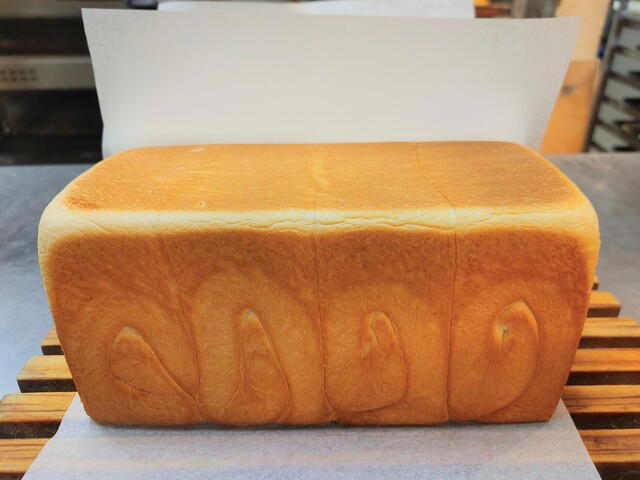
- High-grade shoku-pan made with Tokachi wheat ‘Minori-no-chikara’
- Assorted Tokachi local-ingredient breads
Approaching Mugi Oto, the first signal is ease. Hokkaido bakery culture often reads through the language of farms, dairy, wheat fields, and road-trip stops rather than the compact counter ritual associated with urban patisserie. Here the bread-and-cafe format is best understood as a practical daily stop: approachable, informal, and useful for travellers who want something more flexible than a fixed restaurant meal.
That matters because Hokkaido’s bread identity is often tied to the region’s agricultural image. For Mugi Oto, the specific verified frame is simpler and safer: it is a Sapporo venue listed in the Bread and Cafe categories, with Tabelog Hyakumeiten recognition in 2022 and a reported Tabelog score of 3.61. The stronger editorial point is how democratic the format feels. Recognition in a specialist bread list can push travellers toward small, queue-driven shops; this one reads as an accessible bakery-cafe reference point rather than a special-occasion purchase.
Bakery scale, cafe use, and value without ceremony
The value proposition is unusually clear for a recognised Japanese bakery-cafe: bread, cafe use, take-out potential, and a format that does not ask to be treated like formal dining. In a region where bread and dairy carry strong travel associations, that combination is more persuasive than luxury signalling. The venue is not trying to compete with formal restaurants; it competes with the idea that quality bread in Japan has to arrive through scarcity, small rooms, or precious service language.
The menu can be approached as a broad bakery-cafe stop rather than a single-purpose detour. That is useful for travellers because it can serve as breakfast, picnic supply, cafe break, or day-planning stop depending on the itinerary. In Hokkaido, where distances often shape travel, this kind of bakery-cafe can have more utility than a tightly booked restaurant, especially when the goal is a low-friction pause rather than a long meal.
There is also a useful contrast with other Sapporo dining. A comparison point such as Shunka Rou Hirokoji ten sits in a different restaurant lane, while Uemons Heart occupies another casual-value register. Minami Indian DAL, in Sapporo, operates with a different dining intent. Mugi Oto belongs to another category: a recognised bread-and-cafe stop where the return is measured in practical comfort, everyday appeal, and breadth of use rather than course count or chef-driven narrative.
The Hokkaido bakery stop as a travel format
Japan’s bread culture is often discussed through big-city queues, specialist bakeries, and European technique, but Hokkaido adds a different grammar. The region’s food image makes bread and cafe stops feel like part of local travel infrastructure rather than a niche indulgence. That is the reason this listing is more interesting than a simple cafe note. It connects the traveller to Hokkaido’s everyday food rhythm without requiring a formal tasting menu or a long meal window.
The format supports that reading. Mugi Oto is best placed as an informal bakery-cafe rather than a high-ceremony dining room. Those details are not glamour markers, but they are serious hospitality signals in editorial terms. They tell a traveller how the place works: pause, choose bread, use it as a cafe stop, or fold it into the wider day without making the bakery the only event on the itinerary.
For a Sapporo-based itinerary, this should be treated as part of the city’s broader casual dining map rather than as a fine-dining anchor. Readers building around the capital may want to pair the broader dining map with Our full Sapporo restaurants guide, where noodles, curry, seafood, bakeries, cafes, and specialist counters give the city its range. Nearby editorial context can stay generic: other Sapporo dining rooms may offer different levels of spend, service, and meal structure, while Mugi Oto remains most useful as a bread-focused cafe reference point.
How to place it within a Hokkaido itinerary
The strongest use case is a daytime stop built around bread, cafe use, and provisions rather than a destination dinner. The listed budget is low, with pricing shown at - JPY 999 - JPY 999 and both lunch and dinner budget references also listed at - JPY 999. That reinforces its role as an easy, accessible bakery-cafe rather than a splurge reservation. For travellers, the practical appeal is the ability to solve a real dining need without over-planning.
The smarter editorial read is to treat Mugi Oto as a high-functioning Sapporo bakery-cafe with specialist recognition, low listed pricing, and a straightforward everyday format. It does not need a chef myth, a tasting-menu narrative, or a luxury frame to make sense. For travellers staying in or passing through Sapporo, the broader planning layer sits across Our full Sapporo hotels guide, Our full Sapporo bars guide, Our full Sapporo wineries guide, and Our full Sapporo experiences guide.
Japan’s casual food map is broad enough that a bakery like this should not be judged against formal restaurants. It sits closer to the everyday-specialist category that explains why travellers seek out focused formats in many cities: the appeal comes from clarity, price-to-pleasure logic, and a venue type that solves a real dining need. Within Sapporo, Mugi Oto is strongest when read that way: not as a grand culinary statement, but as a recognised bread-and-cafe stop with practical value.
Frequently asked questions
What should I budget for a meal at Mugi Oto?
Pricing at Mugi Oto is listed as - JPY 999 - JPY 999.
What are Mugi Oto's hours?
Current specific hours for Mugi Oto are not provided here; check directly before visiting.
Where is Mugi Oto in Sapporo?
Sapporo.
What do critics highlight about Mugi Oto?
Mugi Oto is listed in the Bread and Cafe categories and has Tabelog Hyakumeiten recognition for 2022, with a reported Tabelog score of 3.61. That combination makes it an easy reference point for bread-focused cafe stops in Sapporo.
A Credentials Check
Comparable venues at the same tier.
| Venue | Cuisine | Price | Awards | Notes |
|---|---|---|---|---|
| Mugi OtoThis venue (the venue you are viewing) | Bakery & cafe with Tokachi local wheat | $10–20 | Tabelog 100 #35 | Not listed |
| Yamanaka Bokujou | Farm Dairy Café & Soft-Serve | $1–10 | Tabelog 100 #2 | Akaigawa / Otaru countryside |
| Aji no Daiou Souhonten | Hokkaido curry ramen shop | $1–10 | Tabelog 100 #28 | Not listed |
| Univers S. | Retro Showa-style Western (yoshoku) restaurant | Not listed | Tabelog 100 #47 | Nishi |
| Pot-au-feu | Stew & yoshoku restaurant | $10–20 | Tabelog 100 #66 | Kiyota |
| THIRTY FOUR | Soup curry restaurant | $10–20 | Tabelog 100 #41 | Toyohira |
Recognition history
Dated appearances from independent guides and award organizations, with the underlying list record or original source where available.
Tabelog 100 #35 · No. 35
Tabelog · Tabelog 100 - Bread - EAST - 2022
Continue exploring
More in Obihiro

Details
- Scenic
- Cozy
- Rustic
- Classic
- Solo
- Family
- Casual Hangout
- Brunch
- Group Dining
- After Work
- Garden
- Open Kitchen
- Design Destination
- Standalone
- Farm To Table
- Local Sourcing
- Sustainable Seafood
- Garden
- A La Carte
- Counter Dining
Current opening hours
- Monday
- 6:55 AM–6 PM
- Tuesday
- 6:55 AM–6 PM
- Wednesday
- 6:55 AM–6 PM
- Thursday
- 6:55 AM–6 PM
- Friday
- 6:55 AM–6 PM
- Saturday
- 6:55 AM–6 PM
- Sunday
- 6:55 AM–6 PM
Hours can change for holidays and private events. Hours as of .
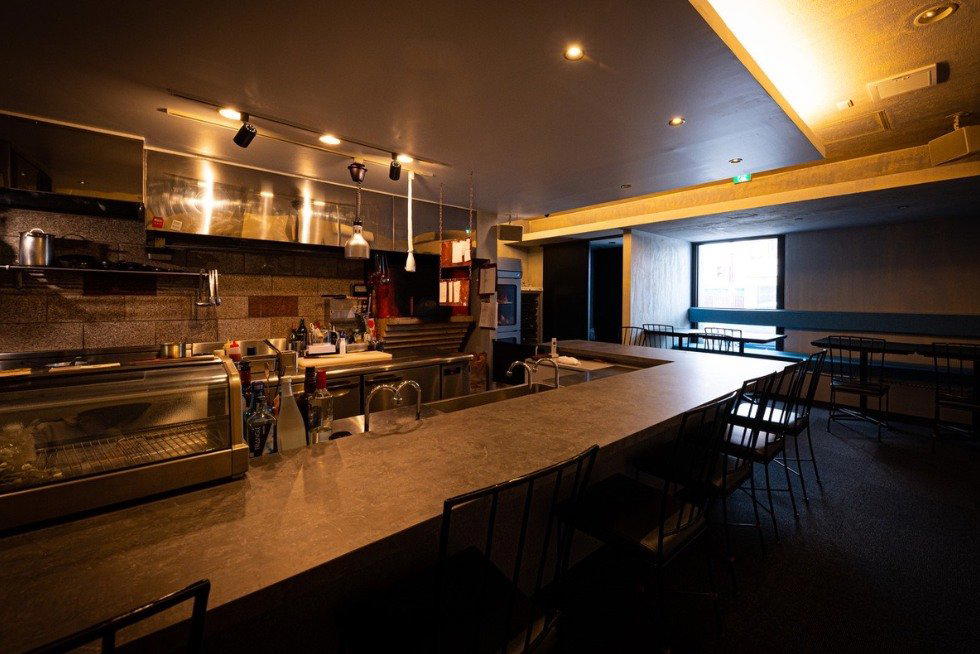
Bright, relaxed bakery-cafe atmosphere with an open kitchen, views of turning waterwheels and onsite wheat fields, and a spacious garden that gives a rustic, nature-connected feel rather than an urban cafe vibe.