Mole Mexican Kitchen
Our verdict
On El Paseo, Palm Desert's principal dining corridor, Mole Palm Desert brings the complex, chile-driven sauces of Mexican tradition into a desert setting where regional produce and modern technique intersect. The restaurant occupies a distinct position on a street better known for European and American formats, making it a reference point for serious Mexican cooking in the Coachella Valley.

Pearl is the En Primeur Club membership app, where members save venues, book tables and use the concierge.
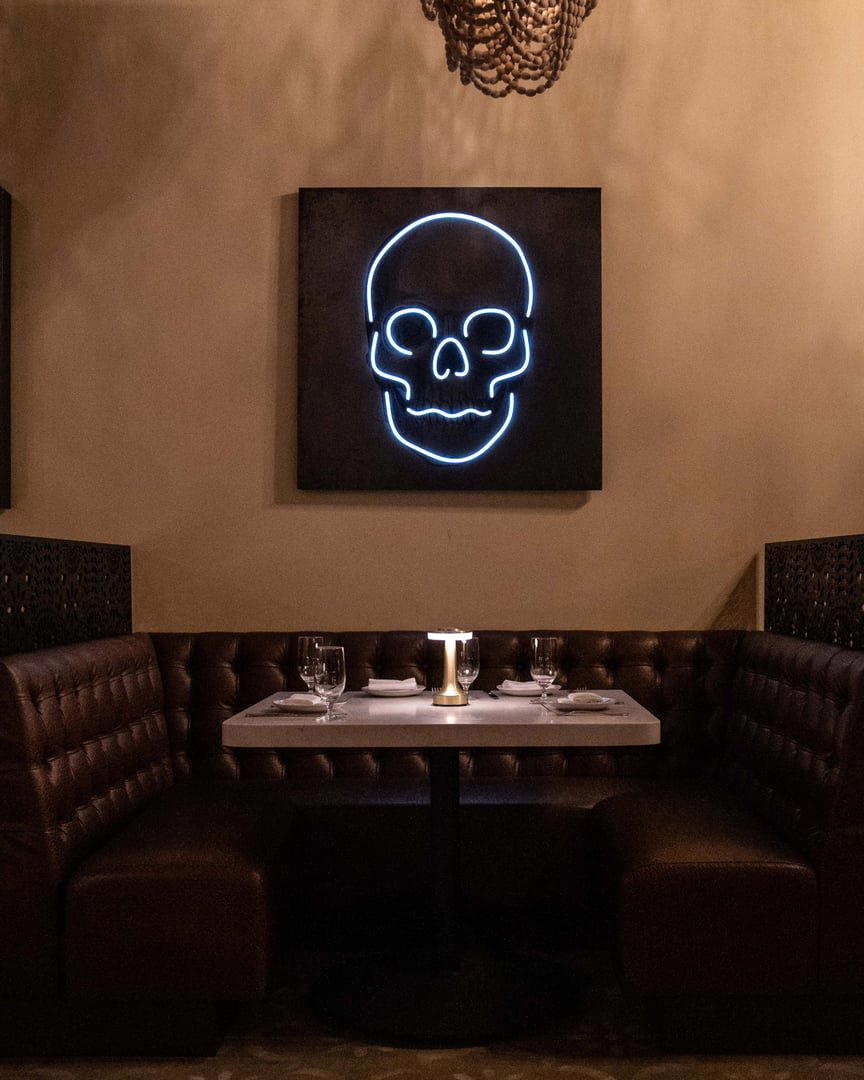
The menu
What to order
- Guaca-Crab Jaracho
- Colorado Lamb Shank Adobo
- Mole Con Pollo
El Paseo and the Case for Mexican Complexity
El Paseo runs through Palm Desert like a compressed version of Beverly Hills' Rodeo Drive: boutiques flanking both sides, valet stands punctuating the pavement, and a dining lineup that skews heavily toward Italian trattorias, French bistros, and California-inflected American cooking. Against that backdrop, a restaurant built around mole, one of Mexico's most technically demanding sauce traditions, occupies an unusual position. Where neighbors like Castelli's and Bellatrix work within familiar European frameworks, Mole Palm Desert draws from a culinary canon that requires weeks of preparation for a single sauce and dozens of ingredients whose interplay can take years to master.
That distinction matters more than it might appear. Serious mole, whether negro from Oaxaca or poblano from Puebla, is rarely encountered in resort-town dining rooms, where simplified Mexican formats tend to dominate. The Coachella Valley's dining scene has expanded considerably over the past decade, with El Paseo in particular attracting restaurants that position themselves alongside properties you would find in Los Angeles or San Diego rather than in a tourist strip. Mole Palm Desert sits at 73-130 El Paseo Suite M, inside that corridor's mid-section, accessible on foot from most of the street's other destinations. The practical reality of El Paseo dining is that reservations are advisable for dinner service, particularly during the high season that runs from October through April, when the desert's population swells with seasonal residents escaping colder climates.
What Mole Tells You About a Kitchen
In Mexico's culinary tradition, mole is a diagnostic. The sauce reveals a kitchen's patience, its sourcing discipline, and its command of dried chile varieties whose individual character is easily lost if the roasting, soaking, and blending sequence is rushed. A competent mole negro involves anywhere from twenty to thirty-five ingredients: multiple dried chiles, chocolate, charred tortilla, spices, seeds, and often fruit. The result should be neither purely spicy nor purely sweet, but layered across those registers simultaneously, with a texture that clings to protein rather than pooling beneath it.
The application of contemporary technique to this tradition is where restaurants like Mole Palm Desert find their editorial interest. Across American cities, a cohort of Mexican kitchens has emerged that treats mole with the same sourcing and preparation rigour applied to French mother sauces in fine dining. Venues such as Providence in Los Angeles have demonstrated how West Coast produce can anchor technically demanding menus; the same logic applies when indigenous Mexican chile varieties meet the agricultural output of Southern California's desert fringe. The Coachella Valley itself produces dates, citrus, and certain specialty crops that a kitchen attentive to local sourcing can fold into preparations without disrupting the integrity of the sauce tradition.
The Local Ingredients Argument in a Desert Context
Southern California's desert produce belt is underused as a reference point in fine dining conversations. The region around Palm Desert and the wider Coachella Valley supplies a significant share of the country's Medjool dates, alongside specialty citrus, squash varieties, and herbs that align naturally with Mexican cooking's flavor profiles. A kitchen working with mole-centric menus in this geography has access to ingredients that don't require long-haul sourcing and that carry a regional character distinct from what a similar restaurant in Chicago or New York would find available. Comparable farm-to-kitchen integration at places like Single Thread Farm in Healdsburg or Blue Hill at Stone Barns in Tarrytown illustrates how tightly a menu can bind itself to its geography when the kitchen commits to that approach.
That commitment, when it exists in a Mexican context, produces something worth paying attention to. The dried chile supply chain for serious mole work typically runs through specialty importers or direct relationships with Oaxacan or Pueblan producers, and the resulting sauces carry provenance that mass-market Mexican restaurants cannot replicate. When those imported ingredients intersect with locally grown produce, the result is a menu that reads as simultaneously rooted and technically informed, a combination that the broader American fine dining conversation, from Alinea in Chicago to Atomix in New York City, has arrived at through very different culinary traditions.
Where Mole Palm Desert Sits on El Paseo
El Paseo's dining cohort includes a range of formats. Alps Village and Backstreet Bistro represent the street's more neighborhood-facing options, while CASA BLANCA occupies a different register. Within that range, a restaurant anchored by mole occupies a specific niche: more technically demanding than casual Mexican formats, but not positioned against the kind of tasting-menu formalism you find at The French Laundry in Napa or Addison in San Diego.
For a broader view of where Mole Palm Desert sits within the valley's dining options, our full Palm Desert restaurants guide maps the street and its alternatives across cuisine type and format. The El Paseo address places it within walking distance of the street's main concentration of restaurants, which simplifies pre- or post-dinner movement if you're combining dinner with the area's retail or gallery circuit.
Planning Your Visit
Palm Desert's high season runs October through April, when cooler temperatures bring seasonal residents and a corresponding increase in restaurant demand across El Paseo. During those months, securing a table for dinner, particularly on weekends, requires advance planning. The shoulder months of May and September offer more flexibility but arrive with heat that pushes most activity indoors. Mole Palm Desert's suite location within the El Paseo complex places it in a climate-controlled setting, which matters more in Palm Desert than in most California dining contexts. For current hours, booking availability, and any updated menu information, the most reliable approach is to contact the restaurant directly or check current listings, as seasonal adjustments are common across the valley's restaurant scene.
Frequently asked questions
Where is Mole Palm Desert in Palm Desert?
Mole Palm Desert is located at 73-130 El Paseo Suite M, Palm Desert, CA 92260, Palm Desert.
Is Mole Palm Desert a good option for Mexican food in the Coachella Valley compared to other local restaurants?
Within Palm Desert and the wider Coachella Valley, Mexican restaurants vary substantially in approach, from quick-service taquerias to more composed dining rooms. Mole Palm Desert on El Paseo distinguishes itself by centering its identity on mole, a category of sauce that demands sourcing discipline and extended preparation time, rather than a broad pan-Mexican menu. That specificity of focus is relatively uncommon on El Paseo, where most dining concepts cover wider culinary ground.
What should I order at Mole Palm Desert?
The name signals the kitchen's focus: mole is the anchor of the menu. In Mexican culinary tradition, mole sauces are the most labor-intensive preparations a kitchen produces, requiring hours of toasting, grinding, and blending dried chiles, spices, and sometimes chocolate. Order whatever protein the kitchen places under mole and you will understand what the kitchen values. That dish is the clearest measure of what they are doing here on El Paseo.
Do they take walk-ins at Mole Palm Desert?
Walk-in availability at Mole Palm Desert, located at 73-130 El Paseo Suite M in Palm Desert, depends heavily on the season. Palm Desert's high season runs October through April, when seasonal residents fill dining rooms across El Paseo and walk-in tables become harder to secure. Outside peak season, the odds improve considerably. Calling ahead is advisable regardless of time of year.
Can Mole Palm Desert accommodate dietary restrictions?
A kitchen built around mole works primarily with chile-based sauces, which are naturally gluten-free in their traditional form, though individual dishes will vary depending on accompaniments and preparation methods. Guests with specific dietary needs should contact the restaurant at 73-130 El Paseo Suite M, Palm Desert before visiting, as the sauce-heavy format does require ingredient-level confirmation for allergies.
City Peers
Comparable venues nearby, for context on price, style, and recognition.
| Venue | Cuisine | Price | Awards | Notes |
|---|---|---|---|---|
| Mole Palm DesertThis venue (the venue you are viewing) | Modern Mexican Cuisine | $50–100 | Not listed | Not listed |
| Oceana Restaurant | Seafood and Steak with Latin Fusion | $30–50 | Not listed | Palm Desert |
| Pacifica Seafood Restaurant | Fresh Seafood with Steak & Pasta | $50–100 | Wine Spectator Award of Excellence | El Paseo |
| Wilma & Frieda | American Comfort Food with a Twist | $20–30 | Diners, Drive-Ins and Dives Featured Bar | El Paseo |
| Mimmo's Italian Restaurant | Authentic Sicilian Italian | $30–50 | Not listed | Palm Desert |
| La Spiga Ristorante Italiano | Tuscan Italian | $50–100 | Not listed | Palm Desert |
Continue exploring
More in Palm Desert
Restaurants in Palm Desert
All restaurants in Palm Desert →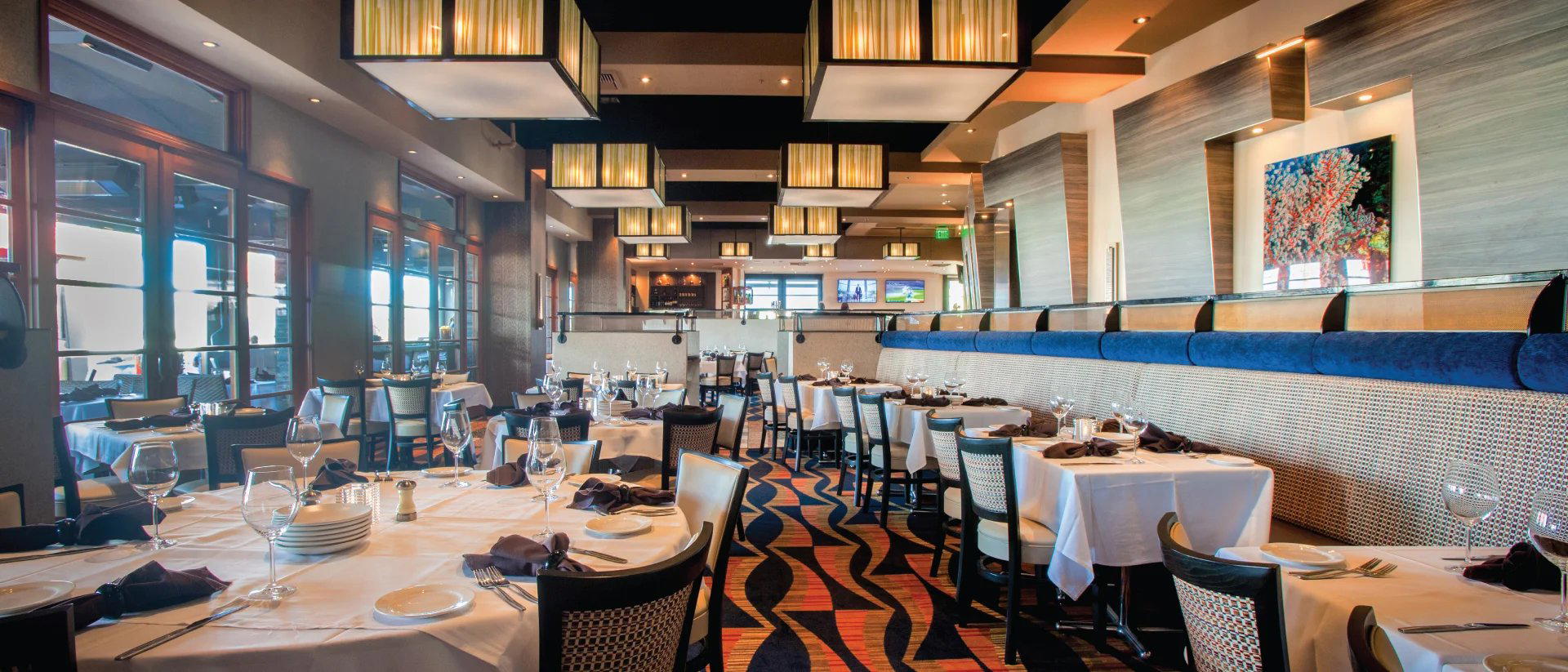
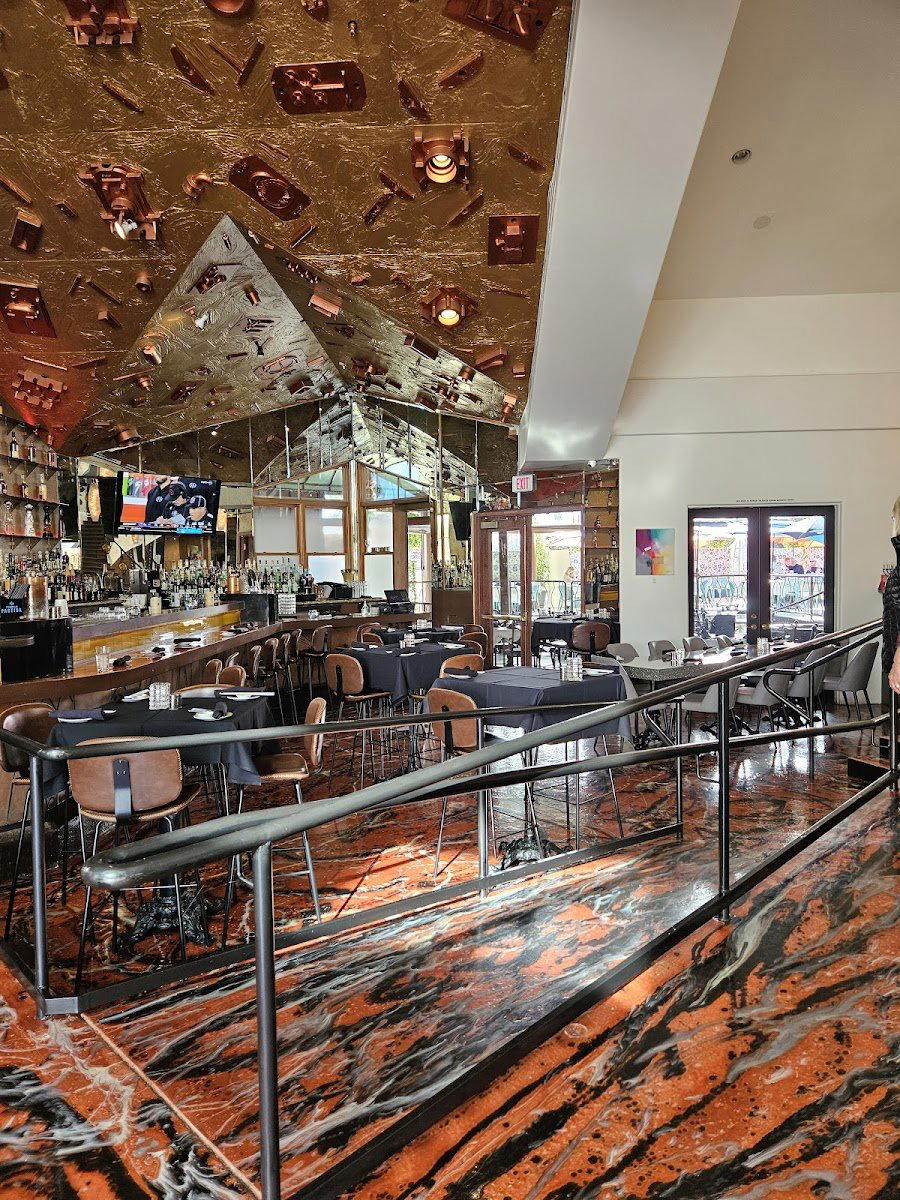
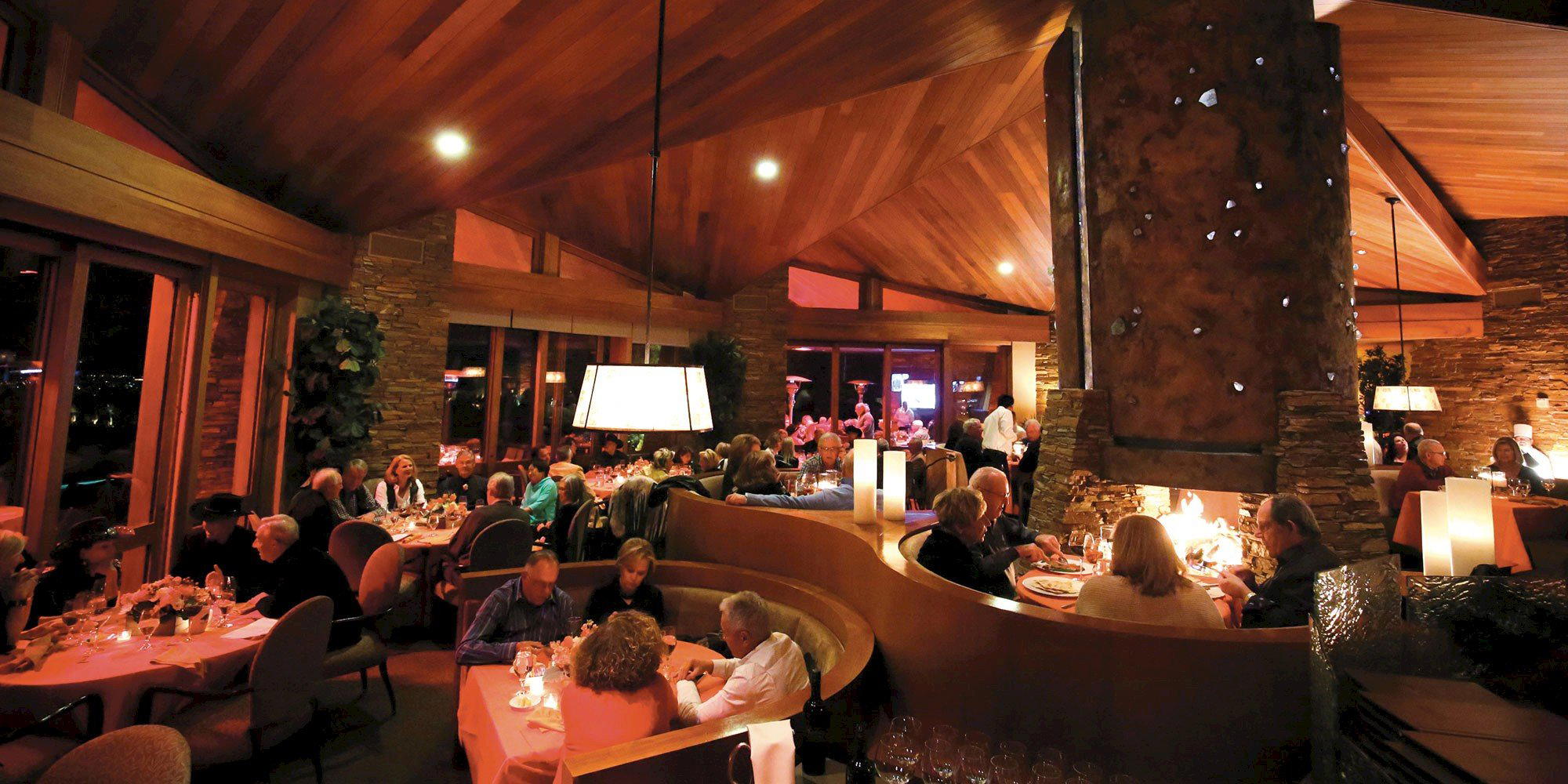
Bars in Palm Desert
All bars in Palm Desert →

Details
- Elegant
- Sophisticated
- Modern
- Special Occasion
- Date Night
- Celebration
- Open Kitchen
- A La Carte
Current opening hours
- Monday
- 12–9 PM
- Tuesday
- 12–9 PM
- Wednesday
- 12–9 PM
- Thursday
- 12–9 PM
- Friday
- 12–9 PM
- Saturday
- 11 AM–9 PM
- Sunday
- 11 AM–9 PM
Hours can change for holidays and private events. Last verified .
Elegant atmosphere with polished service and precise presentation.