


Michelin Plate · Guía Repsol 1 Sol · Macarfi 8.9 Food Rating
Our verdict
Occupying a centuries-old stone house in the medieval town of Allariz, Marmurio do Río holds two consecutive Michelin Plates (2024 and 2025) for contemporary Galician cooking grounded in small-scale local producers. Two tasting menus — the shorter Río and the longer Marmurio — frame the River Arnoia's character through produce sourced from the surrounding countryside and beyond.

Pearl is the En Primeur Club membership app — saves, bookings, and concierge access live there. Same editors, same standards.
- Address
- Rúa da Cárcel, 7, 32660 Allariz, Ourense, Spain
- Phone
- +34 988 89 12 04
- Hours
- Mon–Tue ClosedWed 2–3 PMThu–Sat 2–3 PM, 9–10 PMSun 2–3 PM
- Website
- marmuriodorio.es
- Directions
- Get directions
- Booking
- Book on TheFork
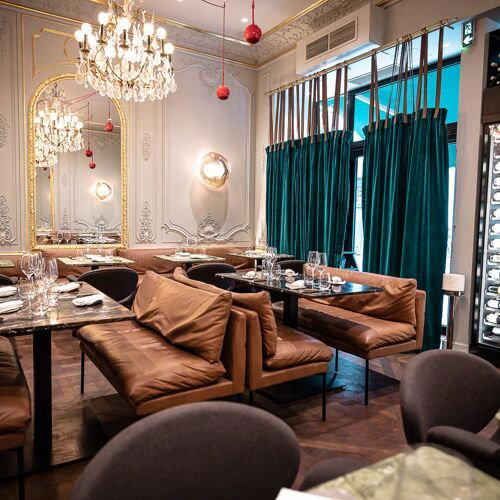
Stone Walls, River Light, and the Logic of Local Sourcing
Allariz is the kind of Galician town that travel writers tend to reach for superlatives to describe, then struggle to justify them. The medieval quarter along the River Arnoia is genuinely well-preserved: flagstone streets, Romanesque churches, and a scale that keeps foot traffic human rather than touristic. It is in this context that a restaurant named after the murmur of a river makes complete sense. The name Marmurio do Río comes from a line in Dark Shadow, a poem by Rosalía de Castro, the nineteenth-century poet whose work remains central to Galician cultural identity. That literary root is not decoration. It signals a project that positions itself within a specific place rather than simply operating in one.
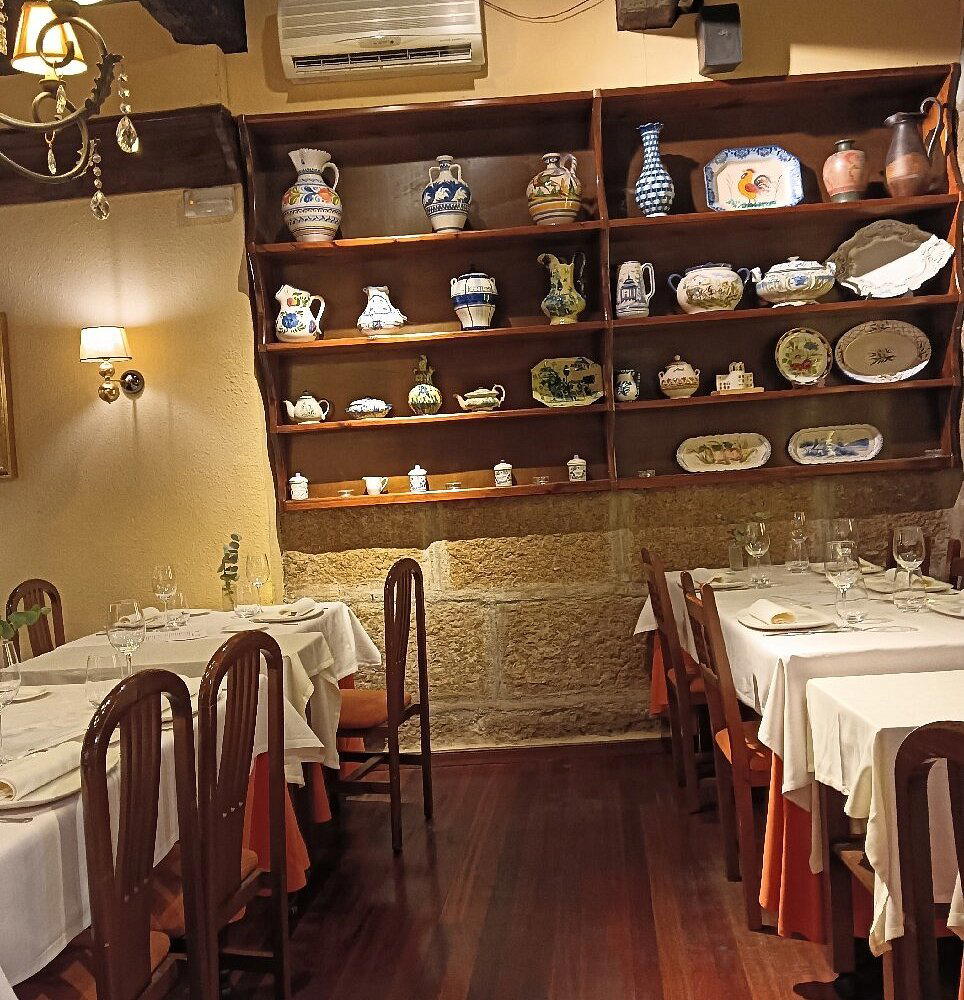
The building itself is the former site of Casa Fandiño, a restaurant that occupied this stone house on Rúa da Cárcel for over a century. The current interior keeps the materiality of that history — exposed stone, structural honesty — while the design moves it into a register that reads as rustic-contemporary rather than nostalgic. The effect is less a renovation than a continuation: the room feels like a natural extension of the streets immediately outside, which is not something many restaurants, regardless of budget or ambition, manage to achieve.
Where the Ingredients Come From, and Why That Matters
Contemporary Spanish fine dining has spent the last two decades defined largely by technique: laboratories, textures, transformations. The conversation at the country's most-discussed restaurants, El Celler de Can Roca in Girona, Mugaritz in Errenteria, Disfrutar in Barcelona, has been, at its core, a conversation about what cooking can do to an ingredient. Marmurio do Río operates from a different premise: that the ingredient itself, its provenance and its producer, is the primary argument.
The kitchen works with small-scale producers from the locality around Allariz and from the Sierra de Madrid, the mountain range northwest of the capital. That dual geography is deliberate. The chef grew up spending summers in Allariz, and worked previously at Montia in San Lorenzo del Escorial, a town at the foot of the Sierra de Guadarrama, adjacent to the Sierra de Madrid. The sourcing network he has built is not a marketing position; it is the accumulated geography of a career. Produce from both regions appears on the menus, sometimes in dialogue, sometimes in contrast.
There is a degree of directness to this approach that is worth noting in the context of Galician food culture more broadly. Galicia has always had strong ingredient traditions, shellfish, river fish, beef from Galician breeds, turnip greens, but fine dining in the region has not always found a convincing way to honour those traditions without either folklorising them or abandoning them entirely for international fine-dining conventions. The sourcing logic at Marmurio do Río threads that needle with more care than most. Even something as apparently incidental as lemons from the chef's own tree represents a commitment to knowing the origin of everything on the plate.
Two Menus, One River
The tasting format here follows the now-standard dual-menu structure seen across Spain's contemporary restaurant tier, a shorter option for lighter appetite or budget, a longer one for the full argument. At Marmurio do Río, the shorter menu is called Río and the longer one carries the full restaurant name, Marmurio. The distinction between the two is not just length; structurally, the menus are designed to reflect the River Arnoia's own character, moving between the tame and the wilder aspects of the local waterway. That is a meaningful framing device rather than a poetic affectation: it gives the kitchen a governing logic for how dishes progress and relate to each other, which is a more useful constraint than simple seasonality or geography alone.
At €€€ pricing, Marmurio do Río sits one tier below the €€€€ bracket occupied by Spain's most-discussed tasting-menu destinations, Arzak in San Sebastián, DiverXO in Madrid, Quique Dacosta in Dénia, Azurmendi in Larrabetzu, Aponiente in El Puerto de Santa María, Martin Berasategui in Lasarte - Oria, and Ricard Camarena in València. That price difference matters for how this restaurant is actually used: it brings a serious tasting-menu format into reach for travellers who want considered contemporary cooking without the full financial and logistical commitment of a destination-tier booking. Atrio in Cáceres offers a useful parallel, serious cooking in a smaller historic Spanish city, pitched at a level that rewards the detour without demanding the pilgrimage.
The Michelin Plate recognition in both 2024 and 2025 confirms that the guide's inspectors are watching the project. The Plate, which signals good cooking without implying star-level aspiration, is appropriate here: it identifies quality without misrepresenting the register.
Planning a Visit
Allariz sits in the province of Ourense in inland Galicia, roughly 30 kilometres south of the city of Ourense, which has rail connections to Santiago de Compostela and Vigo. The town is compact and navigable on foot once you arrive; Rúa da Cárcel is within the medieval core. For visitors structuring a broader Galician itinerary, [our full Allariz restaurants guide]() covers the wider dining scene, while [our Allariz hotels guide](), [bars guide](), [wineries guide](), and experiences guide round out the picture for a longer stay. Booking in advance is advisable given the small scale typical of tasting-menu restaurants in this tier; contact details are leading sourced directly through the restaurant's current listings, as hours and reservation methods may vary seasonally.
For reference points in the contemporary tasting-menu format at a comparable register elsewhere, César in New York City and Jungsik in Seoul represent how the format travels across different culinary cultures, useful comparisons for international visitors calibrating expectations before arriving in Allariz.
Frequently asked questions
Would Marmurio do Río be comfortable with kids?
A multi-course tasting menu at €€€ pricing is a format that asks for patience and focus across the table, which is a practical constraint for younger children. The setting is a quiet stone house in the medieval centre of Allariz, not a family bistro. Older children comfortable with long, course-by-course dining would fare better here than toddlers.
Is Marmurio do Río formal or casual?
The restaurant occupies a centuries-old stone house whose interior — rustic materials set against contemporary detailing — mirrors the character of Allariz's medieval streets. The atmosphere is composed rather than stiff: this is a Michelin Plate-recognised tasting menu restaurant priced at €€€, so dress accordingly, but there is no reported requirement for formal attire.
Does Marmurio do Río have a Michelin star or similar recognition?
Marmurio do Río has received recognition including: A unique restaurant occupying the stone house that was once home to the century-old Casa Fandiño restaurant. Today, the name, which translates as the “murmur of the river” in Galician, pays a discreet tribute to the poem Dark Shadow by the ….
What should I eat at Marmurio do Río?
The kitchen works across two tasting menus: Río, the shorter format, and Marmurio, the longer one. Both are built around produce sourced from small-scale suppliers in the Allariz area and the Sierra de Madrid, with chef Luis Moreno drawing structural parallels between the calm and more turbulent moods of the local River Arnoia. The longer Marmurio menu gives the most complete account of what the kitchen is doing.
Quick Comparison
| Venue | Cuisine | Awards |
|---|---|---|
| Marmurio do RíoThis venue — the venue you are viewing | Contemporary Spanish Tasting Menus | Michelin Plate · Guía Repsol 1 Sol |
| Aponiente | Progressive - Seafood, Creative | Michelin 3 Star |
| Arzak | Modern Basque, Creative | Michelin 3 Star |
| DiverXO | Progressive - Asian, Creative | Michelin 3 Star |
| El Celler de Can Roca | Progressive Spanish, Creative | Michelin 3 Star |
| Quique Dacosta | Creative | Michelin 3 Star |
Recognition history
Dated appearances from independent guides and award organizations, with the underlying list record or original source where available.
Michelin Plate
Michelin
Guía Repsol 1 Sol
Guía Repsol
Macarfi 8.9 Food Rating
Macarfi
Full recognition history (5 entries)
Michelin Plate
Michelin
Michelin Plate
Michelin
Continue exploring
More in Allariz
Restaurants in Allariz
Browse all →

Details
- Rustic
- Cozy
- Intimate
- Elegant
- Sophisticated
- Date Night
- Special Occasion
- Open Kitchen
- Sommelier Led
- Local Sourcing
- Tasting Menu
- Allergy Accommodating
Current opening hours
- Monday
- Closed
- Tuesday
- Closed
- Wednesday
- 2–3 PM
- Thursday
- 2–3 PM, 9–10 PM
- Friday
- 2–3 PM, 9–10 PM
- Saturday
- 2–3 PM, 9–10 PM
- Sunday
- 2–3 PM
Hours can change for holidays and private events. Last verified .
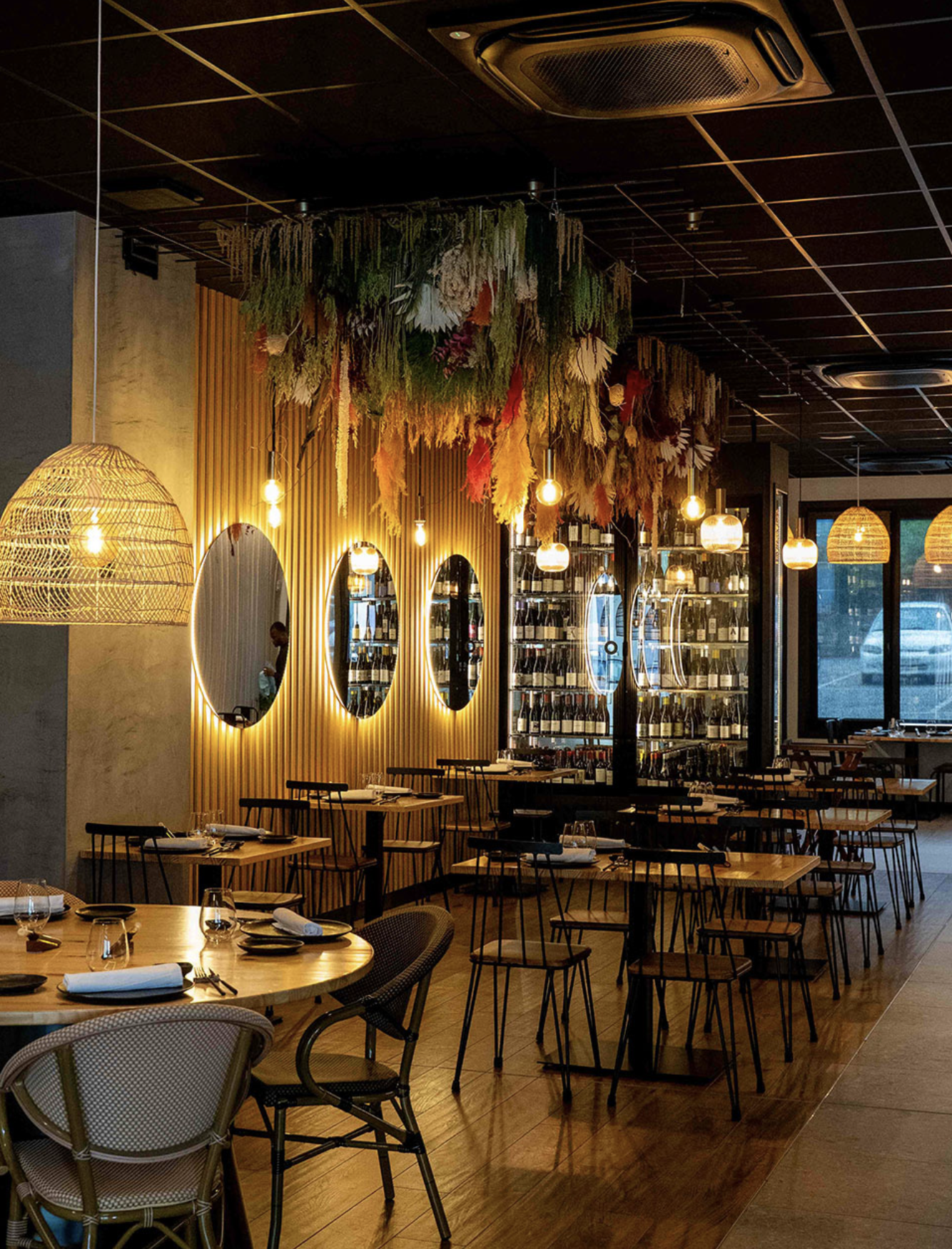
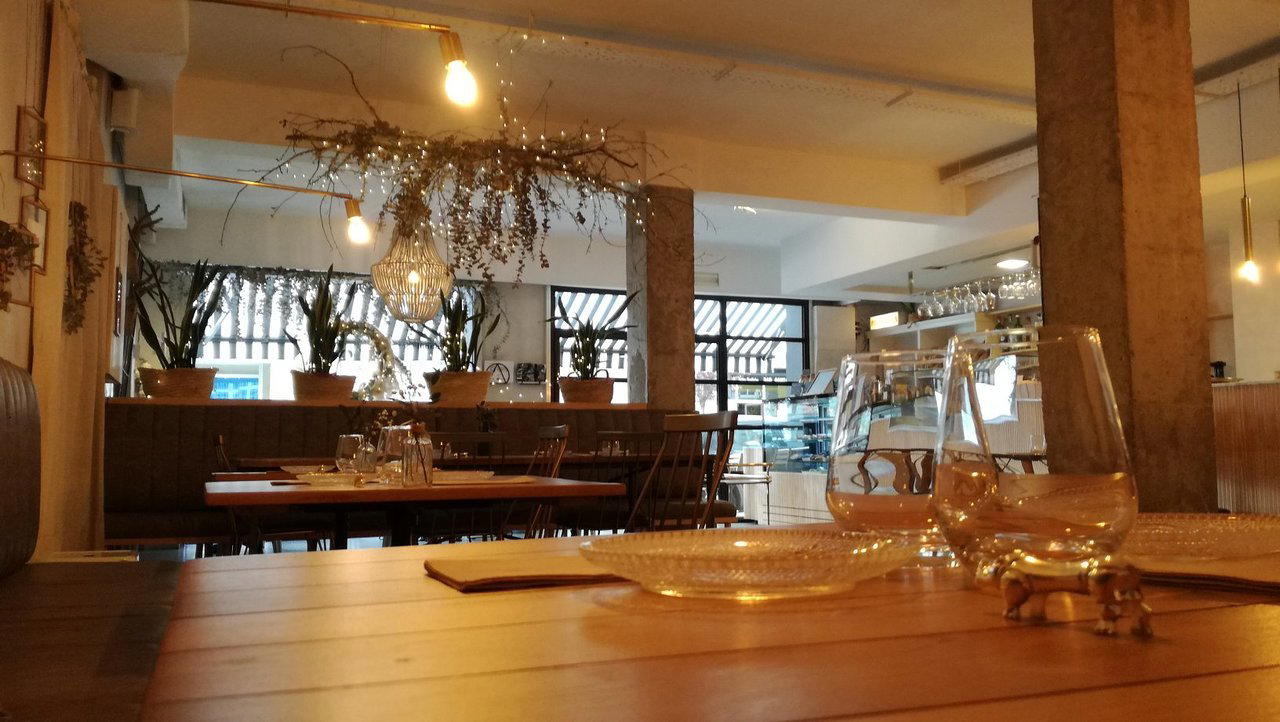
Meticulous rustic-contemporary interior with low-lit, cozy, and welcoming atmosphere extending the charm of Allariz streets.