Our verdict
In Conakry's restaurant scene, where locally sourced West African ingredients drive the most compelling cooking, Les Jardins de Guinée represents a strand of the city's dining culture worth understanding before you arrive. The name alone signals an orientation toward Guinea's agricultural interior rather than imported produce. For travellers building a serious itinerary in Conakry, this is a venue to have on the list alongside the city's other notable addresses.

Pearl is the En Primeur Club membership app, where members save venues, book tables and use the concierge.
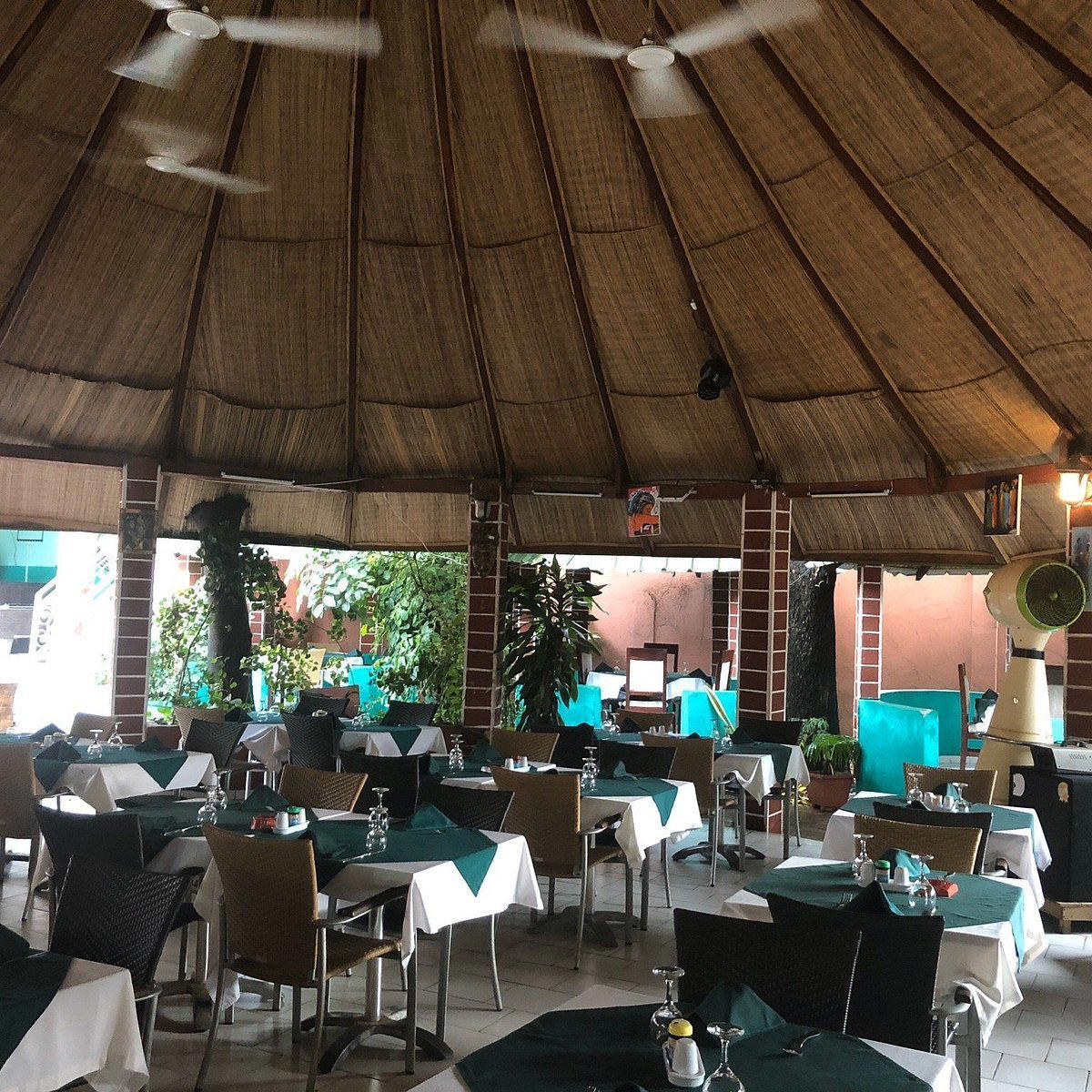
Where Conakry's Ingredient Story Begins
West Africa's restaurant culture has, for decades, been filtered through a lens shaped elsewhere: French colonial dining rooms, Lebanese-owned brasseries, and international hotel buffets that treat the region's extraordinary produce as a supporting cast rather than the main event. Conakry is not immune to that pattern, but within the city's restaurant scene a counter-current exists, one that takes Guinea's agricultural depth seriously. Les Jardins de Guinée sits within that current, its very name pointing toward the gardens, farms, and market chains that define what Guinea's table can look like when the sourcing is intentional.
Guinea occupies a position in West African food geography that its restaurant culture has rarely been allowed to express. The country's Fouta Djallon highlands produce some of the region's most prized vegetables, its Atlantic coastline delivers exceptional seafood, and its interior markets connect to rice traditions that predate colonial contact by centuries. The restaurants that take these supply chains seriously are doing something the hotel-dining circuit seldom does: building menus around what the land and water actually offer, rather than around what an import catalogue can reliably provide.
The Ingredient Logic Behind the Name
The French word jardins carries weight in this context. Across Francophone West Africa, the garden as a sourcing concept has a different meaning than it does in European fine dining, where kitchen gardens are often a premium affectation layered onto an already-sophisticated supply chain. In Guinea, a direct relationship with local growers is less a marketing statement and more a practical necessity: the country's cold-chain infrastructure and import logistics are not the kind that allow a serious kitchen to outsource its sourcing decisions to a distribution company. What arrives at the table reflects decisions made much earlier and much closer to the ground.
This means that the most instructive thing a diner can ask at a Conakry restaurant is not what is on the menu, but where the ingredients originated. Guinea's coastal waters supply capitaine, barracuda, and a range of shellfish that appear on tables across the city with varying degrees of freshness depending on how close the kitchen is to the source. The country's market gardens around Kindia and Mamou supply leafy greens, peppers, and tubers that define the flavour register of Guinean home cooking. When a restaurant name signals the garden, it signals at minimum an awareness of that chain, and at most a direct engagement with it.
Conakry's Dining Scene in Context
Understanding where Les Jardins de Guinée sits requires understanding what Conakry's restaurant market looks like in broader terms. The city's dining scene is not structured the way West African capitals like Dakar or Abidjan are, where a more developed tourism infrastructure and larger expatriate communities have produced a tiered restaurant market with clearer distinctions between casual street-food formats, mid-range neighbourhood dining, and higher-end venues. Conakry's market is more compressed, and the venues that attract serious attention tend to be those with a legible point of view rather than those chasing a defined price tier.
Restaurant L'adresse represents one strand of the city's better dining options, and the broader restaurant landscape rewards visitors who approach it with some prior research. Our full Conakry restaurants guide maps the scene in more detail, but the general principle holds: the restaurants worth prioritising in Conakry are those with a clear relationship to local produce and tradition, not those trying to replicate formats imported from elsewhere.
That observation applies across West Africa's major cities, and it applies equally to the most admired kitchens globally. The sourcing-first approach that defines the most serious contemporary restaurants, from Arpège in Paris (where Alain Passard rebuilt his menu around vegetables from his own farms) to Azurmendi in Larrabetzu (where Eneko Atxa's kitchen garden and greenhouse are structural to the menu's identity) to Atelier Moessmer Norbert Niederkofler in Brunico, is not a global trend imposed on Guinean cooking from outside. It is, in many respects, a rediscovery of what West African kitchens have always known: that the quality of a dish is determined before the cook touches it.
What to Expect at the Table
Guinea's culinary tradition draws from a set of base ingredients that distinguish it from neighbouring cuisines even within the shared West African pantry. Fonio, one of the continent's oldest cultivated grains, appears in Guinean cooking in contexts that range from porridge to side dishes to fermented preparations. Palm oil, groundnut-based sauces, and dried fish are structural rather than decorative. Dishes like sauce feuilles (a slow-cooked leaf sauce, typically with meat or fish) and riz gras define the register of the country's everyday cooking in ways that a kitchen oriented toward local ingredients would logically reference.
The specific menu format, pricing, and booking arrangements at Les Jardins de Guinée are not details we are able to confirm from available data, and we will not speculate about them. What the venue's name and Conakry positioning suggest is an orientation toward the kind of cooking that takes Guinea's own larder as its starting point, which is the most useful editorial signal available.
Planning Your Visit
Conakry's restaurant infrastructure, including reservation systems, published hours, and online presence, operates differently from what travellers familiar with Dakar, Lagos, or Abidjan might expect. Many of the city's better-regarded venues do not maintain the kind of web presence that makes advance planning direct from outside the country. Arriving with local contacts or hotel concierge support is a practical advantage. For venues that are serious about sourcing, timing around market days (typically mornings, with the leading produce moving early) can also affect what is available at dinner.
Travellers building a broader itinerary of serious restaurant experiences will find Conakry a genuinely different reference point from the global dining circuit that runs through cities like New York, Monte Carlo, or Hong Kong. The city does not operate inside that circuit, and the restaurants worth visiting here are not approximations of formats developed elsewhere. They are expressions of a food culture that is, by global standards, significantly underdocumented, and that makes the experience of eating seriously in Conakry more instructive than the absence of international awards might suggest.
For travellers who have built itineraries around sourcing-led kitchens elsewhere, whether Lazy Bear in San Francisco, Aponiente in El Puerto de Santa María, or Atelier Crenn, the underlying question being asked at each of those addresses, where does this food come from and why does that matter, is the same question that the most interesting Conakry restaurants are answering, in their own register and on their own terms.
Frequently asked questions
Where is Les Jardins de Guinée located?
Les Jardins de Guinée is located at Conakry, Conakry.
How does Les Jardins de Guinée fit into Conakry's broader restaurant scene?
Conakry's dining options have historically skewed toward expatriate-facing establishments and international formats, leaving Guinea's own ingredient traditions underrepresented at sit-down restaurants. Les Jardins de Guinée addresses that gap directly, positioning itself around local sourcing in a city where that framing remains rare. For travellers arriving in Guinea specifically to engage with the country's food culture rather than a generic West African or French-influenced menu, this address in Conakry represents one of the few available entry points.
What's the must-try dish at Les Jardins de Guinée?
Published menu specifics for Les Jardins de Guinée are not in wide circulation, which is consistent with how many Conakry restaurants operate outside digital channels. Guinea's culinary tradition is anchored in ingredients like fonio, palm nut, and smoked fish, and a kitchen named around the garden concept is likely to foreground those sourcing choices. Arriving open to the day's provisions rather than a fixed expectation is the practical approach here.
Is Les Jardins de Guinée reservation-only?
No booking contact or reservation system has been published for Les Jardins de Guinée, which reflects broader patterns in Conakry's restaurant infrastructure rather than any specific policy. Travellers familiar with the city know that direct walk-in visits or enquiries through local accommodation contacts are often the most reliable approach. Confirming current arrangements on arrival in Conakry is advisable.
What has Les Jardins de Guinée built its reputation on?
The name itself signals the premise: jardins in Francophone West Africa carries a sourcing logic tied to proximity and ingredient seasonality, a positioning that distinguishes this address from the Lebanese-owned brasseries and colonial-era dining rooms that have long dominated Conakry's restaurant conversation. In a city where Guinea's own culinary traditions have rarely been the focus of a dedicated table, that orientation alone carries weight.
Is Les Jardins de Guinée allergy-friendly?
No allergen or dietary accommodation information has been published for Les Jardins de Guinée. Guinea's traditional cooking relies heavily on groundnuts, palm oil, and fish-based broths, which are common allergen categories worth raising directly with the kitchen before ordering. Given Conakry's restaurant infrastructure, verbal communication at the table is the practical route.
Should I splurge on Les Jardins de Guinée?
No pricing information is publicly documented for Les Jardins de Guinée, so the splurge calculation cannot be made on published figures. What can be said is that Conakry's dining market sits well below the price points of comparable West African capitals like Dakar or Abidjan, and a table focused on Guinean garden sourcing occupies a category with few direct competitors in the city. The case for visiting rests on scarcity of this type of offer, not on a luxury spend argument.
Comparison Snapshot
| Venue | Cuisine | Price |
|---|---|---|
| Les Jardins de GuinéeThis venue (the venue you are viewing) | French and African Cuisine | $10–20 |
| Restaurant L'adresse | Afro-Fusion | $20–30 |
Continue exploring
More in Conakry
Restaurants in Conakry
All restaurants in Conakry →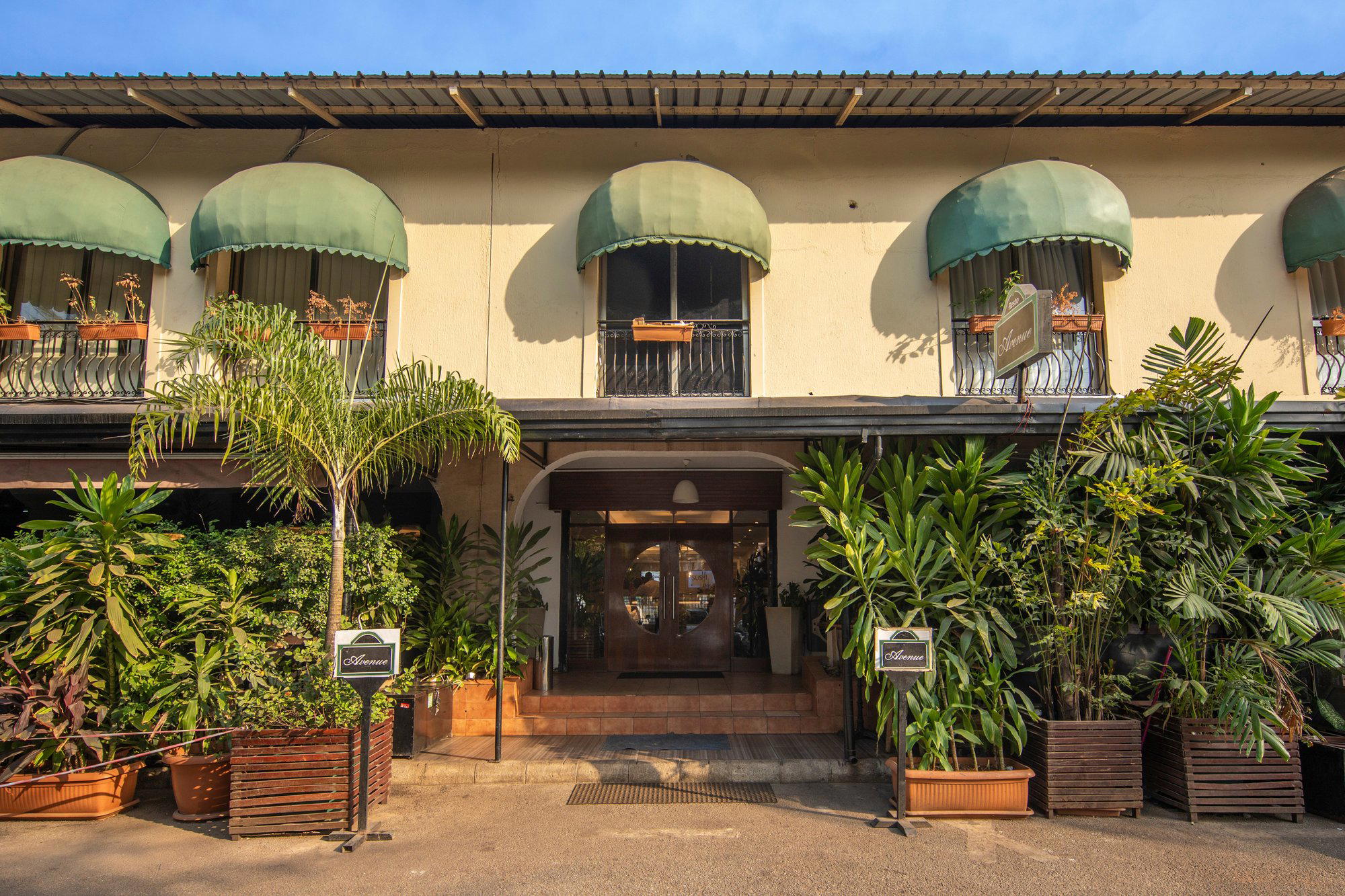
Hotels in Conakry
All hotels in Conakry →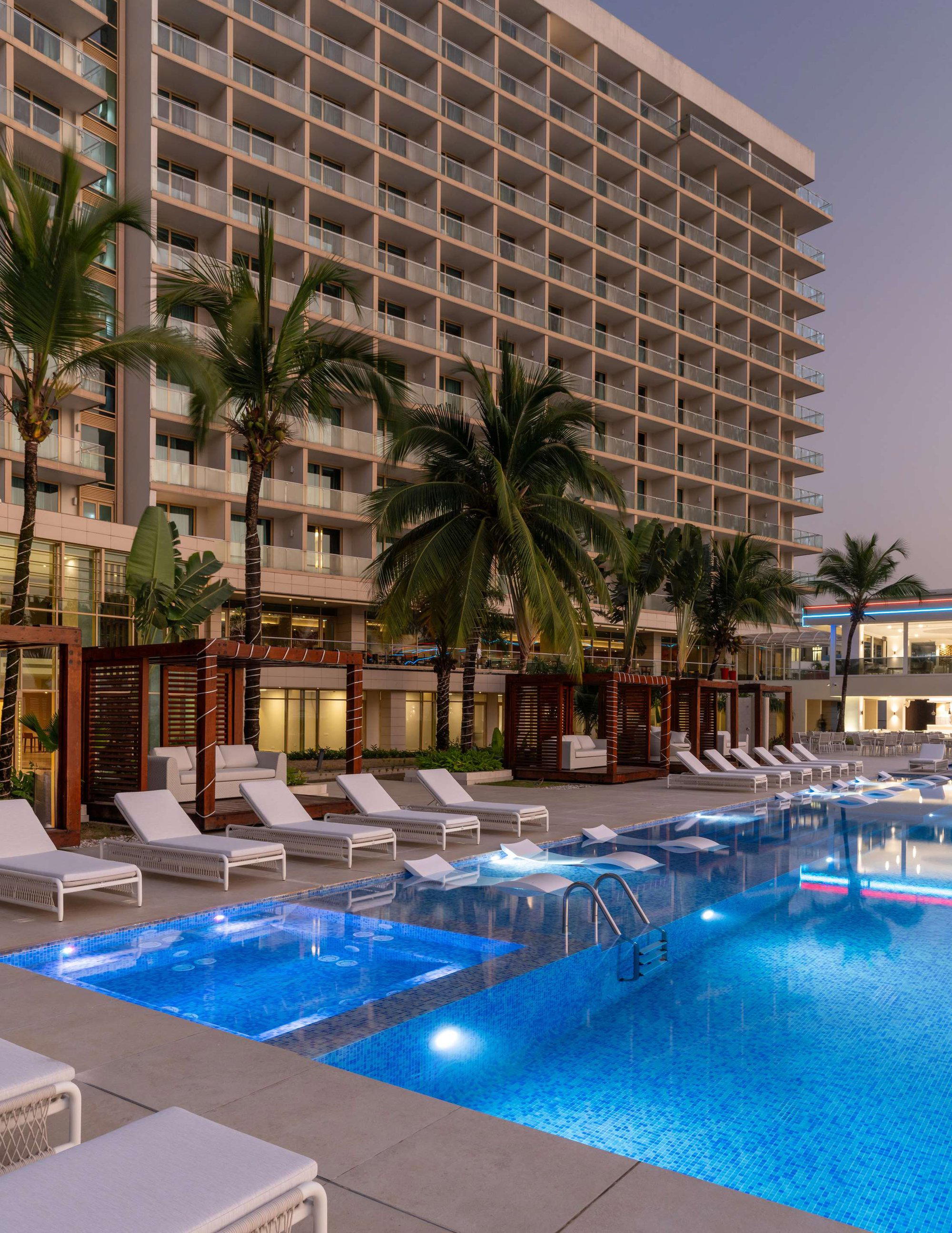
Details
- Scenic
- Lively
- Rustic
- Casual Hangout
- Group Dining
- Garden
- Live Music
- Garden
- Buffet
Verdant and relaxed under a large, well-arranged paillotte, with a casual expat-friendly atmosphere that becomes more animated during buffet, grill and performance nights.