Our verdict
Restaurant L'adresse operates in Conakry, Guinea's capital, where a small but growing formal dining scene is carving space between French colonial culinary inheritance and the deep flavors of West African cooking. The restaurant addresses a city that has seen limited international dining coverage, making it a reference point for visitors and residents seeking structured dining in a context where such options remain scarce.

Pearl is the En Primeur Club membership app, where members save venues, book tables and use the concierge.
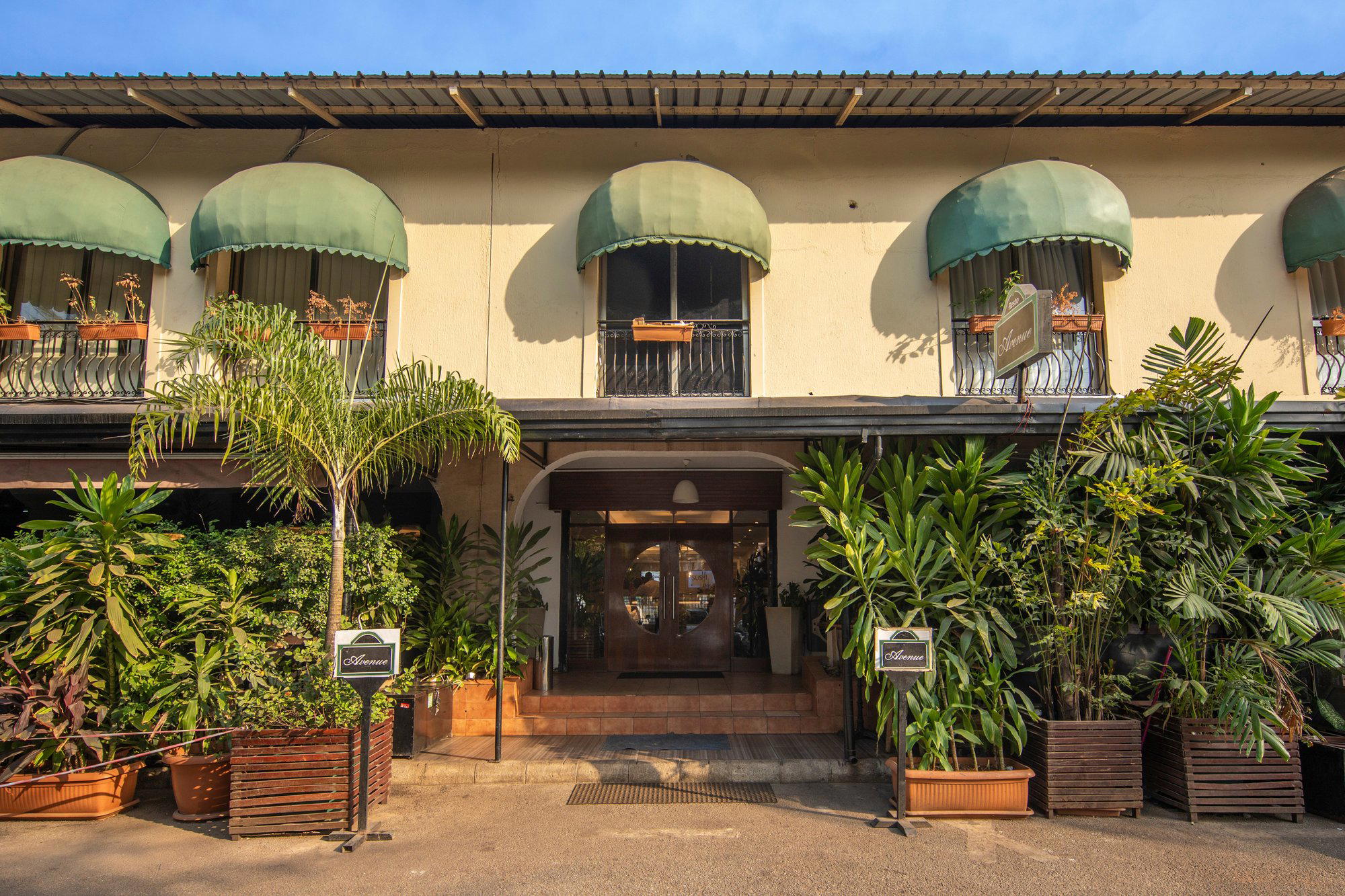
Dining in Conakry: A City Between Two Culinary Traditions
Conakry sits at a crossroads that defines its restaurant culture more than any single venue could. The Guinean capital carries the residue of French colonial culinary influence alongside one of West Africa's most distinct indigenous food traditions, built on rice, groundnut-based sauces, slow-cooked meats, and the bright acidity of tamarind. Formal dining establishments in this city have historically operated in the space between those two poles, drawing on both without fully belonging to either. Restaurant L'adresse enters that context as part of a small cohort of structured dining options in a city where the category is still taking shape. For a broader orientation to where L'adresse fits within Conakry's dining circuit, our full Conakry restaurants guide maps the city's emerging scene in detail.
West African dining traditions are rarely framed through the same critical vocabulary applied to, say, the tasting-menu format at Atomix in New York City or the classical refinement of Alléno Paris au Pavillon Ledoyen. That gap is partly a function of where international food media has historically directed its attention, and partly a reflection of the fact that cities like Conakry operate under infrastructure constraints that make the conventional mechanics of fine dining, from cold-chain logistics to reservation systems, genuinely difficult to sustain. What matters in this context is not whether a restaurant meets the benchmarks set by a Michelin-tracked city, but whether it reads the local culinary inheritance with care and serves it with consistency.
The Cultural Architecture of Guinean Cooking
To understand what a restaurant in Conakry is working with, it helps to understand what Guinean cuisine actually is. Guinea occupies a position in West African food culture that is less internationally documented than Senegalese or Nigerian cooking, but no less layered. The country's four geographic zones, the coastal Basse Côte, the Fouta Djalon highlands, Upper Guinea's savanna belt, and the forest region in the south, each produce distinct agricultural conditions and, by extension, distinct food cultures. The coast brings seafood and palm oil; the highlands produce cattle and a dairy tradition unusual in the sub-region; the savanna favors millet, sorghum, and groundnut-heavy preparations; the forest zone works with cassava, plantain, and game. Conakry, as the capital, absorbs all of these regional inputs, functioning as a culinary clearinghouse for the country's diversity.
This is the tradition that any serious restaurant in the city is either drawing from or positioned against. The French colonial period left a parallel track of baguette culture, café-style service formats, and bistro cooking that persists in Conakry's more formal dining venues. That dual inheritance makes the city's restaurant scene genuinely interesting to read, even if it remains under-documented. For comparison, consider how Les Jardins de Guinée approaches a similar context within the city.
Atmosphere and Setting
Conakry is a peninsula city, surrounded on three sides by the Atlantic. Its physical environment, the light, the humidity, the proximity to the ocean, shapes the texture of dining in ways that no interior design decision can override. Restaurants that work with this context tend toward open-air or semi-open formats, where the evening air off the water provides natural relief and the ambient noise of the city at night becomes part of the atmosphere rather than a problem to be solved. L'adresse's positioning within Conakry places it inside this broader environmental context, where the setting of the city itself does work that a more climate-controlled dining room in, say, Aqua in Wolfsburg or Alinea in Chicago would need to manufacture.
The atmosphere at restaurants operating in this tier in Conakry tends to reflect the dual registers of the city's social life: a local professional class that uses formal dining as a social anchoring point, alongside expat and diplomatic communities for whom a structured restaurant offers a reliable reference. Neither audience is particularly interested in theatrical spectacle of the kind associated with, for instance, the tasting-menu format at Lazy Bear in San Francisco. What they typically look for is competent, consistent cooking in an environment that reads as considered rather than improvised.
Positioning Within the Conakry Scene
Conakry's formal restaurant sector is small enough that individual venues occupy territory by default as much as by design. A city with a limited number of structured dining options means that each venue ends up serving a wider range of occasions than its equivalent in a more developed dining city would. A restaurant in Paris or Hong Kong can specialize narrowly; a restaurant in Conakry needs to be functional across business lunches, family dinners, and the kind of occasion-dining that in other cities might split across multiple venue types. This is not a constraint so much as a condition, and restaurants that operate well within it tend to be more versatile in practice than their counterparts at heavily awarded venues like Arzak in San Sebastián or Aponiente in El Puerto de Santa María, where the format is tightly defined and the audience self-selects accordingly.
For visitors arriving in Conakry, the practical reality of dining out requires more advance research than in most capital cities with larger tourism footprints. The city's restaurant scene rewards those who approach it with patience and a willingness to work with local knowledge rather than expecting the frictionless access that characterizes dining in cities with mature hospitality infrastructure.
Planning Your Visit
Visitors to Conakry should approach dining logistics with flexibility. Power infrastructure and supply chain variability mean that menus and availability can shift in ways that are not always communicated through digital channels. Arriving with a reservation or prior contact is advisable where possible. The rainy season, which runs roughly from May through October, can affect access to certain parts of the city, so timing a visit to the dry season months between November and April generally simplifies logistics.
Frequently asked questions
Can I bring kids to Restaurant L'adresse?
Conakry's formal dining sector is small and tends toward adult-oriented settings, but nothing in the available record for Restaurant L'adresse indicates a strict adults-only policy. Given that the city's restaurant scene operates with flexibility around logistics and supply, the approach to families is likely pragmatic rather than restrictive. Contacting the venue directly before arrival is advisable.
What is the atmosphere like at Restaurant L'adresse?
Conakry's physical setting shapes every dining room in the city: the Atlantic surrounds the peninsula on three sides, and that humidity and coastal light register in any interior. Within Conakry's limited formal restaurant sector, venues like L'adresse occupy territory by the nature of the scene rather than through scale or spectacle. Expect an atmosphere calibrated to a city where the formal and the local coexist in close quarters.
Is Restaurant L'adresse a good option for dining in Conakry if you want something beyond street food?
Conakry's formal restaurant sector is small enough that each venue occupies a distinct position almost by default, and L'adresse is part of a short list of sit-down options in the Guinean capital. For travellers looking for a table-service experience that engages with the city's Franco-West African culinary inheritance rather than international hotel dining, L'adresse represents a relevant point of entry. Verifying current hours and availability before arrival is recommended, given Conakry's logistical realities.
What do regulars order at Restaurant L'adresse?
What Guinean cooking more broadly offers is a pantry built on rice, fonio, groundnut-based sauces, and Atlantic seafood, all shaped by the French culinary residue that runs through Conakry's restaurant culture. Dishes at any serious Conakry table typically reflect some combination of these two traditions.
What part of town is Restaurant L'adresse in?
Restaurant L'adresse is located at Conakry, Conakry.
How far ahead should I plan for Restaurant L'adresse?
Visitors to Conakry are generally advised to approach dining with flexibility: power infrastructure and supply chain variability can affect availability at short notice. Reaching out to L'adresse ahead of travel rather than on arrival is sensible practice, particularly for groups.
Cost and Credentials
| Venue | Cuisine | Price |
|---|---|---|
| Restaurant L'adresseThis venue (the venue you are viewing) | Afro-Fusion | $20–30 |
| Les Jardins de Guinée | French and African Cuisine | $10–20 |
Continue exploring
More in Conakry
Restaurants in Conakry
All restaurants in Conakry →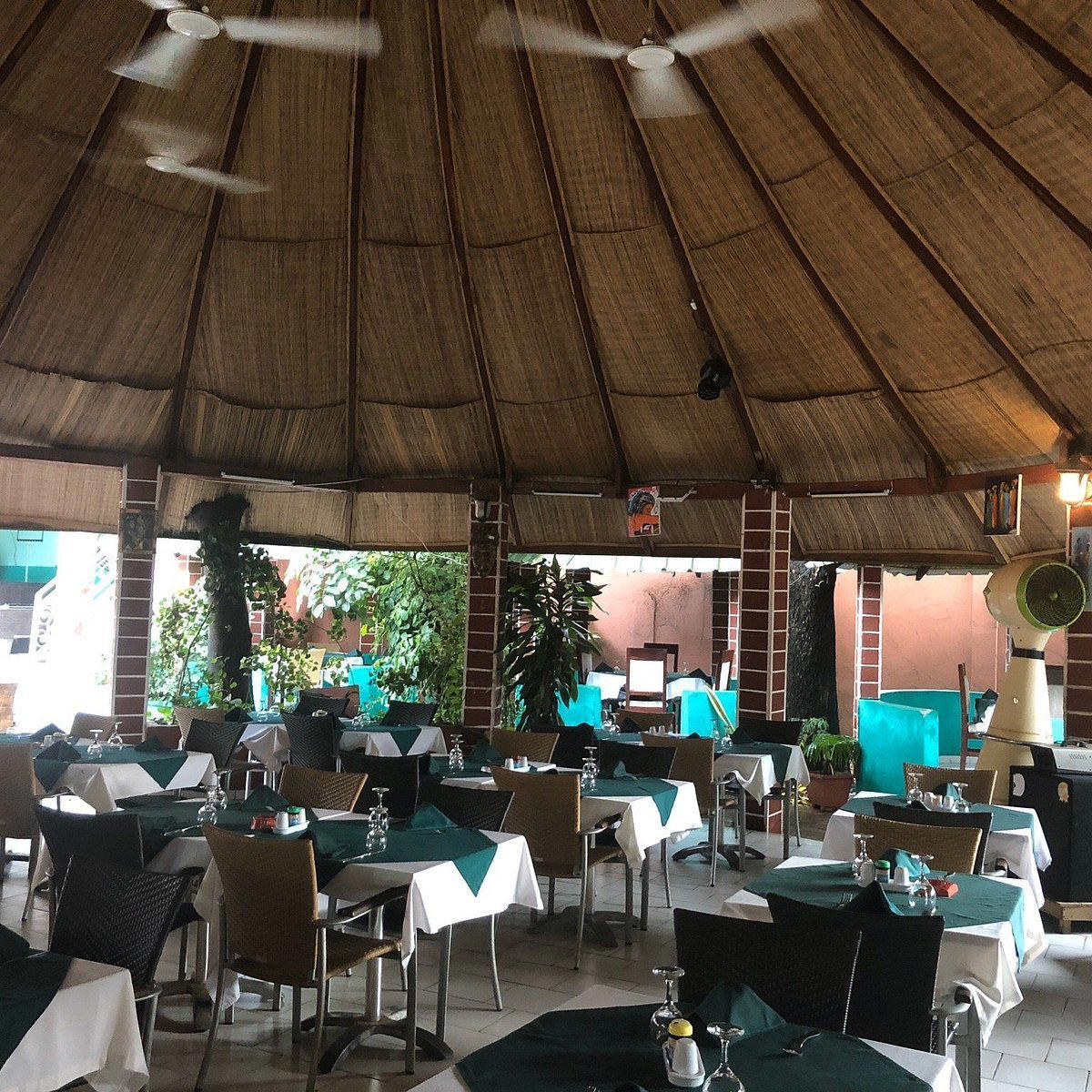
Hotels in Conakry
All hotels in Conakry →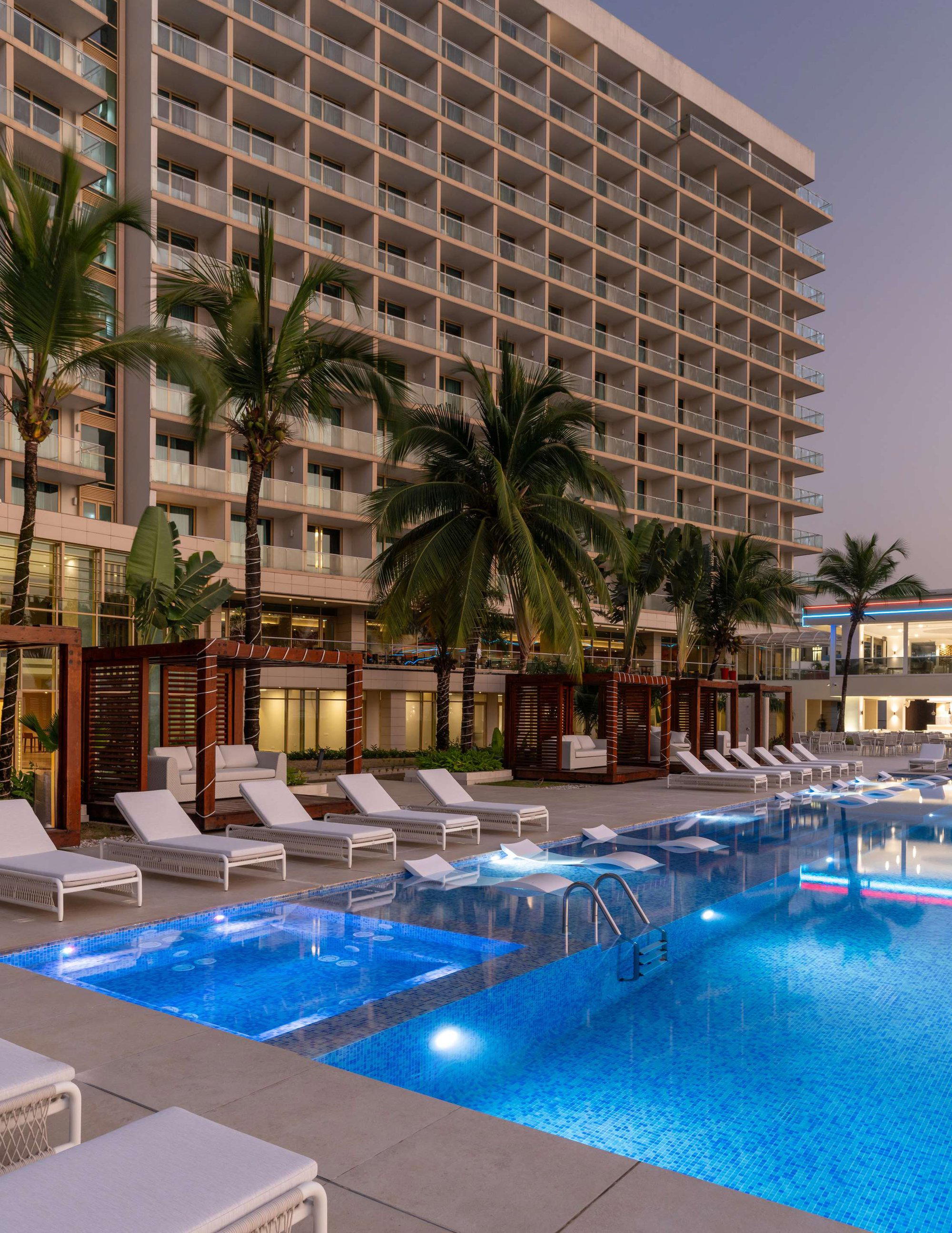
Details
- Elegant
- Sophisticated
- Business Dinner
- Special Occasion
- Hotel Restaurant
- A La Carte
Refined and welcoming with a modern hotel atmosphere.