Our verdict
La Potinière sits in Fréhel, a Breton coastal commune where the Atlantic sets the rhythm of the kitchen rather than trend cycles. The surrounding Cap Fréhel peninsula supplies one of France's most productive marine coastlines, and restaurants in this corner of Côtes-d'Armor have long built menus around what arrives locally rather than what arrives in refrigerated trucks. A straightforward address for visitors exploring Brittany's northern shore.

Pearl is the En Primeur Club membership app — saves, bookings, and concierge access live there. Same editors, same standards.
The menu
What to order
- Moules de bouchots
- Brochette de Saint-Jacques
- Couscous de la mer
Where the Breton Coast Dictates the Menu
Fréhel is not a dining destination in the way that Menton or La Rochelle has become — there is no constellation of Michelin stars drawing pilgrims down country roads, no critical consensus built around a single name. What the commune does have is one of the most productive stretches of the Breton Atlantic coastline, where the waters between Cap Fréhel and the Baie de Saint-Brieuc yield scallops, oysters, spider crabs, and line-caught fish at volumes that have sustained local kitchens for generations. In this part of Côtes-d'Armor, ingredient sourcing is not a marketing stance — it is a geographic reality. Restaurants here source locally because the supply chain is shorter than the road to the nearest wholesaler.
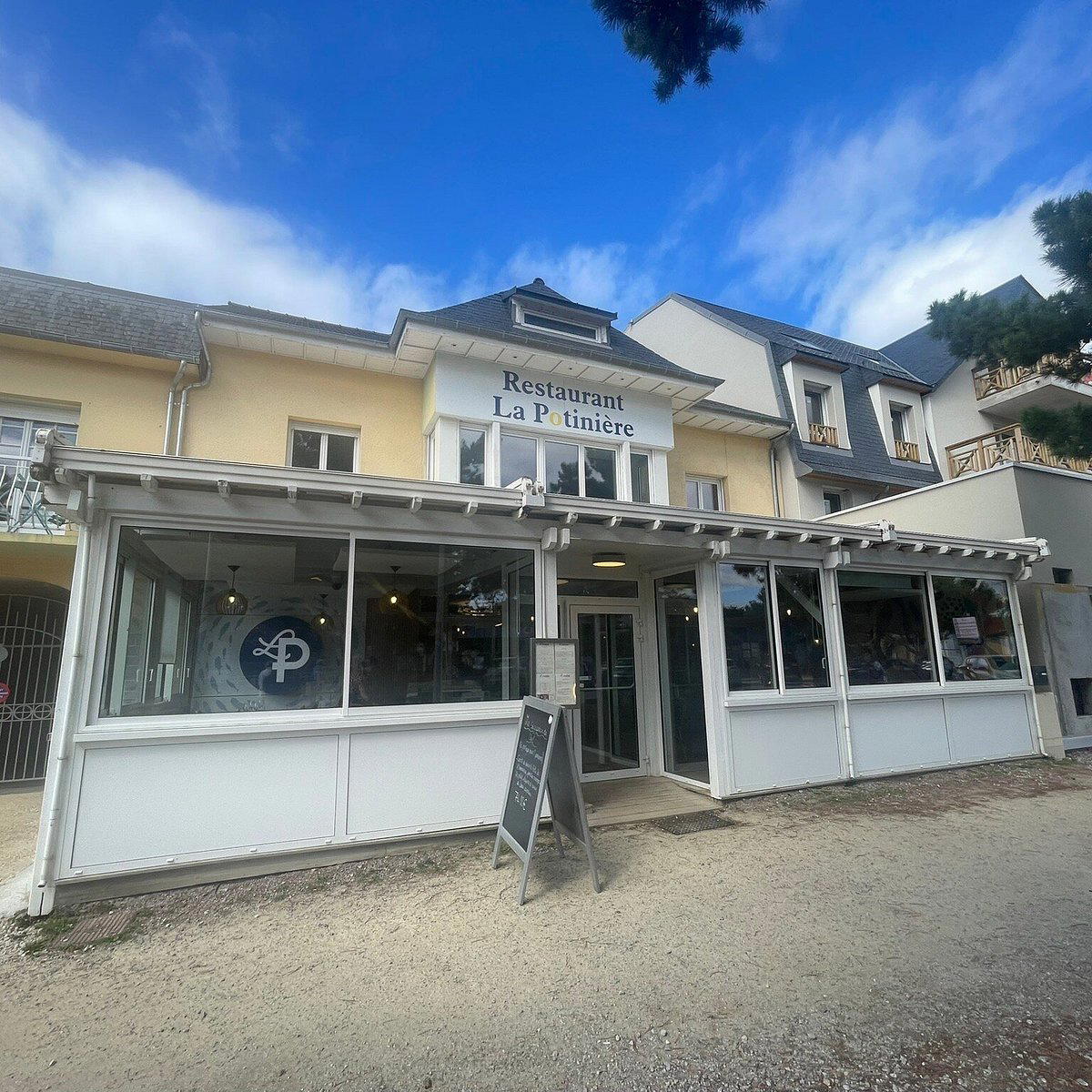
La Potinière occupies a position on the Allée des Acacias in central Fréhel, a low-key address that fits the register of the town itself: unhurried, rooted in the landscape rather than performing a version of it. The physical approach follows the pattern of many Breton village restaurants, residential streets giving way to a modest facade, the interior likely warmer and more inhabited than the exterior suggests. In this region, that modesty is not understatement. It reflects a culinary tradition that has always placed the ingredient ahead of the occasion.
Brittany's Ingredient Tradition and What It Means at the Table
France's northwest coastline has historically supplied the country's most serious fish kitchens. The argument for Breton seafood rests on cold, mineral-rich Atlantic waters that produce shellfish and fish with a depth of flavour that warmer Mediterranean equivalents rarely match. That tradition plays out differently across the region: at the upper tier, you see it expressed at places like Christopher Coutanceau in La Rochelle, where a two-Michelin-star kitchen applies technical precision to Atlantic catches, or at La Marine in Noirmoutier-en-l'île, which has built a sustained international reputation on the same Atlantic sourcing logic. At the village level, where La Potinière operates, the same raw materials appear without the architectural menu construction, and often without the booking lead times.
The Côtes-d'Armor department, which encompasses Fréhel, produces some of France's most commercially significant scallop harvests. The coquilles Saint-Jacques from this bay carry a protected geographical indication, which restricts the use of the name to scallops harvested from specific zones under seasonal quotas. The quota system matters: it limits supply, ensures quality, and keeps what ends up on a plate in Fréhel traceable to a specific stretch of water. For restaurants operating in proximity to that supply chain, it creates a menu logic that runs on geography rather than imagination. The same principle applies to Breton oysters, which are graded and sold young from nursery beds in the region's estuaries before finishing in the open bay, a process that takes three to four years from spat to plate.
Further up the register of French kitchen ambition, this sourcing rigour gets formalised into a philosophy. Bras in Laguiole built its identity around the botanical specificity of the Aubrac plateau. Mirazur in Menton uses its own kitchen garden as an organising principle for the tasting menu. Auberge du Vieux Puits in Fontjoncouse has made the garrigue and the surrounding terroir the argument for why a remote Languedoc village deserves three stars. The common thread is that the best of French regional cooking has always been an argument about place. La Potinière, operating in a town of a few thousand residents on the Breton coast, belongs to that same tradition at a different scale.
Fréhel's Place in the Northern Brittany Dining Map
Visitors to this stretch of the Côtes-d'Armor typically anchor themselves in Saint-Brieuc or Dinan and make day trips along the Côte d'Émeraude, the stretch of coastline between Saint-Malo and Paimpol that takes its name from the green tint the sea carries at certain tides. Fréhel sits along that route, close to the Cap Fréhel headland and the Fort la Latte promontory, both of which draw enough visitors through the summer season to sustain a small restaurant economy. The town's dining options are modest in number and oriented toward a regional clientele rather than international food tourism, which, in practical terms, means the kitchen is cooking to a repeat local audience with expectations built on familiarity rather than novelty.
That dynamic produces a different kind of reliability than the recognition-chasing restaurants that populate lists and earn stars. For visitors exploring the northern Brittany coast, La Potinière represents the kind of address that supports a day of coastal walking with an honest, regionally grounded meal rather than a destination occasion in its own right. The contrast with the top tier of French kitchen ambition, the Alléno Paris au Pavillon Ledoyen level of architectural creative cooking, or the multi-generational institution model of Auberge de l'Ill in Illhaeusern, is not a mark against either end of the spectrum. French dining has always operated on multiple registers simultaneously, and the regional village restaurant is as legitimate a register as any.
For readers building a broader itinerary around French culinary landmarks, our full Fréhel restaurants guide maps the local options against the town's character and the surrounding coastal programme.
Planning a Visit
La Potinière is located at 4 Allée des Acacias in Fréhel, reachable by car from Saint-Brieuc (roughly 40 kilometres northwest) or from Saint-Malo via the Côte d'Émeraude coastal route. Fréhel has no rail connection; a car is the practical requirement for this part of Brittany. Visitors arriving from Paris typically take the TGV to Rennes or Saint-Malo and hire a car from there. Booking in advance is advisable during the summer season, when the Cap Fréhel headland draws significant visitor numbers and local restaurant capacity tightens. Specific hours, pricing, and booking details are best confirmed directly with the restaurant prior to visiting, as this information is subject to seasonal variation.
Frequently asked questions
Is La Potinière okay with children?
Fréhel itself is a small coastal commune in the Côtes-d'Armor, and restaurants in this part of northern Brittany generally operate in a relaxed, community-facing register rather than a formal one. La Potinière sits at 4 Allée des Acacias in a residential-scale setting that is unlikely to demand strict dining formality. That said, specific family policies are not documented so calling ahead before a visit with young children is advisable.
What kind of setting is La Potinière?
La Potinière occupies a quiet address on Allée des Acacias in Fréhel, a small commune along the Côte d'Émeraude in the Côtes-d'Armor. The surrounding area is defined by coastal headland rather than urban density, which typically shapes a more contained, neighbourhood-scale dining room rather than a high-volume city venue.
Is La Potinière a good base for exploring the Côte d'Émeraude?
Fréhel sits roughly 40 kilometres northwest of Saint-Brieuc and is reachable from Saint-Malo via the coastal D786 route, placing La Potinière at 4 Allée des Acacias in logical range of Cap Fréhel and the broader Côte d'Émeraude headland. Most visitors to this stretch of the Côtes-d'Armor use Fréhel as a day-trip stop rather than an overnight anchor, though the town has accommodation options. The restaurant's position makes it a practical meal stop when combining coastal driving with time at the cape.
What should I eat at La Potinière?
Fréhel sits directly on the Côte d'Émeraude, where cold, mineral-rich Atlantic waters produce some of the most cited shellfish and white fish in France — the same supply chain that feeds serious fish kitchens across the country. Restaurants at this latitude in northern Brittany typically build menus around what the coast delivers that week.
Where do I go for La Potinière?
La Potinière is located at 4 All. des Acacias, 22240 Fréhel, France, Frehel.
Quick Comparison
Comparable venues nearby, for context on price, style, and recognition.
| Venue | Cuisine | Price | Notes |
|---|---|---|---|
| La PotinièreThis venue — the venue you are viewing | French Seafood Bistro | $20–30 | Not listed |
| Crech Kerio | Traditional French Breton Bistro | $20–30 | Ile-de-Brehat |
| Annadata | Gourmet Vegetarian French | Not listed | Intra-Muros |
| Le Be New | Modern Breton Crêperie | Not listed | city center |
| Jo & Carmen | Traditional French Seafood & Regional Cuisine | $30–50 | Réguiny |
| La Chope | Traditional French Brasserie | $20–30 | Parcheminerie Toussaints |
Continue exploring
More in Frehel
Restaurants in Frehel
All restaurants in Frehel →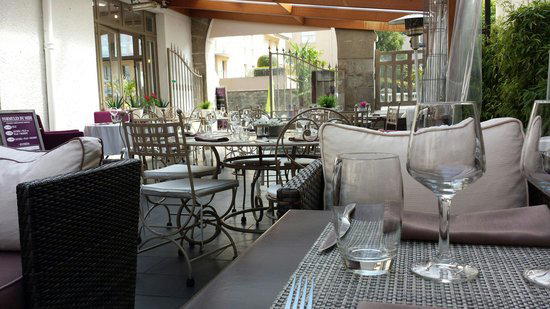
Bars in Frehel
Browse all →
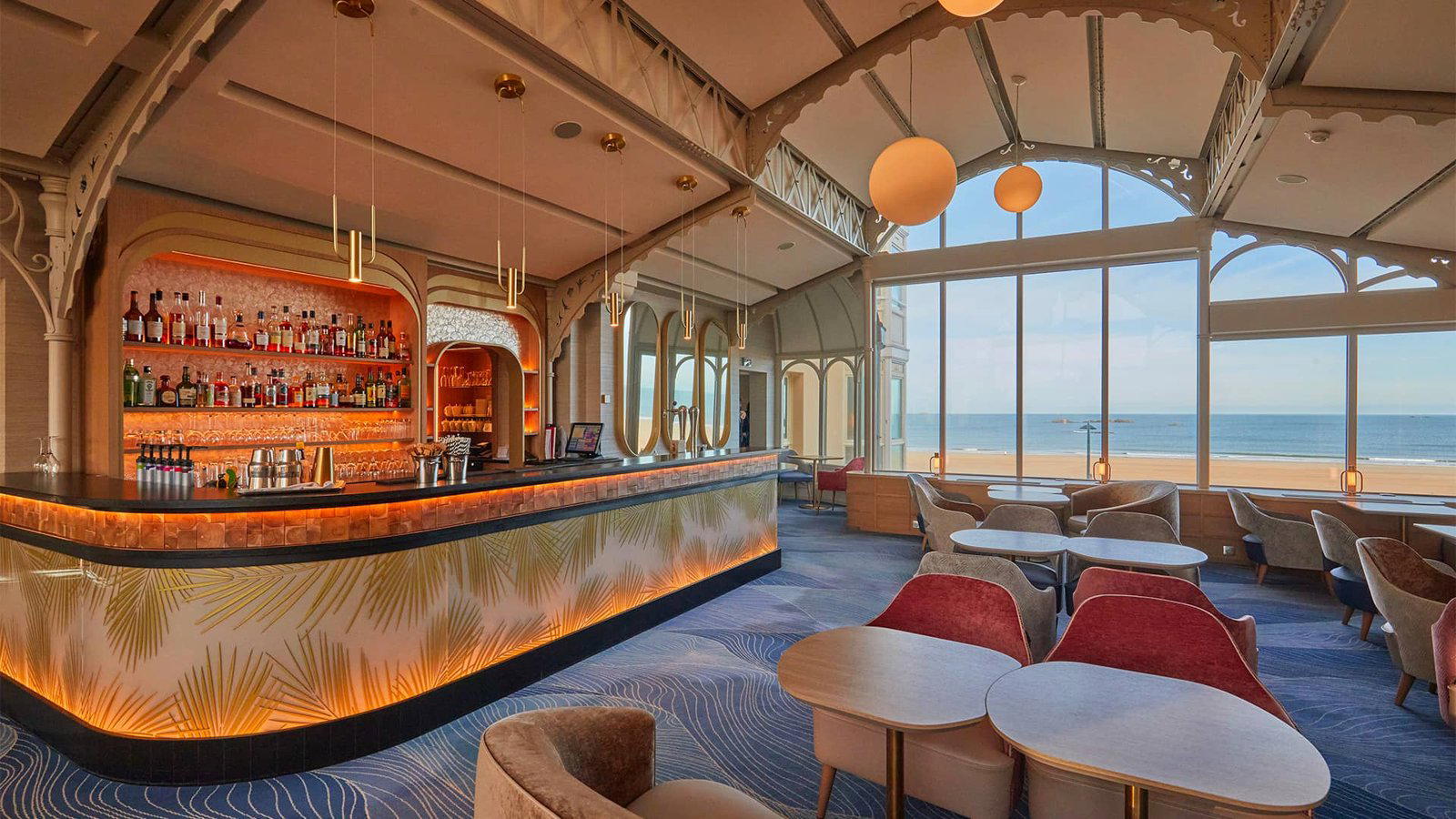
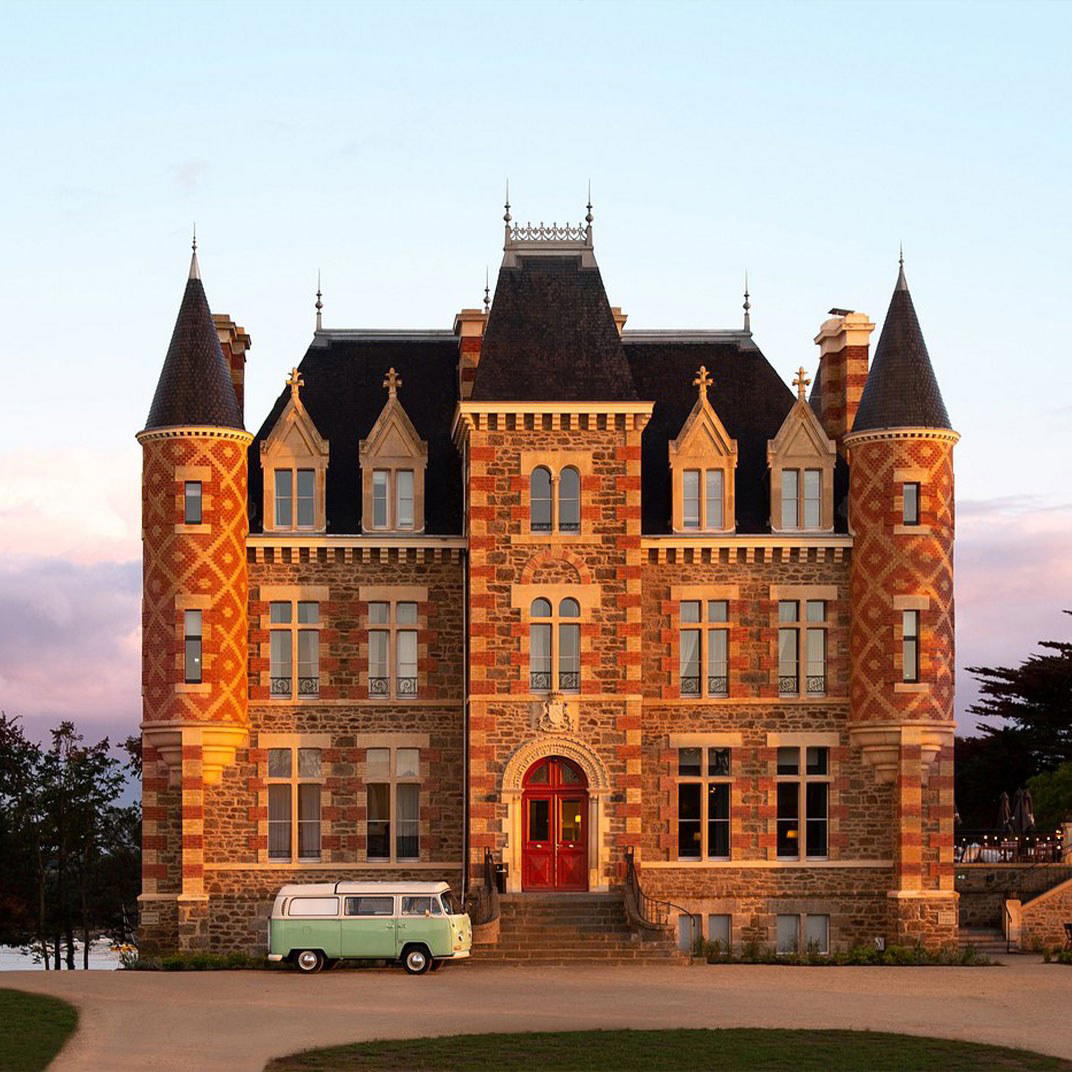
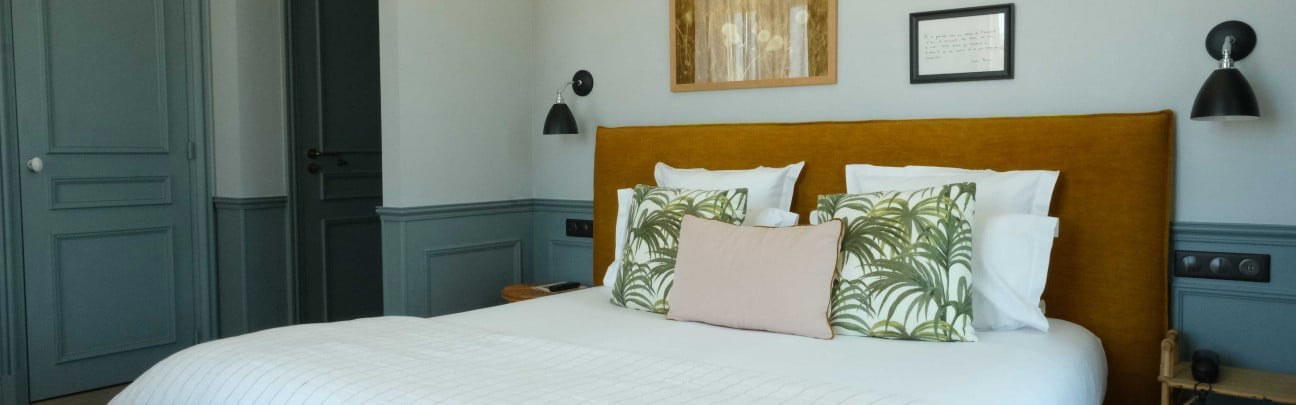
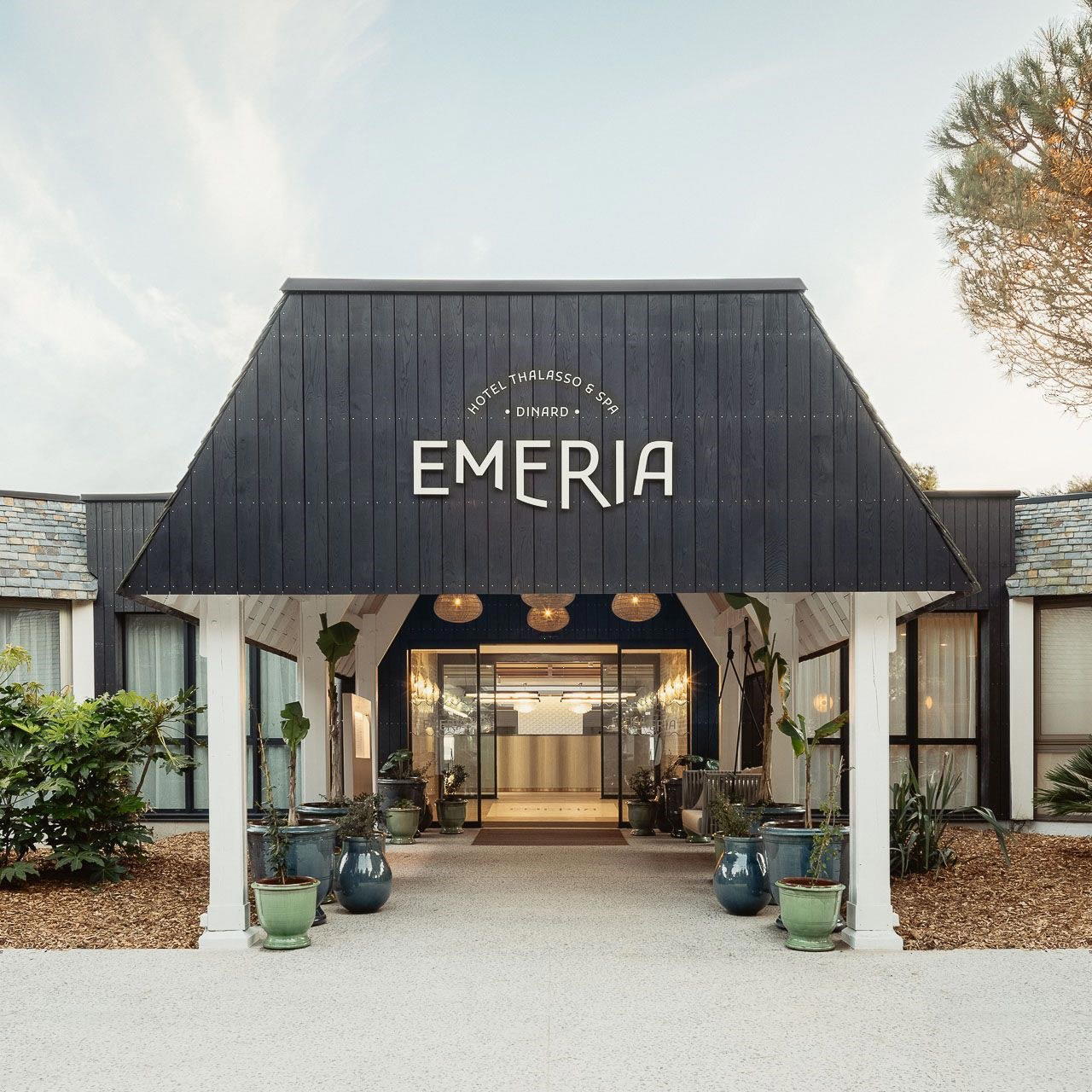
Details
- Cozy
- Rustic
- Scenic
- Family
- Casual Hangout
- Terrace
- Local Sourcing
- A La Carte
- Vegetarian Friendly
Current opening hours
- Monday
- Closed
- Tuesday
- Closed
- Wednesday
- 12–2 PM, 7–9 PM
- Thursday
- 12–2 PM, 7–9 PM
- Friday
- 12–2 PM, 7–9 PM
- Saturday
- 12–2 PM, 7–9 PM
- Sunday
- 12–2 PM, 7–9 PM
Hours can change for holidays and private events. Last verified .
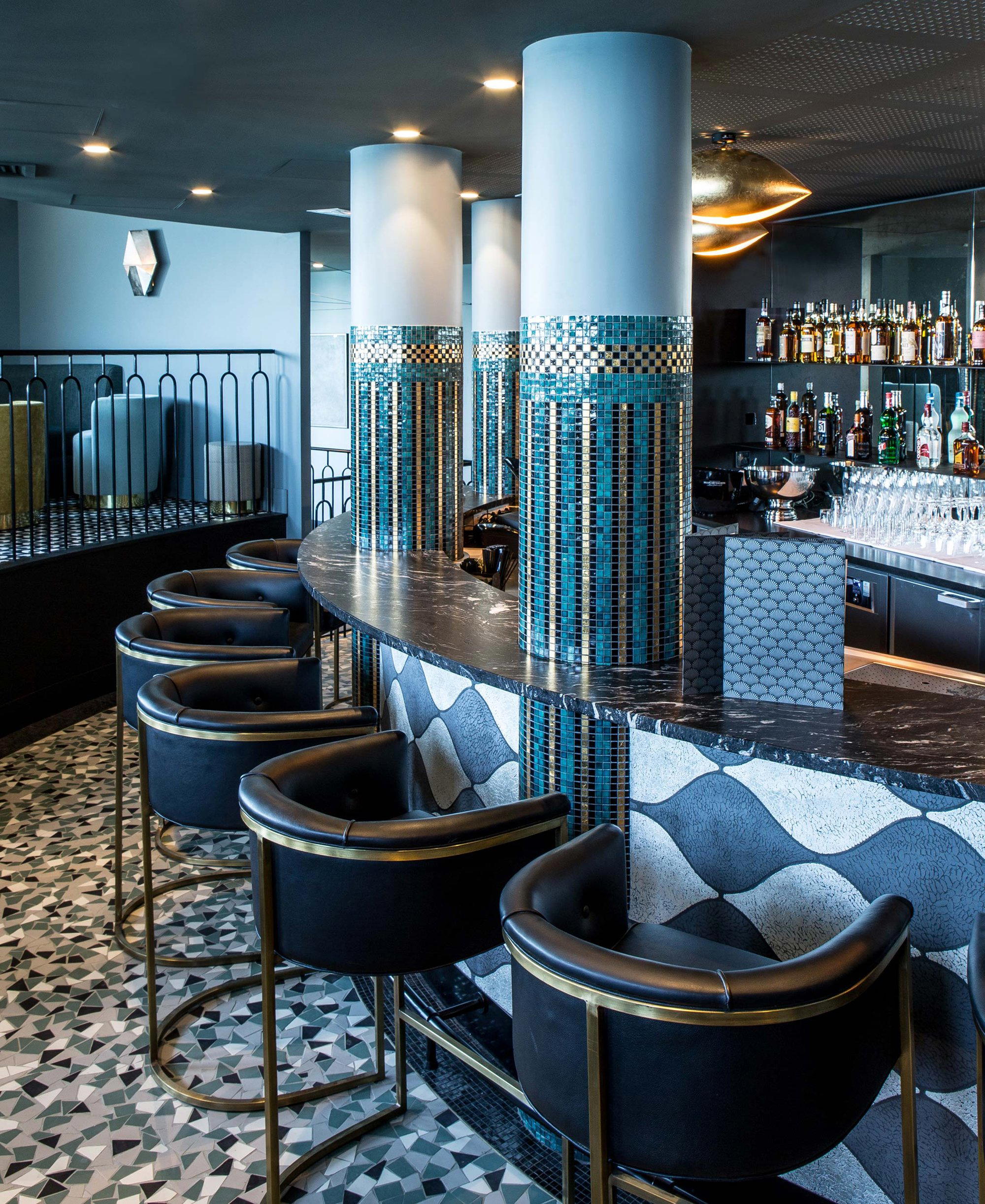
Charming local spot with simple decor, sea-inspired mosaic floors, and pleasant covered terrace.