Krewe

James Beard Award Semi Finalist
Our verdict
Krewe occupies a suite on College Avenue in St. Joseph, Minnesota, a college town with stronger agricultural roots than its size suggests. The name, borrowed from New Orleans carnival tradition, points toward a kitchen with communal and regional intentions rather than generic campus-adjacent fare. It sits in a dining market where consistency and clear identity carry more weight than in larger cities.

Pearl is the En Primeur Club membership app, where members save venues, book tables and use the concierge.
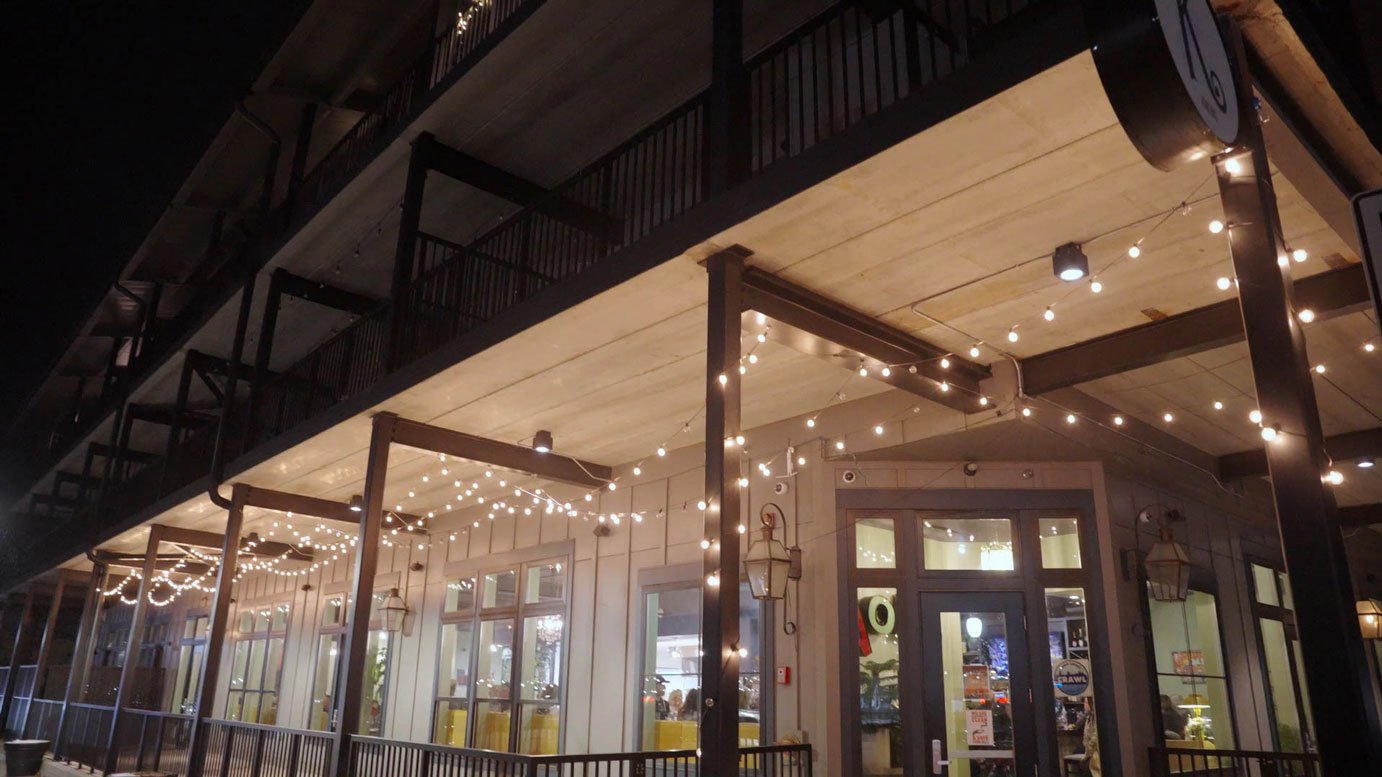
Where College Town Meets Ingredient-Driven Cooking in Central Minnesota
St. Joseph sits just west of St. Cloud on the edge of Minnesota's lake country, a small college town shaped by Saint Benedict's institutional presence and the agricultural rhythms of Stearns County. It is not a place where ambitious restaurants typically put down roots, which makes the presence of a place like Krewe on College Avenue worth paying attention to. The address, Suite 104 at 24 College Ave N, places it squarely in the pedestrian core of a walkable downtown strip where the dining options have historically skewed toward convenience rather than craft. That context matters, because a venue willing to operate at a higher level of intention in a market this size is making a deliberate statement about what it believes its community deserves. For more on what else the area offers, see our full St Joseph restaurants guide.
The Ingredient Question in a Farm-Dense Region
Central Minnesota is, by any agricultural measure, one of the more productive regions in the upper Midwest. Stearns County farms supply grain, dairy, and livestock across a wide radius, and the proximity to Saint Cloud and the broader Twin Cities food network means that access to regional producers, specialty growers, and artisan suppliers is considerably better than the town's population of roughly five thousand might suggest. Restaurants operating in this corridor have the raw material advantages that coastal venues spend significant effort recreating, often at great cost. The question for any kitchen here is not whether good ingredients are available, but whether the cooking makes use of that proximity in a way that goes beyond marketing language.
This is the frame through which ingredient-driven restaurants in small Midwestern college towns are most usefully evaluated. Compare that standard against what American venues operating at genuine sourcing depth look like elsewhere: Blue Hill at Stone Barns in Tarrytown has built its entire identity around the farm that surrounds it, while Single Thread Farm in Healdsburg operates its own farm as part of a vertically integrated hospitality model. Those are extreme cases with resources few independent restaurants can match, but they set the conceptual benchmark for what it looks like when a kitchen takes sourcing seriously as a structural commitment rather than an occasional gesture.
The Name and What It Signals
Krewe is a term borrowed from New Orleans carnival culture, where a krewe is the organized group that builds and parades a float during Mardi Gras season. The word carries associations of collective effort, community ritual, and a certain festivity with deep local roots. Applying that name to a restaurant in central Minnesota is an act of cultural translation, and it suggests a kitchen that is at least conceptually interested in the relationship between food, place, and communal gathering rather than simply in producing plates. Whether that thematic ambition carries through into the actual cooking and sourcing program is the relevant question, and one that the available public record does not yet answer definitively. What the name does signal is that this is not a generic campus-adjacent operation defaulting to the easiest version of a menu.
For comparison, restaurants that have made regional identity central to their ingredient sourcing and overall concept, like Bacchanalia in Atlanta or Frasca Food and Wine in Boulder, demonstrate how a strong sense of place can anchor a dining program without requiring a metropolitan market. Both operate in cities larger than St. Joseph, but both also built their reputations by committing to a specific regional identity before recognition caught up with them.
Small Markets, Higher Stakes
Running an ambitious restaurant in a town the size of St. Joseph means operating with narrower margins of error than a comparable venue in Minneapolis or Chicago. The customer base is smaller, the tolerance for off nights is lower in terms of repeat business, and the seasonal rhythms of a college-adjacent market create natural peaks and troughs that require deliberate planning. Restaurants that survive and develop reputations in these conditions tend to do so through a combination of genuine product quality, clear identity, and the kind of local loyalty that builds slowly through consistency.
That dynamic is different from the pressure faced by venues operating in larger, more competitive markets. In St. Joseph, the competitive pressure is lower, but so is the safety net of a large urban audience. The restaurants that define themselves in this kind of market often end up serving a regional function that goes well beyond their immediate neighborhood, drawing diners from St. Cloud, the Twin Cities corridor, and the broader central Minnesota area who are looking for something that their local options do not provide.
Other venues that have demonstrated what it looks like to anchor quality cooking in smaller or more isolated markets include The Inn at Little Washington in rural Virginia and Brutø in Denver, the latter of which has built a focused ingredient program in a market that rewards specificity. Addison in San Diego and Providence in Los Angeles both show how sourcing discipline and culinary clarity can generate sustained recognition regardless of market size. For venues working with seafood-forward or produce-driven programs, the benchmarks set by Le Bernardin in New York City and ITAMAE in Miami remain relevant reference points for what sourcing seriousness actually looks like on the plate. Korean-influenced precision programs like Atomix in New York City and the ingredient philosophy behind Causa in Washington, D.C. illustrate how sourcing can be the organizing principle of an entire menu rather than one of several talking points. At the highest level of farm-integrated dining, The French Laundry in Napa and Emeril's in New Orleans remain reference points for what sustained quality and regional identity look like over decades. 8 1/2 Otto e Mezzo Bombana in Hong Kong offers an international data point for how sourcing transparency can travel across culinary cultures.
Planning Your Visit
Krewe is located at 24 College Ave N, Suite 104 in St. Joseph, Minnesota 56374. The College Avenue address puts it within walking distance of the Saint Benedict campus and the town's main commercial corridor, making it accessible on foot from most points in the downtown area. Given the limited public record on hours, pricing, and booking method, contacting the venue directly before visiting is advisable, particularly during academic calendar transitions when college-town restaurants can shift hours significantly. St. Joseph is approximately ten miles west of St. Cloud, which has a regional airport served by connecting flights from Minneapolis-St. Paul International, making a day trip from the Twin Cities metro direct for those coming from outside the region.
Frequently asked questions
Would Krewe be comfortable with kids?
St. Joseph is a working college town with a strong family presence alongside its student population, and the College Avenue address puts Krewe in an accessible, walkable part of town rather than an isolated fine-dining corridor. Nothing in the public record suggests a formal or adults-only environment.
Is Krewe formal or casual?
No dress code appears in the public record, and St. Joseph at large runs informal. The College Ave Suite 104 address places Krewe in a commercial strip close to campus, which typically signals a relaxed approach to dress. Without pricing tiers or awards data that would push it toward a white-tablecloth format, the reasonable assumption is that everyday clothes are fine.
How does Krewe's location in St. Joseph relate to central Minnesota's farming networks?
Krewe sits in Stearns County, one of the more agriculturally dense counties in the upper Midwest, with dairy, grain, and livestock operations within a short drive of the College Avenue address. Restaurants operating in this corridor have direct access to producers that most urban venues can only source through distribution chains. Whether Krewe formalizes those supplier relationships is not yet documented, but the geographic position makes farm-direct sourcing a practical option in a way it simply isn't in the Twin Cities metro.
What's the must-try dish at Krewe?
The name Krewe borrows from New Orleans carnival culture, which hints at possible Southern Louisiana influences in the cooking, but the menu specifics have not been documented publicly. Checking the venue's current social media feed is the most reliable way to see what's on the plate before visiting.
Where is Krewe located?
Krewe is located at 24 College Ave N Suite 104, St Joseph, MN 56374, St Joseph.
What's the best way to book Krewe?
No phone number, website, or third-party booking platform is listed in the current public record for Krewe at 24 College Ave N, Suite 104, St. Joseph, MN 56374. The most practical approach is to check the venue's social media pages for updated contact details or stop in directly given its walkable College Avenue location.
What do critics highlight about Krewe?
No formal critical reviews or awards appear in the available record. In a market the size of St. Joseph, regional food media coverage tends to lag behind local reputation, so word-of-mouth from Saint Benedict's campus community and Stearns County locals is likely where early assessments are forming. Monitoring Minnesota food coverage and local community boards will surface the first substantive takes.
How It Stacks Up
Comparable venues nearby, for context on price, style, and recognition.
| Venue | Cuisine | Price | Awards | Notes |
|---|---|---|---|---|
| KreweThis venue (the venue you are viewing) | New Orleans-Inspired Cajun & Creole | $30–50 | James Beard Award Semi Finalist | Not listed |
| Punch Bowl Social | American Shareables & Gastropub | $30–50 | Not listed | Shops at West End |
| Wood + Paddle | Modern Wood-Fired Northwoods American | $30–50 | Not listed | WeDo |
| Black Coffee and Waffle Bar | American Waffle Bar | Not listed | Not listed | Como |
| Sugar Factory Minnesota | American Sweet Treats & Burgers | $20–30 | Not listed | Mall of America |
| Twin City Grill | American Grill with Minnesota Favorites | $20–30 | Not listed | Mall of America |
Recognition history
Dated appearances from independent guides and award organizations, with the underlying list record or original source where available.
James Beard Award Semi Finalist
James Beard Award
Continue exploring
More in St. Joseph

Details
- Rustic
- Cozy
- Trendy
- Date Night
- Special Occasion
- Open Kitchen
- Craft Cocktails
- Farm To Table
- Local Sourcing
- A La Carte
- Vegetarian Friendly
Current opening hours
- Monday
- Closed
- Tuesday
- Closed
- Wednesday
- 4–10 PM
- Thursday
- 11 AM–2 PM, 4–10 PM
- Friday
- 11 AM–2 PM, 4–10 PM
- Saturday
- 11 AM–2 PM, 5–10 PM
- Sunday
- 10 AM–2 PM
Hours can change for holidays and private events. Hours as of .
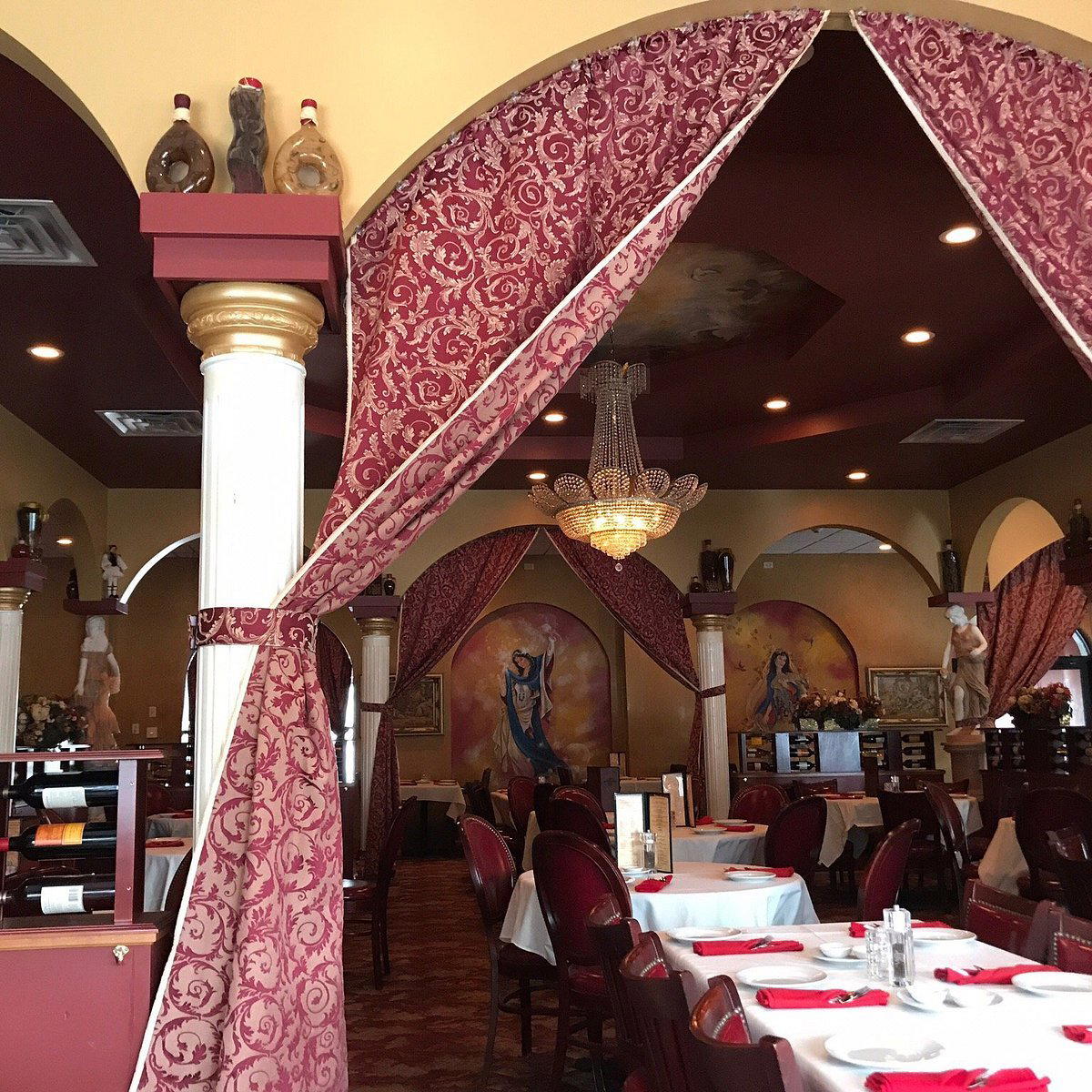
Rustic charm with tin ceiling, antique beer taps, modern gold accents, dark wood, marble chef’s counter, open kitchen, and upbeat jazz creating an authentic New Orleans vibe.