Kota Dine & Coffee (Fort Cornwallis)

Set inside the historic walls of Fort Cornwallis, Kota Dine & Coffee holds consecutive Michelin Plates for 2024 and 2025, serving a neo-Nyonya menu that places Peranakan classics alongside East-meets-West hybrids like laksa capellini and teh-ramisu. The glass-clad dining room, flooded with natural light, positions it as one of George Town's more considered Peranakan addresses at an accessible price point.
Pearl is the En Primeur Club membership app — saves, bookings, and concierge access live there. Same editors, same standards.
- Address
- Fort Cornwallis, 4, Jalan Tun Syed Sheh Barakbah, George Town, 10200 George Town, Pulau Pinang, Malaysia
- Phone
- +60 4-371 4929
- Website
- kotadine.com
- Directions
- Get directions
 Saves & bookings on Pearl
A Colonial Setting, Reframed
Fort Cornwallis is one of the few places in George Town where the city's layered colonial past remains physically intact. Built by the British East India Company in the late eighteenth century, the fort has long been a landmark for heritage visitors. Kota Dine & Coffee changes that calculation. The restaurant occupies a glass-clad room within the fort's grounds, where natural light moves across faux-industrial furniture throughout the day, a setting that reads as deliberately contemporary against its centuries-old surrounds. The contrast between the weathered stone exterior and the clean, light-filled interior is not incidental; it maps almost precisely onto the kitchen's approach, which holds Peranakan tradition in one hand and Western technique in the other.
What Neo-Nyonya Actually Means Here
Peranakan cuisine, the cooking of the Straits Chinese communities that established themselves across Penang, Malacca, and Singapore from the fifteenth century onward, is one of Southeast Asia's most labour-intensive traditions. Dishes like otak-otak (spiced fish paste steamed in banana leaf) and laksa (a coconut-tamarind-spiced noodle soup) represent centuries of culinary synthesis between Hokkien Chinese migrants and local Malay ingredients. The Nyonya (female) cooks of these communities became the custodians of the recipes, and much of what is considered authentic today traces back to household kitchens rather than restaurant lineages.
George Town's Peranakan dining scene reflects that heritage with varying degrees of fidelity. At one end sits Auntie Gaik Lean's Old School Eatery, which holds a Michelin Star and operates as close to an archival Peranakan experience as George Town currently offers. At the other, places like Bibik's Kitchen serve the cuisine in a more accessible, everyday register. Kota occupies a third position: the neo-Nyonya bracket, where the vocabulary is Peranakan but the grammar borrows from elsewhere.
That borrowing is most visible in dishes like the laksa capellini, which routes a classic Penang flavour profile through an Italian pasta format, and the teh-ramisu, a dessert that swaps the coffee of a traditional tiramisu for tea. These are not novelty pivots for their own sake. They sit within a broader movement visible across Malaysian fine-casual dining, from Dewakan in Kuala Lumpur to newer George Town addresses like Ceki, where local culinary identity is reframed through international technique rather than replaced by it. The question is always whether the base tradition is strong enough to survive the reinterpretation. At Kota, the presence of otak-otak alongside the hybrid dishes suggests the kitchen is anchoring its experiments to recognisable Peranakan ground.
Michelin Recognition and What It Signals
Kota Dine & Coffee has held a Michelin Plate in both 2024 and 2025, a designation that, within the Michelin framework, indicates a kitchen producing food of good quality, a notch below the starred tier but meaningfully above the undifferentiated majority. In George Town's Peranakan category, that places it in a distinct peer group. The starred restaurants, including Auntie Gaik Lean's, compete on depth of tradition and technical refinement within that tradition. The Plate-level neo-Nyonya addresses compete on accessibility, creativity, and the experience of encountering familiar flavours in unexpected forms.
For comparative context beyond George Town, the Peranakan spectrum across the Causeway includes addresses like Candlenut in Singapore, which holds a Michelin Star for its modern Peranakan approach, and more traditional operations like Chilli Padi in Joo Chiat and Indocafé. Singapore's Pangium takes an even more research-led approach to the heritage. Kota's positioning, Michelin-recognised, East-meets-West in orientation, accessible in price, shares more DNA with the creative middle tier of that Singapore spectrum than with the archival end.
The Price Tier and Who It Serves
At the $$ price range, Kota sits at a point where the Michelin recognition adds credibility without the pricing pressure of a starred experience. This is a meaningful position in George Town's dining economy, where the city's UNESCO heritage status has pushed visitor volumes high enough to support a range of price points across the same cuisine category. Travellers who want Peranakan food at a level above the hawker stalls but without the commitment of a full tasting menu format will find the price-to-recognition ratio here reasonably compelling. The same $$ bracket covers several of George Town's most-visited Peranakan addresses, including Richard Rivalee and Flower Mulan, giving diners genuine choice within the tier.
For those building a wider itinerary around the region's Peranakan food culture, Bee See Heong in Seberang Perai and The Planters at The Danna in Langkawi offer further reference points beyond the island, while 328 Katong Laksa in Singapore provides a useful baseline for the classic laksa format that Kota's capellini version reworks.
Planning Your Visit
The Fort Cornwallis address places Kota within walking distance of George Town's core heritage zone, making it a logical stop for visitors already oriented around the waterfront and the cluster of colonial-era buildings along Jalan Tun Syed Sheh Barakbah. The glass-clad room means midday visits come with strong natural light, an asset for the atmosphere the venue cultivates. Reservations are advisable, particularly on weekends and during the peak November-to-February travel season for Penang. The $$ price point makes it accessible for walk-ins looking to test the neo-Nyonya format before committing to a longer meal elsewhere.
The Minimal Set
Comparable venues nearby, for context on price, style, and recognition.
| Venue | Cuisine | Price | Notes |
|---|---|---|---|
| Kota Dine & Coffee (Fort Cornwallis)This venue — the venue you are viewing | George Town, Neo-Nyonya Fusion | $$ | Not listed |
| Jit Seng Hong Kong Roasted Duck Rice | George Town, Hong Kong Roasted Duck Rice | $$ | Not listed |
| Jawi House | Not listed | $$ | George Town, Jawi Peranakan Heritage Cuisine |
| Penang Famous Samosa | Little India, Indian Samosas | $ | Not listed |
| Du-An (Lebuh Pantai) | George Town, Traditional Malaysian | $$ | Not listed |
| Nyonya Willow | Not listed | $$ | Bayan Lepas, Authentic Nyonya (Peranakan) Cuisine |
Recognition history
Dated appearances from independent guides and award organizations, with the underlying list record or original source where available.
Michelin Plate
Michelin
Michelin Plate
Michelin
Michelin Plate
Michelin
Continue exploring
More in George Town
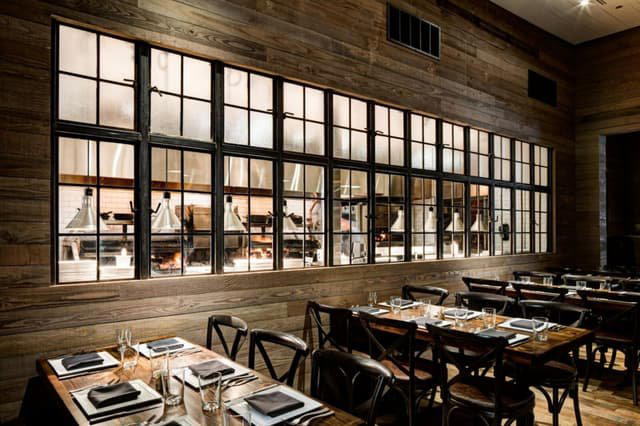
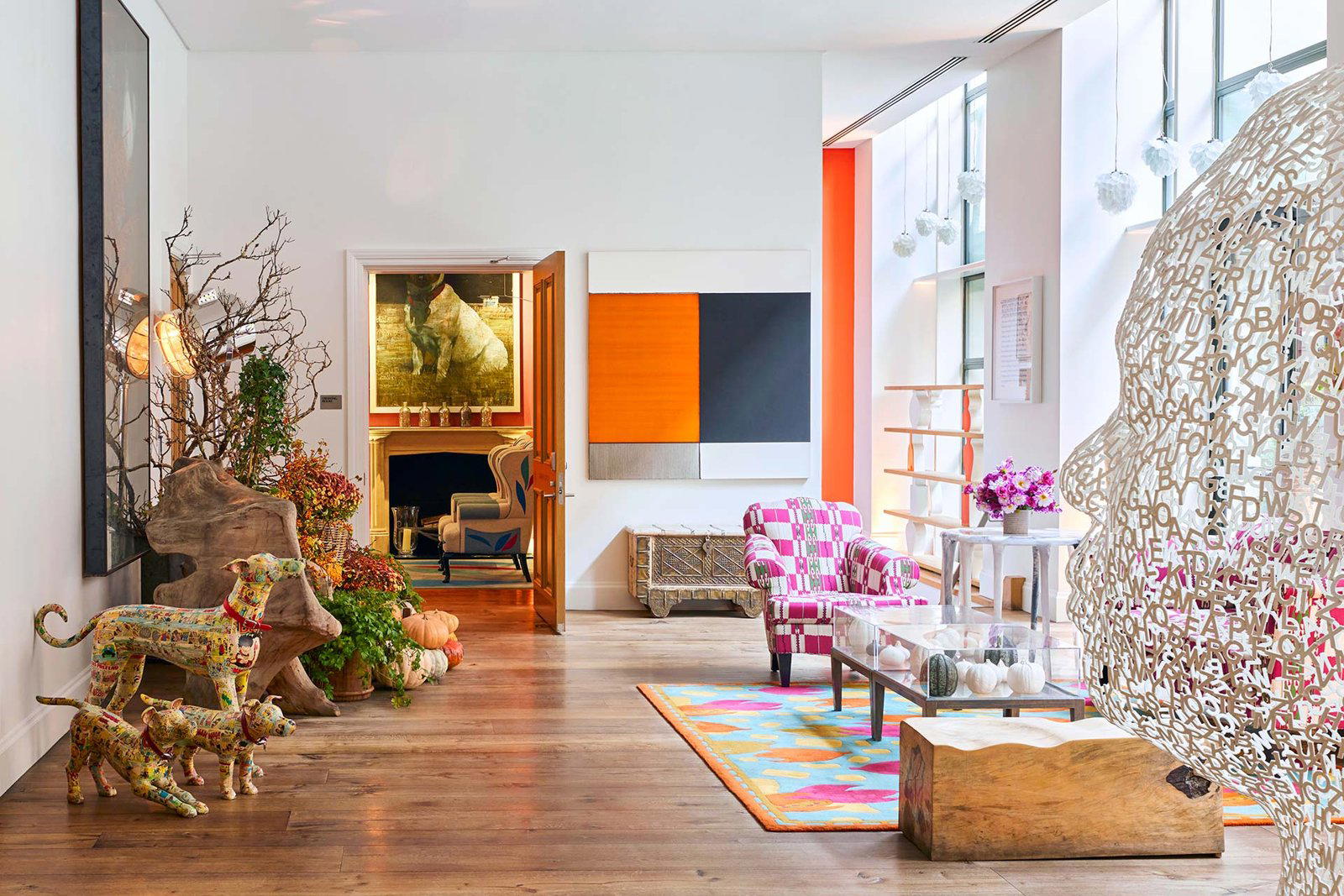
Restaurants in George Town
Browse all →
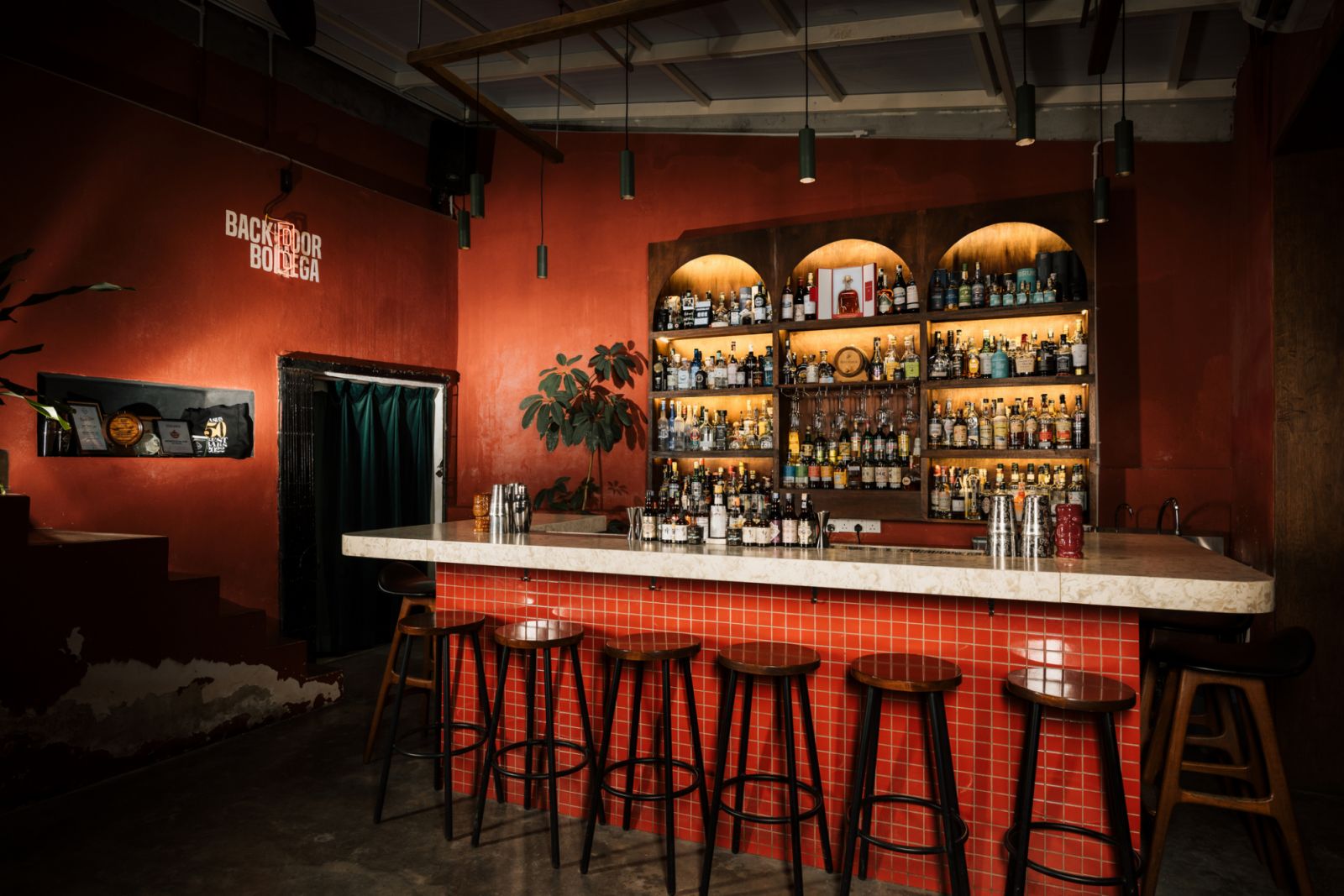
Bars in George Town
Browse all →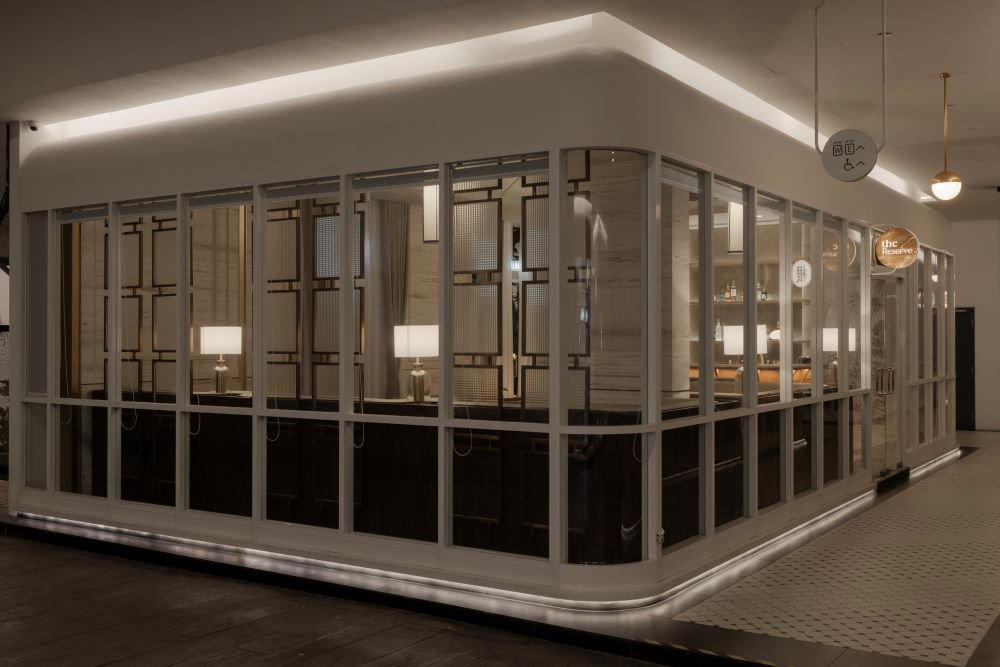
At a Glance
- Modern
- Historic
- Cozy
- Family
- Casual Hangout
- Celebration
- Historic Building
Current opening hours
- Monday
- 11 a.m.–4 p.m., 5–10 p.m.
- Tuesday
- Closed
- Wednesday
- 11 a.m.–4 p.m., 5–10 p.m.
- Thursday
- 11 a.m.–4 p.m., 5–10 p.m.
- Friday
- 11 a.m.–4 p.m., 5–10 p.m.
- Saturday
- 11 a.m.–4 p.m., 5–10 p.m.
- Sunday
- 11 a.m.–4 p.m., 5–10 p.m.
Hours can change for holidays and private events. Last verified .
Relaxing glass-clad room drenched in natural light with faux-industrial style furnishings.