in between days

Michelin Plate
Our verdict
St Petersburg's first Tokyo-style format arrives on First Avenue South, framing fast-casual Japanese staples around a rice-ball menu built for counter service and walk-in volume. The approach sits between quick-service poke and sit-down izakaya, targeting midday and early-evening traffic in a neighbourhood otherwise anchored by Italian and coastal American concepts.

Pearl is the En Primeur Club membership app, where members save venues, book tables and use the concierge.
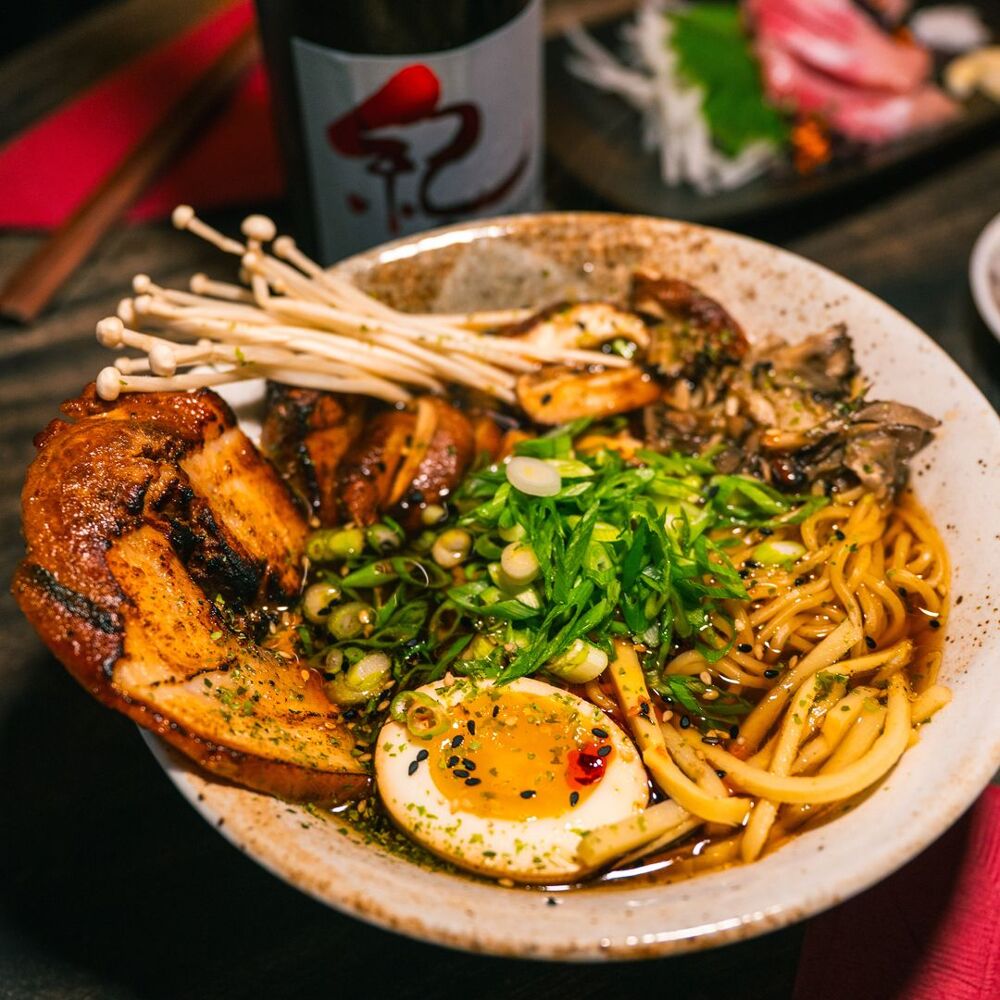
The menu
What to order
- Oysters served French style
- Gyoza
- Hamachi crudo
- Rotating noodle dish
The stretch of First Avenue South near downtown St Petersburg runs Italian-heavy, with pizza counters and red-sauce trattorias clustering between 22nd and 24th Street. In Between Days breaks that pattern by importing a Tokyo convenience-store format: onigiri at the centre of the menu, supplemented by miso soup, tea, and a rotating selection of cold side dishes. The concept bills itself as Florida's first Tokyo-style onigiri counter, a claim that hinges on format specificity rather than cuisine category, Japanese restaurants operate statewide, but dedicated rice-ball counters remain rare outside California and Hawaii.
Onigiri culture in Japan splits between konbini grab-and-go and specialist shops that hand-mould each order, often charging a premium for heirloom rice varietals and regional fillings. In Between Days leans toward the former: fast assembly, casual seating, and pricing designed for repeat visits rather than special-occasion dining. The model reflects a broader U.S. trend in which Japanese formats once confined to Los Angeles and New York, Onigiri Time in Pasadena, Jōdo Saké Bar in Los Angeles, migrate to secondary cities as ingredient supply chains deepen and consumer familiarity with Japanese staples grows.
Rice, Nori, and Filling Structure
Tokyo onigiri shops source rice by prefecture, often calling out cultivar and milling date on the menu board. In Between Days does not yet list varietal details, suggesting a supplier model typical of U.S. fast-casual operations, where logistics and consistency outweigh single-origin storytelling. Nori arrives pre-cut, a practical concession to speed; traditional formats wrap nori at the last moment to preserve crispness, but high-volume counters typically sacrifice texture for throughput.
Fillings track konbini conventions: umeboshi, tuna-mayo, salmon, and pickled vegetables dominate the rotation, with occasional seasonal additions. The absence of cooked-to-order proteins, grilled chicken thigh, soy-braised pork belly, keeps ticket times short and labour requirements light. That strategy mirrors ¿Por Qué No? in Portland and 'Ai Love Nalo in Waimanalo Beach, where menu design prioritizes assembly over complex cooking steps, allowing small teams to handle lunch and dinner rushes without delay.
Neighbourhood Context and Competitive Set
St Petersburg's dining scene tilts Italian and Mediterranean, with Bavaro's Pizza Napoletana & Pastaria, Beau & Mo's Italian Steakhouse, and Azura Coastal Kitchen & Bar anchoring the First Avenue South corridor. Japanese options cluster around sushi counters and ramen shops, most of which operate at a higher check average than In Between Days. The onigiri format occupies a slot closer to Allelo or bin6south in terms of price point, casual, walk-in friendly, and geared toward midday traffic, but differentiated by its Tokyo convenience-store template rather than wine-bar or small-plates architecture.
The First Avenue South address sits within walking distance of the downtown grid, placing the counter within reach of office workers and residents who anchor lunch traffic in the area. Evening service depends on whether the format extends beyond grab-and-go into a light dinner option, a question common to fast-casual concepts that launch with limited seating and test demand before expanding hours or menu breadth.
Format Discipline and Ingredient Sourcing
Tokyo onigiri shops often publish their rice supplier, water source, and nori harvest date. U.S. counterparts face tighter margins and less developed import channels, which pushes many operators toward domestic short-grain rice and commodity nori. In Between Days does not yet advertise sourcing details, a pragmatic choice for a young concept prioritizing consistency and cost control over artisan storytelling. That approach aligns with the broader fast-casual sector, where transparency around ingredients grows as revenue scales but rarely defines the opening menu.
Miso soup and tea service act as category signals: their presence confirms a Japanese rather than fusion or pan-Asian menu, while their simplicity keeps kitchen complexity low. The absence of izakaya staples, yakitori, karaage, takoyaki, suggests a focused counter rather than a full-service restaurant, a format discipline that has allowed similar concepts in California and Hawaii to maintain low overhead and rapid turnover.
Planning a Visit
No booking system appears necessary for a counter-service format; walk-in traffic defines the model. Peak midday hours will likely stretch wait times, a dynamic common to lunch-focused fast-casual operations in downtown corridors. Parking along First Avenue South operates under standard city metering, and the neighbourhood remains accessible from Interstate 175 and Central Avenue exits.
In Between Days fits a specific meal occasion: quick, portable, and priced for repeat visits rather than celebratory dining. The format suits travelers exploring St Petersburg's restaurant scene who want a break from sit-down service, as well as locals seeking an alternative to the Italian and coastal concepts that dominate the corridor. For visitors moving between St Petersburg hotels and bars, the counter offers a low-commitment option that fills the gap between coffee and dinner.
The Tokyo-style onigiri format remains uncommon in Florida, which gives In Between Days a narrow but defensible niche. Whether it expands beyond the core rice-ball menu, adding cooked proteins, evening izakaya plates, or sake service, will determine whether it evolves into a neighbourhood anchor or remains a grab-and-go lunch counter. For now, the concept sits alone in its category, a test case for whether Japanese fast-casual formats can scale beyond coastal metros into secondary U.S. markets.
Frequently asked questions
Would in between days be comfortable with kids?
Counter-service onigiri shops operate as fast-casual formats with no table service, making the model easy for families. Rice triangles wrapped in nori translate across age groups. St Petersburg's casual dining culture supports walk-in traffic of all ages, and the snack format keeps meal durations short.
How would you describe the vibe at in between days?
Tokyo onigiri shops run streamlined counters with visible prep stations and minimal seating. Expect a grab-and-go pace with standing or perch seating. As Florida's first Tokyo-style onigiri counter, the format borrows from Japanese convenience-store efficiency rather than sit-down izakaya atmosphere.
Is in between days Michelin-listed?
in between days has received recognition including: In Between Days bills itself as Florida’s first Tokyo-style....
How do I find in between days?
in between days is located at 2340 1st Ave. S. St. Petersburg, Florida, 33712, USA, St Petersburg.
Do I need a reservation for in between days?
Counter-service formats do not require reservations; walk-in traffic defines the model. Peak midday hours will stretch wait times, but turnover moves quickly. No booking system appears necessary for onigiri counters, which operate like Japanese convenience stores with higher ingredient standards.
What makes in between days worth seeking out?
Florida's first Tokyo-style onigiri shop fills a gap in St Petersburg's Italian- and Mediterranean-heavy dining scene. The format brings Japanese convenience-store discipline to a market with little counter-service Japanese precedent. Onigiri remains underrepresented outside major coastal cities, and the 2340 1st Ave. S. location anchors a neighborhood with few Japanese snack options.
Comparable Spots, Quickly
Comparable venues by cuisine and price in the same metro.
| Venue | Cuisine | Price | Awards |
|---|---|---|---|
| in between daysThis venue (the venue you are viewing) | Tokyo-style sake bar with French-Japanese fusion small plates | $30–50 | Michelin Plate |
| Matteo Trattoria & Pizzeria | Authentic Southern Italian Trattoria & Pizzeria | Not listed | Not listed |
| The Urban Stillhouse | Modern American Wood-Fired Grill | Not listed | Not listed |
| Beau & Mo's Italian Steakhouse | Chicago-Style Italian Steakhouse | $50–100 | Not listed |
Recognition history
Dated appearances from independent guides and award organizations, with the underlying list record or original source where available.
Michelin Plate
Michelin
Continue exploring
More in St Petersburg
Restaurants in St Petersburg
All restaurants in St Petersburg →

Bars in St Petersburg
All bars in St Petersburg →
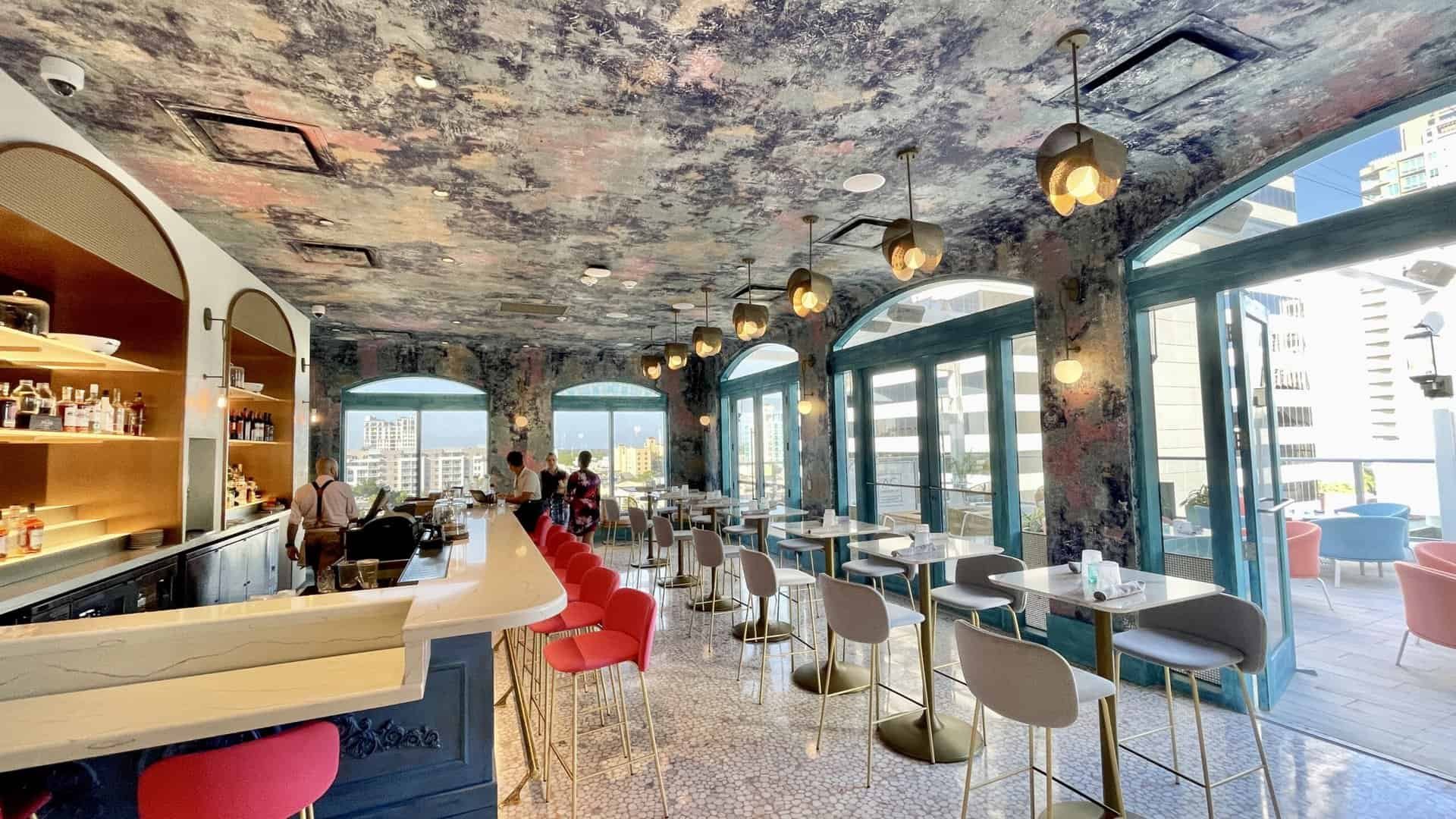
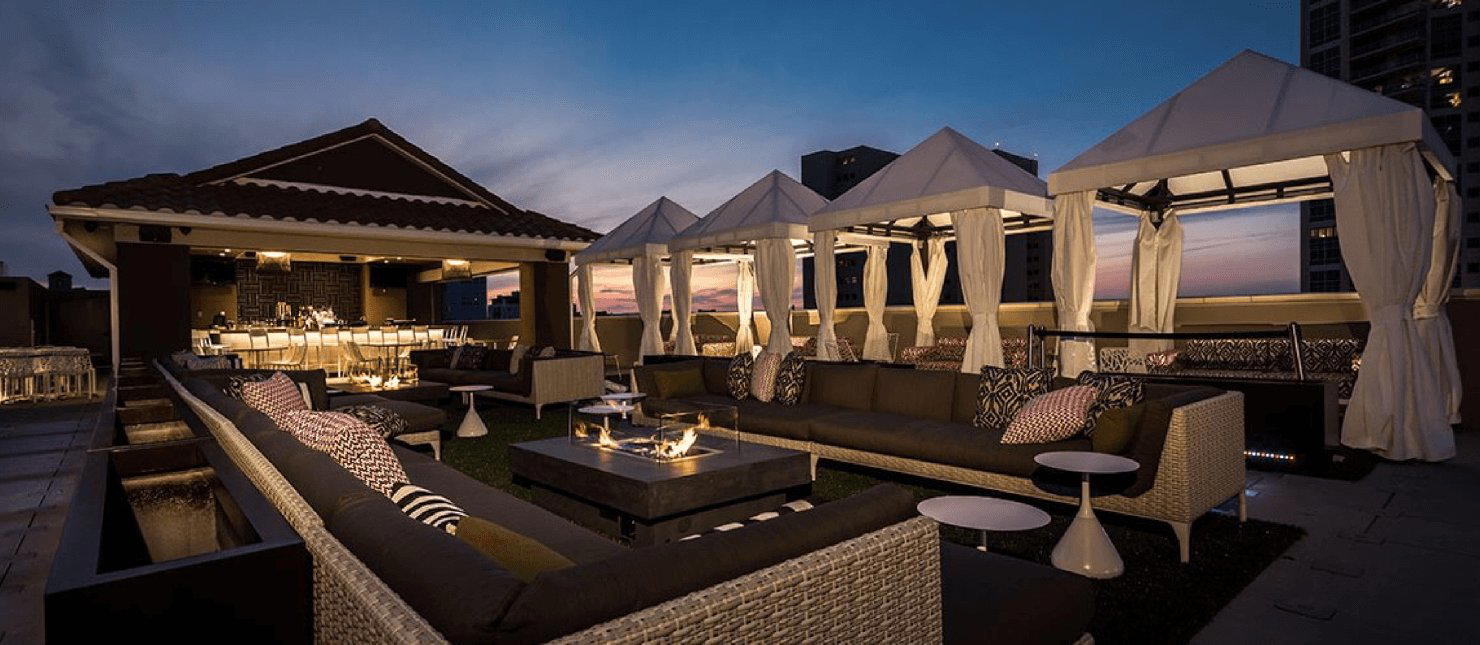
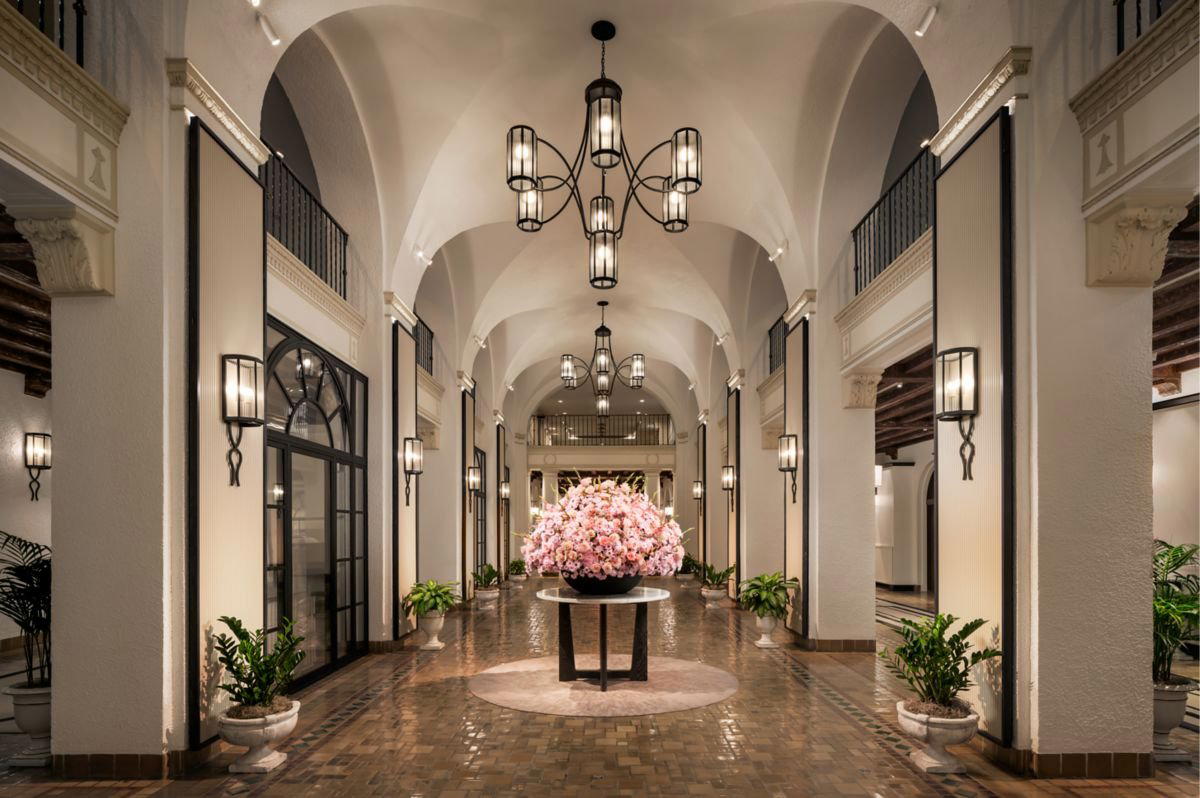
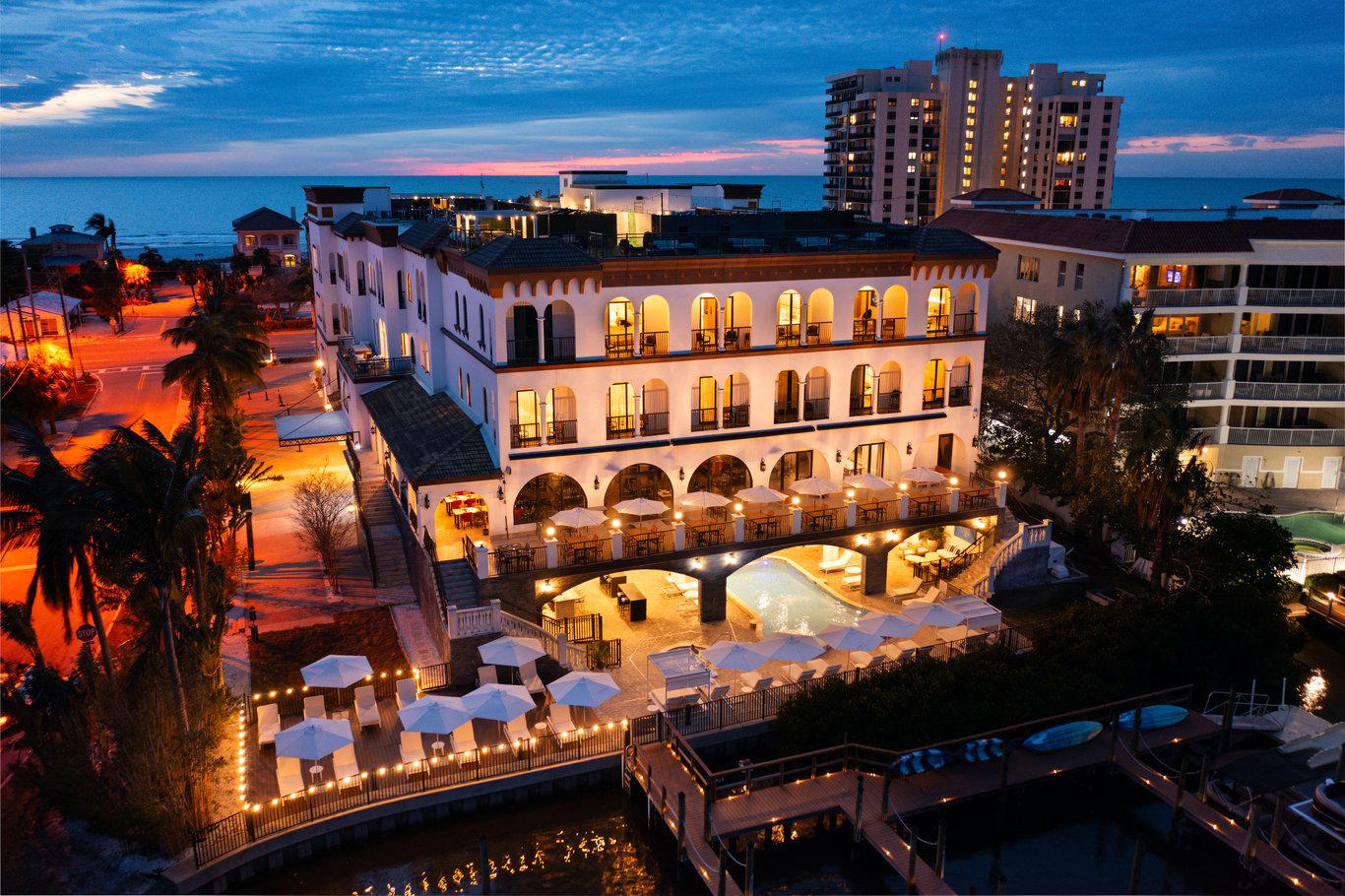
in between days
The wine
- Extensive wine list
- Natural wine
- Sake program
- Craft cocktails
- Beer program
Details
- Intimate
- Cozy
- Sophisticated
- Trendy
- Romantic
- Date Night
- After Work
- Late Night
- Casual Hangout
- Group Dining
- Special Occasion
- Standalone
- Design Destination
- Wine Cellar
- Courtyard
- Natural Wine
- Sake Program
- Craft Cocktails
- Beer Program
- Extensive Wine List
- Natural Wine
- Small Plates
- A La Carte
- Counter Dining
- Sake
- Wine
- Cocktails
- Beer
- Gluten Free Options
Current opening hours
- Monday
- Closed
- Tuesday
- Closed
- Wednesday
- 5–11 pm
- Thursday
- 5–11 pm
- Friday
- 5–11 pm
- Saturday
- Closed
- Sunday
- 5–10 pm
Hours can change for holidays and private events. Hours as of .
An intentionally intimate, low-lit listening bar set in a small house, with sophisticated yet laid-back vibes, spinning vinyl records and encouraging guests to focus on music, sake, and small plates rather than loud conversation.