
Hangzhou's dominant dining scene runs on Zhejiang tradition, which makes Hotwoods, a Latin American kitchen holding consecutive Michelin Plate recognition in 2024 and 2025, a genuine outlier on 178 Hedong Road in Xiacheng District.
Pearl is the En Primeur Club membership app — saves, bookings, and concierge access live there. Same editors, same standards.
- Address
- 178 Hedong Rd, Xiacheng District, Hangzhou, Zhejiang, China, 310003
- Phone
- +86 177 0640 9133
- Directions
- Get directions
 Saves & bookings on Pearl
Latin American Cooking in a City That Rarely Makes Room for It
Hotwoods is a restaurant in Hangzhou's Xiacheng District serving Latin American BBQ at a ¥¥ price level. Hangzhou's restaurant scene has spent decades consolidating around a single culinary identity. Ru Yuan holds two stars at the ¥¥¥¥ level; Guiyu (Xihu), Hangzhou House, and Jie Xiang Lou anchor the middle tier. Ambré Ciel pushes into innovative territory. Against that backdrop, a Latin American kitchen earning consecutive Michelin Plate recognition in 2024 and 2025 is not a minor footnote, it is a structural anomaly in a city whose culinary identity runs deep.
Hotwoods occupies 178 Hedong Road in Xiacheng District, a part of Hangzhou that sits northeast of the West Lake tourist circuit and carries a more neighbourhood-facing character than the lakeside dining strip. Approaching from Hedong Road, the address places you at some remove from the concentrated fine-dining cluster near the lake. That physical separation matters: the venue is not trading on foot traffic from the scenic zone. It draws on a different logic, an audience that seeks it out specifically.
The Case for Latin American Cooking and Sustainability
Latin American cuisine, at its most considered, is structurally aligned with low-waste and ingredient-forward cooking. The tradition draws on wood-fire techniques, fermentation, and a deep engagement with whole-animal and whole-vegetable preparation, methods that reduce reliance on heavy processing and generate less refuse per dish than classical European brigade kitchens. In cities like Lima and Buenos Aires, the generation of chefs who emerged in the 2010s rebuilt local cuisine around that ethos, sourcing from small producers, minimising imported inputs, and treating offcuts and secondary proteins as primary material rather than as waste-management problems.
That framework travels well to China, where regional producers, in tea, in freshwater fish, in mountain vegetables, often operate at small scales with minimal intermediaries. A Latin American kitchen with a genuine commitment to ingredient sourcing has, in theory, a more natural path to direct producer relationships than a European-format fine-dining room that depends on imported luxury inputs.
For comparison, Mono in Hong Kong has demonstrated what a rigorous Latin American kitchen looks like when it operates inside a major Asian city, earning significant critical recognition precisely because it applied that ingredient discipline to a local supply context. Imperfecto: The Chef's Table in Washington, D.C. represents a different register of the same format, where a tasting-menu structure frames Latin American technique as a fine-dining language. Hotwoods sits at a different price point than both, operating in the ¥¥ mid-range tier, which changes the calculus around tasting menus and premium imported ingredients, and demands more creative use of locally available material.
What the Michelin Plate Signals in This Context
A Michelin Plate designation does not carry the scoring weight of a star, but in the context of Hangzhou's inspector coverage, it functions as meaningful validation. The city's Michelin selection is heavily weighted toward Zhejiang cuisine specialists, and the inspectors who cover it are evaluating against a canon of technique and sourcing that is specific to that tradition. For a Latin American kitchen to earn two consecutive Plate recognitions, 2024 and 2025, within that framework suggests it is meeting a baseline of consistency and culinary coherence that travels across cuisine categories.
A restaurant that has been open long enough to accumulate Plate recognition twice in consecutive Michelin cycles is not drawing first-time curiosity visitors as its primary audience. A 4.3 with 80 reviews implies a smaller, loyal patronage rather than a high-volume tourist operation, a pattern consistent with the Xiacheng address and the mid-range ¥¥ price positioning.
For the broader picture of where Hangzhou's recognised dining sits, our full Hangzhou restaurants guide maps the field across cuisine types and price tiers.
Positioning Against Hangzhou's Non-Zhejiang Tier
Hangzhou has a small but growing layer of non-Zhejiang restaurants operating at recognised quality levels. L'éclat 19 holds a Michelin star at ¥¥¥¥ in the French Contemporary format, the high-end international lane. Hotwoods occupies a different position: mid-range pricing, a cuisine from the other side of the world, and a Plate rather than a star. That combination places it in a niche with almost no direct local competitors. The nearest peer comparisons in Chinese cities are restaurants like 102 House in Shanghai, a city with a far denser international restaurant ecosystem, or the Michelin-recognised Zhejiang specialists in Hangzhou's own ¥¥¥ tier such as Xin Rong Ji in Chengdu and Xin Rong Ji (Xinyuan South Road) in Beijing, which represent the kind of regional cuisine consistency Hotwoods is implicitly benchmarked against in a different register.
The mid-range price point is significant. At ¥¥, the kitchen is not operating in the same cost structure as Chef Tam's Seasons in Macau or Imperial Treasure Fine Chinese Cuisine in Guangzhou, where premium ingredients and formal service absorb much of the price premium. The constraint is part of the discipline. Dai Yuet Heen in Nanjing operates in a similar tier for Cantonese cuisine, where consistent technique rather than ingredient luxury carries the room. Hotwoods applies that logic to a Latin American framework in a city where the format has almost no precedent.
Planning a Visit
Hotwoods is at 178 Hedong Road in Xiacheng District, Hangzhou 310003. The Xiacheng address is accessible from central Hangzhou by metro and taxi, with Hedong Road sitting outside the heaviest tourist traffic that concentrates around West Lake to the southwest. Given the relatively small review count, booking in advance rather than walking in is the more reliable approach, the venue does not appear to operate at a scale that absorbs unplanned demand easily. Reservations are recommended.
For those building a wider Hangzhou itinerary around the dining scene, cover the surrounding ecosystem.
The Quick Read
Comparable venues nearby, for context on price, style, and recognition.
| Venue | Cuisine | Price |
|---|---|---|
| HotwoodsThis venue — the venue you are viewing | Hangzhoushi, Latin American BBQ | $$ |
| Wulin | Hangzhoushi, Authentic Hangzhou Cuisine | $$ |
| Tian Lun Inn (Xihu) | Hangzhoushi, Hangzhou Crab Specialist | $$$ |
| Ming Kitchen | Hangzhoushi, Refined Zhejiang Dim Sum | $$$ |
| Fu Yuan Ju (Shangcheng) | Hangzhoushi, Home-style Hangzhou Cuisine | $$ |
| Nan Feng Fan Dian | Yuhangxian, Authentic Xiaoshan Cuisine | $$ |
Recognition history
Dated appearances from independent guides and award organizations, with the underlying list record or original source where available.
Michelin Plate
Michelin
Michelin Plate
Michelin
At a Glance
- Lively
- Rustic
- Group Dining
- Casual Hangout
- Open Kitchen
- Extensive Wine List
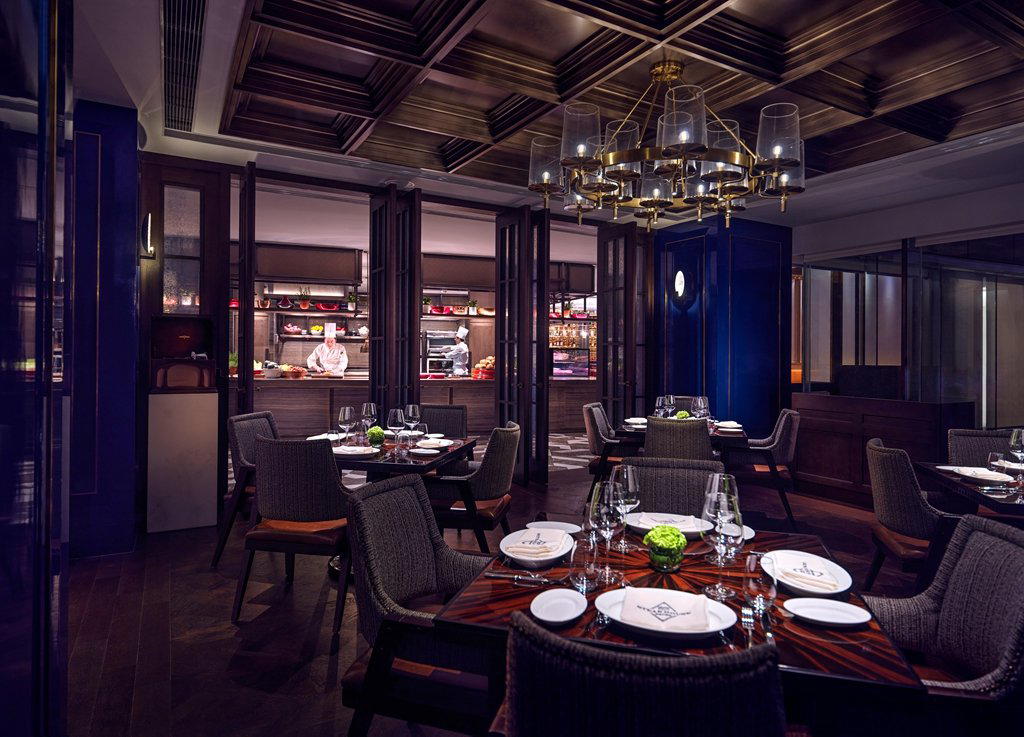
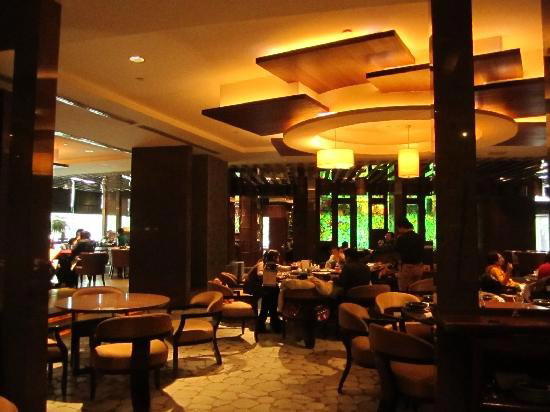
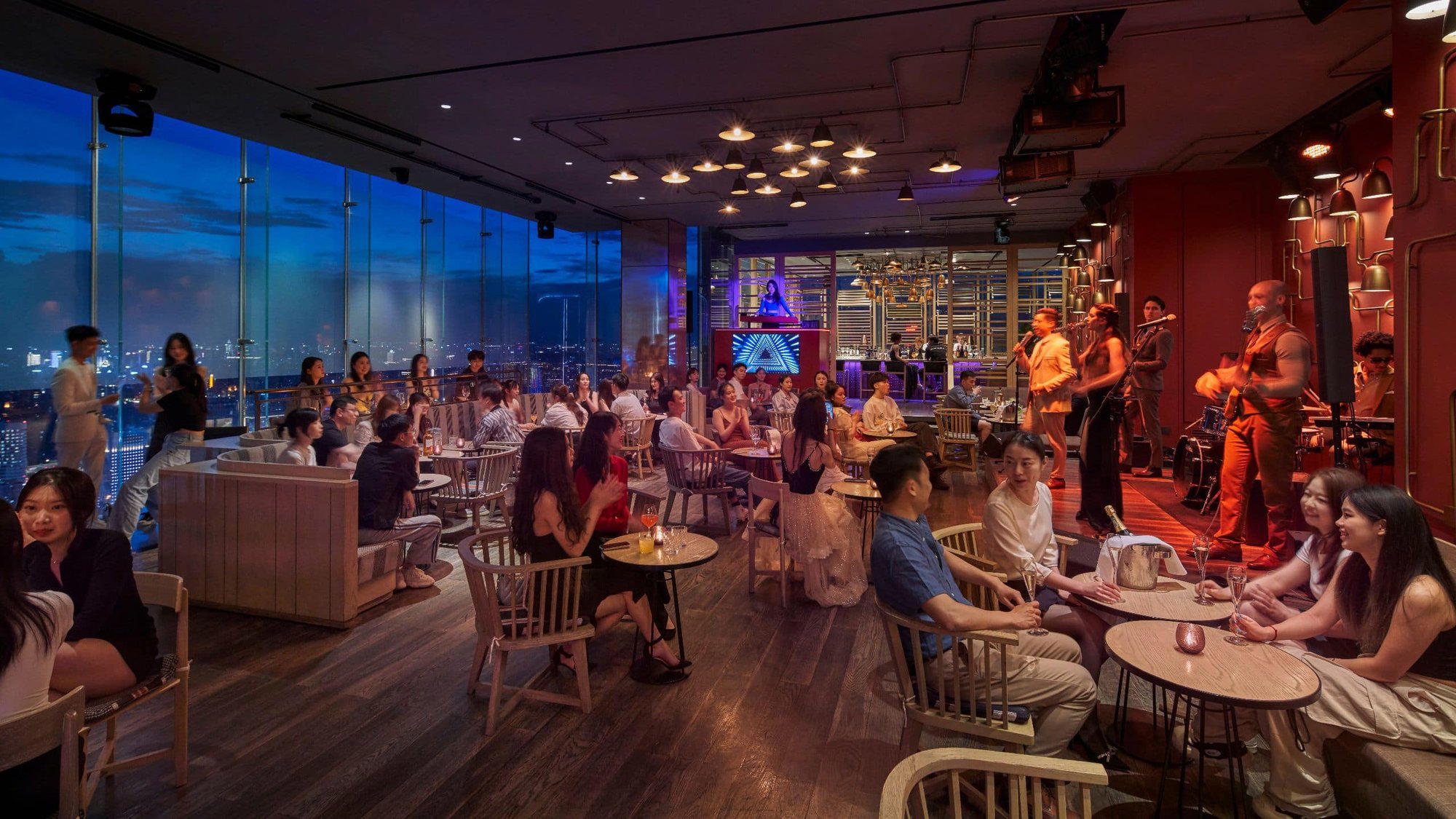
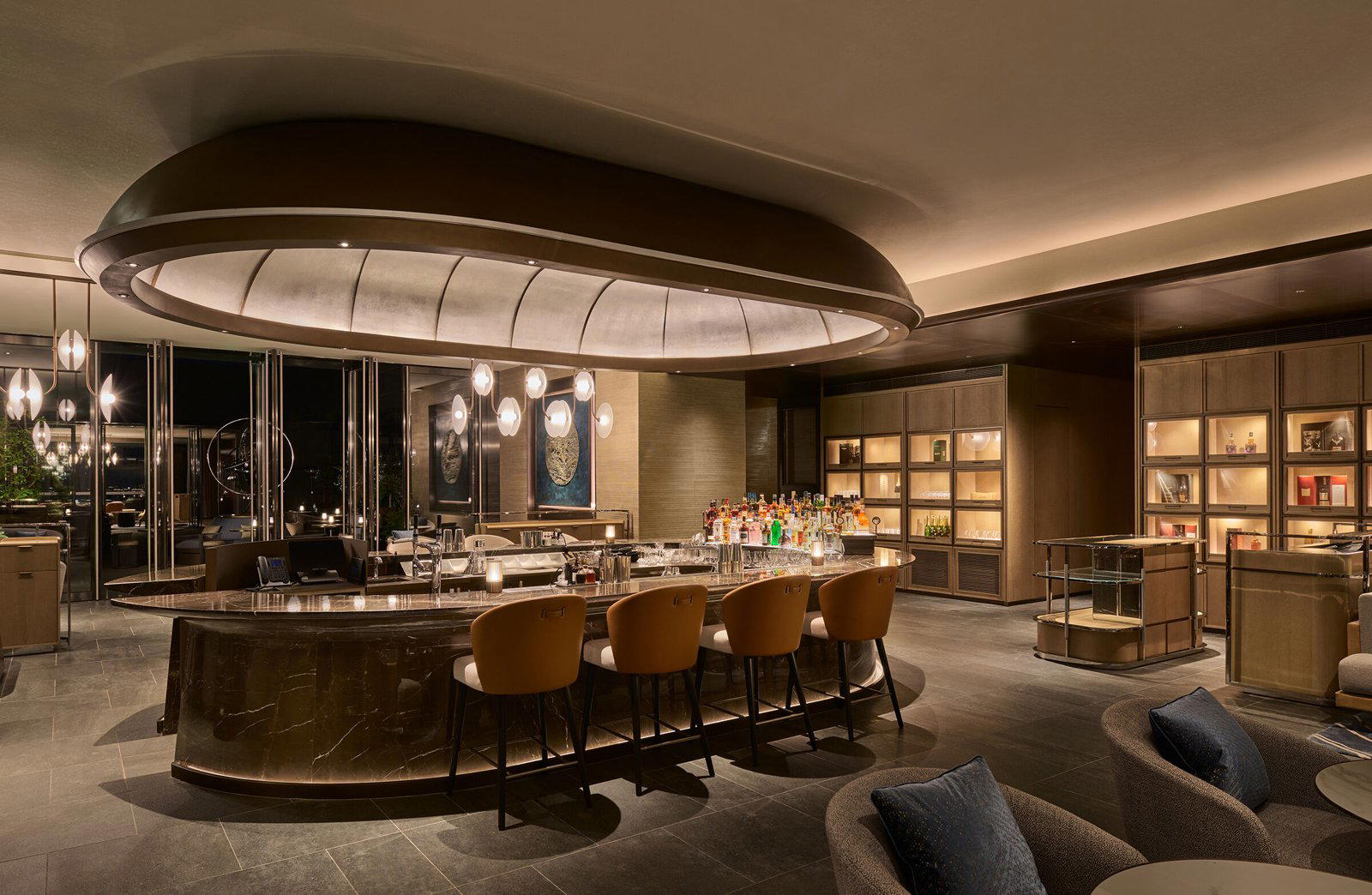
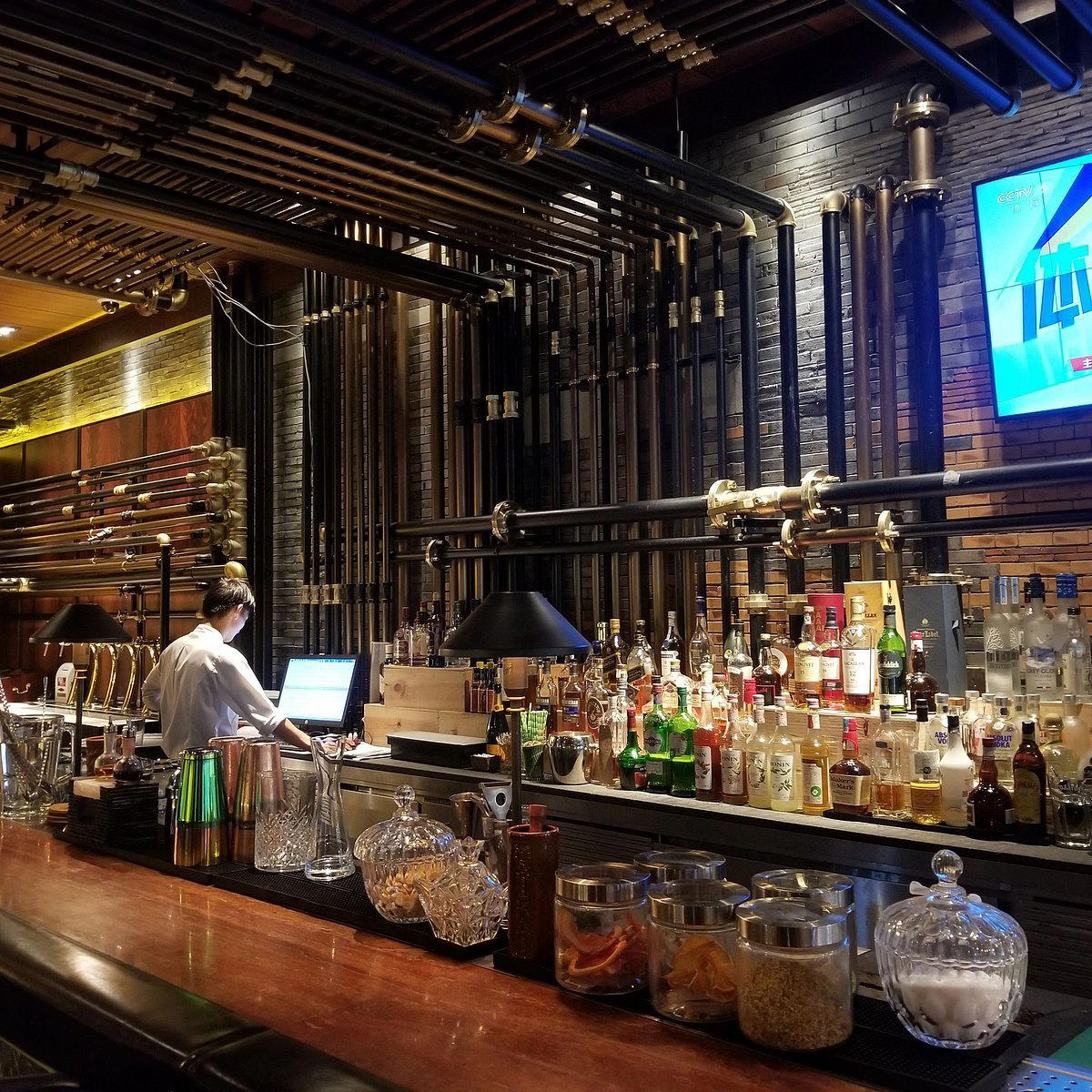
Intoxicating smoky aromas from on-site wood-fired ovens create a bustling, lively atmosphere.