Growing Gardens
Our verdict
Growing Gardens sits in Boulder’s ingredient-first conversation, where the value of a meal often starts before a kitchen gets involved. Treat it less as a conventional restaurant listing and more as a signal of the city’s farm-linked food culture: useful for readers tracking sourcing, family-friendly food experiences, and the practical difference between dining in Boulder and understanding what feeds it.

Pearl is the En Primeur Club membership app, where members save venues, book tables and use the concierge.
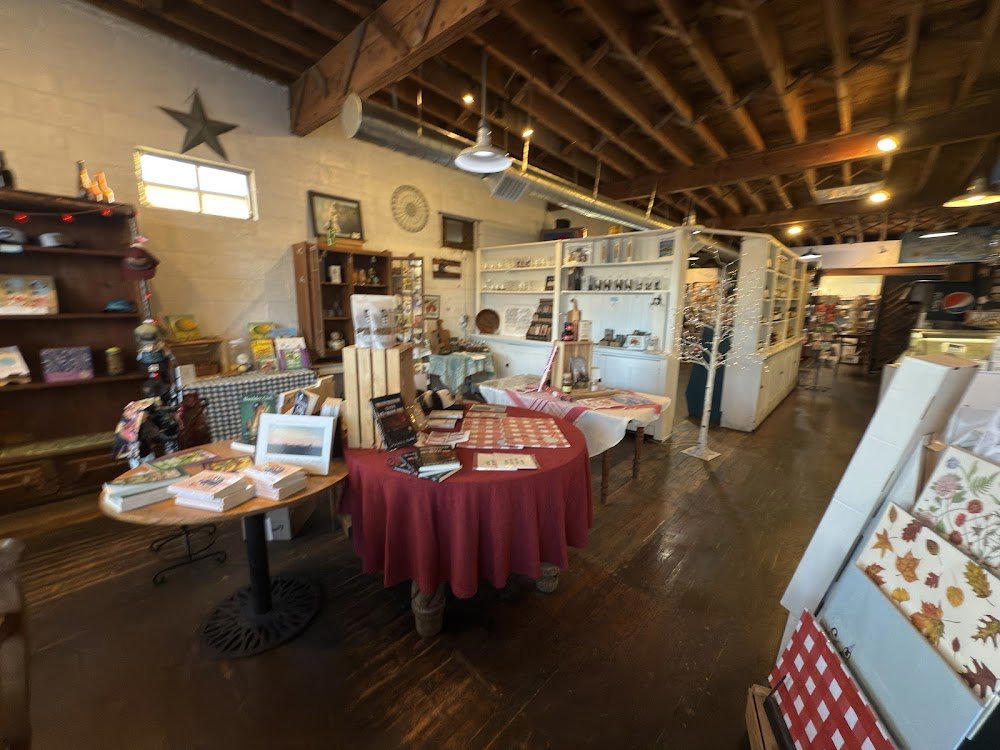
In Boulder, the food story around Growing Gardens is best read through its name and setting rather than through a conventional restaurant frame. It points toward the part of the city’s dining conversation that sits before the finished plate: gardens, growing culture, and the way local food language can shape how travelers understand a place.
That distinction matters. In many American college-and-mountain towns, “local” has become an elastic menu adjective. Boulder is a city where visitors often arrive already primed to notice ingredients, seasonality, and the relationship between food and place. Growing Gardens belongs to that context. It is not useful to describe it as a standard dining room; it is more useful as a reminder that Boulder’s food identity is not only about where people eat, but also about how the city talks about cultivation and community.
Ingredient culture before the restaurant table
Boulder’s restaurant identity is often discussed through finished formats: contemporary cooking, market-minded kitchens, hospitality-forward rooms, casual shops, and produce-aware dining. The more useful reading starts one step earlier. Ingredients carry weight here because the city’s food conversation often rewards attention to origin and season. That does not make every Boulder menu austere or agrarian, but it does explain why diners may encounter vegetables, grains, herbs, and preservation with more seriousness than in places where sourcing language is mostly decorative.
Growing Gardens should be understood in that context. With no specific public cuisine category, chef name, or restaurant format established here, the editorial value is not in treating it like a standard dinner reservation. The value is in what it says about Boulder’s food priorities: gardens, growing language, and proximity between urban life and food culture. For readers who plan trips through restaurants alone, that context can change the way a city reads. A tomato on a plate, a salad built around greens, or a kitchen’s seasonal constraint lands differently when the surrounding city has venues devoted to cultivation rather than only consumption.
For the restaurant side of that spectrum, Boulder offers several useful contrasts. Other Boulder dining rooms sit closer to the farm-restaurant conversation, while some read through market logic or a more urban dining-room frame. Elsewhere in the city, atmosphere, comfort, and repetition can become the headline as much as sourcing rhetoric. Together, they show why Boulder cannot be reduced to a single style.
Why Boulder rewards the sourcing-minded traveler
The city encourages a particular kind of dining literacy. Boulder has a food audience that often pays attention to ingredients, enough local identity to make place part of the conversation, and an outdoors-facing culture that keeps casual food from feeling secondary. The result is a scene where provenance is not only a fine-dining concern. It can appear in community spaces, informal cafés, and restaurants that use seasonal change as part of the experience.
Growing Gardens fits that broader pattern because it points to the pre-restaurant layer of the city. Travelers who care about where food comes from will read Boulder better by pairing meals with places that expose the growing language behind them. That does not require turning dinner into a lecture. It simply sharpens the eye: which menus name sources with care, which kitchens build around seasonal limits, and which rooms use local sourcing as a vague halo.
The same lens applies beyond Boulder. Ingredient-first travel looks different from place to place: sometimes plant-forward cooking carries the argument, sometimes regional influence meets a broader dining context, and sometimes a polished setting has to answer to place. In larger cities and smaller destinations alike, the best examples show different ways a food culture can organize taste around format, audience, and local specificity.
How to use it in a Boulder itinerary
Plan around Growing Gardens as part of a wider Boulder food day rather than as a conventional restaurant anchor. The sharper itinerary pairs ingredient context with actual meals: a market-minded lunch, a produce-forward dinner, or a casual stop that shows how the city eats when it is not performing for visitors. That sequence gives Boulder more texture than a reservation-only plan.
For a broader city read, use our full Boulder restaurants guide alongside our full Boulder bars guide. Travelers staying overnight can cross-check our full Boulder hotels guide, while longer itineraries can branch into our full Boulder wineries guide and our full Boulder experiences guide. The point is not to turn Boulder into a checklist. It is to understand why the city’s better meals often begin before the menu is printed.
Frequently asked questions
Does Growing Gardens work for a family meal?
In Boulder, Growing Gardens reads more as a context stop than a sit-down restaurant. For a meal-centered plan, use it alongside other Boulder dining rather than as the anchor.
How would you describe the vibe at Growing Gardens?
The Boulder setting suggests a casual, garden-centered stop rather than formal dining. It is best framed around growing culture, not white-tablecloth service.
What's Growing Gardens's location?
Boulder.
Can I walk in to Growing Gardens?
As a Boulder venue, Growing Gardens is better approached as a flexible stop than a reservation-led restaurant. The limited venue data does not list a booking system or dining hours.
What's the standout thing about Growing Gardens?
The clearest draw is the focus implied by the name itself: gardens and growing culture in Boulder. That makes it more about cultivation context than a conventional restaurant format.
Is Growing Gardens good for vegetarians?
It may appeal to travelers interested in plant-forward food culture because it is framed around gardens and growing in Boulder. The strongest anchor here is the garden context rather than a specific menu.
Comparable venues nearby, for context on price, style, and recognition.
| Venue | Cuisine | Price | Awards | Notes |
|---|---|---|---|---|
| Growing GardensThis venue (the venue you are viewing) | Dining | Not listed | Not listed | Not listed |
| Odd Rabbit Boulder | Modern Sushi and Noodles | Not listed | Not listed | East Boulder |
| Osaka's | Authentic Osaka-Style Japanese with Okonomiyaki Burgers | $20–30 | Not listed | Crossroads |
| Pizzeria Locale | Pizzeria | Not listed | Not listed | Central Boulder |
| Tasuki Sushi Bistro | Authentic Japanese Sushi Bistro | $50–100 | Not listed | Central Boulder |
| Holy Crepe | Authentic French Crêpes | $10–20 | Diners, Drive-Ins and Dives Featured Restaurant | Central Boulder |
Continue exploring