




Operating from a basement room in the Mikimoto Building since 1974, Ginza L'écrin is one of Tokyo's longest-standing French tables, holding a Michelin star and consecutive Tabelog Bronze Awards from 2018 through 2026. The kitchen applies orthodox French technique to Japanese-sourced fish and seasonal produce, with a wine program overseen by an in-house sommelier. Dinner runs from JPY 20,000 to JPY 29,999; reviewed spending averages suggest considerably higher.
Pearl is the En Primeur Club membership app — saves, bookings, and concierge access live there. Same editors, same standards.
- Address
- Japan, 〒104-0061 Tokyo, Chuo City, Ginza, 4 Chome−5−5 ミキモト本店ビル B1F
- Phone
- +81 3-3561-9706
- Website
- lecringinza.co.jp
- Directions
- Get directions
 Saves & bookings on Pearl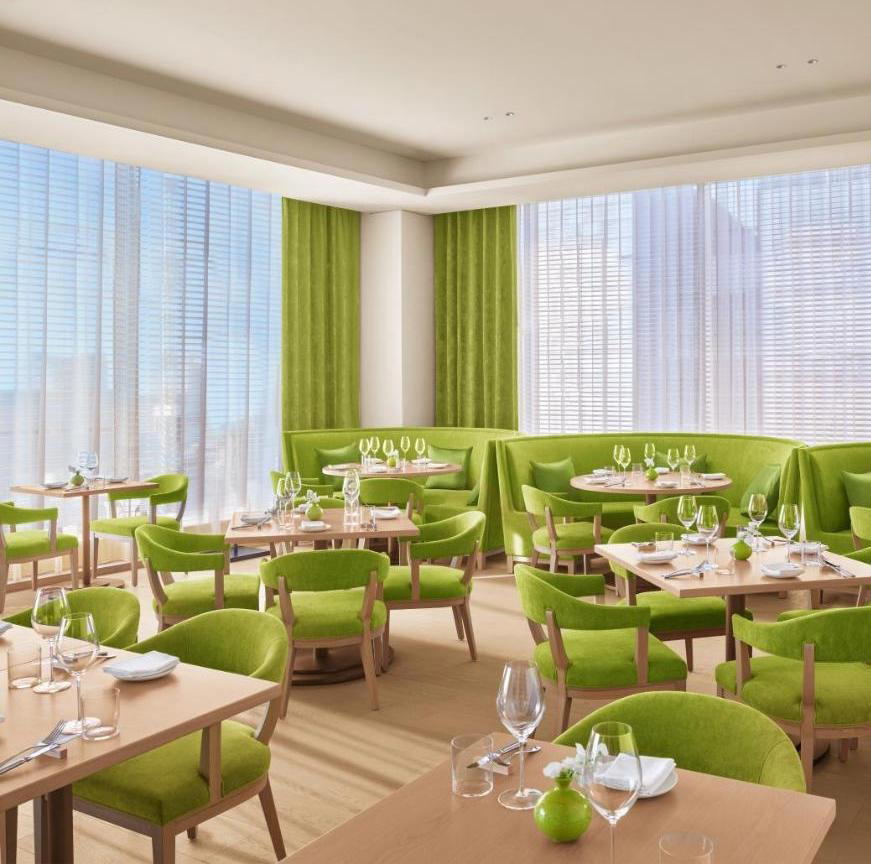
French Classicism Underground: The Ginza Grande Maison Tradition
Descending below the Mikimoto Building on Ginza's Chome-4 strip, you pass from one of Tokyo's most commercially pressured retail corridors into a dining room that has been setting its own pace since 1974. The basement location is not incidental. In Ginza's French restaurant history, the underground grande maison format carries a particular social weight: separated from street traffic, temperature-controlled, deliberately removed from the visual noise above. L'écrin sits in that tradition, and at fifty years of continuous operation it is now one of the oldest French tables in the district.
Ginza's French dining tier has shifted considerably across those five decades. The neighbourhood once hosted a broader spread of price points and formats; it now concentrates at the upper end, with competition arriving from Roppongi and the major hotel towers. Within that compressed field, L'écrin occupies a position defined less by novelty than by durability: a Michelin star held in 2024, consecutive Tabelog Bronze Awards every year from 2018 through 2026, and selection for the Tabelog French TOKYO "Tabelog 100" in 2021, 2023, and 2025. La Liste scored the kitchen at 81 points in its 2025 rankings, placing it at position 488 among Japanese restaurants nationally in that cycle, rising to 448 in 2024 on the Opinionated About Dining index. These are the calibration signals of a house that earns its position repeatedly rather than coasting on founding reputation.
Sourcing as the Structural Argument
The kitchen's declared emphasis on fish is the most legible statement about its ingredient philosophy. French cuisine's classical canon is not especially fish-forward at its core — the grandes sauces, the meat-centred brigade structure, the Escoffier grammar — but Tokyo French has long occupied a different position. Access to Tsukiji's successor market at Toyosu, direct relationships with regional fishing ports, and the expectation of Japanese diners trained on seasonal seafood precision have pushed Tokyo's French kitchens toward fish programs that would be difficult to replicate in Paris. L'écrin's explicit commitment to fish-sourcing places it inside this Tokyo-specific evolution of French cuisine rather than in the school of transplanted Parisian orthodoxy.
That emphasis also connects the kitchen to a broader argument running through serious French dining in Japan: that the transformation of classical French cooking here is not a dilution but an extension, driven by the quality and variety of Japanese marine and agricultural produce. The same argument is visible at L'Effervescence and at Florilège, both operating with French frameworks applied to Japanese seasonal sourcing, though each at a higher price tier than L'écrin. The sauces at L'écrin, explicitly identified as a hallmark of the kitchen, function as the connective tissue between the classical French inheritance and the local ingredient base. Sauce-making at this level requires time, accumulated technique, and investment in base stocks that cannot be quickly improvised; it is one of the structural reasons why old houses with trained brigades tend to hold their ground even as more aggressively contemporary kitchens open around them.
The Room and the Format
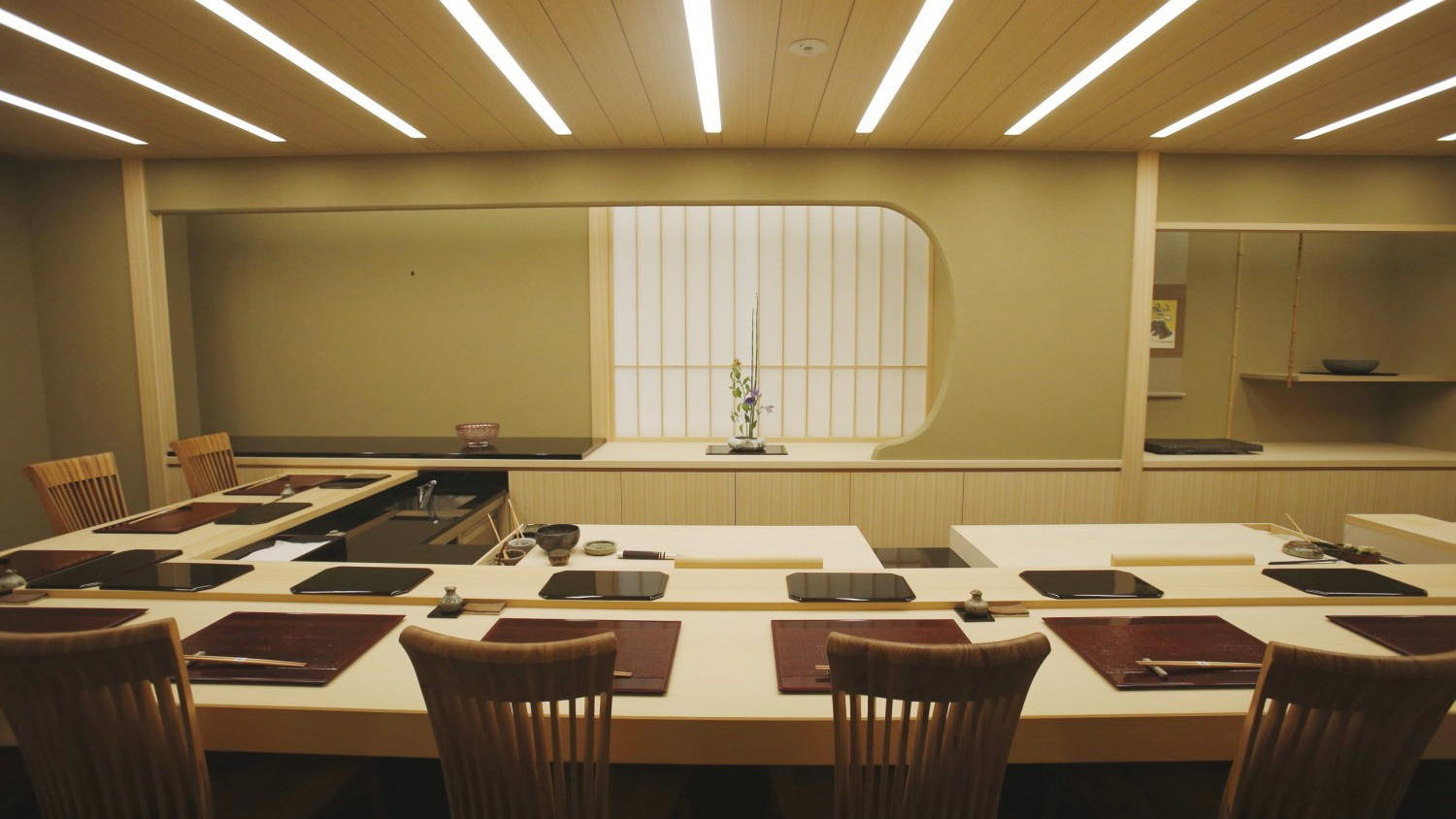
The main dining room seats 34; private rooms accommodate up to 14 additional guests, in configurations from two to eight people with larger groups by inquiry. The private room tier is the only part of the restaurant accessible to guests aged 12 to high-school age; the main floor operates an adults-only policy that holds even at lunch. That policy signals something about the intended experience: L'écrin's management has chosen to preserve a particular register in the main room rather than maximise accessibility. The 48-seat total capacity is not unusually small by Ginza standards, Sézanne operates a tighter counter format, but it keeps the room from functioning at scale, which is consistent with the grande maison positioning.
Service includes a sommelier, and the wine list draws on a cellar described as reflecting the restaurant's fifty-year accumulation. In practice, depth-of-cellar at this age means the list likely covers classic Burgundy and Bordeaux vintages that newer restaurants cannot access without significant secondary-market spending. The drink list includes sake and shochu alongside wine and cocktails, a pragmatic acknowledgement that a meaningful portion of the clientele will want to drink Japanese spirits regardless of the French frame. A 12% service charge applies, which is notable in a market where tipping is not conventional and service charges are far from universal at this level.
Pricing in Context
The Tabelog-listed dinner budget range of JPY 20,000 to JPY 29,999 represents the base case; actual reviewed spending averages cluster in the JPY 50,000 to JPY 59,999 band for dinner, suggesting that a fully composed meal with wine falls well above the headline figure. Lunch runs JPY 10,000 to JPY 14,999 at list, with reviewed averages at JPY 20,000 to JPY 29,999. The comparison with ESqUISSE in Ginza is instructive: both operate within walking distance of each other, both hold Michelin recognition, and both address a clientele that expects serious technique and wine service. L'écrin's fifty-year history adds an archival dimension to the conversation that a newer arrival cannot replicate.
For the French dining category specifically, the lunch service represents the clearest access point. A spend in the JPY 20,000 to JPY 29,999 range at lunch delivers the main room experience, the kitchen's fish-focused sourcing approach, and the sauce-led classical technique at roughly half the dinner exposure. Reservations are available through the restaurant; smart casual dress is required for men, and shorts or sandals are excluded. The access policy extends to dress rather than just age, which is consistent with the house's deliberate register across all touchpoints.
How L'écrin Compares in Tokyo's French Tier
| Venue | Stars/Awards | Price Tier | Format | Seats |
|---|---|---|---|---|
| Ginza L'écrin | Michelin 1★, Tabelog Bronze (2018–2026) | ¥¥¥ | Grande Maison, French Classic | 48 (34 main + 14 private) |
| L'Effervescence | Michelin 3★ | ¥¥¥¥ | French, Seasonal | Not listed |
| ESqUISSE | Michelin recognised | ¥¥¥¥ | French Contemporary | Not listed |
| Château Restaurant Joël Robuchon | Michelin 2★ | ¥¥¥¥ | French Grand Format | Not listed |
Within Japan's French Dining Geography
Tokyo holds the densest concentration of serious French tables in Japan, but comparable kitchens operate across the country in formats worth understanding as context. HAJIME in Osaka represents the more conceptually ambitious pole of Japanese French cooking; akordu in Nara applies French-adjacent technique to hyper-local Yamato ingredients at a much smaller scale. Within Tokyo itself, the geography matters: L'écrin's Ginza address places it in the district historically associated with formal French dining and corporate entertainment, rather than the more experimental addresses in Shibuya or Daikanyama. That distinction is not a judgment; it reflects different demand bases and different interpretations of what French cooking in Tokyo is supposed to do.
Internationally, the reference points for this style of long-established French classicism updated through Japanese sourcing include Hotel de Ville Crissier in Crissier and Les Amis in Singapore, both houses where classical French grammar has been maintained across decades while the ingredient conversation has evolved. The comparison illuminates how the grande maison format functions differently depending on its city: in Singapore, Les Amis operates as an import with a local clientele; in Tokyo, L'écrin has grown into something closer to an institution with its own accumulated authority.
For a broader orientation to the city's dining options across cuisines and price tiers, the full Tokyo restaurants guide covers the complete field. Visitors planning longer stays will also find the Tokyo hotels guide, Tokyo bars guide, Tokyo wineries guide, and Tokyo experiences guide useful for building out a complete itinerary. For those extending through the Kansai region, Gion Sasaki in Kyoto and Goh in Fukuoka offer reference points in kaiseki and modern Japanese cooking respectively, while 1000 in Yokohama and 6 in Okinawa round out the national picture.
Planning Your Visit
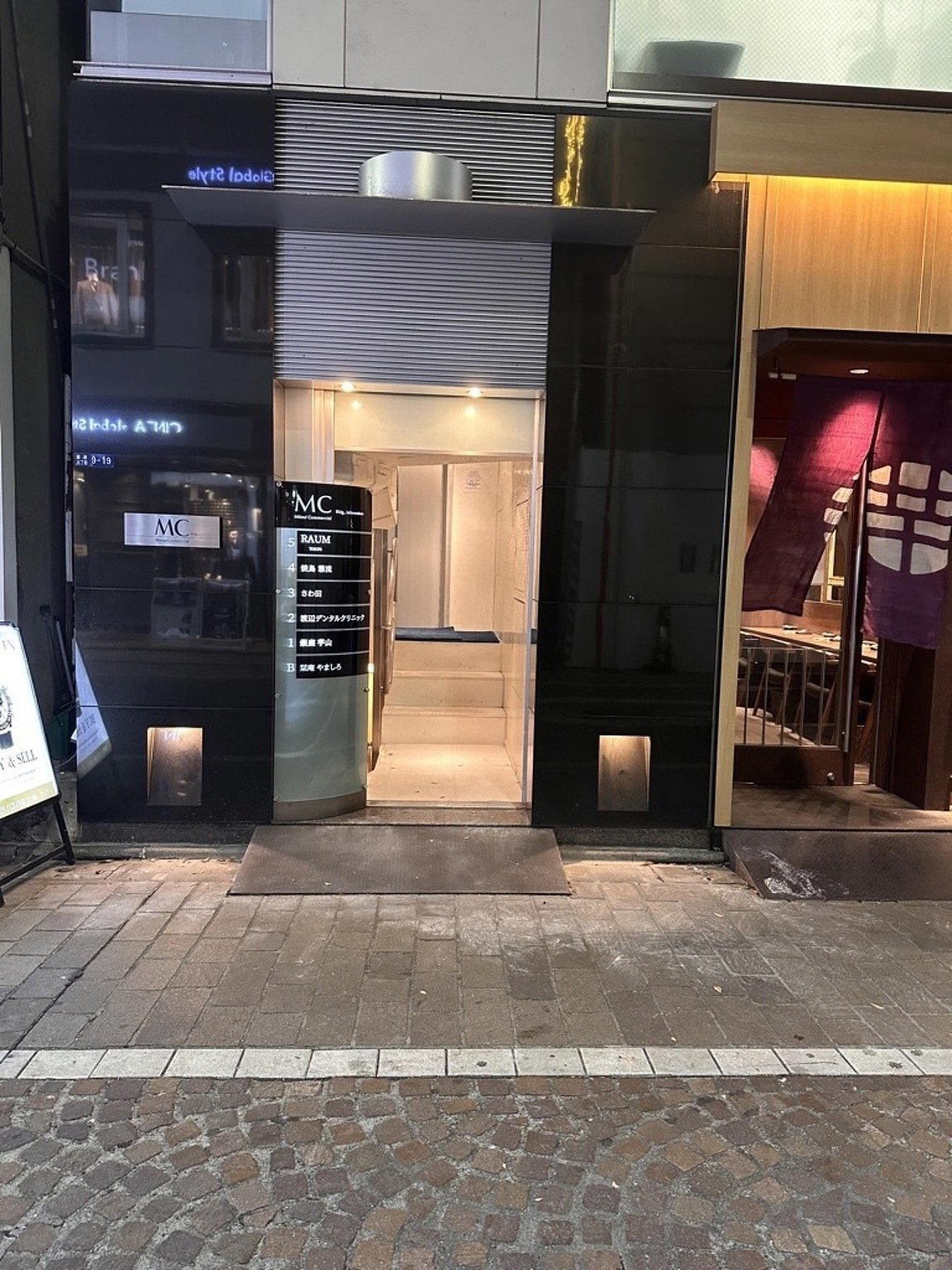
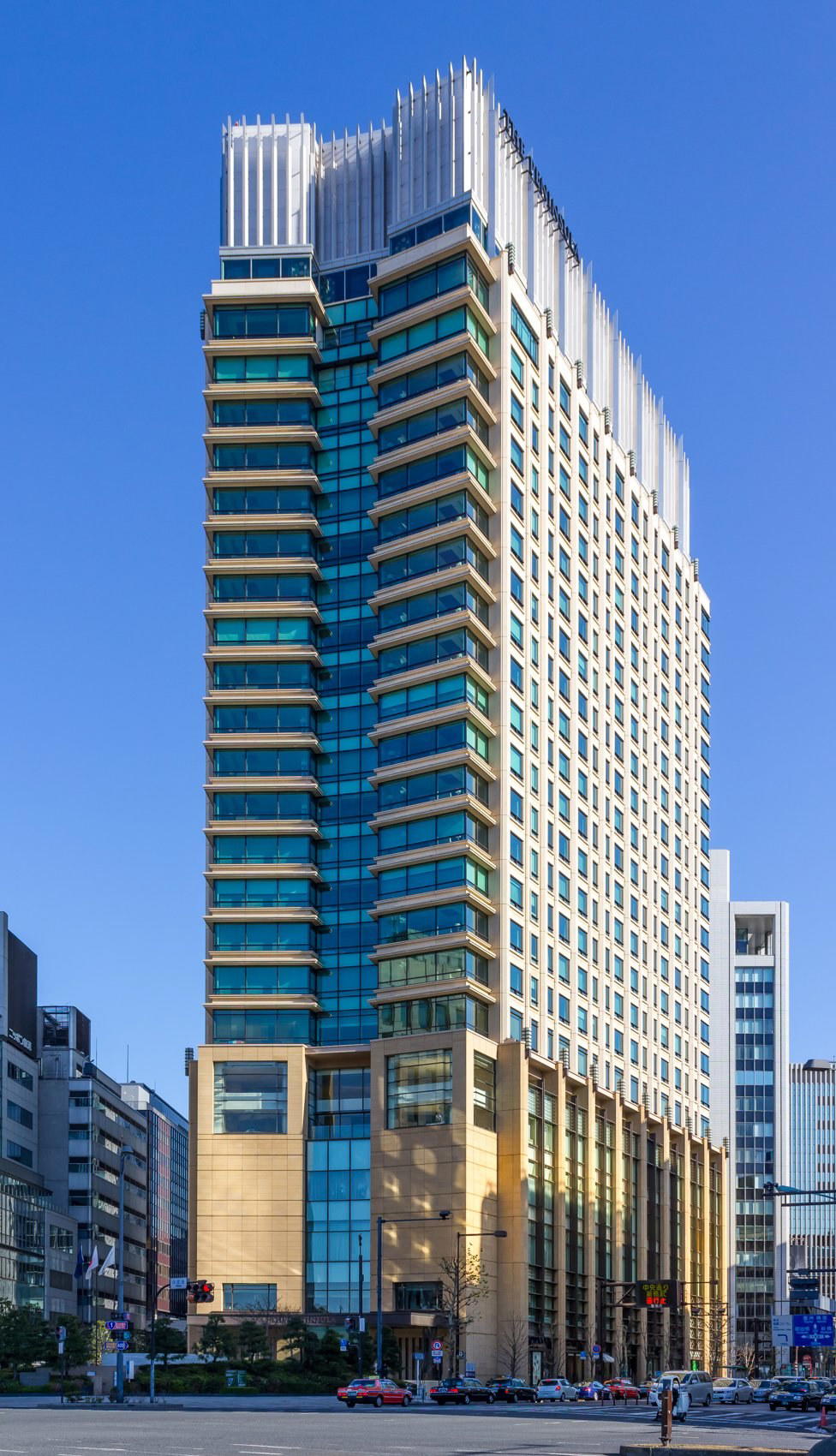
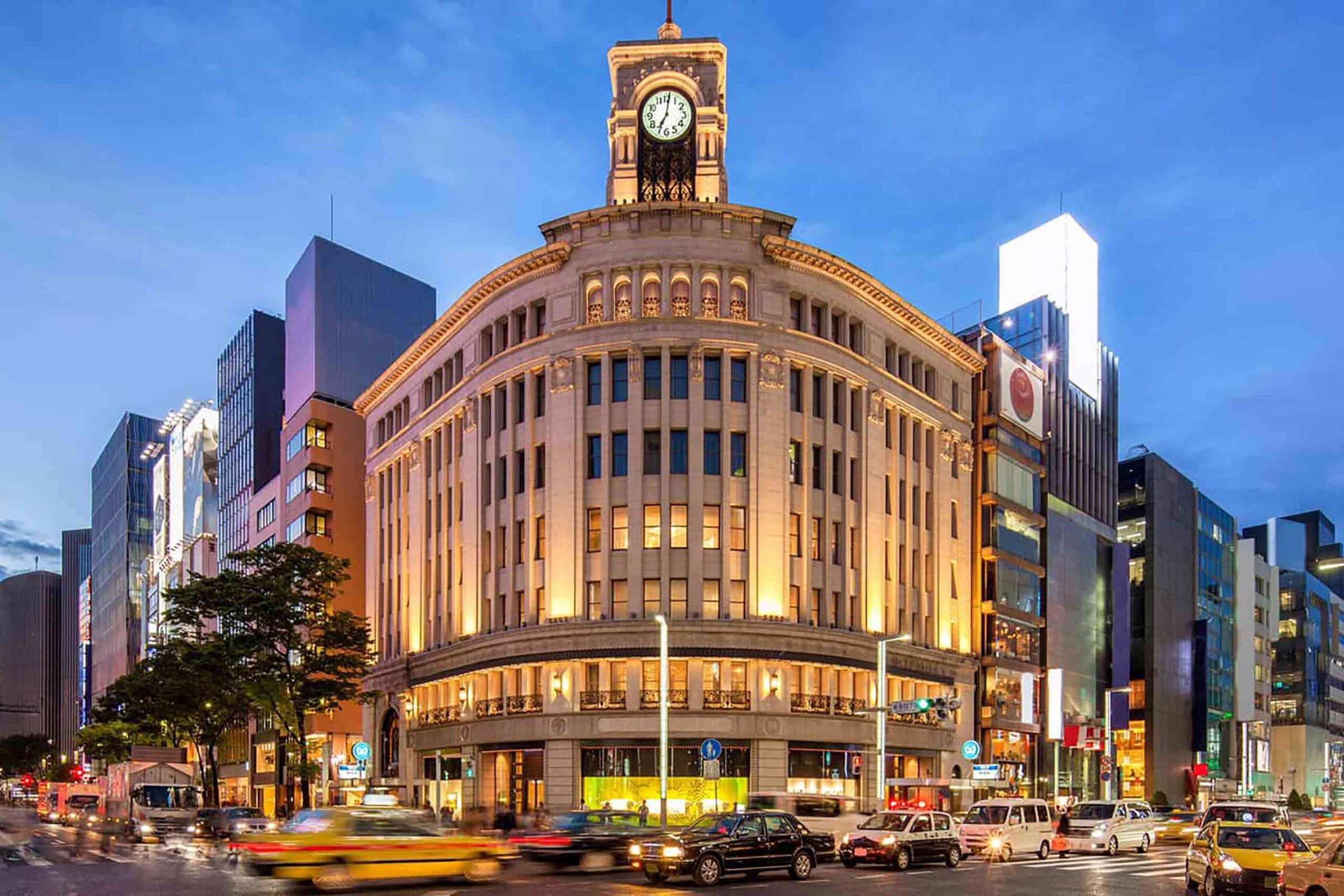
L'écrin operates Tuesday through Sunday (closed Wednesday), with lunch from 11:30 to 15:00 (last food order 13:00) and dinner from 17:00 to 22:00 (last food order 20:00). The kitchen is on the B1F level of the Mikimoto Building at 4-5-5 Ginza, Chuo-ku, a one-minute walk from Ginza Station Exit A9. No parking is available on-site. Major credit cards (Visa, Mastercard, JCB, Amex, Diners) are accepted; electronic money and QR-code payments are not. A 12% service charge is added to the bill.
Frequently Asked Questions
What is the signature dish at Ginza L'écrin?
The kitchen at Ginza L'écrin does not publish a fixed signature dish in the manner of some tasting-menu formats. The kitchen's stated commitments, a particular emphasis on fish and the classical French sauce tradition as a structural foundation, suggest that the strongest expression of the kitchen's character comes through fish courses accompanied by the house's made-to-order sauces. The restaurant describes its focus as pursuing the "beauty" of ingredients, a phrase that in Tokyo French cooking typically points toward produce presented at peak seasonal condition rather than obscured by technique. Given the fish emphasis, the strongest ordering strategy at this level is to follow the kitchen's recommendations for the day's sourcing rather than anchoring to any single named preparation. Chef Koji Watari oversees the kitchen, and the menu's relationship to Japanese seasonal calendars means that spring, summer, autumn, and winter visits will produce materially different experiences around that same structural core.
Nearby-ish Comparables
| Venue | Cuisine | Price |
|---|---|---|
| Ginza L’écrinThis venue — the venue you are viewing | French | ¥¥¥ |
| Harutaka | Sushi | ¥¥¥¥ |
| RyuGin | Kaiseki, Japanese | ¥¥¥¥ |
| L'Effervescence | French | ¥¥¥¥ |
| HOMMAGE | Innovtive French, French | ¥¥¥¥ |
| MAZ | Innovative | ¥¥¥¥ |
Recognition history
Dated appearances from independent guides and award organizations, with the underlying list record or original source where available.
Michelin Plate
Michelin
Opinionated About Dining Top Restaurants in Japan Recommended
Opinionated About Dining
Star Wine List
Star Wine List
Tabelog Bronze #224
Tabelog
La Liste Top Restaurants
La Liste
Opinionated About Dining Top Restaurants in Japan Ranked #488
Opinionated About Dining
Tabelog 100 #67 · No. 67
Tabelog · Tabelog 100 - French - TOKYO - 2025
Tabelog Bronze
Tabelog
Michelin 1 Star
Michelin
Opinionated About Dining Top Restaurants in Japan Ranked #448
Opinionated About Dining






At a Glance
- Elegant
- Sophisticated
- Classic
- Ornate
- Special Occasion
- Date Night
- Business Dinner
- Celebration
- Private Dining
- Extensive Wine List
- Sommelier Led
Current opening hours
- Monday
- 11:30 a.m.–3 p.m., 5–10 p.m.
- Tuesday
- 11:30 a.m.–3 p.m., 5–10 p.m.
- Wednesday
- 11:30 a.m.–3 p.m., 5–10 p.m.
- Thursday
- 11:30 a.m.–3 p.m., 5–10 p.m.
- Friday
- 11:30 a.m.–3 p.m., 5–10 p.m.
- Saturday
- 11:30 a.m.–3 p.m., 5–10 p.m.
- Sunday
- 11:30 a.m.–3 p.m., 5–10 p.m.
Hours can change for holidays and private events. Last verified .
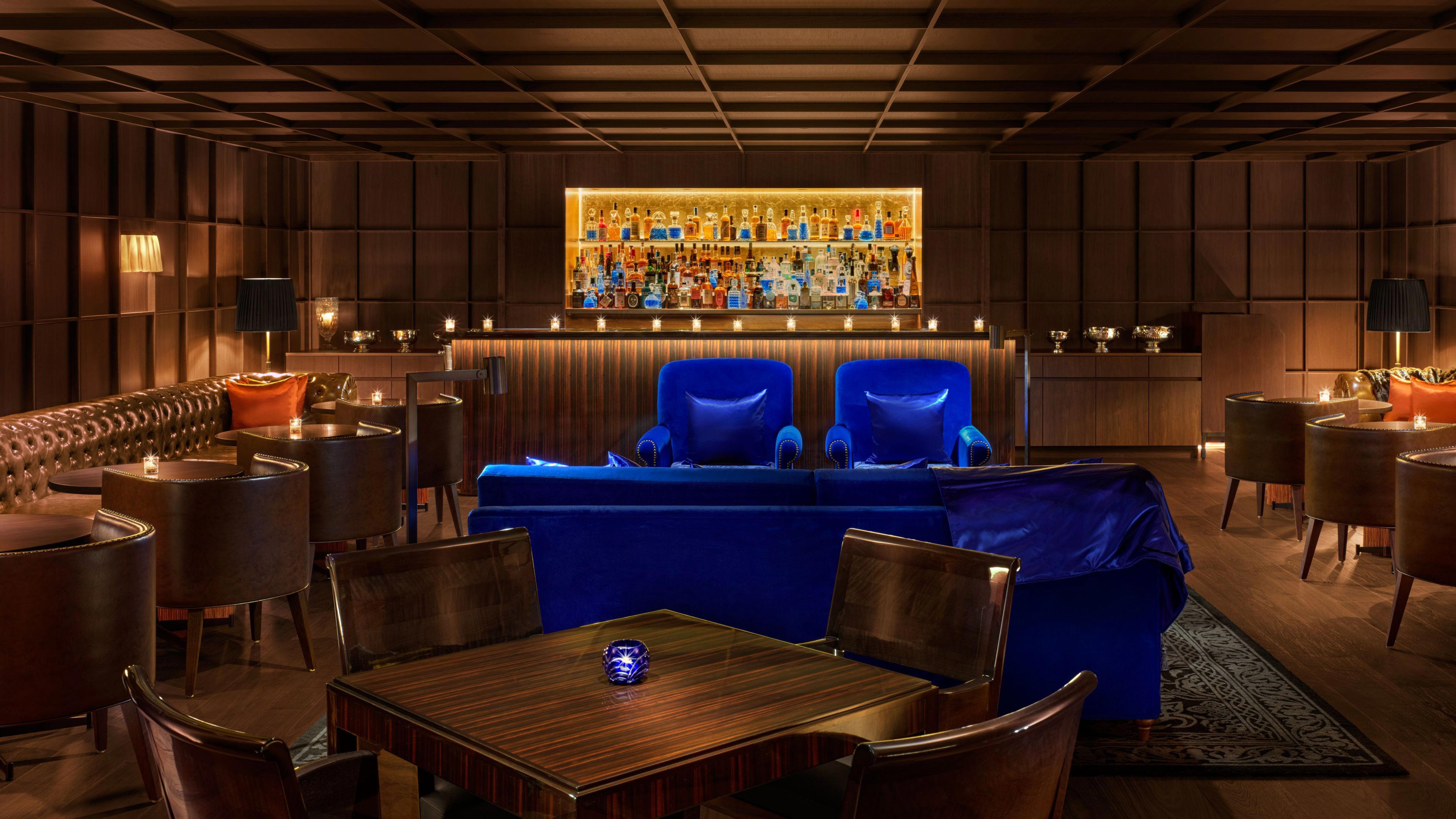
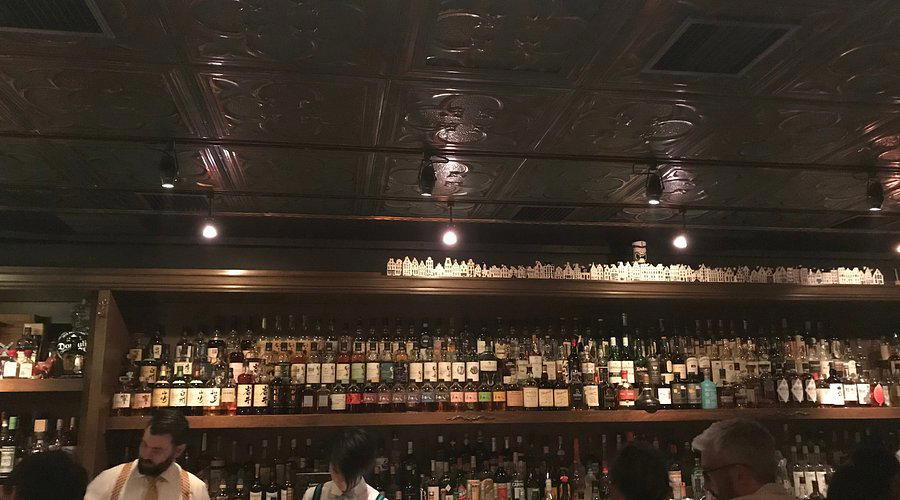
Classy and dignified ambiance with champagne gold decor, chandeliers, marble, and stylish relaxing space ideal for conversation.
Know Before You Go
- Getting there
- Japan, 〒104-0061 Tokyo, Chuo City, Ginza, 4 Chome−5−5 ミキモト本店ビル B1F