Gar Woods
Our verdict
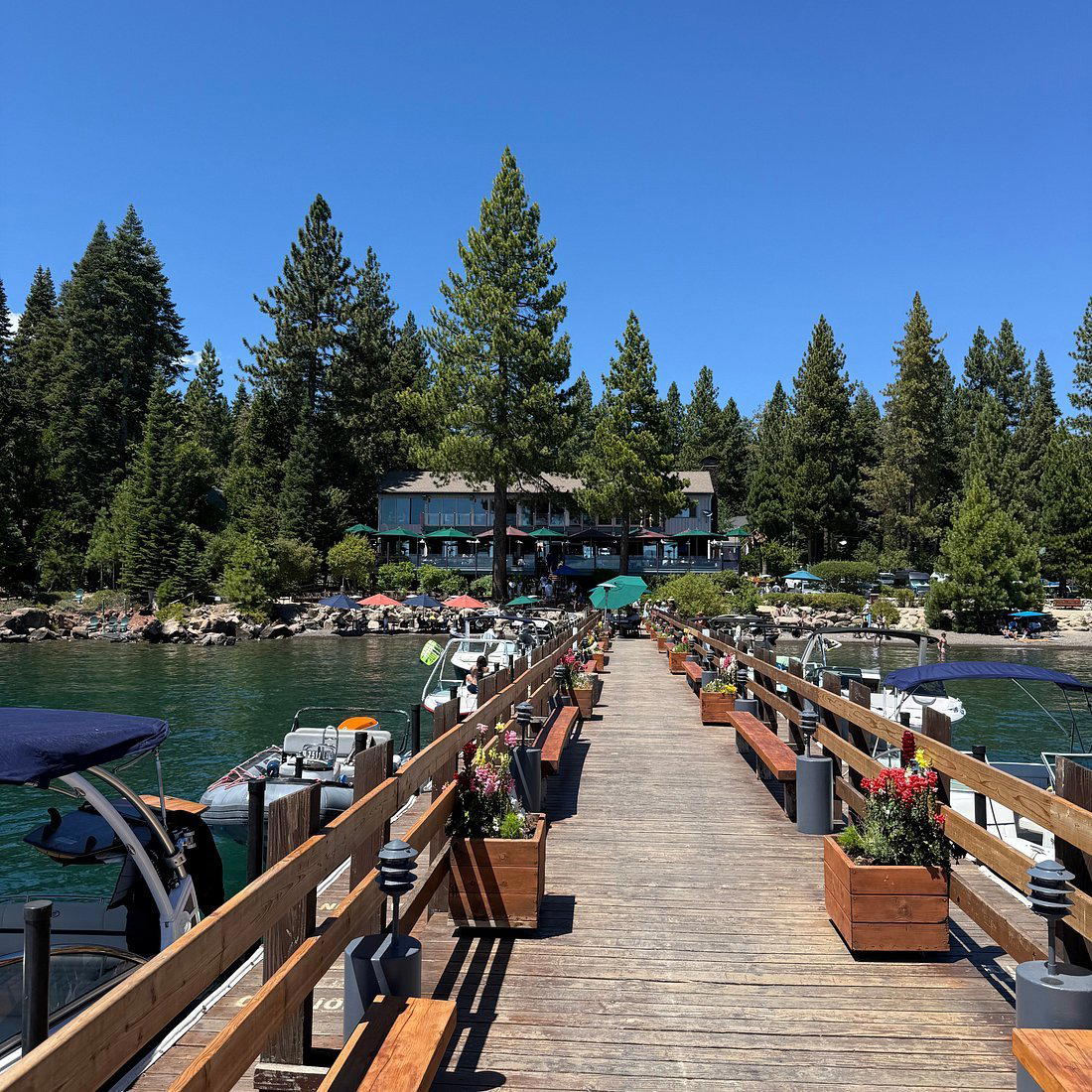
Gar Woods sits on the North Shore of Lake Tahoe in Carnelian Bay, where the waterfront setting shapes the experience as much as what arrives on the plate. The restaurant has drawn generations of Tahoe visitors and locals alike, functioning as a reliable anchor in a dining scene defined more by scenery than culinary ambition. For our full picture of what to eat and drink in the area, see our Carnelian Bay restaurants guide.

Pearl is the En Primeur Club membership app, where members save venues, book tables and use the concierge.
The menu
What to order
- Wet Woody cocktail
- Ahi Poke Nachos
- Hand-cut steaks
- Fresh Pacific seafood
Where the Lake Defines the Table
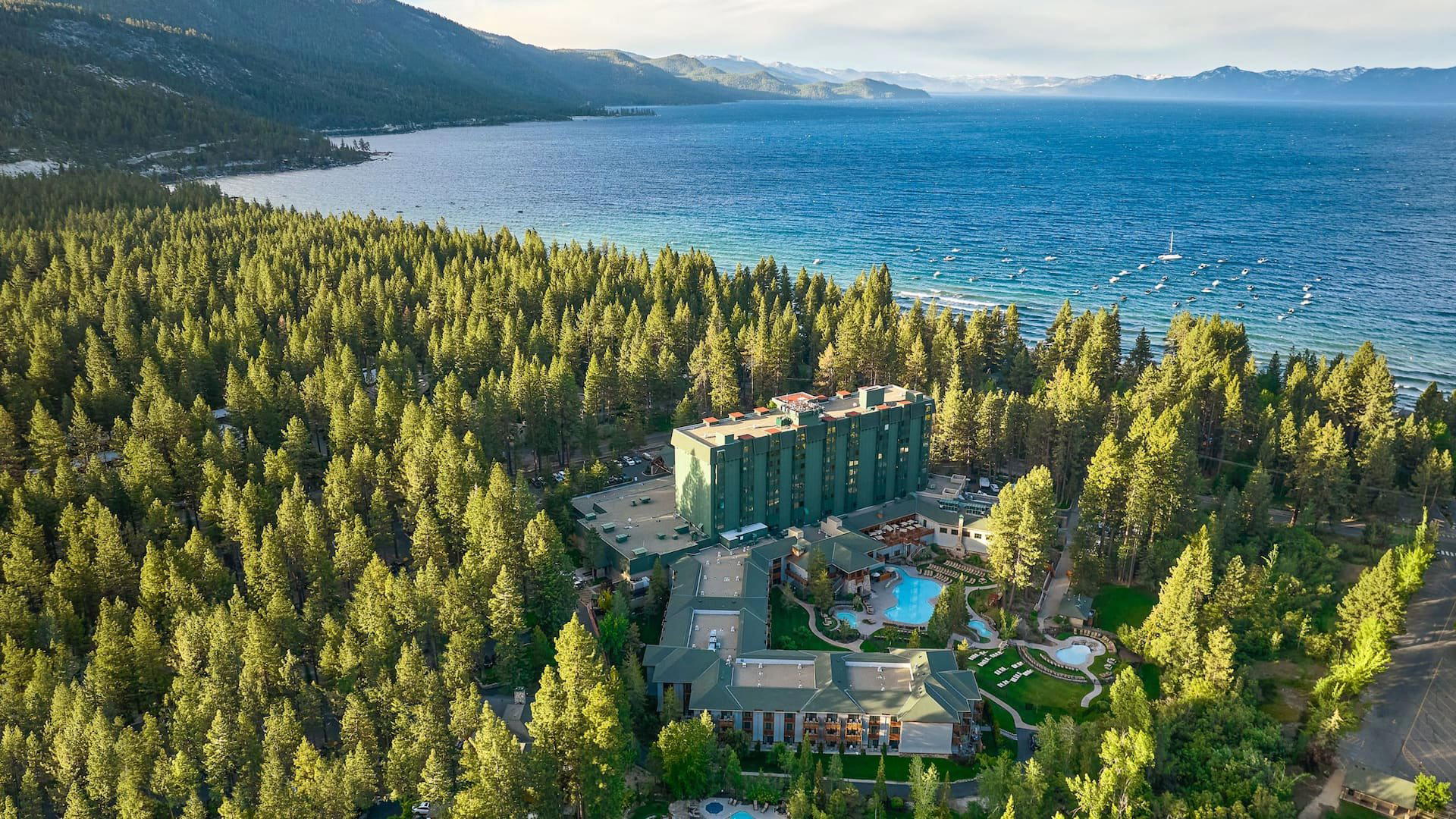
On the North Shore of Lake Tahoe, the relationship between place and plate is rarely incidental. The water is always present, in the light that bounces off the surface and fills a dining room mid-afternoon, in the air that arrives cold and sharp from the Sierra Nevada, and in the tacit understanding that a meal here is partly about the elevation and the expanse outside. Gar Woods, at 5000 North Lake Boulevard in Carnelian Bay, occupies a position along that shoreline where the setting is not backdrop but context. Approaching from the highway, the lake asserts itself before the building does.
This is not the kind of dining geography that produces Michelin pursuit or tasting-menu ambition. The North Shore operates on a different register, seasonal, weather-dependent, built around a visitor economy that flows heaviest in summer and winter, with quieter shoulder seasons in between. In that context, a waterfront restaurant survives not by chasing culinary movements but by anchoring itself to the place. The question worth asking at any Tahoe shoreside establishment is whether the sourcing and the cooking reflect the Sierra Nevada watershed it sits inside, or whether the setting is simply decoration for a menu that could exist anywhere.
The Ingredient Logic of a Mountain Lake
The editorial angle that matters most at Carnelian Bay is sourcing. Lake Tahoe sits at 6,225 feet above sea level, fed by snowmelt and rain, and the surrounding region, the Sierra Nevada foothills, the farms of the Sacramento Valley to the west, and the ranches of the Great Basin to the east, produces a distinct larder. Restaurants along this stretch of the North Shore that connect their menus to that geography occupy a more defensible position than those running generic American casual formats.
California's farm-to-table infrastructure, well-developed across the northern part of the state, extends into the Tahoe Basin through supply chains that link mountain venues to producers in Placer County and the broader Sacramento region. At the higher end of American farm-sourcing ambition, places like Single Thread Farm in Healdsburg and Blue Hill at Stone Barns in Tarrytown have set a benchmark for what producer transparency looks like when fully committed. Further along the California coast, Providence in Los Angeles applies similar rigour to seafood sourcing. These are reference points for what ingredient-led dining looks like when the kitchen makes provenance a structural principle rather than a marketing note.
For a restaurant in Carnelian Bay, operating in a smaller market with different economics, the relevant comparison is not those high-investment formats but rather how clearly the menu reflects its actual geography. The Sierra Nevada foothills offer trout, wild mushrooms, stone fruit in summer, and game in the colder months. A menu that draws on those materials, even at a casual price tier, tells a more coherent story than one built on generic protein programs.
The North Shore Dining Scene
Carnelian Bay sits between Tahoe City to the south and Kings Beach to the east, in the stretch of North Shore highway that concentrates several of the lake's longer-established dining rooms. The dining scene here operates differently from urban California: the competitive set is not peer restaurants in the same city block but the collective pull of the lake itself, which means that views, decks, and access to the water carry outsized weight in how locals and visitors choose where to eat.
That dynamic, scenery as primary draw, has historically allowed some North Shore restaurants to coast on location without developing strong culinary programs. The more interesting operators use the setting as a reason to commit harder to sourcing and quality, treating the lake's prestige as an obligation rather than a free pass. Across American dining more broadly, the restaurants that have built lasting reputations in scenic or destination contexts are typically those that refused to let geography do all the work. The French Laundry in Napa is the most cited California example, a restaurant that operates inside one of the state's most picturesque wine regions and has never needed the scenery to justify a reservation. Addison in San Diego and Lazy Bear in San Francisco represent the same principle at different price points and formats.
Other reference points for regional American dining that takes its geography seriously include Frasca Food and Wine in Boulder, Bacchanalia in Atlanta, Smyth in Chicago, and The Wolf's Tailor in Denver, all operating in distinct American regions and all building their identities around what grows, is raised, or is caught nearby. For seafood specifically, Le Bernardin in New York City and ITAMAE in Miami demonstrate what rigorous product sourcing looks like when it becomes the structural core of a program. Oyster Oyster in Washington, D.C. applies a similar philosophy at a more accessible price point. Further afield, Atelier Moessmer Norbert Niederkofler in Brunico shows how mountain geography and alpine sourcing can anchor a kitchen's entire identity. The Inn at Little Washington and Emeril's in New Orleans each reflect their regional larder in different ways, as does Atomix in New York City through its approach to Korean culinary tradition. These are not direct comparisons to a North Shore California waterfront restaurant, they are markers for what intentional sourcing looks like across the range.
Planning a Visit
Carnelian Bay is reached most directly from Truckee to the north via Highway 267, or from Tahoe City along Highway 28 running the North Shore. The stretch of lakefront along North Lake Boulevard is accessible year-round, though road conditions in winter require preparation, and summer weekends bring significant traffic from Sacramento and the Bay Area. Gar Woods sits at the 5000 block of that boulevard, directly on the lake. For a broader orientation to what is available in the area before committing to a specific evening, our full Carnelian Bay restaurants guide covers the North Shore dining scene with more granular detail on how different venues position themselves by price, format, and season.
Frequently asked questions
Is Gar Woods suitable for children?
Carnelian Bay's North Shore position on Highway 28 makes it a natural stop for families passing through the Lake Tahoe corridor, particularly in summer. Waterfront restaurants at this stretch of North Lake Boulevard tend to run with relaxed service formats during peak season, which generally suits younger diners. Confirming specific children's menu options directly with the venue before visiting is advisable.
What should I expect atmosphere-wise at Gar Woods?
The address at 5000 N Lake Blvd places Gar Woods directly on the North Shore, where the lake sets the pace more than any interior design decision could. Dining here runs on Tahoe time, scenery-forward and unhurried, with light off the water doing most of the decorative work. Expect a crowd that skews toward seasonal visitors and weekend regulars from the Truckee and Tahoe City corridors.
Does Gar Woods have outdoor seating with lake views?
Gar Woods sits at 5000 N Lake Blvd in Carnelian Bay, a stretch of North Shore highway where proximity to Lake Tahoe is the defining feature of the built environment. Restaurants at this address typically position outdoor seating to take advantage of the shoreline, placing the lake within direct sightline rather than as a distant backdrop. Confirming current terrace availability with the venue is recommended, particularly outside peak summer season.
What's the best thing to order at Gar Woods?
As a general principle, waterfront restaurants on the North Shore of Lake Tahoe at this elevation tend to anchor seasonal menus around locally sourced proteins and produce from the Sierra Nevada region. Checking the current menu directly with Gar Woods before visiting will give you the most accurate picture.
Where exactly is Gar Woods?
Gar Woods is located at 5000 N Lake Blvd, Carnelian Bay, CA 96140, Carnelian Bay.
Fast Comparison
Comparable venues nearby, for context on price, style, and recognition.
| Venue | Cuisine | Price | Notes |
|---|---|---|---|
| Gar WoodsThis venue (the venue you are viewing) | California Coastal Grill | $50–100 | Not listed |
| Oak Room | Modern American Bistro | $30–50 | J Street |
| Aster | Modern California-American Fine Dining | Not listed | Mission District |
| 31ThirtyOne by Deckman’s | Farm-to-Table Fine Dining | Not listed | North Park |
| River Ranch Restaurant | Contemporary American Mountain Cuisine | $30–50 | Tahoe City |
| Truckee Tavern & Grill | Wood-Fired American Steakhouse | $30–50 | historic downtown Truckee |
Continue exploring
More in Carnelian Bay
Restaurants in Carnelian Bay
All restaurants in Carnelian Bay →

Bars in Carnelian Bay
Browse all →
Details
- Scenic
- Sophisticated
- Lively
- Elegant
- Brunch
- Special Occasion
- Group Dining
- Celebration
- Date Night
- Waterfront
- Live Music
- Private Dining
- Terrace
- Panoramic View
- Extensive Wine List
- Craft Cocktails
- Local Sourcing
- Sustainable Seafood
- Waterfront
- Mountain
- A La Carte
- Family Style
- Craft Cocktails
- California Wine
- Vegetarian Friendly
- Vegan Options
- Gluten Free Options
Current opening hours
- Monday
- 11:30 AM–9:30 PM
- Tuesday
- 11:30 AM–9:30 PM
- Wednesday
- 11:30 AM–9:30 PM
- Thursday
- 11:30 AM–9:30 PM
- Friday
- 11:30 AM–10 PM
- Saturday
- 10:30 AM–10 PM
- Sunday
- 10:30 AM–9:30 PM
Hours can change for holidays and private events. Hours as of .
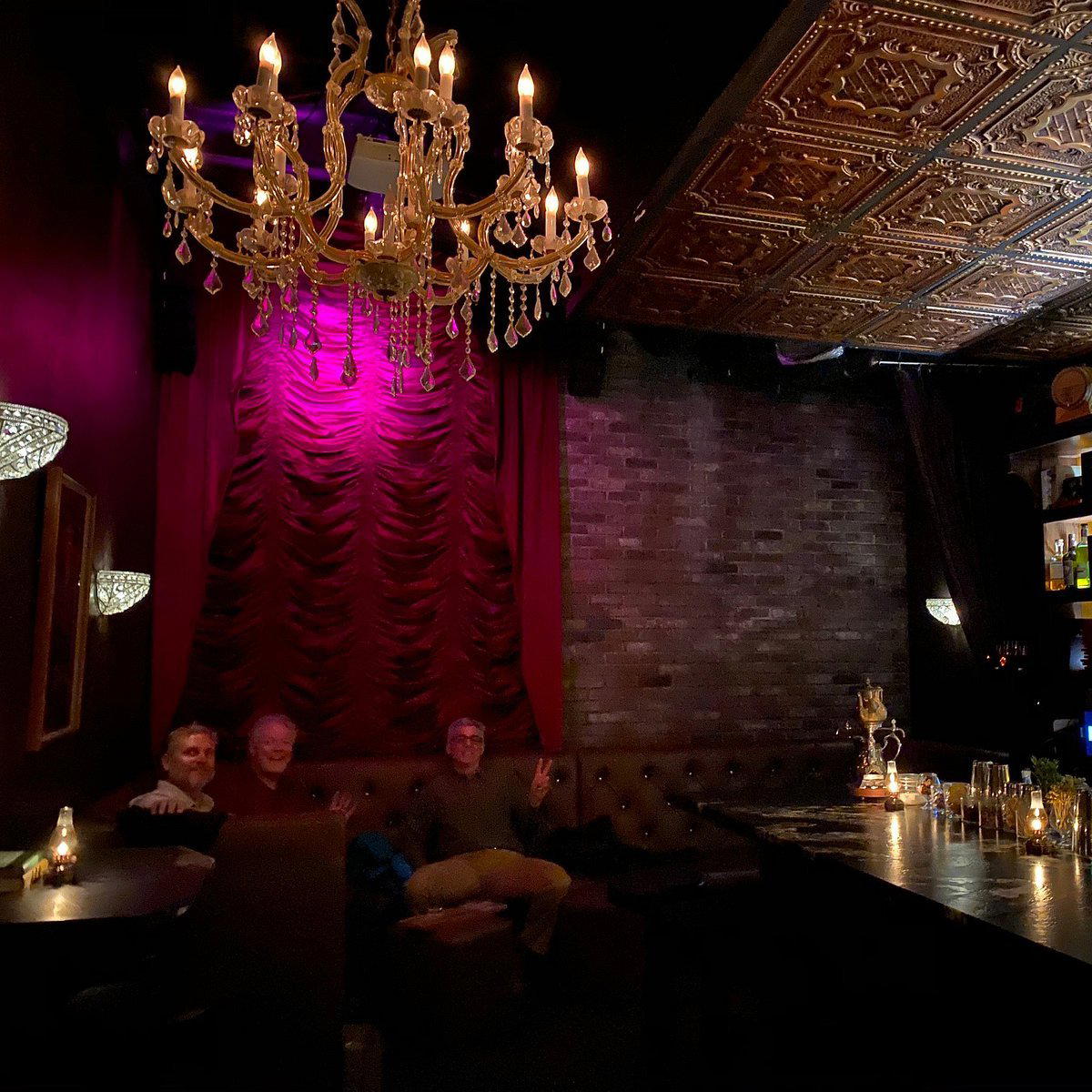
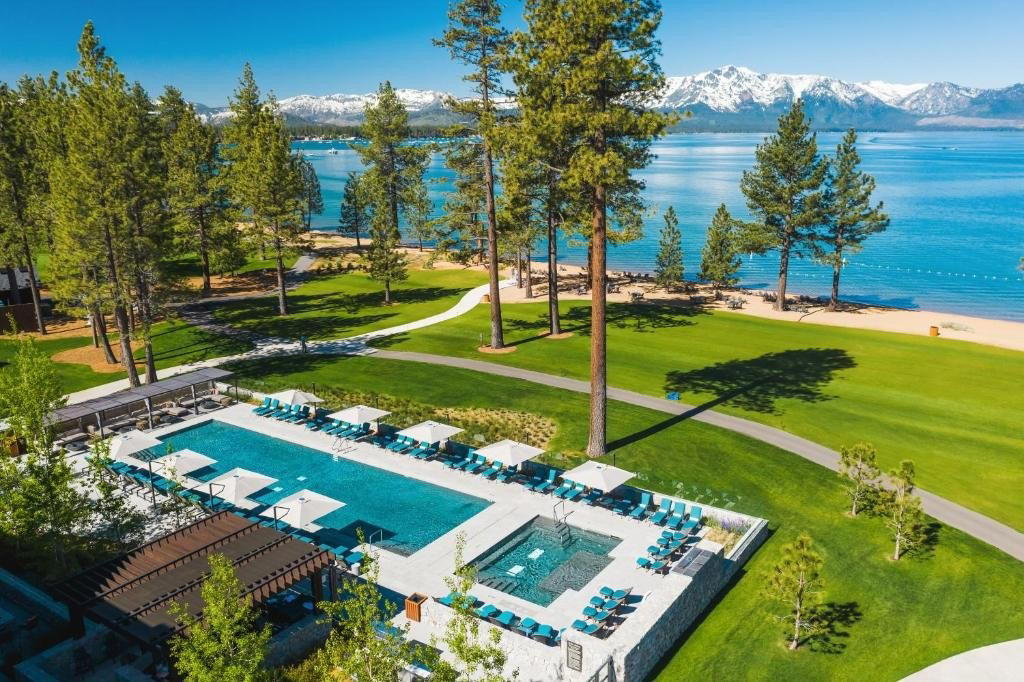
Relaxed yet sophisticated with bright, sun-filled spaces featuring large windows and expansive decks overlooking Lake Tahoe; lively yet welcoming atmosphere with classic wooden boat era aesthetics.