Flippers is a Japanese izakaya in Shimokitazawa, Tokyo's Setagaya ward.3 across more than 1,250 reviews. The neighbourhood context matters here: Shimokitazawa's density of independent venues means that repeat-visitor loyalty, not novelty tourism, drives this score. Chef Juan Cruz leads the kitchen.
Pearl is the En Primeur Club membership app — saves, bookings, and concierge access live there. Same editors, same standards.
- Address
- Japan, 〒155-0031 Tokyo, Setagaya City, Kitazawa, 2 Chome−26−20 1F
- Phone
- +81 3-5738-2141
- Website
- flavorworks.co.jp
- Directions
- Get directions
 Saves & bookings on Pearl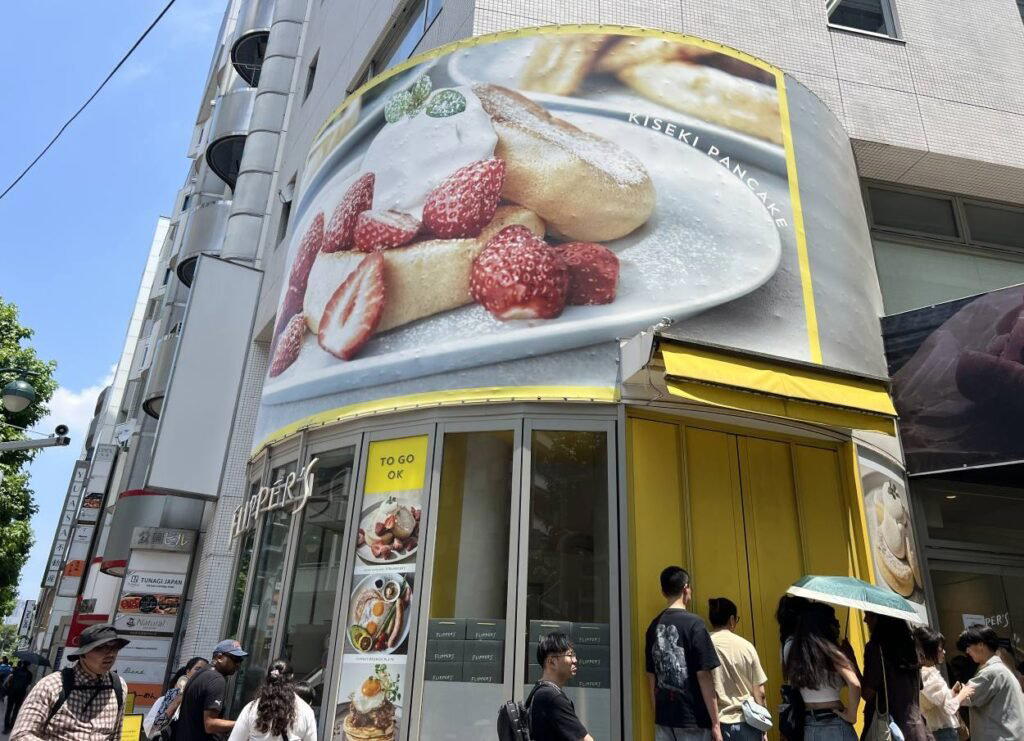
Shimokitazawa and the Izakaya Habit
Tokyo's izakaya scene varies sharply by neighbourhood. In Shinjuku and Shibuya, large-format chains dominate the mid-range, designed for volume and turnover. In quieter residential wards, the calculus shifts. Shimokitazawa, in Setagaya City, has long operated as an exception to the tourist-circuit logic that governs much of central Tokyo's dining. The area draws a loyal local crowd, musicians, students, independent-shop owners, who return to the same tables because the alternative is trading familiarity for somewhere louder and less consistent. Flippers, at 2 Chome-26-20 Kitazawa, Setagaya City, sits inside this dynamic.
What Keeps Regulars Ordering the Same Things
The izakaya format, shared plates, drinks ordered in rounds, a meal that stretches rather than concludes, rewards repeat familiarity more than most dining formats do. At venues like Flippers, regulars develop a working knowledge that no menu can fully communicate: which items perform better early versus late in a session, which combinations of small plates sit well together, and when to call for another round without losing the pacing. This knowledge accumulates visit by visit, and it is part of what distinguishes a neighbourhood izakaya from a destination restaurant. You do not go once to understand what is on offer. You go enough times that the order becomes intuitive.
Chef Juan Cruz leads the kitchen. The city has seen a gradual broadening of who occupies professional kitchens in Japanese formats, particularly in less tourist-facing neighbourhoods where the audience is local and unimpressed by provenance-as-marketing. In Shimokitazawa, the precedent for non-Japanese chefs operating within Japanese frameworks is relatively established, given the area's general openness to international cultural exchange. Cruz's role here reads less as a novelty and more as a product of that neighbourhood character.
The Izakaya Tier: Where Flippers Sits
Tokyo's restaurant spectrum in 2025 runs from allocation-only omakase counters, Harutaka, with its three Michelin stars and Kanesaka lineage, books months in advance at the high end of the sushi tier, through tasting-menu French at places like L'Effervescence and Sézanne, down through kaiseki formats represented by venues such as RyuGin, and into the broader mid-range where izakayas operate. Flippers does not compete with the ¥¥¥¥ tier. Its competitive set is the neighbourhood izakaya category: accessible, repeat-visit, drink-forward, and judged primarily by consistency rather than by innovation.
For reference: innovative Japanese-format restaurants such as Crony sit at the ¥¥¥¥ end of the spectrum. The comparison is useful because it clarifies what Flippers is not trying to do. It is priced and formatted against the many hundreds of izakayas across Tokyo that carry no recognition at all.
The Shimokitazawa Factor
Neighbourhood character shapes izakaya culture more directly than it shapes most other restaurant categories. An izakaya's clientele, its ambient energy, and the length of an average session are all functions of who lives and works nearby. Shimokitazawa's identity as a live-music and independent-retail district produces a specific kind of dining culture: later-starting, longer-running, and more tolerant of noise and informality than the average Minato or Shibuya crowd. Flippers' position on a first-floor address in Kitazawa puts it at street level in a ward where foot traffic has a different character from central Tokyo. You are more likely to encounter someone who has been coming to Shimokitazawa for fifteen years than someone who arrived that afternoon.
This matters for how to approach the venue. The regulars' unwritten knowledge, the order of dishes, the preferred drink pairings, the rhythm of a well-paced session, is not something a first-time visitor can replicate on a single visit. The practical advice is to come twice before forming a strong opinion, a standard that applies to any izakaya where repeat familiarity is genuinely part of the format's value.
Planning a Visit
| Venue | Category | Price Tier | Recognition | Format |
|---|---|---|---|---|
| Flippers | Japanese Izakaya | Not disclosed | Izakaya, shared plates, Shimokitazawa | |
| Harutaka | Sushi | ¥¥¥¥ | Michelin 3 Stars | Omakase counter, Ginza |
| RyuGin | Kaiseki | ¥¥¥¥ | Michelin 3 Stars | Tasting menu, Roppongi |
| Crony | Innovative French | ¥¥¥¥ | Michelin 2 Stars | Tasting menu |
The address is 2 Chome-26-20 Kitazawa, Setagaya City, Tokyo, 1F. Shimokitazawa Station (Odakyu and Keio Inokashira lines) is the access point for this part of Setagaya. Flippers is open daily from 10 AM to 8 PM, and reservations are recommended.
Beyond Flippers: Eating and Drinking in Tokyo
Flippers occupies one end of Tokyo's dining range. If you are building an itinerary around the city's full register, the EP Club guides cover the broader field.
What's the Leading Thing to Order at Flippers?
Flippers is known for Japanese soufflé pancakes. What is verifiable is the format: izakaya dining in this tier is built around shared small plates and repeated rounds of drinks, with the ordering sequence adjusted by familiarity. Chef Juan Cruz leads the kitchen. For ordering specifics, one reliable approach is to ask on arrival, which is how regulars at any well-run izakaya operate regardless of how long the venue has been on their rotation.
Cuisine and Credentials
Comparable venues nearby, for context on price, style, and recognition.
| Venue | Cuisine | Price | Notes |
|---|---|---|---|
| FlippersThis venue — the venue you are viewing | Japanese Soufflé Pancakes | $$ | Not listed |
| La Strada | Traditional Soba Counter in Nakano | $$ | Nakano |
| Chacha no Ma | Japanese tea room & cafe | $$ | Shibuya |
| 海月 | japanese | Not listed | Shibuya |
| Oka Joki | Traditional Japanese Izakaya & Robatayaki | $$ | Nakano |
| Tokyo Dominica | Sapporo-style Japanese soup curry | $$ | Shinjuku |










At a Glance
- Trendy
- Modern
- Cozy
- Brunch
- Casual Hangout
- Solo
- Open Kitchen
- Beer Program
- Farm To Table
Current opening hours
- Monday
- 10 AM–8 PM
- Tuesday
- 10 AM–8 PM
- Wednesday
- 10 AM–8 PM
- Thursday
- 10 AM–8 PM
- Friday
- 10 AM–8 PM
- Saturday
- 10 AM–8 PM
- Sunday
- 10 AM–8 PM
Hours can change for holidays and private events. Last verified .
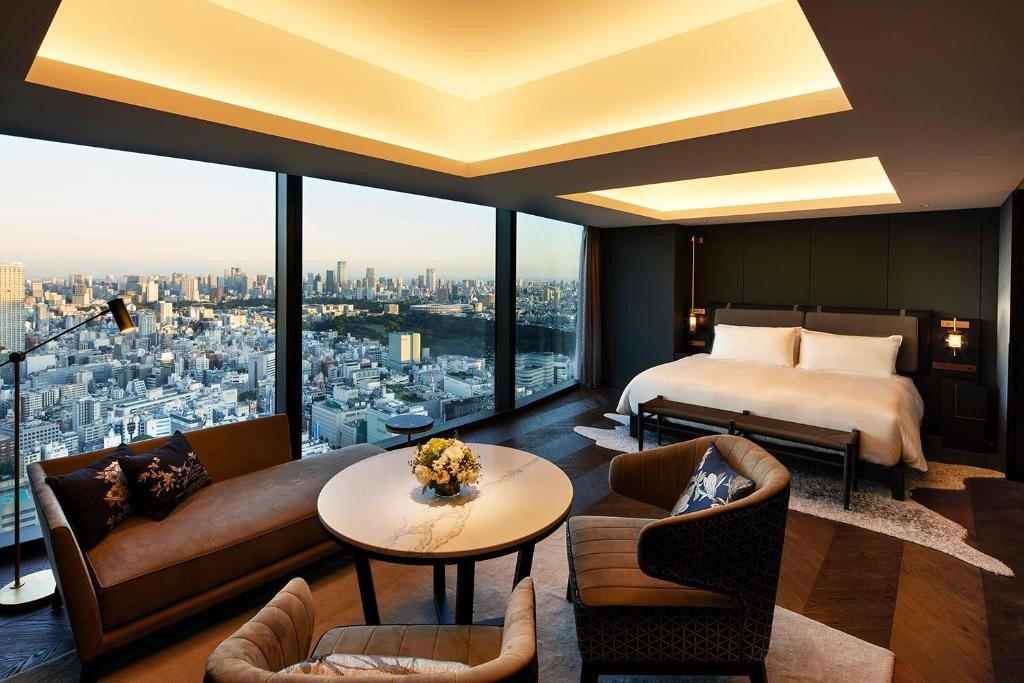
Bright, casual café atmosphere with simple modern interiors featuring black and white prints and yellow accents; beachside café vibe with outdoor seating under sun umbrellas; open kitchen visible to diners.