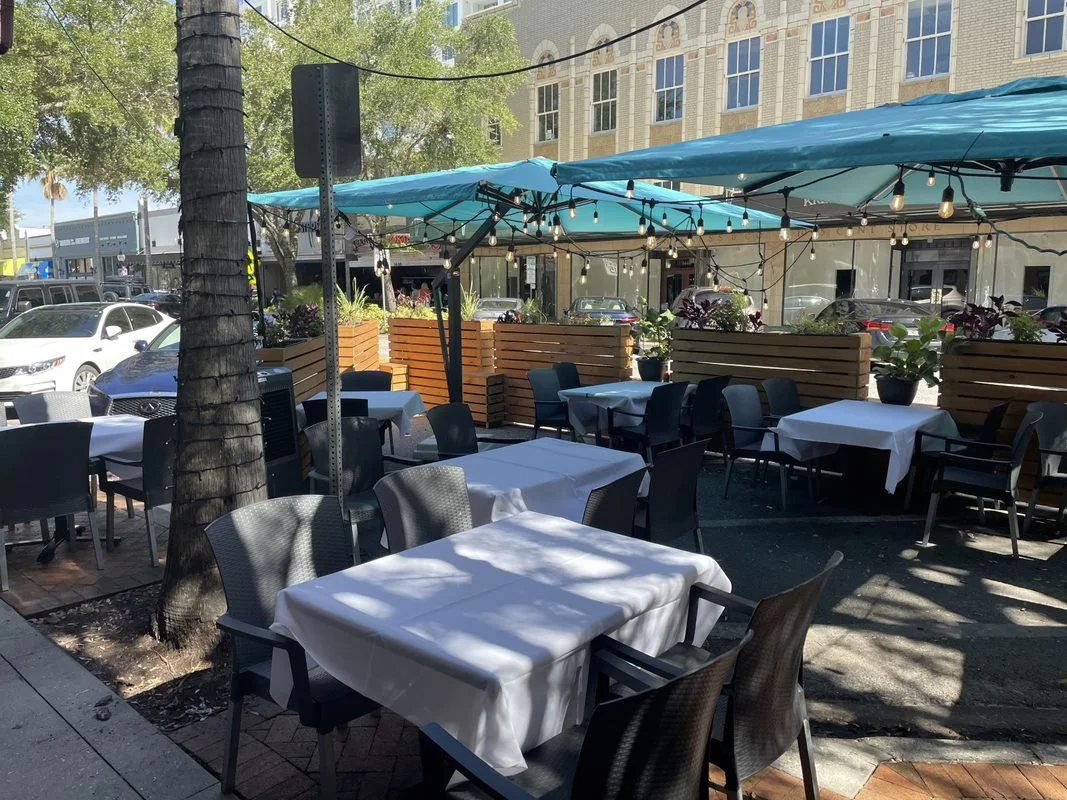
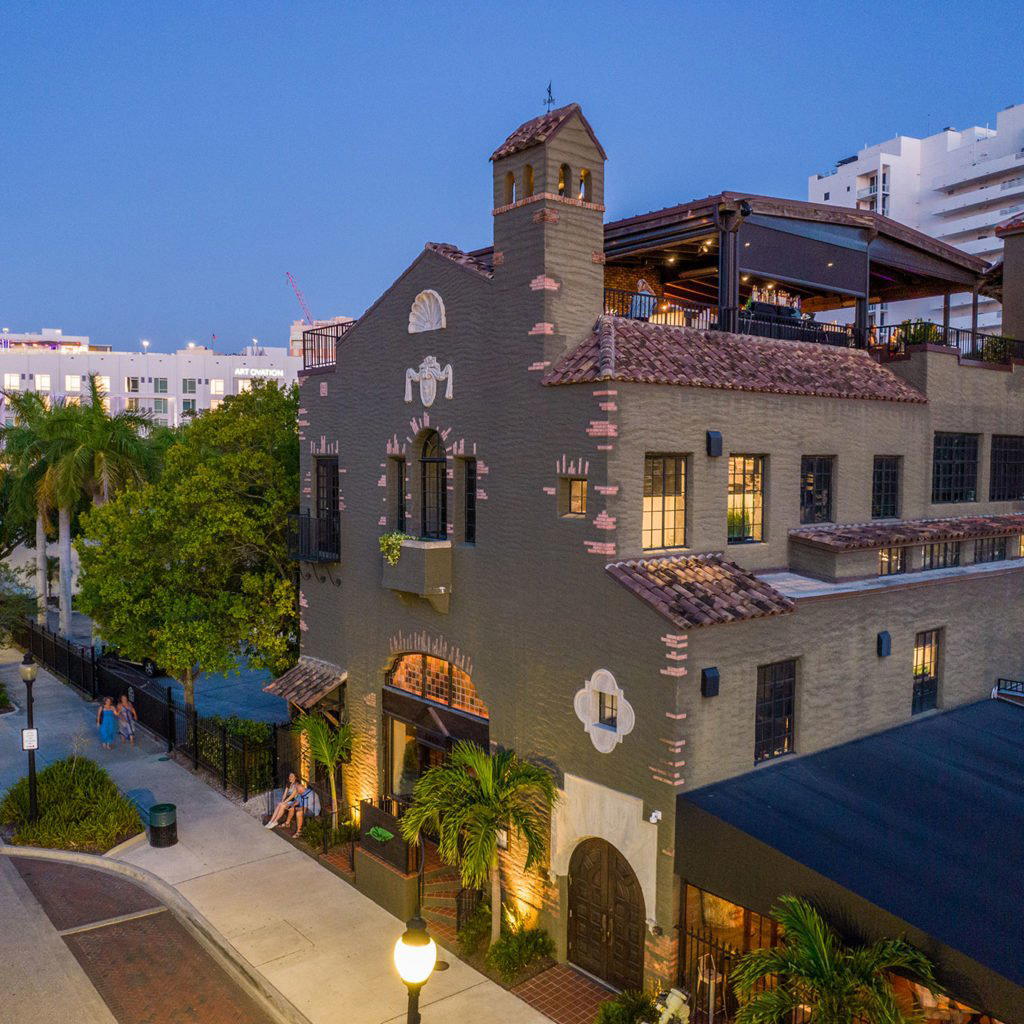
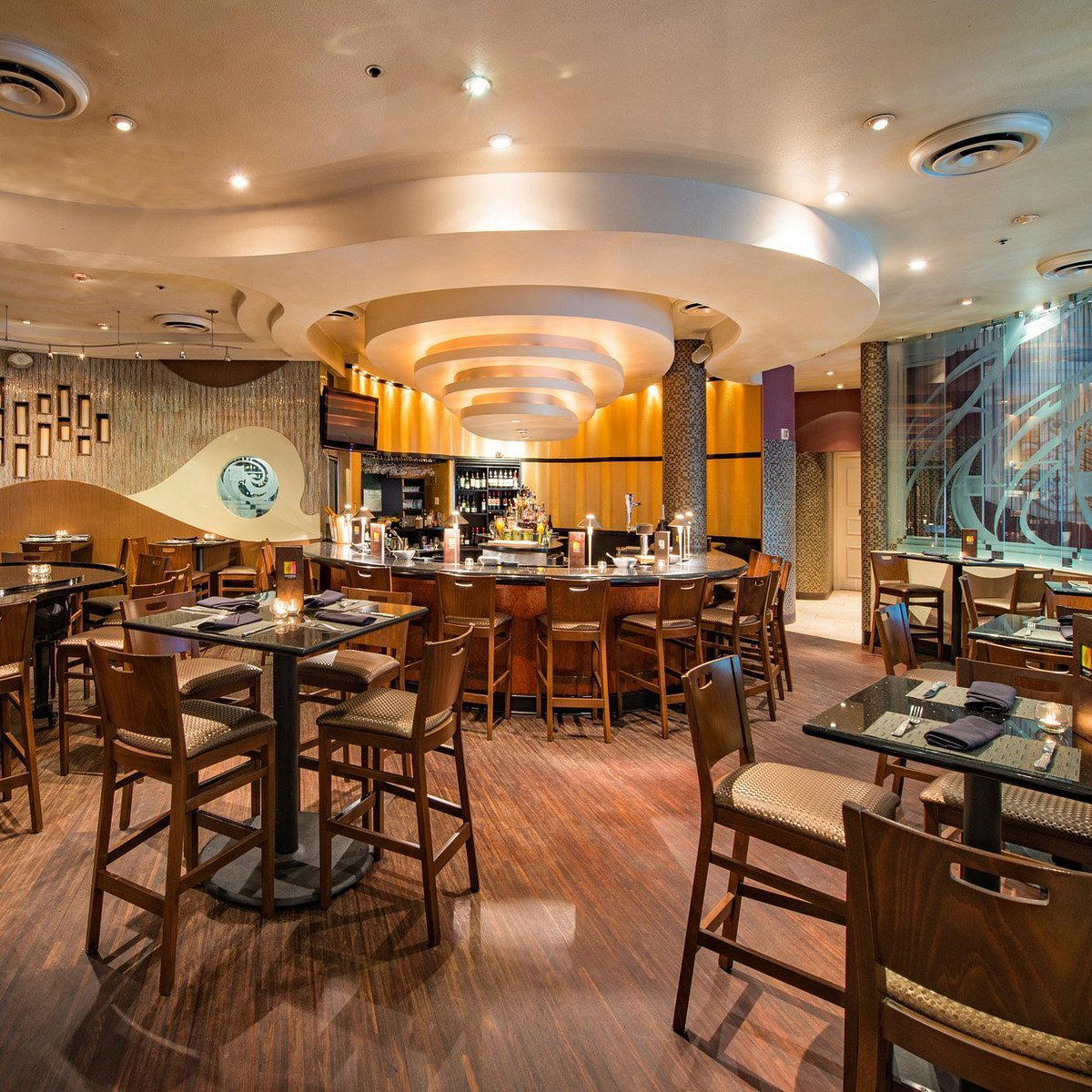
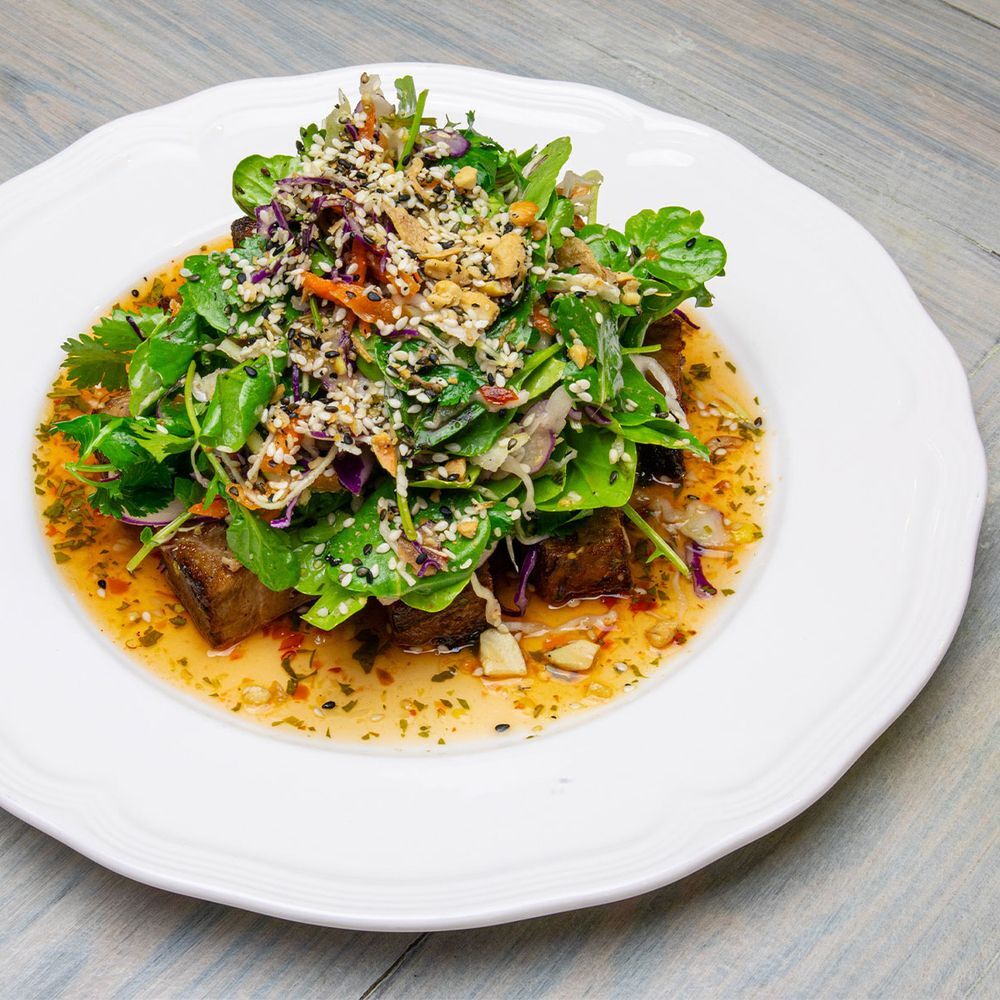
element
Our verdict
On Sarasota's Main Street, element operates in a dining register that rewards attention to sourcing and season. The address places it inside the city's most active restaurant corridor, where ingredient-led cooking has gradually displaced the coast's older surf-and-turf defaults. For visitors and locals tracking where Florida's farm and gulf produce ends up on a plate, element is a practical starting point.

Pearl is the En Primeur Club membership app, where members save venues, book tables and use the concierge.
Main Street, and What the Address Signals
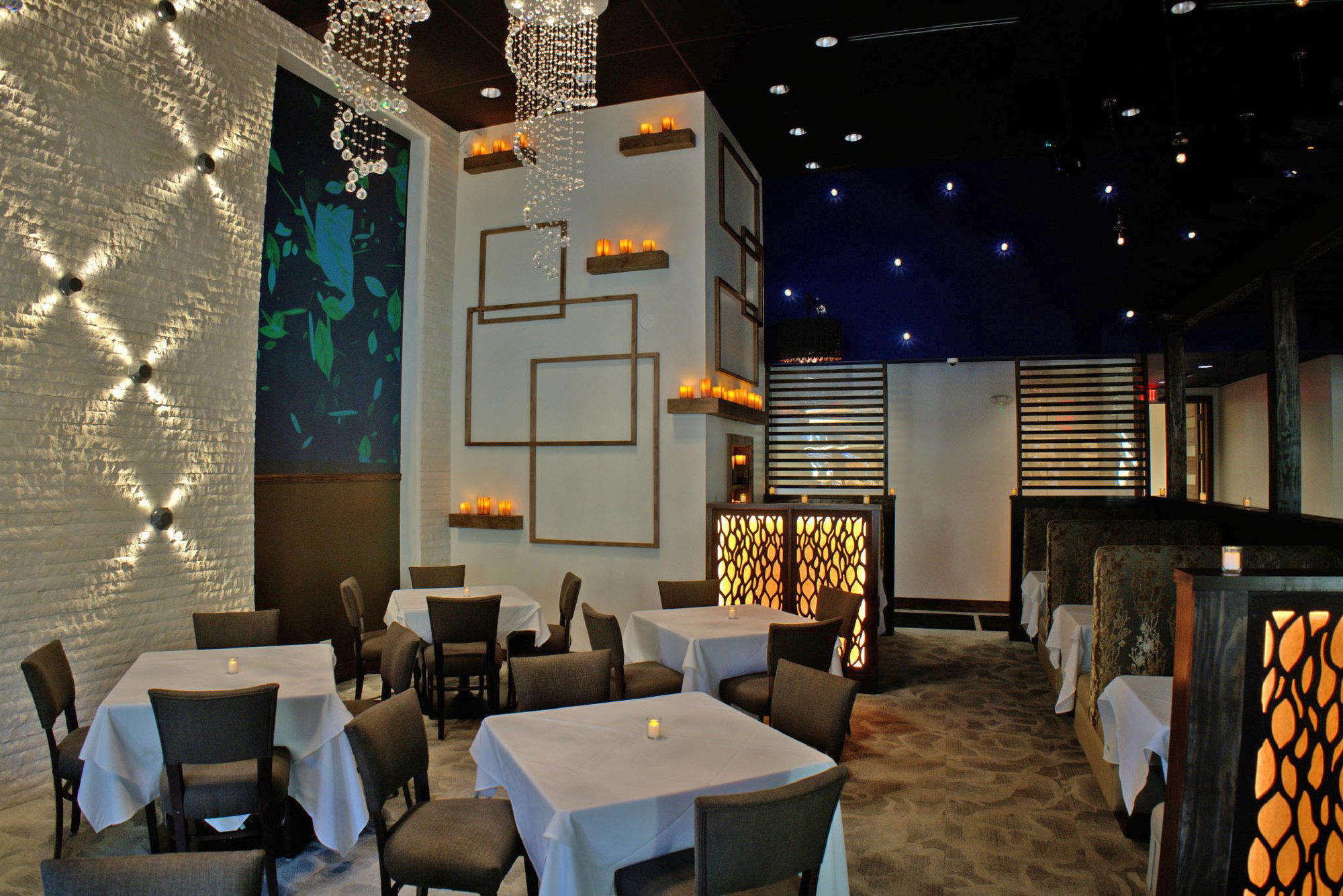
Sarasota's Main Street corridor has spent the better part of a decade consolidating its identity as the city's primary dining address. The stretch from Pineapple Avenue toward Five Points draws a mix of long-running independents and newer concept-driven rooms, and the density of options means a restaurant here competes on specificity, not foot traffic alone. element, at 1413 Main St, occupies that competitive context directly. The address is walkable from the Rosemary District and close enough to the Sarasota Bayfront that the room pulls both visitors arriving from the waterfront and regulars working through the block's range of formats. For a broader map of how this corridor fits into the city's overall dining picture, the full Sarasota restaurants guide is a useful reference.
The Sourcing Argument Florida Coastal Dining Is Still Working Through
Florida's culinary positioning has long leaned on proximity to water without always making full use of it. The Gulf Coast produces grouper, snapper, stone crab, and a seasonal parade of shellfish that can, in the right kitchen, place a plate in a conversation well above its price tier. The more interesting shift happening across Sarasota's mid-to-upper restaurant tier is a parallel move toward inland sourcing: farms in Manatee and Hillsborough counties, citrus from Hardee County, and a growing network of small producers who have found a reliable market in the city's restaurants rather than in wholesale distribution.
This is the same structural argument that restaurants like Blue Hill at Stone Barns in Tarrytown and Single Thread Farm in Healdsburg have made at a higher price point: that the menu is downstream of the supply chain, and that what grows nearby should determine what gets cooked. At that tier, the farm-to-table premise becomes structural rather than decorative. element operates in a different market, but the principle that sourcing geography shapes menu character is one the better Sarasota kitchens are working through, in their own register.
Winter and early spring mark the most productive season for Gulf seafood and Florida's vegetable harvest simultaneously, which makes the November-through-April window the period when ingredient-led kitchens in this market have the most to work with. Visitors timing a Sarasota trip around dining should weight that calendar heavily.
Where element Sits in Sarasota's Competitive Tier
Sarasota's restaurant tier has stratified in a way that tracks several other mid-sized American coastal cities. At one end sit casual operations running volume on the tourist corridor. The kitchens in this upper cluster are increasingly in dialogue with ingredient-driven programs elsewhere in the country: the tasting-menu discipline of Smyth in Chicago, the sourcing architecture of Addison in San Diego, or the produce-forward commitment of Providence in Los Angeles.
element's Main Street position places it within Sarasota's more considered dining segment. Neighbors on the broader downtown circuit include Arts & Central, which anchors the arts district corner with a different format logic, and Alma de España, which brings an Iberian sourcing perspective to the same neighborhood. 15 South by Napule and Amore Restaurant occupy the Italian end of the block's range, while 1592 brings a different take on the same walkable corridor. The density is useful context: element does not operate in isolation, and a reader building a Sarasota itinerary should map these addresses against each other rather than treating any single venue as the whole picture.
The Broader Frame: Ingredient-Led Cooking at the American Coastal Register
The most instructive comparison set for understanding what ingredient-led restaurants in markets like Sarasota are attempting is not necessarily the highest-profile American tasting rooms. Le Bernardin in New York City and The French Laundry in Napa operate with a capital and supply-chain depth that mid-sized coastal markets cannot replicate. More useful is the model of kitchens like Lazy Bear in San Francisco or Emeril's in New Orleans, which built regional sourcing identities in cities with genuine agricultural and aquatic supply lines. The Inn at Little Washington in Washington has spent decades demonstrating that proximity to farmland is a programming asset, not a consolation prize for kitchens outside major metropolitan markets.
Florida has the supply-side infrastructure to support that kind of kitchen ambition, and the better Sarasota restaurants are beginning to act on it. The question ingredient-focused rooms in this market face is one of consistency: whether the sourcing relationships are deep enough to hold through the hotter months, when Gulf production shifts and Florida's farm output compresses. That seasonal constraint is one reason spring timing matters for this category of restaurant in this particular geography. Restaurants like Atomix in New York City or Atelier Moessmer Norbert Niederkofler in Brunico have made seasonality a design principle rather than a limitation; the same logic applies, scaled differently, to what Sarasota's better kitchens are trying to do.
Planning a Visit
element is located at 1413 Main St in downtown Sarasota, on a block that is walkable from most of the city's central accommodation. The Main Street corridor is most active Thursday through Saturday evenings, when the combined pull of the performing arts venues and the restaurant strip concentrates foot traffic. Visitors arriving between November and April will find the widest range of seasonal produce and Gulf seafood in play across the downtown kitchens.
Frequently asked questions
What part of town is element in?
element is located at 1413 Main St, Sarasota, FL 34236, Sarasota.
How does element compare to other downtown Sarasota restaurants in terms of approach and positioning?
element at 1413 Main St positions itself within Sarasota's upper-middle dining tier, where the competitive conversation is about sourcing transparency and execution rather than price-point alone. That separates it from the volume-driven casual operations on the same corridor and aligns it with a smaller set of Sarasota restaurants making a deliberate argument about Florida coastal ingredients. For diners working through downtown Sarasota's options, element represents the ingredient-focused end of the spectrum rather than the chef-celebrity or concept-driven end.
What's the best thing to order at element?
Without a confirmed current menu on record, the stronger approach is to ask the floor staff what is running that week from local Gulf Coast suppliers, grouper, snapper, and stone crab are among the regional staples that define Florida coastal cooking at this register. At a restaurant positioned around sourcing on Main Street, Sarasota's primary dining corridor, the day's product drives the plate more than a fixed signature. Arrive with flexibility and follow what is freshest.
Do I need a reservation for element?
element sits on Sarasota's Main Street, a block that draws both hotel guests and dedicated diners, which compresses walk-in availability on weekends. No reservation data is publicly documented so contacting them directly before visiting is the practical move. Downtown Sarasota dining at the mid-to-upper tier tends to fill Thursday through Saturday by early evening.
What's the defining dish or idea at element?
The animating idea, consistent with the ingredient-led tier element occupies on Main Street in Sarasota, is letting Gulf Coast sourcing determine the menu's direction rather than building around a fixed signature. That approach puts it in a camp shared by the more produce- and catch-driven operators emerging across mid-sized American coastal cities. The defining dish, in practice, is whatever reflects the current catch or regional harvest.
Similar Picks
Comparable venues nearby, for context on price, style, and recognition.
| Venue | Cuisine | Price | Notes |
|---|---|---|---|
| elementThis venue (the venue you are viewing) | Modern Steakhouse with Seafood and Pasta | $50–100 | Not listed |
| La Violetta | Rustic Northern Italian | $50–100 | Not listed |
| 1592 | Modern Wood-Fired Mediterranean | $30–50 | downtown |
| The Reserve by Chef Antonio | Italian Fusion with Southern European Influences | $50–100 | Downtown |
| Boca | Contemporary American with Seasonal Farm-to-Table Focus | $30–50 | Downtown |
| Tzeva | Modern Mediterranean with Israeli Influences | $30–50 | Downtown |