Délice de l'Inde occupies a modest address on Rue Vasselot in central Rennes, representing the city's small but growing tier of South Asian restaurants operating outside the usual tourist corridors. In a dining scene anchored by Breton tradition and a handful of ambitious modern French kitchens, it holds a distinct position as one of the few Indian-cuisine addresses with an established local following.
Pearl is the En Primeur Club membership app — saves, bookings, and concierge access live there. Same editors, same standards.
- Address
- 36 Rue Vasselot, 35000 Rennes, France
- Phone
- +33616564577
- Website
- delicesdelinde-rennes.com
- Directions
- Get directions
 Saves & bookings on Pearl
Indian Cuisine in a City Built on Breton Identity
Rennes is not a city that has historically looked east for its dining reference points. The food culture here runs along well-worn lines: crêperies and galetteries rooted in Breton grain tradition, a cluster of bistros working with Armorican produce, and a newer generation of creative kitchens — places like Ima (Creative) and Alphonse — pushing that local-produce ethos into more considered territory. Against that backdrop, an Indian restaurant carving out consistent local recognition is a specific kind of achievement. It requires a dining room and a kitchen proposition that reads clearly to a public whose reference point for Indian food is often limited to the standardised brasserie format that dominates French high streets.
Délice de l'Inde, at 36 Rue Vasselot, sits in the part of central Rennes where the street grid tightens and the commercial logic shifts toward neighbourhood use rather than tourist footfall. This is not a placement on the Place Saint-Anne or along the main arteries that draw casual visitors. That address, deliberately or not, anchors the restaurant in the rhythm of the city's daily life rather than its postcard version, a spatial decision that shapes who walks through the door and what they expect when they arrive.
The Physical Container and What It Signals
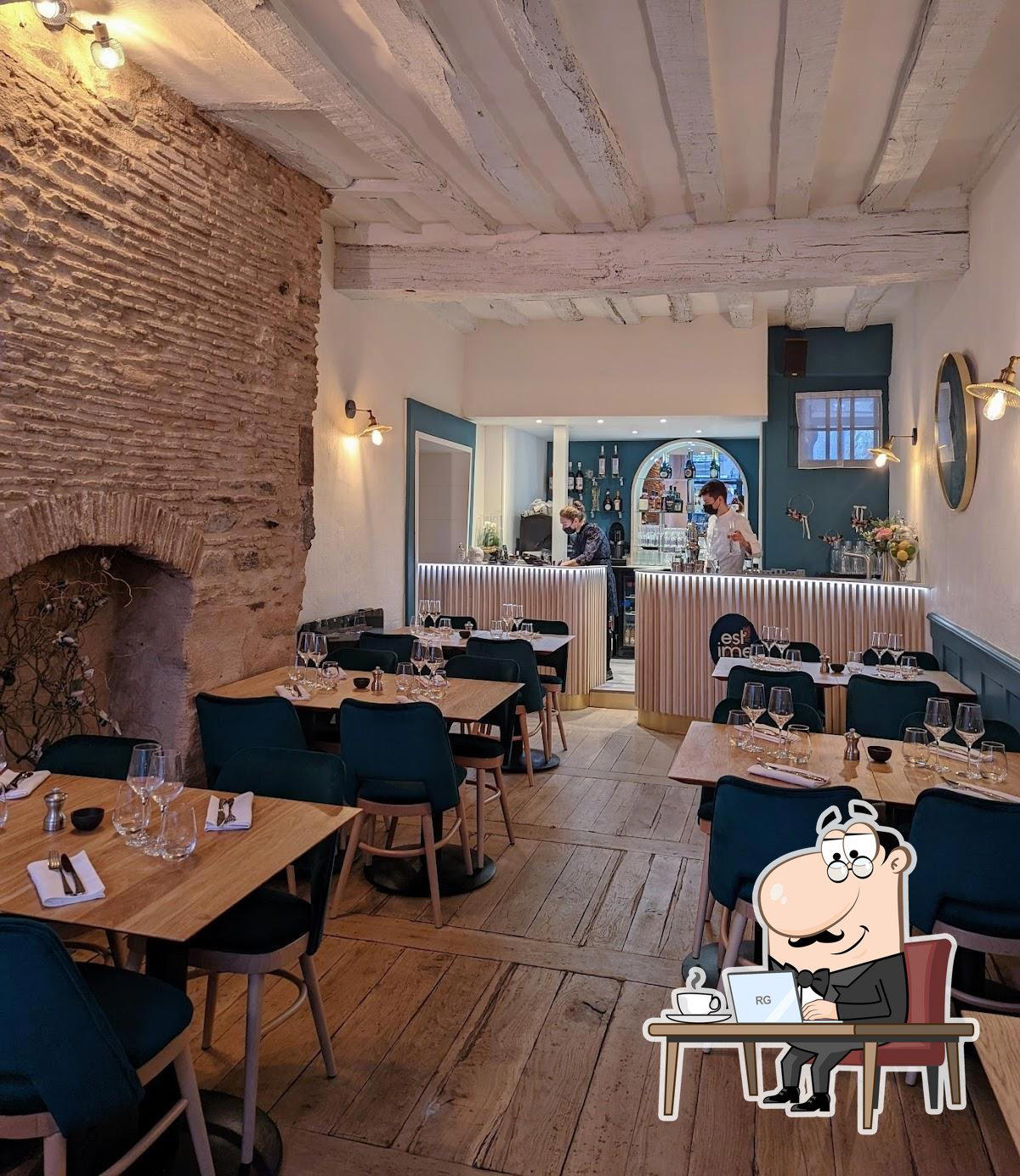
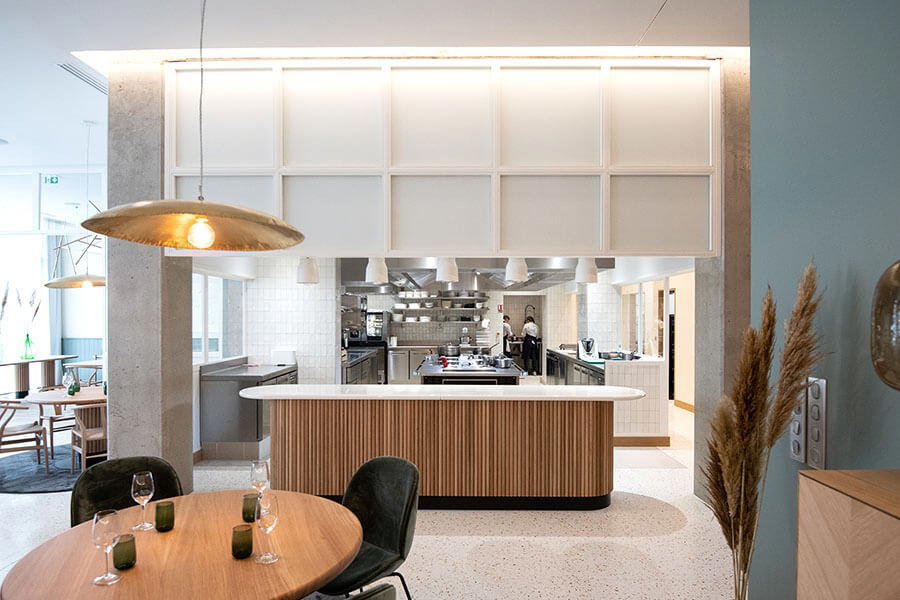
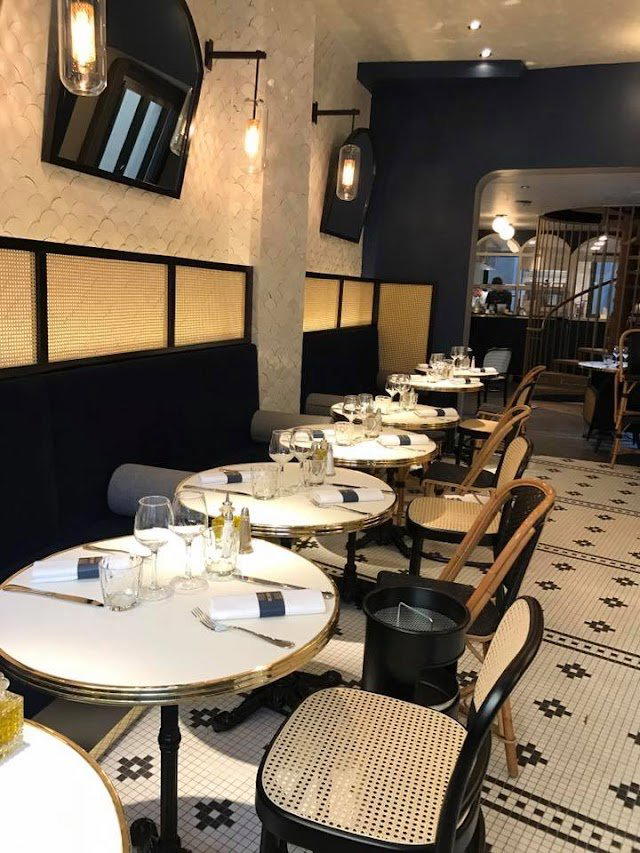
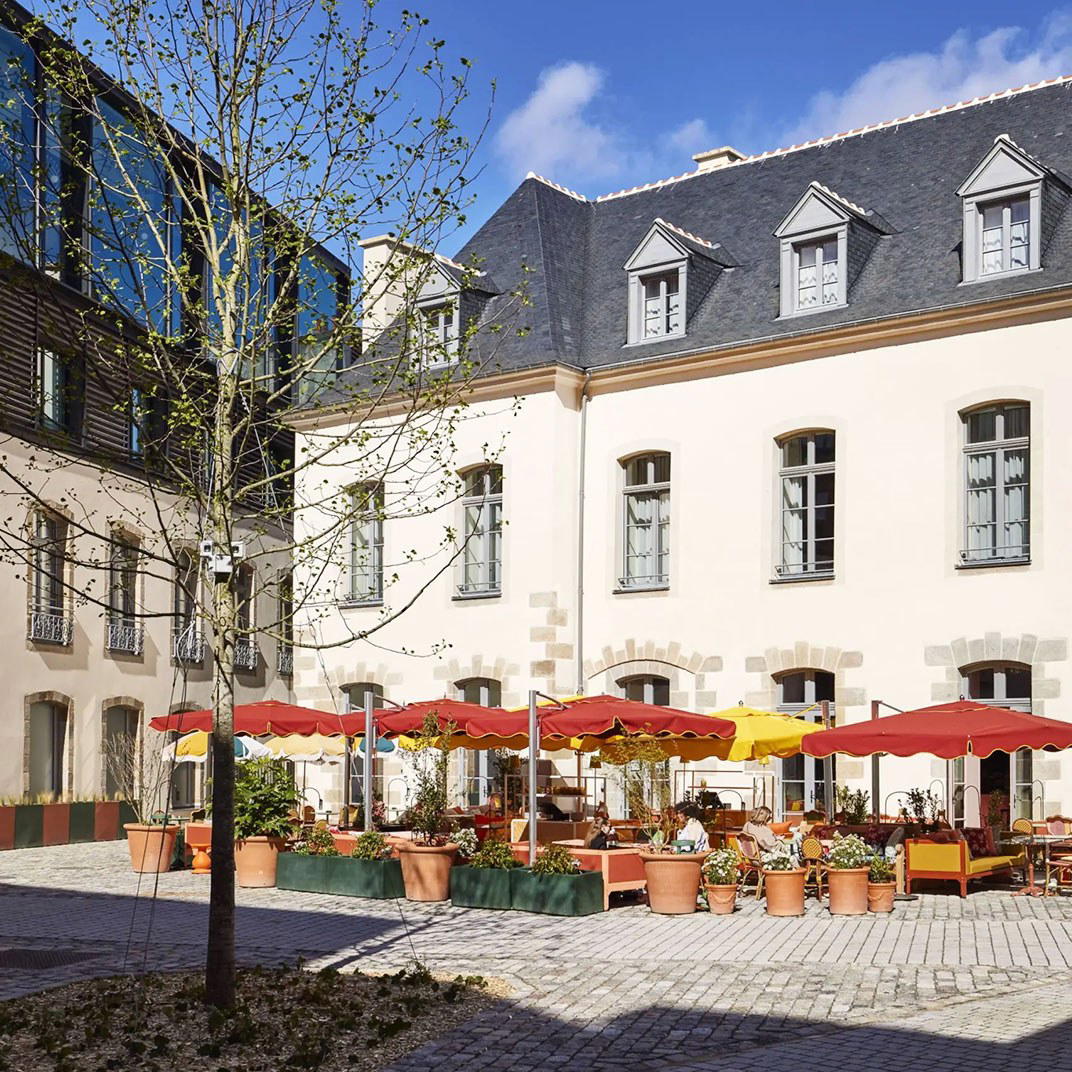
French cities of Rennes's scale, around 220,000 residents, with a large student population drawn to its universities, tend to sort their international restaurants into two spatial categories: the dense, visually maximalist room pitched at weekend groups, and the quieter, narrower space that operates more like a neighbourhood address than a destination. The room at Rue Vasselot belongs to the latter logic. Spaces of this type in French provincial cities typically seat between twenty and forty covers, with interior decisions that prioritise warmth over spectacle: warm-toned walls, table spacing that allows for conversation without theatre, and a visual vocabulary borrowed from the subcontinent without tipping into caricature.
Interior design in Indian restaurants across France has undergone a slow recalibration over the past decade. The maximalist brass-and-burgundy register that dominated the 1990s and 2000s has given way, in the more considered rooms, to lighter treatments that let the food carry the visual weight. Whether Délice de l'Inde has made that particular turn is something a visit would confirm, but its address and apparent positioning within the Rennes market suggest a room calibrated for regular use rather than occasion dining. That is its own kind of design statement: a space that earns its keep on Tuesday evenings, not just Saturday bookings.
Where It Sits in the Rennes Dining Tier
Rennes has developed a layered restaurant market in the years since its métro expansion and the broader gentrification of its central arrondissements. At the leading end, creative French kitchens like Bombance (Modern Cuisine) and Benèze compete for the same informed diner who might otherwise travel to larger French cities for a serious meal. Below that sits a mid-market tier of solid bistros and specialist addresses, crêperies like Breizh Café Rennes (Breton), which has built genuine cross-regional recognition for the format, and then the neighbourhood tier, where consistent cooking and reliable value do the work that awards programmes rarely notice.
Délice de l'Inde operates in this third tier, and that is not a diminishment. French provincial cities have limited appetite for the kind of Indian fine-dining experiment that has taken hold in London or Paris, the multi-course tasting format built around regional Indian cooking traditions, with wine pairings and thirty-day booking windows. The Rennes market is more pragmatic: it wants a room that feels considered, food that delivers on what the menu promises, and pricing that allows for return visits. Restaurants that serve that need reliably tend to build the kind of loyal mid-week trade that sustains a space across seasons, regardless of whether they appear in the guides that track the fine-dining tier. Compare this to the scale and ambition of Michelin-recognised French kitchens like Flocons de Sel in Megève or Mirazur in Menton, and the operating logic is entirely different, not inferior, just differently calibrated.
Practical Considerations for Visiting
Rue Vasselot runs through the southern edge of the historic centre, within comfortable walking distance of the central station at Rennes and the main commercial streets around Place de la République. For visitors arriving by TGV from Paris, a journey of around 1 hour 25 minutes, the restaurant is accessible on foot from the station without requiring additional transport. That logistical ease makes it a workable dinner option for visitors with limited time in the city, or for those combining it with an evening in Rennes's old quarter before a morning departure.
Contact details and current hours are not published in centralised databases at the time of writing, so confirmation directly with the restaurant before visiting is advisable, particularly for groups or for visits outside standard midweek service. Rennes restaurants in this tier often operate reduced hours in August, when the student population disperses and foot traffic in the central neighbourhoods drops noticeably. Arriving earlier in a service rather than at peak time is the standard approach for smaller rooms in this part of the city, where the cover count rarely accommodates late walk-in groups without a wait.
The Broader French Context for Indian Cuisine
France's relationship with Indian cooking is more complicated than its relationship with, say, North African or Vietnamese traditions, which arrived embedded in post-colonial migration patterns and built genuine street-level presence in French cities over decades. Indian restaurants in France outside Paris operate in a thinner market, competing not only against each other but against deeply ingrained French scepticism toward cuisines that use spice architectures outside the European register. That resistance has softened considerably in the past fifteen years, but it still shapes who opens Indian restaurants in provincial French cities and how those restaurants calibrate their offering.
The restaurants that have navigated this most successfully tend to anchor themselves in the neighbourhood rather than the destination model, building a loyal local base that returns for the cooking rather than the novelty, and adjusting their spice registers slightly toward French palates without abandoning the structural logic of the cuisine. This is a different challenge from what faces a high-concept French kitchen working within a tradition that Michelin inspectors already understand. The guides that shape reputation at the top end of French dining, the houses behind Alléno Paris au Pavillon Ledoyen, Troisgros - Le Bois sans Feuilles, Bras in Laguiole, Auberge de l'Ill, Les Prés d'Eugénie, Georges Blanc in Vonnas, Paul Bocuse, and La Table du Castellet, operate within a French culinary tradition that the evaluation frameworks were designed to assess. Indian cuisine in a Breton city is appraised by different standards, which makes the absence of formal recognition less a signal of quality than a reflection of structural gaps in how French dining is evaluated.
For context on how the city's wider restaurant scene is arranged, the full Rennes restaurants guide maps the different tiers and traditions across the city's neighbourhoods. International comparators like Le Bernardin in New York City and Lazy Bear in San Francisco illustrate how different urban markets have absorbed specialist and non-European cuisines into their established fine-dining frameworks, a process that French provincial cities are still working through.
How Délice de l'Inde Rennes compares with similar nearby venues.
| Venue | Cuisine | Price |
|---|---|---|
| La Table du Balthazar | Modern Cuisine | €€€ |
Continue exploring
More in Rennes
Restaurants in Rennes
Browse all →
At a Glance
- Cozy
- Classic
- Casual Hangout
- Open Kitchen
- Local Sourcing
Current opening hours
- Monday
- 12–2 PM, 7–11 PM
- Tuesday
- 12–2 PM, 7–11 PM
- Wednesday
- 12–2 PM, 7–11 PM
- Thursday
- 12–2 PM, 7–11 PM
- Friday
- 12–2 PM, 7–11 PM
- Saturday
- 12–2 PM, 7–11 PM
- Sunday
- 12–2 PM, 7–11 PM
Hours can change for holidays and private events. Last verified .
Chaleureuse et conviviale with a chill atmosphere and welcoming service.
Know Before You Go
- Getting there
- 36 Rue Vasselot, 35000 Rennes, France