Our verdict
Charm sits inside a hotel lobby in Lijiang’s Gucheng District, a location that places it between old-town tourism and the city’s quieter hospitality circuit. With few public signals on chef, pricing, awards, or format, the useful reading is contextual: treat it as part of Lijiang’s broader question of how hotel dining interprets local sourcing without turning Naxi and Yunnan references into souvenir shorthand.

Pearl is the En Primeur Club membership app — saves, bookings, and concierge access live there. Same editors, same standards.
- Address
- Gucheng District, Lijiang, China, 674100 (Hotel Lobby 1/F)
- Phone
- 86-888-5599111
- Directions
- Get directions
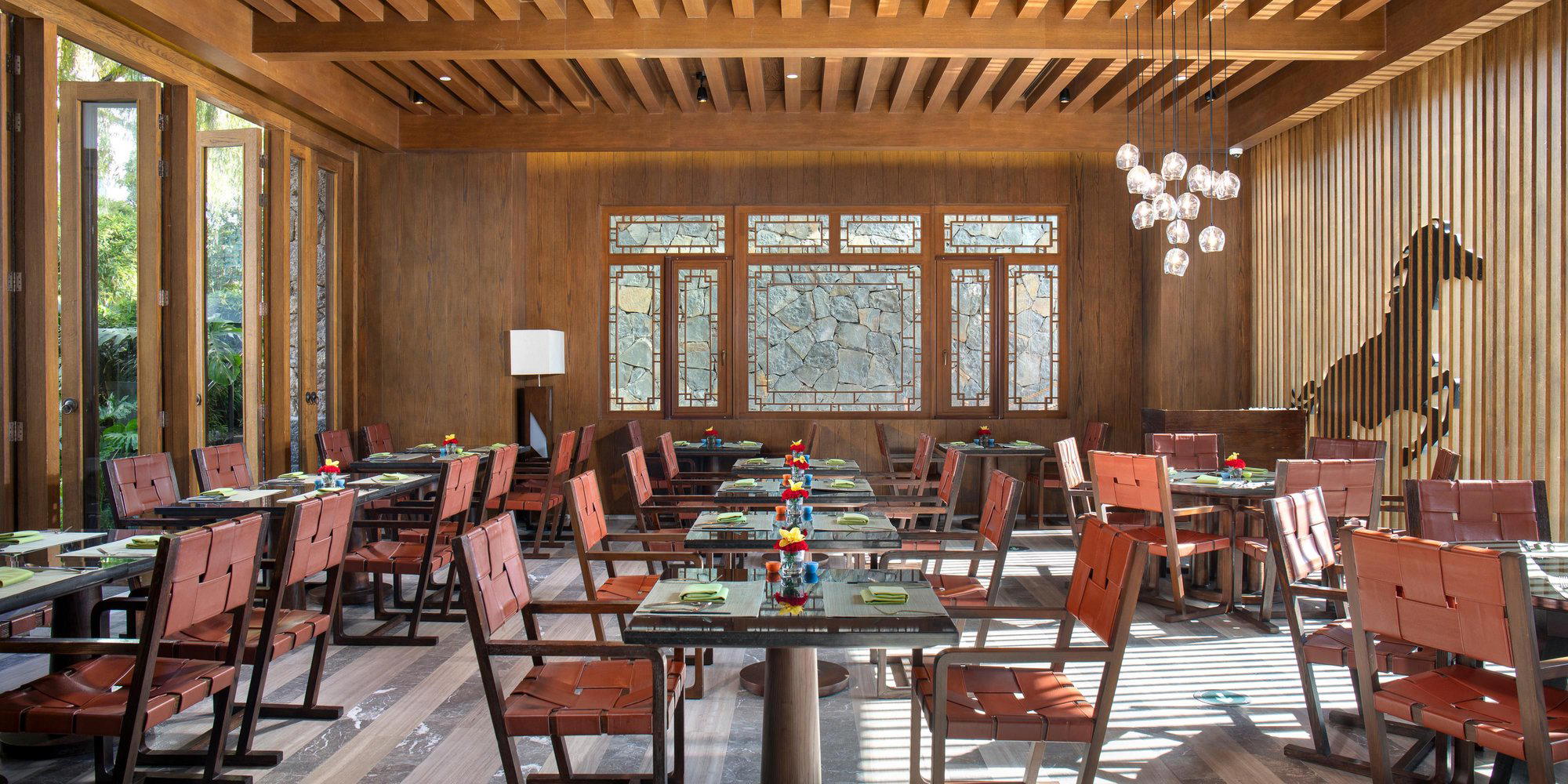
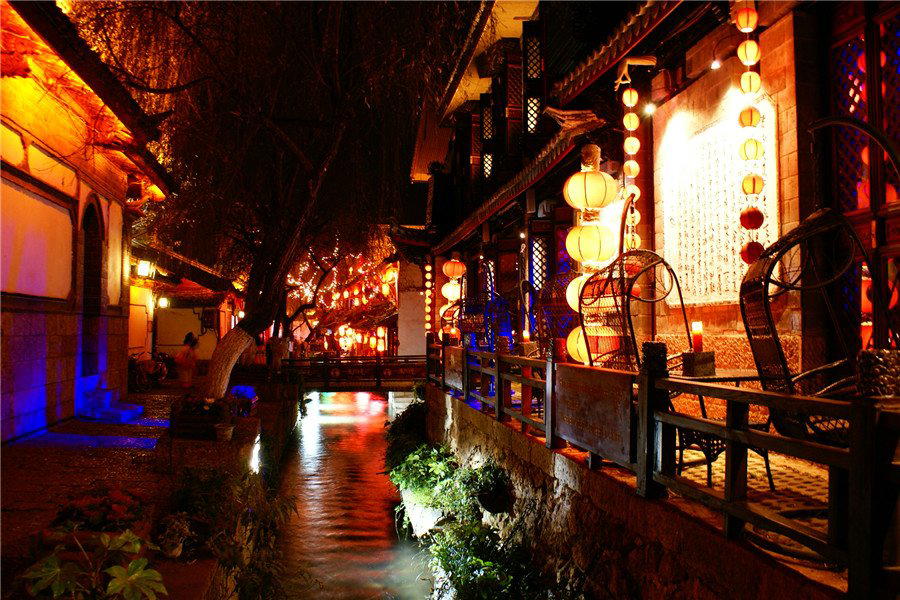
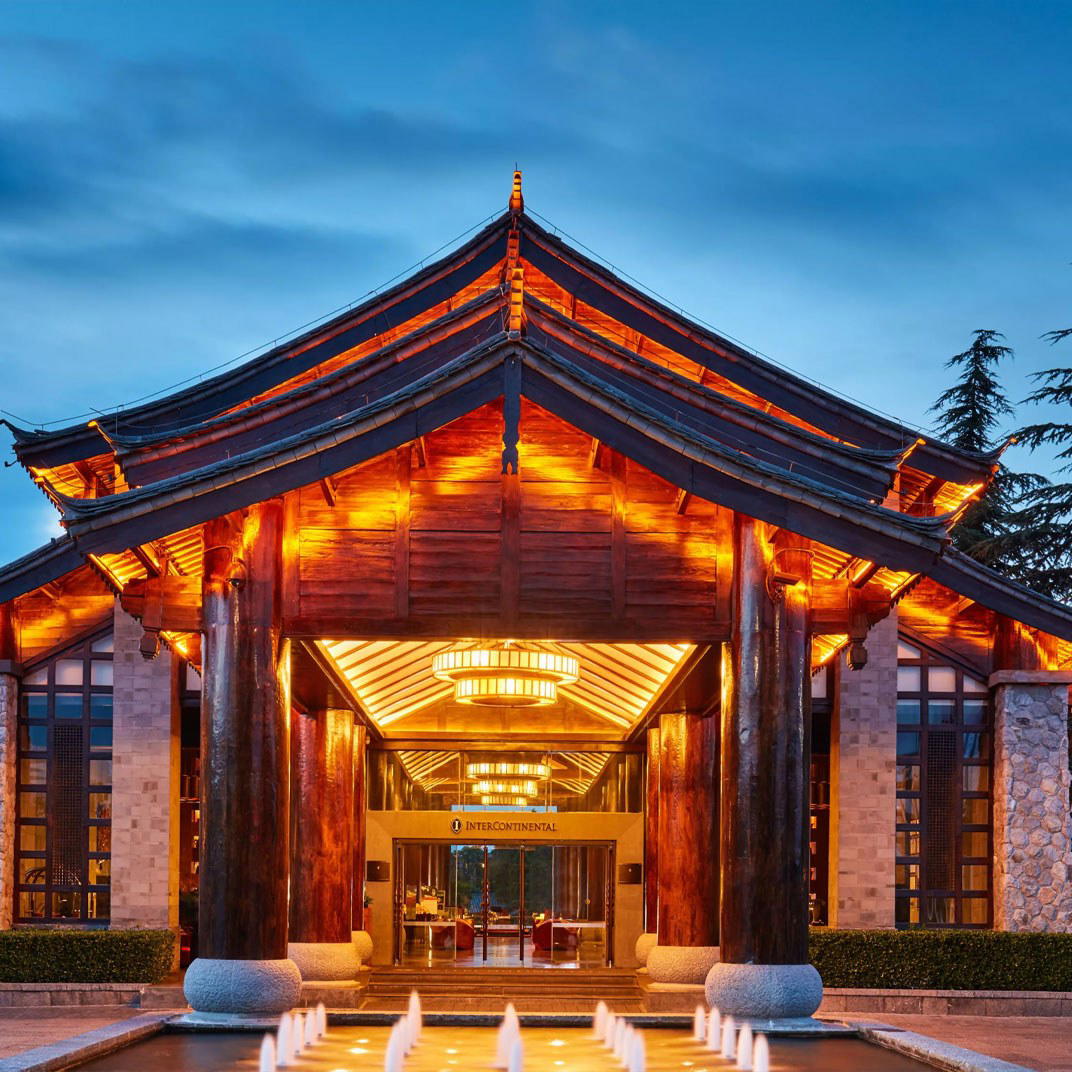
Hotel-lobby dining in Lijiang has a particular tension. Step in from the city’s busy visitor routes and the setting changes register: everyday commerce gives way to polished reception spaces, travel schedules, and menus expected to speak both to visitors and to place. Charm belongs to that category, positioned in Lijiang rather than in a freestanding street-side dining room. The setting matters because Lijiang’s food culture is often consumed through tourism first, while stronger kitchens in the area are judged by how carefully they connect regional context and hospitality without reducing place to decorative folklore.
The ingredient story in Lijiang should not be treated as a generic premium-dining line. A restaurant working in this city is measured less by luxury signals than by whether it understands the local setting it is serving. The stronger version of Lijiang dining lets place carry the argument: a sense of season, restraint, and regional confidence rather than a menu built only for visual impact. Charm’s public profile offers few hard claims beyond its Lijiang hotel-dining context, so the editorial value is in reading it against that local expectation rather than inventing a menu it has not publicly named.
Hotel dining in Lijiang has to answer for place, not just polish
Lijiang concentrates significant visitor traffic, and that changes the restaurant brief. Kitchens here often serve guests who want regional identity but may not know the difference between serious local cooking and simplified visitor-facing fare. In that context, a hotel-lobby restaurant has an advantage and a burden: it can control the room, pacing, and service expectations, but it also risks smoothing out the textures that make regional dining compelling. Charm is better understood through that lens. Its hotel-lobby setting suggests a more contained experience than the city’s casual restaurants, yet the test remains the same: whether the kitchen gives its Lijiang setting a reason to matter.
For travellers comparing Lijiang options, the useful split is not formal versus casual, but source-led versus scenery-led. Lükuar Camping Ground, Yanjiao Restaurant, Yink Restaurant, Man Yi Xuan, Yun Ying, and other Lijiang dining rooms sit in the same city conversation, but each should be read for format and regional confidence rather than décor alone. The broader map is useful too: Our full Lijiang restaurants guide helps separate dining rooms built around local food from those that mainly serve the visitor circuit, while Our full Lijiang hotels guide gives context for where hotel restaurants fit into the stay.
Yunnan sourcing rewards restraint more than spectacle
Yunnan’s stronger cooking rarely needs theatrical framing. The province’s advantage is range, and Lijiang adds its own highland setting to that wider regional picture. In a premium setting, the smarter move is not to over-design the plate but to protect the sense of place behind the meal. That is the standard Charm has to meet if it wants to function as more than a convenient hotel meal.
This is also where China’s wider regional-dining conversation becomes relevant. Some dining rooms elsewhere are judged by precision and product quality; others tend to reward seasonality, balance, or regional technique. Lijiang should not imitate those benchmarks too closely. Its credibility comes from its own context and the way restaurants handle local expectations. More nationally familiar dining categories may operate from clearer reference points. Lijiang’s category is less codified, which makes sourcing, restraint, and confidence more important.
That point extends beyond China. Small-format and narrowly focused venues in other cities show how limited formats can communicate place through discipline rather than scale. Lijiang restaurants face the inverse challenge: the region has abundant identity, but visitor demand can flatten it. A serious room must decide what to simplify and what to protect.
How to place Charm in a Lijiang itinerary
Charm makes the strongest sense for travellers already moving through Lijiang who want a controlled dining environment rather than a street-level search. With limited public detail around chef, price range, and named dishes, it should not be treated as a trophy reservation on those grounds alone. It is better read as a hotel-based option in a city where the stronger dining decisions often depend on mood and context: a quieter room after a day out, a local-leaning meal without chasing a packed tourist restaurant, or a low-friction choice when the evening needs structure.
For a fuller itinerary, dining should not sit alone. Lijiang’s appeal is built across stays, bars, wineries, and experiences as much as restaurants, so Our full Lijiang bars guide, Our full Lijiang wineries guide, and Our full Lijiang experiences guide are the more useful planning frame. Charm belongs inside that wider reading of the city: not as a headline claim, but as one answer to a practical Lijiang question, where to find a calmer room that can still speak to its setting if the kitchen chooses substance over performance.
Frequently asked questions
Is Charm child-friendly?
As a hotel-lobby venue in Lijiang, Charm may be a practical option for mixed-age groups. Confirm the current setup with the venue before visiting.
What is the atmosphere like at Charm?
Charm’s setting is defined by its hotel-lobby format in Lijiang rather than by a destination-dining format. Expect a controlled, hotel-led room that suits travellers who want order and convenience in Lijiang.
What's Charm's location?
Lijiang.
What's the best way to book Charm?
The cleanest approach is to contact the venue or the hotel team directly in Lijiang. That is the most practical route for confirming hours, availability, and current booking details.
What do critics highlight about Charm?
The main point is its placement: Charm operates as a hotel-lobby venue in Lijiang, which makes it useful for guests already planning around that setting. It reads as a convenience-led hotel restaurant rather than a standalone dining destination.
Do they accommodate allergies at Charm?
For allergies, the sensible step is to notify the venue team in advance in Lijiang and confirm what the kitchen can accommodate on the day.
Snapshot
Comparable venues by cuisine and price in the same metro.
| Venue | Cuisine | Price |
|---|---|---|
| CharmThis venue — the venue you are viewing | Thai & Southeast Asian hotel restaurant | $20–30 |
| Yanjiao Restaurant | Chinese | Not listed |
| Yink Restaurant | Contemporary Fusion | Not listed |
| Man Yi Xuan | Yunnan and Nakhi Chinese Fine Dining | Not listed |
Details
- Modern
- Cozy
- Family
- Group Dining
- Casual Hangout
- After Work
- Hotel Restaurant
- A La Carte
- Vegetarian Friendly
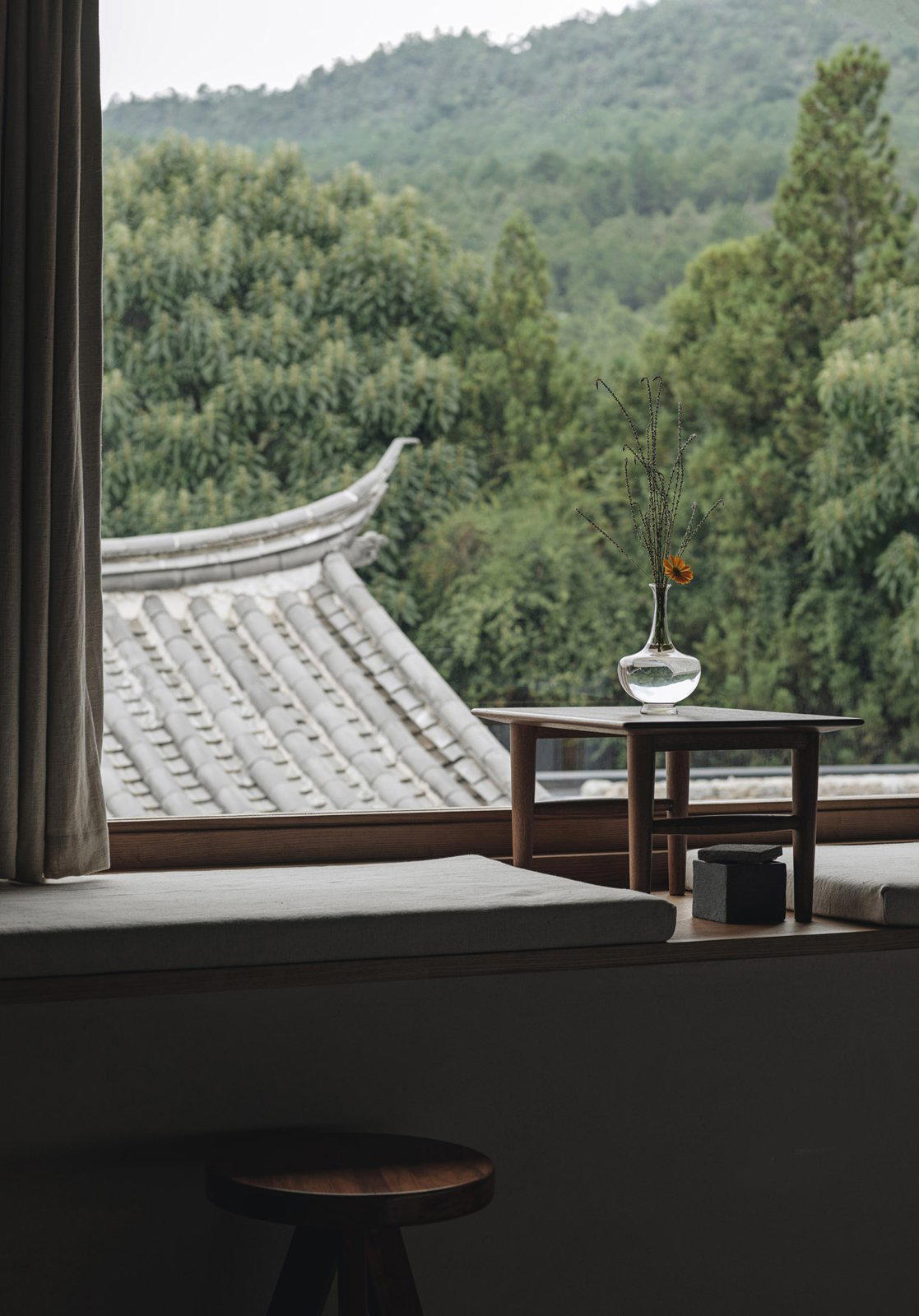
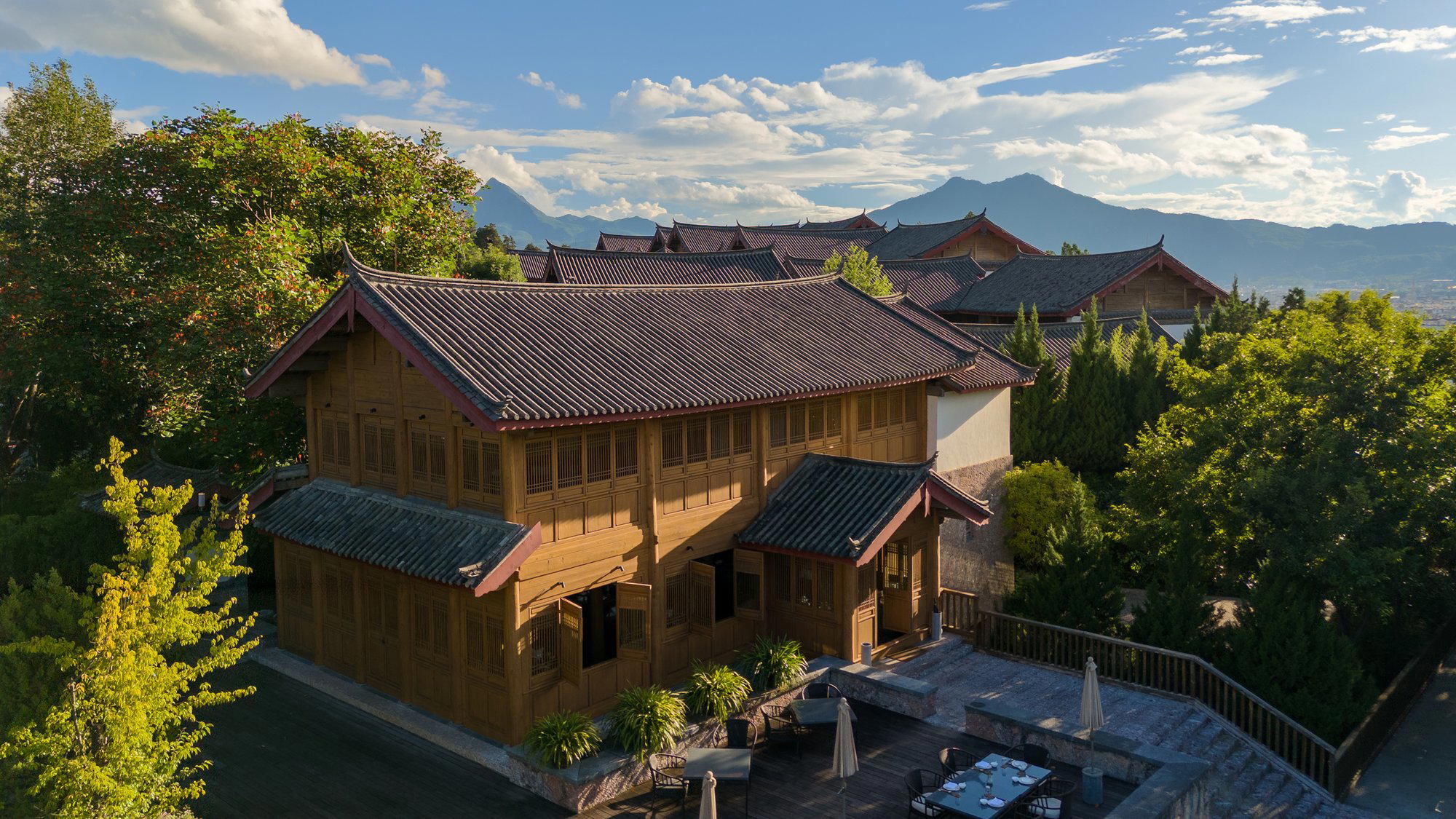
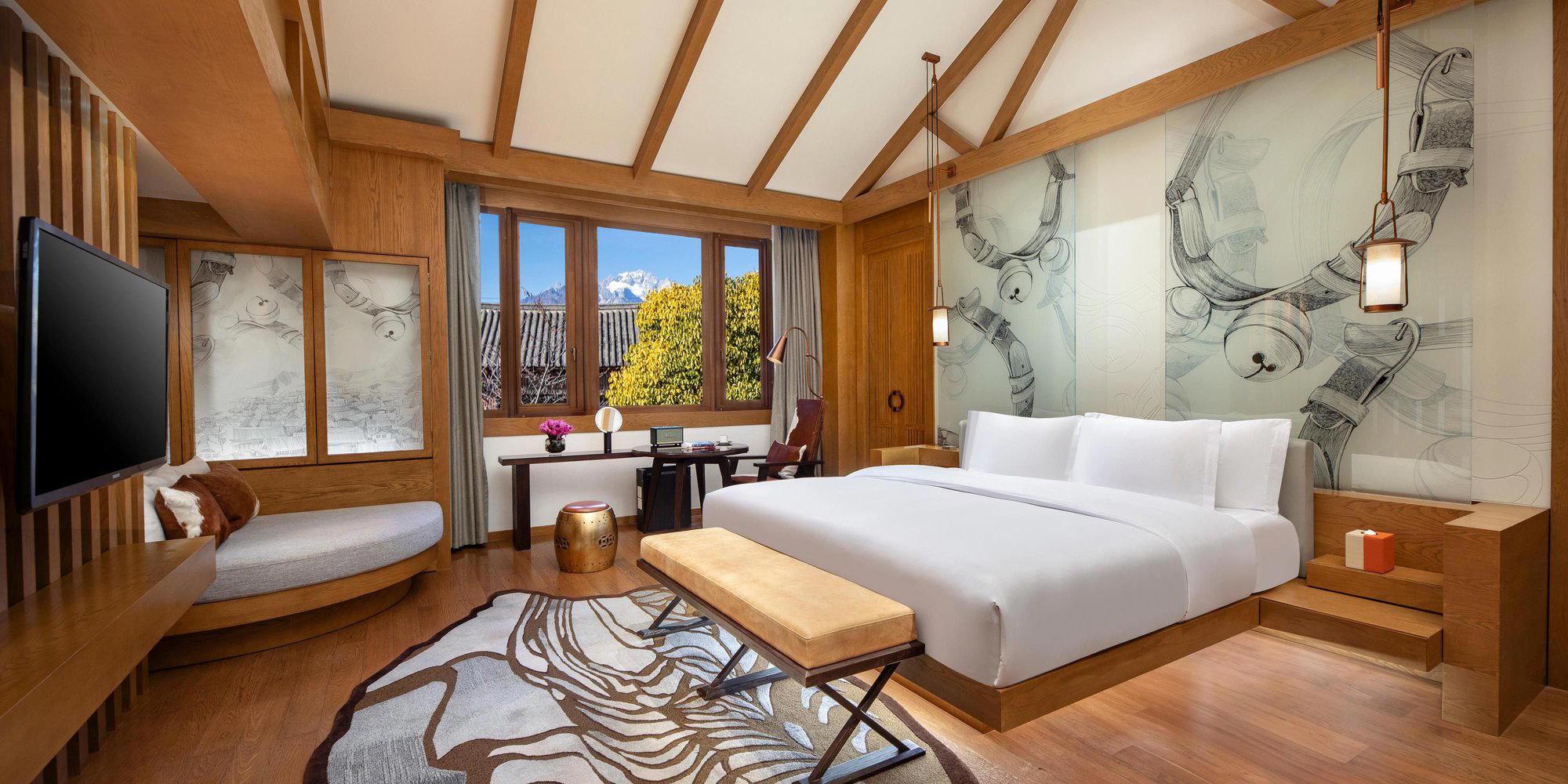
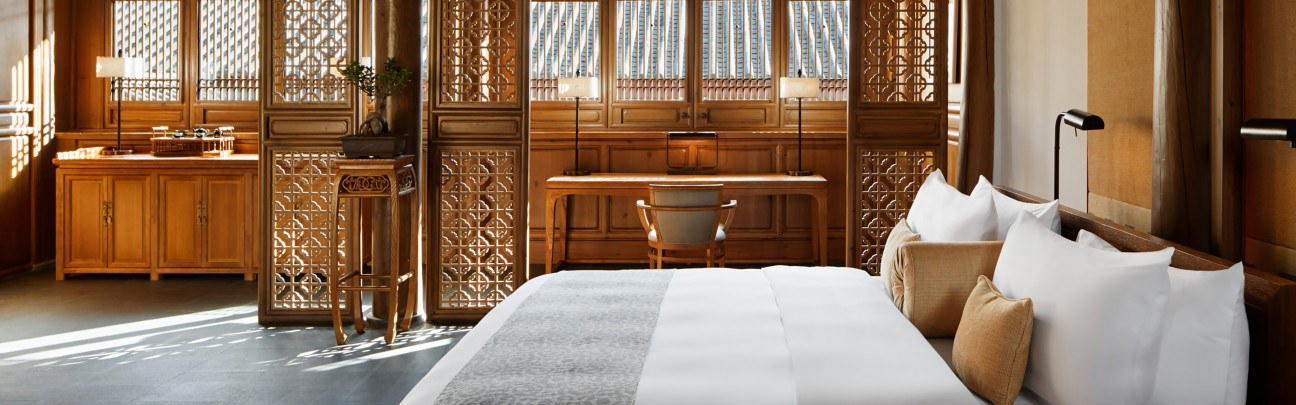
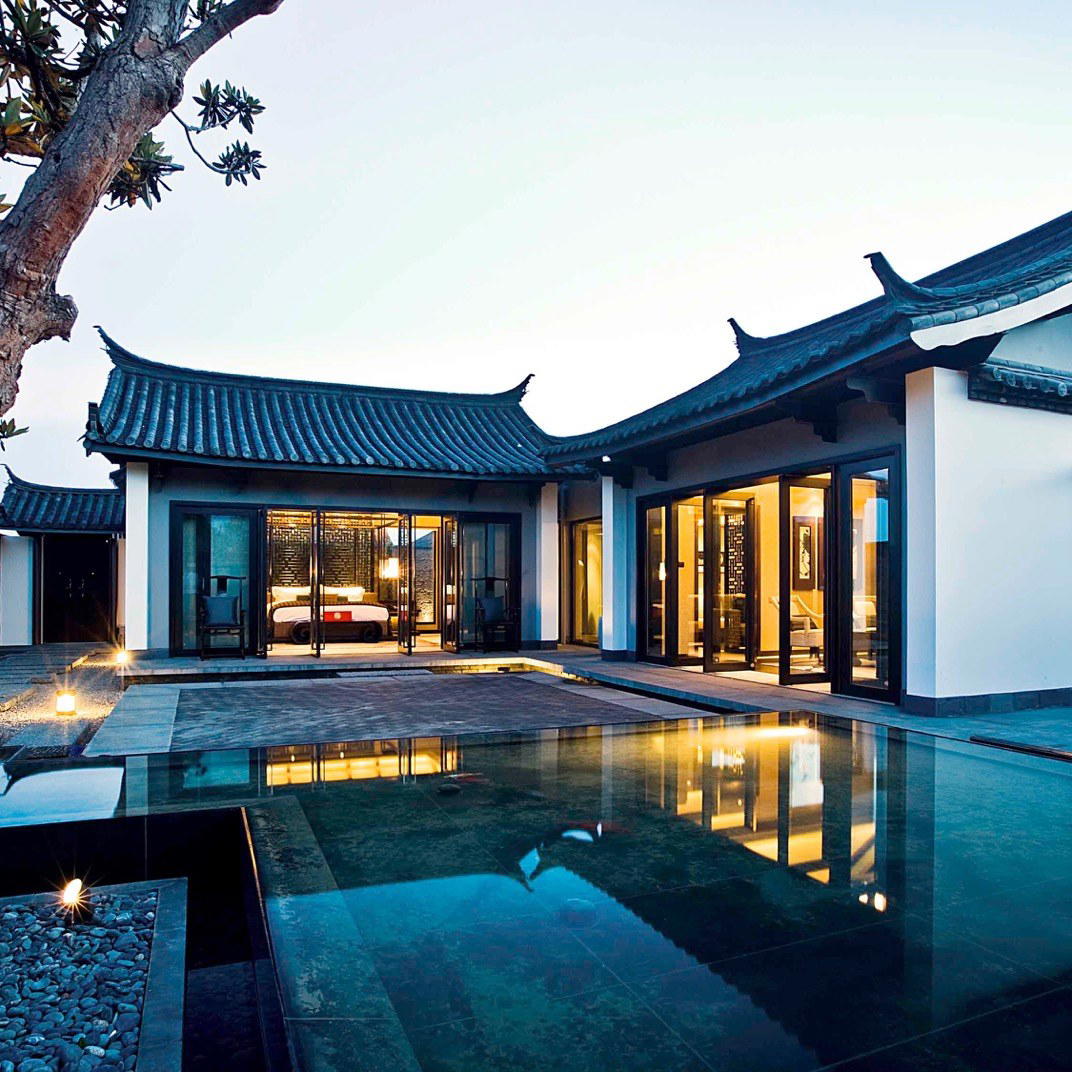
Modern and contemporary hotel dining room within Hotel Indigo Lijiang Ancient Town, with comfortable seating and a relaxed, casual atmosphere suited to hotel guests and travelers.