Cello sits in Punta Diamante, where Acapulco dining is shaped by resort demand, Pacific seafood, and a guest base that expects polish without losing sight of the coast. The useful way to read it is through sourcing: in this part of Guerrero, freshness and restraint matter more than theatrical plating or imported luxury cues.
Pearl is the En Primeur Club membership app — saves, bookings, and concierge access live there. Same editors, same standards.
- Address
- Blvrd Cabo Marqués Lote 1, Punta Diamante, 39907 Acapulco de Juárez, Gro., Mexico
- Phone
- +52 744 980 0685
- Website
- banyantree.com
- Directions
- Get directions
 Saves & bookings on Pearl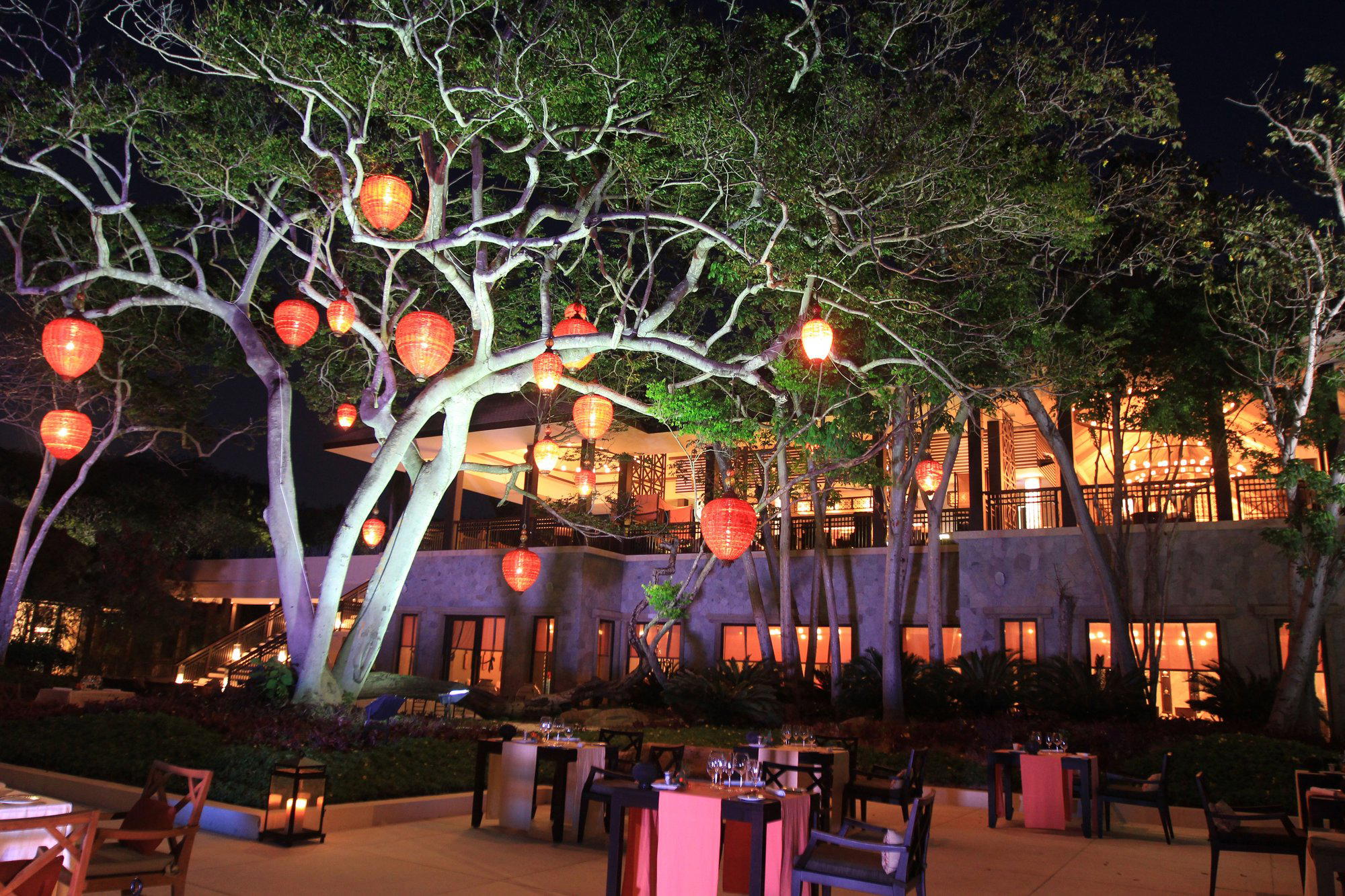
Approaching Punta Diamante shifts the rhythm of Acapulco. The city’s older bayside glamour gives way to newer resort corridors, gated drives, and dining rooms built for guests who have come for sea air as much as dinner. In that setting, Cello belongs to the polished end of Acapulco’s restaurant conversation, a table to judge less by grand claims than by how intelligently it handles the region’s strongest advantage: proximity to the Pacific and to a coastal Mexican pantry that does not need heavy disguise.
Acapulco’s serious dining has never been only about formality. The city’s restaurant culture stretches from beachfront seafood and hotel terraces to destination dining rooms in Diamante, where the audience is split between residents, weekend visitors from Mexico City, and international travellers using the bay as a warm-weather base. That mix matters. It rewards restaurants that can feel composed without becoming stiff, and it punishes menus that ignore place. The question at Cello is not whether the room can signal occasion; it is whether the kitchen’s choices make sense on this coast.
Pacific sourcing matters more than resort theatre
Ingredient sourcing is the clearest lens for reading high-end dining in Acapulco. On this stretch of the Mexican Pacific, seafood is not a decorative category; it is the reason many restaurants have credibility at all. The stronger kitchens in the city tend to keep the plate close to the region, using fish, shellfish, citrus, herbs, chile, and tropical fruit with enough control to suit a more formal room. When that balance works, the food feels anchored rather than generic.
Cello’s exact cuisine label is not publicly fixed, which makes the broader context more useful than a forced category. In Punta Diamante, a restaurant can lean international in technique while still being judged by local supply: how seafood is handled, how acidity is used in a hot-climate dining room, and whether richness is kept in check. That is also where comparisons inside Acapulco become helpful. Carmenère Acapulco Restaurante points to the city’s wine-and-dinner side, while La Concha Restaurant and Bellavista Restaurant sit closer to the classic resort-dining register. Saffron adds another hotel-era reference point, and Origen (International) signals the city’s appetite for broader international formats.
This is the practical divide in Acapulco dining: some rooms sell view and occasion first; stronger ones make the supply chain visible through restraint. The coast gives kitchens a natural advantage, but it also exposes weak decisions. Overworked seafood, excessive sweetness, or resort-menu sameness show quickly in a humid, salt-air city. The better bet is cooking that lets the place do some of the work.
Punta Diamante changes the expectations
Punta Diamante is not the same dining proposition as the older Acapulco bay. The area is more private, more car-dependent, and more tied to hotels, residences, and planned leisure than to spontaneous street-level wandering. That changes how a restaurant is used. Dinner becomes part of a broader evening rather than a quick stop between bars, and the room must carry both holiday ease and special-occasion pressure.
Cello’s location in this part of the city places it among restaurants that compete for guests already inclined to plan. That does not require ceremony for its own sake. In Acapulco, polish reads better when it is relaxed: attentive pacing, a menu that suits warm weather, and a drinks program that can handle seafood, spice, and sunset-hour appetites without turning the meal into a performance. The city’s hospitality tradition is generous, but Diamante asks for more precision than nostalgia.
For travellers building a wider Acapulco itinerary, the restaurant makes more sense when paired with the area’s broader resort geography. The full Acapulco restaurants guide is useful for mapping the city’s dining spread, while the Acapulco hotels guide helps explain why Diamante restaurants often function differently from central bay addresses. Drinking and after-dinner plans sit in a separate lane; the Acapulco bars guide is the better tool for that. The city is not a wine-region destination in the way Baja or parts of central Mexico are, but the Acapulco wineries guide and Acapulco experiences guide help frame the wider travel day around the table.
How to place Cello within Mexico's coastal dining conversation
Mexico’s premium coastal restaurants now compete on more than ocean views. In Los Cabos, the format often leans toward resort luxury and grill-led seafood, visible in addresses such as 7 Seas Seafood Grille in Los Cabos. In the Riviera Maya, restaurants such as 4 Fuegos in Riviera Maya reflect a different resort circuit, with Caribbean ingredients and a separate tourism rhythm. Acapulco has its own register: older, warmer, less obsessed with novelty, and more dependent on whether a restaurant understands the city’s long relationship with seafood, family occasions, and hotel dining.
That broader Mexican context matters because Cello should not be read as a copy of Mexico City dining transplanted to the coast. The capital’s polished restaurant habits, visible in places such as 4 Mori Santa Fe in Mexico City or 4 Mori Interlomas in Jesus Del Monte, follow a different urban logic. Coastal rooms have to answer to heat, timing, and the expectation that seafood will carry more of the meal. Even destination names elsewhere in Mexico, from 1890 in Todos Santos to 10 Experiences Tour in Cozumel, show how local geography shapes the restaurant brief before décor or branding enters the discussion.
International comparisons should be used carefully, but they sharpen the point. A sake bar in Los Angeles such as Jōdo Saké Bar or a casual Japanese specialist such as Onigiri Time in Pasadena is built around category clarity. Cello operates in a softer coastal-resort category, where the test is cohesion: whether the meal feels rooted in Acapulco rather than assembled for any warm-weather hotel corridor. For diners choosing one polished dinner in Punta Diamante, that is the right standard to apply.
How It Stacks Up
Comparable venues by cuisine and price in the same metro.
| Venue | Cuisine | Price |
|---|---|---|
| Cello | This venue | Not listed |
| Zibu | Mexican Seafood | Mexican Seafood |
At a Glance
- Romantic
- Elegant
- Scenic
- Sophisticated
- Intimate
- Date Night
- Special Occasion
- Business Dinner
- Group Dining
- Private Event
- Waterfront
- Panoramic View
- Terrace
- Design Destination
- Hotel Restaurant
- Private Dining
- Extensive Wine List
- Craft Cocktails
- Waterfront
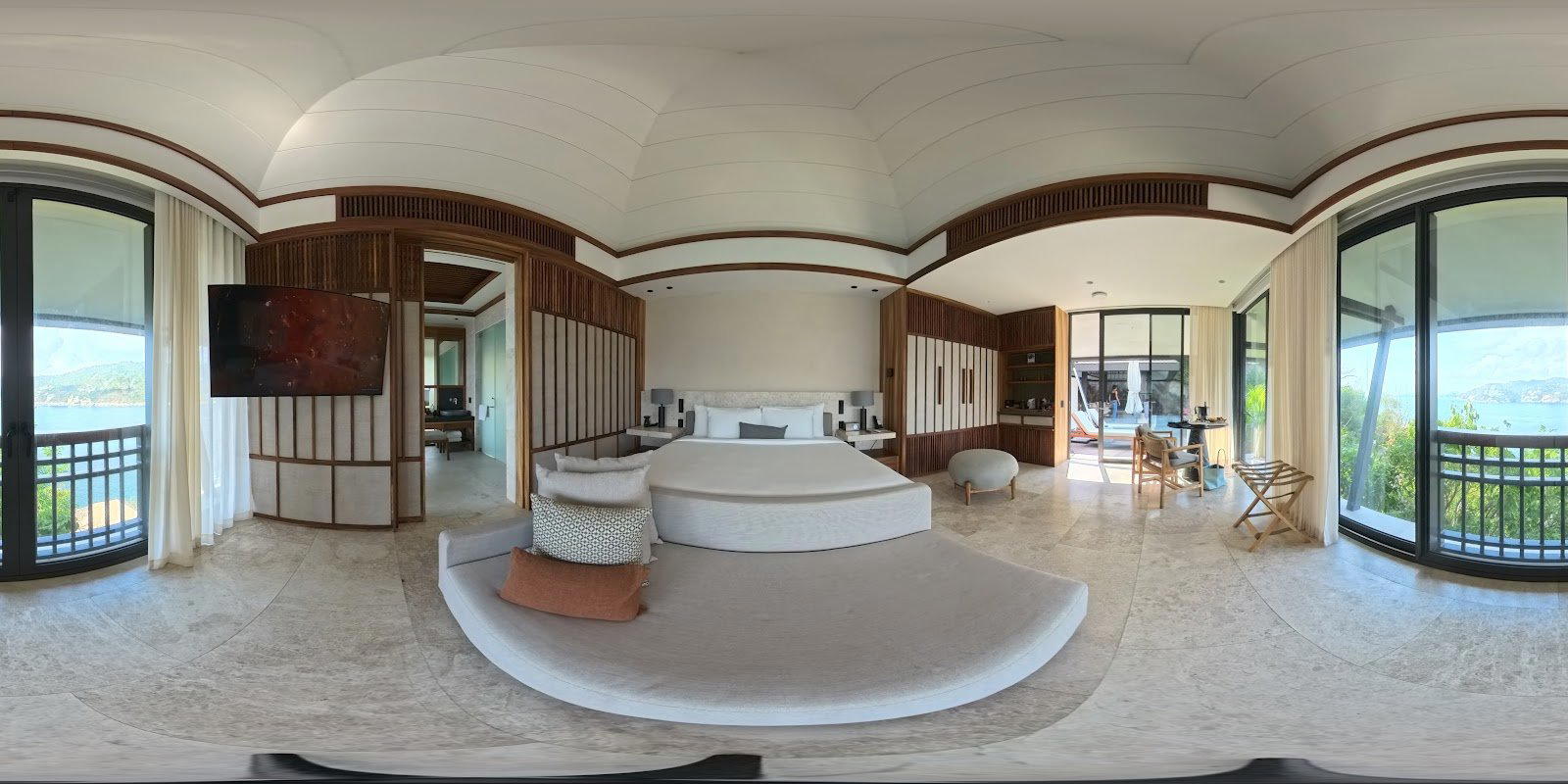
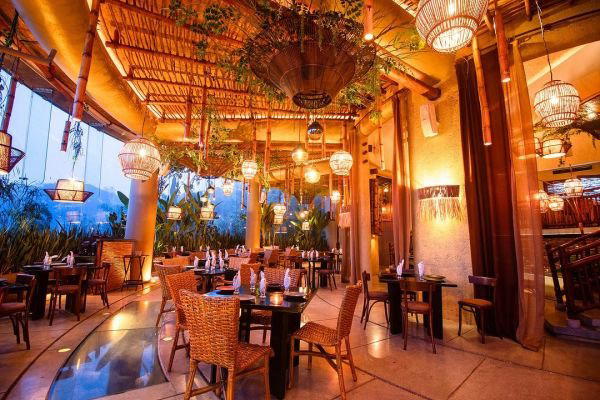
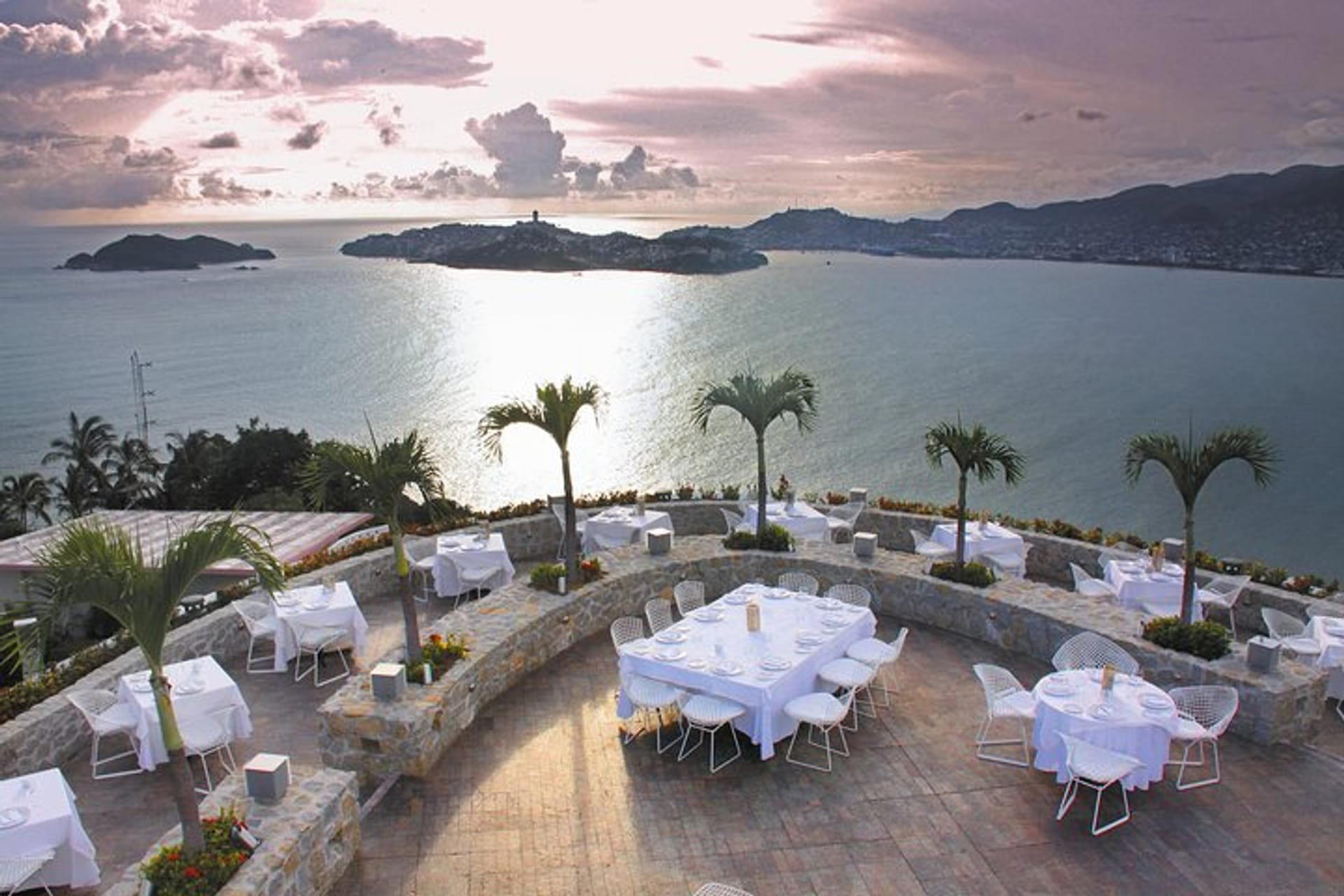
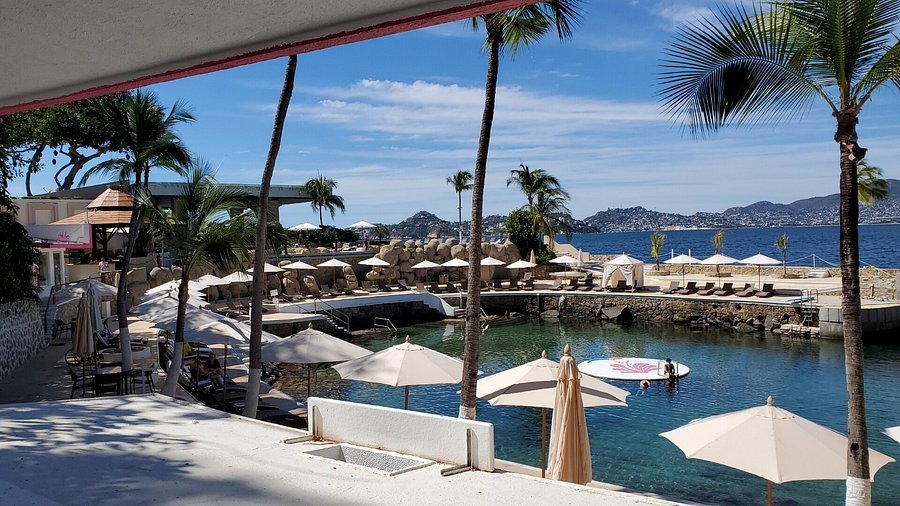
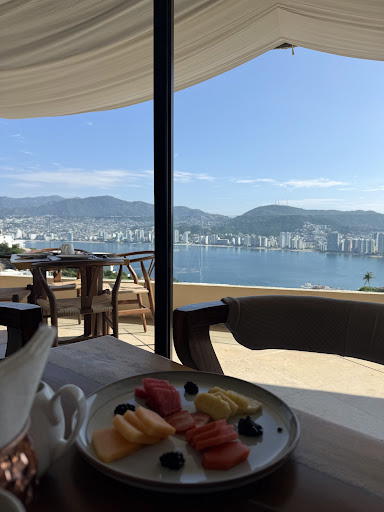
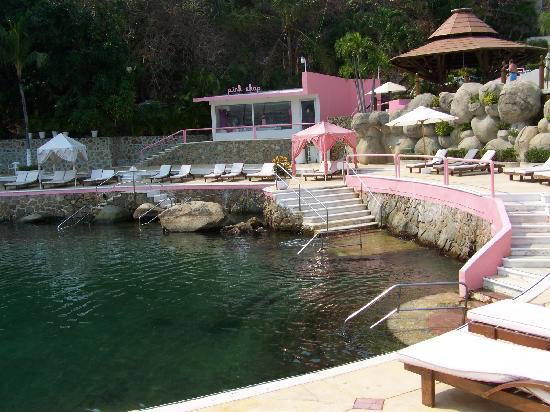
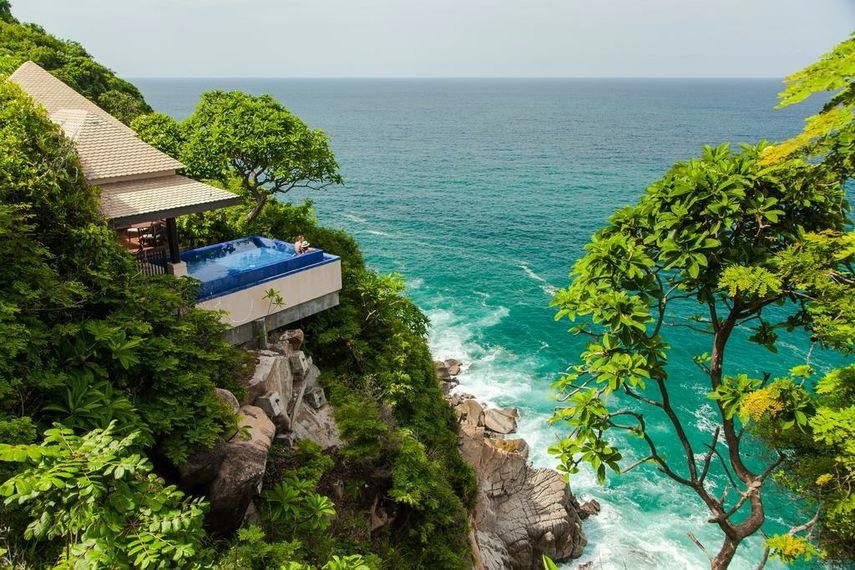
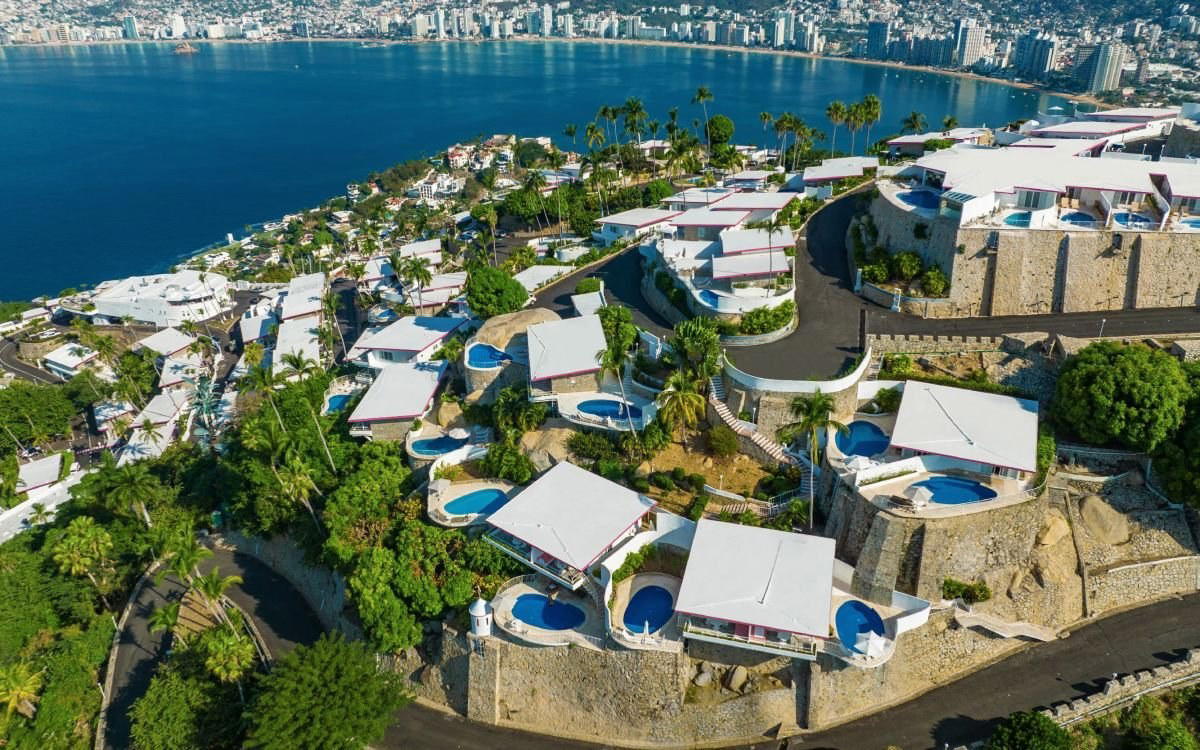
Elegant, resort‑casual atmosphere with al fresco cliffside seating overlooking the Pacific, romantic sunset lighting, and a refined yet relaxed hotel‑restaurant feel suitable for special occasions.