
Gault & Millau Türkiye 1 Toque
Our verdict
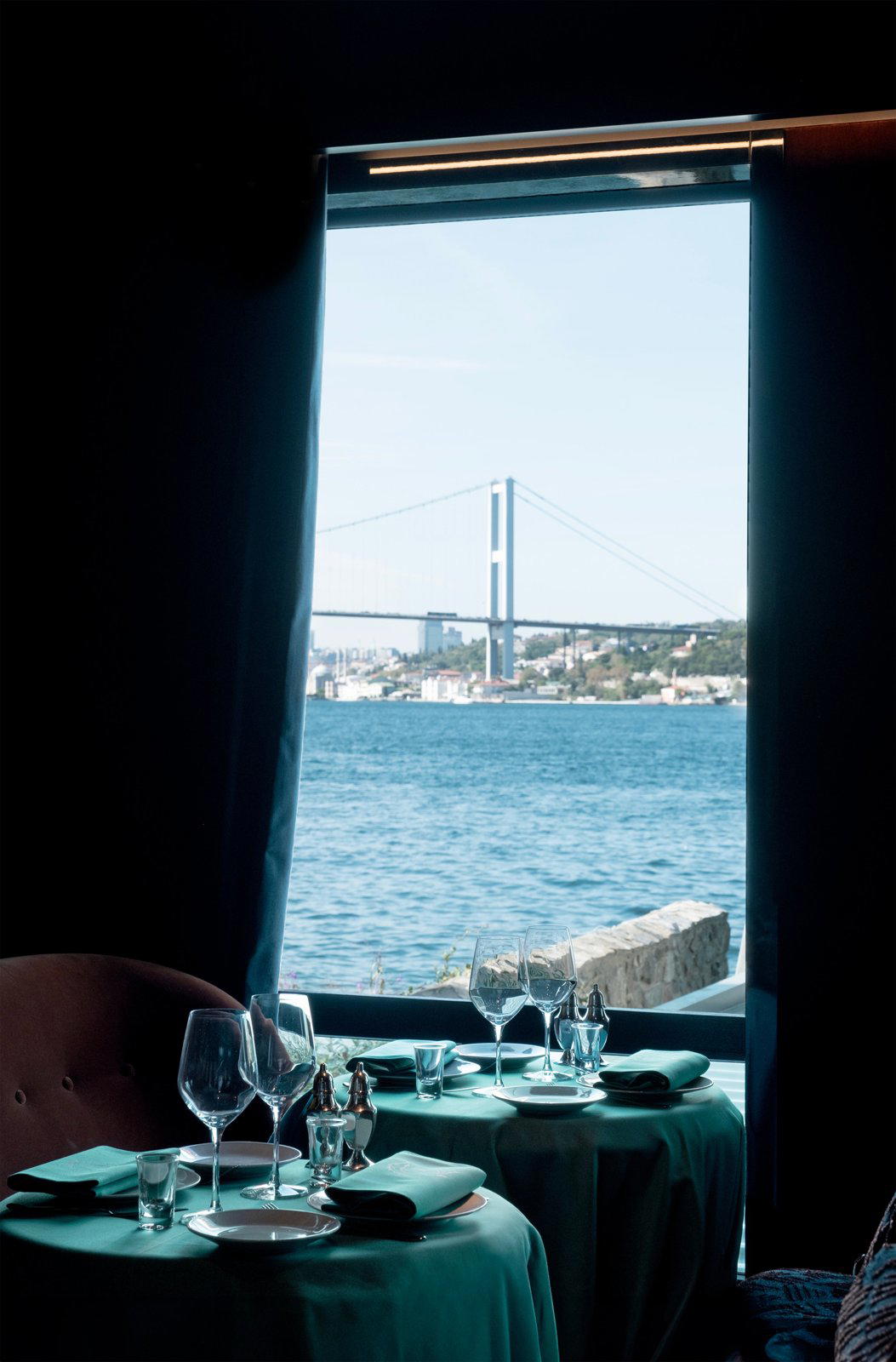
Caviar Kaspia brings a Paris-born caviar house vocabulary to Istanbul’s Asian-side Bosphorus dining circuit, placing luxury seafood ritual inside a city better known for meyhane tables, grill rooms, and water-facing terrace restaurants. The appeal is less about chasing local awards than reading the room: Çengelköy, Üsküdar, the strait, and a format built around ceremony rather than speed.

Pearl is the En Primeur Club membership app, where members save venues, book tables and use the concierge.
The menu
What to order
- Twice-baked potato topped with caviar
Approaching Caviar Kaspia in Istanbul changes the tempo of a meal before anything reaches the table. The city’s waterfront imagination is part of the wider mood, but the experience reads as composed Istanbul dining: measured, deliberate, and less performative than some of the city’s more spectacle-led dining strips. In that setting, Caviar Kaspia brings a different register to the city’s premium dining conversation, one built around caviar-house ritual rather than the familiar rhythm of long, social restaurant evenings.
Istanbul has long understood luxury through atmosphere, ceremony, and a sense of occasion. The city’s dining axis shapes where business lunches, family celebrations, and date-night restaurants cluster. A caviar-led address in Istanbul reads differently from a casual seafood room or a rooftop dining room. It borrows from the caviar-salon tradition, then places that language inside a city whose own food culture is shaped by layered hospitality and a social habit of lingering at the table.
Caviar culture meets Istanbul, not a hotel-lobby formula
The name matters because caviar carries its own etiquette. It changes the pace of dining: colder service temperatures, smaller gestures, sharper attention to texture, and a sense that restraint can read as luxury more effectively than abundance. Istanbul’s high-end restaurant scene often splits between spectacle-led venues, destination dining, and rooms that trade on setting as much as cooking. Caviar Kaspia sits in a narrower lane, where the cultural reference is the caviar house rather than a more typical local restaurant format.
That distinction is useful for choosing the meal. This is not where Istanbul’s broader dining culture does all of its heavy lifting; for that, a reader would compare the city’s wider restaurant map through our full Istanbul restaurants guide, from established local rooms to view-driven addresses and polished international formats. The point here is a more coded form of dining: international luxury signifiers filtered through Istanbul’s social dining culture.
There is a useful historical echo, too. Istanbul has always been a city of imported tastes, diplomatic tables, cosmopolitan habits, and formal service traditions. A caviar room does not need to pretend to be fully local to make sense here. It belongs to a different strand of the city’s dining identity, the one that absorbs foreign rituals and tests whether they can survive contact with Istanbul’s strong sense of place.
Why Istanbul changes the reading of the room
Location in Istanbul gives the experience its editorial weight. It is not simply a default stop between museums, shopping, and hotel bars; it asks for a more deliberate decision, and that matters. The meal becomes part of a considered Istanbul itinerary rather than an incidental booking. Readers building a wider city plan can pair that with our full Istanbul hotels guide, our full Istanbul bars guide, our full Istanbul wineries guide, or our full Istanbul experiences guide.
The competitive set is therefore not only other luxury restaurants. It includes Istanbul rooms that use setting, polish, and format as part of the meal. Vakko L'Atelier and Vakko Le Specialità speak to Istanbul’s appetite for polished international formats, while Novikov Istanbul represents the imported-brand end of the market. Waterfront Restaurant, by contrast, points back to the city’s long-standing habit of making atmosphere part of the meal. Caviar Kaspia is most interesting when read across those categories rather than as a standalone luxury label.
That same comparison helps separate it from restaurants built around a more regional or vernacular identity. Other dining in Istanbul may carry different historical threads or focus more directly on local produce, traditional recipes, or everyday hospitality. A caviar-house meal in Istanbul is a different proposition: less about decoding the full local canon, more about how the city absorbs prestige codes from elsewhere.
The right occasion is deliberate, not casual
The address suits a planned evening rather than an improvised meal. That is partly geography, partly category. Caviar-led dining tends to reward tables that are comfortable with ceremony, small portions, and a higher-spend frame, even when exact menu pricing is not part of the public conversation. The smarter expectation is not a sprawling local spread but a composed luxury format where the room, pacing, and product category do much of the work.
For visitors, the practical question is whether this belongs early or late in an Istanbul trip. It works better after the city’s core culinary reference points have been established: a relaxed local dinner, a fish meal, a serious city table, and a high-energy night for contrast. Then the caviar-house format becomes legible as part of Istanbul’s cosmopolitan layer rather than a substitute for local eating. Those extending the itinerary outside Istanbul can compare how specialist formats travel by looking at other cities generically, where imported culinary codes are also judged by how well they adapt to local dining habits.
The editorial verdict is simple: Caviar Kaspia is for readers interested in Istanbul’s luxury dining culture as a social language. It is not the place to decode the full range of local cooking, and it should not be used as a shortcut to the city’s restaurant scene. Its value lies in the contrast: a caviar-house idiom placed in Istanbul, with enough ceremony to slow the evening down and make the choice feel intentional.
Frequently asked questions
Is Caviar Kaspia okay with children?
Caviar Kaspia in Istanbul reads more like a room for composed dining than a casual family stop. For children, that setting suits a quiet, seated meal better than an unstructured outing.
How would you describe the vibe at Caviar Kaspia?
The mood is formal and deliberate, shaped by caviar-led service rather than a casual à la carte rhythm. Its Istanbul setting adds a polished sense of occasion.
Where is Caviar Kaspia located?
Caviar Kaspia is located in Istanbul.
Is Caviar Kaspia reservation-only?
Advance planning makes sense here, given the caviar-focused format and the Istanbul address. Reservation details are not published here. Check the venue's official channels for the latest details.
A Pricing-First Comparison
Side-by-side context: comparable cuisine and price.
| Venue | Cuisine | Price | Awards |
|---|---|---|---|
| Caviar Kaspia | Classic French Caviar Cuisine | $200–300 | Not listed |
| Vakko L'Atelier | French Patisserie & Bistrot | Not listed | Not listed |
| Vakko Le Specialità | Italian | Not listed | Not listed |
| Karpi Trabzon Pidesi Ve Akçaabat Köftesi | Authentic Trabzon Pide & Akçaabat Köfte | $10–20 | Not listed |
| Novikov Istanbul | Modern Pan-Asian, Italian & Mediterranean Fusion | Not listed | Gault & Millau Türkiye 2 Toques |
Recognition history
Dated appearances from independent guides and award organizations, with the underlying list record or original source where available.
Gault & Millau Türkiye 1 Toque
Gault & Millau · Gault & Millau Türkiye 2026 - 1 Toque
Continue exploring
More in Istanbul
Restaurants in Istanbul
All restaurants in Istanbul →
Bars in Istanbul
All bars in Istanbul →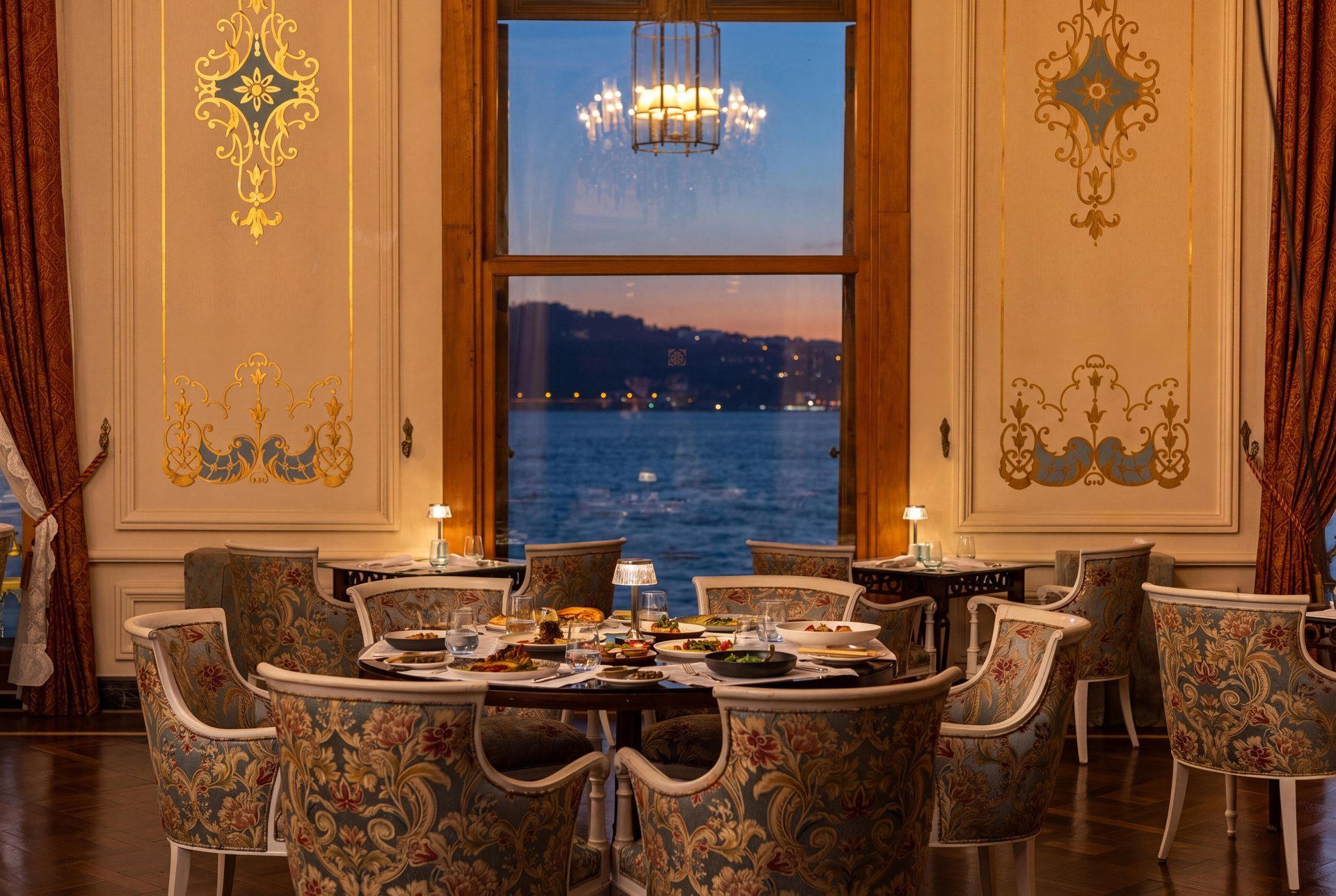
Details
- Elegant
- Sophisticated
- Ornate
- Scenic
- Classic
- Date Night
- Business Dinner
- Celebration
- Special Occasion
- Group Dining
- Waterfront
- Live Music
- Design Destination
- Hotel Restaurant
- Standalone
- Craft Cocktails
- Waterfront
- A La Carte
- Craft Cocktails
- Pescatarian Friendly
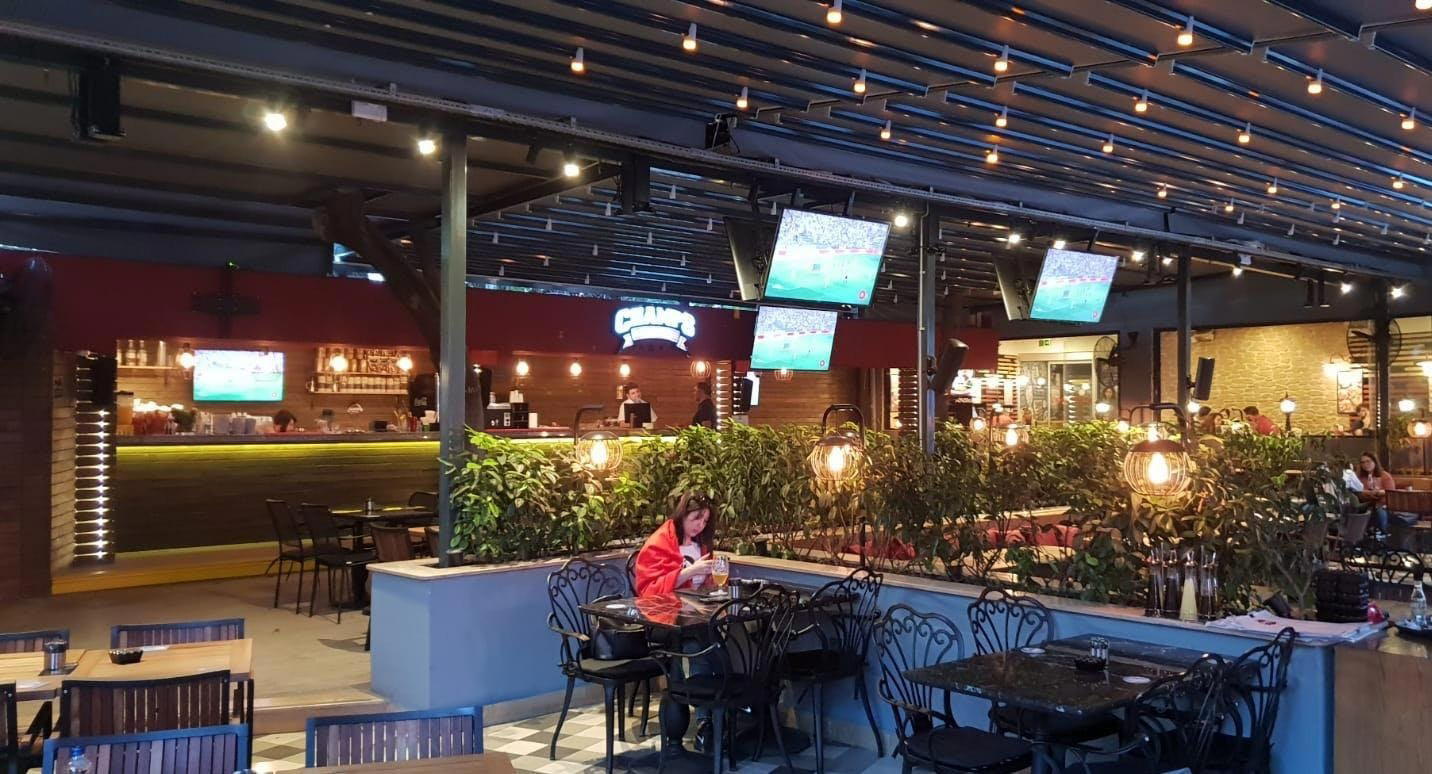
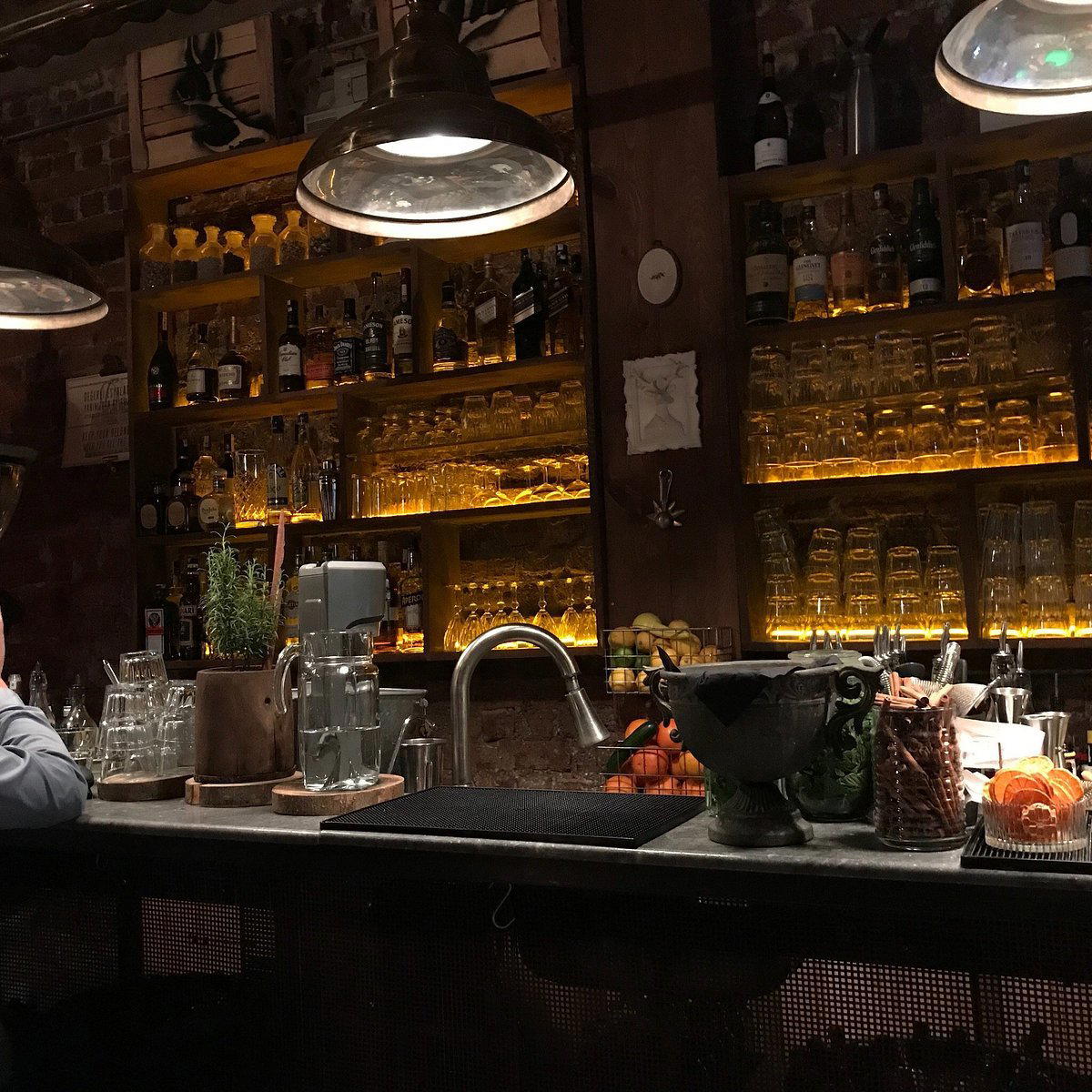
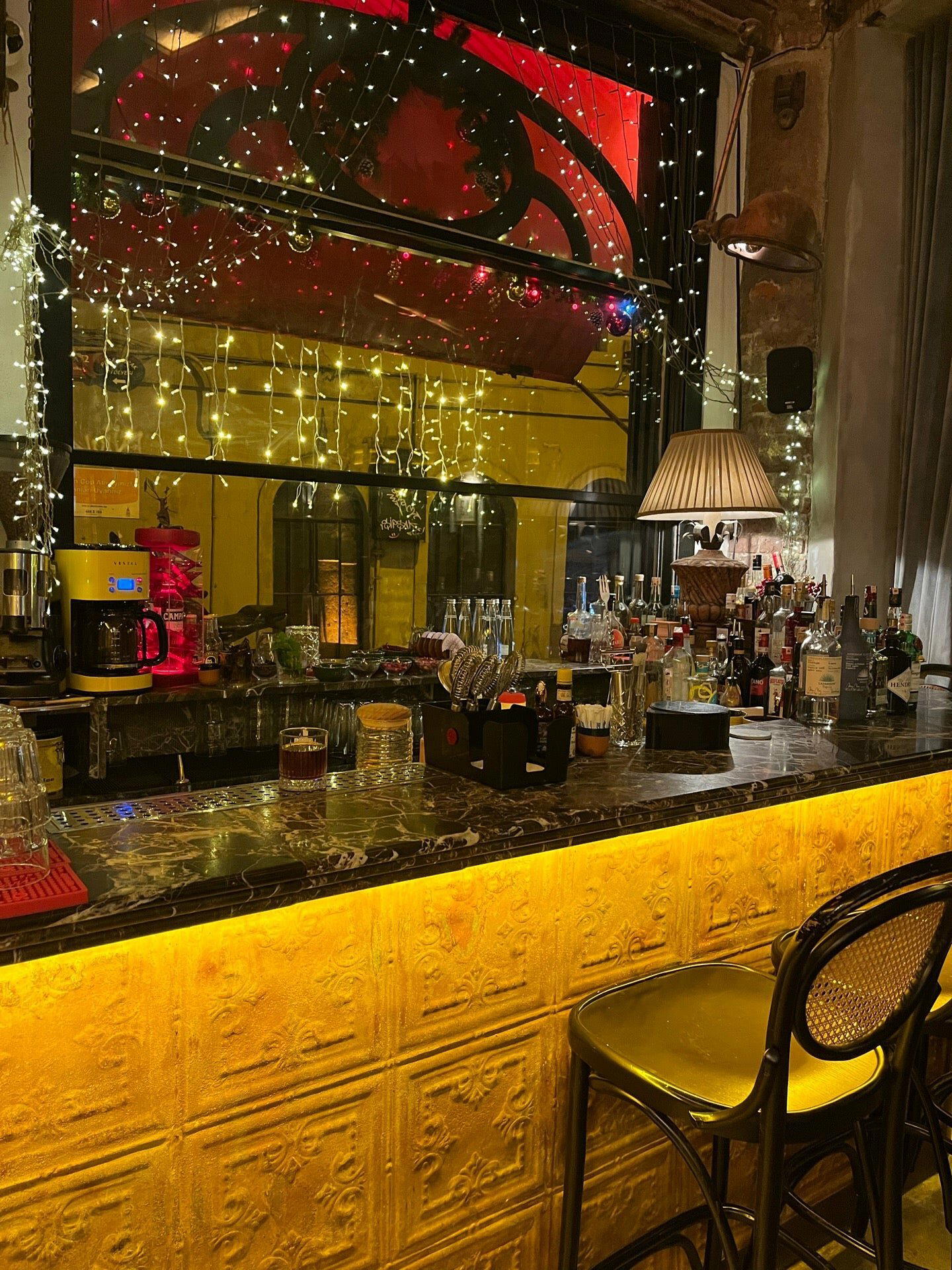
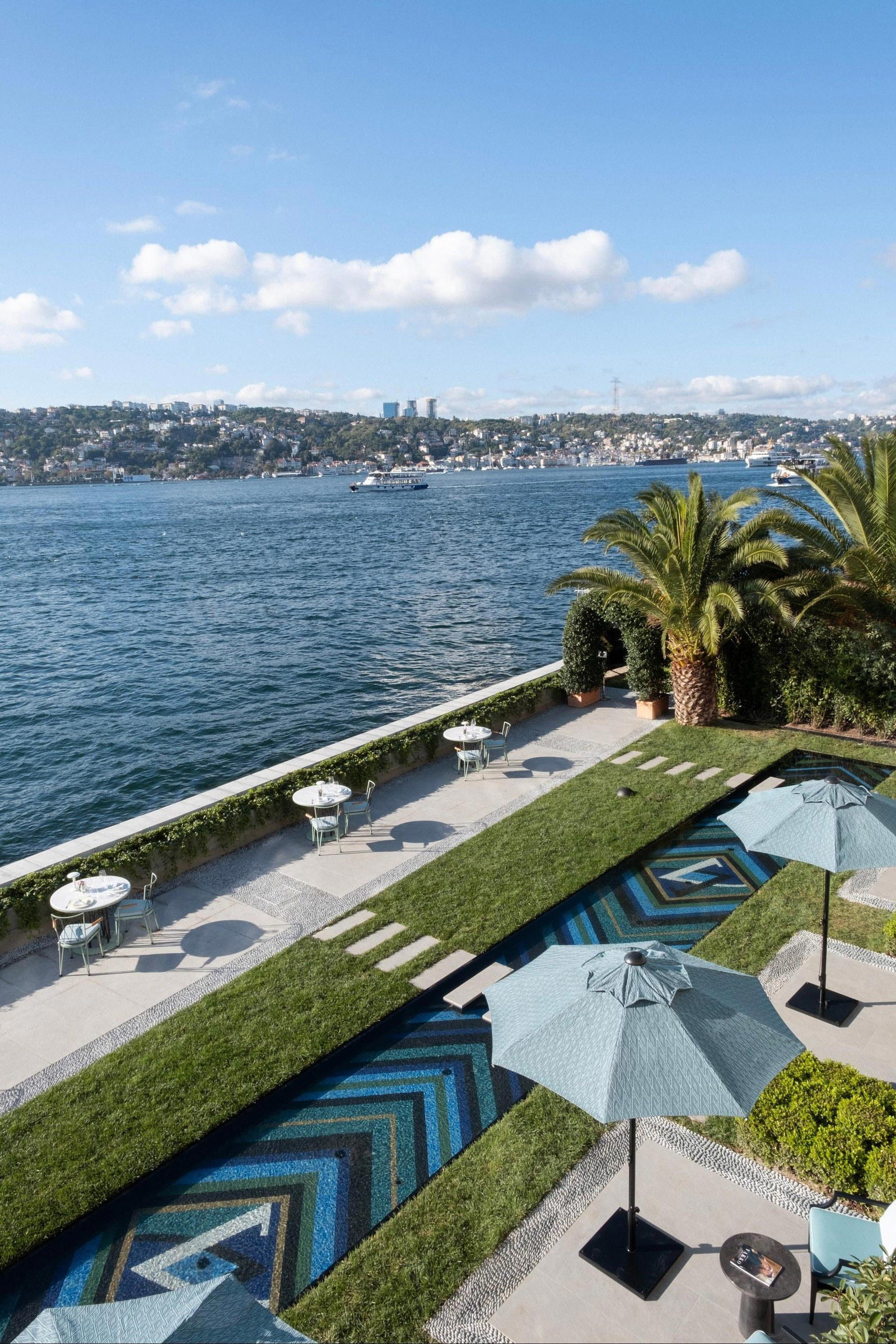
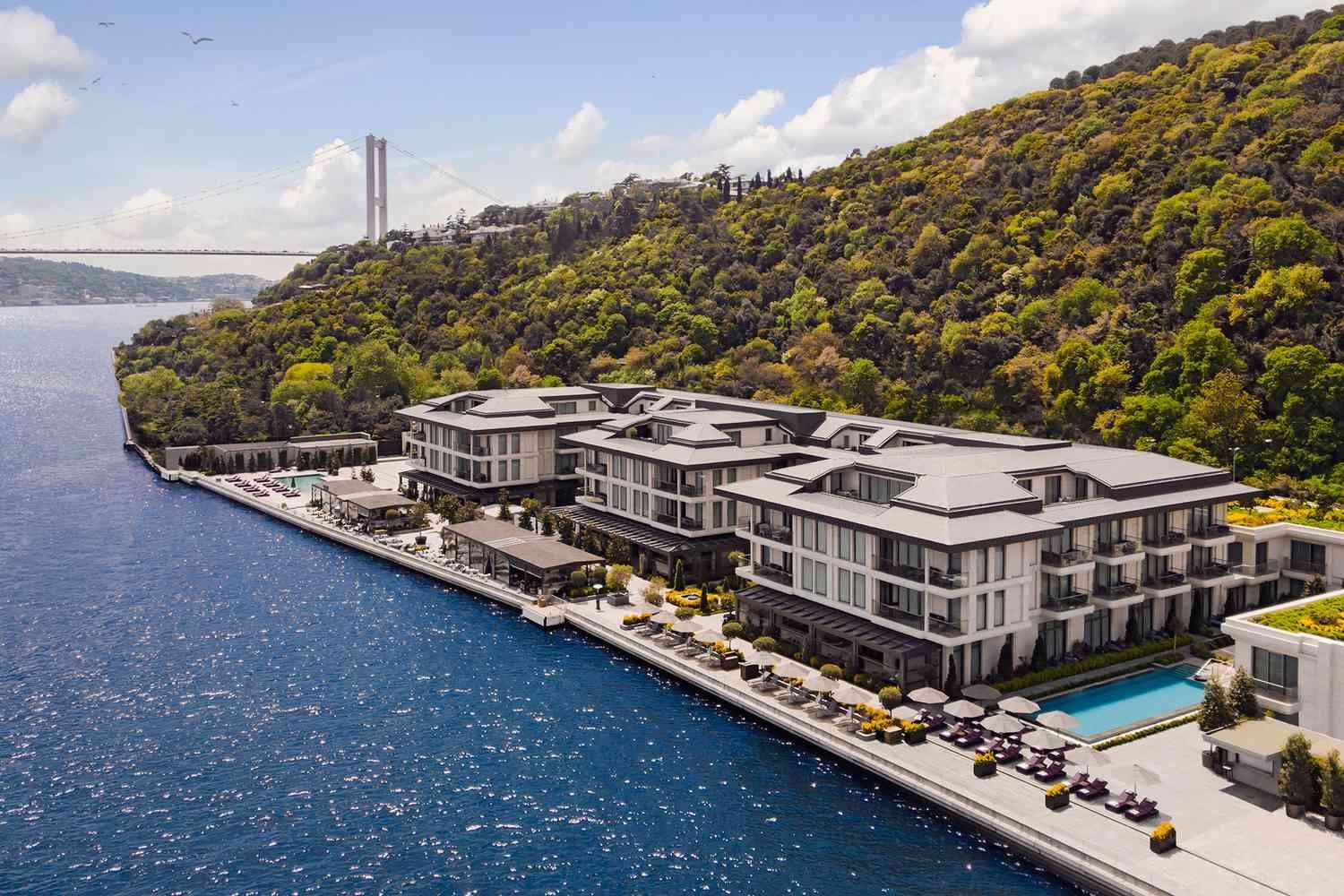
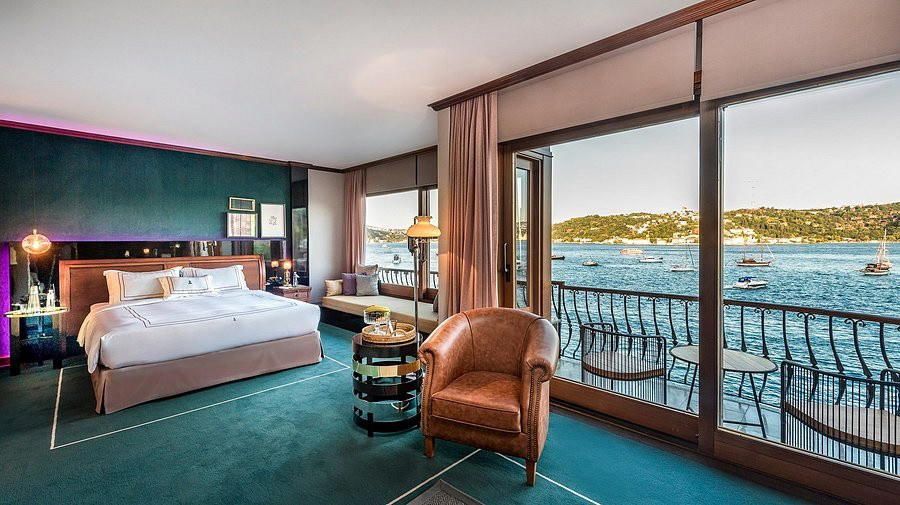
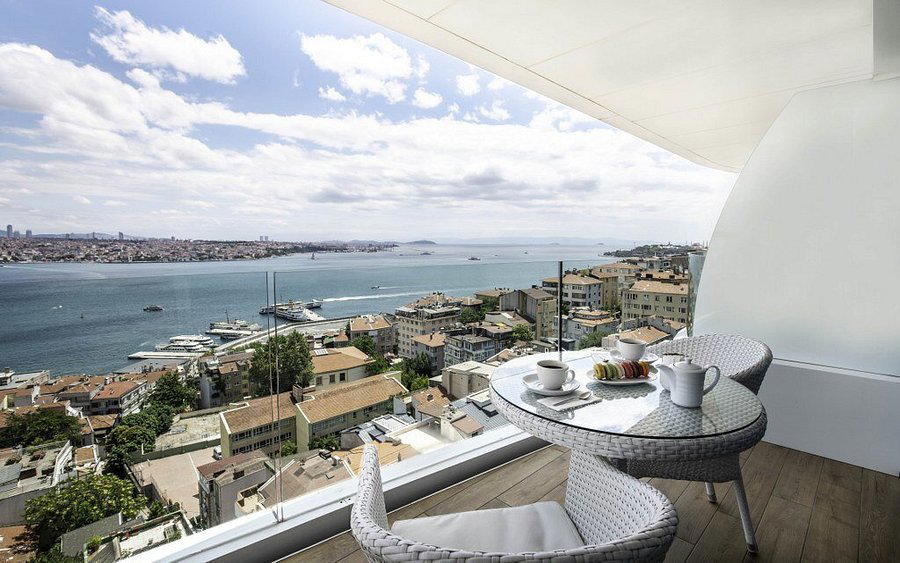
Captivating and transportive, with refined décor, a luxury hotel setting, and a glamorous atmosphere animated by music and waterfront views.