Caléa by Gerardo Metta fits the Heraklion dining conversation through a Cretan lens: coastal produce, island agriculture, and the sharper expectations now attached to resort-adjacent restaurants. The useful way to read it is not as a standalone address, but as part of a broader move toward ingredient-led cooking around Heraklion, where seafood, olive oil, herbs, and seasonal vegetables carry the argument.
Pearl is the En Primeur Club membership app — saves, bookings, and concierge access live there. Same editors, same standards.
- Address
- Μονοναύτης 715 00, Greece
- Directions
- Get directions
 Saves & bookings on Pearl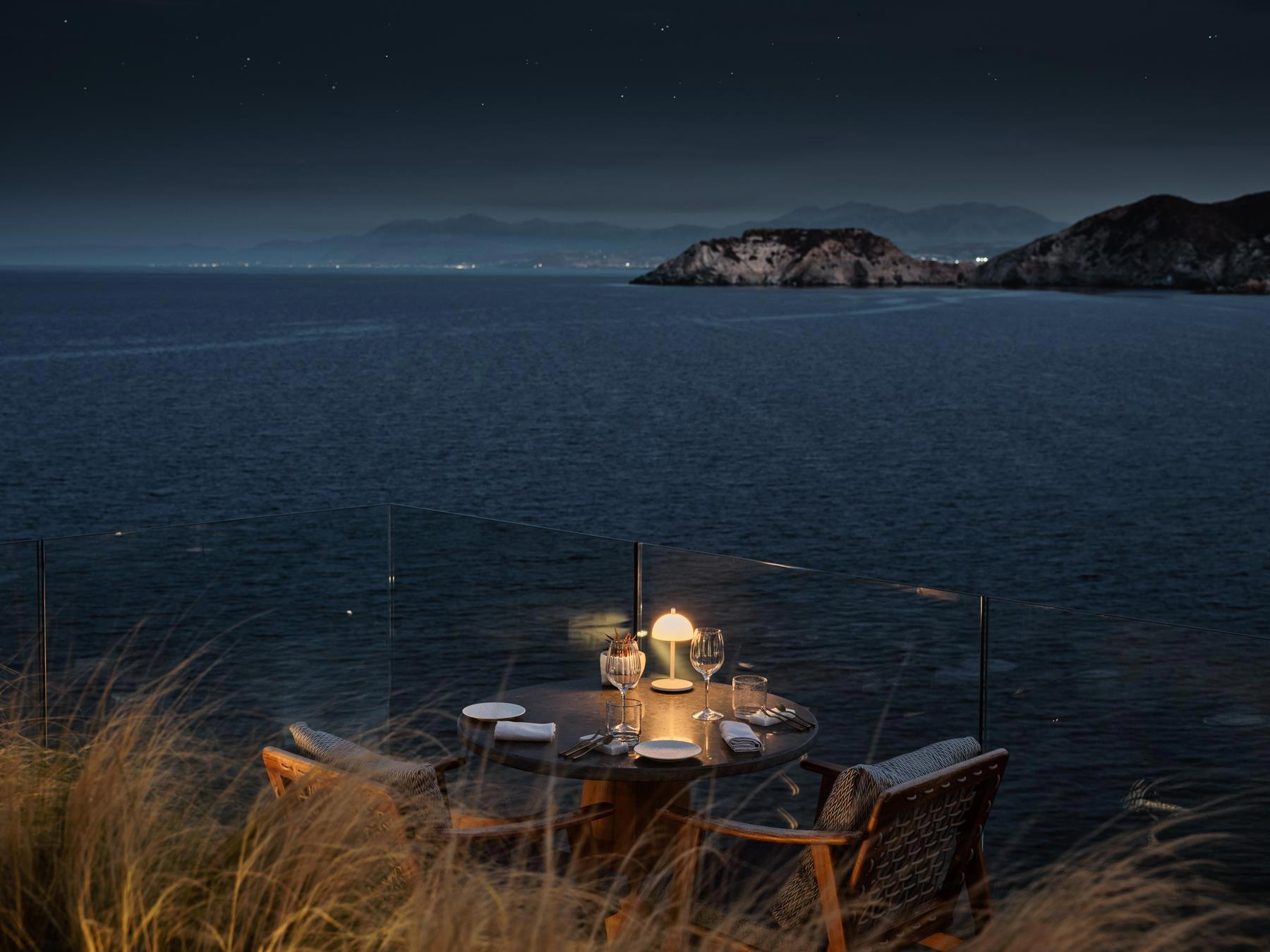
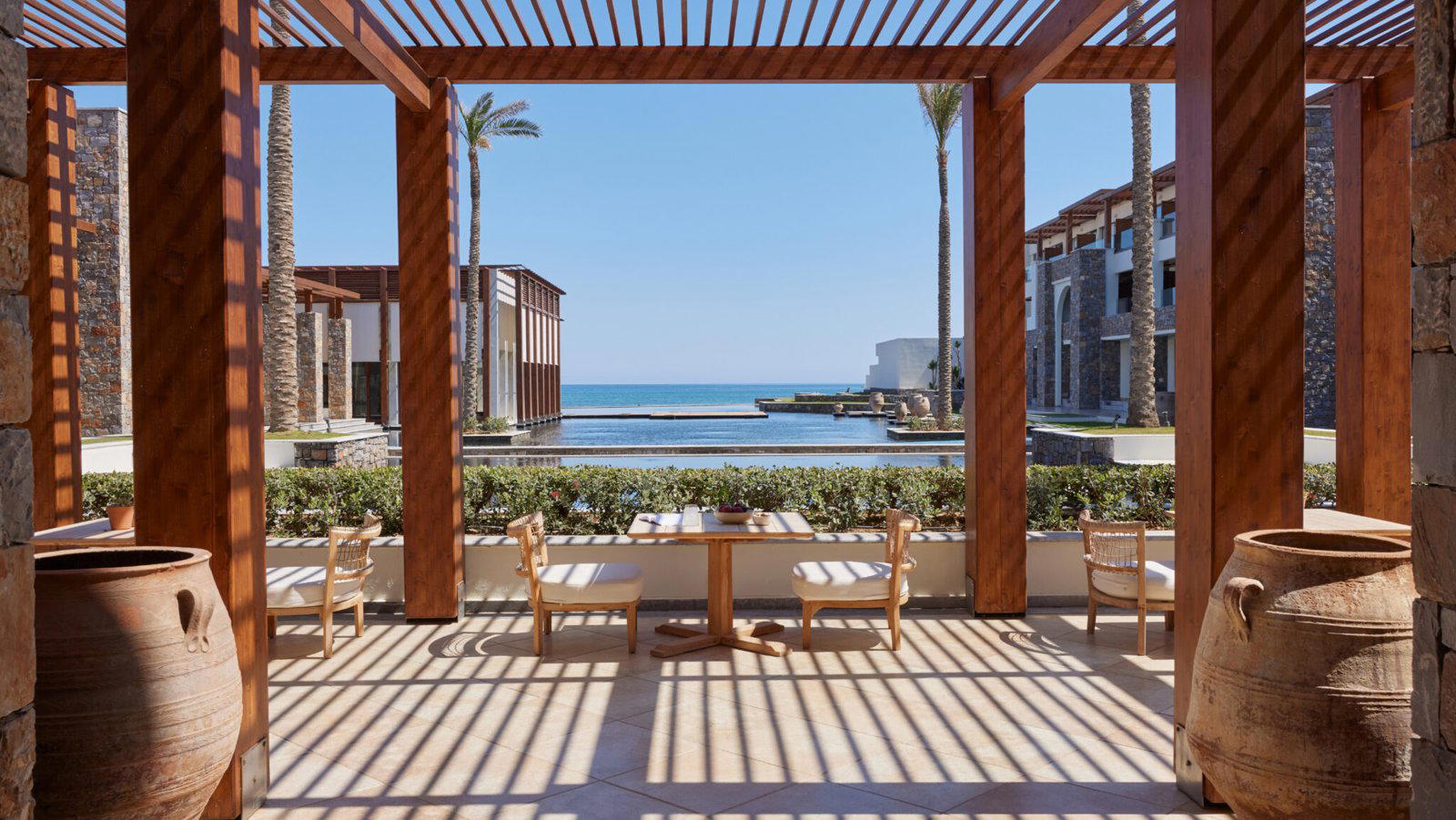
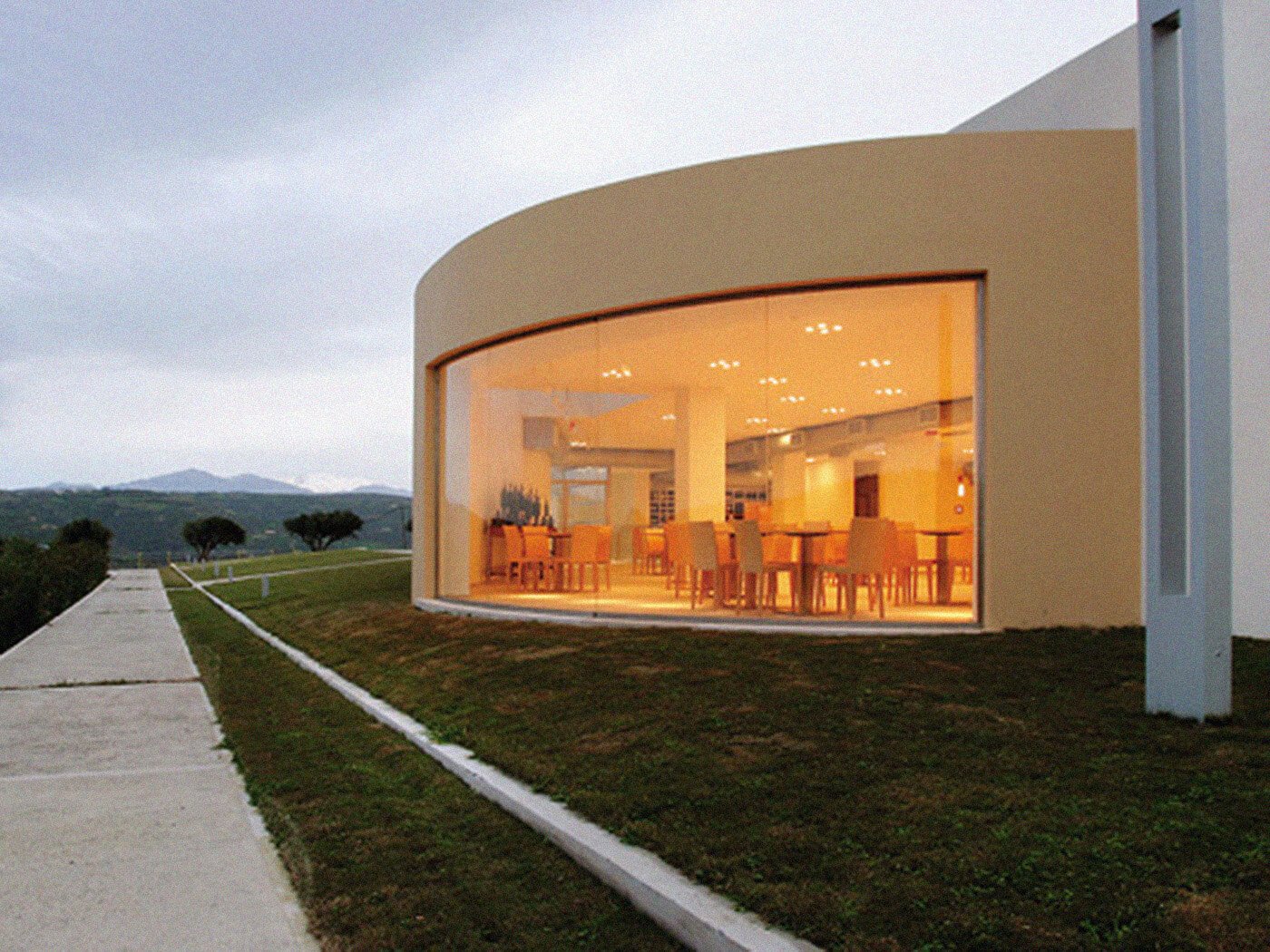
Approaching Heraklion, the tone changes before dinner: the city’s hard edges give way to sea air, resort roads, pale rock, and the slower rhythm of the Cretan coast. Caléa by Gerardo Metta belongs to the Heraklion orbit where dining is shaped by setting as much as technique. The question is not only what reaches the table, but how convincingly the kitchen translates the place into a meal that feels anchored rather than decorative.
Visitors often read Heraklion too narrowly: a gateway to archaeological sites, beach hotels, and quick meals before the next ferry or flight. Its stronger dining identity sits between two traditions: the everyday local table and a newer destination tier using the language of polished service, authored menus, and Mediterranean refinement. Caléa by Gerardo Metta sits in that second tier, where sourcing is the test. Without good produce, the format becomes theatre; with it, the island does much of the heavy lifting.
Crete's ingredients set the terms of the meal
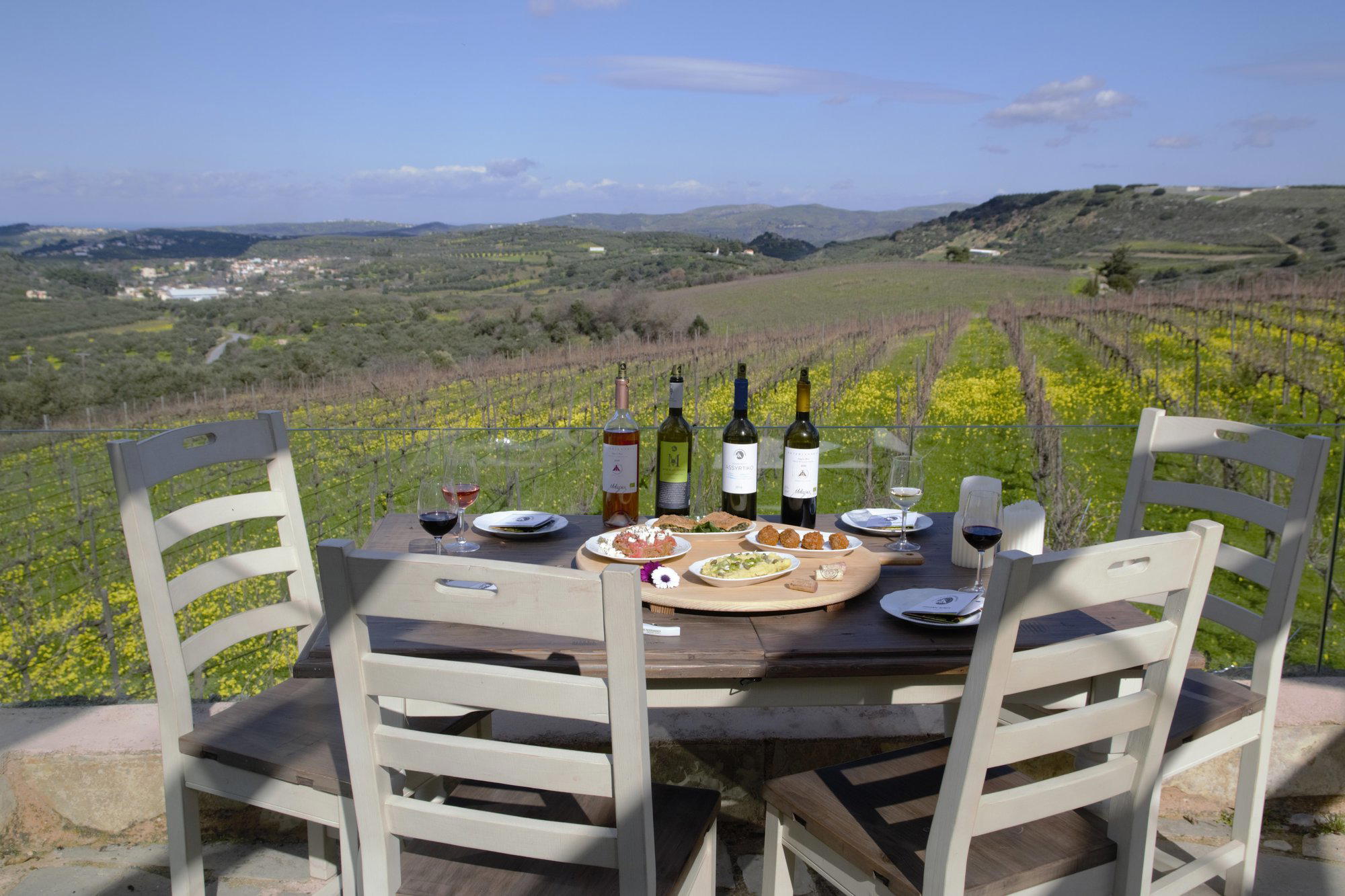
Cretan cooking needs little explanation. The island’s pantry is direct: greens, seasonal vegetables, herbs, cheeses, legumes, olive oil, and fish when the catch allows. In contemporary Heraklion dining, stronger kitchens resist treating these elements as rustic garnish and use them as structure. That frames Caléa by Gerardo Metta: its value lies in whether local produce speaks clearly while travellers still receive the polish expected from a destination restaurant.
This sourcing-led approach explains Heraklion’s dining modes. A city taverna builds trust through repetition, portion, and familiarity; a premium restaurant must justify a more composed format through precision and restraint. Nearby names such as Eleonas Restaurant, Minoan Cretan Taverna, Oceano Restaurant, and UMI Restaurant show the range: local cooking, seafood immediacy, and more contemporary formats all compete for the same traveller’s attention. Caléa by Gerardo Metta occupies a more composed lane, where the ingredient story must be legible without becoming a lecture.
The broader Greek comparison helps. Across the country, high-season dining often leans on views, service choreography, and international expectations. Crete has another advantage: its food culture depends less on imported glamour because farming, grazing, and fishing traditions remain central to daily life. That gives Heraklion restaurants a stronger base when they cook regionally. The risk is dilution, especially when menus chase generic Mediterranean style. The reward, when the kitchen stays close to the island, is a meal specific to place rather than merely coastal.
How it fits Heraklion's coastal dining tier
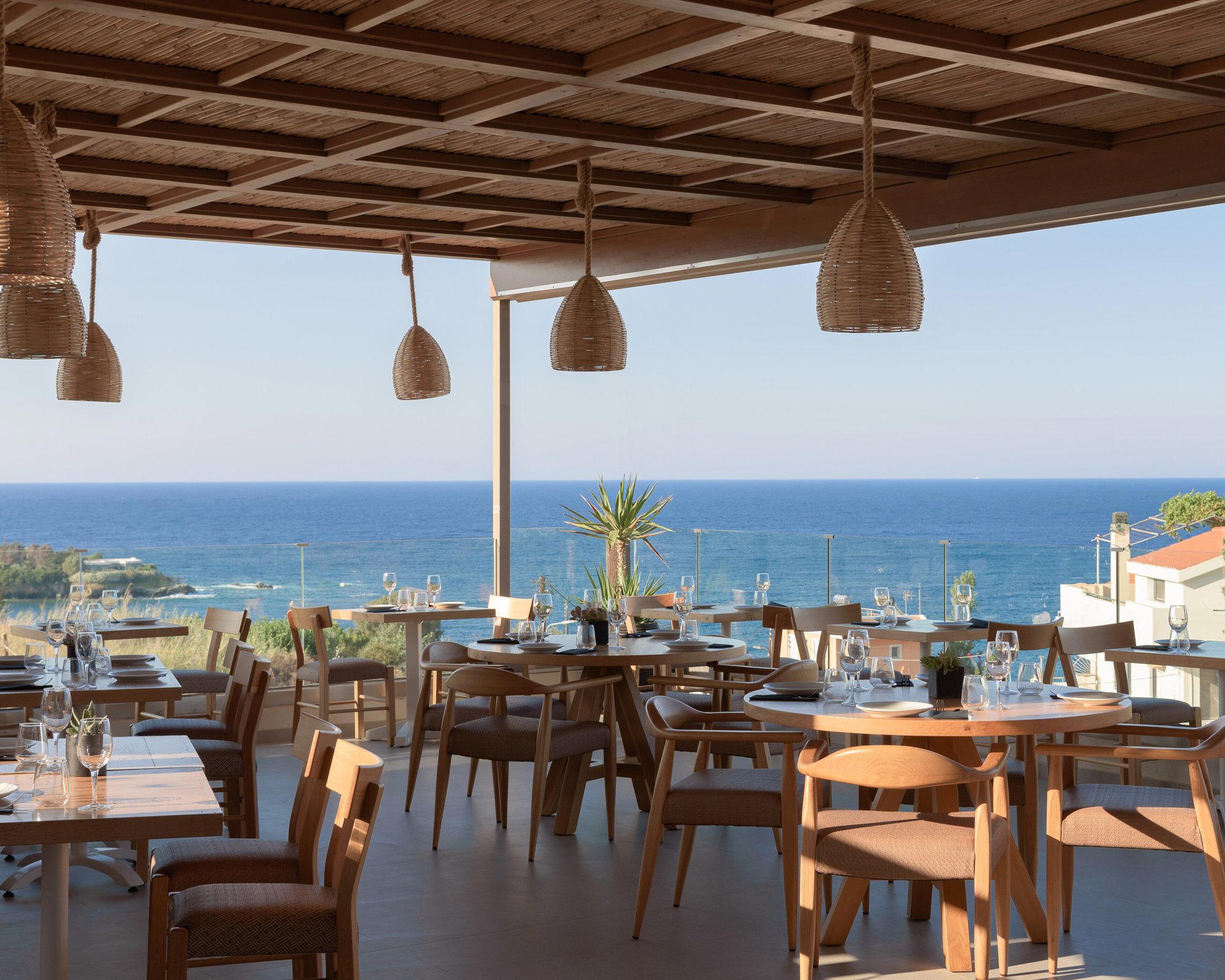
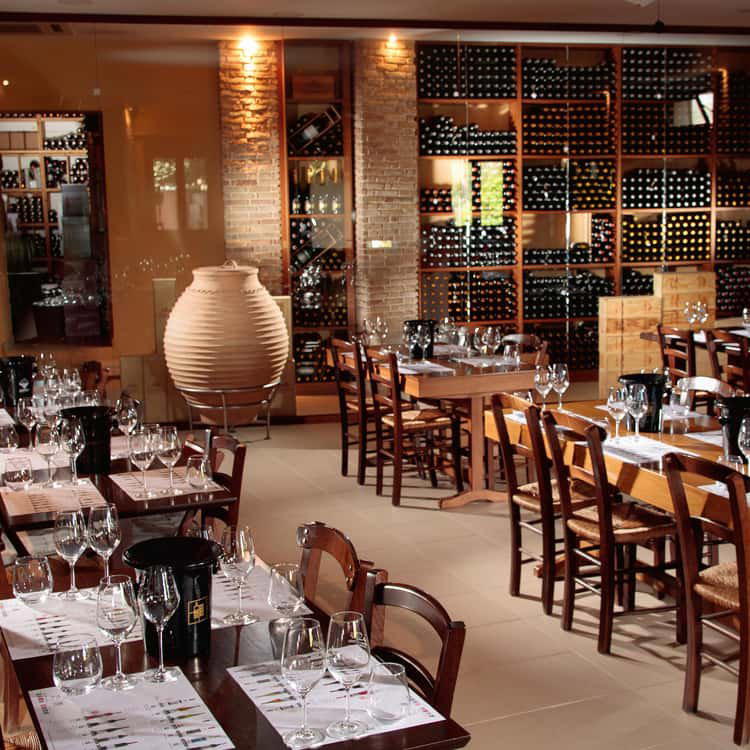
Caléa by Gerardo Metta is better understood beside Heraklion’s more polished restaurants than against the city’s most casual eating rooms. The Heraklion setting places it in a dining landscape where dinner becomes part of the evening’s architecture: arrival, sea light, slower pacing, and a menu polished enough for guests comparing Crete with other Greek island stays. In that context, discipline is the challenge. Premium dining can turn vague quickly; the stronger version keeps the island in focus through produce, olive oil, seafood, and the savoury register of Cretan herbs.
The competitive set around Heraklion is more varied than many visitors assume. Some restaurants speak to the resort-dining audience; others show how international formats have entered the local conversation; and the wider field rewards travellers who split meals between coastal addresses and urban tavernas. For that scan, Our full Heraklion restaurants guide is the more useful planning layer, especially when pairing a composed dinner with simpler lunches or seafood-led stops.
Timing matters in Crete. Summer brings the highest visitor pressure and confident seasonal produce, but also the risk of overextended service across tourist zones. Shoulder-season dining can be more revealing: fewer crowds, gentler weather, and kitchens less trapped by peak-demand speed. Heraklion is not only a seasonal resort town; the city and surrounding area retain enough year-round local life to make food feel connected to the island rather than staged for transit traffic.
Plan the meal around Heraklion, not just the table
The smartest Heraklion itinerary treats Caléa by Gerardo Metta as one part of a broader Cretan food circuit. Spend one meal on refined dining, another on a seafood restaurant, and another on a village or city taverna where simple local dishes explain the island with less ceremony. That contrast is the point. A polished dinner has more meaning after the traveller has seen how the same pantry works in everyday form.
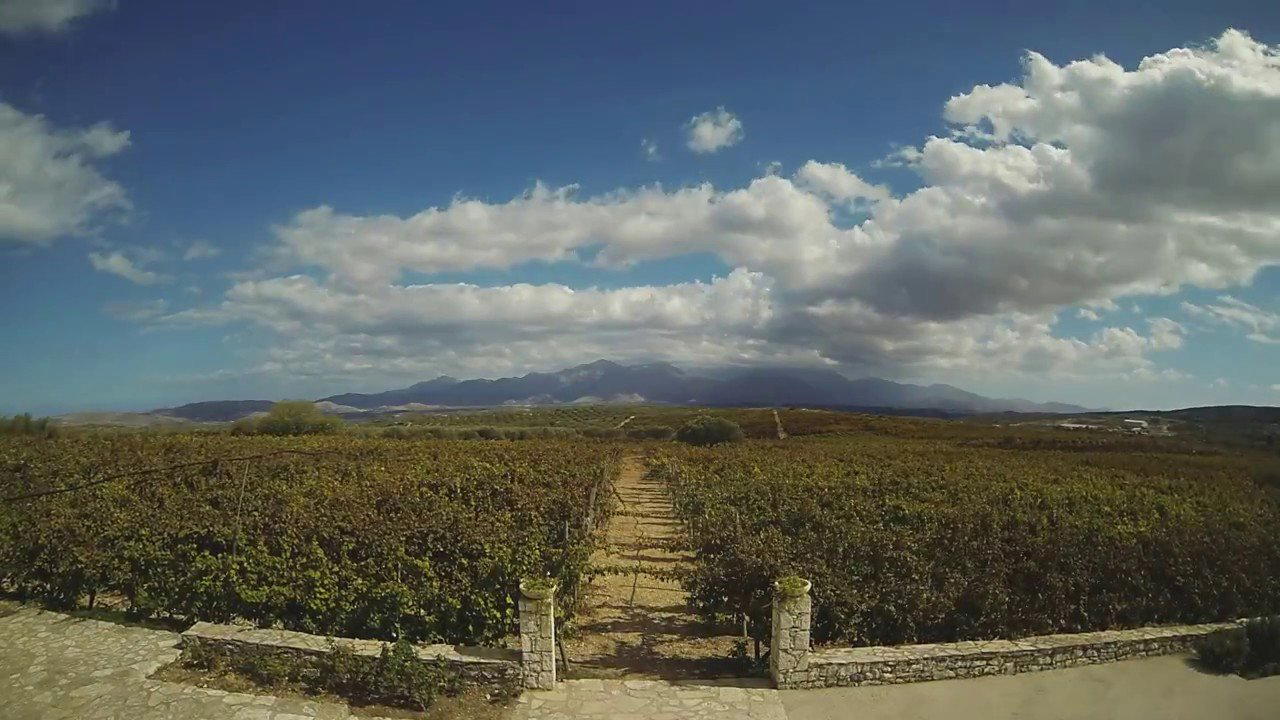
For a fuller trip, the restaurant should sit alongside the city’s hospitality map. Our full Heraklion hotels guide helps sort the coastal-versus-city decision; Our full Heraklion bars guide covers drinking after dinner; Our full Heraklion wineries guide is especially relevant because central Crete has serious wine country within reach; and Our full Heraklion experiences guide gives the cultural context that makes the meal land with more force.
Travellers comparing Greek dining beyond Crete can read the pattern across the country. Other dining rooms show how restaurants adapt local produce to different travel economies, while more tightly defined international formats underline the opposite model: a narrow concept rather than island Mediterranean sourcing. Caléa by Gerardo Metta makes sense by Crete’s own terms, where the meal begins with what the island can grow, press, age, catch, and season.
Continue exploring
More in Heraklion
Restaurants in Heraklion
Browse all →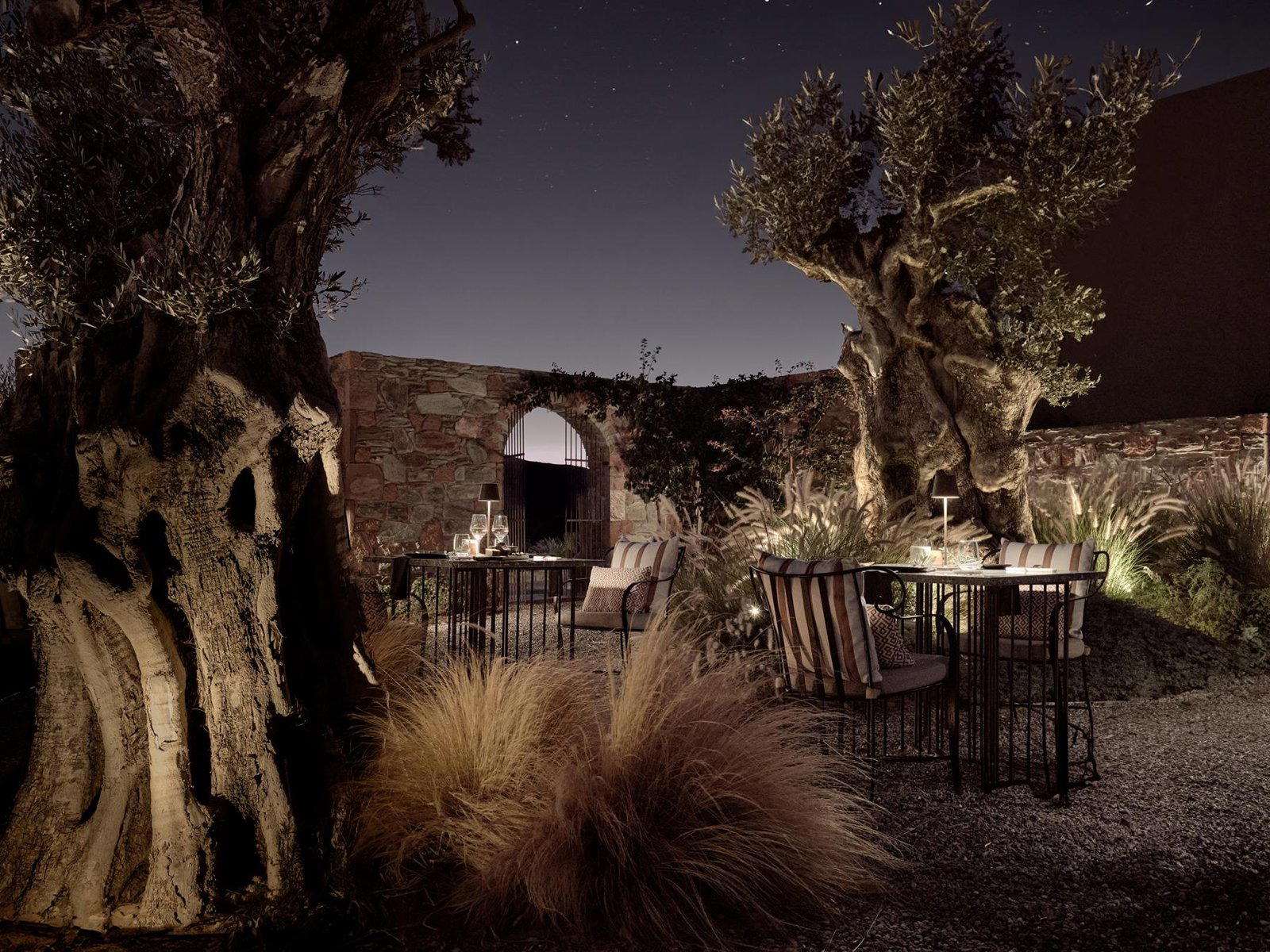
Bars in Heraklion
Browse all →
Hotels in Heraklion
Browse all →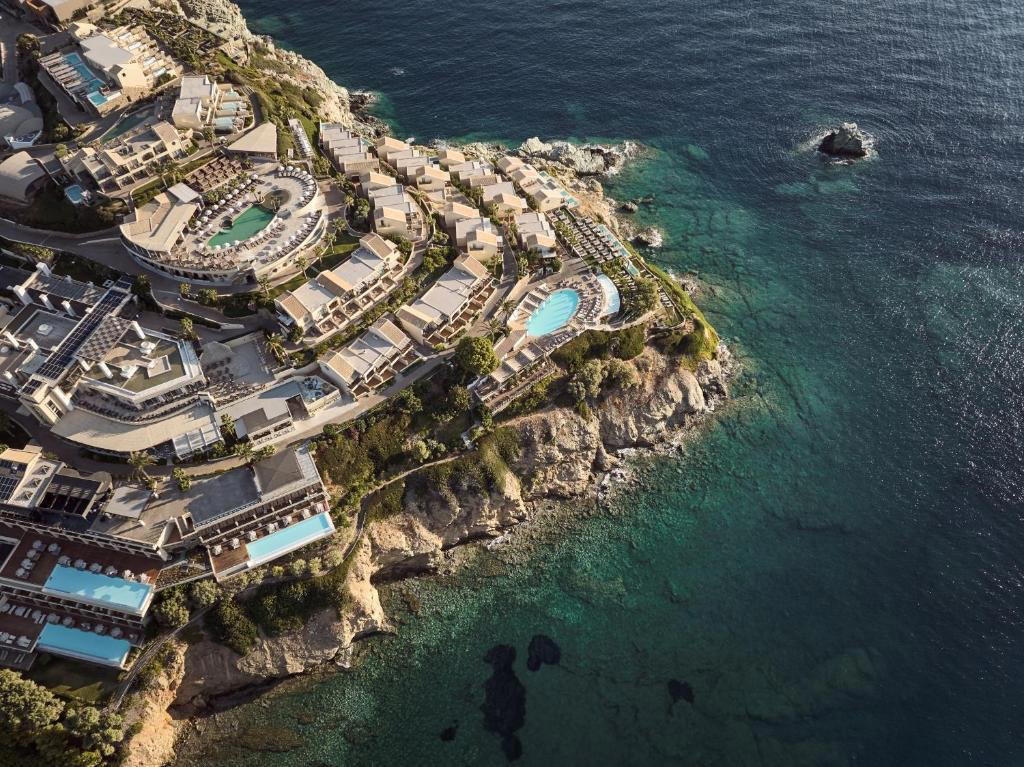

At a Glance
- Elegant
- Sophisticated
- Romantic
- Scenic
- Intimate
- Modern
- Date Night
- Special Occasion
- Celebration
- Hotel Restaurant
- Standalone
- Local Sourcing
- Waterfront
- Mountain
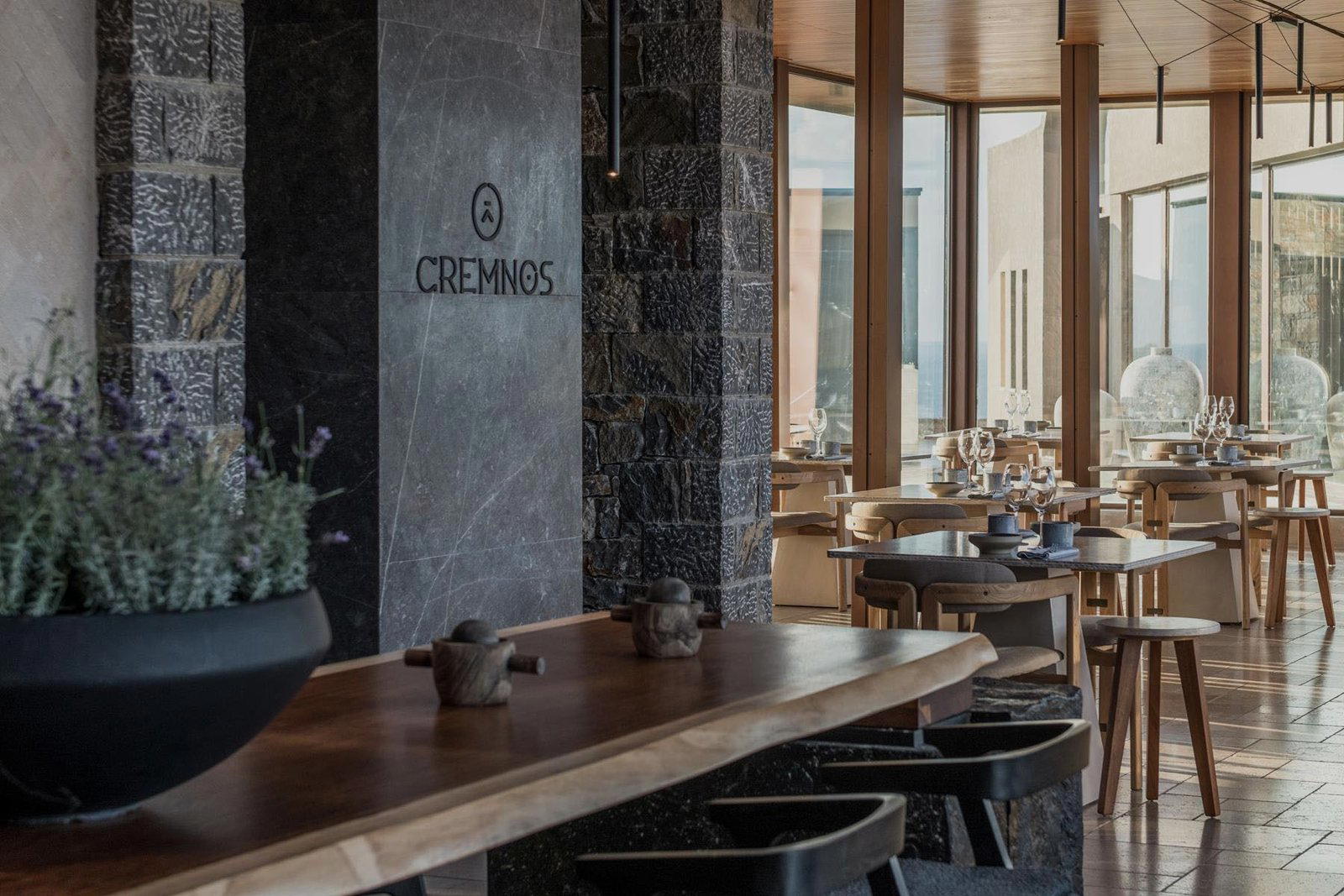
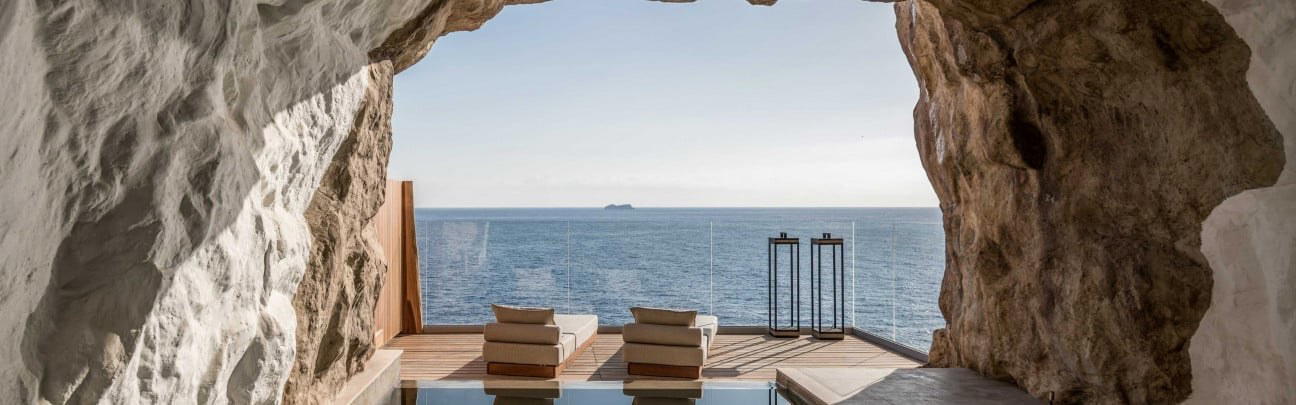
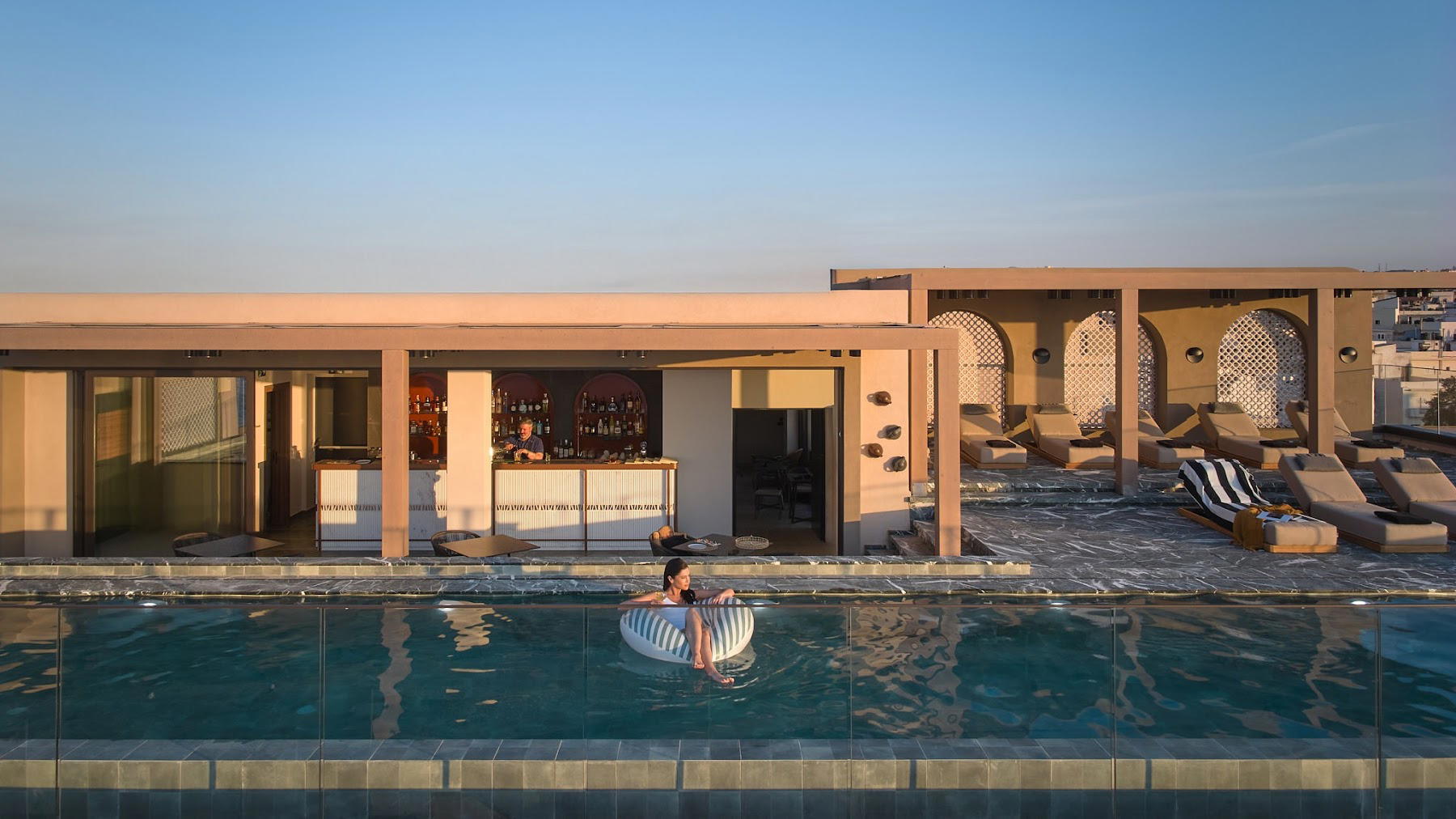
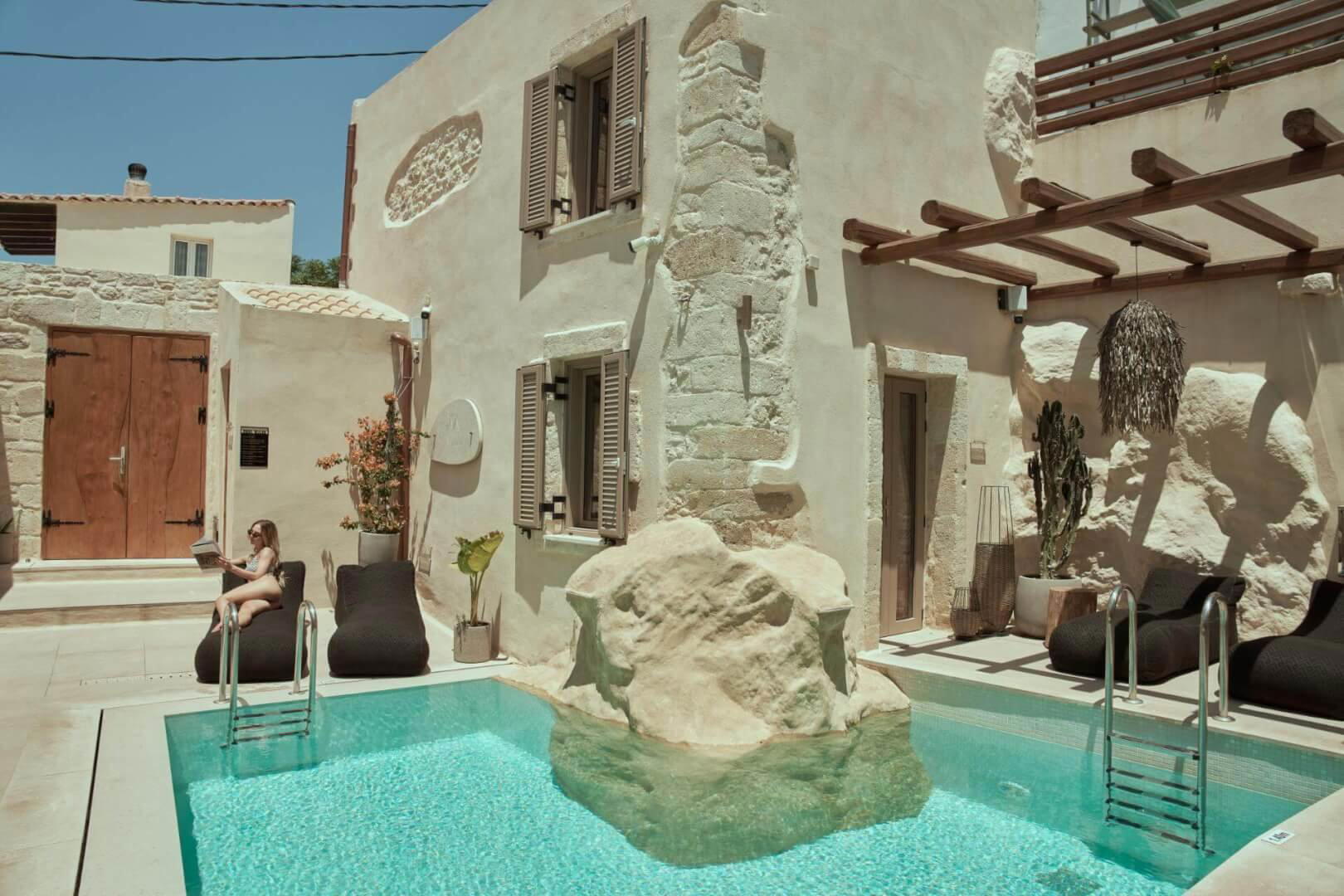
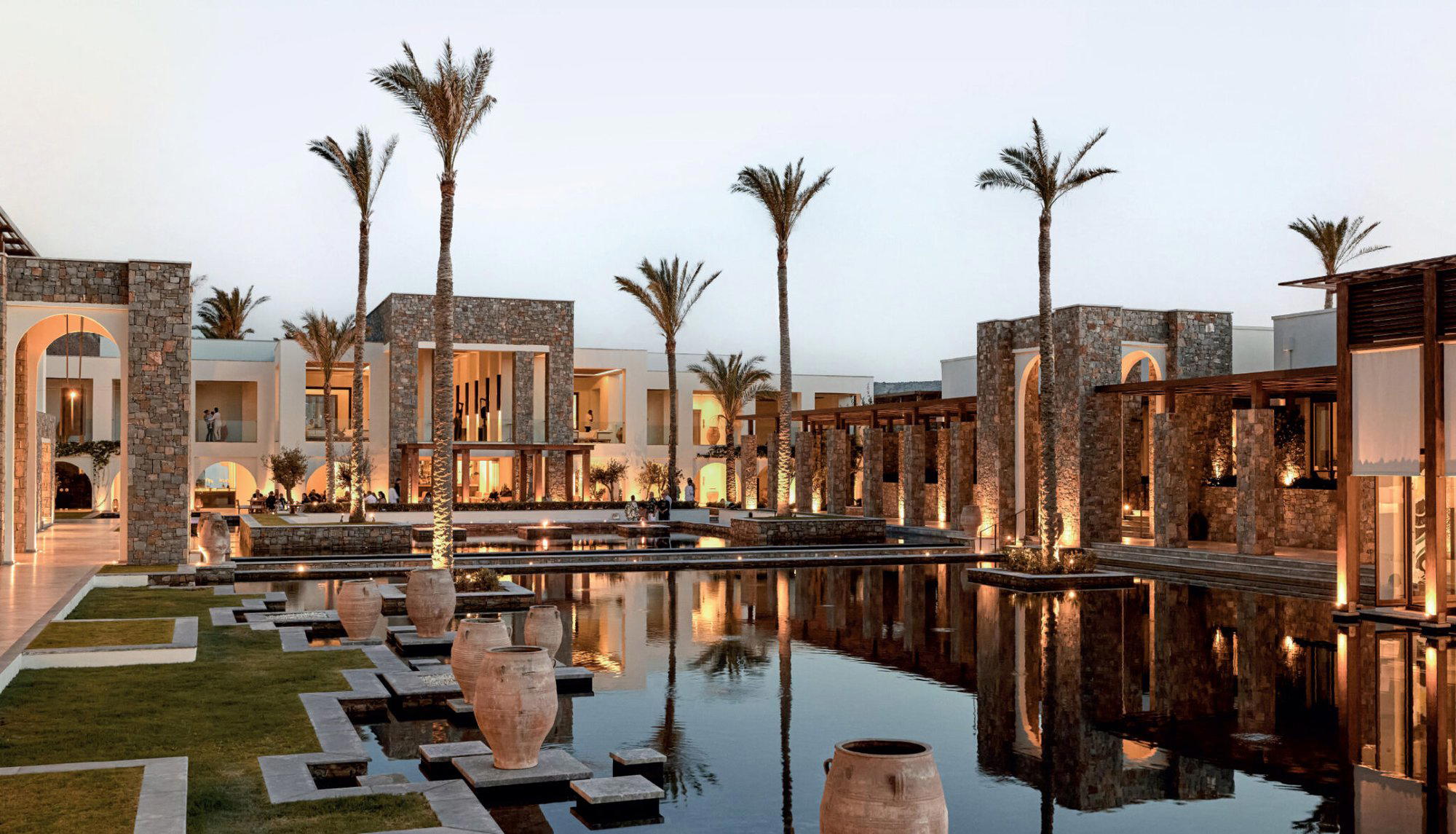
Refined and elegant, with a scenic cliffside atmosphere and a fine-dining feel.
Know Before You Go
- Reservations
- Recommended
- Dress code
- Business casual
- Getting there
- Μονοναύτης 715 00, Greece