Buddha Eyes
Our verdict
Buddha Eyes belongs to Santa Teresa’s small, road-and-surf dining circuit, where the stronger meals tend to come from proximity rather than ceremony: Pacific fish, tropical fruit, market vegetables, and kitchens built for travelers moving between beach days and late dinners. With no formal awards or chef-led tasting format attached, its value sits in the local rhythm rather than destination-restaurant theatre.

Pearl is the En Primeur Club membership app, where members save venues, book tables and use the concierge.
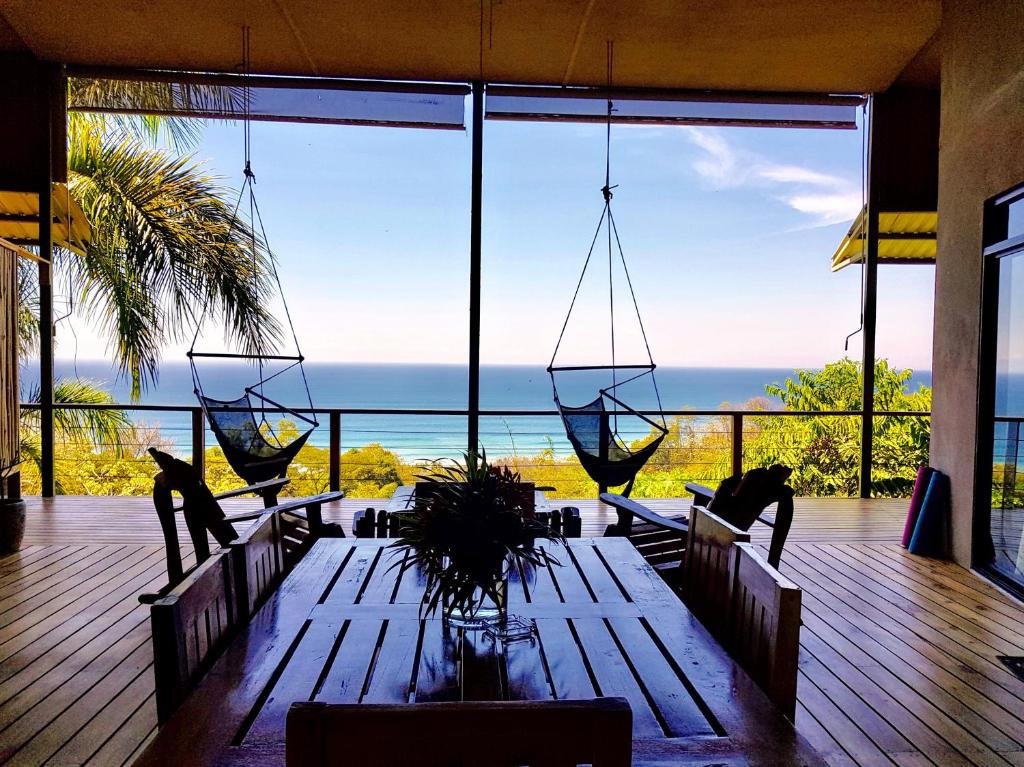
Puntarenas puts dining close to the raw materials that define Costa Rica’s Pacific coast: salt air, surf traffic, fruit stands, fishing supply runs, and the informal tempo of a beach region that has grown faster than its infrastructure. In this part of Costa Rica, the stronger restaurants are rarely about polished ceremony. They are about whether a kitchen understands heat, produce, timing, and the casual appetite of people arriving sandy, hungry, and unwilling to sit through a performance.
Buddha Eyes fits that setting more naturally than it does any formal restaurant category. The public-facing details are sparse, which matters: this is not a venue being sold through chef biography, tasting-menu architecture, or a published luxury price tier. The read is instead local and situational. Puntarenas rewards places that can work with what the coast gives them and with the produce and pantry items that move through regional supply channels. Ingredient sourcing here is less a slogan than a logistical fact, because long supply lines punish kitchens that try to cook as if they were somewhere else.
Puntarenas dining is shaped by supply, not ceremony
Puntarenas has a dining culture built around scarcity and abundance at the same time. The abundance is obvious: coastal ingredients, tropical fruit, herbs, and produce that can change the tone of a plate without much intervention. The scarcity is practical: roads, delivery schedules, seasonal tourism pressure, and the distance from larger wholesale networks. A restaurant in this zone earns credibility less through decorative language and more through restraint, because ingredients often arrive with enough character already.
That sourcing reality separates Puntarenas from more controlled resort dining elsewhere in Costa Rica. In some inland and city settings, restaurants can lean more structured, hotel-driven, or curated. Puntarenas is different. The coast pushes restaurants toward immediacy: fresh product, flexible service, and food that makes sense after heat, surf, and rough roads.
Within Puntarenas, that creates a useful comparison set. Koji's, Eat Street, and Manzu Restaurant are useful reference points for travelers mapping the area’s dining options, while other Puntarenas dining rooms add further context for the region’s coastal formats. Buddha Eyes belongs to the same wider map, but the editorial question is simpler: whether the kitchen suits the coastal setting rather than whether it performs fine-dining ambition.
The better read is local rhythm, not award-chasing
No Michelin, 50 Best, or comparable award signal is attached here, and that absence should be read plainly rather than dressed up. Puntarenas has restaurants that attract destination diners, but much of the region’s actual dining life runs on a different scale: informal rooms, beach traffic, visiting surfers, long-stay remote workers, and hotel guests moving between rentals and local roads. In that ecosystem, being rooted in Puntarenas can matter more than a résumé. Buddha Eyes sits inside the lived geography of coastal Puntarenas rather than the more controlled world of resort dining.
For ingredient-led eating, that can be an advantage when the kitchen keeps its ambitions aligned with place. Coastal Costa Rica does not need heavy imported luxury cues to feel serious. It needs ingredients handled cleanly, vegetables cooked with attention, fruit used with judgment, and seasoning that respects heat and humidity. The stronger Puntarenas meals tend to feel unforced for that reason. They are not trying to recreate a capital-city tasting room; they answer a coastal problem with coastal logic.
Travelers comparing the area should think in categories rather than rankings. For daytime ease, other Puntarenas dining rooms give a different read on the local scene. For a broader scan, Our full Puntarenas restaurants guide is the useful starting point, with parallel planning through Our full Puntarenas hotels guide, Our full Puntarenas bars guide, Our full Puntarenas wineries guide, and Our full Puntarenas experiences guide. The point is not to treat every venue as interchangeable, but to understand Puntarenas as a cluster of formats serving different parts of the same coastal day.
How to place it within Costa Rica's broader restaurant circuit
Buddha Eyes is easier to understand once it is set against Costa Rica’s wider geography of dining. Other coastal towns have their own wellness, surf, resort, and day-trip economies, each shaping how restaurants present themselves. Puntarenas, by contrast, can feel more frictional: less formal in places, more exposed to seasonality, and dependent on the daily movement of people who came for the coast before dinner.
That friction is part of the appeal when expectations are set correctly. This is not the page to look for a named chef, a defined tasting menu, a published price bracket, or a formal award trail. It is the page to file under coastal Puntarenas dining, ingredient proximity, and a Puntarenas setting that suits travelers building meals around the region rather than around ceremony. For readers tracking casual formats elsewhere, the comparison is useful mainly because it shows how much Puntarenas food culture is shaped by place, season, and supply.
Frequently asked questions
Is Buddha Eyes okay with children?
The Puntarenas setting points to a coastal, informal context rather than a formal dining room, which usually makes it workable for children. Puntarenas is more about local rhythm than ceremony, so the fit depends on the family’s timing and tolerance for a relaxed pace.
Is Buddha Eyes formal or casual?
Buddha Eyes reads as casual by location: it is in Puntarenas, not framed here as part of a formal hotel or tasting-room corridor. That makes it a better fit for relaxed coastal dining than for a dressed-up night out.
Where exactly is Buddha Eyes?
Buddha Eyes is located in Puntarenas.
Do they take walk-ins at Buddha Eyes?
The public record for Buddha Eyes in Puntarenas does not list a booking channel, so walk-in expectations should be treated as part of the experience. In Puntarenas, that can mean a more flexible rhythm than a reservation-driven city dining room. Check the venue's official channels for the latest details.
What's the defining dish or idea at Buddha Eyes?
The clearest idea is the place itself: Buddha Eyes is in Puntarenas, so it sits inside a coastal dining context rather than a chef-led format. That setting usually matters as much as any single plate.
Is Buddha Eyes allergy-friendly?
Nothing in the public record describes an allergy protocol for Buddha Eyes, so the safest read is to plan conservatively. The Puntarenas location is useful context, but allergy handling should be confirmed before dining. Check the venue's official channels for the latest details.
How It Stacks Up
Comparable venues by cuisine and price in the same metro.
| Venue | Cuisine | Price |
|---|---|---|
| Buddha EyesThis venue (the venue you are viewing) | Beachfront Asian–Costa Rican fusion | Not listed |
| Manzu Restaurant | Contemporary Costa Rican Seafood | $30–50 |
| Manzú Restaurant | Contemporary Costa Rican Seafood | $30–50 |
| Koji's | Japanese-Peruvian Fusion Sushi | $50–100 |
| Eat Street | Not listed | $10–20 |
| Manzú Restaurant | Contemporary Costa Rican Seafood | $30–50 |
Continue exploring
More in Puntarenas
Restaurants in Puntarenas
All restaurants in Puntarenas →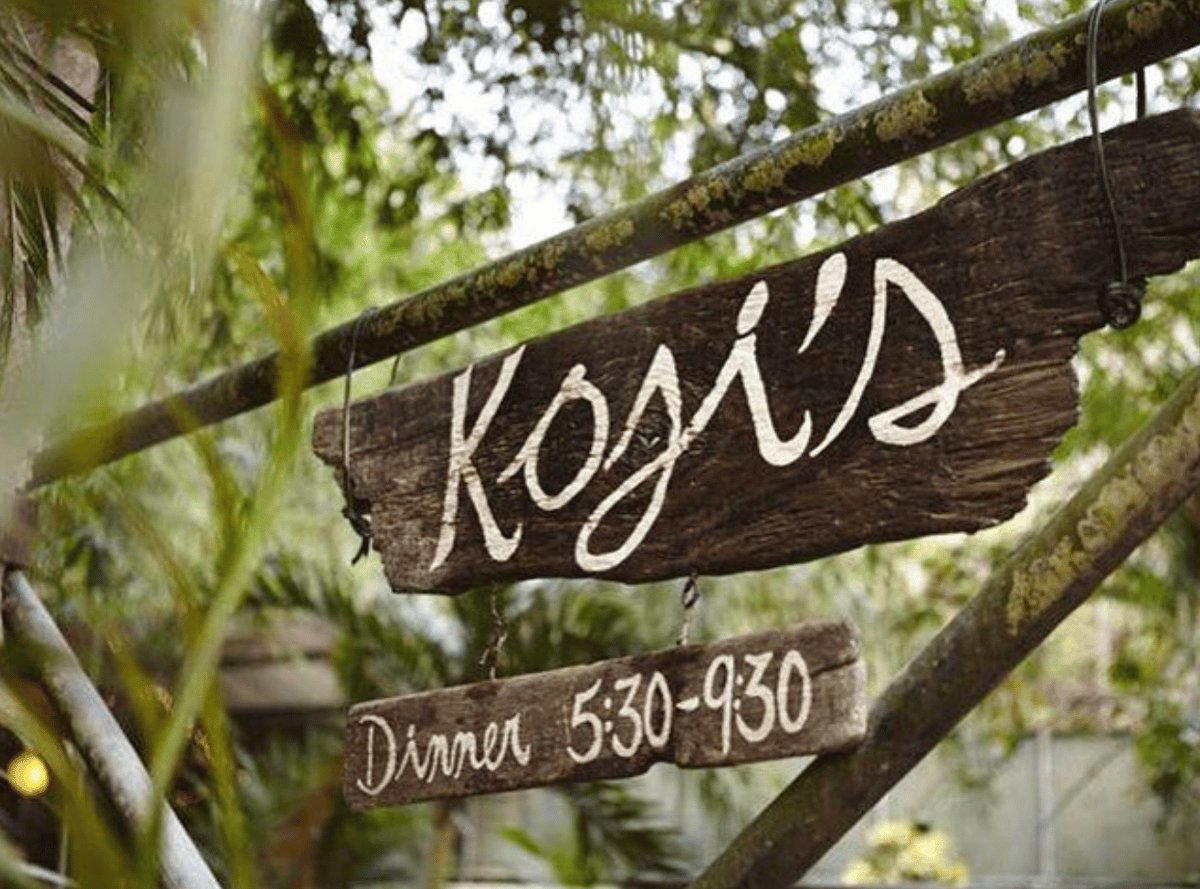
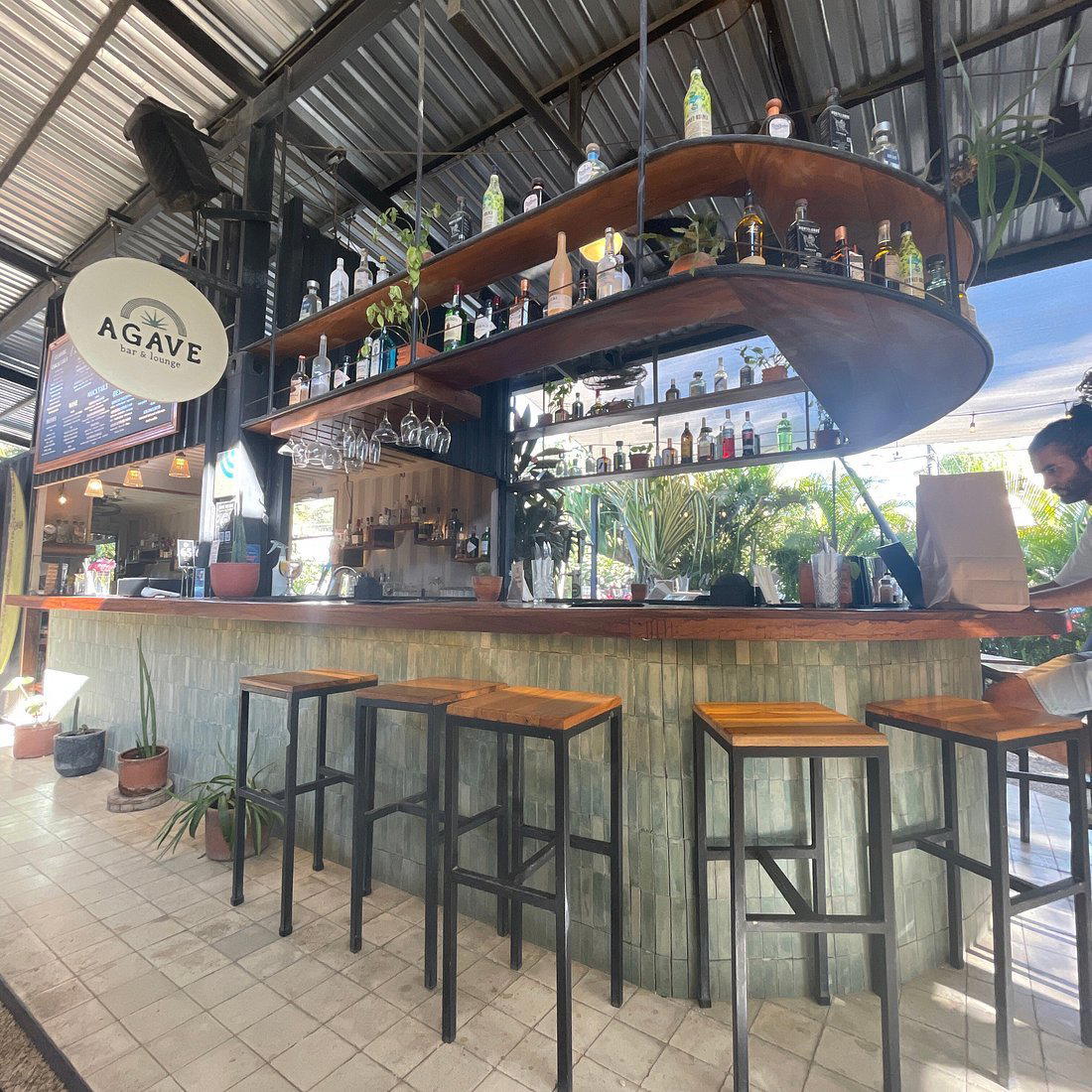
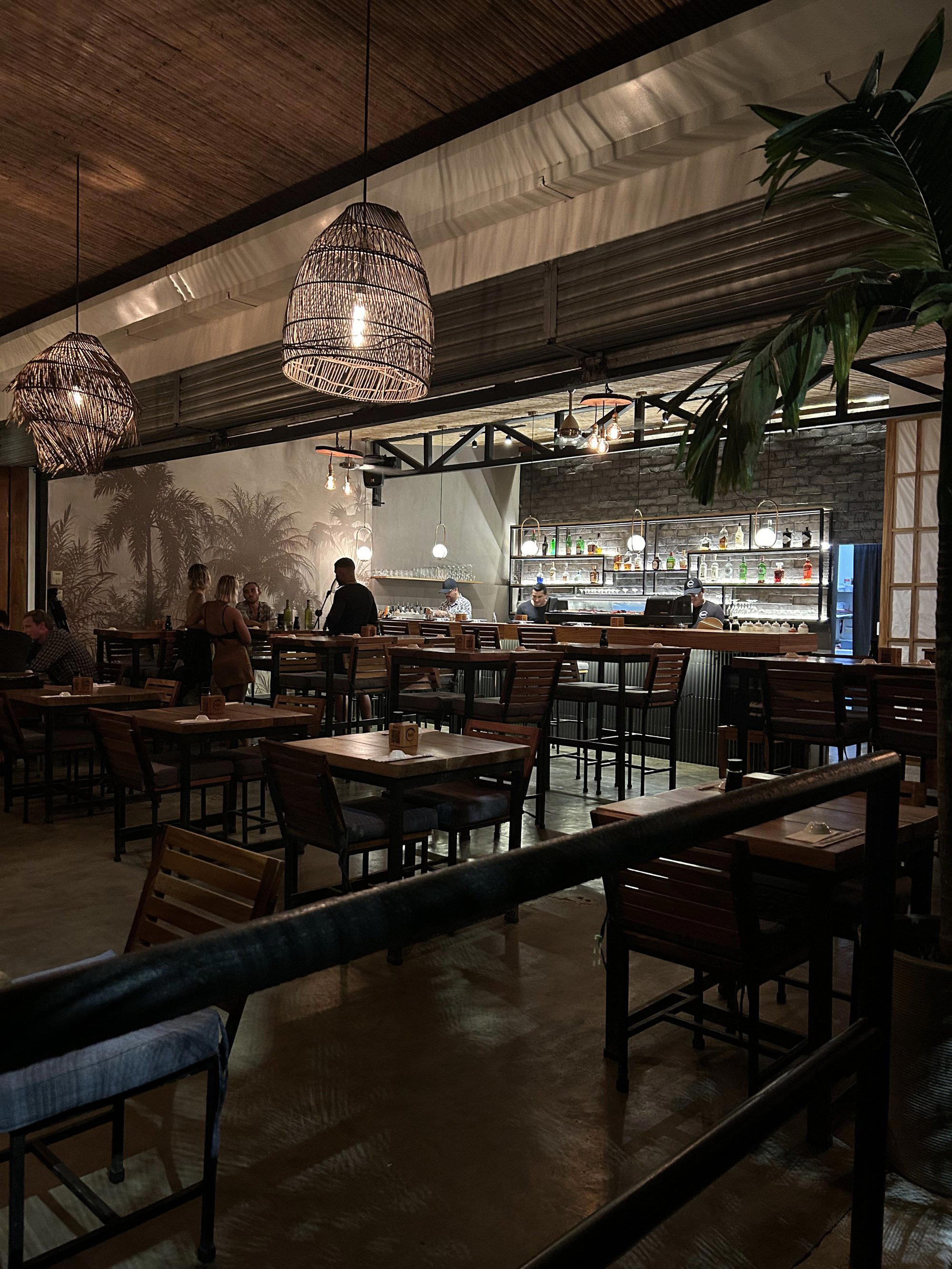
Bars in Puntarenas
All bars in Puntarenas →

Details
- Lively
- Scenic
- Bohemian
- Romantic
- Trendy
- Energetic
- Casual Hangout
- Date Night
- Group Dining
- Family
- Celebration
- Late Night
- Waterfront
- Live Music
- Hotel Restaurant
- Terrace
- Craft Cocktails
- Beer Program
- Local Sourcing
- Waterfront
- A La Carte
- Cocktails
- Beer
- Vegetarian Friendly
Current opening hours
- Monday
- 9 AM–8:30 PM
- Tuesday
- 9 AM–8:30 PM
- Wednesday
- 9 AM–11 PM
- Thursday
- 9 AM–8:30 PM
- Friday
- 9 AM–8:30 PM
- Saturday
- 9 AM–8:30 PM
- Sunday
- 9 AM–8:30 PM
Hours can change for holidays and private events. Hours as of .
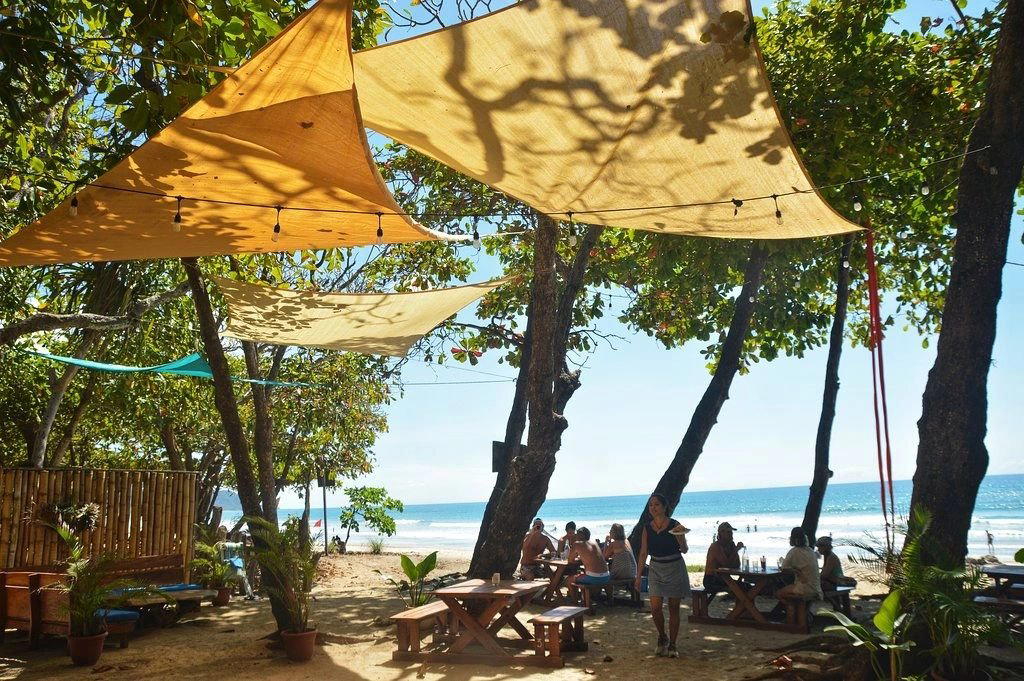
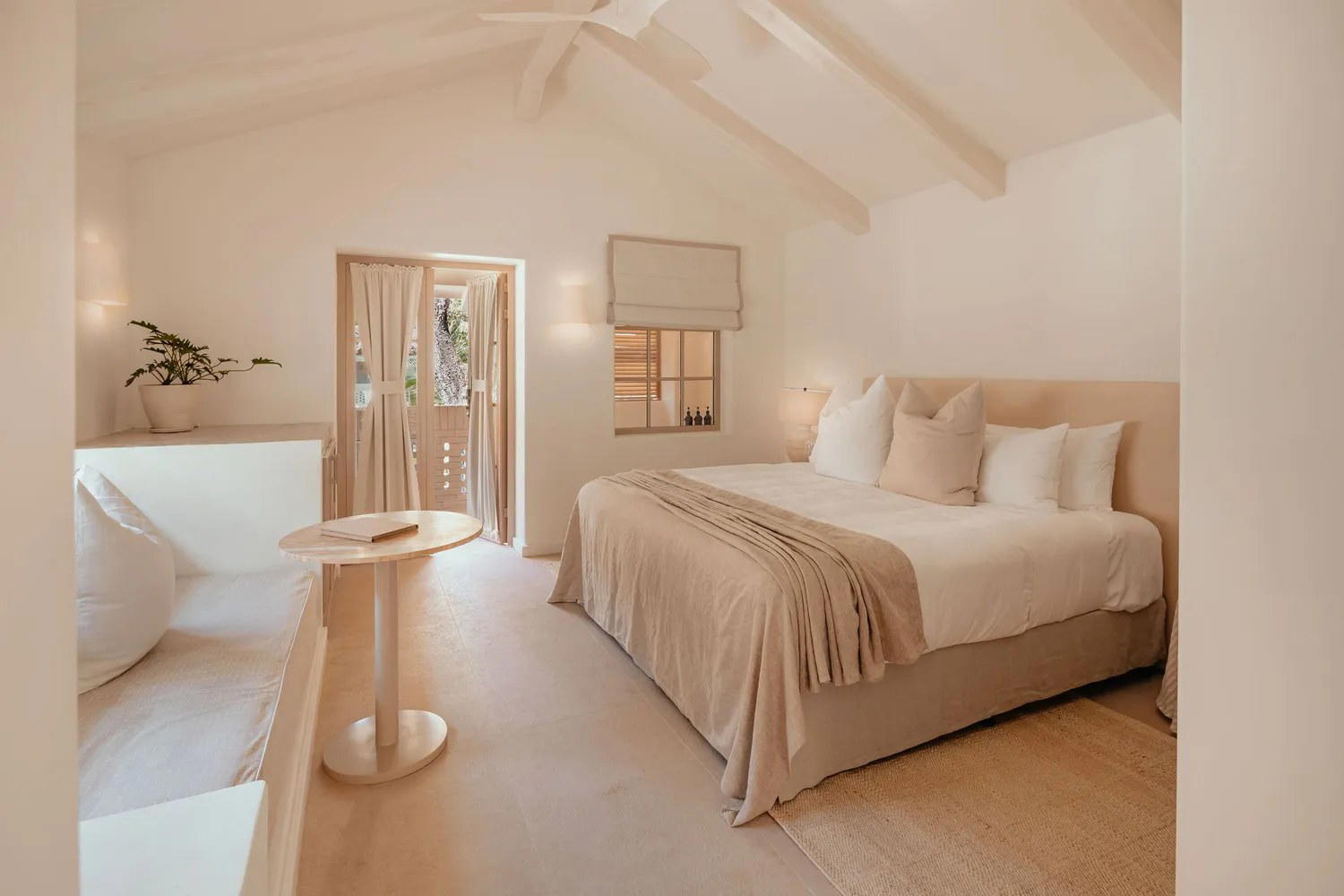
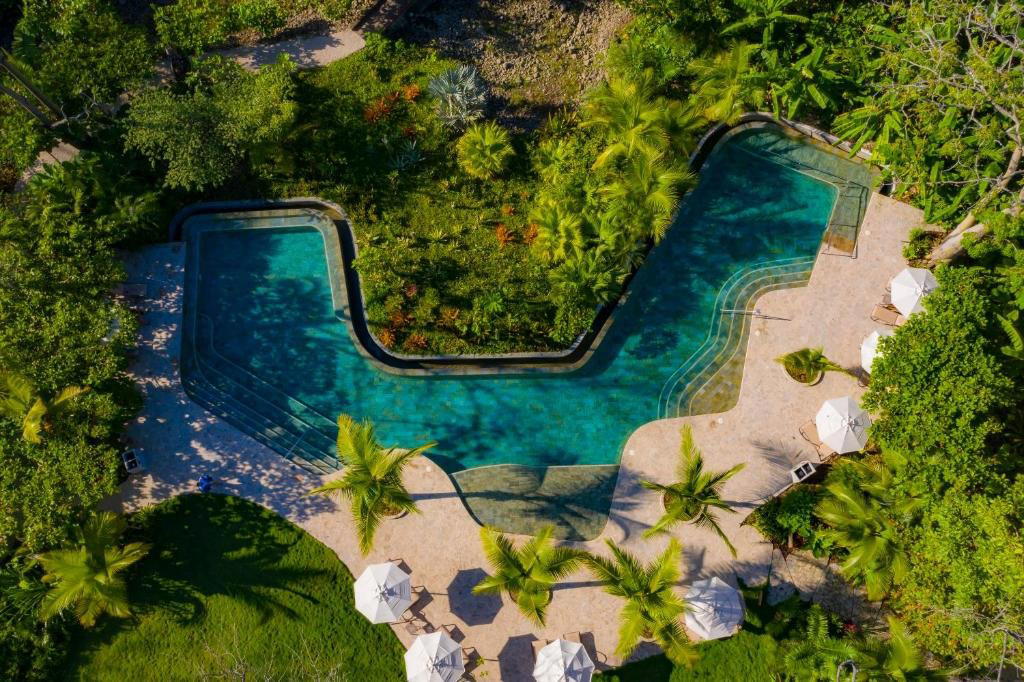
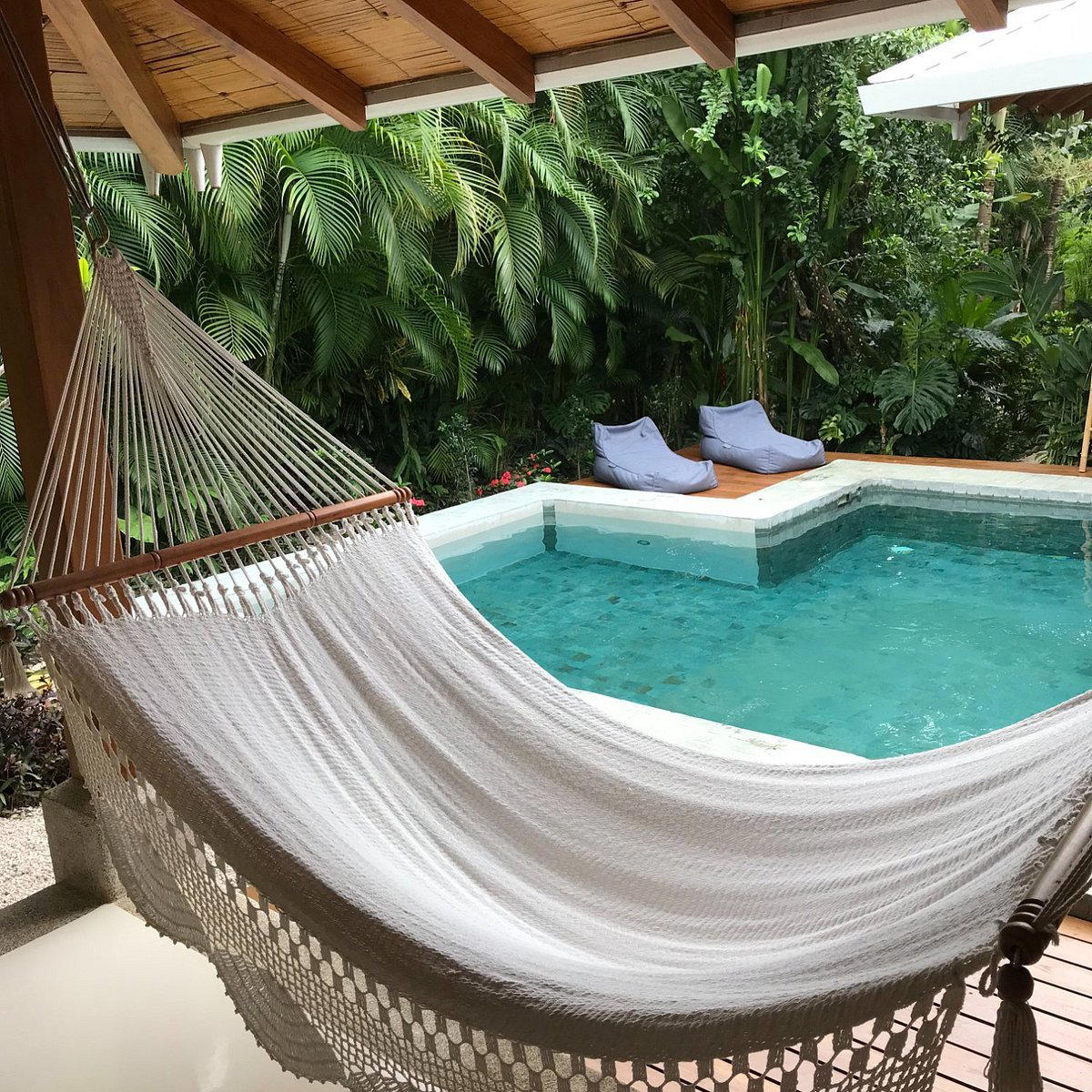
Open-air wooden and bamboo structure right on the sand with views of the ocean, casual beach seating, sunset light, and a social yet laid‑back yoga-retreat vibe that becomes lively in the evenings with music and bar energy.