Brasserie Prince
Our verdict
Brasserie Prince sits on Edinburgh’s Princes Street, where hotel dining meets the city’s appetite for polished, produce-led cooking. Read it less as a destination tasting-menu address and more as a brasserie lens on Scotland’s larder: useful for travellers who want central Edinburgh, recognizable format, and a menu expected to make local sourcing do visible work.

Pearl is the En Primeur Club membership app, where members save venues, book tables and use the concierge.
The menu
What to order
- Steak tartare
- French onion soup
- Bouillabaisse
- Fruit de mer seafood platters
- Modern haggis with whisky sauce
Edinburgh gives dining a particular kind of theatre: trams, taxis, hotel porters, the city’s historic skyline, and a dining room culture shaped by travellers as much as locals. In that setting, the brasserie format has to do more than serve as a convenient hotel table. It has to translate the city’s sense of hospitality into a meal that makes sense before a train, after a gallery, or between one Edinburgh stop and the next.
Brasserie Prince belongs to that Edinburgh category where access and polish matter, but the more interesting question is discipline. Scotland’s restaurant identity is often reduced to a handful of familiar shorthand ideas; the stronger kitchens use a sense of place without turning the menu into a souvenir counter. A brasserie gives that challenge a useful frame. It can be broad enough for mixed tables, structured enough for repeat travellers, and familiar enough to let the room, service, and cooking carry the argument.
Edinburgh brasserie cooking has to earn its local accent
Edinburgh’s serious dining range is now split across several formats. There are formal dining rooms, modern tasting-menu addresses, and neighbourhood-led operators whose appeal depends on rhythm rather than ceremony. A brasserie sits in a different lane. It is judged on whether the kitchen can make familiar categories feel anchored to place: dishes that read considered rather than generic, produce handled with confidence, and vegetables treated as more than plate architecture.
That distinction matters because Edinburgh receives a constant stream of short-stay visitors. Many do not want a long dégustation, but they do want a meal that confirms where they are. Brasserie Prince is useful in that gap. Its Edinburgh setting places it in the capital’s hotel-dining conversation, close to the kind of guest who may compare it with The Spence, Twenty Princes Street, or Hawksmoor rather than with a small counter restaurant elsewhere in the city. The competitive set is not only about food; it is about room comfort, menu readability, and whether the table can handle different appetites without flattening the cooking.
The sourcing question separates a brasserie from a tourist dining room
Ingredient sourcing is the editorial test here. Edinburgh has access to a broad Scottish larder and to a dining public that notices when menus feel generic. In a brasserie context, that means the menu should not need theatrical explanations. Provenance should be visible through clear choices: produce used where it changes the result, a recognisable brasserie structure used where it gives the meal form, and enough restraint to avoid turning every dish into a postcard.
That is why Brasserie Prince is better understood as part of a broader Edinburgh pattern than as a self-contained venue story. The city has grown comfortable with multiple versions of refinement. Some Edinburgh dining rooms work from visitor momentum, others speak to a looser local appetite, and more ceremonial settings show how occasion can carry much of the weight. A brasserie in Edinburgh has a narrower path: it must be accessible without becoming anonymous.
Recognition should be read through the information available rather than through inflated claims. This is not a page for star-chasing or chef-biography worship. The trust signal is contextual: an Edinburgh restaurant operating in a format where consistency, sourcing clarity, and service confidence matter more than novelty. Travellers choosing between modern fine dining and a brasserie table should decide by occasion. If the night calls for precision theatre, Number One or a tasting-led room belongs in the conversation. If the brief is a polished Edinburgh meal with the brasserie format doing the practical work, this address makes more sense.
How to place it in an Edinburgh itinerary
For a first Edinburgh trip, Brasserie Prince fits the city’s hospitality rhythm: culture, shopping, transport, hotels, and the visual pull that makes the capital memorable. It is a practical match for travellers who want one meal close to the flow of their visit rather than a detour built around a reservation. For a broader view of the capital’s dining spread, compare it with Our full Edinburgh restaurants guide, then pair the decision with Our full Edinburgh hotels guide or Our full Edinburgh bars guide.
Edinburgh also rewards travellers who look beyond restaurants alone. The city’s hospitality scene connects bars, hotels, day trips, and cultural programming more tightly than its compact map suggests; Our full Edinburgh experiences guide and Our full Edinburgh wineries guide help frame that wider planning. For comparison outside the capital, other Scottish and UK dining threads show how different rooms set different expectations. Internationally, the contrast with compact specialist formats and casual city restaurants underlines the point: format shapes expectations before the first plate arrives.
Frequently asked questions
How do I find Brasserie Prince?
Brasserie Prince is located in Edinburgh.
Do I need a reservation for Brasserie Prince?
A reservation is the safer choice for an Edinburgh brasserie, especially for dinner and weekend service. Its Edinburgh setting can make planning ahead sensible.
What's the signature at Brasserie Prince?
No signature dish is named in the venue details. The main draw is the brasserie format itself at Brasserie Prince in Edinburgh.
What if I have allergies at Brasserie Prince?
State allergies clearly before ordering and again when the dish arrives, especially at an Edinburgh restaurant such as Brasserie Prince. Direct communication with the service team is the right approach.
Would Brasserie Prince be comfortable with kids?
Brasserie-style dining in Edinburgh is usually workable for families. Earlier service tends to be the easiest fit for children.
Comparison Snapshot
Comparable venues by cuisine and price in the same metro.
| Venue | Cuisine | Price | Awards |
|---|---|---|---|
| Brasserie PrinceThis venue (the venue you are viewing) | Modern French brasserie with Scottish produce | $50–100 | Not listed |
| Number One | Modern British Fine Dining | $150–200 | Michelin Plate · La Liste Top Restaurants |
| The lookout by gardener’s cottage | Modern Scottish Fine Dining | Not listed | Not listed |
| Hawksmoor | British Steakhouse and Seafood | Not listed | Not listed |
| Twenty Princes Street | Modern Scottish Grill & Smokehouse | $30–50 | Not listed |
| The Spence | Modern Scottish Brasserie | $100–150 | Michelin Plate |
Continue exploring
More in Edinburgh
Restaurants in Edinburgh
All restaurants in Edinburgh →
Bars in Edinburgh
All bars in Edinburgh →
Details
- Elegant
- Classic
- Sophisticated
- Romantic
- Well Known
- Date Night
- Business Dinner
- Group Dining
- Family
- Celebration
- Special Occasion
- Historic Building
- Design Destination
- Hotel Restaurant
- Private Dining
- Extensive Wine List
- Craft Cocktails
- Local Sourcing
- Sustainable Seafood
- Skyline
- Mountain
- Street Scene
- A La Carte
- Set Menu
- Wine
- Cocktails
- Vegetarian Friendly
Current opening hours
- Monday
- 7–10:30 AM, 12–2:15 PM, 5:30–9:30 PM
- Tuesday
- 7–10:30 AM, 12–2:15 PM, 5:30–9:30 PM
- Wednesday
- 7–10:30 AM, 12–2:15 PM, 5:30–9:30 PM
- Thursday
- 7–10:30 AM, 12–2:15 PM, 5:30–9:30 PM
- Friday
- 7–10:30 AM, 12–2:15 PM, 5:30–9:30 PM
- Saturday
- 7–11 AM, 12:30–2:30 PM, 5:30–9:30 PM
- Sunday
- 7–11 AM, 12:30–2:30 PM, 5:30–9:30 PM
Hours can change for holidays and private events. Hours as of .
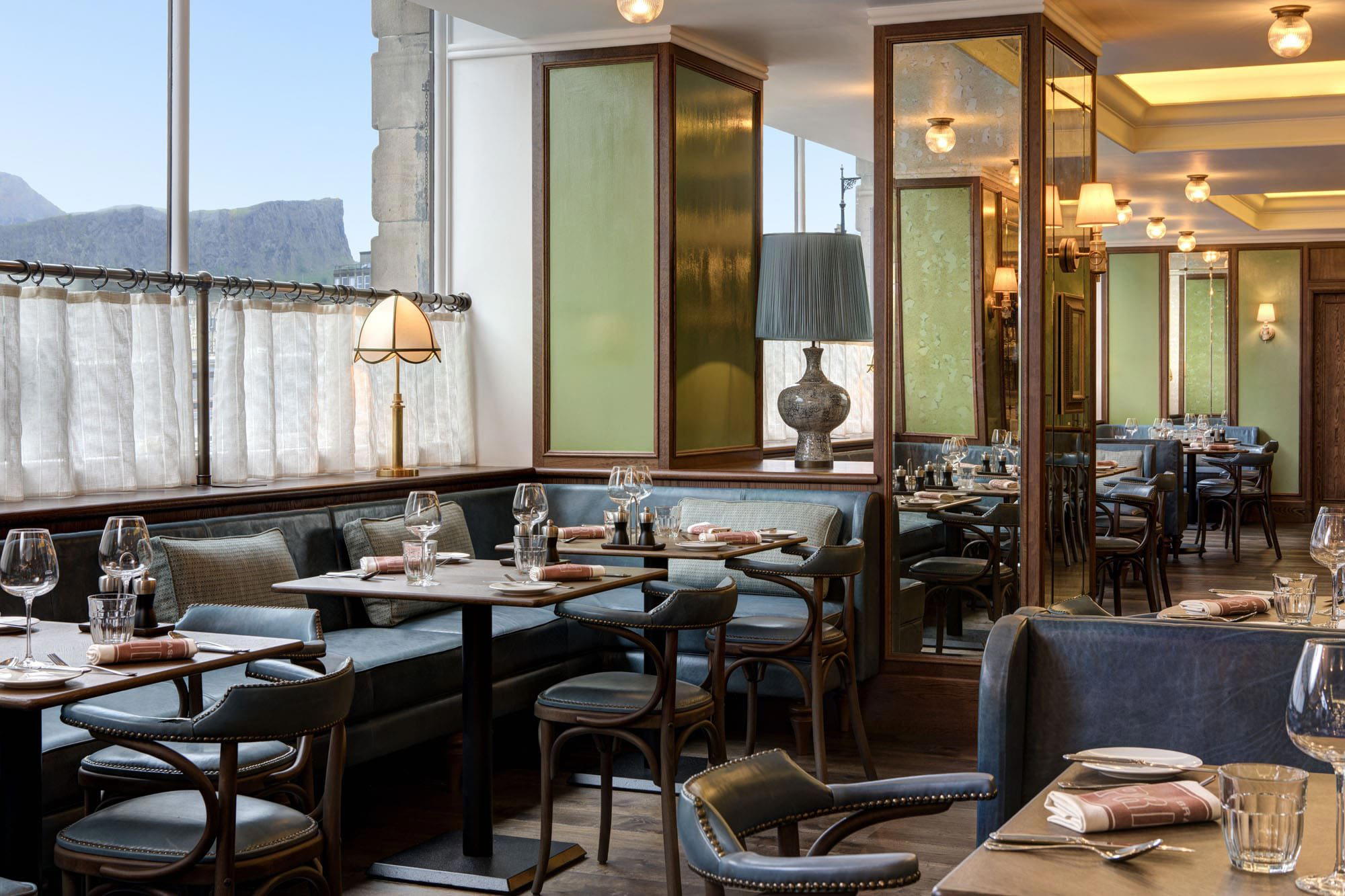
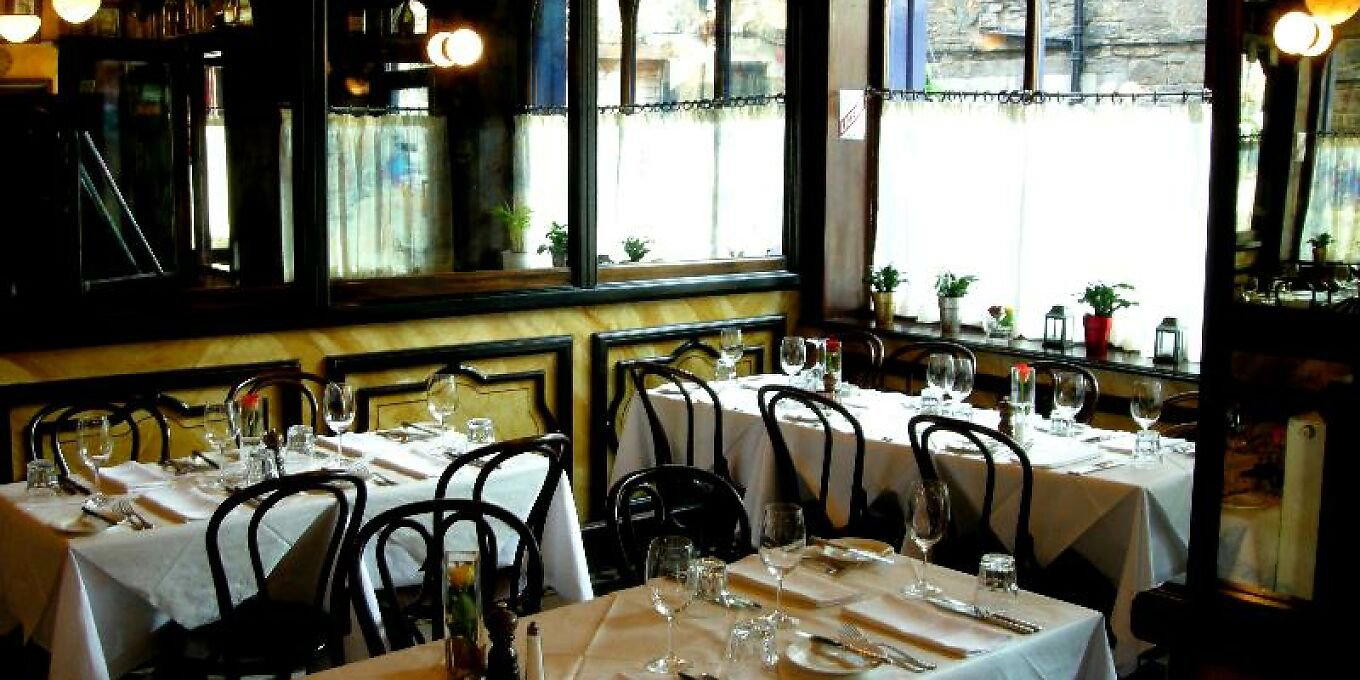
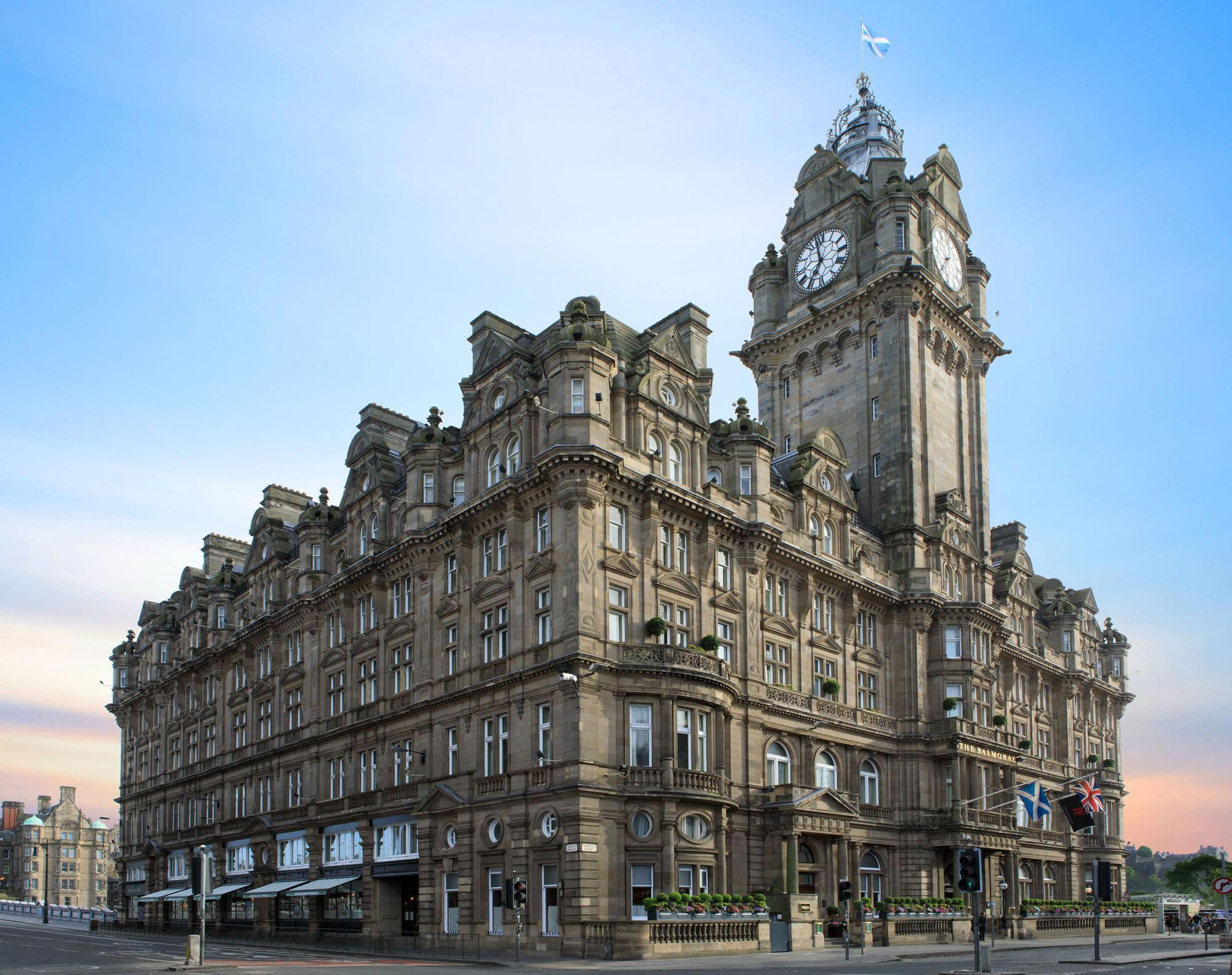
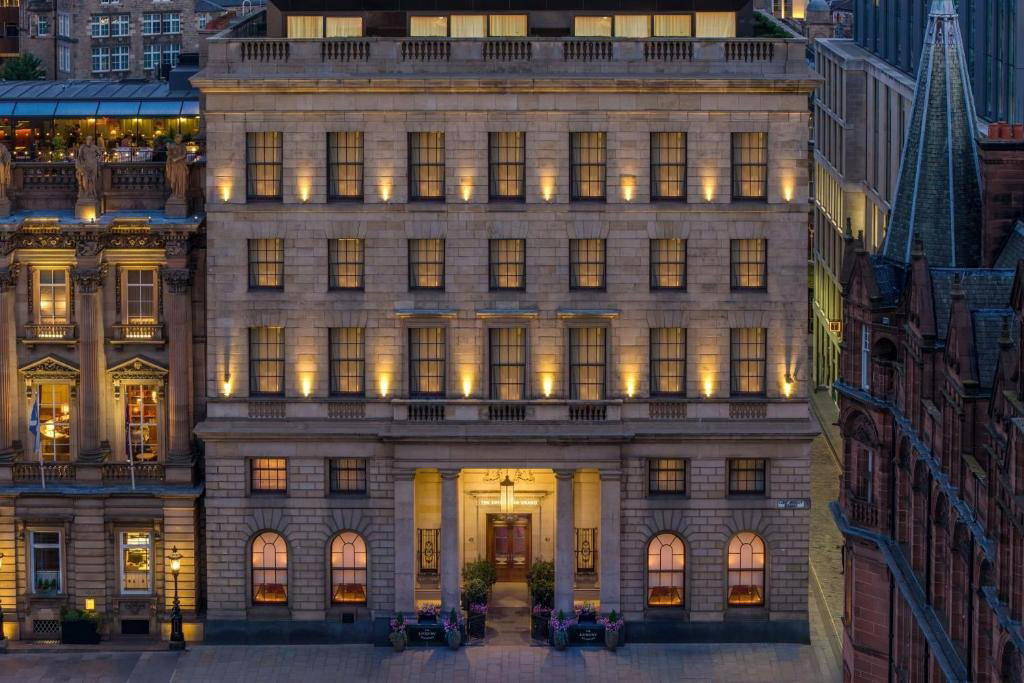
A chic, relaxed yet refined brasserie with echoes of Paris in its mirrored and brass accents, buttery leather banquettes, soft lighting and an overall sense of effortless opulence within the historic Balmoral Hotel.