Our verdict
Boma fits the safari-dining rhythm of Chobe National Park: outdoor-minded, place-led, and better understood through Botswana’s lodge culture than through city restaurant categories. The useful question is not whether it behaves like a formal destination restaurant, but how convincingly it connects the meal to the park’s wider sense of season, fire, and local supply.

Pearl is the En Primeur Club membership app, where members save venues, book tables and use the concierge.
The menu
What to order
- Signature African game meats
- Grilled local fish from the region
- Traditional Botswana stews
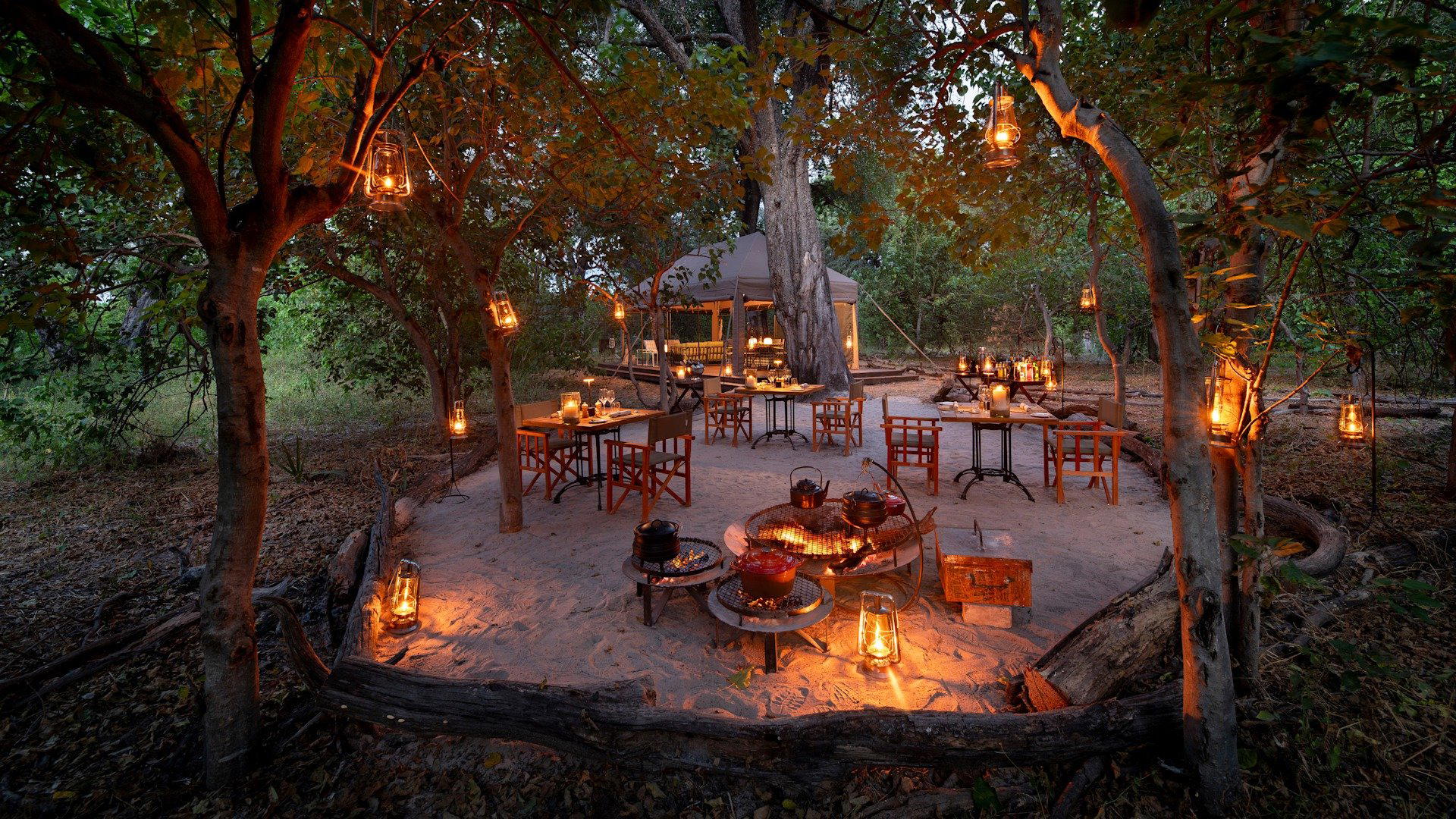
In Chobe National Park, dinner is shaped first by the environment: dry-season dust, river air, low light after game drives, and the practical theatre of cooking where the bush is part of the room. Boma belongs to that safari tradition, where the meal is not separated from the day’s movement through the park. The format reads differently from an urban restaurant because sourcing, storage, timing, and service all have to answer to remoteness. That constraint is the point. In a national-park setting, food carries more weight when it feels connected to Botswana rather than imported as a generic luxury-lodge template.
Safari dining works when the supply chain is visible in the cooking
The strongest lodge meals in northern Botswana tend to avoid pretending they are in Cape Town, London, or Dubai. They lean on direct, place-aware cooking in a way that suits climate and logistics. Boma sits inside that expectation. The editorial test here is ingredient discipline: a meal in Chobe should make sense after a day on the river or in the bush, not arrive as a copy of a metropolitan tasting menu. In remote safari regions, restraint often reads better than complication because the distance between kitchen and supplier is part of the experience.
That is also why comparisons within Botswana matter more than global restaurant comparisons. Kgotla Dining Deck is a relevant regional reference point; Great Plains Selinda belongs to the same safari-dining conversation; other regional camp dining fits the broader question of how remote properties turn isolation into culinary character. Boma should be read against that regional set, not against a city tasting counter where the pleasures are precision, rarity, and chef authorship.
Chobe changes the terms of what a restaurant is supposed to do
Chobe National Park is not a conventional dining city. The restaurant culture is bound to lodges, camps, wildlife schedules, road transfers, and the daily pattern of early starts and dusk returns. That makes atmosphere a functional asset rather than decorative language. A meal has to absorb guests coming in from heat, dust, and long drives; it has to feel grounded without becoming a staged performance. The boma tradition, broadly understood across Southern African safari hospitality, uses enclosure, fire, and shared space to create that reset after the field.
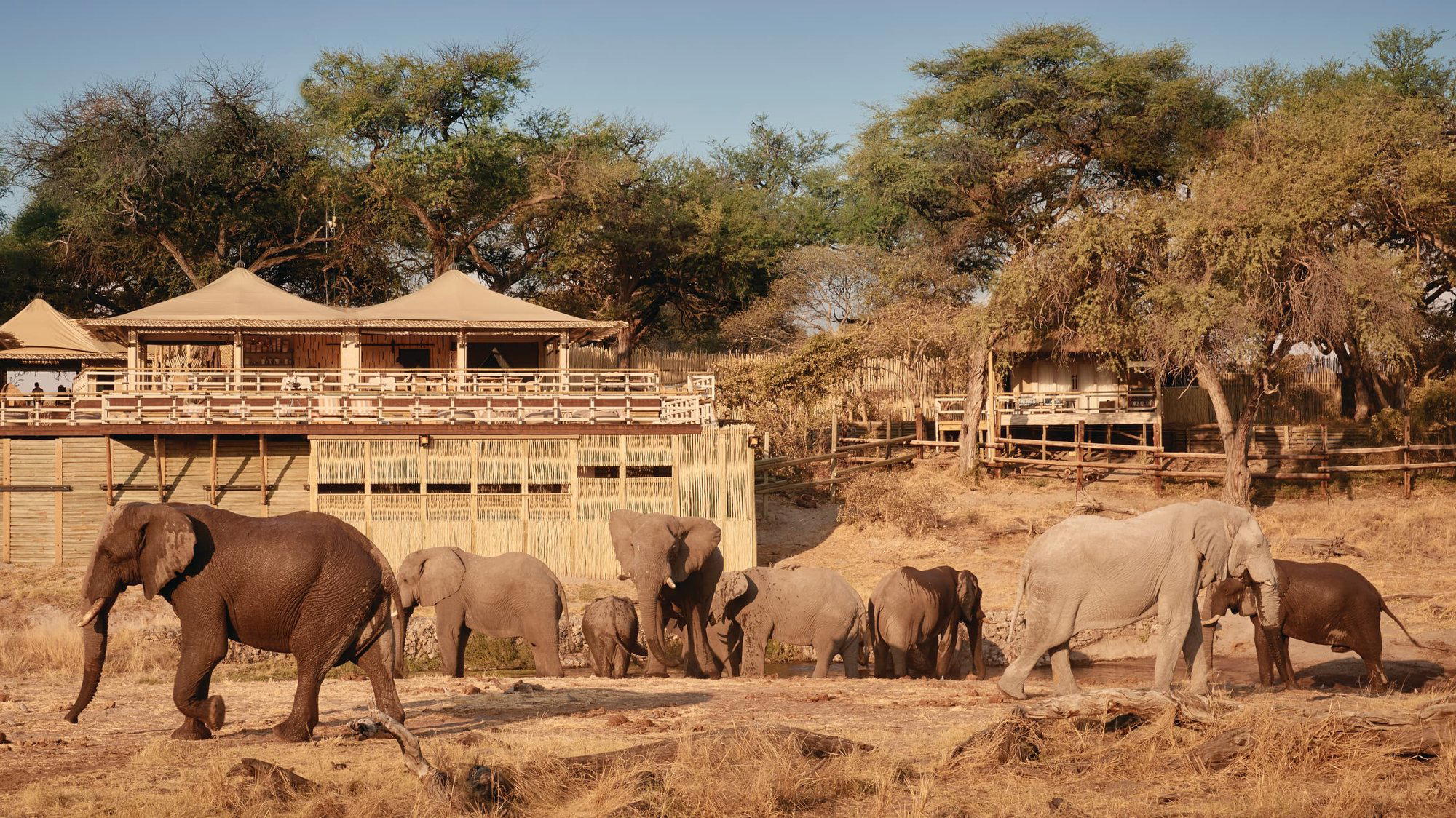
This is where Boma’s location does the heavy lifting. The location is Chobe National Park, and that alone places it in a different category from restaurants built around street frontage, chef counters, or nightlife districts. The park setting makes seasonality less about a chef’s calendar and more about weather, wildlife movement, and the logistics of provisioning. In that context, sourcing is not a branding line. It determines what kind of cooking can be convincing.
For a wider read on the area’s hospitality mix maps the dining field, while gives the accommodation context that often controls where and how visitors eat., and Our full Chobe National Park experiences guide are useful because Chobe travel is usually assembled as a complete circuit rather than a single-table itinerary.
How to judge it against city restaurants
The wrong lens is to ask whether a Chobe park restaurant behaves like a high-recognition urban dining room. Awards, named chefs, published prices, and tightly defined service formats often drive restaurant decisions in cities; in safari territory, the more telling signals are setting, coherence, timing, and whether the food respects place. Boma’s value sits in that second column. It is for travellers who want dinner to remain in conversation with the day outside, not for diners seeking a standalone metropolitan reservation.
That distinction also explains why unrelated city references are less useful than category contrast. Urban bars, cafés, specialist counters, and neighbourhood restaurants operate in denser food cultures where local demand, walk-in trade, and highly defined formats shape the meal. Chobe asks a different question: does the dining format belong to the place, or could it be dropped anywhere? Boma is most persuasive when judged by that standard.
Frequently asked questions
Is Boma a family-friendly restaurant?
Boma’s setting in Chobe National Park makes it a practical choice for mixed-age lodge diners rather than a formal city dining room. The park setting points to a meal built around safari logistics, which usually works well for families staying nearby.
What's the vibe at Boma?
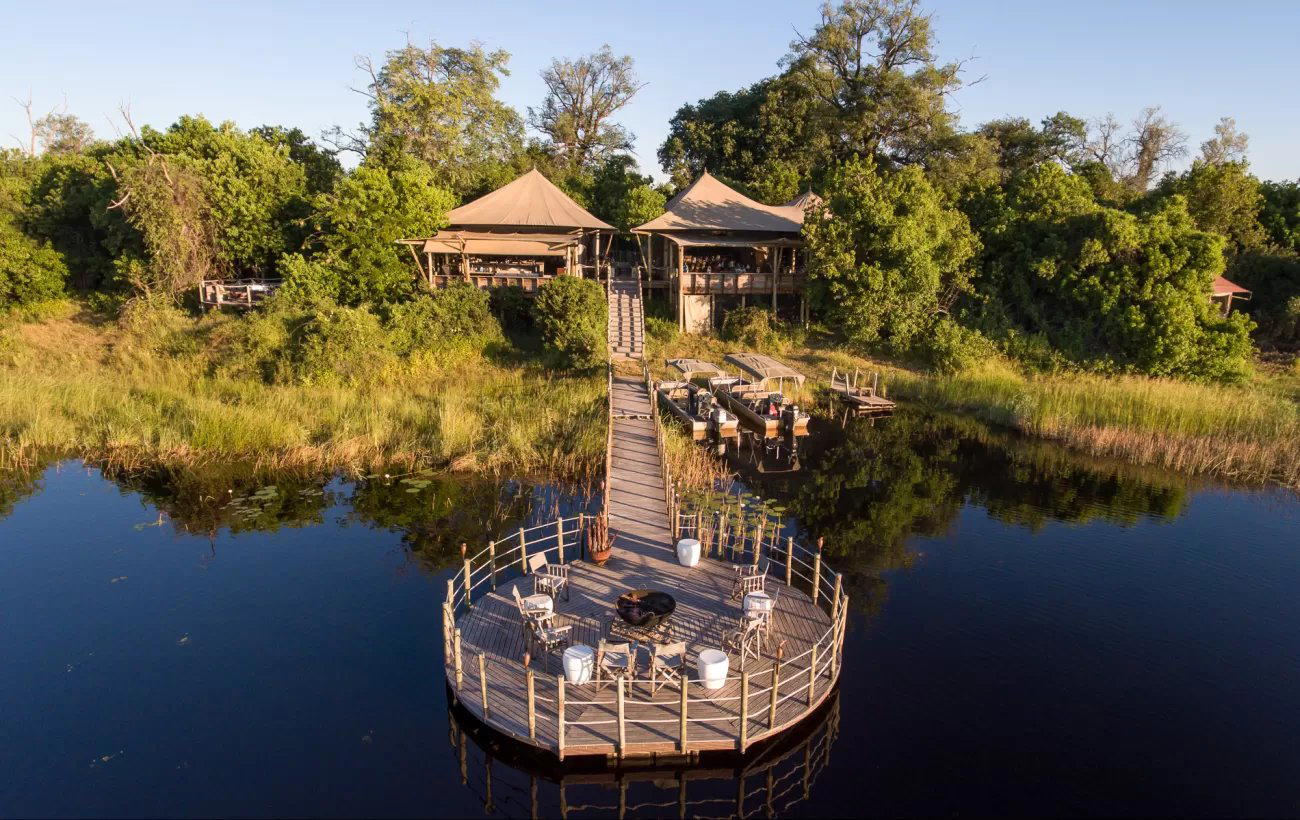
Expect a safari-leaning, lodge-style room at Chobe National Park, not the formality of an urban tasting-menu restaurant. The atmosphere follows the park setting, so the rhythm is shaped by transfers, daylight, and game-drive timing.
What's the address for Boma?
Chobe National Park.
How far ahead should I plan for Boma?
Plan Boma around your Chobe National Park itinerary, since the restaurant sits in Chobe National Park. For a stay in the area, it makes sense to line it up with lodge arrangements and transfer times rather than treat it like a city reservation.
Side-by-Side Snapshot
Comparable venues by cuisine and price in the same metro.
| Venue | Cuisine | Price | Awards | Notes |
|---|---|---|---|---|
| Boma | Modern French Bistro | $20–30 | Michelin Bib Gourmand | Not listed |
| Boma | Modern French Bistro | $20–30 | Michelin Bib Gourmand | Not listed |
| Great Plains Selinda | Fine Dining Safari Cuisine | Not listed | Relais Chateaux Award | African Safari |
| Selinda Camp | Zarafa Camp Restaurant | Creative cooking | Not listed | Not listed | Not listed |
Continue exploring
More in Chobe National Park
Restaurants in Chobe National Park
All restaurants in Chobe National Park →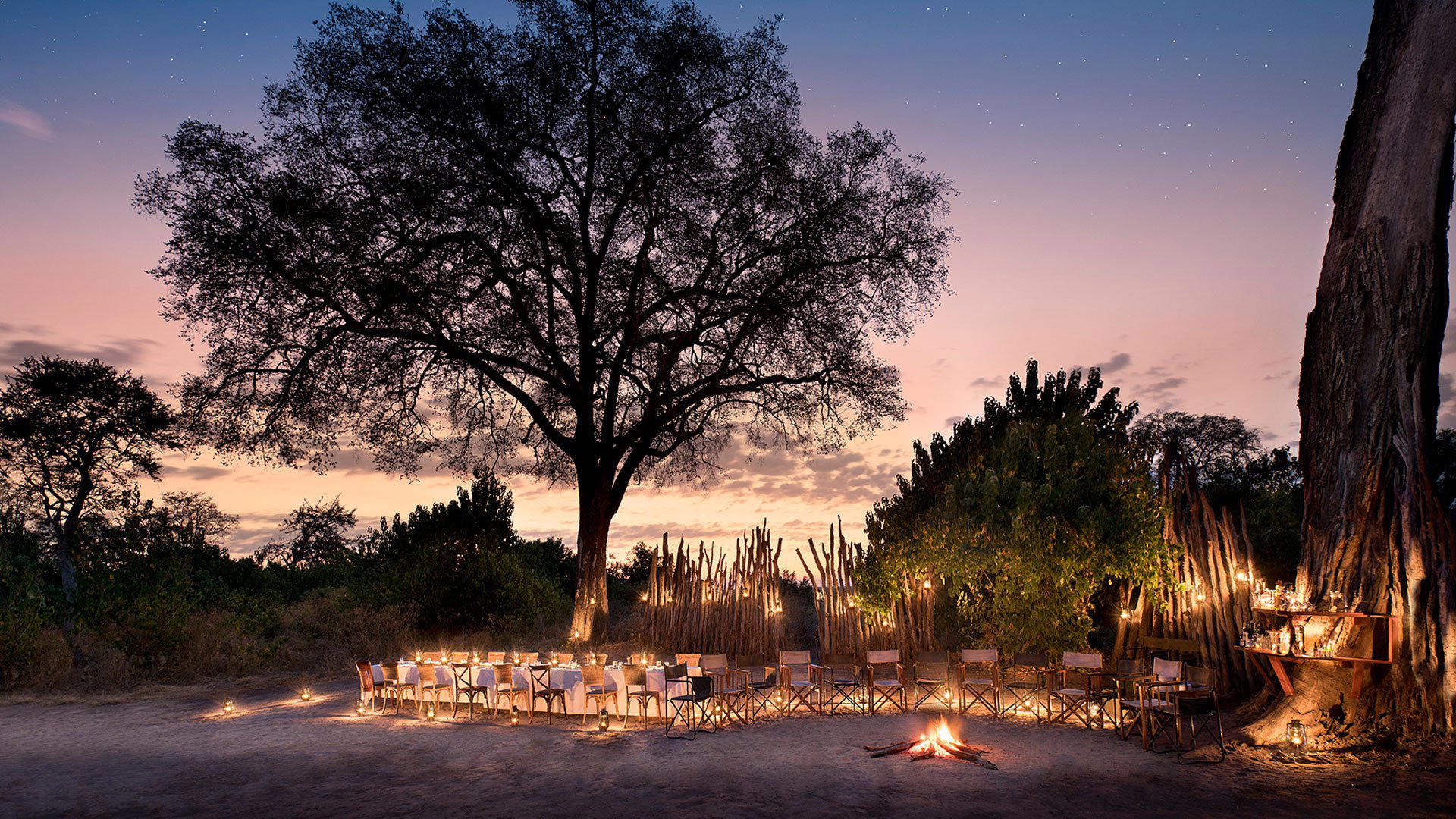
Details
- Scenic
- Elegant
- Romantic
- Intimate
- Rustic
- Date Night
- Group Dining
- Special Occasion
- Celebration
- Private Event
- Panoramic View
- Hotel Restaurant
- Terrace
- Design Destination
- Private Dining
- Extensive Wine List
- Local Sourcing
- Waterfront
- A La Carte
- Set Menu
- Wine
- Champagne
- Vegetarian Friendly
- Gluten Free Options
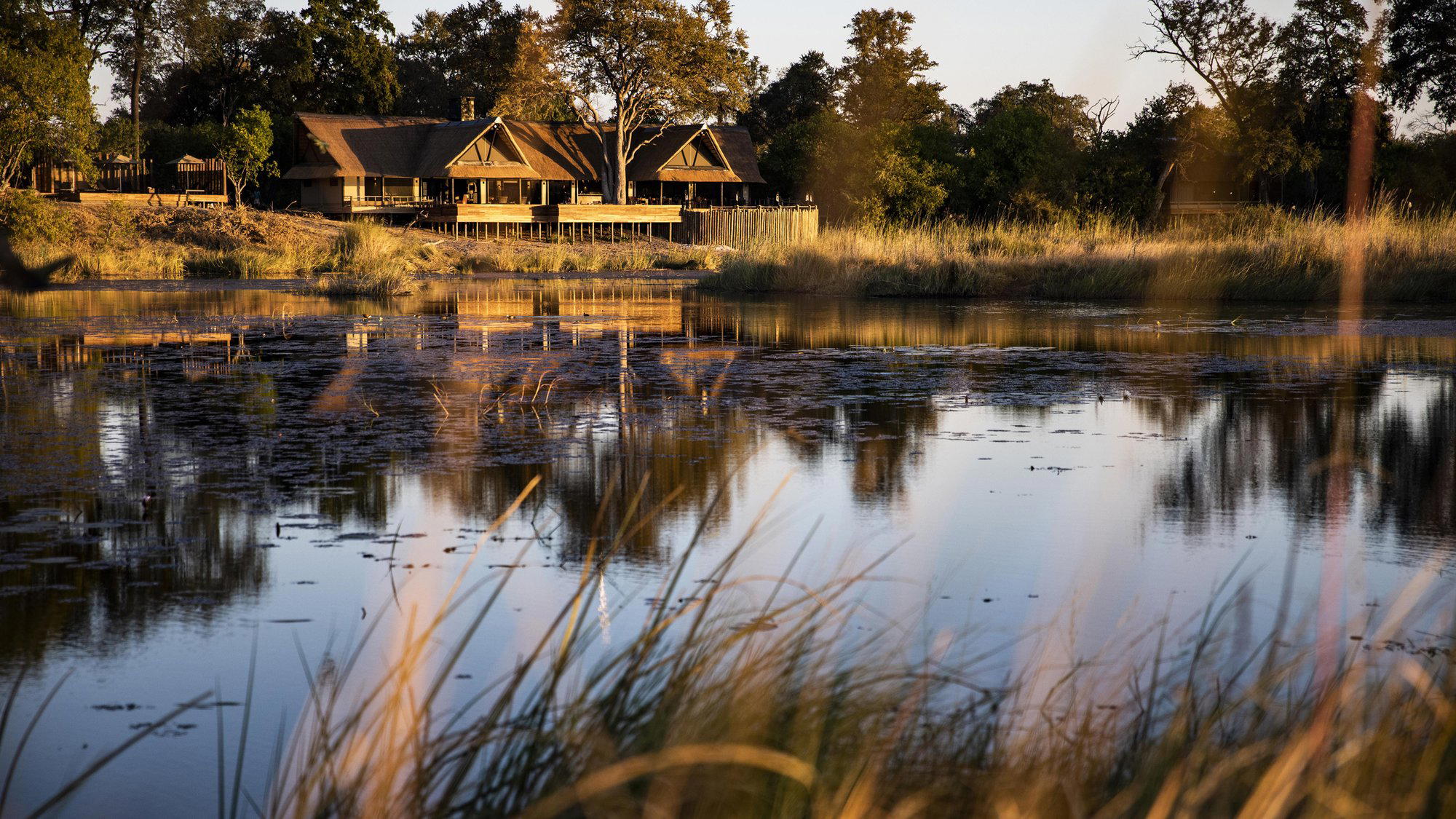
Atmosphere is refined yet rustic, with open-air deck seating over the Savute Channel, firelight and lanterns after dark, and a tranquil, nature-immersed feel typical of high-end safari lodges.