Blanco


Guía Repsol 1 Sol · Macarfi 8.5 Food Rating
Our verdict
Blanco gives Cangas de Narcea a serious dining address rooted in western Asturias rather than coastal clichés. Its 1 Sol in the 2026 Guía Repsol places it in Spain’s recognized regional tier, with the interest coming from mountain produce, local rhythm, and a town where wine country, market cooking, and rural Asturias meet.

Pearl is the En Primeur Club membership app, where members save venues, book tables and use the concierge.
The menu
What to order
- Steak tartare
- Local Asturian fish dishes
- Seasonal tasting menu
Approaching Cangas De Narcea, the dining context shifts before the menu does. Blanco belongs to that setting: not a grand urban room dropped into a small town, but a restaurant whose appeal is best read through its immediate surroundings and the pace of a focused local trip.
That matters because Cangas De Narcea is easy to treat as a stopover rather than a destination. Blanco argues for a slower reading. A serious restaurant here faces a more interesting question than how to imitate larger Spanish cities: how to make a meal feel rooted in Cangas De Narcea without relying on easy shorthand.
Mountain Asturias, read through produce rather than nostalgia
The stronger regional tables now tend to split into two broad camps. One protects the familiar grammar of generous local cooking and straightforward hospitality. The other keeps those references in view while tightening the format, shortening the plate, and letting local context carry the argument. Blanco sits closer to the second group, with recognition from Guía Repsol, which awarded it 1 Sol in 2026. In Spain, that signal matters: Repsol’s Soles reward restaurants that carry regional identity with professional consistency, not only the tasting-menu circuit followed by international travelers.
Regional setting is the more useful lens here than biography or unverified kitchen mythology. Cangas De Narcea gives Blanco a frame that can feel specific without shouting. None of that needs theatrical language. A restaurant in this part of the map is measured by how clearly it lets its place speak after refinement has done its work.
Compared with nearby reference points, the distinction is useful. Mesón el Centro represents a more traditional lane; Regueiro and Ferpel Gastronómico point toward other contemporary or destination-minded formats in the wider area. Blanco’s value for Cangas De Narcea is its position between local recognizability and formal ambition. It gives the town a restaurant that reads as part of the area rather than an escape from it.
A small-town dining room with national recognition
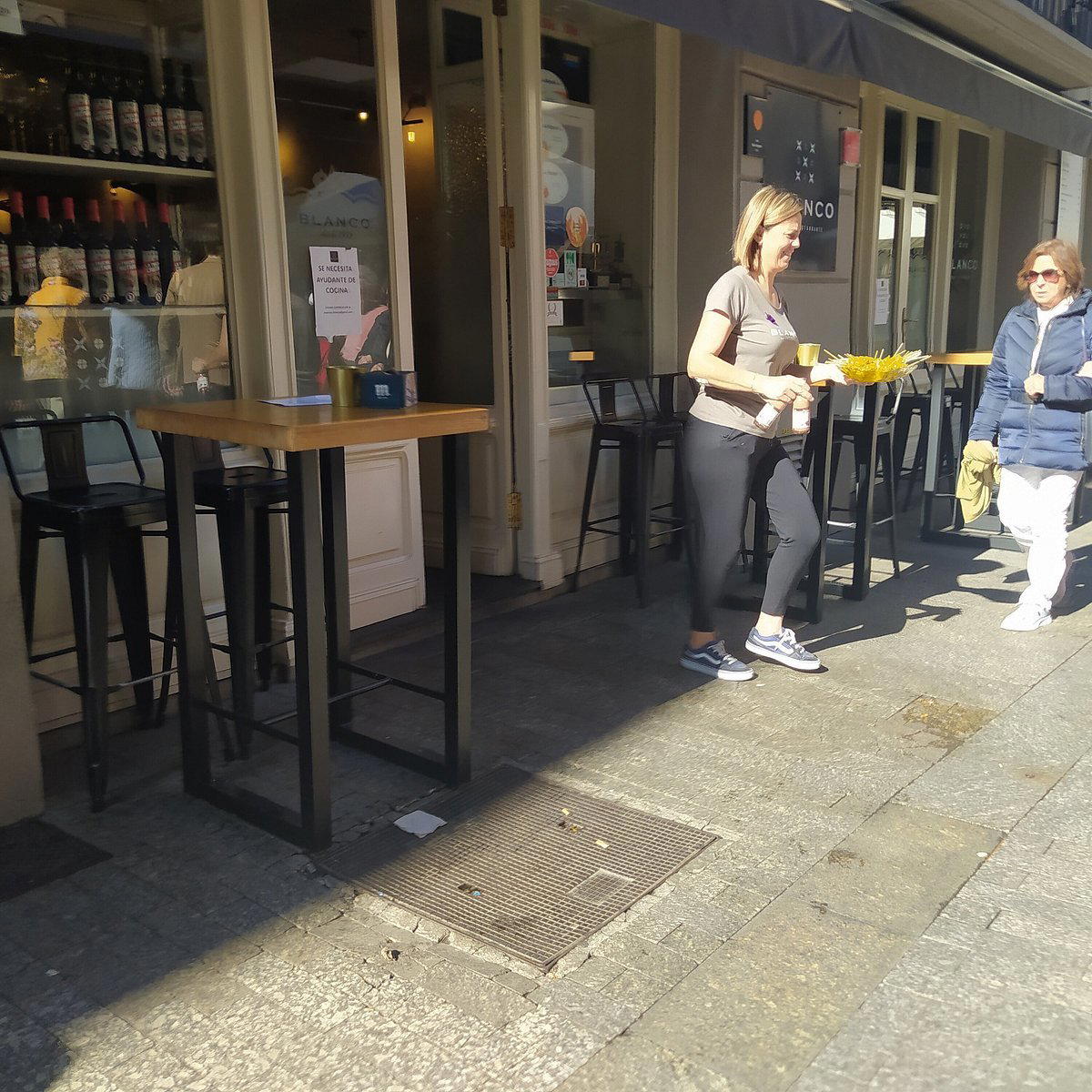
A 1 Sol restaurant in a town of this scale changes the travel calculation. It gives visitors a reason to plan Cangas De Narcea as more than a scenic pause between stops. The dining room’s appeal is tied to that scale: lunch can carry the weight of the day, while dinner suits travelers already staying in town rather than treating the meal as an isolated detour. Its place in the local rhythm is part of the experience; this is not the anonymous polish of a capital-city hotel dining room.
For readers mapping a broader Spanish itinerary, Blanco shows why regional Spain cannot be reduced to a single dining narrative. The country’s restaurant map is increasingly granular: large cities, smaller towns, destination addresses, and locally anchored rooms all work by different rules. Blanco’s story is Cangas De Narcea: a small-place restaurant with a national guide signal strong enough to justify planning around it.
That comparison also prevents overclaiming. A restaurant in Cangas De Narcea is not competing on the same terms as every waterfront room, island address, or transport-led destination dining room. Its measure is whether the experience makes the surrounding area legible. On that basis, Repsol recognition is a meaningful trust signal, especially where many worthwhile meals remain local and lightly documented.
How to place it in a Cangas de Narcea trip
Cangas De Narcea rewards travelers who build the day around the town rather than treating it as an afterthought. The restaurant pairs naturally with a slower local itinerary and town pacing. For a wider plan, use our full Cangas De Narcea restaurants guide alongside our full Cangas De Narcea hotels guide; staying locally makes the meal easier to integrate than driving in and out late. The same applies to drinks and producers: our full Cangas De Narcea bars guide and our full Cangas De Narcea wineries guide frame the town as a compact food-and-drink base rather than a single reservation.
Across Spain, rewarding restaurant choices often come from matching format to place. Some addresses speak to large-city routines; others belong to island travel rhythms, wine-country logic, or coastal itineraries. Blanco is persuasive when read with the same discipline: not as a generic fine-dining stop, but as a Cangas De Narcea table with enough recognition to justify planning around it.
Travelers extending the day beyond lunch or dinner should also look at our full Cangas De Narcea experiences guide, because the surrounding context sharpens the meal. Even comparisons beyond the area clarify the point: focused venues succeed by narrowing their frame rather than trying to be everything at once. Blanco’s frame is Cangas De Narcea: a small town, a serious local setting, and a Repsol-recognized reason to slow the route.
Frequently asked questions
Is Blanco a family-friendly restaurant?
Blanco can work for family meals in Cangas De Narcea, though the best fit depends on the service rhythm and the needs of the group. Families should confirm practical details directly before booking.
What should I expect atmosphere-wise at Blanco?
Expect a small-town dining room in Cangas De Narcea, with a local scale rather than the feel of a large-city hotel restaurant. The 1 Sol from Guía Repsol 2026 gives it national recognition without changing that sense of place.
What are Blanco's hours?
Hours for Blanco should be confirmed directly with the restaurant before visiting, especially if you are planning around lunch, dinner, or a longer Cangas De Narcea itinerary.
Where is Blanco in Cangas De Narcea?
Cangas De Narcea.
What's the defining dish or idea at Blanco?
The clearest idea is not a named dish but the restaurant’s status: Blanco is a Guía Repsol 1 Sol in Cangas De Narcea. That puts it among the local addresses drawing attention beyond the town itself.
Is Blanco allergy-friendly?
No specific allergy policy is provided here for Blanco. Diners with allergies should treat the kitchen as a case-by-case conversation and confirm directly before booking.
Side-by-Side Snapshot
Comparable venues by cuisine and price in the same metro.
| Venue | Cuisine | Price | Awards | Notes |
|---|---|---|---|---|
| BlancoThis venue (the venue you are viewing) | Modern Asturian Spanish fine dining | $50–100 | Guía Repsol 1 Sol · Macarfi 8.5 Food Rating | Not listed |
| Regueiro | Fusion Creative Tasting Menus | $150–200 | 1 Michelin Star · Guía Repsol 2 Soles | Creative |
| Mesón el Centro | Traditional Asturian Seafood | Not listed | Michelin Plate · Macarfi 7.7 Food Rating | Traditional Cuisine |
| Mesón El Centro | Traditional Asturian Seafood | Not listed | Michelin Plate · Macarfi 7.7 Food Rating | Not listed |
| Ferpel Gastronómico | Contemporary Spanish Fine Dining | $100–150 | 1 Michelin Star · Guía Repsol 1 Sol | Contemporary |
| Ferpel Gastronómico | Contemporary Spanish Fine Dining | $100–150 | 1 Michelin Star · Guía Repsol 1 Sol | Not listed |
Recognition history
Dated appearances from independent guides and award organizations, with the underlying list record or original source where available.
Guía Repsol 1 Sol
Guía Repsol
Macarfi 8.5 Food Rating
Macarfi
Blanco
Featured Guides
Continue exploring
More in Cangas De Narcea
Details
- Elegant
- Cozy
- Classic
- Lively
- Date Night
- Business Dinner
- Group Dining
- Family
- Celebration
- Special Occasion
- Wine Cellar
- Standalone
- Extensive Wine List
- Beer Program
- Local Sourcing
- A La Carte
- Tasting Menu
- Wine
- Beer
- Vegetarian Friendly
Current opening hours
- Monday
- Closed
- Tuesday
- 10:30 AM–4 PM, 7 PM–1:30 AM
- Wednesday
- 10:30 AM–4 PM, 7 PM–1:30 AM
- Thursday
- 10:30 AM–4 PM, 7 PM–1:30 AM
- Friday
- 10:30 AM–4 PM, 7 PM–2:30 AM
- Saturday
- 10:30 AM–4 PM, 7 PM–2:30 AM
- Sunday
- 10:30 AM–4 PM
Hours can change for holidays and private events. Hours as of .
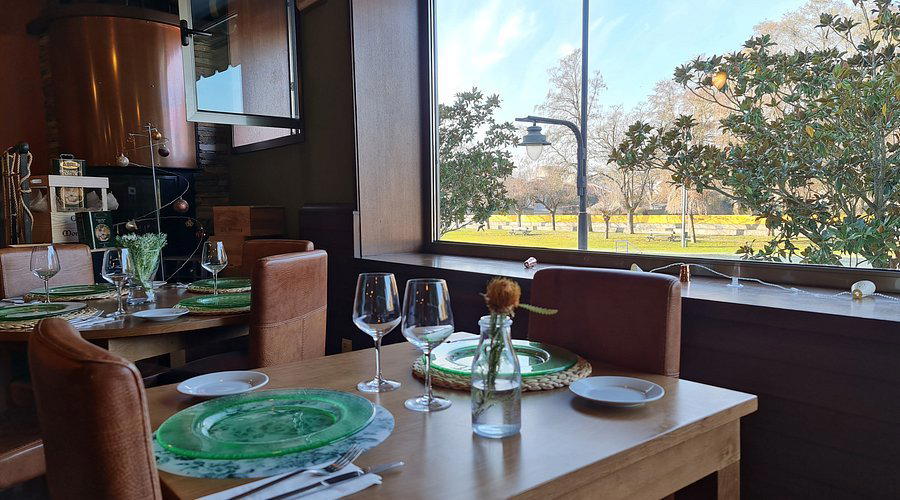
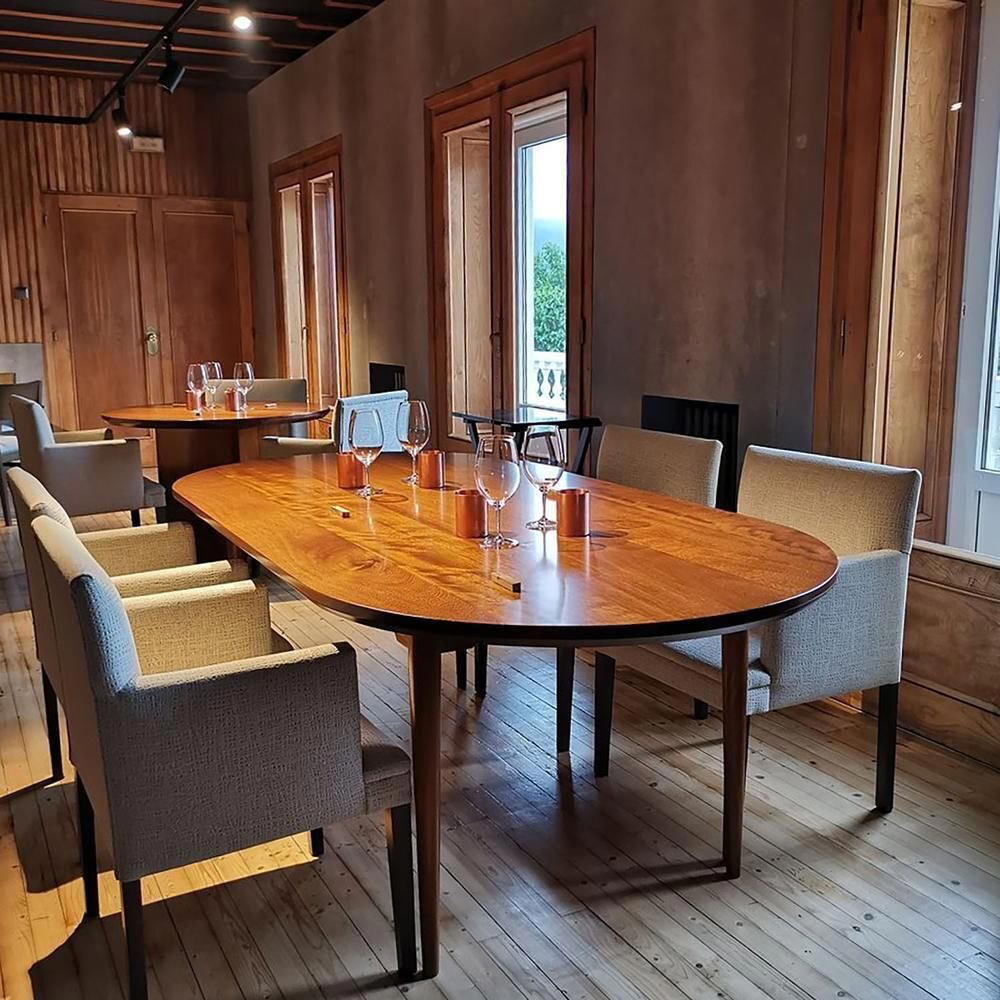
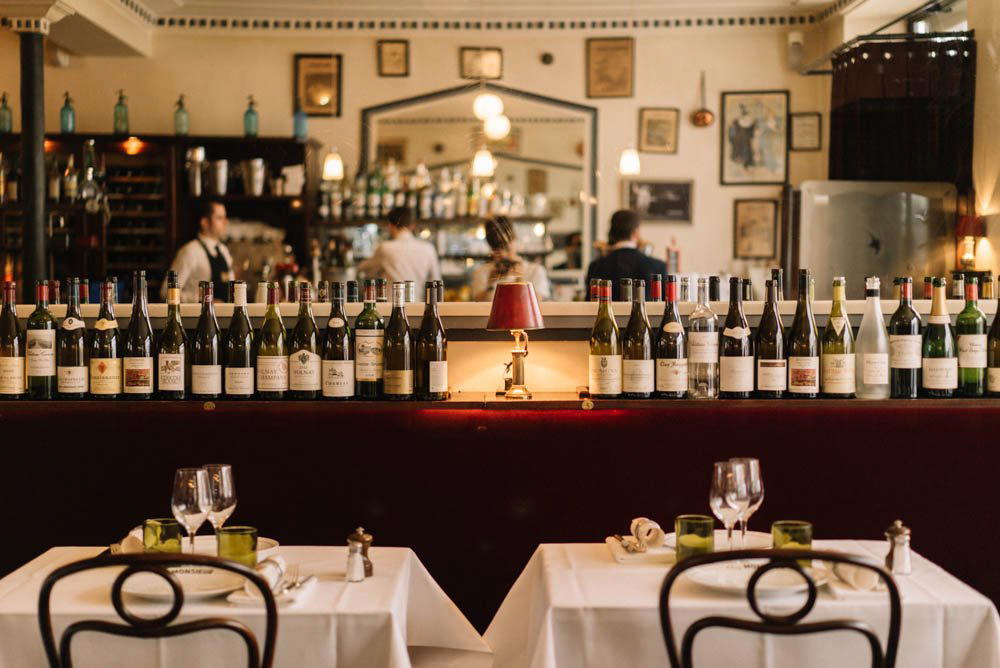
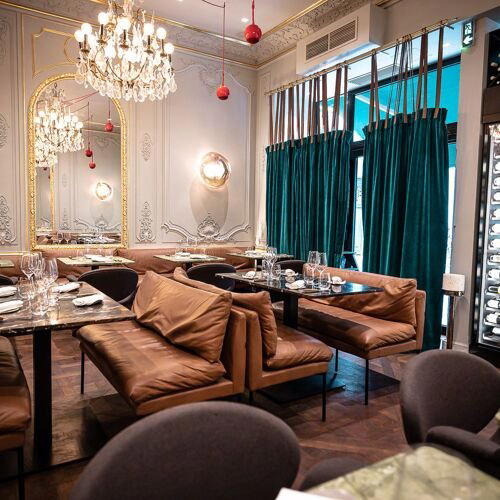
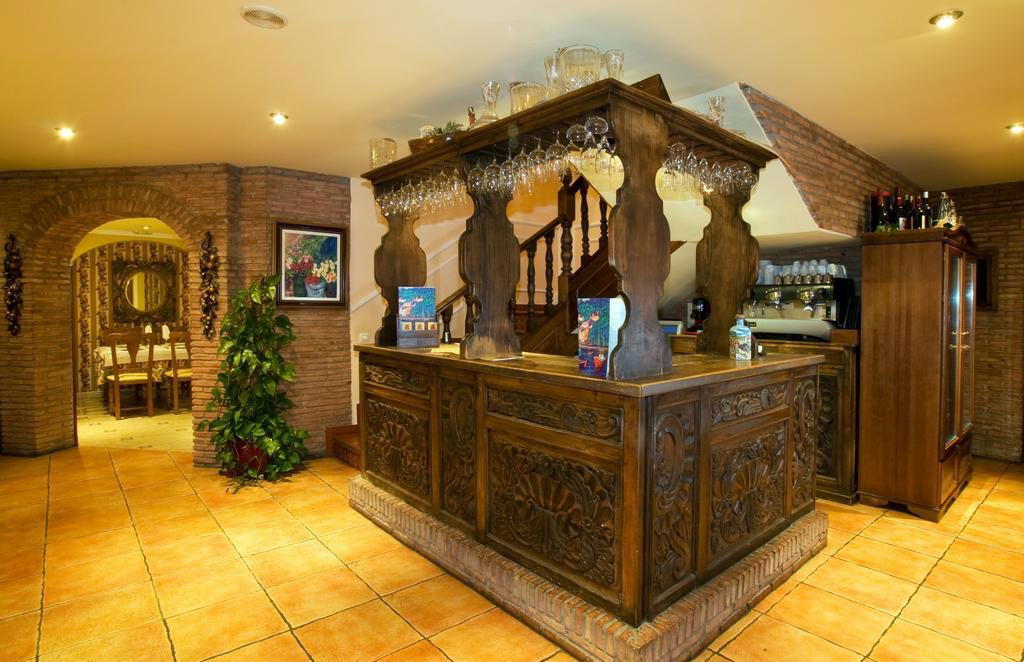
Warm and traditional dining room with a classic bar at the entrance, lively atmosphere, and attentive, polished service that feels refined without being formal.