Binchotan Bar & Grill
Our verdict
Binchotan Bar & Grill fits the Kohala Coast’s resort-dining pattern: ingredient-led cooking shaped by island supply, Japanese grill language, and a traveler audience moving between beach, pool, and dinner. With no public awards or chef-led mythology to lean on, the useful read is contextual: judge it by sourcing, restraint, and how the grill format handles Hawaii’s distance from mainland supply chains.

Pearl is the En Primeur Club membership app, where members save venues, book tables and use the concierge.
The menu
What to order
- Tableside Grill Experience (ribeye, prawns, chashu porchetta)
- Innovative sushi rolls
- Grilled entrées
- House-made desserts
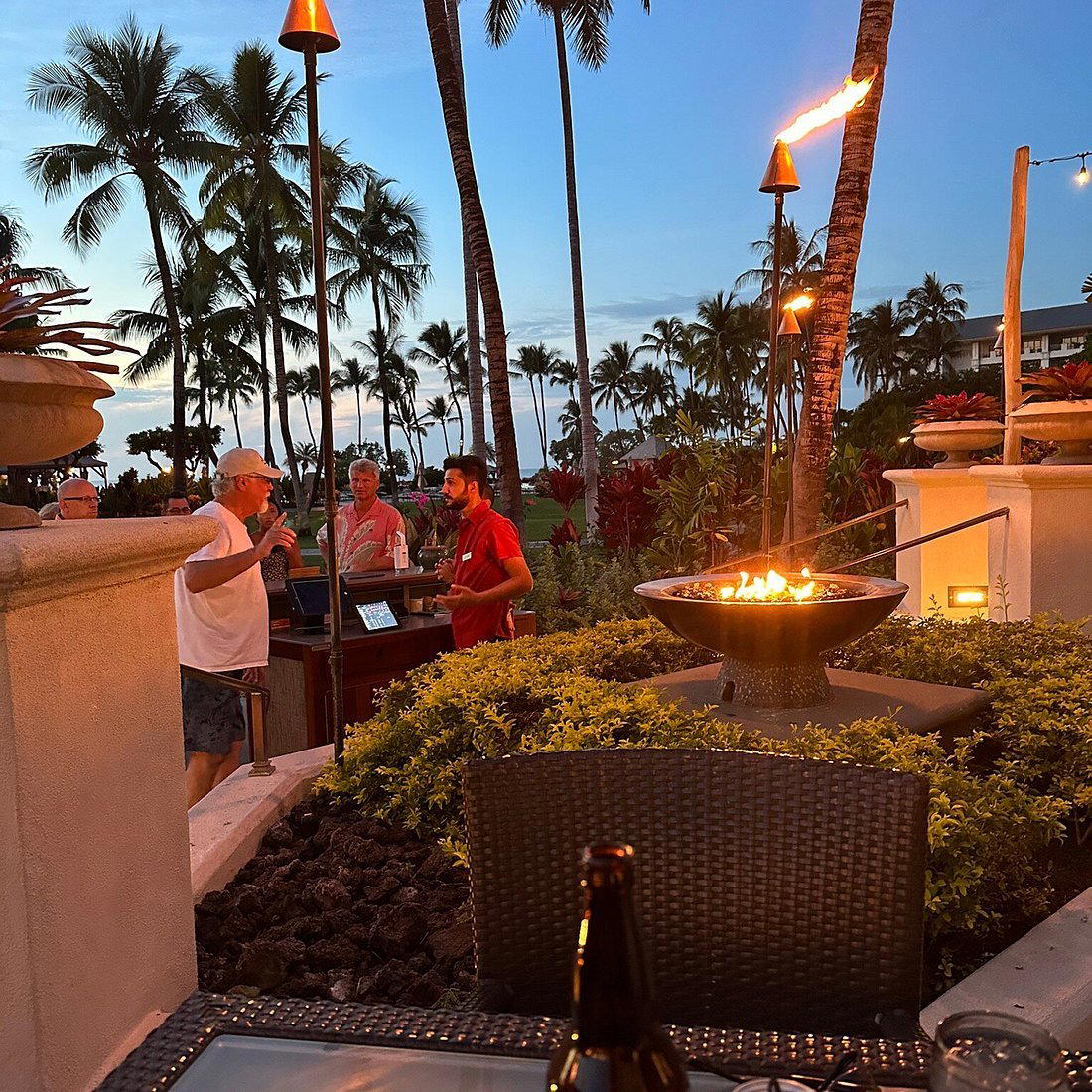
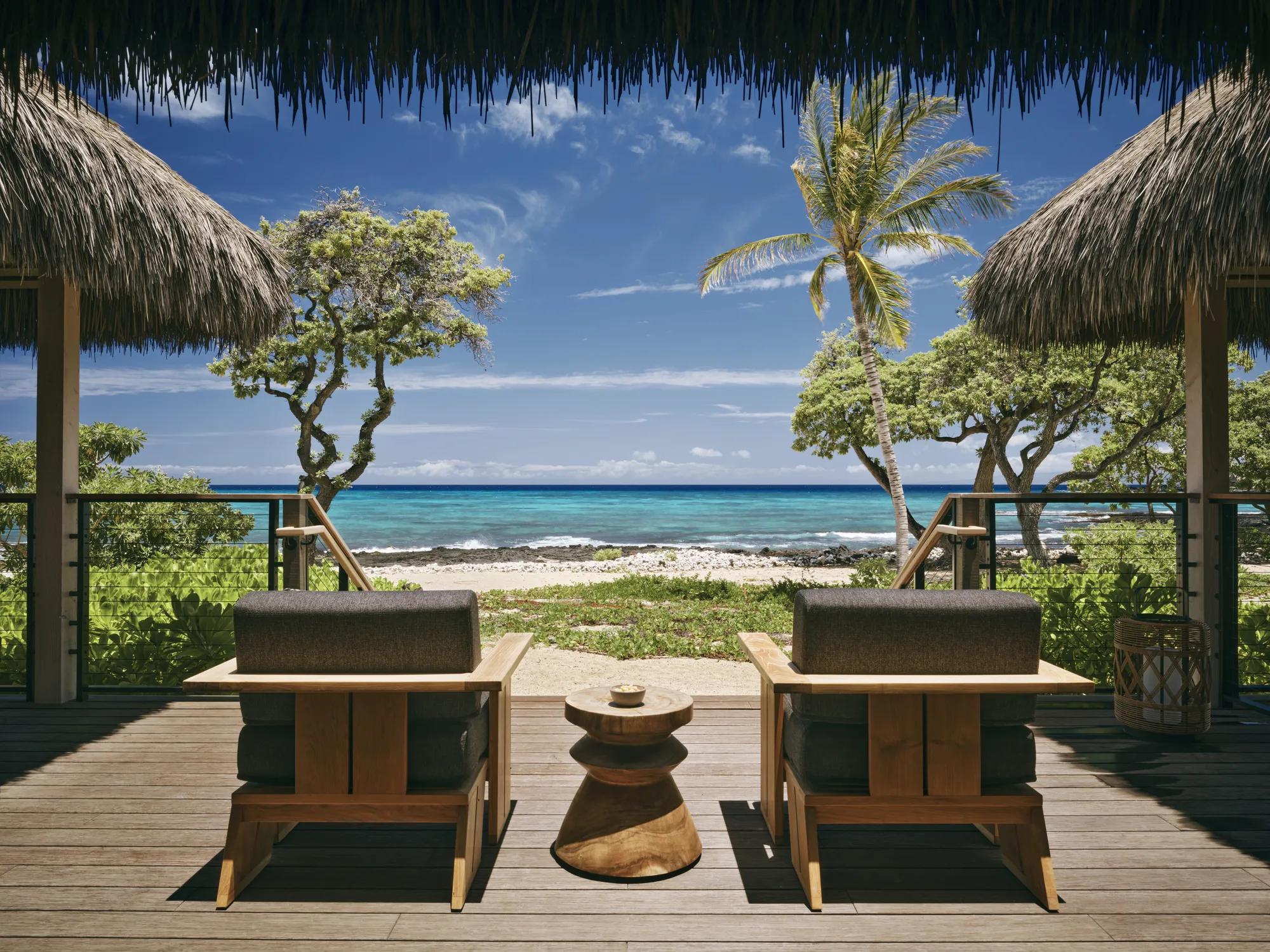
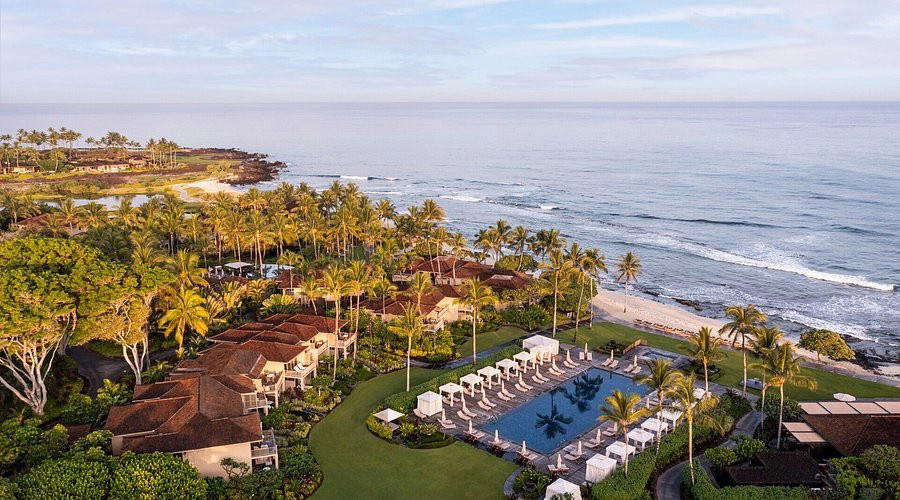
On the Kohala Coast, dining begins before the first order. The dry leeward air, resort landscaping, and Pacific light set a slower rhythm than larger urban restaurant districts or busier town centers elsewhere in Hawaii. In that setting, a grill room has to do more than present a simple dinner format. It has to make sense of Hawaii’s resort-dining realities: island availability, traveler expectations, and a guest base that may be eating after a beach day rather than planning a formal tasting-menu evening.
Binchotan Bar & Grill sits inside that conversation. Its positioning points toward resort grill vocabulary, but the more useful lens is not theme; it is fit. The Kohala Coast is a resort corridor, not a dense urban dining market, so restaurants here often balance place-specific context with the consistency expected by travelers. That balance is harder than it sounds. Hawaii rewards kitchens that can work with what is available, but distance, season, and freight costs make menu discipline matter. A grill format can work well in this context because it keeps the argument visible: heat, timing, seasoning, and the quality of the raw material carry more weight than decoration.
Island sourcing matters more on the Kohala Coast than menu language
Hawaii’s premium resort restaurants operate with a different supply logic from mainland city dining. Some ingredients may be sourced nearby, others may arrive from farther away, and availability can change with season and supply. The result is a dining culture where provenance is not a soft-focus talking point; it affects cost, consistency, and the shape of the meal. A grill-led restaurant on this coast needs a kitchen that can adjust without turning the menu into a souvenir version of island resort cooking.
That is where the ingredient-sourcing angle becomes the main test. Grill formats reward ingredients that can take direct heat without excessive intervention, with seasoning and sauces used with control. In a resort market, the risk is over-explanation or a menu that tries to reassure every guest at once. The stronger approach is narrower: let the setting and available ingredients do visible work, then use the grill as structure rather than costume.
For travelers mapping the broader local dining circuit, the comparison is less about cuisine labels than format. Hale Kai Restaurant reads closer to the open-air resort-casual end of the coast, while Milo Garden sits in adjacent resort-dining territory where setting and supply shape the meal as much as the menu. Binchotan Bar & Grill belongs in that same Kohala Coast decision set, but its grill framing gives it a sharper organizing principle than a general all-day hotel restaurant.
The grill-room question: restraint or resort excess
Grill-room dining depends on restraint. The cooking may be direct, but it should not feel blunt. The difference between a competent grill room and a forgettable one usually lies in pacing, smoke control, salt, sauce, and sequencing. On the Kohala Coast, that discipline has to coexist with a vacation dining audience that often wants comfort, flexibility, and enough range for a mixed table.
That tension is useful for deciding when to go. This is not a venue to evaluate only through outside signals; the better benchmark is whether the meal feels grounded in the coast rather than merely located there. In Hawaii, sourcing and supply carry cultural and economic weight. A restaurant that works thoughtfully within those realities can give a traveler a clearer sense of place than a more elaborate room built around imported luxury cues.
The category also sits within a wider American appetite for casual-premium grill formats. In other cities, tightly focused bar and counter-service formats can frame a meal around one narrow idea. The Kohala Coast version is different because resort context changes the terms: the room has to handle travelers, families, and date-night tables while keeping the grill identity intact.
How to place it in a Kohala Coast itinerary
The practical decision is simple: use Binchotan Bar & Grill when the night calls for a composed resort dinner with grill logic rather than a long-form tasting menu or a purely beachside meal. It is better read as part of a Kohala Coast stay than as a destination detached from its surroundings. The area’s dining character is spread across resort settings, which means meal planning often follows geography, sunset timing, and how far guests want to move after a day on the coast.
For broader planning, our full Kohala Coast restaurants guide is the useful starting point, especially when deciding between grill rooms, ocean-facing casual venues, and resort dining rooms. Travelers pairing dinner with lodging can cross-check our full Kohala Coast hotels guide; those building a longer evening can scan our full Kohala Coast bars guide. The area is not a wine-region trip in the Napa sense, but our full Kohala Coast wineries guide and our full Kohala Coast experiences guide help frame the wider itinerary.
The larger American context is also useful. Hawaii dining can look different across the mainland and islands, and other dining rooms answer the sourcing question in their own ways. Casual counters, polished resort restaurants, beachside rooms, and city bars all underline the same point: format only matters when ingredients and place do the real work.
Frequently asked questions
Is Binchotan Bar & Grill child-friendly?
Its Kohala Coast setting places it in resort-dining territory, so it suits families earlier in the evening more than a casual drop-in lunch. The room reads as a dinner restaurant, not a kids-focused venue.
What's the vibe at Binchotan Bar & Grill?
The setting is a Kohala Coast resort grill, so expect a polished dinner room built around grilling rather than a loud bar scene. The profile points to an evening-first restaurant experience.
Where is Binchotan Bar & Grill located?
Kohala Coast.
Do they take walk-ins at Binchotan Bar & Grill?
Those details are not published. Given its Kohala Coast setting, planning ahead is the safer approach. Check the venue's official channels for the latest details.
Snapshot
Comparable venues by cuisine and price in the same metro.
| Venue | Cuisine | Price |
|---|---|---|
| Binchotan Bar & GrillThis venue (the venue you are viewing) | Asia-Pacific Grill with Japanese–Hawaiian Flavors | $30–50 |
| Hale Kai Restaurant | Casual Hawaiian-American Seafood | Not listed |

Continue exploring
More in Kohala Coast
Restaurants in Kohala Coast
All restaurants in Kohala Coast →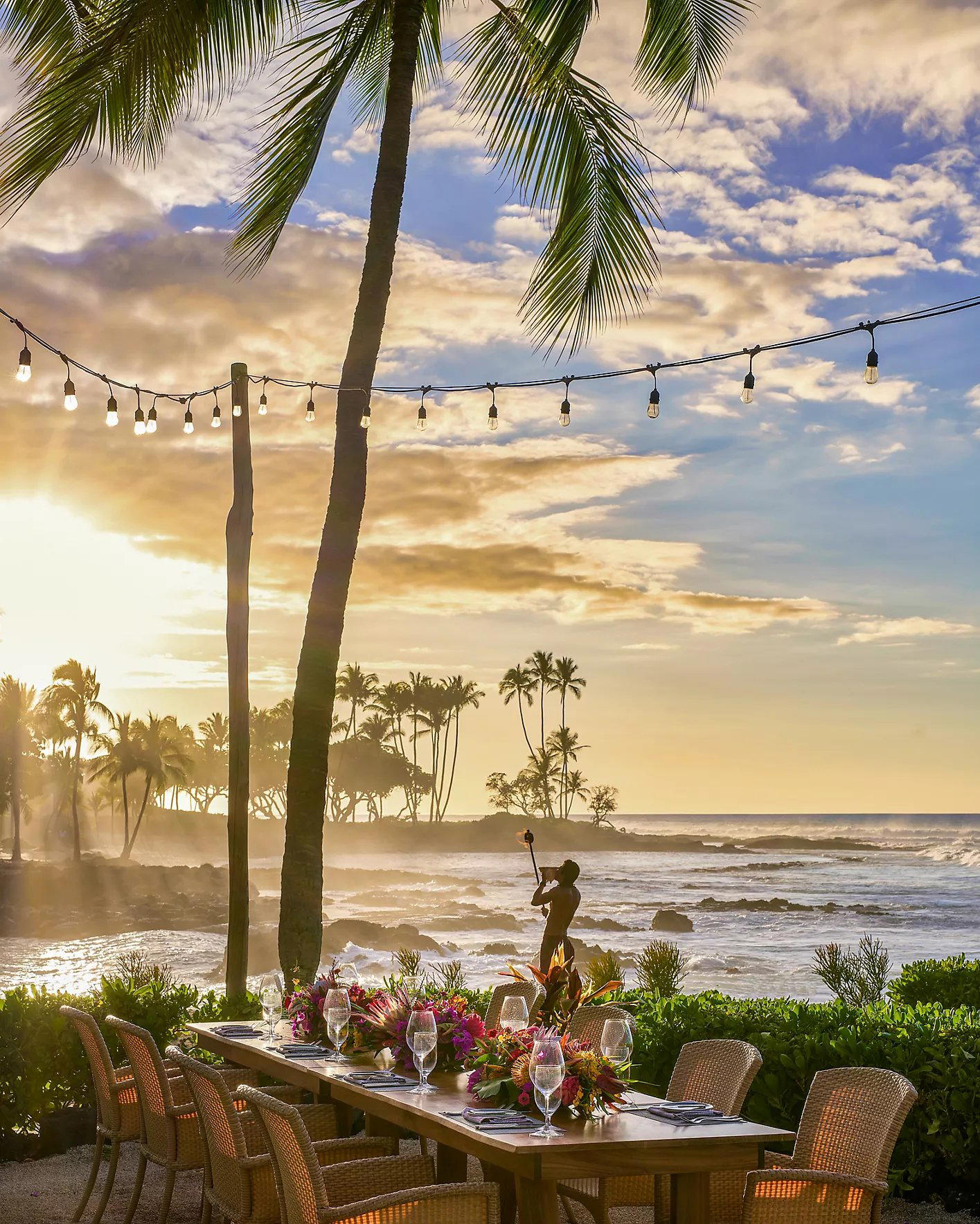
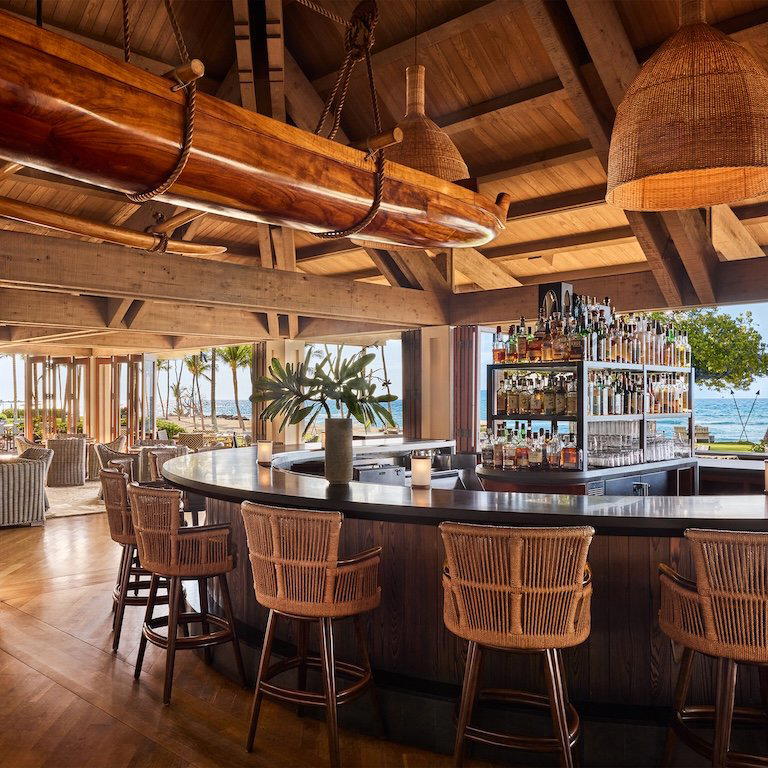
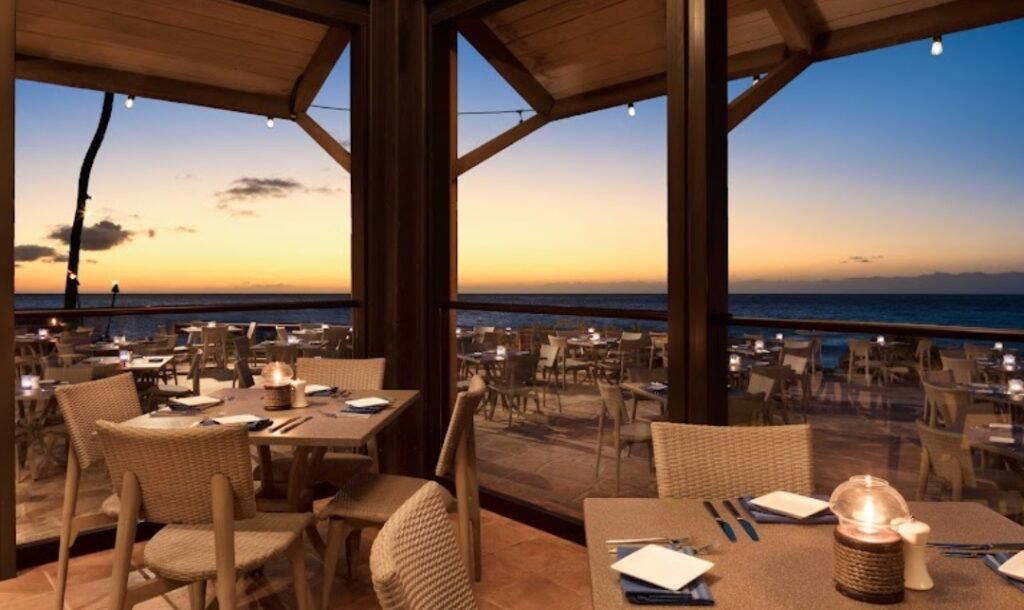
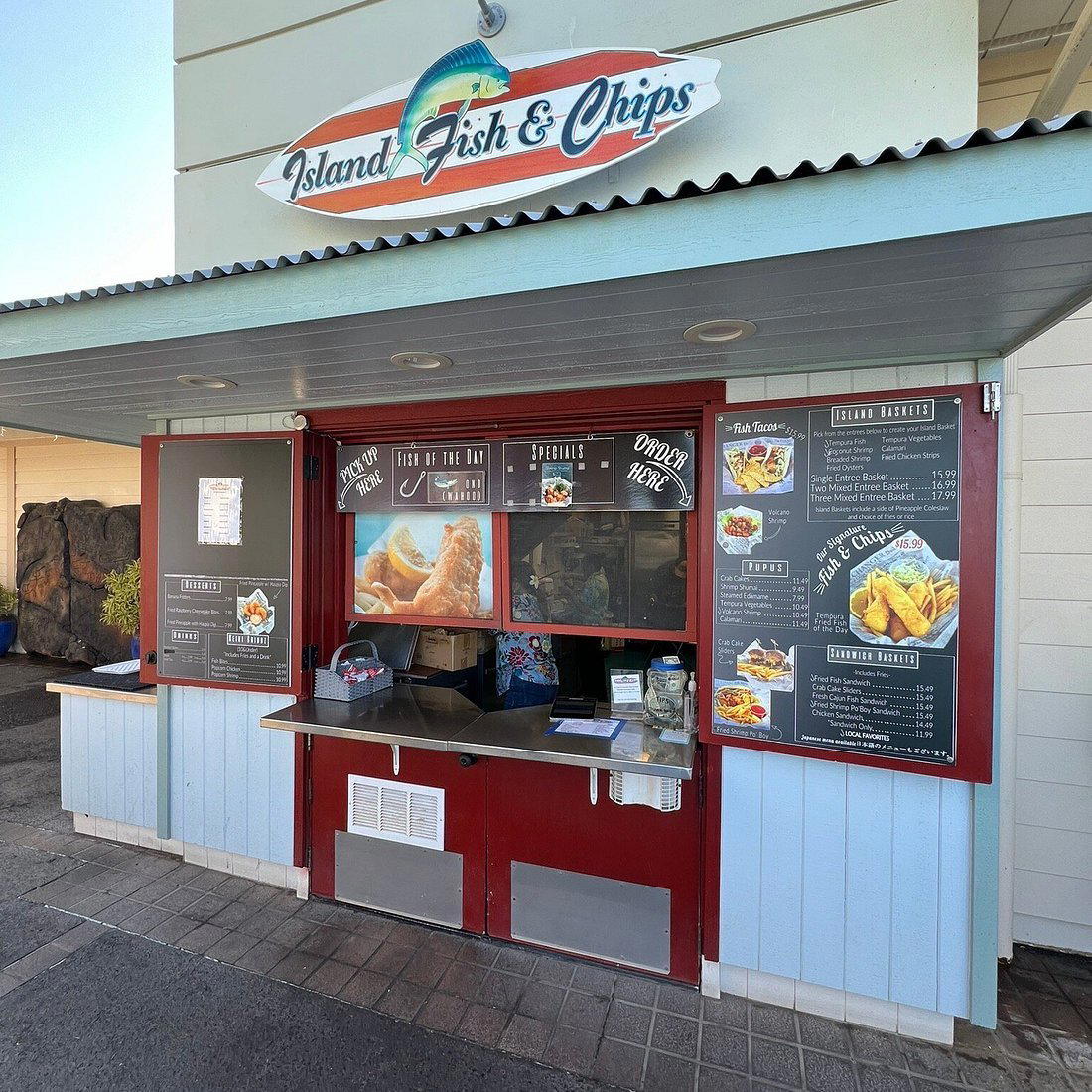
Bars in Kohala Coast
Browse all →
Binchotan Bar & Grill
The wine
- Extensive wine list
- Sake program
- Craft cocktails
- Beer program
Details
- Scenic
- Modern
- Elegant
- Romantic
- Energetic
- Date Night
- Family
- Group Dining
- Casual Hangout
- Celebration
- After Work
- Waterfront
- Open Kitchen
- Private Dining
- Hotel Restaurant
- Terrace
- Craft Cocktails
- Sake Program
- Extensive Wine List
- Beer Program
- Waterfront
- A La Carte
- Family Style
- Wine
- Sake
- Cocktails
- Beer
- Vegetarian Friendly
- Vegan Options
- Gluten Free Options
- Pescatarian Friendly
Current opening hours
- Monday
- 5–9 PM
- Tuesday
- 5–9 PM
- Wednesday
- 5–9 PM
- Thursday
- 5–9 PM
- Friday
- 5–9 PM
- Saturday
- 5–9 PM
- Sunday
- 5–9 PM
Hours can change for holidays and private events. Hours as of .
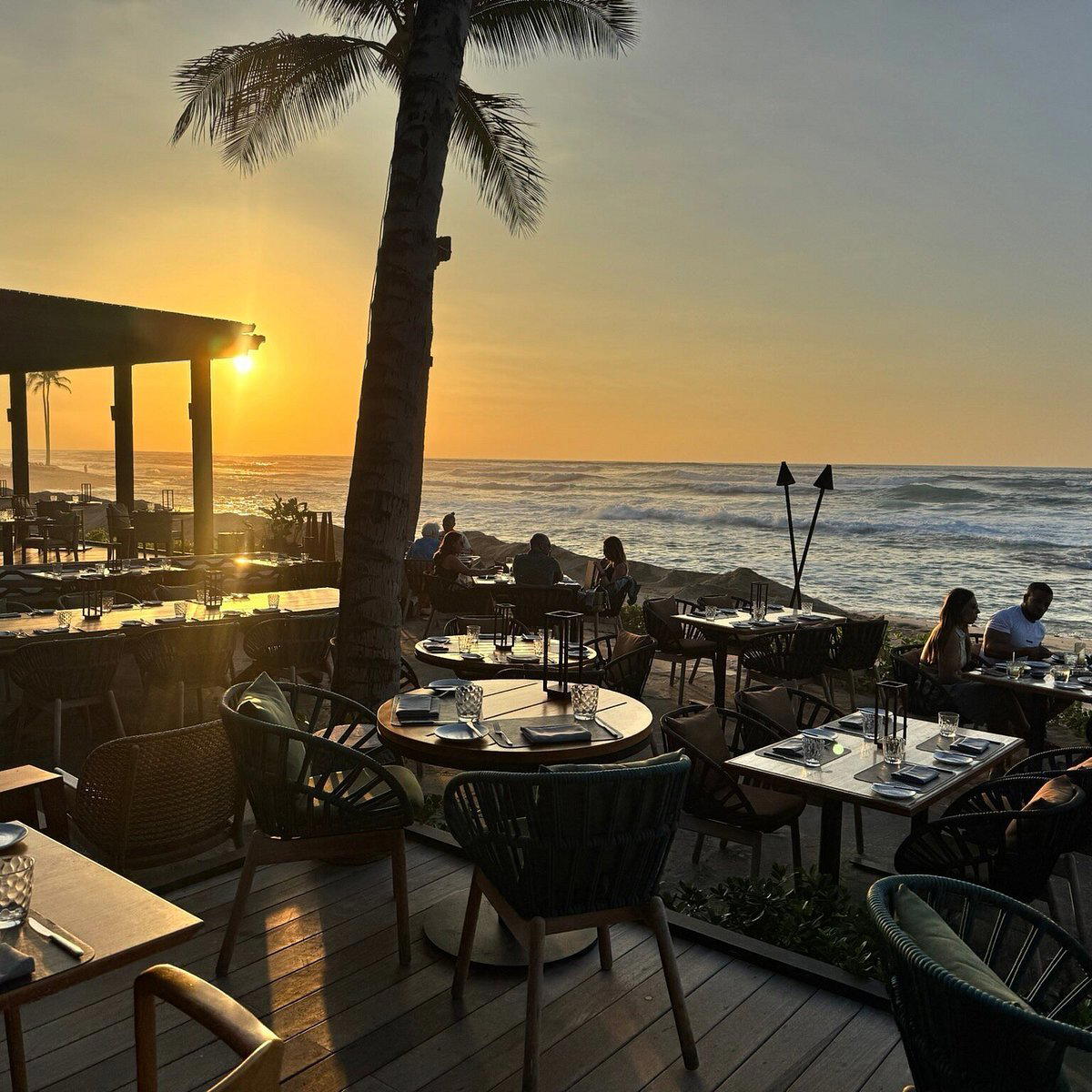
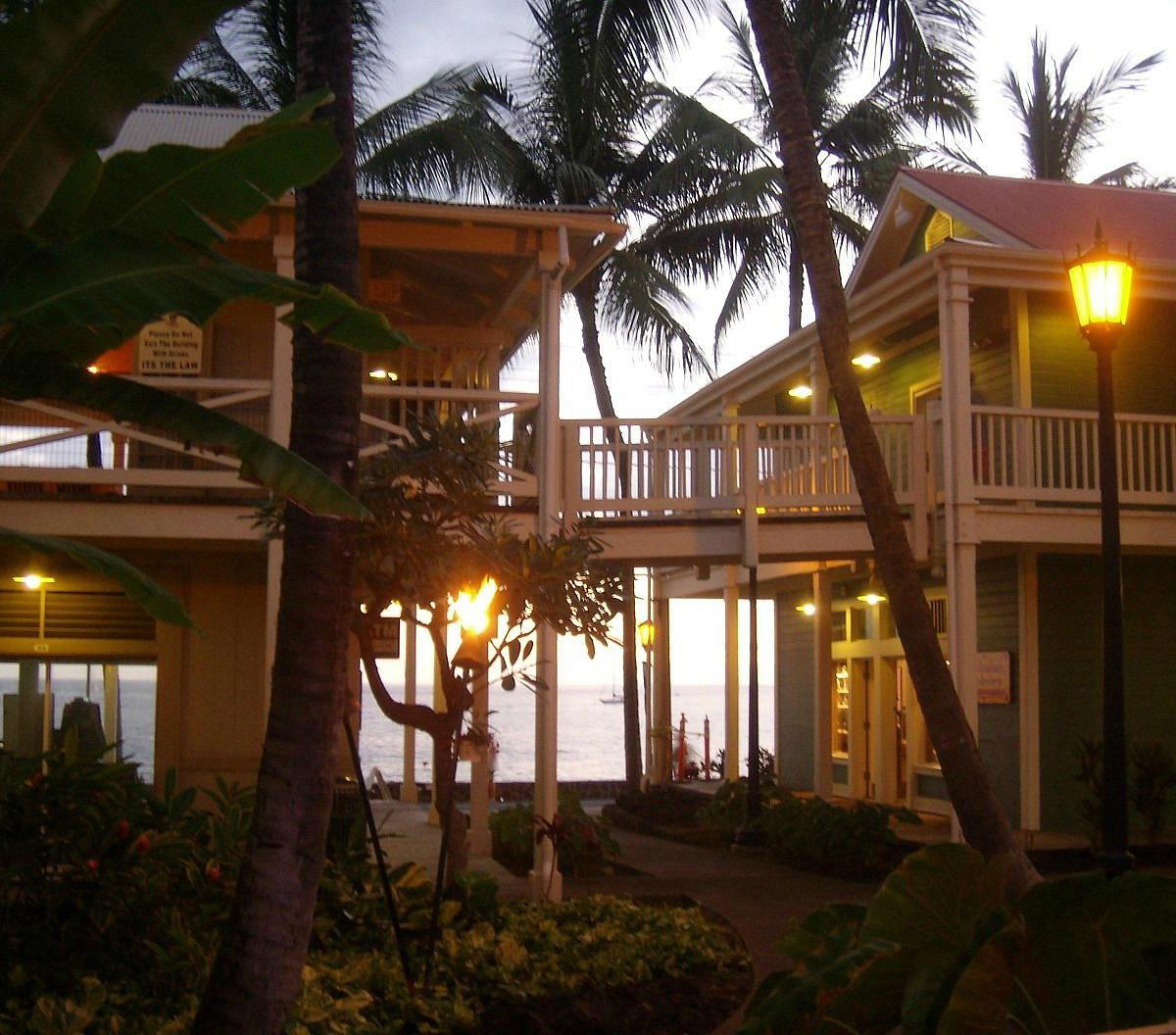
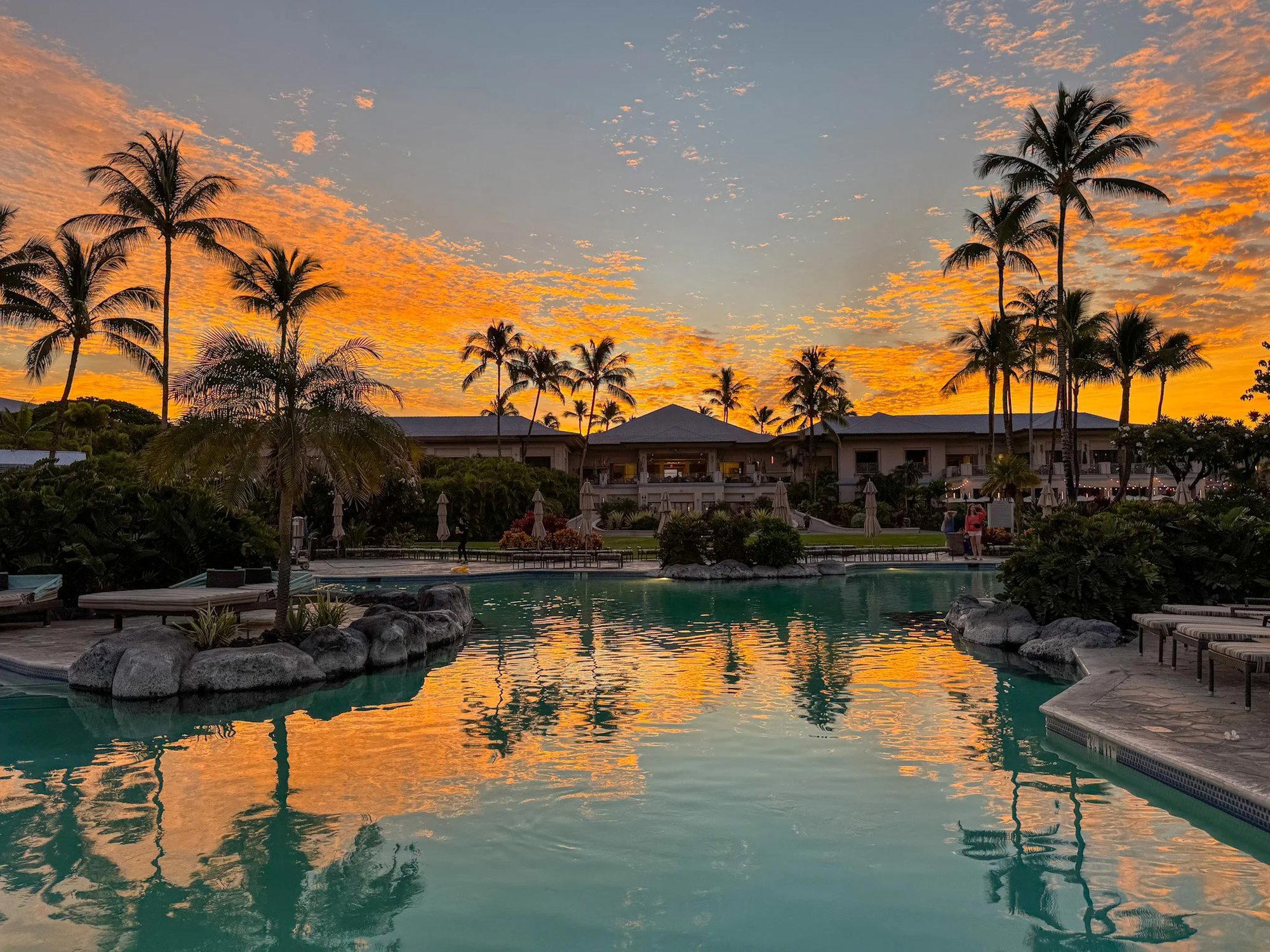
Relaxed resort setting with open-air indoor and patio seating, sunset ocean views, and a contemporary Japanese–Hawaiian grill vibe that feels upscale yet casual and family-friendly.