Our verdict
Attrå occupies a corner of Storgata in Larvik, a coastal town in Vestfold where proximity to the Oslofjord and surrounding farmland shapes what ends up on the plate. The restaurant sits within Norway's growing circuit of regionally grounded destination dining, where sourcing geography rather than chef celebrity defines the editorial story.

Pearl is the En Primeur Club membership app, where members save venues, book tables and use the concierge.
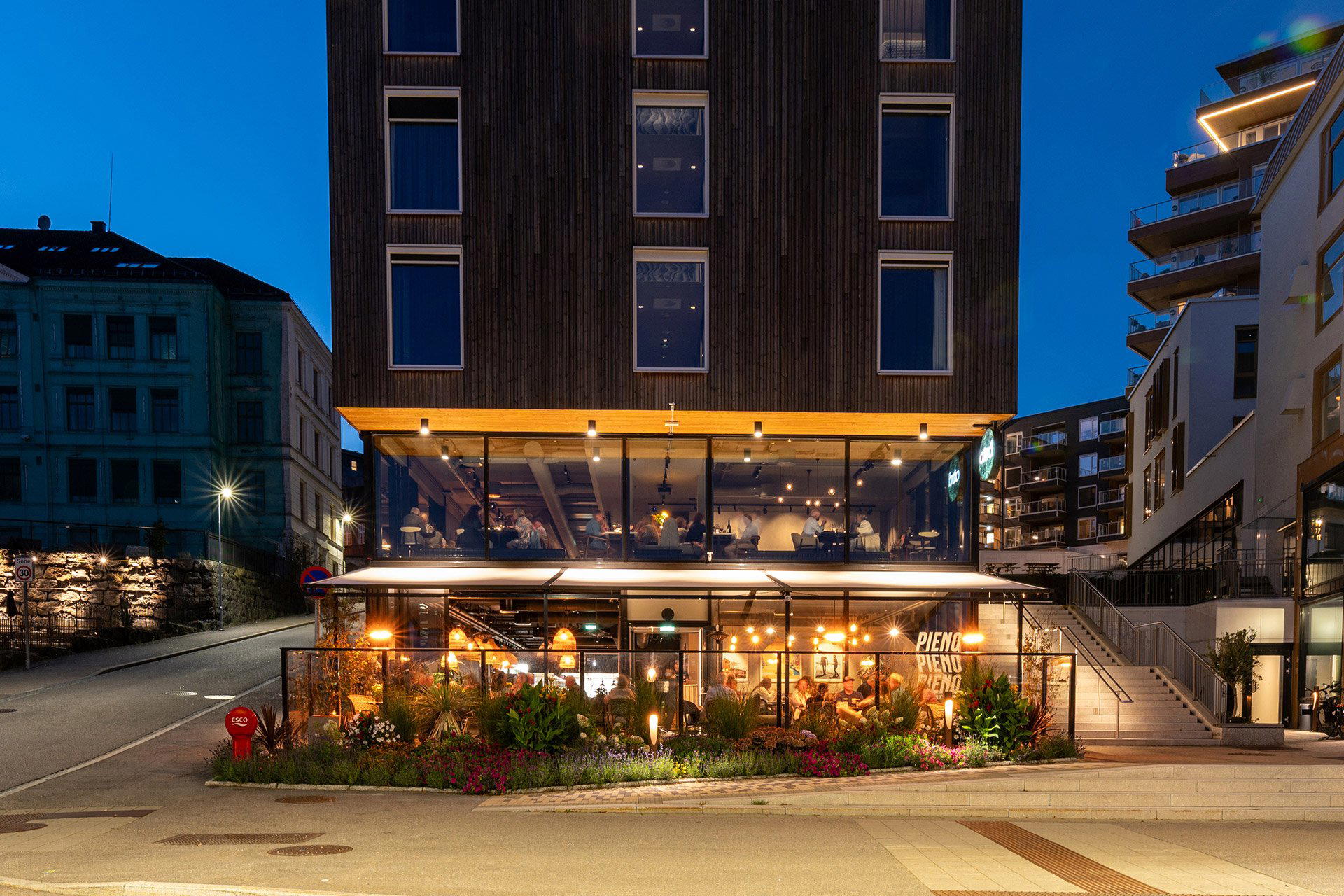
Larvik and the Coastal Larder
Vestfold, the narrow coastal county stretching south of Oslo along the western shore of the Oslofjord, has quietly built one of Norway's more coherent regional food identities. Cold, clean water produces shellfish and fish of notable quality; the farmland inland from the fjord yields dairy, grain, and game that track the seasons in ways supermarket supply chains cannot replicate. Larvik sits at the county's southern edge, a working harbour town with a shipbuilding past and a growing reputation as a place where the supply chain between producer and plate is short enough to matter. Our full Larvik restaurants guide maps that shift across the town's dining options.
The address, Storgata 41, places Attrå on the main commercial artery running through the town centre. Arriving on foot from the harbour, you pass the kind of low-brick architecture that typifies Norwegian coastal towns built out in the nineteenth century, functional and without ornament. The dining room registers as a departure from that register: interior temperature, the quality of ambient light, and the pace of service signal intention before the menu arrives.
Where Attrå Sits in the Norwegian Dining Circuit
Norway's fine dining conversation has been shaped for more than a decade by a handful of restaurants in the major cities: Maaemo in Oslo, RE-NAA in Stavanger, and Speilsalen in Trondheim represent the award-holding tier that draws international attention. Bergen's Lysverket and the architecturally singular Under in Lindesnes have extended that conversation into new geography and format. What has followed, across the last several years, is a second wave of serious kitchens operating outside those anchor cities, places where the sourcing argument is local enough to be verifiable and the cooking ambitious enough to warrant the trip.
Attrå belongs to that second wave. Larvik is not Oslo, and the restaurant does not position itself against the capital's multi-Michelin tier. The same pattern holds further inland: Vianvang in Vågå and Buer Restaurant in Odda make related cases for mountain and valley sourcing. Across all of them, the editorial logic is consistent: the distance between ingredient origin and kitchen is kept short enough that the season is the menu.
The Sourcing Frame: Why Geography Precedes Technique
Norway's New Nordic framework, which has now been in circulation long enough to have its own critical literature, made a structural argument about sourcing before it made any argument about technique. The claim was that Northern European ingredients, treated with the right level of skill and without reference to French classical hierarchy, could produce cooking that was both rigorous and specific to place. That argument has held more convincingly in restaurants with a demonstrable, short-radius supply chain than in those that adopted the aesthetic vocabulary without the underlying geography.
Vestfold's position makes the geographical argument direct. The Oslofjord system produces flatfish, crustaceans, and cold-water species that carry the salinity and texture of their environment. The county's farms, operating in a climate mild enough by Norwegian standards to support varied cultivation, supply vegetables, dairy, and meat on seasonal cycles that a kitchen this size can track closely. Restaurants like Sjøslag, also in Larvik, work the same supply network, which suggests the town has developed enough supplier infrastructure to support more than one kitchen with genuine regional ambition.
The sourcing frame matters for how you read a meal here. Dishes change with the season in ways that are consequential rather than cosmetic, because the underlying ingredient changes. A spring plate built around early coastal herbs and cold-water species carries different structural logic than an autumn plate anchored by root vegetables and aged dairy. The kitchen's job, in this framework, is to make that logic legible on the plate without overstating it.
The Broader Pattern: Small-City Destination Dining in Norway
The growth of serious kitchens in smaller Norwegian towns reflects two pressures converging. The first is economic: rents and labour costs in Oslo and Bergen have compressed the margin available to ambitious independent restaurants. The second is editorial: the sourcing argument that underpins New Nordic cooking is more convincing when the restaurant is physically proximate to its suppliers. A kitchen in a coastal or rural town can make credible claims about ingredient provenance that a city-centre restaurant, regardless of its supplier relationships, cannot quite replicate in terms of narrative distance.
This shift has created a circuit of destination dining that runs along Norway's coastline and into its inland valleys. Readers making a dedicated food trip to Norway increasingly plan itineraries that connect multiple cities and regions rather than concentrating exclusively in Oslo. Lily Country Club in Kløfta, Boen Gård in Tveit, Smag & Behag Grimstad in Grimstad, and Hvelvet in Lillehammer are each part of that extended circuit, as are international reference points for the same format logic: Le Bernardin in New York City built its identity around a single-category sourcing commitment, and Lazy Bear in San Francisco shows what a ticketed, communal-format kitchen can do with a tight, seasonal supply chain. The underlying principle travels across geographies: when sourcing is the primary editorial statement, proximity to origin is the credential.
Planning Your Visit
Larvik is accessible by train from Oslo, with journey times on the Vestfold line running under two hours from Oslo Central Station. The town is compact enough that Storgata 41 is walkable from the railway station. Given the sparse public data available for Attrå on booking method, hours, and pricing, contacting the restaurant directly before travel is the practical approach. For visitors planning a wider sweep of Vestfold dining, the county's road network connects Larvik to Tønsberg and Sandefjord within thirty minutes, making it feasible to anchor a two-night stay and cover multiple restaurants across the region.
Frequently asked questions
Is Attrå okay with children?
Attrå sits at Storgata 41 in central Larvik, and the broader body of its editorial context places it firmly in the destination dining category rather than casual family territory. Formal tasting-format restaurants in this Norwegian circuit tend to suit adults or older teenagers comfortable with a slower, course-driven pace. Without explicit family policy information from the venue, contacting Attrå directly before booking with young children is advisable.
Is Attrå better for a quiet night or a lively one?
Attrå reads as a considered, quiet-evening restaurant. Its position within Norway's small-city destination dining circuit, alongside the geographical focus on Vestfold's coastal larder, points toward an atmosphere built around attentive service and the food itself rather than ambient noise or late-night energy. Larvik as a town reinforces that register: it is not a late-night city, and Storgata 41 is not a bar strip address.
Is Attrå worth travelling from Oslo specifically to visit?
Larvik is reachable from Oslo Central Station in under two hours on the Vestfold rail line, which makes Attrå a plausible day-trip or overnight destination rather than a detour. The restaurant belongs to a recognisable pattern of serious kitchens establishing themselves in smaller Norwegian towns, a category that has drawn both critics and travellers away from Oslo's established circuit. For those tracking the evolution of Norwegian regional dining beyond the capital, Attrå in Larvik is a relevant address to follow.
What's the signature dish at Attrå?
Specific menu details and dish names for Attrå are not available in current documentation. What the restaurant's broader context makes clear is that sourcing from Vestfold's coastal geography, one of Norway's more coherent regional larders, is the structural frame around which the kitchen operates. Reaching out to Attrå directly or monitoring their current programme is the most reliable way to understand what is on the menu in any given season.
What part of town is Attrå in?
Attrå is located at Storgata 41, 3256 Larvik, Norway, Larvik.
Quick Comparison
Comparable venues nearby, for context on price, style, and recognition.
| Venue | Cuisine | Price | Awards | Notes |
|---|---|---|---|---|
| AttråThis venue (the venue you are viewing) | French-Asian Fusion Fine Dining | Not listed | Not listed | Not listed |
| Sjøslag | French-Inspired Norwegian Seafood | $50–100 | Star Wine List · Wine Spectator Best of Award of Excellence | Fritzøe Brygge |
| Feinschmecker | French-influenced Norwegian Fine Dining | Not listed | Not listed | Briskeby |
| Park 29 | Classic French and Italian inspired with Norwegian ingredients | $50–100 | Star Wine List | Homans Byen |
| Brasserie Ouest | French Brasserie | Not listed | Star Wine List | Skillebekk |
| Campo de' Fiori | Authentic Roman Italian | $30–50 | Not listed | Homans Byen |
Continue exploring
More in Larvik
Restaurants in Larvik
All restaurants in Larvik →
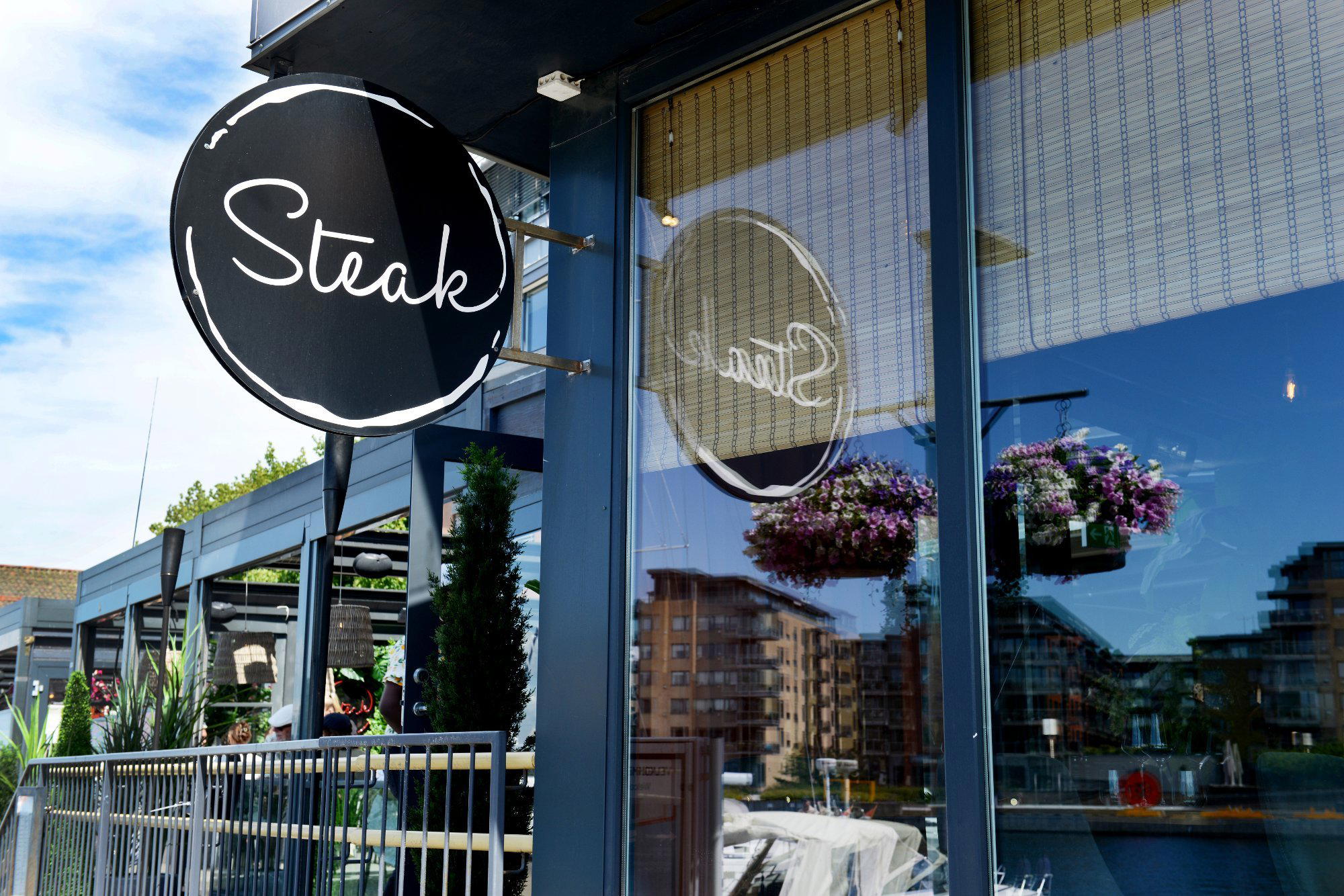
Bars in Larvik
Browse all →
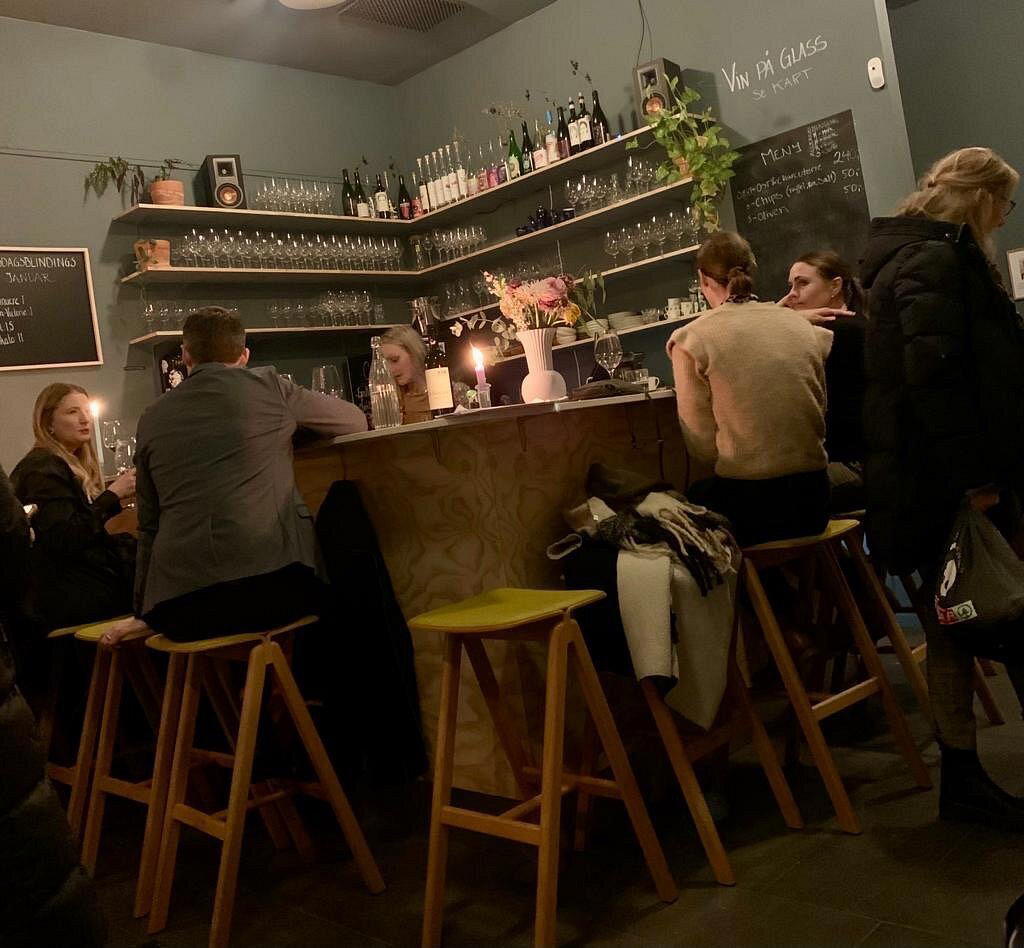
Details
- Elegant
- Modern
- Intimate
- Sophisticated
- Date Night
- Special Occasion
- Open Kitchen
- Extensive Wine List
- Waterfront
- Tasting Menu
- A La Carte
Current opening hours
- Monday
- Closed
- Tuesday
- 5–10 PM
- Wednesday
- 5–10 PM
- Thursday
- 5–10 PM
- Friday
- 5 PM–1 AM
- Saturday
- 5 PM–1 AM
- Sunday
- Closed
Hours can change for holidays and private events. Hours as of .
Cozy and atmospheric with carefully designed lighting enhancing distinct dining experiences across floors, complemented by sea views and a welcoming vibe.