Arriba Baja
Our verdict
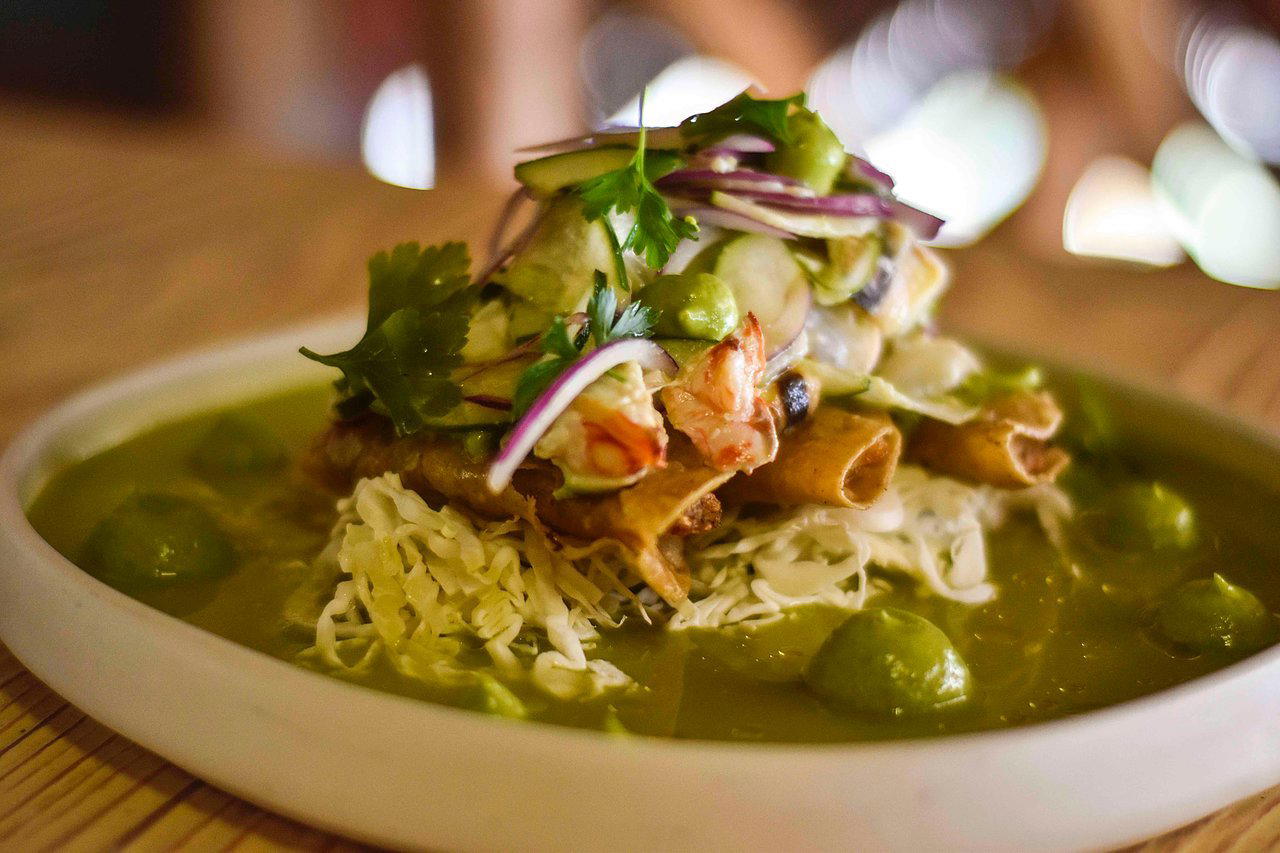
Arriba Baja belongs to Playa del Carmen’s more interesting dining question: how a resort city interprets Mexican sourcing when seafood, peninsula produce, and tourist demand all pull in different directions. With little public ceremony around awards or chef biography, the draw is less about trophy dining than about reading the Riviera Maya through ingredients, format, and location.

Pearl is the En Primeur Club membership app, where members save venues, book tables and use the concierge.
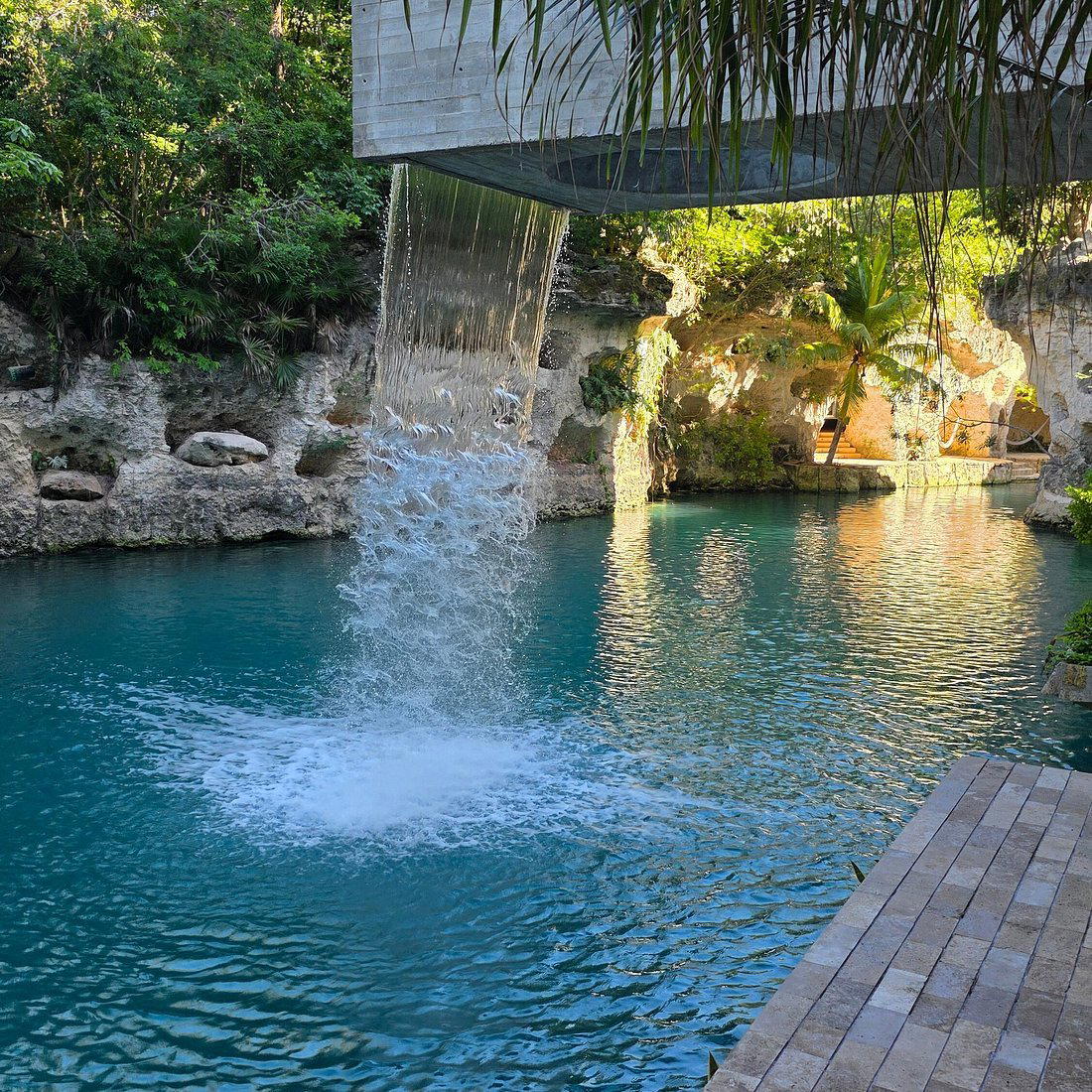
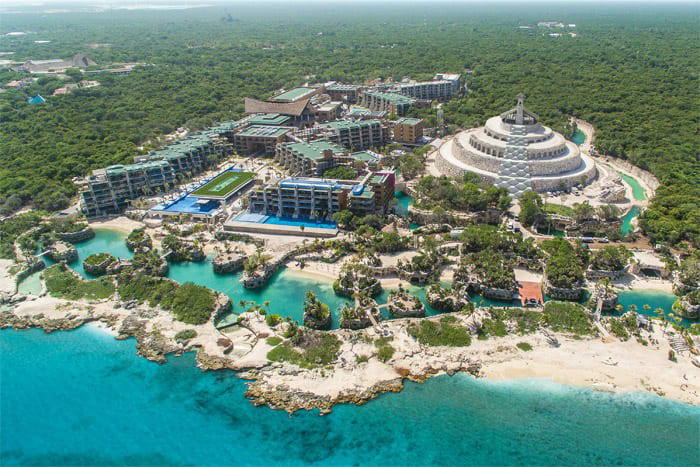
Approaching the dining scene in Playa del Carmen, the first impression is not a single restaurant but a collision of signals: coastal humidity, resort corridors, international menus, everyday local stops, and kitchens trying to speak in a more grounded register. Arriba Baja sits inside that tension. The name gives the room a clear point of view, but the city around it is Playa del Carmen, where visitor expectation and local dining habits meet every night.
That matters because Playa del Carmen is not a classic restaurant capital in the way larger Mexican dining cities can be. Its dining culture is shaped by movement: travelers arriving for beach weeks, hotel guests moving through the Riviera Maya, weekenders from nearby cities, and residents who know which rooms are built for repeat eating rather than one-night spectacle. The serious kitchens separate themselves by clarity. In a coastal resort city, the question is not whether a menu can sound appealing, but whether it can make sense of its setting.
Playa del Carmen's ingredient problem is also its opportunity
The Riviera Maya gives restaurants a strong sense of place, but location alone does not guarantee disciplined cooking. Familiar vacation cues can become generic; local reference points can be reduced to visual shorthand. The better end of the local scene treats supply and context as structure: what belongs to the region, what arrives from elsewhere, and what a visitor should taste here rather than anywhere with a beach view.
Arriba Baja is useful to read through that lens. Rather than leaning on a detailed public mythology, the restaurant has to be judged against the broader Playa del Carmen category: places attempting to connect a clear dining identity with a traveler-facing room. That puts it closer to the city’s more considered middle tier than to pure hotel dining or late-night casual eating. For a sharper local reference point, other Playa del Carmen dining rooms give useful context; at the resort end of the spectrum, hospitality infrastructure changes the dining equation.
The comparison is less about ranking than about intent. Some Playa del Carmen rooms trade partly on setting. Other destination-style addresses turn the room into the headline. Direct casual formats work because the proposition is simple and repeatable. Arriba Baja occupies a narrower editorial space: a restaurant to consider when the point of the meal is not only where it happens, but how the room frames itself for this stretch of coast.
The Riviera Maya table rewards specificity over spectacle
Playa del Carmen has enough visitor traffic to support almost every dining cliché, which makes restraint valuable. A restaurant in this market does not need theatrical language to be interesting; it needs a clear position. Arriba Baja’s name suggests a conversation beyond the immediate beach-resort template, while the local setting pulls the experience back toward Playa del Carmen. That tension can be compelling when handled with discipline, especially in a city where menus often flatten place into a single vacation vocabulary.
A public accolades story is not the only way to read a restaurant in a resort-heavy market. Awards coverage can lag the reality on the ground, and many worthwhile meals sit outside formal guide systems. The more useful trust signal here is contextual: location in Playa del Carmen, a city where the dining field splits between hotel restaurants, casual local institutions, destination rooms, and concept-led independents. Nearby comparison names such as Azul Nogada, Bio, Chi’, Chibali, and Fuego belong to that wider local field, each marking how fragmented the market has become.
Readers building a longer itinerary should use the city rather than a single booking as the organizing principle. Pair a focused restaurant meal with a beach-club lunch, a casual local stop, and one more designed dining room, then the differences become clear. EP Club’s broader Playa del Carmen coverage is useful for that mapping: start with the full restaurants guide, then cross-reference hotels, bars, wineries, and experiences if the trip extends beyond dinner.
How to place Arriba Baja in a Mexico dining itinerary
Arriba Baja makes the strongest case for travelers who already understand that Mexico’s coastal dining is not a single genre. Different regions, hotel markets, and resort cities carry different assumptions. The editorial value here is the conversation between those references inside Playa del Carmen, a city that often asks restaurants to be accessible before they are precise.
For broader calibration across Mexico and beyond, compare the way destination dining changes by region: some nearby experiences lean into format, while other coastal restaurants belong to different regional conversations. Urban polish appears in a different key in larger city dining rooms. Farther afield, international examples underline the same principle: a dining identity only works when a room knows what it is trying to say.
The verdict is measured but positive. Arriba Baja is not the page to read for star-chasing or personality mythology. It is the address to consider when a Playa del Carmen meal should connect to coastal appetite, a clear point of view, and the city’s hybrid audience without collapsing into resort sameness.
Frequently asked questions
Where exactly is Arriba Baja?
Playa del Carmen.
Is Arriba Baja reservation-only?
The venue details do not list a reservation format, so Arriba Baja should be treated as a place to confirm ahead of time rather than assume walk-in access. It is in Playa del Carmen.
What makes Arriba Baja worth seeking out?
Arriba Baja gives Playa del Carmen travelers a focused dining option rather than another generic tourist-strip stop. In a city with heavy visitor traffic, that kind of clearly positioned restaurant matters.
What if I have allergies at Arriba Baja?
State allergies clearly before ordering and repeat them when needed, so the kitchen can adjust around your needs. That is the sensible approach at Arriba Baja in Playa del Carmen, especially when those details are not published. Check the venue's official channels for the latest details.
Fast Comparison
Nearby venues at a similar price tier for orientation.
| Venue | Cuisine | Price | Awards |
|---|---|---|---|
| Arriba BajaThis venue (the venue you are viewing) | Modern Baja California Mexican Fine Dining | $50–100 | Not listed |
| Azul Nogada | Regional Mexican from Puebla | $50–100 | Not listed |
| Bio | Modern Mexican / Fusion | Not listed | Not listed |
| Chi’ | Modern Yucatecan Mexican | $30–50 | Not listed |
| Chibali | International Buffet | Not listed | Not listed |
| Fuego | Spanish-Japanese Fusion Tapas | $50–100 | Michelin Plate |
Continue exploring
More in Playa del Carmen
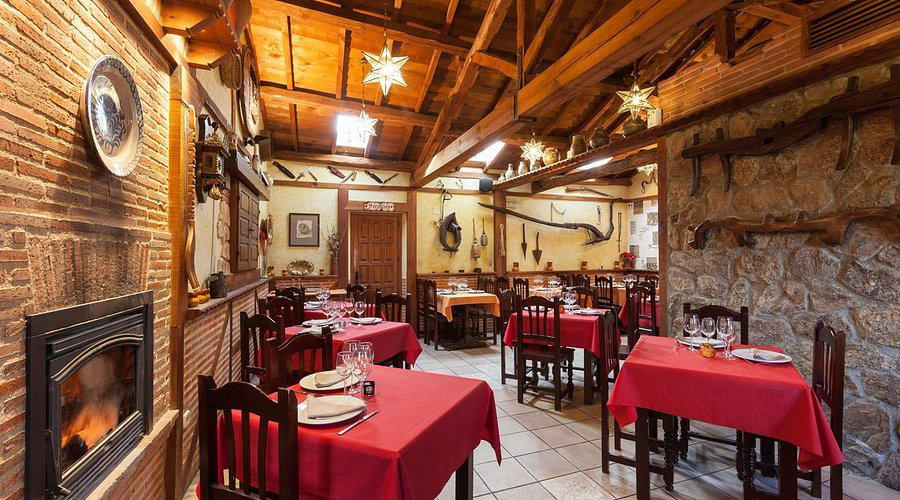
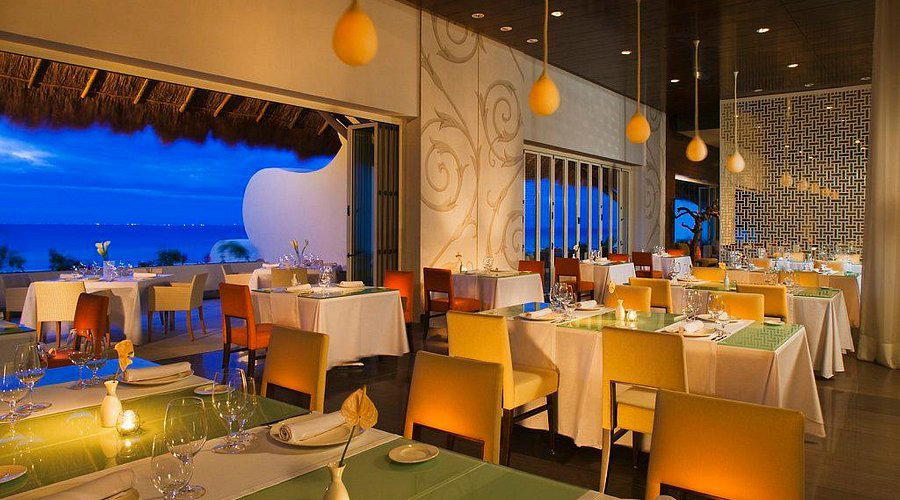
Restaurants in Playa del Carmen
All restaurants in Playa del Carmen →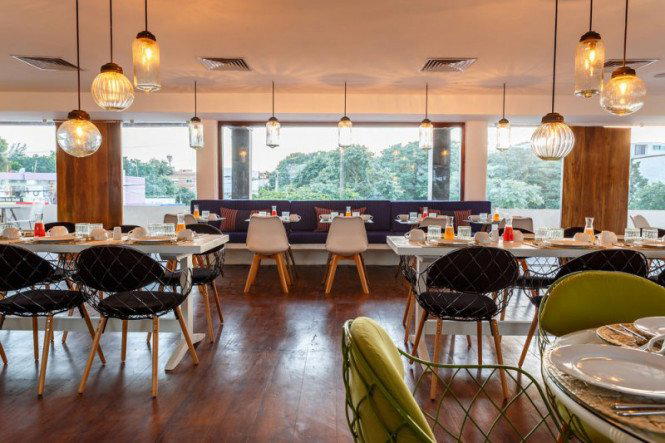
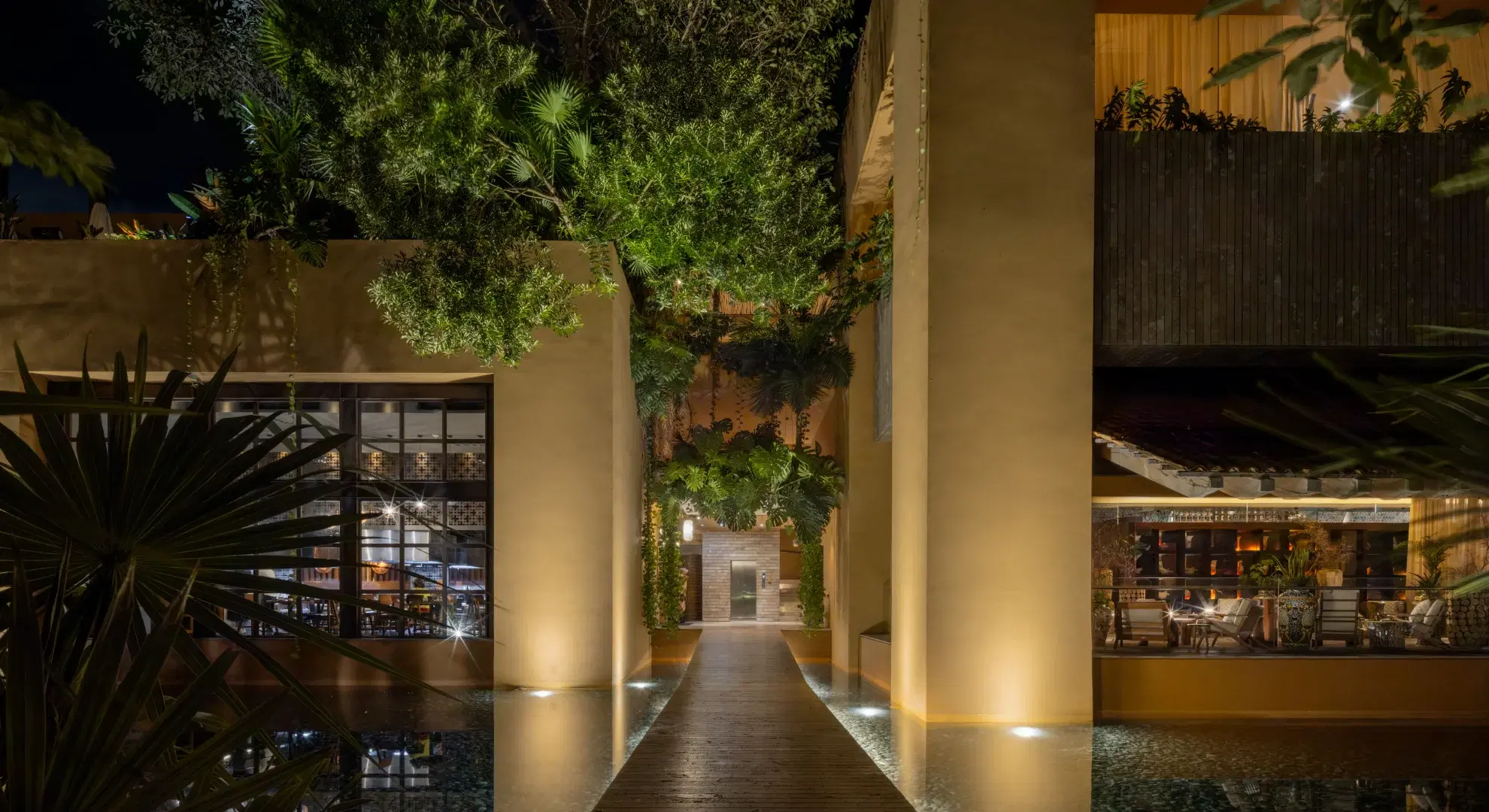
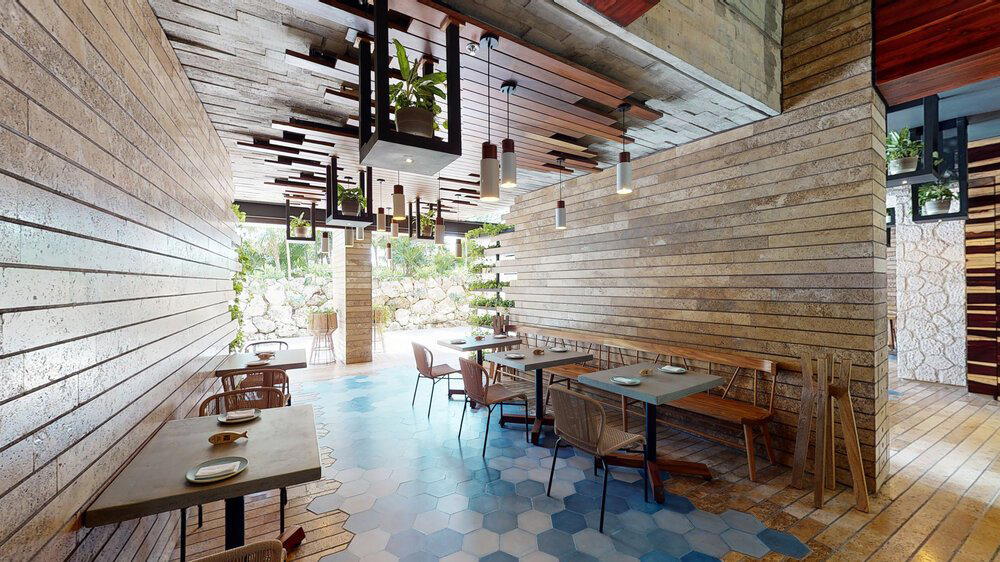
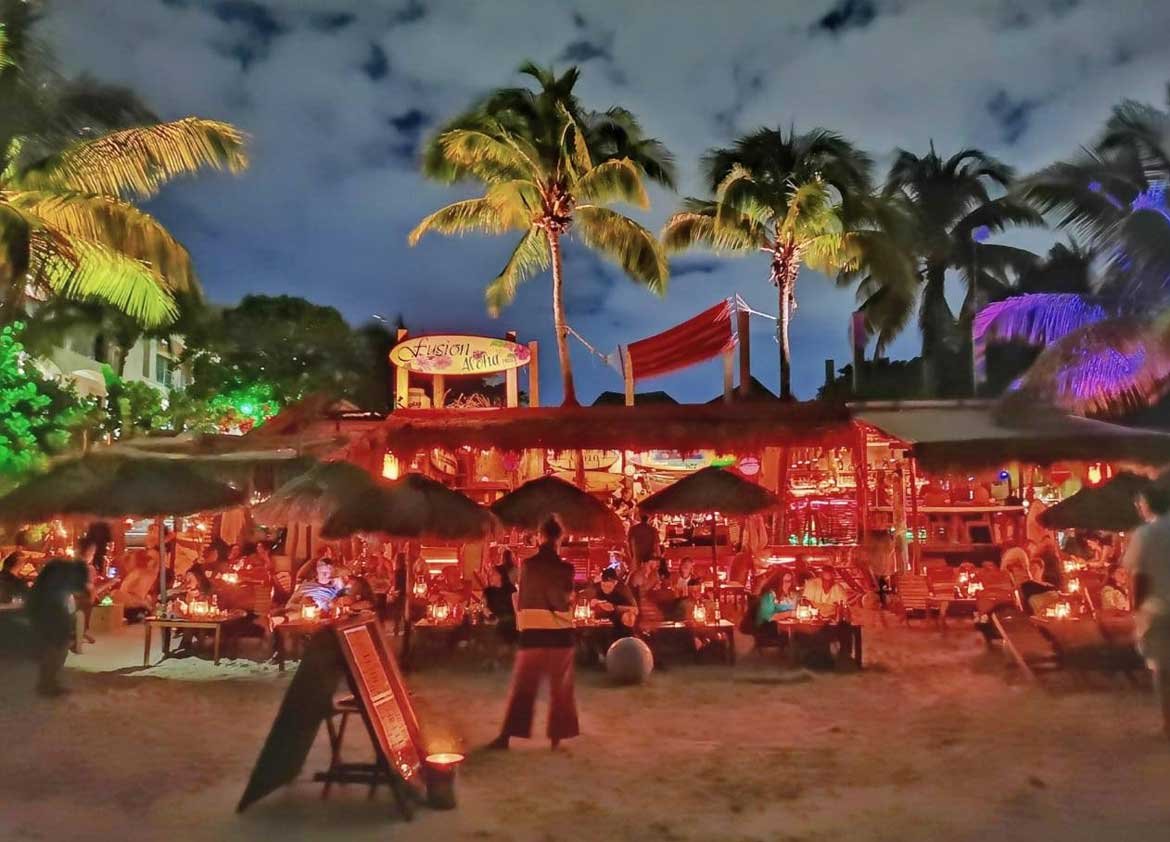
Bars in Playa del Carmen
All bars in Playa del Carmen →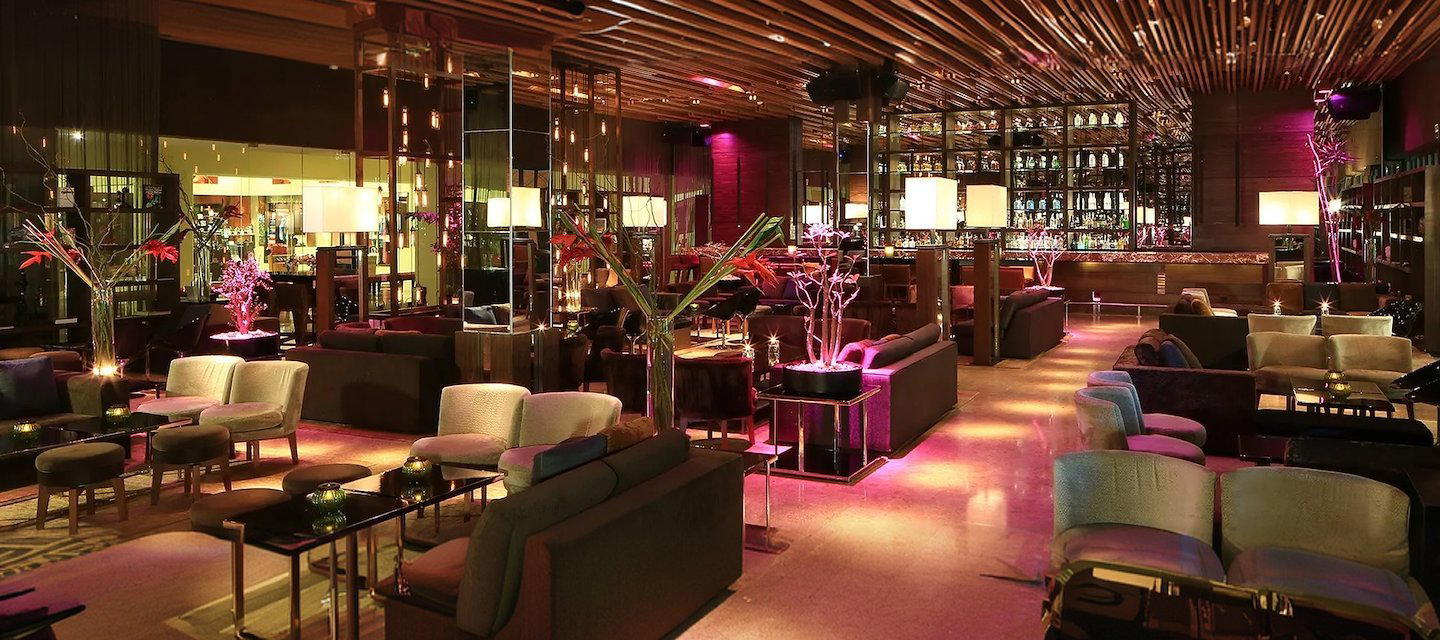
Details
- Romantic
- Elegant
- Scenic
- Sophisticated
- Well Known
- Date Night
- Special Occasion
- Celebration
- Business Dinner
- Group Dining
- Waterfront
- Panoramic View
- Design Destination
- Hotel Restaurant
- Terrace
- Craft Cocktails
- Extensive Wine List
- Local Sourcing
- Sustainable Seafood
- Waterfront
- Garden
- Tasting Menu
- A La Carte
- Wine
- Craft Cocktails
- Vegetarian Friendly
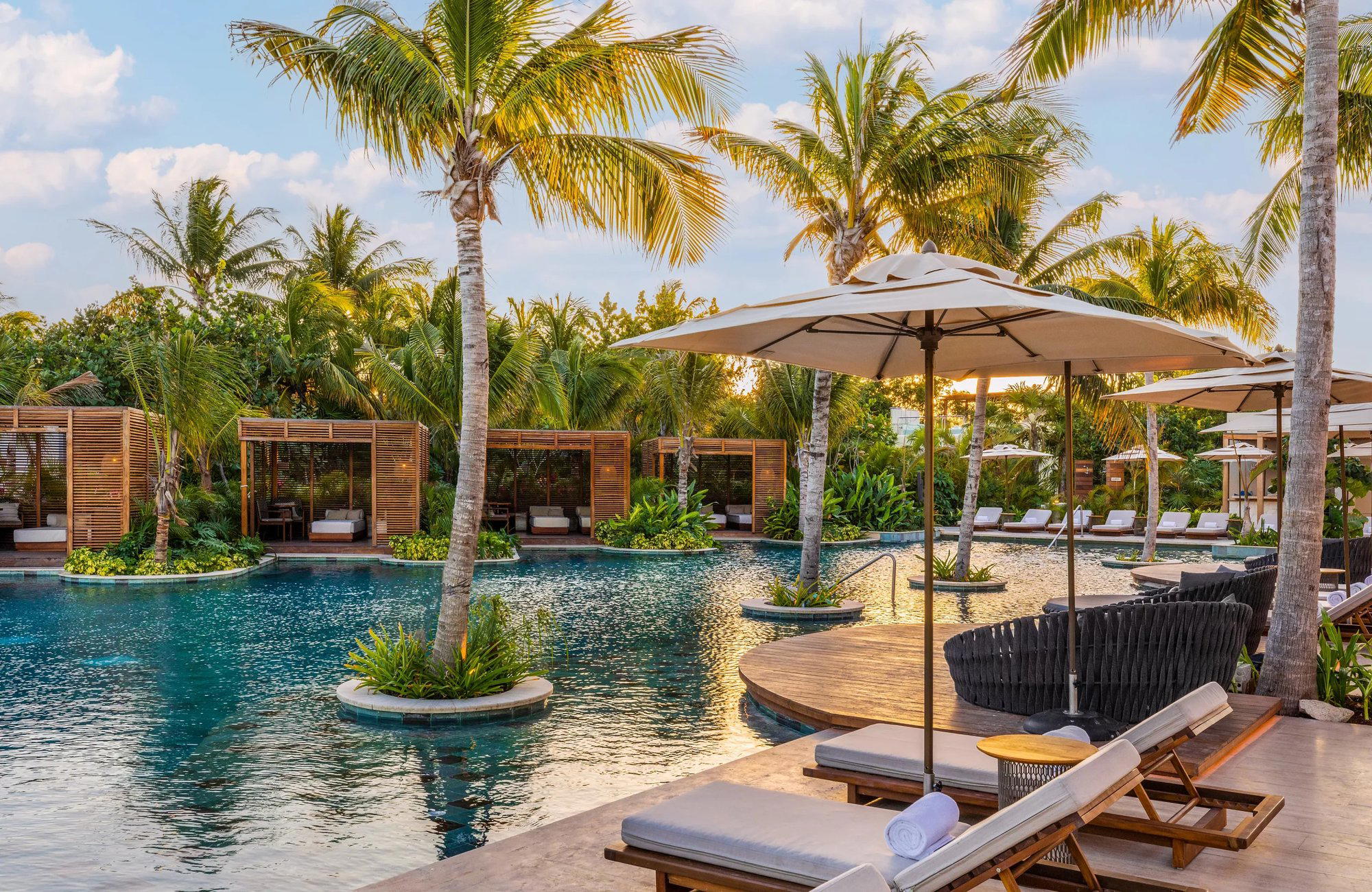
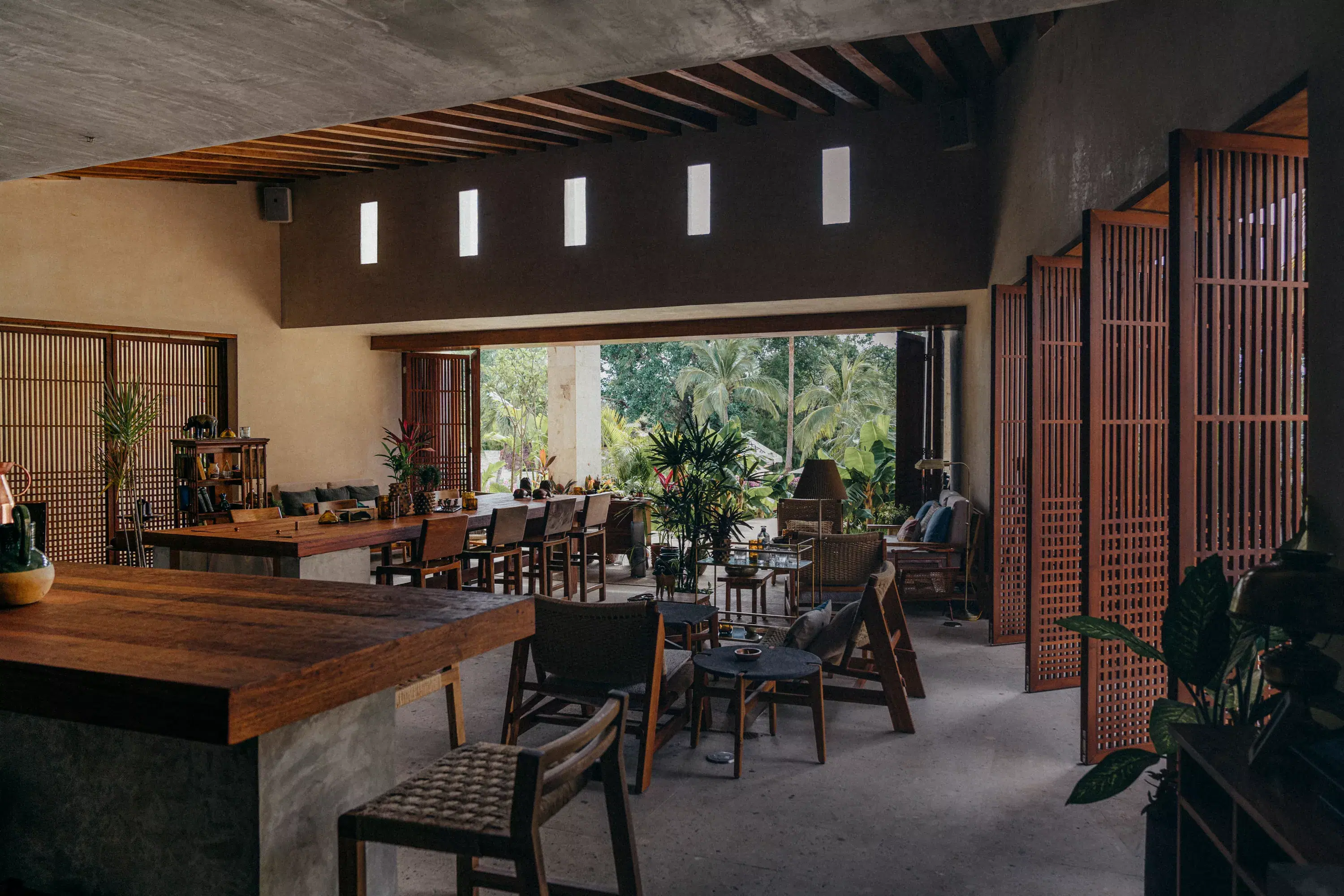
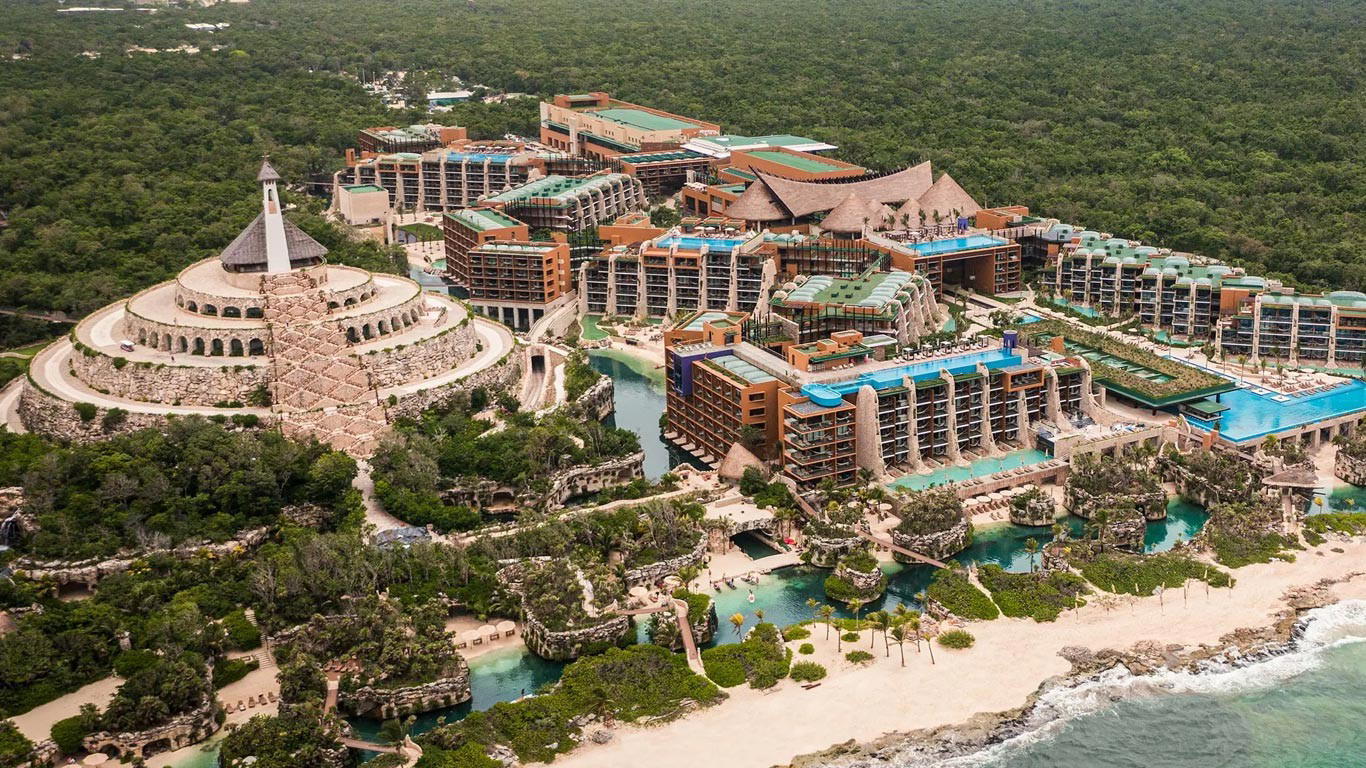
Refined, adults-only fine dining with resort-casual guests, open-air seating surrounded by water and a waterfall, intimate lighting, and a tranquil, romantic atmosphere away from the main resort bustle.